Building Blocks
Subcategorías de "Building Blocks"
- Ácidos borónicos y derivados del ácido borónico(5.778 productos)
- Building Blocks quirales(1.243 productos)
- Building Blocks de hidrocarburos(6.099 productos)
- Building Blocks orgánicos(61.038 productos)
Se han encontrado 205376 productos de "Building Blocks"
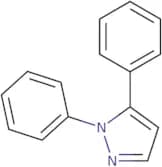
1,5-diphenyl-1H-pyrazole
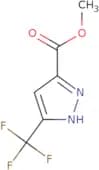
CAS:1,5-diphenyl-1H-pyrazole is a nitro compound that binds to the guanine nucleotide binding protein. It is an inhibitor of cyclic nucleotide phosphodiesterase and has been shown to inhibit the growth of cryptococcus neoformans in vitro assays. 1,5-Diphenyl-1H-pyrazole has been synthesized by an asymmetric synthesis method. The molecular modeling and nmr spectra show that 1,5-diphenyl-1H-pyrazole has a pyrazole ring with a fluorine atom at the 5 position. The reaction products of this compound are not known; however, it does have an inhibitory effect on rat liver microsomes.Fórmula:C15H12N2Pureza:Min. 95%Peso molecular:220.28 g/molMethyl 5-(trifluoromethyl)pyrazole-3-carboxylate
CAS:Versatile small molecule scaffold
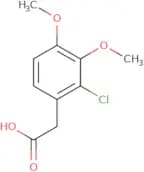
Fórmula:C6H5F3N2O2Pureza:Min. 95%Peso molecular:194.11 g/mol2-(2-Chloro-3,4-dimethoxyphenyl)acetic acid
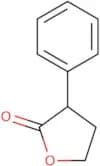
CAS:Versatile small molecule scaffoldFórmula:C10H11ClO4Pureza:Min. 95%Peso molecular:230.64 g/mol3-Phenyloxolan-2-one
CAS:Phenyloxolan-2-one is a metabolite of glutethimide. It has been shown to produce dose-dependent sedation and hypnosis in rats. It is also a potent inhibitor of the enzyme gamma-aminobutyric acid transaminase, which is responsible for the conversion of GABA to succinic semialdehyde, and may inhibit the formation of gamma-aminobutyric acid from glutamate. Phenyloxolan-2-one can be detected in urine as a metabolite of glutethimide and has been used as an analytical tool for monitoring glutethimide use.
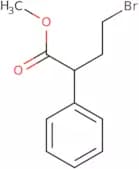
Fórmula:C10H10O2Pureza:Min. 95%Peso molecular:162.18 g/molMethyl 4-bromo-2-phenylbutanoate
CAS:Versatile small molecule scaffold
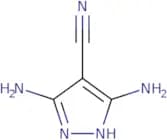
Fórmula:C11H13BrO2Pureza:Min. 95%Peso molecular:257.12 g/mol3,5-Diamino-1H-pyrazole-4-carbonitrile
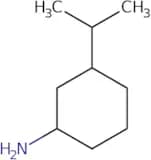
CAS:3,5-Diamino-1H-pyrazole-4-carbonitrile is a bioactive molecule that has been shown to have a range of bioactivities. This compound has been shown to be cytotoxic in human lung cancer cells and also inhibits the proliferation of human breast cancer cells. It has also been shown to inhibit the production of nitric oxide by lipopolysaccharide (LPS)-stimulated macrophages. The effects of 3,5-diamino-1H-pyrazole-4-carbonitrile on LPS stimulated macrophage nitric oxide production are due to its ability to inhibit protein synthesis, leading to reduced levels of the enzyme nitric oxide synthase.Fórmula:C4H5N5Pureza:Min. 95%Peso molecular:123.12 g/mol3-(Propan-2-yl)cyclohexan-1-amine
CAS:Versatile small molecule scaffold
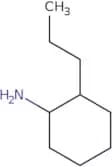
Fórmula:C9H19NPureza:Min. 95%Peso molecular:141.25 g/mol2-Propylcyclohexan-1-amine
CAS:2-Propylcyclohexan-1-amine is a hydrogenation reaction intermediate that is produced by the thermodynamic equilibrium of cyclohexanone. It is a colorless liquid that has an amine odor. 2-Propylcyclohexan-1-amine can be used as a solvent and as a reactant in industrial processes. The phosphide ion, P, in this compound can be oxidized to form phosphoric acid with heat or light. This reaction has an activation energy (Ea) of 78 kJ/mol and produces hydrogen gas and the corresponding acid from 2-propyclohexanone. The bond cleavage reaction between phosphine and cyclohexane has an Ea of 54 kJ/mol and produces hydrogen gas, phosphate ions, and the corresponding alcohol.
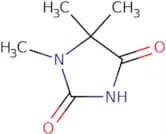
Fórmula:C9H19NPureza:Min. 95%Peso molecular:141.25 g/mol1,5,5-Trimethylhydantoin
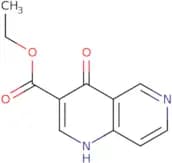
CAS:1,5,5-Trimethylhydantoin is an activated ring-opening compound that can be used as an inhibitor in the synthesis of amines. The reaction mechanism of 1,5,5-Trimethylhydantoin is a ring-opening reaction with the help of amines to form a phosphazene. To synthesize amines from 1,5,5-Trimethylhydantoin and amine monomers in the reaction mixture, it is necessary to have a cocatalyst such as chloride or silver trifluoromethanesulfonate. The crystalline structure of 1,5,5-Trimethylhydantoin is dependent on temperature and pH; at room temperature it has a monoclinic crystal structure and at higher temperatures it has a rhombic crystal structure. It was found that 1,5,5-Trimethylhydantoin also inhibits the metabolism of urinary creatinine and increases its level inFórmula:C6H10N2O2Pureza:Min. 95%Peso molecular:142.16 g/molEthyl 4-hydroxy-1,6-naphthyridine-3-carboxylate
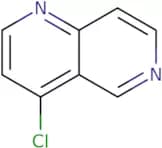
CAS:Versatile small molecule scaffoldFórmula:C11H10N2O3Pureza:Min. 95%Peso molecular:218.21 g/mol4-Chloro-1,6-naphthyridine
CAS:4-Chloro-1,6-naphthyridine is a chlorinated derivative of 1,6-naphthyridine. It is synthesized by catalytic hydrogenation. Catalytic hydrogenation of 4-chloro-1,6-naphthyridine yields two isomeric products: 4-chloronicotinamide and 4-chlorobenzamide. The industrial process for the synthesis of 4-chloro-1,6-naphthyridine involves condensation with ethyl acetate to form the N-(4'-chlorophenyl)ethane sulfonate salt followed by reaction with potassium chloride in alcoholic solution.
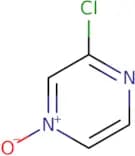
Fórmula:C8H5ClN2Pureza:Min. 95%Peso molecular:164.6 g/mol3-Chloropyrazine 1-oxide
CAS:3-Chloropyrazine 1-oxide is a colorless solid that is soluble in chloroform, acetonitrile, and ethyl acetate. It has a molecular weight of 171.44 and a melting point of -8°C. 3-Chloropyrazine 1-oxide is used as an intermediate in the preparation of quinoxalines using the cross-coupling reaction with palladium complexes. This product can be used to synthesize unsymmetrical compounds that contain nitrogen atoms by reacting with pyridine ring, which will result in a frequency shift. The chloride ion in this compound is minuscule and does not participate in any reactions. 3-Chloropyrazine 1-oxide reacts with phosphine to form chlorobenzene, which is then oxidized to form n-oxide.
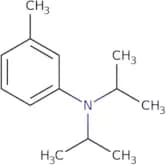
Fórmula:C4H3ClN2OPureza:Min. 95%Peso molecular:130.53 g/mol3-Methyl-N,N-bis(propan-2-yl)aniline
CAS:Versatile small molecule scaffold
Fórmula:C13H21NPureza:Min. 95%Peso molecular:191.31 g/mol4H,5H,7H-Thiopyrano[3,4-b]furan-4-one
CAS:Versatile small molecule scaffold
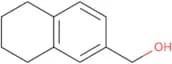
Fórmula:C7H6O2SPureza:Min. 95%Peso molecular:154.19 g/mol(5,6,7,8-Tetrahydronaphthalen-2-yl)methanol
CAS:(5,6,7,8-Tetrahydronaphthalen-2-yl)methanol is a hexacyclic molecule that is used as an intermediate in the production of drugs. It can also be used as a precursor for the synthesis of various nitrogen compounds. This compound has potent inducers of cytochrome P450 and hydroxylase enzymes. This product is also considered to be carcinogenic and has been shown to cause tumors in rats when given orally.
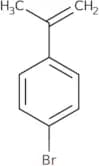
Fórmula:C11H14OPureza:Min. 95%Peso molecular:162.23 g/mol1-Bromo-4-(1-propen-2-yl)benzene
CAS:Versatile small molecule scaffoldFórmula:C9H9BrPureza:Min. 95%Peso molecular:197.08 g/mol{[3-(Trifluoromethyl)phenyl]carbamoyl}formic acid
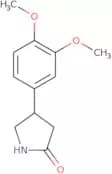
CAS:Versatile small molecule scaffoldFórmula:C9H6F3NO3Pureza:Min. 95%Peso molecular:233.14 g/mol4-(3,4-Dimethoxyphenyl)-2-pyrrolidinone
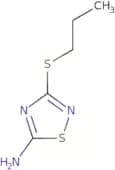
CAS:Versatile small molecule scaffoldFórmula:C12H15NO3Pureza:Min. 95%Peso molecular:221.25 g/mol3-(Propylsulfanyl)-1,2,4-thiadiazol-5-amine
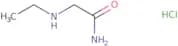
CAS:Versatile small molecule scaffoldFórmula:C5H9N3S2Pureza:Min. 95%Peso molecular:175.3 g/mol2-(Ethylamino)acetamide hydrochloride
CAS:Versatile small molecule scaffold
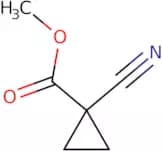
Fórmula:C4H11ClN2OPureza:Min. 95%Peso molecular:138.59 g/molMethyl 1-cyanocyclopropanecarboxylate
CAS:Versatile small molecule scaffoldFórmula:C6H7NO2Pureza:Min. 95%Peso molecular:125.13 g/mol2-(4-Hydroxy-phenyl)-benzo[de]isoquinoline-1,3-dione
CAS:Versatile small molecule scaffold
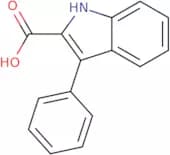
Fórmula:C18H11NO3Pureza:Min. 95%Peso molecular:289.3 g/mol3-Phenyl-1H-indole-2-carboxylic Acid
CAS:3-Phenyl-1H-indole-2-carboxylic acid is a chemical compound that has an acidic property. It is used in the analysis of hormones, such as testosterone and estradiol. 3-Phenyl-1H-indole-2-carboxylic acid is used to analyze the biotic and abiotic properties of a sample by liquid chromatography. It can be used for the profiling of steroids, such as cortisol and cortisone, and sex hormones. This chemical is also used to highlight the presence of acetonitrile in a sample.
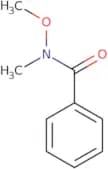
Fórmula:C15H11NO2Pureza:Min. 95%Peso molecular:237.25 g/molN-Methoxy-N-methylbenzamide
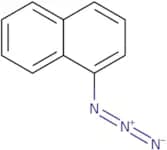
CAS:N-Methoxy-N-methylbenzamide is an amide that has been synthesized and characterized. It is a hydrogen bonding compound with the ability to form stable complexes with boron trifluoride etherate. This complex can be used as a reagent for the synthesis of quinoxalines from carbocations, which are formed by the reaction of trifluoroacetic acid with amides. The synthesis of N-Methoxy-N-methylbenzamide has been shown to be an efficient method for the production of quinoxalines. N-Methoxy-N-methylbenzamide has also been found to have anticancer activity, which may be due to its absorption in the UV region.Fórmula:C9H11NO2Pureza:Min. 95%Peso molecular:165.19 g/mol1-Azidonaphthalene
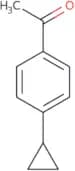
CAS:1-Azidonaphthalene is a chemical species that has an absorption band at around 280 nm. It is used in the optical and vibrational spectroscopy of silver trifluoromethanesulfonate, which is a reactive, azide-forming species. The compound can be obtained by reacting 1-naphthol with sodium azide in the presence of cellulose acetate to form a peroxide and an aromatic acid. 1-Azidonaphthalene is unstable due to its intramolecular hydrogen and reacts with oxygen or ozone to generate other chemical species such as nitrosobenzene and nitrobenzene.Fórmula:C10H7N3Pureza:Min. 95%Peso molecular:169.18 g/mol1-(4-Cyclopropylphenyl)ethanone
CAS:Versatile small molecule scaffold
Fórmula:C11H12OPureza:Min. 95%Peso molecular:160.22 g/mol1-(4-Cyclobutylphenyl)ethan-1-one
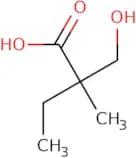
CAS:Versatile small molecule scaffoldFórmula:C12H14OPureza:Min. 95%Peso molecular:174.24 g/mol2-(Hydroxymethyl)-2-methylbutanoic acid
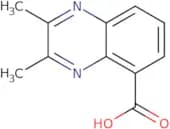
CAS:2-(Hydroxymethyl)-2-methylbutanoic acid is an inducer of microbial growth that can be used in the synthesis of organic acids. It has been shown to be efficient in the synthesis of 2-methyl-3-oxobutyric acid, which is a byproduct of L-malate degradation. The enantiomeric form of 2-(hydroxymethyl)-2-methylbutanoic acid is more effective at inducing the production of organic acids than its enantiomer. The source for this chemical is either from natural sources or from chemical synthesis. The carbon source for this chemical can be sugars, starch, or cellulose. This chemical has been found to increase efficiency in the production of organic acids through enzymatic reactions when used as a culture medium additive.Fórmula:C6H12O3Pureza:Min. 95%Peso molecular:132.16 g/mol2,3-Dimethyl-quinoxaline-5-carboxylic acid
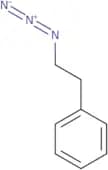
CAS:Versatile small molecule scaffoldFórmula:C11H10N2O2Pureza:Min. 95%Peso molecular:202.21 g/mol(2-Azidoethyl)benzene
CAS:2-Azidoethylbenzene is a coumarin derivative that has been identified as an important bioactive molecule. It is synthesized by the reaction of azides and benzene using a reaction solution. The compound reacts with hydroxyl groups to form a C-N bond, which may be responsible for its biological activity. 2-Azidoethylbenzene has been shown to have anti-leukemia effects in radiation-sensitive leukemia cells. It also has vasodilatory properties that may be related to the increase in blood pressure induced by the compound. 2-Azidoethylbenzene has also been shown to be effective against hypoxia inducible factors such as HIF1α, which are proteins involved in cell growth and proliferation.
Fórmula:C8H9N3Pureza:Min. 95%Peso molecular:147.18 g/mol1-Azidohexane
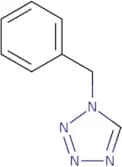
CAS:1-Azidohexane is a nitro-containing molecule that can be used as a receptor binding agent. It binds to the dopamine receptor and has been shown to inhibit tumor growth in mice. 1-Azidohexane has been found to bind to the polymerase chain reaction (PCR) enzyme, which is an enzyme that replicates DNA as part of the process of DNA amplification. The hydroxyl group on the molecule reacts with azides to form cationic polymers that are able to cross membranes and enter cells, which then polymerize inside the cell. This process can be used for gene delivery or for DNA sequencing.Fórmula:C6H13N3Pureza:Min. 95%Peso molecular:127.19 g/mol1-Benzyl-1H-1,2,3,4-tetrazole
CAS:1-Benzyl-1H-1,2,3,4-tetrazole (BTT) is a tetrazole compound that can be used as an alkylating agent. It reacts with primary amines to form a 1:1 adduct by N-alkylation. The reaction of BTT with azide results in the formation of an azido group. BTT has shown minimal inhibitory concentration against gram-negative bacteria such as Salmonella enterica and Escherichia coli. It also interacts with the molecule's p2 orbital which is predicted to have minimal interaction and reaction intermediates.Fórmula:C8H8N4Pureza:Min. 95%Peso molecular:160.18 g/mol3-Amino-1-(2-methoxyethyl)thiourea
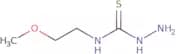
CAS:Versatile small molecule scaffold
Fórmula:C4H11N3OSPureza:Min. 95%Peso molecular:149.22 g/mol4,4-Dimethyl-3-thiosemicarbazide
CAS:Versatile small molecule scaffold
Fórmula:C3H9N3SPureza:Min. 95%Peso molecular:119.19 g/mol2-[2-(Methoxycarbonyl)phenyl]benzoic acid
CAS:2-[2-(Methoxycarbonyl)phenyl]benzoic acid is a colorless crystalline compound that is soluble in water and insoluble in alcohol. It has a constant boiling point at 310°C, with a melting point of 186°C. 2-[2-(Methoxycarbonyl)phenyl]benzoic acid reacts with methyl alcohol and heat to produce methyl benzoate. The reaction rate increases with increasing concentrations of alkaline hydrolysis, monomethyl, and methyl alcohol. The product of the reaction is an anion that can be alkenyl or diphenic depending on the other reactants present. The parameters for this reaction are temperature, kinetics, alkaline hydrolysis, monomethyl, and isopropyl alcohol.Fórmula:C15H12O4Pureza:Min. 95%Peso molecular:256.25 g/mol1,7,7-Trimethylspiro[bicyclo[2.2.1]heptane-2,4'-imidazolidine]-2',5'-dione
CAS:Versatile small molecule scaffold
Fórmula:C12H18N2O2Pureza:Min. 95%Peso molecular:222.28 g/mol6,6-Dimethylspiro[bicyclo[3.1.1]heptane-2,2'-oxirane]
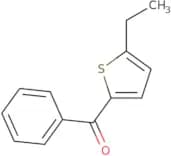
CAS:6,6-Dimethylspiro[bicyclo[3.1.1]heptane-2,2'-oxirane] is an inorganic compound that can be synthesized through the reaction of diphenyl sulfoxide with hydroxyl group. It is a polymerization initiator that is used to produce polymers with cationic polymerization and has been shown to have bactericidal activity against gram-positive bacteria such as Staphylococcus aureus. 6,6-Dimethylspiro[bicyclo[3.1.1]heptane-2,2'-oxirane] is also an excellent chemical for producing epoxides and other organic compounds as products of its reactions.Fórmula:C10H16OPureza:Min. 95%Peso molecular:152.23 g/mol(5-Ethylthiophen-2-yl)(phenyl)methanone
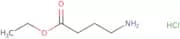
CAS:Extensive studies have been conducted to investigate the photochemical reactivity of (5-ethylthiophen-2-yl)(phenyl)methanone. The compound is activated by irradiation, and the rate of reaction increases with the intensity of light. Potassium clavulanate enhances this process, increasing the yield of products formed. Studies have shown that carprofen and benoxaprofen inhibit this reaction, which suggests that these drugs may be useful for treating skin diseases caused by bacteria. The ethyl group in (5-ethylthiophen-2-yl)(phenyl)methanone is a nonsteroidal moiety that produces an antibacterial effect. Hplc analysis has shown that clavulanic acid can be used as a constant in a model system to study the interaction between (5-ethylthiophen-2-yl)(phenyl)methanone and bacterial cells in vivo.Fórmula:C13H12OSPureza:Min. 95%Peso molecular:216.3 g/molEthyl 4-aminobutyrate hydrochloride
CAS:Ethyl 4-aminobutyrate hydrochloride is a potent inhibitor of matrix metalloproteinases that is used in the treatment of cancer. It has been shown to inhibit the production of lipofuscin and oxidative stress in cell cultures. Ethyl 4-aminobutyrate hydrochloride has also been shown to inhibit the uptake of toxic substances by cells, as well as to suppress degenerative diseases such as Parkinson's disease. This compound is able to inhibit MMPs by competitive inhibition of zinc binding or by binding to the active site. It can also be synthesized chemically using a fluorophore and chemoenzymatic method. The synthesis requires a hydroxide solution and a sodium hydroxide solution.Fórmula:C6H13NO2·HClPureza:Min. 95%Peso molecular:167.63 g/mol3-(Benzylamino)-2-methylpropanoic acid hydrochloride
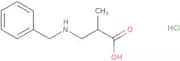
CAS:Versatile small molecule scaffoldFórmula:C11H16ClNO2Pureza:Min. 95%Peso molecular:229.7 g/mol5-Nitro-1H-quinolin-2-one
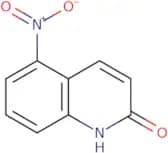
CAS:Versatile small molecule scaffold
Fórmula:C9H6N2O3Pureza:Min. 95%Peso molecular:190.16 g/mol1-Bromodocosane
CAS:1-Bromodocosane is a microcapsule that is used as an antimicrobial agent. It consists of a water-soluble polymer, polyvinyl alcohol, which forms a shell around the active ingredient, 1-bromodocosane. The brominated derivative of docosane has been shown to have a profound effect on aliphatic hydrocarbons in plant physiology.
Fórmula:C22H45BrPureza:Min. 95%Peso molecular:389.5 g/mol2-(Heptylamino)acetic acid hydrochloride
CAS:Versatile small molecule scaffoldFórmula:C9H20ClNO2Pureza:Min. 95%Peso molecular:209.71 g/mol7-Methyl-1-naphthol
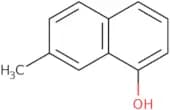
CAS:7-Methyl-1-naphthol is a prenylated aromatic compound that has been shown to have antioxidative properties. This compound has been found in Streptomyces coelicolor and was shown to have an inhibitory effect on the growth of monosubstituted benzenes. 7-Methyl-1-naphthol has also been found to be insoluble in water and does not dissolve in organic solvents, making it difficult to analyse. It is presumed that this compound is present in environmental pollution because it is resistant to peroxide degradation.Fórmula:C11H10OPureza:Min. 95%Peso molecular:158.2 g/mol5-Methyl-3,4-dihydronaphthalen-1(2H)-one
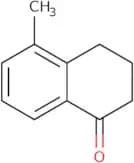
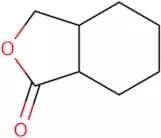
CAS:Versatile small molecule scaffoldFórmula:C11H12OPureza:Min. 95%Peso molecular:160.22 g/molrac-(3aR,7aS)-Octahydro-2-benzofuran-1-one
CAS:Racemic octahydro-2-benzofuran-1-one can be synthesized by the electrogenerated method. The reaction of benzyl alcohol and o-toluic acid in dimethylformamide with a constant current of 8 amps produces a constant yield of racemic octahydro-2-benzofuran-1-one. Racemic octahydro-2-benzofuran-1-one can also be synthesized from toluene and perchlorate in anion exchange resin at room temperature. This reaction is conducted for 24 hours, and yields about 60% of the desired product. Racemic octahydro-2-benzofuran 1 one is a colorless liquid that has a boiling point of 138°C at atmospheric pressure, and it has a constant boiling point of 141°C at reduced pressure. It has a density of 0.988 g/mL, and its molecular weightFórmula:C8H12O2Pureza:Min. 95%Peso molecular:140.18 g/mol3-Chloro-±-methylbenzyl Alcohol
CAS:3-Chloro-±-methylbenzyl Alcohol is an alcohol that can be used as a biocatalyst. It is chiral and has been shown to be an efficient catalyst for the asymmetric synthesis of (R)-2,3-butanediol in the presence of saccharomyces cerevisiae. This compound has also been shown to be an effective optical resolution agent, with a high optical purity and excellent stability in organic solvents. 3-Chloro-±-methylbenzyl Alcohol is useful in the catalyzed conversion of glucose into ethanol, which is a dry weight procedure that does not require water or addition of cosubstrate.
Fórmula:C8H9ClOPureza:Min. 95%Peso molecular:156.61 g/mol2-[2,2-Bis-(1H-indol-3-yl)-ethyl]-phenylamine
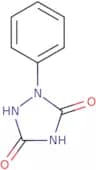
CAS:2-[2,2-Bis-(1H-indol-3-yl)-ethyl]-phenylamine is a drug that inhibits the growth of cancer cells by interfering with the epidermal growth factor receptor, which is a protein involved in cell proliferation. This drug has been shown to be effective against leukemia and breast cancer cells. 2-[2,2-Bis-(1H-indol-3-yl)-ethyl]-phenylamine has also been shown to synergistically interact with light emission and preventative therapies, such as radiation therapy and chemotherapy. The compound has been shown to have an effect on body fat mass and also transport properties for certain drugs.Fórmula:C24H21N3Pureza:Min. 95%Peso molecular:351.4 g/mol1-Phenyl-1,2,4-triazolidine-3,5-dione
CAS:1-Phenyl-1,2,4-triazolidine-3,5-dione is a molecule that can be used for biological purposes. It has the chemical formula of C6H4N2O3 and a molecular weight of 180.14 g/mol. The hydrogen bonds between the hydroxyl group and the skeleton are strong enough to keep the molecule in shape. The molecule is thermally developable; it can be developed after exposure to heat or light. 1-Phenyl-1,2,4-triazolidine-3,5-dione has been shown to react with silver ions and metal surfaces such as aluminum and titanium oxide. This compound may also be useful for coatings that are reactive to light or heat because it will form a film when exposed to either one.
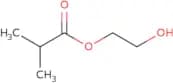
Fórmula:C8H7N3O2Pureza:Min. 95%Peso molecular:177.16 g/mol2-Hydroxyethyl 2-methylpropanoate
CAS:2-Hydroxyethyl 2-methylpropanoate is a fatty acid ester that has been used as a chemical intermediate in the synthesis of other chemicals. It can be synthesized by reacting a carboxylate with an alcohol, followed by hydrolysis. The reaction is exothermic, and the product has a lipophilic nature. This compound is often used in clinical applications because it is hydrophobic and can form polymers easily.
Fórmula:C6H12O3Pureza:Min. 95%Peso molecular:132.16 g/mol

![4H,5H,7H-Thiopyrano[3,4-b]furan-4-one](/_next/image/?url=https%3A%2Fstatic.cymitquimica.com%2Fproducts%2F3D%2Fthumb-webp%2FGAA88151.webp&w=3840&q=75)
![{[3-(Trifluoromethyl)phenyl]carbamoyl}formic acid](/_next/image/?url=https%3A%2Fstatic.cymitquimica.com%2Fproducts%2F3D%2Fthumb-webp%2FGAA89083.webp&w=3840&q=75)
![2-(4-Hydroxy-phenyl)-benzo[de]isoquinoline-1,3-dione](/_next/image/?url=https%3A%2Fstatic.cymitquimica.com%2Fproducts%2F3D%2Fthumb-webp%2FGAA91499.webp&w=3840&q=75)



![2-[2-(Methoxycarbonyl)phenyl]benzoic acid](/_next/image/?url=https%3A%2Fstatic.cymitquimica.com%2Fproducts%2F3D%2Fthumb-webp%2FGAA92684.webp&w=3840&q=75)
![1,7,7-Trimethylspiro[bicyclo[2.2.1]heptane-2,4'-imidazolidine]-2',5'-dione](/_next/image/?url=https%3A%2Fstatic.cymitquimica.com%2Fproducts%2F3D%2Fthumb-webp%2FGAA92930.webp&w=3840&q=75)
![6,6-Dimethylspiro[bicyclo[3.1.1]heptane-2,2'-oxirane]](/_next/image/?url=https%3A%2Fstatic.cymitquimica.com%2Fproducts%2F3D%2Fthumb-webp%2FGAA93154.webp&w=3840&q=75)



![2-[2,2-Bis-(1H-indol-3-yl)-ethyl]-phenylamine](/_next/image/?url=https%3A%2Fstatic.cymitquimica.com%2Fproducts%2F3D%2Fthumb-webp%2FGAA94173.webp&w=3840&q=75)