Building Blocks
Subcategorías de "Building Blocks"
- Ácidos borónicos y derivados del ácido borónico(5.783 productos)
- Building Blocks quirales(1.242 productos)
- Building Blocks de hidrocarburos(6.105 productos)
- Building Blocks orgánicos(61.055 productos)
Se han encontrado 205383 productos de "Building Blocks"
2-(4-Bromo-2-formyl-6-methoxyphenoxy)acetic acid
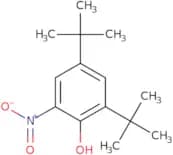
CAS:Versatile small molecule scaffoldFórmula:C10H9BrO5Pureza:Min. 95%Peso molecular:289.08 g/mol2,4-Bis(tert-butyl)-6-nitrophenol
CAS:2,4-Bis(tert-butyl)-6-nitrophenol is a ligand that binds to heme proteins. The binding of this ligand to the heme protein inhibits the oxidation of the iron atom. This reaction vessel has been postulated to catalyze the oxidation of benzothiazine to produce an oxidant, which can be monitored using an absorption spectroscopy. 2,4-Bis(tert-butyl)-6-nitrophenol has also been shown to inhibit cellular respiration in plants and animals by inhibiting electron transport chain complexes. Bioassays have been used to determine the inhibition potential of 2,4-Bis(tert-butyl)-6-nitrophenol on the erythrocyte membrane.Fórmula:C14H21NO3Pureza:95%NmrPeso molecular:251.33 g/mol2-Hydroxy-3-methoxy-4-nitrobenzaldehyde
CAS:2-Hydroxy-3-methoxy-4-nitrobenzaldehyde is an intermediate in the synthesis of 2-hydroxy-3,4-dihydroxypyridine and sodium nitrate. It can be obtained by reacting ethoxycarbonyl chloride with benzoic acid followed by hydrolysis of the ester. The reaction is catalyzed by benzoic acid and benzotriazole. Mosapride is a drug that belongs to the class of benzodiazepines and has been shown to have analgesic properties. This drug also has proton pump inhibitor properties and reduces gastric acid secretion.
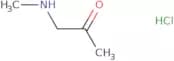
Fórmula:C8H7NO5Pureza:Min. 95%Peso molecular:197.14 g/mol1-(Methylamino)propan-2-one hydrochloride
CAS:Versatile small molecule scaffoldFórmula:C4H10ClNOPureza:Min. 95%Peso molecular:123.58 g/mol(S)-1-Mesitylethanamine ee
CAS:(S)-1-Mesitylethanamine ee is an efficient, acidic, and stereospecific ligand that has been used in the synthesis of a range of chiral drugs. It is a chloroformate that undergoes hydrolysis to release formaldehyde, which reacts with ammonia to form (S)-1-mesitylethanamine ee. The reaction is catalyzed by acid or base. The formaldehyde may also be replaced by nitrous oxide or methylamine. The (S)-1-mesitylethanamine ee ligand has been shown to bind the metal ion in a number of complexes and show kinetic behavior in a number of reactions. This ligand has been used as a resolving agent for racemic mixtures and enantiopure compounds from natural sources such as plants and animals.br>br>
br>br>
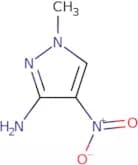
If you are looking for more information on this product, please visit our website atFórmula:C11H17NPureza:Min. 95%Peso molecular:163.26 g/mol1-Methyl-4-nitro-1H-pyrazol-3-amine
CAS:Versatile small molecule scaffoldFórmula:C4H6N4O2Pureza:Min. 95%Peso molecular:142.12 g/mol4-Methyl-2-phenyl-1H-pyrrole
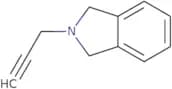
CAS:Versatile small molecule scaffoldFórmula:C11H11NPureza:Min. 95%Peso molecular:157.21 g/mol2-(Prop-2-yn-1-yl)-2,3-dihydro-1H-isoindole
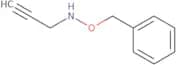
CAS:Versatile small molecule scaffoldFórmula:C11H11NPureza:Min. 95%Peso molecular:157.21 g/mol(Benzyloxy)(prop-2-yn-1-yl)amine
CAS:Versatile small molecule scaffoldFórmula:C10H11NOPureza:Min. 95%Peso molecular:161.2 g/molBenzyl(methoxy)amine
CAS:Benzyl(methoxy)amine is a heterocyclic compound that has been shown to be an effective transport inhibitor for galleria mellonella. It reacts with quinoline derivatives to form amides, which have been shown to inhibit the activity of matrix metalloproteinases and are reactive towards hydrochloric acid. The reaction yield of benzyl(methoxy)amine is increased by adding imine, which is generated from the hydrolysis of benzaldehyde. This reaction can be monitored using liquid chromatography. Benzyl(methoxy)amine has also been shown to have antimicrobial effects against thp-1 cells, which are human leukemia cells, in vitro.
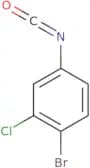
Fórmula:C8H11NOPureza:Min. 95%Peso molecular:137.18 g/mol1-Bromo-2-chloro-4-isocyanatobenzene
CAS:Versatile small molecule scaffoldFórmula:C7H3BrClNOPureza:Min. 95%Peso molecular:232.46 g/molSpiro[2.3]hexan-5-one
CAS:Spiro[2.3]hexan-5-one is an organic compound that belongs to the class of flavonoids. It is a cyclic ketone with two hydroxyl groups in the 5 and 6 positions and one hydrogen atom in the 3 position. Spiro[2.3]hexan-5-one has been shown to have antioxidant activity as well as inhibitory effects on bacterial growth and biofilm formation. Spiro[2.3]hexan-5-one is also used for coatings, adhesives, and plastics, due to its hydrophobic properties and ability to form films at room temperature without the addition of solvents or plasticizers. Spiro[2.3]hexan-5-one can be synthesized from sodium hydroxide solution in a supercritical state or using techniques such as gas phase reactions or microwave irradiation with broadband radiation sources, which are sustainable processes that do not produce greenhouse gases or other harmfulPureza:Min. 95%spiro[3.3]heptane-2,6-dione
CAS:Spiro[3.3]heptane-2,6-dione is an experimental compound that has a profile of optimum temperature, diameter, and irradiation. Spiro[3.3]heptane-2,6-dione is a highly crystalline compound that can be produced from bio-oil by solar intensities and light intensities. This compound reacts with quartz to produce spiro[3.3]heptane-2,6-dione or spiro[4.5]decane-2,7-dione as products.Fórmula:C7H8O2Pureza:Min. 95%Peso molecular:124.14 g/mol2-Methylbenzo[d]thiazole-5-carbaldehyde
CAS:Versatile small molecule scaffold
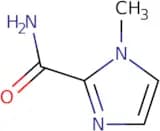
Fórmula:C9H7NOSPureza:Min. 95%Peso molecular:177.22 g/mol1-Methyl-1H-imidazole-2-carboxamide
CAS:1-Methyl-1H-imidazole-2-carboxamide (1MICA) is an organic compound that has been shown to be a potent inhibitor of cellular proliferation. It is used in the deployment and validation of diagnostic tests for cardiovascular diseases. 1MICA inhibits the growth of cells by binding to DNA, preventing the synthesis of RNA and protein. This drug also has a logistic regression model as part of its basic structure. The clinical relevance of 1MICA is still being investigated, but it may have potential for use in telecommunication applications.Fórmula:C5H7N3OPureza:Min. 95%Peso molecular:125.13 g/mol5-Iodo-3-methylisothiazole
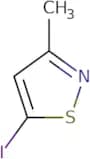
CAS:5-Iodo-3-methylisothiazole is a chemical compound that is used in the synthesis of agrochemicals. It is an alkenyl amine with the chemical formula CH3CH2N2. 5-Iodo-3-methylisothiazole reacts with phosphine to form methylisothiophosphonate, which can be used as a catalyst for the dimerization of ethylene and propylene. 5-Iodo-3-methylisothiazole has been shown to be a useful catalyst for the conversion of monoxide and amines into chlorides. The high yield of this reaction offers a cheaper alternative to other methods that require more expensive catalysts, such as palladium or platinum. 5-Iodo-3-methylisothiazole is also an effective catalyst for the oxidation of alcohols to ketones and aldehydes. This process can be carried out using either oxygen or hydrogen peroxide asFórmula:C4H4INSPureza:Min. 95%Peso molecular:225.05 g/mol5-Chloro-3-methyl-isothiazole
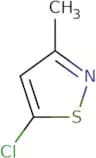
CAS:Versatile small molecule scaffold
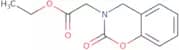
Fórmula:C4H4ClNSPureza:Min. 95%Peso molecular:133.6 g/molEthyl 2-(2-oxo-3,4-dihydro-2H-1,3-benzoxazin-3-yl)acetate
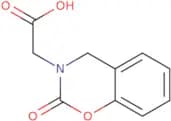
CAS:Versatile small molecule scaffoldFórmula:C12H13NO4Pureza:Min. 95%Peso molecular:235.24 g/mol2-(2-Oxo-3,4-dihydro-2H-1,3-benzoxazin-3-yl)acetic acid
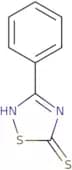
CAS:Versatile small molecule scaffoldFórmula:C10H9NO4Pureza:Min. 95%Peso molecular:207.18 g/mol3-Phenyl-1,2,4-thiadiazole-5-thiol
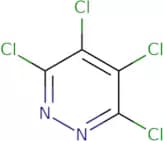
CAS:Versatile small molecule scaffoldFórmula:C8H6N2S2Pureza:Min. 95%Peso molecular:194.3 g/molTetrachloropyridazine
CAS:Tetrachloropyridazine is a reactive chlorine atom that is a byproduct of the production of chlorofluorocarbons. It is an intermediate in the synthesis of the pesticide DDT. The molecule is also used as a reagent in organic synthesis and in the synthesis of other compounds such as trifluoroacetic acid, nitro, and diazonium salt. Tetrachloropyridazine has been shown to be cytotoxic against cancer cells. Tetrachloropyridazine reacts with DNA at N7-position on purines, leading to its reactivity with nucleophiles such as amines and alcohols. The reaction mechanism begins with nucleophilic attack on the electron deficient nitrogen atoms, followed by elimination of hydrogen chloride and formation of a stable heterocycle.Fórmula:C4Cl4N2Pureza:Min. 95%Peso molecular:217.87 g/mol5-Chloropentanal
CAS:5-Chloropentanal is an asymmetric synthesis of β-unsaturated aldehydes that was achieved by using a functional group. The presence of the hydroxyl group in this molecule is what gives it its enantioselectivity. This compound has been shown to be active against influenza virus and has been used as a lead compound for the development of anti-influenza compounds. 5-Chloropentanal also has the ability to react with cyanosilylation, which can be used to synthesize peptides or other biomolecules. This chemical can also be used as an intermediate in the synthesis of dimethyl fumarate, which is an effective treatment for multiple sclerosis.
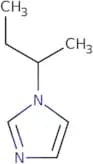
Pureza:Min. 95%1-(Butan-2-yl)-1H-imidazole
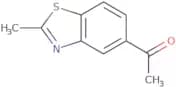
CAS:Versatile small molecule scaffoldFórmula:C7H12N2Pureza:Min. 95%Peso molecular:124.18 g/mol1-(2-Methyl-1,3-benzothiazol-5-yl)ethan-1-one
CAS:Versatile small molecule scaffold
Fórmula:C10H9NOSPureza:Min. 95%Peso molecular:191.25 g/mol4-Chloro-2-[(4-chlorophenyl)sulfanyl]benzoic acid
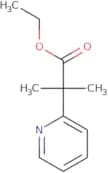
CAS:Versatile small molecule scaffoldFórmula:C13H8Cl2O2SPureza:Min. 95%Peso molecular:299.2 g/molEthyl 2-methyl-2-(pyridin-2-yl)propanoate
CAS:Versatile small molecule scaffold
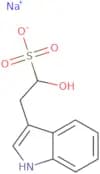
Fórmula:C11H15NO2Pureza:Min. 95%Peso molecular:193.24 g/molSodium 1-Hydroxy-2-(1H-indol-3-yl)ethane-1-sulfonate
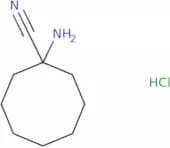
CAS:Versatile small molecule scaffoldFórmula:C10H10NO4S·NaPureza:Min. 95%Peso molecular:263.24 g/mol1-Aminocyclooctane-1-carbonitrile hydrochloride
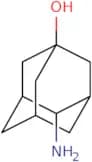
CAS:Versatile small molecule scaffoldFórmula:C9H17ClN2Pureza:Min. 95%Peso molecular:188.7 g/mol4-Aminoadamantan-1-ol hydrochloride
CAS:4-Aminoadamantan-1-ol hydrochloride is a synthetic compound that can be synthesized by reacting methanol with hydroxylamine in the presence of a high yield salt. The salt formation and recrystallization process are required for obtaining 4-Aminoadamantan-1-ol hydrochloride. The synthesis process is patented, and the hydrogenation reduction is performed using the Raney nickel catalyst. The patent for the synthesis process has expired, and it is now commercially available.Fórmula:C10H18ClNOPureza:Min. 95%Peso molecular:203.71 g/mol3-(Isopropylamino)propanamide
CAS:Versatile small molecule scaffold
Fórmula:C6H14N2OPureza:Min. 95%Peso molecular:130.19 g/molRef: 3D-VAA10189
1gA consultar5gA consultar10gA consultar25mg333,00€250mg1.242,00€500mgA consultar2500mg1.146,00€2-(4-Chlorophenyl)acetamide
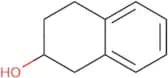
CAS:2-(4-Chlorophenyl)acetamide is an imidazole that has been shown to bind the sirtuin. Sirtuins are enzymes that regulate cellular metabolism and play a role in the aging process. This drug binds to sirtuin and prevents it from binding with NAD+, which is needed for the enzyme's activity. 2-(4-Chlorophenyl)acetamide also inhibits mitogen-activated protein kinase, which plays a role in regulating cell growth and differentiation, as well as inhibiting amide hydrolysis, which leads to its anti-inflammatory effects. 2-(4-Chlorophenyl)acetamide has been shown to inhibit the activity of benzodiazepine receptors. It also has a kinetic reaction with carbonyl compounds and tetrahydrofuran, leading to its dihedral structure.Fórmula:C8H8ClNOPureza:Min. 95%Peso molecular:169.61 g/mol(2S)-1,2,3,4-Tetrahydronaphthalen-2-ol
CAS:Versatile small molecule scaffold
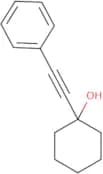
Fórmula:C10H12OPureza:Min. 95%Peso molecular:148.2 g/mol1-(Phenylethynyl)cyclohexanol
CAS:Versatile small molecule scaffold
Fórmula:C14H16OPureza:Min. 95%Peso molecular:200.28 g/mol1-((1-(Benzoyloxy)propan-2-yl)oxy)propan-2-yl benzoate
CAS:1-((1-(Benzoyloxy)propan-2-yl)oxy)propan-2-yl benzoate is a synthetic compound that has been shown to inhibit the growth of bacteria by inhibiting enzyme activities in the bacterial cell. It binds to DNA polymerase and prevents the extension of the 3' end of DNA. It also inhibits other enzymes such as RNA polymerase, ribonuclease H, and DNA gyrase. 1-((1-(Benzoyloxy)propan-2-yl)oxy)propan-2-yl benzoate has been shown to be effective against E. coli, which is resistant to many antibiotics because it lacks a cytoplasmic membrane. This compound also inhibits cyclic peptide activity in bacteria, a reaction that is important for growth and replication. The mechanism for this inhibition is not known but may involve hydrophobic interactions or an electrostatic effect.
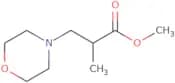
Fórmula:C20H22O5Pureza:Min. 95%Peso molecular:342.4 g/molMethyl 2-methyl-3-morpholin-4-ylpropanoate
CAS:Versatile small molecule scaffold
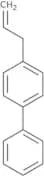
Fórmula:C9H17NO3Pureza:Min. 95%Peso molecular:187.24 g/mol3-(4-Biphenyl)-1-propene
CAS:Versatile small molecule scaffold
Fórmula:C15H14Pureza:Min. 95%Peso molecular:194.27 g/mol3-[1-(Carboxymethyl)cyclohexyl]propanoic acid
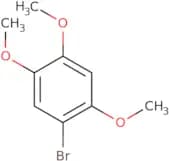
CAS:Versatile small molecule scaffoldFórmula:C11H18O4Pureza:Min. 95%Peso molecular:214.26 g/mol1-Bromo-2,4,5-trimethoxybenzene
CAS:1-Bromo-2,4,5-trimethoxybenzene is an organic nitrate. It can be used as a starting material for the synthesis of other compounds by alkylation and oxidative cyclization reactions. 1-Bromo-2,4,5-trimethoxybenzene has been shown to have antrodia camphorata activity in biological studies.
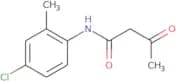
Fórmula:C9H11BrO3Pureza:Min. 95%Peso molecular:247.09 g/mol4'-Chloro-2'-methylacetoacetanilide
CAS:4'-Chloro-2'-methylacetoacetanilide (4CMA) is a synthetic organic compound that was first synthesized in 1876. It can be used as a yellow dye or as an intermediate for other dyes. 4CMA is also used to produce the red food dye erythrosine, and has been used in the synthesis of azopigments. The use of mass spectrometric techniques to identify 4CMA has allowed it to be detected in environmental samples, such as wastewater and natural water sources. These advances have led to increased interest in the compound's potential toxicity, which has been studied extensively.
Fórmula:C11H12ClNO2Pureza:Min. 95%Peso molecular:225.67 g/molRef: 3D-VAA13955
10gA consultar25gA consultar50gA consultar100gA consultar250gA consultar250mg198,00€2500mg797,00€7-Nitroisoquinolin-1(2H)-one
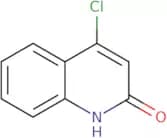
CAS:7-Nitroisoquinolin-1(2H)-one is a chemical compound that can be obtained by reacting n-alkyl chloride with nitric acid. This reaction yields 7-nitroisoquinolin-1(2H)-one in a sequence of steps, which begins by the formation of nitrous acid and the nitration of an alcohol to form an alkyl nitrate. The next step involves the reaction of an alkyl nitrate with hydrochloric acid to form an alkyl chloride, followed by a second reaction with hydrochloric acid to form the final product.Fórmula:C9H6N2O3Pureza:Min. 95%Peso molecular:190.16 g/mol4-Chloroquinolin-2(1H)-one
CAS:4-Chloroquinolin-2(1H)-one is a diphenyl ether with a molecular weight of 152.14. It has been shown to inhibit the growth of cancer cells in vitro and in vivo. It binds to amines that are present on the surface of collagen and nintedanib, which is used to treat pulmonary arterial hypertension, and prevents their aggregation. The compound also inhibits cross-coupling reactions between chloride ions and 5-chloro-8-hydroxyquinoline, which is used as an antihypertensive drug. 4-Chloroquinolin-2(1H)-one has been shown to have significant kinetic properties that can be studied using magnetic resonance spectroscopy (MRS). This chemical's mechanism of action is not well understood, but it has been shown to undergo tautomerization when exposed to dimethylformamide, a solvent commonly found in wastewater.Fórmula:C9H6ClNOPureza:Min. 95%Peso molecular:179.6 g/mol6-Methylquinolin-2-amine
CAS:Versatile small molecule scaffold
Fórmula:C10H10N2Pureza:Min. 95%Peso molecular:158.2 g/molRef: 3D-VAA15084
1gA consultar25mg333,00€50mgA consultar100mgA consultar250mg1.242,00€500mgA consultar5,7-Dimethylquinoline
CAS:Versatile small molecule scaffoldFórmula:C11H11NPureza:Min. 95%Peso molecular:157.21 g/mol8-Methylquinolin-2-amine
CAS:Versatile small molecule scaffold
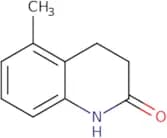
Fórmula:C10H10N2Pureza:Min. 95%Peso molecular:158.2 g/mol5-Methyl-3,4-dihydroquinolin-2(1H)-one
CAS:Versatile small molecule scaffold
Fórmula:C10H11NOPureza:Min. 95%Peso molecular:161.2 g/mol8-Methyl-3,4-dihydroquinolin-2(1H)-one
CAS:Versatile small molecule scaffold
Fórmula:C10H11NOPureza:Min. 95%Peso molecular:161.2 g/mol2-Hydroxy-4-(propan-2-yl)benzoic acid
CAS:2-Hydroxy-4-(propan-2-yl)benzoic acid (HPBA) is a benzoic acid derivative that can be used in the synthesis of medicines, such as sulfonamides. HPBA is also used to synthesize alkyl halides and halides, which are used in organic chemistry. HPBA is an effective catalyst for the catalytic hydrogenation of various unsaturated hydrocarbons and alcohols. This process provides a high yield of desired products.
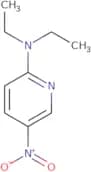
Fórmula:C10H12O3Pureza:Min. 95%Peso molecular:180.2 g/molN,N-Diethyl-5-nitropyridin-2-amine
CAS:Versatile small molecule scaffold
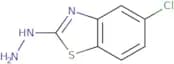
Fórmula:C9H13N3O2Pureza:Min. 95%Peso molecular:195.22 g/mol5-Chloro-2-hydrazinyl-1,3-benzothiazole
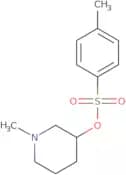
CAS:Versatile small molecule scaffoldFórmula:C7H6ClN3SPureza:Min. 95%Peso molecular:199.66 g/molToluene-4-sulfonic acid 1-methyl-piperidin-3-yl ester hydrochloride
CAS:Versatile small molecule scaffold
Fórmula:C13H19NO3SPureza:Min. 95%Peso molecular:269.36 g/mol






![Spiro[2.3]hexan-5-one](/_next/image/?url=https%3A%2Fstatic.cymitquimica.com%2Fproducts%2F3D%2Fthumb-webp%2FVAA06122.webp&w=3840&q=75)
![spiro[3.3]heptane-2,6-dione](/_next/image/?url=https%3A%2Fstatic.cymitquimica.com%2Fproducts%2F3D%2Fthumb-webp%2FVAA06123.webp&w=3840&q=75)
![2-Methylbenzo[d]thiazole-5-carbaldehyde](/_next/image/?url=https%3A%2Fstatic.cymitquimica.com%2Fproducts%2F3D%2Fthumb-webp%2FVAA06146.webp&w=3840&q=75)

![4-Chloro-2-[(4-chlorophenyl)sulfanyl]benzoic acid](/_next/image/?url=https%3A%2Fstatic.cymitquimica.com%2Fproducts%2F3D%2Fthumb-webp%2FVAA09254.webp&w=3840&q=75)



![3-[1-(Carboxymethyl)cyclohexyl]propanoic acid](/_next/image/?url=https%3A%2Fstatic.cymitquimica.com%2Fproducts%2F3D%2Fthumb-webp%2FVAA12708.webp&w=3840&q=75)