


Building Blocks
Esta sección contiene productos fundamentales para la síntesis de compuestos orgánicos y biológicos. Building blocks son los materiales de partida esenciales utilizados para construir moléculas complejas a través de diversas reacciones químicas. Desempeñan un papel crítico en el descubrimiento de fármacos, la ciencia de materiales y la investigación química. En CymitQuimica, ofrecemos una gama diversa de building blocks de alta calidad para apoyar sus investigaciones innovadoras y proyectos industriales, asegurando que tenga los componentes esenciales para una síntesis exitosa.
Subcategorías de "Building Blocks"
- Ácidos borónicos y derivados del ácido borónico(5.784 productos)
- Building Blocks quirales(1.242 productos)
- Building Blocks de hidrocarburos(6.105 productos)
- Building Blocks orgánicos(61.065 productos)
Se han encontrado 205418 productos de "Building Blocks"
Ordenar por
Pureza (%)
0
100
|
0
|
50
|
90
|
95
|
100
[2-(4-Methylphenyl)-1,3-oxazol-4-yl]methanamine hydrochloride
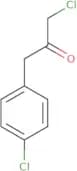
CAS:Versatile small molecule scaffoldFórmula:C11H12N2OPureza:Min. 95%Peso molecular:188.23 g/mol1-Chloro-3-(4-chlorophenyl)propan-2-one
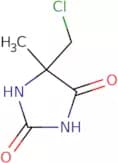
CAS:Versatile small molecule scaffoldFórmula:C9H8Cl2OPureza:Min. 95%Peso molecular:203.06 g/mol5-(Chloromethyl)-5-methylimidazolidine-2,4-dione
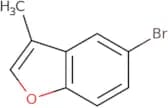
CAS:Versatile small molecule scaffoldFórmula:C5H7ClN2O2Pureza:Min. 95%Peso molecular:162.57 g/mol5-Bromo-3-methyl-1-benzofuran
CAS:Versatile small molecule scaffold
Fórmula:C9H7BrOPureza:Min. 95%Peso molecular:211.06 g/mol4,5-Diphenyl-oxazol-2-ylamine
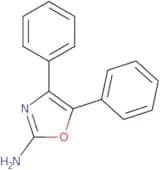
CAS:4,5-Diphenyl-oxazol-2-ylamine is a heterocycle that belongs to the pyridine class of heterocycles. It has been synthesized by a two step process starting with 2,6-dichloropyridine. The first step is a nucleophilic substitution reaction involving the chloro group and an amine group at C3 position of the pyridine ring. The second step involves an electrophilic aromatic substitution reaction with 4,5-diphenyloxazole to form the desired product. This compound has been shown to be more reactive than other heterocycles due to its electron withdrawing groups.Fórmula:C15H12N2OPureza:Min. 95%Peso molecular:236.27 g/mol2-Amino-1-(4-tert-butylphenyl)ethan-1-one hydrochloride
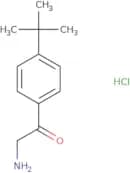
CAS:Producto controladoVersatile small molecule scaffoldFórmula:C12H18ClNOPureza:Min. 95%Peso molecular:227.73 g/mol1-Amino-3,3-dimethyl-butan-2-one hydrochloride
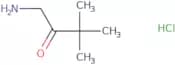
CAS:1-Amino-3,3-dimethyl-butan-2-one hydrochloride is a carboxamide that inhibits the cyclin-dependent kinases (CDKs) and is used to treat immune diseases. It has been shown to inhibit the production of nitric oxide by inhibiting the enzyme nitric oxide synthase. 1-Amino-3,3-dimethyl-butan-2-one hydrochloride also inhibits the activity of kinases that are important for cell division and proliferation. This drug was also found to have anti cancer properties as it prevents cells from dividing. The drug binds to an aromatic ring system in proteins and blocks the activity of enzymes that are responsible for protein synthesis.Fórmula:C6H14ClNOPureza:Min. 95%Peso molecular:151.63 g/mol2-Amino-3-methyl-1-phenylbutan-1-one hydrochloride
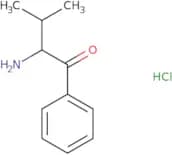
CAS:Producto controlado2-Amino-3-methyl-1-phenylbutan-1-one hydrochloride is an optical isomer that has been shown to be a potent muscle relaxant. It has been shown to have a high degree of efficacy in clinical studies for the treatment of spasticity from multiple sclerosis and spinal cord injury. This drug also has anti-inflammatory properties and is used in medicines for the treatment of pain. 2-Amino-3-methyl-1-phenylbutan-1-one hydrochloride binds to glutamic acid, an amino acid found in proteins, and inhibits its ability to bind with glutamine, which leads to a decrease in the production of glutamic acid.Fórmula:C11H16ClNOPureza:Min. 95%Peso molecular:213.7 g/mol4-Ethyl-2,3-dihydro-1,3-thiazole-2-thione
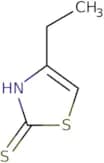
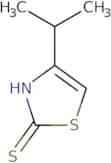
CAS:Versatile small molecule scaffoldFórmula:C5H7NS2Pureza:Min. 95%Peso molecular:145.3 g/mol4-(Propan-2-yl)-1,3-thiazole-2-thiol
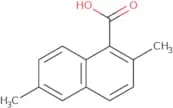
CAS:Versatile small molecule scaffoldFórmula:C6H9NS2Pureza:Min. 95%Peso molecular:159.3 g/mol2,6-Dimethylnaphthalene-1-carboxylic acid
CAS:Versatile small molecule scaffold
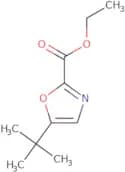
Fórmula:C13H12O2Pureza:Min. 95%Peso molecular:200.23 g/molEthyl 5-tert-butyl-1,3-oxazole-2-carboxylate
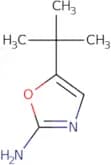
CAS:Versatile small molecule scaffoldFórmula:C10H15NO3Pureza:Min. 95%Peso molecular:197.23 g/mol5-tert-Butyl-1,3-oxazol-2-amine
CAS:Versatile small molecule scaffold
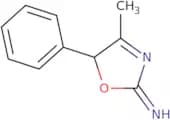
Fórmula:C7H12N2OPureza:Min. 95%Peso molecular:140.18 g/mol4-Methyl-5-phenyl-1,3-oxazol-2-amine
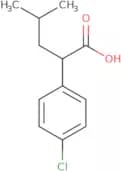
CAS:Producto controladoVersatile small molecule scaffoldFórmula:C10H10N2OPureza:Min. 95%Forma y color:PowderPeso molecular:174.2 g/mol2-(4-Chlorophenyl)-4-methylpentanoic acid
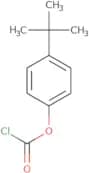
CAS:Versatile small molecule scaffoldFórmula:C12H15ClO2Pureza:Min. 95%Peso molecular:226.7 g/mol4-tert-Butylphenyl carbonochloridate
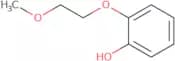
CAS:Versatile small molecule scaffoldFórmula:C11H13ClO2Pureza:Min. 95%Peso molecular:212.67 g/mol2-(2-Methoxyethoxy)phenol
CAS:Versatile small molecule scaffold
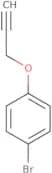
Fórmula:C9H12O3Pureza:Min. 95%Peso molecular:168.19 g/mol1-bromo-4-(prop-2-yn-1-yloxy)benzene
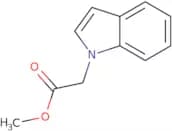
CAS:1-bromo-4-(prop-2-yn-1-yloxy)benzene is a chemical reagent that has been used for the preparation of trichosporon. This compound is highly active and can be used as an additive in copper catalysts. It has also been shown to have antifungal activity against filamentous fungi, such as Trichophyton and Rhizopus. The molecular structure of 1-bromo-4-(prop-2-yn-1-yloxy)benzene was determined using XRD data from a Cu(111) surface.Fórmula:C9H7BrOPureza:Min. 95%Peso molecular:211.1 g/molMethyl 2-(1H-indol-1-yl)acetate
CAS:Versatile small molecule scaffoldFórmula:C11H11NO2Pureza:Min. 95%Peso molecular:189.21 g/mol3-[(2-Nitrophenyl)amino]propanenitrile
CAS:Versatile small molecule scaffold
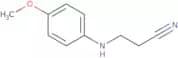
Fórmula:C9H9N3O2Pureza:Min. 95%Peso molecular:191.19 g/mol3-(4-Methoxyanilino)propanenitrile
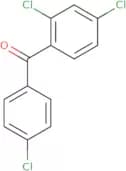
CAS:Versatile small molecule scaffoldFórmula:C10H12N2OPureza:Min. 95%Peso molecular:176.21 g/mol(4-Chlorophenyl)(2,4-dichlorophenyl)methanone
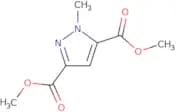
CAS:Versatile small molecule scaffoldFórmula:C13H7Cl3OPureza:Min. 95%Peso molecular:285.5 g/mol1-Methyl-1H-pyrazole-3,5-dicarboxylic aciddimethyl ester
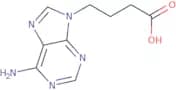
CAS:Versatile small molecule scaffoldFórmula:C8H10N2O4Pureza:Min. 95%Peso molecular:198.18 g/mol4-(6-Amino-9H-purin-9-yl)butanoic acid
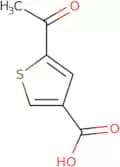
CAS:Versatile small molecule scaffoldFórmula:C9H11N5O2Pureza:Min. 95%Peso molecular:221.22 g/mol5-Acetylthiophene-3-carboxylic acid
CAS:Versatile small molecule scaffoldFórmula:C7H6O3SPureza:Min. 95%Peso molecular:170.19 g/mol7-Chloro-5-phenylpyrazolo[1,5-a]pyrimidine
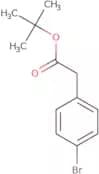
CAS:Versatile small molecule scaffoldFórmula:C12H8ClN3Pureza:Min. 95%Peso molecular:229.66 g/moltert-Butyl 2-(4-bromophenyl)acetate
CAS:Versatile small molecule scaffold
Fórmula:C12H15BrO2Pureza:Min. 95%Peso molecular:271.15 g/mol2,8-Dimethyl-2,3,4,4a,5,9b-hexahydro-1H-pyrido-[4,3-b]indole dihydrochloride
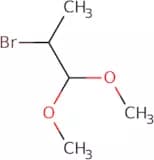
CAS:Dimebon is a drug that is used to treat Parkinson's disease and other neurological diseases. It binds to the GABA-B receptor and inhibits the uptake of dopamine. Dimebon also has an inhibitory effect on various growth factors and receptors, which may be beneficial in treating infectious diseases. Dimebon is water-soluble and can be administered orally or by injection; it is not known if dimebon can cross the blood-brain barrier.Fórmula:C13H20Cl2N2Pureza:Min. 95%Peso molecular:275.22 g/mol2-Bromo-1,1-dimethoxypropane
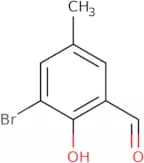
CAS:2-Bromo-1,1-dimethoxypropane is a chiral compound that has been shown to inhibit the enzymatic activity of tyrosine kinase. This inhibition can be reversed by adding cyclosporin A, which blocks the binding of ATP and 2-Bromo-1,1-dimethoxypropane to the enzyme. The bioactivity of this compound has been demonstrated in cancer cells where it inhibits proliferation and induces apoptosis through the activation of caspases. This agent has also been shown to be a chemoenzymatic for peptidomimetics and polymer conjugates.Fórmula:C5H11BrO2Pureza:Min. 95%Peso molecular:183.05 g/mol3-Bromo-2-hydroxy-5-methylbenzaldehyde
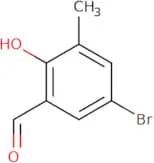
CAS:3-Bromo-2-hydroxy-5-methylbenzaldehyde is a coumarin derivative that has been shown to have constant properties. It has been used as an introducing agent for studies on the permeability of cell membranes. Inhibition of monoamine oxidase (MAO) by 3-bromo-2,5-dimethylbenzaldehyde is due to the presence of the aldehyde group and introduction of substituents in the benzene ring. 3-Bromo-2,5-dimethylbenzaldehyde blocks MAO activity and may be useful in treating depression.Fórmula:C8H7BrO2Pureza:Min. 95%Peso molecular:215.05 g/mol5-bromo-2-hydroxy-3-methylbenzaldehyde
CAS:Versatile small molecule scaffoldFórmula:C8H7BrO2Pureza:Min. 95%Peso molecular:215 g/mol4-[(4-Nitrophenyl)sulfanyl]benzoic acid
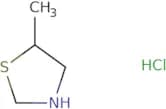
CAS:Versatile small molecule scaffoldFórmula:C13H9NO4SPureza:Min. 95%Peso molecular:275.28 g/mol5-Methyl-1,3-thiazolidine hydrochloride
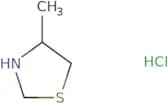
CAS:Versatile small molecule scaffoldFórmula:C4H10ClNSPureza:Min. 95%Peso molecular:139.65 g/mol4-Methyl-1,3-thiazolidine hydrochloride
CAS:Versatile small molecule scaffoldFórmula:C4H10ClNSPureza:Min. 95%Peso molecular:139.65 g/mol3,4-Dihydro-1H-benzo[D][1,2]thiazine 2,2-dioxide
CAS:Versatile small molecule scaffoldFórmula:C8H9NO2SPureza:Min. 95%Peso molecular:183.23 g/mol4-Chloro-2-iodo-1-methylbenzene
CAS:4-Chloro-2-iodo-1-methylbenzene is an organic compound that belongs to the class of methylanilines. It can be synthesized by reacting methyl iodide with 4-chlorobenzene. The product is a diazonium salt, and it reacts with sodium nitrite in water to form the corresponding hydrazone. This chemical has been used as a precursor in the synthesis of other compounds.Fórmula:C7H6ClIPureza:Min. 95%Peso molecular:252.48 g/mol2-[(Trifluoromethyl)sulfanyl]phenol
CAS:Versatile small molecule scaffold
Fórmula:C7H5F3OSPureza:Min. 95%Peso molecular:194.18 g/molCyclopentyloxybenzene
CAS:Cyclopentyloxybenzene is a bidentate ligand that binds to the active site of cyclic AMP phosphodiesterase, inhibiting the enzyme's ability to break down cyclic AMP. Cyclopentyloxybenzene also has an antioxidant effect, which may be due to its ability to prevent the production of reactive oxygen species. This compound emits light when it reacts with deuterium atoms. When deuterated, cyclopentyloxybenzene does not react as quickly and has a higher yield than non-deuterated compounds. It also has transport properties that make it ideal for reactions in organic solvents. The reaction time is slower than other bidentate ligands, but the energy efficiency is greater due to the reduced activation energy required for chemical reactions.Fórmula:C11H14OPureza:Min. 95%Peso molecular:162.23 g/mol1-Adamantanemethylamine, N,-dimethyl-, hydrochloride (8CI)
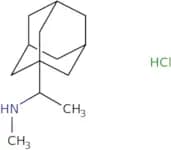
CAS:Versatile small molecule scaffoldFórmula:C13H24ClNPureza:Min. 95%Peso molecular:229.79 g/mol[(4-Amino-3-methylphenyl)sulfanyl]formonitrile
CAS:Versatile small molecule scaffoldFórmula:C8H8N2SPureza:Min. 95%Peso molecular:164.23 g/molN-[(1-Adamantylamino)carbonyl]glycine
CAS:Versatile small molecule scaffold
Fórmula:C13H20N2O3Pureza:Min. 95%Peso molecular:252.31 g/molN-[(1-Adamantylamino)carbonyl]-beta-alanine
CAS:Versatile small molecule scaffoldFórmula:C14H22N2O3Pureza:Min. 95%Peso molecular:266.34 g/mol1,3-Dimethyl-1H-pyrrole-2-carboxylic acid
CAS:Versatile small molecule scaffoldFórmula:C7H9NO2Pureza:Min. 95%Peso molecular:139.15 g/mol4-(2-Methoxy-phenyl)-butyric acid
CAS:Versatile small molecule scaffoldFórmula:C11H14O3Pureza:Min. 95%Peso molecular:194.23 g/mol1-Methyl-2,3-dihydro-1H-indene-1-carboxylic acid
CAS:Versatile small molecule scaffoldFórmula:C11H12O2Pureza:Min. 95%Peso molecular:176.21 g/mol2-Methyl-1,2,3,4-tetrahydronaphthalen-2-ol
CAS:Versatile small molecule scaffold
Fórmula:C11H14OPureza:Min. 95%Peso molecular:162.23 g/mol2-Ethoxy-2-phenylacetonitrile
CAS:2-Ethoxy-2-phenylacetonitrile is a quinoline derivative that has been shown to inhibit the HIV virus. This drug binds to the CCR5 receptor on the surface of human T cells and prevents the virus from entering. 2-Ethoxy-2-phenylacetonitrile also shows antiviral activity against herpes simplex virus and cytomegalovirus (CMV). The drug also has chemokine activity, which may be important for its anti-inflammatory properties.Fórmula:C10H11NOPureza:Min. 95%Peso molecular:161.2 g/mol2-Ethoxy-2-(4-methylphenyl)acetonitrile
CAS:Versatile small molecule scaffoldFórmula:C11H13NOPureza:Min. 95%Peso molecular:175.23 g/mol2-Ethoxy-2-phenylacetic acid
CAS:Versatile small molecule scaffoldFórmula:C10H12O3Pureza:Min. 95%Peso molecular:180.2 g/mol1-(Carboxymethyl)cyclopropane-1-carboxylic acid
CAS:Versatile small molecule scaffoldFórmula:C6H8O4Pureza:Min. 95%Peso molecular:144.12 g/mol
![[2-(4-Methylphenyl)-1,3-oxazol-4-yl]methanamine hydrochloride](/_next/image/?url=https%3A%2Fstatic.cymitquimica.com%2Fproducts%2F3D%2Fthumb-webp%2FIBA10596.webp&w=3840&q=75)

![3-[(2-Nitrophenyl)amino]propanenitrile](/_next/image/?url=https%3A%2Fstatic.cymitquimica.com%2Fproducts%2F3D%2Fthumb-webp%2FIBA14124.webp&w=3840&q=75)
![7-Chloro-5-phenylpyrazolo[1,5-a]pyrimidine](/_next/image/?url=https%3A%2Fstatic.cymitquimica.com%2Fproducts%2F3D%2Fthumb-webp%2FIBA14925.webp&w=3840&q=75)
![2,8-Dimethyl-2,3,4,4a,5,9b-hexahydro-1H-pyrido-[4,3-b]indole dihydrochloride](/_next/image/?url=https%3A%2Fstatic.cymitquimica.com%2Fproducts%2F3D%2Fthumb-webp%2FIBA16217.webp&w=3840&q=75)
![4-[(4-Nitrophenyl)sulfanyl]benzoic acid](/_next/image/?url=https%3A%2Fstatic.cymitquimica.com%2Fproducts%2F3D%2Fthumb-webp%2FIBA17423.webp&w=3840&q=75)
![3,4-Dihydro-1H-benzo[D][1,2]thiazine 2,2-dioxide](/_next/image/?url=https%3A%2Fstatic.cymitquimica.com%2Fproducts%2F3D%2Fthumb-webp%2FIBA18387.webp&w=3840&q=75)

![2-[(Trifluoromethyl)sulfanyl]phenol](/_next/image/?url=https%3A%2Fstatic.cymitquimica.com%2Fproducts%2F3D%2Fthumb-webp%2FIBA18556.webp&w=3840&q=75)

![[(4-Amino-3-methylphenyl)sulfanyl]formonitrile](/_next/image/?url=https%3A%2Fstatic.cymitquimica.com%2Fproducts%2F3D%2Fthumb-webp%2FIBA19210.webp&w=3840&q=75)
![N-[(1-Adamantylamino)carbonyl]glycine](/_next/image/?url=https%3A%2Fstatic.cymitquimica.com%2Fproducts%2F3D%2Fthumb-webp%2FIBA20018.webp&w=3840&q=75)
![N-[(1-Adamantylamino)carbonyl]-beta-alanine](/_next/image/?url=https%3A%2Fstatic.cymitquimica.com%2Fproducts%2F3D%2Fthumb-webp%2FIBA20570.webp&w=3840&q=75)


