Building Blocks
Subcategorías de "Building Blocks"
- Ácidos borónicos y derivados del ácido borónico(5.784 productos)
- Building Blocks quirales(1.243 productos)
- Building Blocks de hidrocarburos(6.105 productos)
- Building Blocks orgánicos(61.066 productos)
Se han encontrado 205426 productos de "Building Blocks"
4-Bromo-3-methylthiophene-2-carboxaldehyde
CAS:Versatile small molecule scaffoldFórmula:C6H5BrOSPureza:Min. 95%Peso molecular:205.07 g/molEthyl 2-(2-aminoethoxy)acetate hydrochloride
CAS:Versatile small molecule scaffold
Fórmula:C6H14ClNO3Pureza:Min. 95%Peso molecular:183.63 g/mol3-[3-(4-Bromo-phenyl)-[1,2,4]oxadiazol-5-yl]-propionic acid
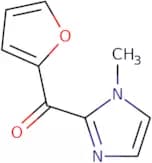
CAS:Versatile small molecule scaffoldFórmula:C11H9BrN2O3Pureza:Min. 95%Peso molecular:297.1 g/mol2-(Furan-2-carbonyl)-1-methyl-1H-imidazole
CAS:Versatile small molecule scaffoldFórmula:C9H8N2O2Pureza:Min. 95%Peso molecular:176.17 g/mol2-(2-Chlorobenzoyl)-1-methyl-1H-imidazole
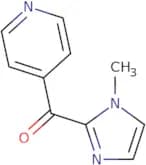
CAS:Producto controladoVersatile small molecule scaffoldFórmula:C11H9ClN2OPureza:Min. 95%Peso molecular:220.65 g/mol4-(1-Methyl-1H-imidazole-2-carbonyl)pyridine
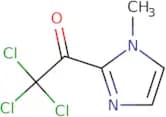
CAS:Versatile small molecule scaffoldFórmula:C10H9N3OPureza:Min. 95%Peso molecular:187.2 g/mol1-Methyl-2-(trichloroacetyl)imidazole
CAS:1-Methyl-2-(trichloroacetyl)imidazole is a small molecule that is synthesized for the treatment of cancer. It interacts with dna and inhibits its function by binding to the minor groove in DNA, which causes conformational changes. 1-Methyl-2-(trichloroacetyl)imidazole has been shown to be effective against cancer cells that are resistant to other anticancer compounds. The molecular target for this compound is not fully understood, but it may work by inhibiting DNA synthesis or by inducing apoptosis. 1-Methyl-2-(trichloroacetyl)imidazole has shown some activity against leukemia and colon cancer cell lines in vitro and in vivo.Fórmula:C6H5Cl3N2OPureza:Min. 95%Peso molecular:227.48 g/mol2-(4-Chlorobenzoyl)-1-methyl-1H-imidazole
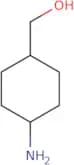
CAS:Producto controladoVersatile small molecule scaffoldFórmula:C11H9ClN2OPureza:Min. 95%Peso molecular:220.65 g/molCyclohexanemethanol, 4-amino-, cis-
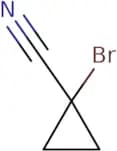
CAS:Versatile small molecule scaffoldFórmula:C7H15NOPureza:Min. 95%Peso molecular:129.2 g/mol1-Bromocyclopropane-1-carbonitrile
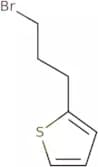
CAS:Versatile small molecule scaffoldFórmula:C4H4BrNPureza:Min. 95%Peso molecular:145.99 g/mol2-(3-Bromopropyl)-thiophene
CAS:Versatile small molecule scaffold
Fórmula:C7H9BrSPureza:Min. 95%Peso molecular:205.12 g/molEthyl 3-bromo-2-oxocyclohexanecarboxylate
CAS:3-Bromo-2-oxocyclohexanecarboxylate is a diterpene alkaloid that has been prepared by the Friedel-Crafts reaction of ethyl bromoacetate and cyclohexane. The product is an intramolecular arylation, which means that the two carbons in the ring are bonded to each other. This type of reaction usually produces a group specific functional group, such as an acid chloride or ester, but in this case it produces an alcohol. 3-Bromo-2-oxocyclohexanecarboxylate is used as a precursor for silver salts which are used to make photographic film.Fórmula:C9H13BrO3Pureza:Min. 95%Peso molecular:249.1 g/mol6-Methyl-1H-pyrazolo[3,4-d]pyrimidin-4(7H)-one
CAS:Versatile small molecule scaffoldFórmula:C6H6N4OPureza:Min. 95%Peso molecular:150.14 g/mol4-Chloro-6-methyl-1H-pyrazolo[3,4-d]pyrimidine
CAS:Versatile small molecule scaffoldFórmula:C6H5ClN4Pureza:Min. 95%Peso molecular:168.58 g/mol1-Bromo-4-(trifluoromethyl)cyclohexane
CAS:Versatile small molecule scaffoldFórmula:C7H10BrF3Pureza:Min. 95%Peso molecular:231.05 g/mol1-Benzylpyrrolidine-2,4-dione
CAS:Versatile small molecule scaffoldFórmula:C11H11NO2Pureza:Min. 95%Peso molecular:189.21 g/mol1,3-Dichloropentane
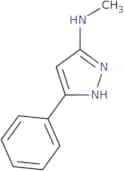
CAS:1,3-Dichloropentane is a molecule that consists of chlorine and hydrogen atoms. It has been studied extensively in kinetic isotope effect experiments for its transport properties. The kinetic isotope effect is the change in reaction rate due to the presence of an atom with an atomic mass different from the reactant or product. 1,3-Dichloropentane has also been studied for its role in cell membrane transport. This molecule is not reactive, but it does have a reactive isotope effect on cells when it reacts with chlorine atoms.Fórmula:C5H10Cl2Pureza:Min. 95%Peso molecular:141.04 g/molN-Methyl-5-phenyl-1H-pyrazol-3-amine
CAS:Versatile small molecule scaffold
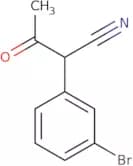
Fórmula:C10H11N3Pureza:Min. 95%Peso molecular:173.21 g/mol2-(3-Bromophenyl)-3-oxobutanenitrile
CAS:Versatile small molecule scaffold
Fórmula:C10H8BrNOPureza:Min. 95%Peso molecular:238.08 g/mol2-Bromoimidazo[1,2-a]pyrimidine
CAS:Versatile small molecule scaffoldFórmula:C6H4BrN3Pureza:Min. 95%Peso molecular:198.02 g/mol5-bromoimidazo[1,2-a]pyridin-2-amine
CAS:Versatile small molecule scaffold
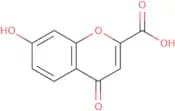
Fórmula:C7H6BrN3Pureza:Min. 95%Peso molecular:212.05 g/mol7-Hydroxy-4-oxo-4H-chromene-2-carboxylic acid
CAS:7-Hydroxy-4-oxo-4H-chromene-2-carboxylic acid is a molecule that is found in the human body. It has been shown to have cationic polymer activity and to inhibit the growth of bacteria by binding to the hydroxyl group of DNA. 7-Hydroxy-4-oxo-4H-chromene-2-carboxylic acid has potent inhibitory activity against Gram positive and Gram negative bacteria, including Mycobacterium tuberculosis and Staphylococcus aureus. This compound can be used as an antibiotic for bacterial infections due to its ability to bind with high concentrations of the hydroxyl group on DNA.Fórmula:C10H6O5Pureza:Min. 95%Peso molecular:206.15 g/mol2-Bromo-1-(3-chloro-4-methoxyphenyl)ethan-1-one
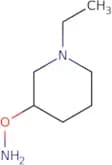
CAS:Versatile small molecule scaffoldFórmula:C9H8BrClO2Pureza:Min. 95%Peso molecular:263.51 g/molo-(1-Ethylpiperidin-3-yl)hydroxylamine
CAS:Versatile small molecule scaffold
Fórmula:C7H16N2OPureza:Min. 95%Peso molecular:144.21 g/mol2-Bromo-1-[4-(2-methylpropyl)phenyl]ethan-1-one
CAS:Versatile small molecule scaffoldFórmula:C12H15BrOPureza:Min. 95%Peso molecular:255.15 g/mol2,4-dichloro-6-methyl-5H,6H,7H,8H-pyrido[4,3-d]pyrimidine
CAS:Versatile small molecule scaffoldFórmula:C8H9Cl2N3Pureza:Min. 95%Peso molecular:218.1 g/mol3-(2-Chlorophenoxymethyl)benzoic acid
CAS:Versatile small molecule scaffold
Fórmula:C14H11ClO3Pureza:Min. 95%Peso molecular:262.69 g/mol3-{[(4-Chlorophenyl)sulfanyl]methyl}benzoic acid
CAS:Versatile small molecule scaffoldFórmula:C14H11ClO2SPureza:Min. 95%Peso molecular:278.8 g/mol2-(Prop-2-en-1-yl)cyclopentan-1-one
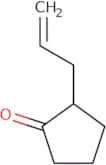
CAS:2-(Prop-2-en-1-yl)cyclopentan-1-one (propargyl alcohol) is a heterocyclic compound that is the simplest member of the cyclopentanones. It has been shown to be an effective inhibitor of human viruses such as Hepatitis C virus, HIV, and influenza A virus. The antiviral activity of propargyl alcohol is attributed to its ability to inhibit viral DNA polymerase and RNA polymerase in the infected cells. Propargyl alcohol also inhibits glycol dimethyl ether, which is a cofactor for some cellular enzymes involved in lipid metabolism. This compound can also act as a substrate for allylation reactions with other compounds such as 1,3 butadiene or ethylene.
Fórmula:C8H12OPureza:Min. 95%Peso molecular:124.18 g/molrac-tert-Butyl N-[(3R,4R)-4-aminooxan-3-yl]carbamate
CAS:Versatile small molecule scaffoldFórmula:C10H20N2O3Pureza:Min. 95%Peso molecular:216.28 g/molN-[2-(Methylamino)ethyl]acetamide hydrochloride
CAS:Versatile small molecule scaffold
Fórmula:C5H13ClN2OPureza:Min. 95%Peso molecular:152.62 g/molrac-4,4,5,5-Tetramethyl-2-[(1R,2R)-2-methylcyclopropyl]-1,3,2-dioxaborolane
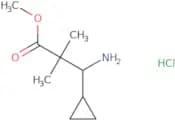
CAS:Versatile small molecule scaffoldFórmula:C10H19BO2Pureza:Min. 95%Peso molecular:182.07 g/molMethyl 3-amino-3-cyclopropyl-2,2-dimethylpropanoate hydrochloride
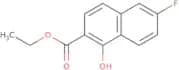
CAS:Versatile small molecule scaffoldFórmula:C9H18ClNO2Pureza:Min. 95%Peso molecular:207.7 g/molEthyl 6-fluoro-1-hydroxynaphthalene-2-carboxylate
CAS:Versatile small molecule scaffoldFórmula:C13H11FO3Pureza:Min. 95%Peso molecular:234.22 g/mol4-Bromo-2-nitro-1H-pyrrole
CAS:Versatile small molecule scaffold
Fórmula:C4H3BrN2O2Pureza:Min. 95%Peso molecular:190.98 g/mol7-Iodo-1H-pyrazolo[4,3-b]pyridin-3-amine
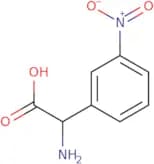
CAS:Versatile small molecule scaffoldFórmula:C6H5IN4Pureza:Min. 95%Peso molecular:260.04 g/mol2-amino-2-(3-nitrophenyl)acetic acid
CAS:Versatile small molecule scaffoldFórmula:C8H8N2O4Pureza:Min. 95%Peso molecular:196.16 g/mol5-Amino-2-(4,4,5,5-tetramethyl-1,3,2-dioxaborolan-2-yl)benzonitrile
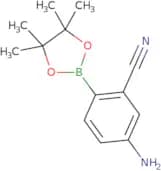
CAS:Versatile small molecule scaffold
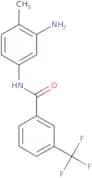
Fórmula:C13H17BN2O2Pureza:Min. 95%Peso molecular:244.1 g/molN-(3-Amino-4-methylphenyl)-3-(trifluoromethyl)benzamide
CAS:Versatile small molecule scaffold
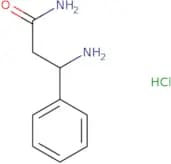
Fórmula:C15H13F3N2OPureza:Min. 95%Peso molecular:294.27 g/mol3-Amino-3-phenylpropanamide hydrochloride
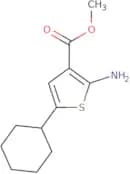
CAS:Versatile small molecule scaffoldFórmula:C9H13ClN2OPureza:Min. 95%Peso molecular:200.66 g/molMethyl 2-amino-5-cyclohexylthiophene-3-carboxylate
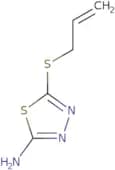
CAS:Versatile small molecule scaffoldFórmula:C12H17NO2SPureza:Min. 95%Peso molecular:239.34 g/mol5-Allylsulfanyl-1,3,4-thiadiazol-2-amine
CAS:Versatile small molecule scaffoldFórmula:C5H7N3S2Pureza:Min. 95%Peso molecular:173.3 g/mol1,2,3,5-Tetrahydroindolizine-1,5-dione
CAS:Versatile small molecule scaffoldFórmula:C8H7NO2Pureza:Min. 95%Peso molecular:149.15 g/mol8-Chloro-5-methoxy-N-methyl-1,2,3,4-tetrahydronaphthalen-1-amine hydrochloride
CAS:Versatile small molecule scaffoldFórmula:C12H17Cl2NOPureza:Min. 95%Peso molecular:262.17 g/mol1,2,3,4-Tetrahydroquinoline-6-sulfonamide
CAS:Versatile small molecule scaffold
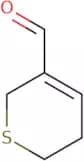
Fórmula:C9H12N2O2SPureza:Min. 95%Peso molecular:212.27 g/mol3,6-Dihydro-2H-thiopyran-5-carbaldehyde
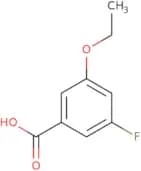
CAS:3,6-Dihydro-2H-thiopyran-5-carbaldehyde is an aldehyde that is used as an intermediate in the synthesis of crotonaldehyde. It reacts with hydrogen sulfide in the presence of an acidic catalyst to produce acrolein and water. The reaction product can be boiled off to generate a crude form of crotonaldehyde. 3,6-Dihydro-2H-thiopyran-5-carbaldehyde has been patented by BASF SE under patent number EP0992871.Fórmula:C6H8OSPureza:Min. 95%Peso molecular:128.19 g/mol3-Ethoxy-5-fluorobenzoic acid
CAS:Versatile small molecule scaffold
Fórmula:C9H9FO3Pureza:Min. 95%Peso molecular:184.16 g/mol{3-[(Oxolan-3-yloxy)methyl]phenyl}boronic acid
CAS:Versatile small molecule scaffoldFórmula:C11H15BO4Pureza:Min. 95%Peso molecular:222.05 g/mol1-(2-Oxopropyl)pyrrolidine-2,5-dione
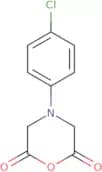
CAS:1-(2-Oxopropyl)pyrrolidine-2,5-dione is a reactive molecule that can be used to conjugate biomolecules and synthetic polymers. It has been immobilized on the surface of polymer particles or in polymer matrices, which allows for the efficient separation of biomolecules and synthetic polymers. This molecule is also reactive with thiol groups and can be used to crosslink biomolecules and synthetic polymers. 1-(2-Oxopropyl)pyrrolidine-2,5-dione has been shown to react with immobilized proteins and DNA.Fórmula:C7H9NO3Pureza:Min. 95%Peso molecular:155.15 g/mol4-(4-Chlorophenyl)morpholine-2,6-dione
CAS:Versatile small molecule scaffold
Fórmula:C10H8ClNO3Pureza:Min. 95%Peso molecular:225.63 g/mol



![3-[3-(4-Bromo-phenyl)-[1,2,4]oxadiazol-5-yl]-propionic acid](/_next/image/?url=https%3A%2Fstatic.cymitquimica.com%2Fproducts%2F3D%2Fthumb-webp%2FFBA14994.webp&w=3840&q=75)



![6-Methyl-1H-pyrazolo[3,4-d]pyrimidin-4(7H)-one](/_next/image/?url=https%3A%2Fstatic.cymitquimica.com%2Fproducts%2F3D%2Fthumb-webp%2FFBA12957.webp&w=3840&q=75)
![4-Chloro-6-methyl-1H-pyrazolo[3,4-d]pyrimidine](/_next/image/?url=https%3A%2Fstatic.cymitquimica.com%2Fproducts%2F3D%2Fthumb-webp%2FFBA12953.webp&w=3840&q=75)


![2-Bromoimidazo[1,2-a]pyrimidine](/_next/image/?url=https%3A%2Fstatic.cymitquimica.com%2Fproducts%2F3D%2Fthumb-webp%2FAEC73885.webp&w=3840&q=75)
![5-bromoimidazo[1,2-a]pyridin-2-amine](/_next/image/?url=https%3A%2Fstatic.cymitquimica.com%2Fproducts%2F3D%2Fthumb-webp%2FAEC73882.webp&w=3840&q=75)

![2-Bromo-1-[4-(2-methylpropyl)phenyl]ethan-1-one](/_next/image/?url=https%3A%2Fstatic.cymitquimica.com%2Fproducts%2F3D%2Fthumb-webp%2FFBA09548.webp&w=3840&q=75)
![2,4-dichloro-6-methyl-5H,6H,7H,8H-pyrido[4,3-d]pyrimidine](/_next/image/?url=https%3A%2Fstatic.cymitquimica.com%2Fproducts%2F3D%2Fthumb-webp%2FAEC73872.webp&w=3840&q=75)

![3-{[(4-Chlorophenyl)sulfanyl]methyl}benzoic acid](/_next/image/?url=https%3A%2Fstatic.cymitquimica.com%2Fproducts%2F3D%2Fthumb-webp%2FFBA08241.webp&w=3840&q=75)
![rac-tert-Butyl N-[(3R,4R)-4-aminooxan-3-yl]carbamate](/_next/image/?url=https%3A%2Fstatic.cymitquimica.com%2Fproducts%2F3D%2Fthumb-webp%2FAEC73462.webp&w=3840&q=75)
![N-[2-(Methylamino)ethyl]acetamide hydrochloride](/_next/image/?url=https%3A%2Fstatic.cymitquimica.com%2Fproducts%2F3D%2Fthumb-webp%2FAEC72014.webp&w=3840&q=75)
![rac-4,4,5,5-Tetramethyl-2-[(1R,2R)-2-methylcyclopropyl]-1,3,2-dioxaborolane](/_next/image/?url=https%3A%2Fstatic.cymitquimica.com%2Fproducts%2F3D%2Fthumb-webp%2FAEC71320.webp&w=3840&q=75)

![7-Iodo-1H-pyrazolo[4,3-b]pyridin-3-amine](/_next/image/?url=https%3A%2Fstatic.cymitquimica.com%2Fproducts%2F3D%2Fthumb-webp%2FAEC64821.webp&w=3840&q=75)


![{3-[(Oxolan-3-yloxy)methyl]phenyl}boronic acid](/_next/image/?url=https%3A%2Fstatic.cymitquimica.com%2Fproducts%2F3D%2Fthumb-webp%2FAEC51312.webp&w=3840&q=75)