


Building Blocks
Subcategorías de "Building Blocks"
- Ácidos borónicos y derivados del ácido borónico(5.783 productos)
- Building Blocks quirales(1.242 productos)
- Building Blocks de hidrocarburos(6.105 productos)
- Building Blocks orgánicos(61.055 productos)
Se han encontrado 205383 productos de "Building Blocks"
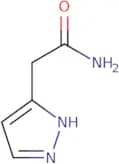
2-(1H-Pyrazol-3-yl)acetamide
CAS:2-(1H-Pyrazol-3-yl)acetamide (2PZA) is a nitroheterocyclic compound that exhibits anticancer activity by inhibiting the growth of cancer cells. It has been shown to inhibit cell growth and induce apoptosis in vitro. 2PZA also interacts with DNA and inhibits nucleotide synthesis, which leads to inhibition of protein synthesis. The functional theory for this compound is based on its ability to undergo hydrogen bonding interactions with aromatic amino acid residues. 2PZA also has significant antioxidant properties and can be used as a magnetic resonance imaging contrast agent for brain tumors.
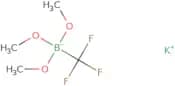
Fórmula:C5H7N3OPureza:Min. 95%Peso molecular:125.13 g/molPotassium Trimethoxy(trifluoromethyl)borate
CAS:Potassium trifluoromethoxytrimethylborate is a boronic acid. It is used in organic chemistry as an oxidant and nucleophile. It reacts with alcohols, iodides, and aldehydes to form the corresponding potassium salt and alcohol or the corresponding potassium salt and iodide or the corresponding potassium salt and aldehyde. Potassium trifluoromethoxytrimethylborate has been used for the synthesis of fluoxetine hydrochloride. The reaction time is dependent on the substrate chosen, but typically ranges from 5-12 hours.
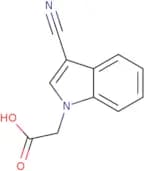
Fórmula:C4H9BF3KO3Pureza:Min. 95%Peso molecular:212.02 g/mol(3-Cyano-indol-1-yl)-acetic acid
CAS:Versatile small molecule scaffold
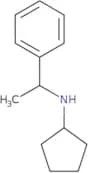
Fórmula:C11H8N2O2Pureza:Min. 95%Peso molecular:200.2 g/molCyclopentyl-(1-phenyl-ethyl)-amine
CAS:Cyclopentyl-(1-phenyl-ethyl)-amine is a cavity-forming molecule that can be used as a molecular probe. It has been shown to interact with the amine groups in polymers and form chains, which can be used for template molecules. Cyclopentyl-(1-phenyl-ethyl)-amine has been shown to have selectivity for interactions with amines over other moieties, such as nitrobenzene or water. The steric interactions of cyclopentyl-(1-phenyl-ethyl)-amine are also important when considering its interactions with other molecules, such as polymers. Cyclopentyl-(1-phenyl-ethyl)-amine has been shown to form molecular structures that could be used as templates for the synthesis of other molecules.
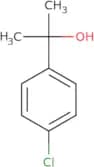
Fórmula:C13H19NPureza:Min. 95%Peso molecular:189.3 g/mol2-(4-Chlorophenyl)propan-2-ol
CAS:Versatile small molecule scaffold
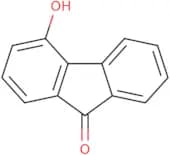
Fórmula:C9H11ClOPureza:Min. 95%Peso molecular:170.64 g/mol4-Hydroxy-9H-fluoren-9-one
CAS:4-Hydroxy-9H-fluoren-9-one is a byproduct of the oxidation of fatty acids in soil microorganisms. It inhibits bacterial growth and has been shown to have synergistic effects with aromatic hydrocarbons. 4-Hydroxy-9H-fluoren-9-one can inhibit the production of enzymes such as acetyl coenzyme A carboxylase, which are necessary for cellular respiration and carbon metabolism. This compound also inhibits the dioxygenation of propionate to acetate and butyrate, which are important substrates for microorganisms. 4-Hydroxy-9H-fluoren-9-one is produced by bacteria in deionized water when exposed to dioxygen. It can be used as a carbon source for bacterial growth and can inhibit the activity of enzymes that metabolize aromatic compounds, such as biphenyl.
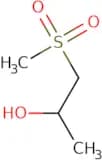
Fórmula:C13H8O2Pureza:Min. 95%Peso molecular:196.2 g/mol1-Methanesulfonylpropan-2-ol
CAS:Methanesulfonylpropan-2-ol is a sulfonic acid that is used in clinical chemistry for the measurement of the concentration of mercaptans. This liquid has an acidic character, which distinguishes it from other sulfonic acids. Methanesulfonylpropan-2-ol also has a magnetic property and can be used to detect the presence of this substance in urine or blood samples.
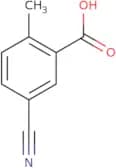
Methanesulfonylpropan-2-ol is excreted by the kidneys and intestines and is diluted when mixed with water. This substance can be detected using chromatographic science, such as gas chromatography, to identify its presence in biological samples. Methanesulfonylpropan-2-ol may have anticancer properties due to its ability to inhibit cell growth and proliferation. It binds to DNA, disrupting the production of new cells. The intestinal absorption of this drug leads to an increased concentration in the intestine, which may lead to anticancer effectsFórmula:C4H10O3SPureza:Min. 95%Peso molecular:138.19 g/mol5-Cyano-2-methylbenzoic acid
CAS:Versatile small molecule scaffold
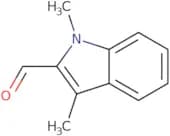
Fórmula:C9H7NO2Pureza:Min. 95%Peso molecular:161.16 g/mol1,3-Dimethyl-1H-indole-2-carbaldehyde
CAS:Diethyl succinate (DES) is a chemical compound that has reversible photochromic properties. It absorbs ultraviolet light and converts to 1,3-dimethyl-1H-indole-2-carbaldehyde (DMICA), which can be reverted back to DES by exposure to visible light. DMICA is chemically stable in the absence of oxygen and air, but it decomposes in the presence of strong oxidizing agents. The absorption spectrum of DMICA shows maxima at 230 nm and 270 nm with a peak at 254 nm. Diethyl succinate is an isomer of diethyl malonate, which has a similar structure. Diethyl succinate has no solubility in water, but it dissolves readily in organic solvents such as acetone or ethanol.
Fórmula:C11H11NOPureza:Min. 95%Peso molecular:173.21 g/mol[3,3'-Bipyridine]-5-carboxylic acid
CAS:Versatile small molecule scaffold
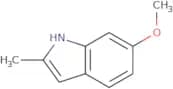
Fórmula:C11H8N2O2Pureza:Min. 95%Peso molecular:200.19 g/mol6-Methoxy-2-methyl-1H-indole
CAS:Versatile small molecule scaffold
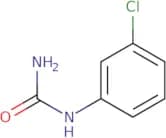
Fórmula:C10H11NOPureza:Min. 95%Peso molecular:161.2 g/mol3-Chlorophenylurea
CAS:3-Chlorophenylurea is a quinazolinone that inhibits the growth of candida glabrata. This compound has been shown to inhibit efflux pumps, which are proteins that pump out drugs from the cell. 3-Chlorophenylurea has been shown to inhibit the efflux of fluconazole, a drug used to treat fungal infections, and thiourea, a compound that is known for its cytotoxicity. The inhibition of these two compounds suggests that 3-chlorophenylurea could be an efflux pump inhibitor.
Fórmula:C7H7ClN2OPureza:Min. 95%Peso molecular:170.6 g/molrac-(1R,2R,5R)-Bicyclo[3.2.1]octan-2-ol, exo
CAS:Versatile small molecule scaffold
Fórmula:C8H14OPureza:Min. 95%Peso molecular:126.2 g/molRef: 3D-BAA96538
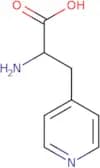
Producto descatalogado2-Amino-3-(pyridin-4-yl)propanoic acid
CAS:Versatile small molecule scaffold
Fórmula:C8H10N2O2Pureza:Min. 95%Peso molecular:166.18 g/mol1-Chloro-3-isocyano-2-methylbenzene
CAS:Versatile small molecule scaffold
Fórmula:C8H6ClNPureza:Min. 95%Peso molecular:151.59 g/molN-Phenylfuran-2-carboxamide
CAS:N-Phenylfuran-2-carboxamide is an oxadiazole with a heterobicyclic structure. This compound has been shown to be a potent microbicide in the form of microcapsules, providing protection against fungi and bacteria. It can be used as a biocide in agrochemical formulations and as a control agent for fatty acids. The carboxamide group is susceptible to bond cleavage under acidic conditions, which can lead to the formation of hydrogen bonds between the amide and target pest. The mechanism of action for this compound is not fully understood, but it is thought that it may inhibit glycosidase enzymes by disrupting hydrogen bonds between the enzyme's active site and its substrate.
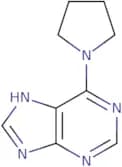
Fórmula:C11H9NO2Pureza:Min. 95%Peso molecular:187.19 g/mol6-(Pyrrolidin-1-yl)-9H-purine
CAS:6-(Pyrrolidin-1-yl)-9H-purine is an inhibitor of lipid peroxidation. It has been shown to scavenge free radicals and prevent the formation of reactive oxygen species (ROS) by inhibiting the lipoxygenase enzyme. This compound also inhibits superoxide, a ROS that is produced in large quantities during irradiation, and thrombin activity. 6-(Pyrrolidin-1-yl)-9H-purine has a stable anion that interacts with other compounds and can be used as an antithrombotic agent.
Fórmula:C9H11N5Pureza:Min. 95%Peso molecular:189.22 g/molPropachlor
CAS:Propachlor is a chloroacetanilide herbicide that inhibits the production of new cells by disrupting the synthesis of DNA. It has been shown to be an effective inhibitor of prostate cancer cells in vitro, but has not yet been tested in vivo. Propachlor can be used as a sample preparation agent for determining kinetic data on the inhibition of bacterial growth or chloroacetanilide metabolism. The optimum pH for propachlor is 7-8. Propachlor binds to microbial proteins through hydrogen bonding interactions, and is metabolized to pyridinium metabolites by bacteria, although there is no specific antidote against propachlor.
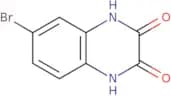
Fórmula:C11H14ClNOPureza:Min. 95%Peso molecular:211.69 g/mol6-Bromoquinoxaline-2,3(1h,4h)-dione
CAS:Versatile small molecule scaffold
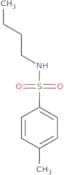
Fórmula:C8H5BrN2O2Pureza:Min. 95%Peso molecular:241.04 g/molN-Butyltoluene-4-sulfonamide
CAS:N-Butyltoluene-4-sulfonamide is an alkylating agent that is used in the synthesis of pharmaceutical drugs. The chemical species of the molecule are amines, acidic, and anions. It is activated by light emission and reacts with a variety of chemical substrates. N-Butyltoluene-4-sulfonamide has a synthetic reaction time of 12 hours at room temperature and can be synthesized from toluene, sulfuric acid, and ammonium chloride. This molecule can react with various biomolecules such as DNA, RNA, proteins, carbohydrates, and lipids.
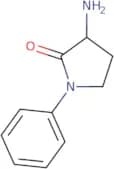
Fórmula:C11H17NO2SPureza:Min. 95%Peso molecular:227.32 g/mol3-Amino-1-phenylpyrrolidin-2-one
CAS:Versatile small molecule scaffold
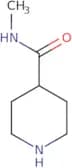
Fórmula:C10H12N2OPureza:Min. 95%Peso molecular:176.21 g/molN-Methylpiperidine-4-carboxamide
CAS:Versatile small molecule scaffold
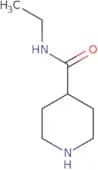
Fórmula:C7H14N2OPureza:Min. 95%Peso molecular:142.2 g/molN-Ethylpiperidine-4-carboxamide
CAS:Versatile small molecule scaffold
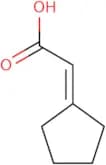
Fórmula:C8H16N2OPureza:Min. 95%Peso molecular:156.23 g/mol2-Cyclopentylideneacetic acid
CAS:2-Cyclopentylideneacetic acid is a growth factor that is structurally similar to epidermal growth factor (EGF) and has been shown to have an inhibitory effect on the EGF receptor. It is used in the manufacture of pharmaceuticals, such as antidiabetic agents, and cosmetics. 2-Cyclopentylideneacetic acid is also used as a synthetic intermediate in the manufacture of other drugs, such as peptide hormones. The two possible tautomers of 2-cyclopentylideneacetic acid are alpha-cyclohexenylacetic acid and beta-cyclohexenylacetic acid. The most stable form of these tautomers is alpha-cyclohexenylacetic acid. 2-Cyclopentylideneacetic acid can be used in the synthesis of epinephrine, norepinephrine, and dopamine.
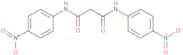
2-cyclopentylideneacFórmula:C7H10O2Pureza:Min. 95%Peso molecular:126.15 g/molN,N'-Bis(4-nitrophenyl)propanediamide
CAS:Versatile small molecule scaffold
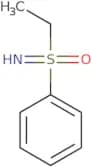
Fórmula:C15H12N4O6Pureza:Min. 95%Peso molecular:344.28 g/molS-Ethyl-S-phenyl sulfoximine
CAS:Versatile small molecule scaffold
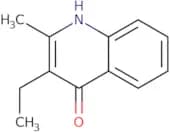
Fórmula:C8H11NOSPureza:Min. 95%Peso molecular:169.25 g/mol3-Ethyl-2-methylquinolin-4-ol
CAS:Versatile small molecule scaffold
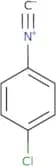
Fórmula:C12H13NOPureza:Min. 95%Peso molecular:187.24 g/mol1-Chloro-4-isocyanobenzene
CAS:1-Chloro-4-isocyanobenzene (1CI) is an organic compound that has been used as a chemical probe for the detection of amines and other molecules on metal surfaces. The frequency shift in Raman spectra, which is observed after the addition of 1CI to the metal surface, is used to detect amines. 1CI has also been shown to be a potent inhibitor of mitochondrial function. This molecule binds to nucleophilic sites on metal surfaces and forms covalent bonds with them, leading to a high degree of inhibition.
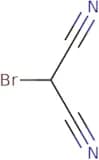
1CI can be synthesized in three steps from commercially available starting materials and is relatively easy to purify.Fórmula:C7H4ClNPureza:Min. 95%Peso molecular:137.56 g/mol2-Bromopropanedinitrile
CAS:2-Bromopropanedinitrile is an organic solvent that is used as a reactant in the production of polyurethane. It has been shown to have antibacterial activity against a number of bacteria, including Escherichia coli, Staphylococcus aureus, Bacillus subtilis, and Proteus vulgaris. 2-Bromopropanedinitrile exhibits its antimicrobial effect by reacting with the chloride ion and nucleophilic attack on the carbonyl group. This reaction causes the chemical to polymerize and form cross-links between molecules of DNA. The compound also has antifungal properties, which may be due to its hydroxyl groups or hydrogenated side chains.
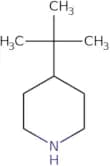
Fórmula:C3HBrN2Pureza:Min. 95%Peso molecular:144.96 g/mol4-tert-Butylpiperidine
CAS:4-tert-Butylpiperidine is an organic chemical compound that is a colorless liquid with a strong, unpleasant odor. 4-tert-Butylpiperidine is a nonselective, nucleophilic sulfoxide oxidant that reacts with the electron pair of a sulfur atom in sulfoxides and halides to form alkylating products. It has been used in the oxidation of toluene to benzoic acid and in the synthesis of piperazine. 4-tert-Butylpiperidine can also be used to chlorinate aluminium or as an analytical reagent for the detection of chloride ions. The chemical structure includes two isomeric forms, namely alpha and beta. Alpha is more stable than beta and will react faster; however, beta can be isolated from mixtures of the two compounds by distillation.
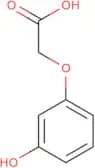
Fórmula:C9H19NPureza:Min. 95%Peso molecular:141.25 g/mol2-(3-Hydroxyphenoxy)acetic acid
CAS:2-(3-Hydroxyphenoxy)acetic acid is an organic compound that belongs to the phenoxy family. It is a cross-linker, which means that it links two molecules or parts of a molecule together. 2-(3-Hydroxyphenoxy)acetic acid has been used as a component in the production of polyurethane, cellulose acetate, and nylon. This chemical can be synthesized by reacting phenol with acetic anhydride in the presence of pyridine and tannins. 2-(3-Hydroxyphenoxy)acetic acid can be neutralized by adding sodium carbonate to form sodium phenoxide and sodium acetate. Alkylene chains can be introduced by reacting this compound with alkyl halides such as chloroethane or bromoethane in the presence of ammonia and sodium hydroxide. Phenolic groups can be introduced by reacting this compound with formaldehyde and trichlor
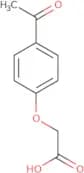
Fórmula:C8H8O4Pureza:Min. 95%Peso molecular:168.15 g/mol4-Acetylphenoxyacetic acid
CAS:4-Acetylphenoxyacetic acid is a hydroxamic acid, which inhibits the deacetylation of histones. This compound has been shown to inhibit histone deacetylase activity and to induce a conformational change in the enzyme. 4-Acetylphenoxyacetic acid is also a peptidomimetic that can be used as a lead compound for antiviral agents. It is also an inhibitor of chalcone synthase and can be used as a lead compound for new drugs against cancer. 4-Acetylphenoxyacetic acid has been shown to have anti-inflammatory effects in mice, which may be due to its ability to suppress prostaglandin synthesis by inhibiting cyclooxygenase-2 (COX-2).
Fórmula:CH3COC6H4OCH2CO2HPureza:Min. 95%Peso molecular:194.18 g/mol(3-Acetylphenoxy)acetic acid
CAS:Versatile small molecule scaffold
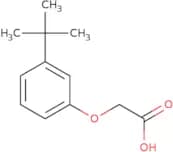
Fórmula:C10H10O4Pureza:Min. 95%Peso molecular:194.19 g/mol2-(3-tert-Butylphenoxy)acetic acid
CAS:Versatile small molecule scaffold
Fórmula:C12H16O3Pureza:Min. 95%Peso molecular:208.25 g/mol2-[3-(Propan-2-yl)phenoxy]acetic acid
CAS:2-[3-(Propan-2-yl)phenoxy]acetic acid is a chemical compound that is used as an additive in benzene, and is a phytotoxic chemical. It prevents the formation of chlorophyll by blocking electron transport and inhibiting photosynthesis. 2-[3-(Propan-2-yl)phenoxy]acetic acid is used to induce callus tissue from lettuce, radish, and other plants. This compound also inhibits the growth of various bacteria including Escherichia coli and Pseudomonas aeruginosa.
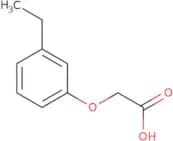
Fórmula:C11H14O3Pureza:Min. 95%Peso molecular:194.23 g/mol2-(3-Ethylphenoxy)acetic acid
CAS:2-(3-Ethylphenoxy)acetic acid is a phenoxyacetic acid that can be used as an igniting agent. It can be synthesized by the reaction of an alcohol with a carboxylic acid chloride in the presence of a base. The compound weighs 130.2 g/mol and has a melting point of 50°C. 2-(3-Ethylphenoxy)acetic acid is often used as a reagent for weighing zirconium oxide, which is used in some dental prostheses and dentures. It reacts with zirconia to produce ZrO2 and CO2 gas. The compound also reacts with water to form hydrogen gas, which makes it useful as a catalyst for oxidation reactions when heating zirconium metal in air.
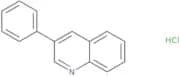
Fórmula:C10H12O3Pureza:Min. 95%Peso molecular:180.2 g/mol3-Phenylquinoline hydrochloride
CAS:Versatile small molecule scaffold
Fórmula:C15H12ClNPureza:Min. 95%Peso molecular:241.71 g/molRef: 3D-BAA87537
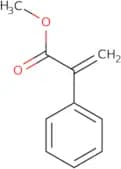
Producto descatalogadoMethyl 2-phenylacrylate
CAS:Methyl 2-phenylacrylate is a synthetic chemical that is used in the production of polymers. It reacts with oxygen to give an oxidative carbonylation product, which consists of a particle and a functional group. The particle can be made insoluble by polymerisation. The reaction mechanism involves the donation of a methyl cinnamate group to the carbonyl group, which has a redox potential and kinetic energy that are sufficient for the reaction to proceed. Methyl 2-phenylacrylate has been used as an initiator for free radical polymerisation, which leads to cross-linked polymers. This initiator also reacts with other functional groups such as phenol or amine groups.
Fórmula:C10H10O2Pureza:Min. 95%Peso molecular:162.19 g/mol6H-Benzo[C][1,2]benzothiazine 5,5-dioxide
CAS:6H-Benzo[C][1,2]benzothiazine 5,5-dioxide is a white crystalline solid with a molecular weight of 169.14. It is soluble in ether and benzene, but insoluble in water. 6H-Benzo[C][1,2]benzothiazine 5,5-dioxide has been shown to yield adducts with hydrochlorination and to react with quinones and other electrophiles to form chlorinated products. The regioselectivity of the reaction is determined by the anion of the substrate; chloride being the most reactive. The interaction of 6H-Benzo[C][1,2]benzothiazine 5,5-dioxide with anions such as diimide or sulfinic acid leads to the formation of different isomeric adducts.
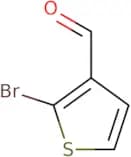
Fórmula:C12H9NO2SPureza:Min. 95%Peso molecular:231.27 g/mol2-Bromothiophene-3-carbaldehyde
CAS:2-Bromothiophene-3-carbaldehyde is a versatile monomer that can be used for the synthesis of a wide range of products. 2-Bromothiophene-3-carbaldehyde has been used in the synthesis of hexacyclic and grignard reagents, as well as aldehydes, which are precursors to many other chemicals. It is also an isomeric compound and can be used for cross coupling reactions. The yields of this chemical are high, making it an ideal choice for use in organic syntheses. 2-Bromothiophene-3-carbaldehyde can also be used in solar cells to produce polymers with optimal reaction rates. This chemical is often used as a monomer in the formylation and dimethylformamide processes.
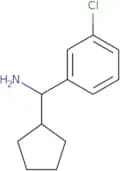
Fórmula:C5H3BrOSPureza:Min. 95%Peso molecular:191.05 g/mol(3-Chlorophenyl)(cyclopentyl)methanamine
CAS:Versatile small molecule scaffold
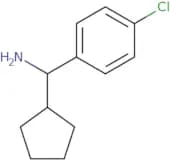
Fórmula:C12H16ClNPureza:Min. 95%Peso molecular:209.71 g/mol(4-Chlorophenyl)(cyclopentyl)methanamine
CAS:Versatile small molecule scaffold
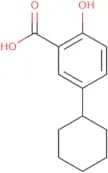
Fórmula:C12H16ClNPureza:Min. 95%Peso molecular:209.71 g/mol5-Cyclohexyl-2-hydroxybenzoic acid
CAS:5-Cyclohexyl-2-hydroxybenzoic acid is a compound that belongs to the group of phenolic compounds. It has been clinically used for the treatment of systemic hypertension and is used in the manufacture of dyes, resins, flavors and fragrances. 5-Cyclohexyl-2-hydroxybenzoic acid can be found in light exposure, metal cations and environmental pollution. The use of this compound may lead to depression, which may be due to its effects on the vessel diameter. This drug also has an effect on blood pressure by stimulating vasodilatation through an endothelium-dependent mechanism.
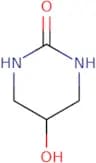
Fórmula:C13H16O3Pureza:Min. 95%Peso molecular:220.26 g/mol5-Hydroxy-1,3-diazinan-2-one
CAS:Versatile small molecule scaffold
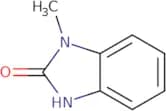
Fórmula:C4H8N2O2Pureza:Min. 95%Peso molecular:116.12 g/mol1-Methyl-2-benzimidazolinone
CAS:1-Methyl-2-benzimidazolinone is a synthetic compound that has been shown to be cytotoxic to cancer cells. It binds to metal ions and forms reactive intermediates, which are able to react with nucleophiles in cellular macromolecules. The reaction mechanism of 1-methyl-2-benzimidazolinone is similar to the reaction of picolinic acid with metal hydroxides. The heteroarylations of this compound have also been studied using chemical ligation, and it has been found that the d4 receptor may play a role in its cytotoxicity.
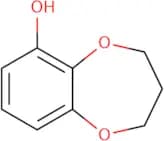
Fórmula:C8H8N2OPureza:Min. 95%Peso molecular:148.16 g/mol3,4-Dihydro-2H-1,5-benzodioxepin-6-ol
CAS:Versatile small molecule scaffold
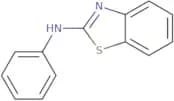
Fórmula:C9H10O3Pureza:Min. 95%Peso molecular:166.17 g/molN-Phenyl-1,3-benzothiazol-2-amine
CAS:N-Phenyl-1,3-benzothiazol-2-amine is a synthetic aromatic compound that has been used as an antiviral agent. It inhibits the replication of RNA by binding to the carbon disulphide group in the ribose moiety of nucleosides. This prevents formation of the helix structure and stops synthesis of viral DNA. N-Phenyl-1,3-benzothiazol-2-amine is also active against influenza A virus and some other viruses. The molecular descriptors for this compound are nitrogen atoms (N), stabilization (S), cb1 receptor (Cb1) and virus activity (V). This substance is an active ingredient in many pharmaceuticals, such as cough syrup, pain relief tablets, and eye drops. It can be synthesized from copper oxide and chloride or introduced into a drug formulation by impurities.
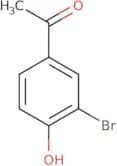
Fórmula:C13H10N2SPureza:Min. 95%Peso molecular:226.3 g/mol3'-Bromo-4'-hydroxyacetophenone
CAS:3'-Bromo-4'-hydroxyacetophenone is an epoxy that is used in the synthesis of a variety of chemical products. The mechanisms for its aerobic oxidation are not well understood, but it has been shown that it undergoes transformation reactions to form methides and phenols. It also participates in the aerobic oxidation process, which is a chemical reaction that occurs with oxygen and hydrogen peroxide as catalysts. 3'-Bromo-4'-hydroxyacetophenone has been shown to be a competitive inhibitor of cytochrome P450 enzymes.
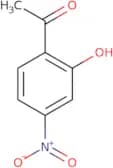
Fórmula:C8H7BrO2Pureza:Min. 95%Peso molecular:215.05 g/mol1-(2-Hydroxy-4-nitrophenyl)ethan-1-one
CAS:1-(2-Hydroxy-4-nitrophenyl)ethan-1-one (KPNE) is a potassium salt of a diketone that has antitubercular activity. KPNE inhibits the growth of Mycobacterium tuberculosis and has been shown to be effective as an antitubercular agent in animals. KPNE also has antiviral properties, inhibiting the RNA polymerase in HIV, which may be due to its ability to inhibit the synthesis of DNA. The mechanism of action for KPNE is thought to be due to its hydrolysis into 4-aminosalicylic acid, which inhibits bacterial protein synthesis by inhibition of the enzyme dihydrofolate reductase.
Fórmula:C8H7NO4Pureza:Min. 95%Peso molecular:181.15 g/mol[(2-Bromophenyl)methyl]trimethylsilane
CAS:Versatile small molecule scaffold
Fórmula:C10H15BrSiPureza:Min. 95%Peso molecular:243.21 g/mol

![[3,3'-Bipyridine]-5-carboxylic acid](/_next/image/?url=https%3A%2Fstatic.cymitquimica.com%2Fproducts%2F3D%2Fthumb-webp%2FBAA97081.webp&w=3840&q=75)
![rac-(1R,2R,5R)-Bicyclo[3.2.1]octan-2-ol, exo](/_next/image/?url=https%3A%2Fstatic.cymitquimica.com%2Fproducts%2F3D%2Fthumb-webp%2FBAA96538.webp&w=3840&q=75)



![2-[3-(Propan-2-yl)phenoxy]acetic acid](/_next/image/?url=https%3A%2Fstatic.cymitquimica.com%2Fproducts%2F3D%2Fthumb-webp%2FBAA87852.webp&w=3840&q=75)
![6H-Benzo[C][1,2]benzothiazine 5,5-dioxide](/_next/image/?url=https%3A%2Fstatic.cymitquimica.com%2Fproducts%2F3D%2Fthumb-webp%2FBAA86433.webp&w=3840&q=75)
![[(2-Bromophenyl)methyl]trimethylsilane](/_next/image/?url=https%3A%2Fstatic.cymitquimica.com%2Fproducts%2F3D%2Fthumb-webp%2FBAA83344.webp&w=3840&q=75)