Building Blocks
Subcategorías de "Building Blocks"
- Ácidos borónicos y derivados del ácido borónico(5.780 productos)
- Building Blocks quirales(1.239 productos)
- Building Blocks de hidrocarburos(6.100 productos)
- Building Blocks orgánicos(61.005 productos)
Se han encontrado 205234 productos de "Building Blocks"
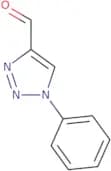
1-Phenyl-1H-1,2,3-triazole-4-carbaldehyde
CAS:1-Phenyl-1H-1,2,3-triazole-4-carbaldehyde (phenyltriazole) is a heterocyclic compound that has been synthesized as a potential drug for the treatment of malaria. The equilibrium between the two isomers is controlled by the rate of thermal isomerization. The dimethyl sulfoxide and nitrile functional groups are responsible for this process. Phenyltriazole has been shown to have antiplasmodial activity in vitro against parasites resistant to chloroquine and pyrimethamine, as well as in vivo against chloroquine resistant strains. This molecule also inhibits growth of Mycobacterium tuberculosis in cell culture and has been shown to be effective against other bacterial strains that are resistant to standard antibiotics. Phenyltriazole binds to DNA gyrase, an enzyme involved in DNA replication and repair, which results in inhibition of RNA synthesis and protein synthesis, leading
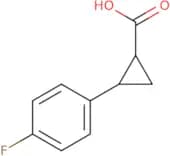
Fórmula:C9H7N3OPureza:Min. 95%Peso molecular:173.17 g/mol2-(4-Fluorophenyl)cyclopropanecarboxylic acid
CAS:Versatile small molecule scaffold
Fórmula:C10H9FO2Pureza:Min. 95%Peso molecular:180.18 g/mol2-[(tert-butoxy)carbonyl]-2-azabicyclo[2.2.2]octane-4-carboxylic acid
CAS:Versatile small molecule scaffold
Fórmula:C13H21NO4Pureza:Min. 95%Peso molecular:255.3 g/mol({2-[(4-Methylphenyl)sulfanyl]ethyl}carbamoyl)methyl 4-hydroxybenzoate
CAS:Versatile small molecule scaffold
Fórmula:C18H19NO4SPureza:Min. 95%Peso molecular:345.4 g/mol3-Methoxyspiro[3.3]heptane-1-carboxylic acids
CAS:Versatile small molecule scaffold
Fórmula:C9H14O3Pureza:Min. 95%Peso molecular:170.2 g/mol(1R,3S,5R)-2-(tert-Butoxycarbonyl)-2-azabicyclo[3.1.0]hexane-3-carboxylic Acid
CAS:(1R,3S,5R)-2-(tert-Butoxycarbonyl)-2-azabicyclo[3.1.0]hexane-3-carboxylic Acid is a stereoselective and scalable synthesis of (1R,3S,5R)-2-(tert-butoxycarbonyl)-2-azabicyclo[3.1.0]hexane-3-carboxylic acid that can be synthesized in a two step sequence with high yield and high stereoselectivity. The cyclopropanation of the carboxylate group with allyl bromide provides the desired product in good yield and high selectivity (>90% ee).
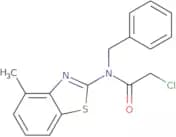
Fórmula:C11H17NO4Pureza:Min. 95%Peso molecular:227.26 g/molN-Benzyl-2-chloro-N-(4-methyl-1,3-benzothiazol-2-yl)acetamide
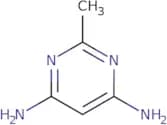
CAS:Versatile small molecule scaffoldFórmula:C17H15ClN2OSPureza:Min. 95%Peso molecular:330.8 g/mol2-Methylpyrimidine-4,6-diamine
CAS:Versatile small molecule scaffold
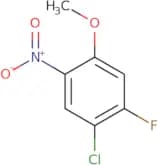
Fórmula:C5H8N4Pureza:Min. 95%Peso molecular:124.14 g/mol1-Chloro-2-fluoro-4-methoxy-5-nitrobenzene
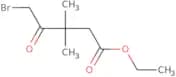
CAS:1-Chloro-2-fluoro-4-methoxy-5-nitrobenzene is a factor receptor inhibitor that belongs to the class of inhibitors of the epidermal growth factor receptor (EGFR). It has been shown to inhibit the growth of non-small cell lung cancer cells. 1-Chloro-2-fluoro-4-methoxy-5-nitrobenzene inhibits EGFR and prevents it from binding to its ligands, including epidermal growth factor and transforming growth factor alpha. This inhibition prevents activation of the tyrosine kinase domain, which is an enzyme that plays a key role in many cellular processes, such as cell proliferation. 1-Chloro-2-fluoro-4 methoxy 5 nitrobenzene has also been shown to be effective for treating skin disorders caused by excessive keratin production.Fórmula:C7H5ClFNO3Pureza:Min. 95%Peso molecular:205.57 g/molEthyl 5-bromo-3,3-dimethyl-4-oxopentanoate
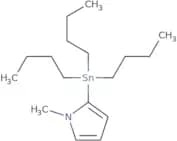
CAS:Versatile small molecule scaffoldFórmula:C9H15BrO3Pureza:Min. 95%Peso molecular:251.12 g/mol1-Methyl-2-(tributylstannyl)pyrrole
CAS:Producto controlado1-Methyl-2-(tributylstannyl)pyrrole is a tosylate, which is a type of chemical compound that can be converted into other substances by the addition of water. 1-Methyl-2-(tributylstannyl)pyrrole is synthesized from 2,6-dichloroacetophenone and tributyltin chloride. This compound has shown chemotactic activity in neutrophils and mast cells in vitro. It also inhibits the synthesis of proteins and other cellular components. The pharmacokinetic properties of this drug have been studied in rats and mice, with oral absorption being the most suitable route for delivery. The formyl group on this drug may cause it to be used as an orally active form of chemotherapy for autoimmune diseases or as an anti-inflammatory agent.
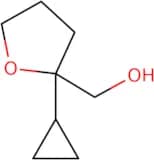
Fórmula:C17H33NSnPureza:Min. 95%Peso molecular:370.16 g/mol(2-Cyclopropyloxolan-2-yl)methanol
CAS:Versatile small molecule scaffold
Fórmula:C8H14O2Pureza:Min. 95%Peso molecular:142.2 g/molRef: 3D-LCD67577
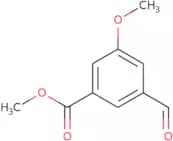
Producto descatalogadoMethyl 3-formyl-5-methoxybenzoate
CAS:Methyl 3-formyl-5-methoxybenzoate is a versatile compound with various applications. It is commonly used as a building block in the synthesis of fatty acids, safranal, and other research chemicals. This compound can also be employed in the production of polymers, neonicotinoids, terephthalate, and gabapentin. Additionally, it exhibits pesticidal properties and can act as an anesthetic and antiviral agent. Methyl 3-formyl-5-methoxybenzoate has been found to interact with dopamine receptors and may have potential therapeutic effects. Its diverse range of uses makes it a valuable component in multiple industries.
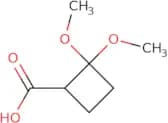
Fórmula:C10H10O4Pureza:Min. 95%Peso molecular:194.19 g/mol2,2-Dimethoxycyclobutane-1-carboxylic acid
CAS:Versatile small molecule scaffold
Fórmula:C7H12O4Pureza:Min. 95%Peso molecular:160.2 g/mol3-Ethoxy-1,2-benzothiazole
CAS:Versatile small molecule scaffold
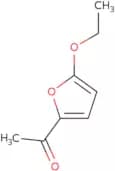
Fórmula:C9H9NOSPureza:Min. 95%Peso molecular:179.24 g/mol1-(5-Ethoxyfuran-2-yl)ethan-1-one
CAS:Versatile small molecule scaffold
Fórmula:C8H10O3Pureza:Min. 95%Peso molecular:154.16 g/molMethyl 4-(sulfamoylamino)benzoate
CAS:Versatile small molecule scaffold
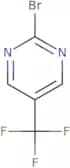
Fórmula:C8H10N2O4SPureza:Min. 95%Peso molecular:230.24 g/mol2-Bromo-5-(trifluoromethyl)pyrimidine
CAS:Versatile small molecule scaffold
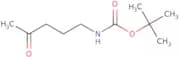
Fórmula:C5H2BrF3N2Pureza:Min. 95%Peso molecular:226.98 g/moltert-Butyl N-(4-oxopentyl)carbamate
CAS:Versatile small molecule scaffold
Fórmula:C10H19NO3Pureza:Min. 95%Peso molecular:201.26 g/mol1-Benzyl-octahydro-[1]pyrindin-4-one
CAS:Versatile small molecule scaffold
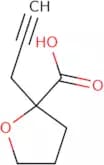
Fórmula:C15H19NOPureza:Min. 95%Peso molecular:229.32 g/mol2-(Prop-2-yn-1-yl)oxolane-2-carboxylic acid
CAS:Versatile small molecule scaffoldFórmula:C8H10O3Pureza:Min. 95%Peso molecular:154.16 g/mol[2-(Methoxymethyl)oxolan-2-yl]methanamine
CAS:Versatile small molecule scaffold
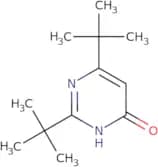
Fórmula:C7H15NO2Pureza:Min. 95%Peso molecular:145.2 g/mol2,6-Di-tert-butyl-3,4-dihydropyrimidin-4-one
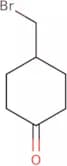
CAS:Versatile small molecule scaffoldFórmula:C12H20N2OPureza:Min. 95%Peso molecular:208.3 g/mol4-(Bromomethyl)cyclohexan-1-one
CAS:The bis-Grignard reagent, also known as a bifunctional organometallic compound, is an organic chemistry reactive intermediate used in the synthesis of diverse organic molecules. This type of reagent is prepared by the reaction of a magnesium halide with an alkyl or aryl halide. The Grignard reagent reacts with electrophiles to form carbon-carbon bonds. The catellani reaction is an example of this type of reaction. A new method for the efficient synthesis of 4-(bromomethyl)cyclohexan-1-one has been developed using a cross-coupling strategy and a phosphine ligand. This process begins with the formation of a palladium catalyst via oxidative addition, followed by nucleophilic displacement with methyl iodide to give 4-(bromomethyl)cyclohexan-1-one in high yield and excellent purity.
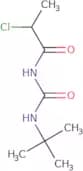
Fórmula:C7H11BrOPureza:Min. 95%Peso molecular:191.07 g/mol3-tert-Butyl-1-(2-chloropropanoyl)urea
CAS:Versatile small molecule scaffold
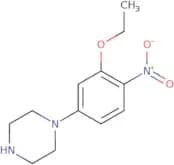
Fórmula:C8H15ClN2O2Pureza:Min. 95%Peso molecular:206.67 g/mol1-(3-Ethoxy-4-nitrophenyl)piperazine
CAS:Versatile small molecule scaffoldFórmula:C12H17N3O3Pureza:Min. 95%Peso molecular:251.28 g/mol2-Phenyl-5-(4,4,5,5-tetramethyl-1,3,2-dioxaborolan-2-yl)pyridine
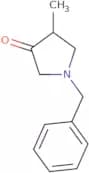
CAS:Versatile small molecule scaffoldFórmula:C17H20BNO2Pureza:Min. 95%Peso molecular:281.17 g/mol1-Benzyl-4-methylpyrrolidin-3-one
CAS:Versatile small molecule scaffold
Fórmula:C12H15NOPureza:Min. 95%Peso molecular:189.25 g/molBenzyl 2-amino-3-hydroxypropanoate hydrochloride
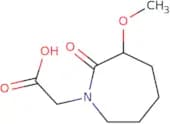
CAS:Benzyl 2-amino-3-hydroxypropanoate hydrochloride is a chiral molecule with a S configuration. It is the racemic mixture of two enantiomers, which are mirror images of each other. The compound has been shown to inhibit bacterial growth by binding to the 50S ribosomal subunit and inhibiting protein synthesis. This drug also inhibits the formation of siderophores and pseudobactin, which are involved in iron uptake. Benzyl 2-amino-3-hydroxypropanoate hydrochloride also has an anti-inflammatory effect and may be used as an adjuvant therapy for tuberculosis or cancer chemotherapy.Fórmula:C10H14ClNO3Pureza:Min. 95%Peso molecular:231.67 g/mol2-(3-Methoxy-2-oxoazepan-1-yl)acetic acid
CAS:Versatile small molecule scaffold
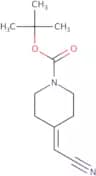
Fórmula:C9H15NO4Pureza:Min. 95%Peso molecular:201.22 g/moltert-Butyl 4-(cyanomethylidene)piperidine-1-carboxylate
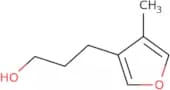
CAS:Versatile small molecule scaffoldFórmula:C12H18N2O2Pureza:Min. 95%Peso molecular:222.29 g/mol3-(4-Methylfuran-3-yl)propan-1-ol
CAS:3-(4-Methylfuran-3-yl)propan-1-ol is a chemical compound that belongs to the group of organic compounds. It is a colorless liquid with a pleasant odor. 3-(4-Methylfuran-3-yl)propan-1-ol has been found in the filtrate of certain plants, such as the endophyte fungi Fusarium verticillioides. It has been shown to have antifeedant properties and can be used in combination with other fungicides, such as tebuconazole or triazole, to control phytopathogens. 3-(4-Methylfuran-3-yl)propan-1-ol may also be used as an additive for food chemistry or in element analysis.
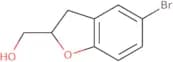
Fórmula:C8H12O2Pureza:Min. 95%Peso molecular:140.18 g/mol(5-Bromo-2,3-dihydro-1-benzofuran-2-yl)methanol
CAS:Versatile small molecule scaffold
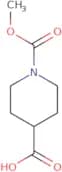
Fórmula:C9H9O2BrPureza:Min. 95%Peso molecular:229.07 g/mol1-(Methoxycarbonyl)-4-piperidinecarboxylic acid
CAS:Versatile small molecule scaffold
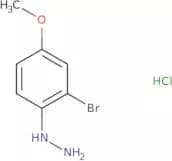
Fórmula:C8H13NO4Pureza:Min. 95%Peso molecular:187.19 g/mol(2-Bromo-4-methoxyphenyl)hydrazine hydrochloride
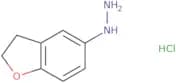
CAS:Versatile small molecule scaffoldFórmula:C7H10BrClN2OPureza:Min. 95%Peso molecular:253.52 g/mol2,3-Dihydro-1-benzofuran-5-ylhydrazine hydrochloride
CAS:Versatile small molecule scaffoldFórmula:C8H11ClN2OPureza:Min. 95%Peso molecular:186.64 g/molRef: 3D-XHA59046
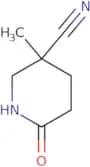
Producto descatalogado3-Methyl-6-oxopiperidine-3-carbonitrile
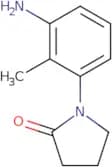
CAS:Versatile small molecule scaffoldFórmula:C7H10N2OPureza:Min. 95%Peso molecular:138.17 g/mol1-(3-amino-2-methylphenyl)pyrrolidin-2-one
CAS:Versatile small molecule scaffold
Fórmula:C11H14N2OPureza:Min. 95%Peso molecular:190.25 g/moltert-Butyl 3,3-dimethyl-1,4-diazepane-1-carboxylate
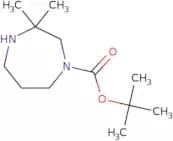
CAS:Versatile small molecule scaffold
Fórmula:C12H24N2O2Pureza:Min. 95%Peso molecular:228.33 g/mol4-Benzyl-6-methylmorpholine-2-carbohydrazide
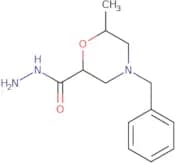
CAS:Versatile small molecule scaffoldFórmula:C13H19N3O2Pureza:Min. 95%Peso molecular:249.31 g/molethyl 2-(2-aminophenyl)acetate
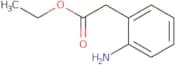
CAS:Ethyl 2-(2-aminophenyl)acetate is a cytotoxic agent that binds to DNA and inhibits the synthesis of RNA and protein. It has been shown to inhibit the growth of murine leukemia cells in culture at concentrations between 0.3 and 3 mM, which are dependent on the concentration of benzyl substituents. Ethyl 2-(2-aminophenyl)acetate also exhibits dose-dependent cytotoxic activity against murine leukemia cells. The cytotoxic effects of this compound have been studied in vivo and in vitro using murine leukemia cells (WEHI-3).
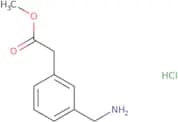
Fórmula:C10H13NO2Pureza:Min. 95%Peso molecular:179.2 g/molMethyl 2-(3-(aminomethyl)phenyl)acetate hydrochloride
CAS:Versatile small molecule scaffold
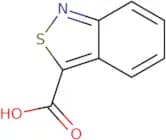
Fórmula:C10H14ClNO2Pureza:Min. 95%Peso molecular:215.68 g/mol2,1-Benzothiazole-3-carboxylic acid
CAS:2,1-Benzothiazole-3-carboxylic acid is a chlorinated compound with a methyl group. It is a hydrolysis product of DDT and exhibits functional and chemical properties similar to those of thionyl chloride. 2,1-Benzothiazole-3-carboxylic acid has been shown to be highly toxic to rats and rabbits, but not to mice.
Fórmula:C8H5NO2SPureza:Min. 95%Peso molecular:179.2 g/mol2-{[(Propan-2-yl)carbamoyl]amino}benzoic acid
CAS:Versatile small molecule scaffold
Fórmula:C11H14N2O3Pureza:Min. 95%Peso molecular:222.24 g/mol{1-[(Oxolan-3-yl)methyl]-1H-imidazol-2-yl}methanol
CAS:Versatile small molecule scaffold
Fórmula:C9H14N2O2Pureza:Min. 95%Peso molecular:182.22 g/molRef: 3D-LCD58839
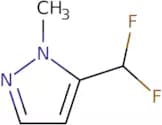
Producto descatalogado5-(Difluoromethyl)-1-methyl-1H-pyrazole
CAS:Versatile small molecule scaffold
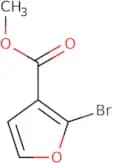
Fórmula:C5H6F2N2Pureza:Min. 95%Peso molecular:132.11 g/molMethyl 2-bromofuran-3-carboxylate
CAS:Versatile small molecule scaffold
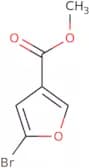
Fórmula:C6H5BrO3Pureza:Min. 95%Peso molecular:205.01 g/molMethyl 5-bromofuran-3-carboxylate
CAS:Versatile small molecule scaffold
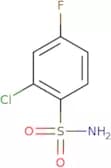
Fórmula:C6H5BrO3Pureza:Min. 95%Peso molecular:205.01 g/mol2-Chloro-4-fluorobenzenesulfonamide
CAS:Versatile small molecule scaffold
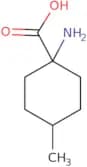
Fórmula:C6H5ClFNO2SPureza:Min. 95%Peso molecular:209.63 g/mol1-amino-4-methylcyclohexanecarboxylic acid
CAS:Versatile small molecule scaffoldFórmula:C8H15NO2Pureza:Min. 95%Peso molecular:157.21 g/mol

![2-[(tert-butoxy)carbonyl]-2-azabicyclo[2.2.2]octane-4-carboxylic acid](/_next/image/?url=https%3A%2Fstatic.cymitquimica.com%2Fproducts%2F3D%2Fthumb-webp%2FLCD69568.webp&w=3840&q=75)
![({2-[(4-Methylphenyl)sulfanyl]ethyl}carbamoyl)methyl 4-hydroxybenzoate](/_next/image/?url=https%3A%2Fstatic.cymitquimica.com%2Fproducts%2F3D%2Fthumb-webp%2FEKB32034.webp&w=3840&q=75)
![3-Methoxyspiro[3.3]heptane-1-carboxylic acids](/_next/image/?url=https%3A%2Fstatic.cymitquimica.com%2Fproducts%2F3D%2Fthumb-webp%2FLCD68153.webp&w=3840&q=75)
![(1R,3S,5R)-2-(tert-Butoxycarbonyl)-2-azabicyclo[3.1.0]hexane-3-carboxylic Acid](/_next/image/?url=https%3A%2Fstatic.cymitquimica.com%2Fproducts%2F3D%2Fthumb-webp%2FXHA14234.webp&w=3840&q=75)


![1-Benzyl-octahydro-[1]pyrindin-4-one](/_next/image/?url=https%3A%2Fstatic.cymitquimica.com%2Fproducts%2F3D%2Fthumb-webp%2FUCA04225.webp&w=3840&q=75)
![[2-(Methoxymethyl)oxolan-2-yl]methanamine](/_next/image/?url=https%3A%2Fstatic.cymitquimica.com%2Fproducts%2F3D%2Fthumb-webp%2FLCD66284.webp&w=3840&q=75)


![2-{[(Propan-2-yl)carbamoyl]amino}benzoic acid](/_next/image/?url=https%3A%2Fstatic.cymitquimica.com%2Fproducts%2F3D%2Fthumb-webp%2FUCA14557.webp&w=3840&q=75)
![{1-[(Oxolan-3-yl)methyl]-1H-imidazol-2-yl}methanol](/_next/image/?url=https%3A%2Fstatic.cymitquimica.com%2Fproducts%2F3D%2Fthumb-webp%2FLCD58839.webp&w=3840&q=75)