Building Blocks
Subcategorías de "Building Blocks"
- Ácidos borónicos y derivados del ácido borónico(5.774 productos)
- Building Blocks quirales(1.237 productos)
- Building Blocks de hidrocarburos(6.098 productos)
- Building Blocks orgánicos(60.970 productos)
Se han encontrado 205134 productos de "Building Blocks"
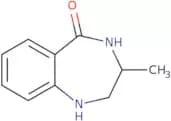
3-Methyl-2,3,4,5-tetrahydro-1H-1,4-benzodiazepin-5-one
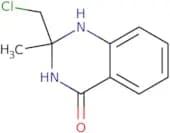
CAS:Versatile small molecule scaffoldFórmula:C10H12N2OPureza:Min. 95%Peso molecular:176.21 g/mol2-(Chloromethyl)-2-methyl-1,2,3,4-tetrahydroquinazolin-4-one
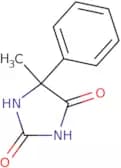
CAS:Versatile small molecule scaffoldFórmula:C10H11ClN2OPureza:Min. 95%Peso molecular:210.66 g/mol(5S)-5-Methyl-5-phenylimidazolidine-2,4-dione
CAS:Versatile small molecule scaffoldFórmula:C10H10N2O2Pureza:Min. 95%Peso molecular:190.2 g/mol1,7,7-Trimethyl-2-methylidenebicyclo[2.2.1]heptane
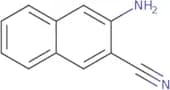
CAS:1,7,7-Trimethyl-2-methylidenebicyclo[2.2.1]heptane is a cyclic terpene that is found in the essential oils of plants such as camphor and turpentine. In bacteria, 1,7,7-trimethyl-2-methylenebicyclo[2.2.1]heptane binds to the divalent metal ions and prevents them from being used by the enzymes responsible for phosphodiester bond formation during DNA replication or transcription. This results in an inhibition of bacterial growth. 1,7,7-trimethyl-2-methylenebicyclo[2.2.1]heptane is a synthetic compound that has been sequenced and synthesized with gram negative bacterium olivasterospora as a model organism. The kinetic parameters of 1,7,7-trimethyl-2-methylenebicycloFórmula:C11H18Pureza:Min. 95%Peso molecular:150.26 g/mol3-Aminonaphthalene-2-carbonitrile
CAS:Versatile small molecule scaffold
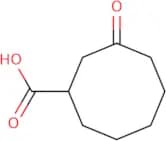
Fórmula:C11H8N2Pureza:Min. 95%Peso molecular:168.19 g/mol3-Oxocyclooctane-1-carboxylic acid
CAS:Versatile small molecule scaffold
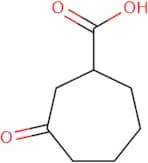
Fórmula:C9H14O3Pureza:Min. 95%Peso molecular:170.21 g/mol3-Oxocycloheptane-1-carboxylic acid
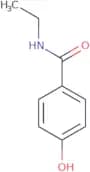
CAS:Versatile small molecule scaffoldFórmula:C8H12O3Pureza:Min. 95%Peso molecular:156.18 g/molN-Ethyl-4-hydroxybenzamide
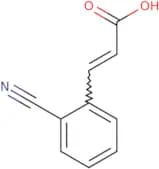
CAS:Versatile small molecule scaffoldFórmula:C9H11NO2Pureza:Min. 95%Peso molecular:165.19 g/mol(2Z)-3-(2-Cyanophenyl)prop-2-enoic acid
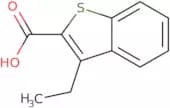
CAS:(2Z)-3-(2-Cyanophenyl)prop-2-enoic acid is an organic compound that is used as a reagent in the analysis of amino acids. It can be prepared by reacting 2-cyanobenzaldehyde with propionic acid in the presence of a base. This reaction can be carried out on a preparative scale, or on a small scale for laboratory use. The compound can be analyzed by spectrometry and chromatography to determine its purity and sequence. This compound has been shown to have different stereoisomers that are distinguished by their mass spectra.Fórmula:C10H7NO2Pureza:Min. 95%Peso molecular:173.17 g/mol3-Ethyl-1-benzothiophene-2-carboxylic acid
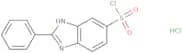
CAS:Versatile small molecule scaffoldFórmula:C11H10O2SPureza:Min. 95%Peso molecular:206.26 g/mol2-Phenyl-1H-1,3-benzodiazole-5-sulfonyl chloride hydrochloride
CAS:Versatile small molecule scaffoldFórmula:C13H10Cl2N2O2SPureza:Min. 95%Peso molecular:329.2 g/molTributyl(methoxymethyl)stannane
CAS:Producto controladoTributyl(methoxymethyl)stannane is a synthetic organo-tin compound that has antifungal, antiviral, and antibacterial properties. It is also used in the treatment of idiopathic pulmonary fibrosis, hepatitis, cirrhosis, heart disease, and scleroderma. Tributyl(methoxymethyl)stannane inhibits the synthesis of proteins by binding to the 30S ribosomal subunit through a number of mechanisms. It has been shown to inhibit the growth of many fungi including those that cause athlete's foot and ringworm. Tributyl(methoxymethyl)stannane also shows some promise as an anti-inflammatory agent.
Fórmula:C14H32OSnPureza:Min. 95%Peso molecular:335.1 g/mol2-(2-Nitrobenzenesulfonyl)acetic acid
CAS:Versatile small molecule scaffold
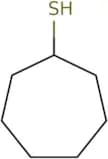
Fórmula:C8H7NO6SPureza:Min. 95%Peso molecular:245.21 g/molCycloheptanethiol
CAS:Versatile small molecule scaffold
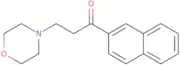
Fórmula:C7H14SPureza:Min. 95%Peso molecular:130.25 g/mol3-(Morpholin-4-yl)-1-(naphthalen-2-yl)propan-1-one
CAS:Versatile small molecule scaffoldFórmula:C17H19NO2Pureza:Min. 95%Peso molecular:269.34 g/mol1',3'-Dihydrospiro[imidazolidine-4,2'-indene]-2,5-dione
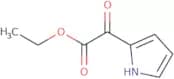
CAS:Versatile small molecule scaffoldFórmula:C11H10N2O2Pureza:Min. 95%Peso molecular:202.21 g/molEthyl 2-oxo-2-(1H-pyrrol-2-yl)acetate
CAS:Versatile small molecule scaffold
Fórmula:C8H9NO3Pureza:Min. 95%Peso molecular:167.16 g/mol4-(Chloromethyl)-1,2-diethoxybenzene
CAS:Versatile small molecule scaffoldFórmula:C11H15ClO2Pureza:Min. 95%Peso molecular:214.69 g/mol3-[(2-Methoxyphenyl)amino]propanenitrile
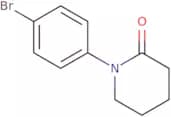
CAS:Versatile small molecule scaffoldFórmula:C10H12N2OPureza:Min. 95%Peso molecular:176.21 g/mol1-(4-Bromophenyl)piperidin-2-one
CAS:Versatile small molecule scaffold
Fórmula:C11H12BrNOPureza:Min. 95%Peso molecular:254.13 g/mol1-(bis(4-chlorophenyl)methyl)piperazine
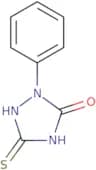
CAS:Producto controlado1-(Bis(4-chlorophenyl)methyl)piperazine is a CB1 receptor antagonist that has been shown to bind with high affinity to the CB1 receptor. It has been shown to inhibit the binding of agonists, such as anandamide and CP55,940, to the cannabinoid receptors. 1-(Bis(4-chlorophenyl)methyl)piperazine has also been shown to have a higher affinity for the CB1 receptor than SR141716A, which is a selective CB1 receptor antagonist. The affinity of this drug for the cannabinoid receptor has been optimized in order to reduce its potential for side effects. Cannabinoid receptors are found in many parts of the body including the brain and immune system. They are known to play a role in pain sensation, mood, memory and appetite control.Fórmula:C17H18Cl2N2Pureza:Min. 95%Peso molecular:321.25 g/mol1-Phenyl-3-sulfanyl-4,5-dihydro-1H-1,2,4-triazol-5-one
CAS:Versatile small molecule scaffoldFórmula:C8H7N3OSPureza:Min. 95%Peso molecular:193.23 g/mol(2S)-2-Amino-N-(2-hydroxyethyl)-4-methylpentanamide hydrochloride
CAS:Versatile small molecule scaffoldFórmula:C8H19ClN2O2Pureza:Min. 95%Peso molecular:210.7 g/mol3-[Methyl(propan-2-yl)amino]propan-1-ol
CAS:Versatile small molecule scaffoldFórmula:C7H17NOPureza:Min. 95%Peso molecular:131.2 g/mol2-Amino-N-[(4-methoxyphenyl)methyl]acetamide hydrochloride
CAS:Versatile small molecule scaffoldFórmula:C10H15ClN2O2Pureza:Min. 95%Peso molecular:230.69 g/mol4-Benzylpiperidine-2,6-dione
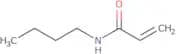
CAS:Versatile small molecule scaffoldFórmula:C12H13NO2Pureza:Min. 95%Peso molecular:203.2 g/molN-Butylacrylamide
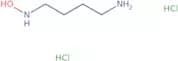
CAS:N-Butylacrylamide is a monomer that is used in the production of polymers. It is a colorless, oily liquid that is soluble in organic solvents but not water. N-Butylacrylamide has been shown to inhibit microbial growth by binding to phosphonates and organic solvents, which are found on the surface of bacteria. These interactions lead to cell death by preventing the uptake of nutrients and causing leakage of cellular contents. The phase transition temperature for N-butyl acrylamide is below room temperature, making it an ideal candidate for use as an anti-infective agent.Fórmula:C7H13NOPureza:Min. 95%Peso molecular:127.18 g/molN-(4-Aminobutyl)hydroxylamine dihydrochloride
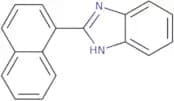
CAS:Versatile small molecule scaffoldFórmula:C4H14Cl2N2OPureza:Min. 95%Peso molecular:177.07 g/mol2-(Naphthalen-1-yl)-1H-1,3-benzodiazole
CAS:Versatile small molecule scaffoldFórmula:C17H12N2Pureza:Min. 95%Peso molecular:244.29 g/mol4-(1H-benzo[d]imidazol-2-yl)-N,N-dimethylaniline
CAS:4-(1H-benzo[d]imidazol-2-yl)-N,N-dimethylaniline is a molecule with the chemical formula C8H6N2. It has an optimised vibrational profile that can be used to identify it. The functional theory of molecular orbitals predicts that 4-(1H-benzo[d]imidazol-2-yl)-N,N-dimethylaniline will have a molecular electrostatic potential (MEP) of -0.13 kcal/mol and a shift of 0.04 cm(-1). The MEP and shift are calculated by using a single crystal x-ray diffraction experiment. This molecule has conformational parameters that can be calculated by using optimised atomic orbital parameters, which will give the conformational probability for each conformation as well as the total energy for each conformation. The conformations are then plotted on a graph in order to find the most probable conFórmula:C15H15N3Pureza:Min. 95%Peso molecular:237.31 g/molN-Methylcaprolactam
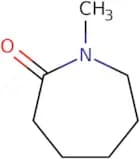
CAS:N-Methylcaprolactam is a white, crystalline compound with a melting point of 28.5°C. It is soluble in water and insoluble in organic solvents. N-Methylcaprolactam has a molecular weight of 152.2 g/mol and its chemical formula is C8H14N2O2. The divalent hydrocarbon has an aromatic hydrocarbon ring with two protonated nitrogen atoms bonded to this ring, which are responsible for the molecule's polarizability. N-Methylcaprolactam has been shown to activate rat liver microsomes, which may be due to its ability to bind to the enzyme adenylate cyclase and inhibit protein synthesis. This drug also causes a decrease in the level of water vapor and chloride ions in the environment and can be found as an environmental pollutant from metal hydroxides or water molecules reacting with aliphatic hydrocarbons such as methane or ethane. Struct
Fórmula:C7H13NOPureza:Min. 95%Peso molecular:127.18 g/mol7-Hydroxy-4-methyl-3-phenyl-2H-chromen-2-one
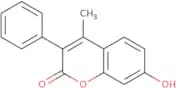
CAS:7-Hydroxy-4-methyl-3-phenyl-2H-chromen-2-one is a disubstituted coumarin nucleus and a potent anti-HIV agent. It has been synthesised as a lead compound to inhibit HIV reverse transcriptase by binding to its active site, which is the enzyme responsible for DNA synthesis. The probe exhibits dose dependent inhibition of HIV replication, with an IC50 of 0.5 μM. This compound also inhibits cysteine proteases, such as cathepsin B, and reverses the effects of certain chemotherapeutic agents on cancer cells. 7-Hydroxy-4-methyl-3-phenyl-2H-chromen-2-one is fluorescent in solution and this property can be used for detection purposes.Fórmula:C16H12O3Pureza:Min. 95%Peso molecular:252.26 g/mol2-Chloromethyl-piperidine hydrochloride
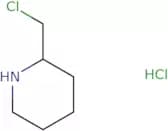
CAS:Versatile small molecule scaffoldFórmula:C6H13Cl2NPureza:Min. 95%Peso molecular:170.08 g/molN,N-Dimethyl-5-nitropyridin-2-amine
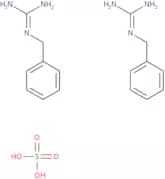
CAS:N,N-Dimethyl-5-nitropyridin-2-amine is a molecule with high polarizability. It is used in the production of optoelectronics and functional theory. The kinetic constants are determined by protonation and deprotonation reactions. The thermodynamic constants are determined by protonation and deprotonation reactions, as well as by the dipole moment of the compound. Preparative methods include intramolecular hydrogen transfer reaction or reductive amination. The impurities present in this molecule are aminopyridine and proton.Fórmula:C7H9N3O2Pureza:Min. 95%Peso molecular:167.17 g/mol1-Benzylguanidine hemisulfate
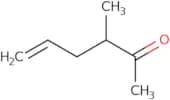
CAS:Versatile small molecule scaffoldFórmula:C16H24N6O4SPureza:Min. 95%Peso molecular:396.47 g/mol3-Methylhex-5-en-2-one
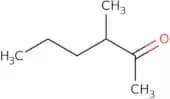
CAS:Versatile small molecule scaffoldFórmula:C7H12OPureza:Min. 95%Peso molecular:112.17 g/mol3-Methyl-2-hexanone
CAS:3-Methyl-2-hexanone is a chemical that belongs to the group of carbonyl compounds. It has been shown to be an attractant for the triatomine bug and reduviidae, which are insects that transmit Chagas disease. 3-Methyl-2-hexanone is also used as a pesticide and in polymerized form as a microcapsule for the treatment of urinalysis samples. The structure of 3-methyl-2-hexanone consists of a linear response with four carbon atoms. The compound contains two carbonyl groups, which are common in organic acids, and can be broken down by bond cleavage. 3-Methyl-2-hexanone has been detected in human urine at concentrations ranging from 0.04 to 8.9 µg/L, depending on age and sex.Fórmula:C7H14OPureza:Min. 95%Peso molecular:114.19 g/mol1-Hydroxy-3-methylanthraquinone
CAS:1-Hydroxy-3-methylanthraquinone is a quinone compound that has been shown to have binding constants for the fungal filamentous fungus, Vulgare L. (strain pachybasin), and bacterial strains. This chemical has also been shown to have biological properties such as antimicrobial activity against Acetobacter aceti, inhibition of growth of the human pathogen Streptococcus pyogenes, and induction of locomotor activity in mice. 1-Hydroxy-3-methylanthraquinone binds to fatty acids in the cell membrane and alters the permeability of this membrane. 1HMR spectroscopy data suggests that this compound is regiospecific with respect to its two hydroxyl groups.
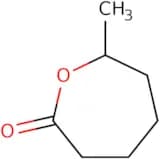
Fórmula:C15H10O3Pureza:Min. 95%Peso molecular:238.24 g/mol7-Methyloxepan-2-one
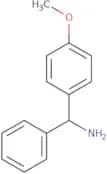
CAS:7-Methyloxepan-2-one is a synthetic chemical that is produced by the reaction of an amine with acetyl chloride. It is also biotransformed by bacteria, such as Clostridium, to produce 7-methyloxepan-2-ol. This compound is used as a polymerization initiator and has been shown to be useful in the synthesis of polymers with desirable properties. 7-Methyloxepan-2-one can be used in the production of ethylene gas for use in the petrochemical industry and as a chemical intermediate for other products.Fórmula:C7H12O2Pureza:Min. 95%Peso molecular:128.17 g/molC-(4-Methoxy-phenyl)-c-phenyl-methylamine
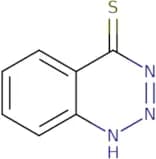
CAS:Versatile small molecule scaffoldFórmula:C14H15NOPureza:Min. 95%Peso molecular:213.28 g/mol1,2,3-Benzotriazine-4-thiol
CAS:Versatile small molecule scaffold
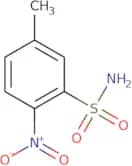
Fórmula:C7H5N3SPureza:Min. 95%Peso molecular:163.2 g/mol5-Methyl-2-nitrobenzene-1-sulfonamide
CAS:Versatile small molecule scaffoldFórmula:C7H8N2O4SPureza:Min. 95%Peso molecular:216.22 g/mol2-Oxobicyclo[2.2.1]heptane-1-carboxylic acid
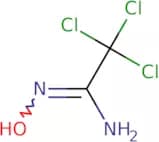
CAS:2-Oxobicyclo[2.2.1]heptane-1-carboxylic acid is an organic compound that belongs to the group of carboxylic acids. It can be synthesized by dehydration of formic acid with ethyl bromoacetate, followed by hydrolysis of the resulting 2-formylbicyclo[2.2.1]heptane-1-carboxylic acid with base. The compound can also be obtained by catalytic demercuration of oxymercuration products of tetrahydrofuran, and has been shown to have analogous reactions as methyl formate and acetone.Fórmula:C8H10O3Pureza:Min. 95%Peso molecular:154.16 g/mol2,2,2-Trichloro-N'-hydroxyethanimidamide
CAS:2,2,2-Trichloro-N'-hydroxyethanimidamide (TCEH) is a potent antibacterial agent that has been used in analytical chemistry as a reagent for the determination of anilines. It inhibits bacterial growth by binding to DNA and RNA. The profile of TCEH was determined by ultrasonication and found to be active against most Gram-positive bacteria, but inactive against Gram-negative bacteria. In addition, this drug was shown to be effective against oxadiazole-resistant strains of bacteria. The mechanism of TCEH is based on the reaction with an acyl halide to generate a reactive intermediate which attacks the nucleophilic center of the DNA molecule. This results in strand breakage and subsequent inhibition of bacterial growth. TCEH can be used as a substitute for other more toxic compounds such as mercury or arsenic compounds that are often used in chemical synthesis reactions.
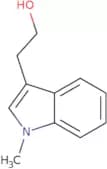
Fórmula:C2H3Cl3N2OPureza:Min. 95%Peso molecular:177.41 g/mol2-(1-Methyl-1H-indol-3-yl)-ethanol
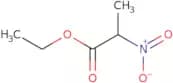
CAS:Producto controladoVersatile small molecule scaffoldFórmula:C11H13NOPureza:Min. 95%Peso molecular:175.23 g/molEthyl 2-nitropropionate
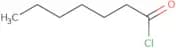
CAS:Ethyl 2-nitropropionate is an organic compound that is a monosubstituted nitroalkane. It is a colorless liquid with a characteristic odor. This compound has been used in the production of polyacrylamide, polyacrylic acid, and polyacrylonitrile resins. It is also used as a chemical intermediate in the production of quaternary ammonium salts or alkylating agents. Ethyl 2-nitropropionate is activated by chloride and reacts with amines to form nitrosamines. The nitro group on this compound can undergo nucleophilic attack by alcohols to form nitrate esters (e.g., ethyl 2-nitropentanoate).Fórmula:C5H9NO4Pureza:Min. 95%Peso molecular:147.13 g/molHeptanoyl chloride
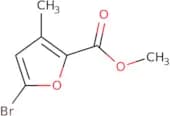
CAS:Heptanoyl chloride is an organic chemical compound that belongs to the group of acyl halides. It is a colorless gas that has a strong, unpleasant smell. Heptanoyl chloride reacts with hydrochloric acid and trifluoroacetic acid to form heptanoic acid and trifluoroacetone. The nucleophilic attack on the carbonyl carbon leads to formation of the corresponding alkyl halide. The reaction of heptanoyl chloride with nitro leads to formation of the corresponding nitroalkane. Heptanoyl chloride can be used in detergent compositions as a fatty acid or galacturonic acid substitute. It is also used in pharmaceutical preparations for the treatment of inflammatory diseases such as arthritis, asthma, and psoriasis.Fórmula:C7H13ClOPureza:Min. 95%Peso molecular:148.63 g/molMethyl 5-bromo-3-methylfuran-2-carboxylate
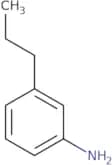
CAS:Methyl 5-bromo-3-methylfuran-2-carboxylate (MBM) is a metabolite that is synthesised from the sesquiterpenoid, furan. MBM is an efficient sponge for atmospheric bromine and has been shown to be an intermediate in the biosynthesis of acyclic compounds.Fórmula:C7H7BrO3Pureza:Min. 95%Peso molecular:219.03 g/mol3-Propylbenzenamine
CAS:3-Propylbenzenamine is an attractant for tsetse flies. 3-Propylbenzenamine has been shown to be a potent carbonate catalyst and can also be used as a carbamate pesticide.
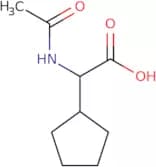
Fórmula:C9H13NPureza:Min. 95%Peso molecular:135.21 g/mol(R)-2-Acetamido-2-cyclopentylacetic acid
CAS:Versatile small molecule scaffold
Fórmula:C9H15NO3Pureza:Min. 95%Peso molecular:185.22 g/mol

![1,7,7-Trimethyl-2-methylidenebicyclo[2.2.1]heptane](/_next/image/?url=https%3A%2Fstatic.cymitquimica.com%2Fproducts%2F3D%2Fthumb-webp%2FCBA53847.webp&w=3840&q=75)


![1',3'-Dihydrospiro[imidazolidine-4,2'-indene]-2,5-dione](/_next/image/?url=https%3A%2Fstatic.cymitquimica.com%2Fproducts%2F3D%2Fthumb-webp%2FCBA47361.webp&w=3840&q=75)

![3-[(2-Methoxyphenyl)amino]propanenitrile](/_next/image/?url=https%3A%2Fstatic.cymitquimica.com%2Fproducts%2F3D%2Fthumb-webp%2FCBA47215.webp&w=3840&q=75)


![3-[Methyl(propan-2-yl)amino]propan-1-ol](/_next/image/?url=https%3A%2Fstatic.cymitquimica.com%2Fproducts%2F3D%2Fthumb-webp%2FCBA45341.webp&w=3840&q=75)
![2-Amino-N-[(4-methoxyphenyl)methyl]acetamide hydrochloride](/_next/image/?url=https%3A%2Fstatic.cymitquimica.com%2Fproducts%2F3D%2Fthumb-webp%2FCBA44935.webp&w=3840&q=75)

![4-(1H-benzo[d]imidazol-2-yl)-N,N-dimethylaniline](/_next/image/?url=https%3A%2Fstatic.cymitquimica.com%2Fproducts%2F3D%2Fthumb-webp%2FCAA56271.webp&w=3840&q=75)

![2-Oxobicyclo[2.2.1]heptane-1-carboxylic acid](/_next/image/?url=https%3A%2Fstatic.cymitquimica.com%2Fproducts%2F3D%2Fthumb-webp%2FCAA53470.webp&w=3840&q=75)