Building Blocks
Subcategorías de "Building Blocks"
- Ácidos borónicos y derivados del ácido borónico(5.780 productos)
- Building Blocks quirales(1.241 productos)
- Building Blocks de hidrocarburos(6.100 productos)
- Building Blocks orgánicos(61.017 productos)
Se han encontrado 205265 productos de "Building Blocks"
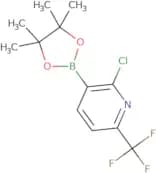
2-Chloro-6-trifluoromethylpyridine-3-boronic acid pinacol ester
CAS:Versatile small molecule scaffold
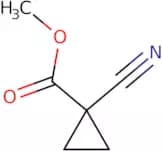
Fórmula:C12H14BClF3NO2Pureza:Min. 95%Peso molecular:307.5 g/molMethyl 1-cyanocyclopropanecarboxylate
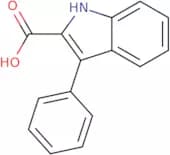
CAS:Versatile small molecule scaffoldFórmula:C6H7NO2Pureza:Min. 95%Peso molecular:125.13 g/mol3-Phenyl-1H-indole-2-carboxylic Acid
CAS:3-Phenyl-1H-indole-2-carboxylic acid is a chemical compound that has an acidic property. It is used in the analysis of hormones, such as testosterone and estradiol. 3-Phenyl-1H-indole-2-carboxylic acid is used to analyze the biotic and abiotic properties of a sample by liquid chromatography. It can be used for the profiling of steroids, such as cortisol and cortisone, and sex hormones. This chemical is also used to highlight the presence of acetonitrile in a sample.
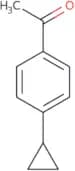
Fórmula:C15H11NO2Pureza:Min. 95%Peso molecular:237.25 g/mol1-(4-Cyclopropylphenyl)ethanone
CAS:Versatile small molecule scaffold
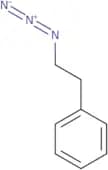
Fórmula:C11H12OPureza:Min. 95%Peso molecular:160.22 g/mol(2-Azidoethyl)benzene
CAS:2-Azidoethylbenzene is a coumarin derivative that has been identified as an important bioactive molecule. It is synthesized by the reaction of azides and benzene using a reaction solution. The compound reacts with hydroxyl groups to form a C-N bond, which may be responsible for its biological activity. 2-Azidoethylbenzene has been shown to have anti-leukemia effects in radiation-sensitive leukemia cells. It also has vasodilatory properties that may be related to the increase in blood pressure induced by the compound. 2-Azidoethylbenzene has also been shown to be effective against hypoxia inducible factors such as HIF1α, which are proteins involved in cell growth and proliferation.
Fórmula:C8H9N3Pureza:Min. 95%Peso molecular:147.18 g/mol1,7,7-Trimethylspiro[bicyclo[2.2.1]heptane-2,4'-imidazolidine]-2',5'-dione
CAS:Versatile small molecule scaffold
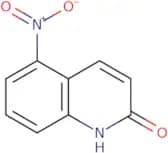
Fórmula:C12H18N2O2Pureza:Min. 95%Peso molecular:222.28 g/mol5-Nitro-1H-quinolin-2-one
CAS:Versatile small molecule scaffold
Fórmula:C9H6N2O3Pureza:Min. 95%Peso molecular:190.16 g/mol1-Bromodocosane
CAS:1-Bromodocosane is a microcapsule that is used as an antimicrobial agent. It consists of a water-soluble polymer, polyvinyl alcohol, which forms a shell around the active ingredient, 1-bromodocosane. The brominated derivative of docosane has been shown to have a profound effect on aliphatic hydrocarbons in plant physiology.
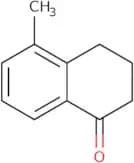
Fórmula:C22H45BrPureza:Min. 95%Peso molecular:389.5 g/mol5-Methyl-3,4-dihydronaphthalen-1(2H)-one
CAS:Versatile small molecule scaffoldFórmula:C11H12OPureza:Min. 95%Peso molecular:160.22 g/mol3-Chloro-±-methylbenzyl Alcohol
CAS:3-Chloro-±-methylbenzyl Alcohol is an alcohol that can be used as a biocatalyst. It is chiral and has been shown to be an efficient catalyst for the asymmetric synthesis of (R)-2,3-butanediol in the presence of saccharomyces cerevisiae. This compound has also been shown to be an effective optical resolution agent, with a high optical purity and excellent stability in organic solvents. 3-Chloro-±-methylbenzyl Alcohol is useful in the catalyzed conversion of glucose into ethanol, which is a dry weight procedure that does not require water or addition of cosubstrate.
Fórmula:C8H9ClOPureza:Min. 95%Peso molecular:156.61 g/mol2-[2,2-Bis-(1H-indol-3-yl)-ethyl]-phenylamine
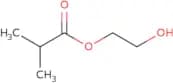
CAS:2-[2,2-Bis-(1H-indol-3-yl)-ethyl]-phenylamine is a drug that inhibits the growth of cancer cells by interfering with the epidermal growth factor receptor, which is a protein involved in cell proliferation. This drug has been shown to be effective against leukemia and breast cancer cells. 2-[2,2-Bis-(1H-indol-3-yl)-ethyl]-phenylamine has also been shown to synergistically interact with light emission and preventative therapies, such as radiation therapy and chemotherapy. The compound has been shown to have an effect on body fat mass and also transport properties for certain drugs.Fórmula:C24H21N3Pureza:Min. 95%Peso molecular:351.4 g/mol2-Hydroxyethyl 2-methylpropanoate
CAS:2-Hydroxyethyl 2-methylpropanoate is a fatty acid ester that has been used as a chemical intermediate in the synthesis of other chemicals. It can be synthesized by reacting a carboxylate with an alcohol, followed by hydrolysis. The reaction is exothermic, and the product has a lipophilic nature. This compound is often used in clinical applications because it is hydrophobic and can form polymers easily.
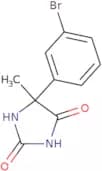
Fórmula:C6H12O3Pureza:Min. 95%Peso molecular:132.16 g/mol5-(3-Bromo-phenyl)-5-methyl-imidazolidine-2,4-dione
CAS:Versatile small molecule scaffold
Fórmula:C10H9BrN2O2Pureza:Min. 95%Peso molecular:269.1 g/mol2-Bromo-allylamine
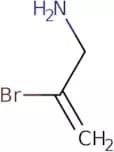
CAS:2-Bromo-allylamine is an inorganic compound that can be used as a synthetic intermediate for organic synthesis. It has been used to synthesize a variety of compounds, such as pharmaceuticals and agrochemicals. The bromide group is attached to the amine group through an ether bond. Bromoallylation is a chemoenzymatic reaction system that uses 2-bromo-allylamine as an intermediate.
2-Bromo-allylamine can also be synthesized by reacting allyl chloride with bromine or chlorodibromomethane in the presence of catalysts such as copper(II) acetate and sodium methoxide. This reaction has been shown to be able to produce 2-bromo-allylamine in high yield without any side reactions.Fórmula:C3H6BrNPureza:Min. 95%Peso molecular:135.99 g/mol1-(3-Bromopropyl)-3-methoxybenzene
CAS:Versatile small molecule scaffold
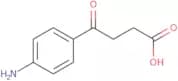
Fórmula:C10H13OBrPureza:Min. 95%Peso molecular:229.11 g/mol4-(4-Aminophenyl)-4-oxobutanoic acid
CAS:Versatile small molecule scaffold
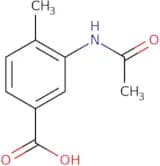
Fórmula:C10H11NO3Pureza:Min. 95%Peso molecular:193.2 g/mol3-Acetamido-4-methylbenzoic acid
CAS:3-Acetamido-4-methylbenzoic acid is a product of organic synthesis. It is an amide compound and is synthesized by the condensation reaction of cyanamide and aniline. 3-Acetamido-4-methylbenzoic acid has been used in the synthesis of medicines such as nilotinib, which is a tyrosine kinase inhibitor that blocks cancer cell growth.
Fórmula:C10H11NO3Pureza:Min. 95%Peso molecular:193.2 g/mol1-[(Methoxycarbonyl)amino]cyclopentane-1-carboxylic acid
CAS:Versatile small molecule scaffoldFórmula:C8H13NO4Pureza:Min. 95%Peso molecular:187.19 g/mol[2-(Methylsulfanyl)ethyl]urea
CAS:Versatile small molecule scaffold
Fórmula:C4H10N2OSPureza:Min. 95%Peso molecular:134.2 g/mol3-[(Pyridin-2-ylmethyl)amino]propan-1-ol
CAS:3-[(Pyridin-2-ylmethyl)amino]propan-1-ol is an industrial chemical that is used in the production of peroxy compounds. It is a byproduct of hydrogenation and aluminium production processes, and can be produced using transition metal ions such as copper or nickel. 3-[(Pyridin-2-ylmethyl)amino]propan-1-ol has a low molecular weight, which allows it to be used in a variety of applications. This compound has been shown to interact with adsorption equilibrium and kinetic techniques, as well as being suitable for sustainable development.
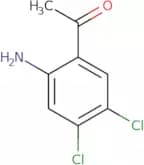
Fórmula:C9H14N2OPureza:Min. 95%Peso molecular:166.22 g/mol1-(2-Amino-4,5-dichlorophenyl)ethanone
CAS:Versatile small molecule scaffold
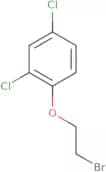
Fórmula:C8H7Cl2NOPureza:Min. 95%Peso molecular:204.05 g/mol1-(2-Bromoethoxy)-2,4-dichlorobenzene
CAS:Versatile small molecule scaffold
Fórmula:C8H7BrCl2OPureza:Min. 95%Peso molecular:269.96 g/mol2-(4-Bromo-2-methylphenoxy)acetic acid
CAS:2-(4-Bromo-2-methylphenoxy)acetic acid is a sulfonated phenolic compound that is synthesized by the sulfurylation of 2-methylphenoxyacetic acid with sulfuryl chloride. It has been used as a chemical intermediate in the synthesis of various drugs, such as triethanolamine. 2-(4-Bromo-2-methylphenoxy)acetic acid can also be used to produce fluorinated compounds, such as pentafluoropropionic and hexafluoroacetic acids. The chlorination reaction is an efficient method for the production of this compound.
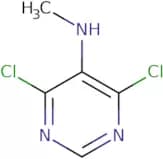
Fórmula:C9H9BrO3Pureza:Min. 95%Peso molecular:245.08 g/mol4,6-dichloro-N-methylpyrimidin-5-amine
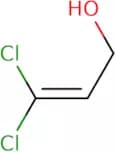
CAS:Versatile small molecule scaffoldFórmula:C5H5Cl2N3Pureza:Min. 95%Peso molecular:178 g/mol3,3-Dichloroprop-2-en-1-ol
CAS:Versatile small molecule scaffold
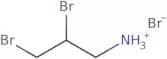
Fórmula:C3H4Cl2OPureza:Min. 95%Peso molecular:126.97 g/mol2,3-Dibromo-propylamine, hydrobromide
CAS:2,3-Dibromo-propylamine, hydrobromide is an organolithium compound that is postulated to exist. It has been synthesized in the laboratory but its structure and properties have not yet been fully characterized. In addition to allylamine and azetidine, it has also been shown to react with benzoyl peroxide to form a peroxide. The magnesium ion coordinates the bromine atom of 2,3-dibromo-propylamine, hydrobromide. This mechanism is similar to that of other organolithium compounds.
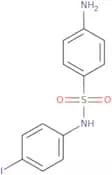
Fórmula:C3H8Br3NPureza:Min. 95%Peso molecular:297.81 g/mol4-Amino-N-(4-iodophenyl)benzene-1-sulfonamide
CAS:Versatile small molecule scaffold
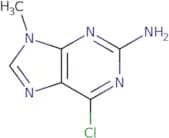
Fórmula:C12H11IN2O2SPureza:Min. 95%Peso molecular:374.2 g/mol6-chloro-9-methyl-9H-purin-2-amine
CAS:6-chloro-9-methyl-9H-purin-2-amine is a cytostatic agent that is used in the synthesis of other compounds. It is prepared by the quaternization of 6-chloropurine with methylmagnesium chloride followed by amination with methyl iodide. Purinium chloride is then obtained by reacting chloroform with potassium hydrogen fluoride and hydrochloric acid. This product can be used as an intermediate in the synthesis of purines, x-rays, and iodides. 6-Chloro-9-[methyl(3,5,6 -trimethylphenyl)amino]purin-2 amine has been shown to have cytostatic activity against human lymphocytes in vitro.
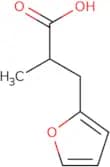
Fórmula:C6H6ClN5Pureza:Min. 95%Peso molecular:183.6 g/mol3-(Furan-2-yl)-2-methylpropanoic acid
CAS:Versatile small molecule scaffold
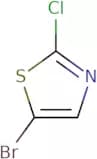
Fórmula:C8H10O3Pureza:Min. 95%Peso molecular:154.16 g/mol5-Bromo-2-chlorothiazole
CAS:5-Bromo-2-chlorothiazole is a dihalogenated aromatic heterocycle that has been synthesized from tetrachloromethane and lithium bromide. This molecule has been used as a reagent for the synthesis of other heterocycles and has also been shown to yield high yields in reactions with other compounds.
Fórmula:C3HBrClNSPureza:Min. 95%Peso molecular:198.47 g/mol1,2,4-Triazolo[4,3-a]pyridin-3(2H)-one
CAS:1,2,4-Triazolo[4,3-a]pyridin-3(2H)-one is a potent inhibitor of the enzyme c-glycosylase. This compound has been used in pharmaceutical preparations and as a feedstock in organic syntheses. It is used to produce the anti-inflammatory drug piroxicam, which inhibits the action of cyclooxygenase and blocks the synthesis of prostaglandins. 1,2,4-Triazolo[4,3-a]pyridin-3(2H)-one also has been shown to inhibit crystallization of the bovine liver enzyme phosphatidylcholine:cholesterol acyltransferase (PCAT). The inhibition was found to be competitive with respect to PCAT substrate and was not due to inhibition of PCAT by 1,2,4-triazolo[4,3-a]pyridin-3(
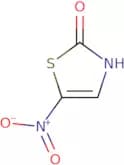
Fórmula:C6H5N3OPureza:Min. 95%Peso molecular:135.13 g/mol5-Nitro-2,3-dihydro-1,3-thiazol-2-one
CAS:Versatile small molecule scaffold
Fórmula:C3H2N2O3SPureza:Min. 95%Peso molecular:146.13 g/molRef: 3D-DAA03449
Producto descatalogado6-Methyl-2-picolylmethylamine
CAS:6-Methyl-2-picolylmethylamine is a dimeric compound that contains two picolyl methyl groups per molecule. It can be prepared by the reaction of picolinic acid with an appropriate amine, such as methylamine. 6-Methyl-2-picolylmethylamine reacts with dioxane to form a yellow solid, which is a potentiometric indicator. The potentiometric titration of 6-methyl-2-picolylmethylamine has shown that it has a pK value of 7.3 and a color change at pH 7.8.
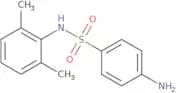
Fórmula:C8H12N2Pureza:Min. 95%Peso molecular:136.19 g/mol4-Amino-N-(2,6-dimethylphenyl)benzenesulfonamide
CAS:Versatile small molecule scaffold
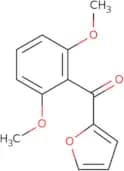
Fórmula:C14H16N2O2SPureza:Min. 95%Peso molecular:276.36 g/mol2-(2,6-Dimethoxybenzoyl)furan
CAS:Versatile small molecule scaffold
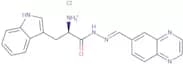
Fórmula:C13H12O4Pureza:Min. 95%Peso molecular:232.2 g/molRhosin hydrochloride
CAS:Rhosin hydrochloride is a cardiac glycoside derived from the plant Rhosinus peregrinus. It has been shown to have a regulatory effect on cardiac hypertrophy, and has been used in animal experiments to treat cancer. Rhosin hydrochloride is also known to inhibit cell factor and regulatory adhesions, which are proteins that aid in the binding of cells to other cells or tissue. It has been shown to be effective at inhibiting the uptake of calcium ions by rat cardiomyocytes. These properties make rhosin hydrochloride an attractive target for future research into cardiovascular disease treatment.
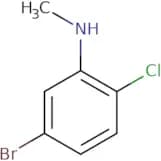
Fórmula:C20H19ClN6OPureza:Min. 95%Peso molecular:394.86 g/mol5-Bromo-2-chloro-N-methylaniline
CAS:Versatile small molecule scaffold
Fórmula:C7H7BrClNPureza:Min. 95%Peso molecular:220.49 g/molRef: 3D-GBC90731
Producto descatalogadoBis(2-dimethylaminoethyl) Ether
CAS:Producto controladoBis(2-dimethylaminoethyl) Ether is a growth factor that is used to grow cells in culture. It has been shown to stimulate the proliferation of cells by stimulating the release of amines, water vapor and ft-ir spectroscopy from the cell. The molecule also has a cavity that can be filled with hydrochloric acid and sodium carbonate, which generates hydrogen gas as a result of an exothermic reaction. This molecule is also able to form hydrogen bonding interactions with other molecules, such as ethylene diamine.
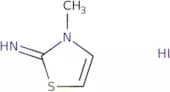
Fórmula:C8H20N2OPureza:Min. 95%Peso molecular:160.26 g/mol3-Methyl-2,3-dihydro-1,3-thiazol-2-imine hydroiodide
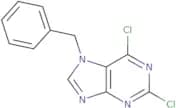
CAS:Versatile small molecule scaffoldFórmula:C4H7IN2SPureza:Min. 95%Peso molecular:242.08 g/mol7-Benzyl-2,6-dichloro-7H-purine
CAS:7-Benzyl-2,6-dichloro-7H-purine is a reagent that is used in the synthesis of adenine and other purines. It can be synthesized by coupling 3-methylxanthine with aminoacids and organometallic reagents. This chemical can also be used to selectively synthesize 6-benzyladenine, which is an important precursor to pharmaceuticals. The 7-benzyl group on this chemical has been shown to act as a positional group in the catalytic hydrogenation of amines. This selective hydrogenation process has been found to be regioselective for cycloalkyl amines.
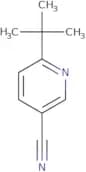
Fórmula:C12H8Cl2N4Pureza:Min. 95%Peso molecular:279.1 g/mol6-Tert-butylnicotinonitrile
CAS:Versatile small molecule scaffold
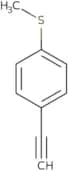
Fórmula:C10H12N2Pureza:Min. 95%Peso molecular:160.22 g/mol1-Ethynyl-4-(methylsulfanyl)benzene
CAS:1-Ethynyl-4-(methylsulfanyl)benzene (EMSB) is a novel organometallic compound that has been shown to be an inhibitor of cyclooxygenases. EMSB inhibits cox-1 and cox-2, which are enzymes involved in the inflammatory response. Inhibiting these enzymes may lead to the reduction of inflammation, which is implicated in many diseases such as cancer, arthritis, and cardiovascular disease. EMSB has also been shown to have antiinflammatory activity in a gravimetric analysis of human neutrophils. This molecule has been shown to inhibit the production of prostaglandins by inhibiting the enzyme cyclooxygenase and x-ray diffraction data show that this molecule binds with high affinity to cox-1 and cox-2.
Fórmula:C9H8SPureza:Min. 95%Peso molecular:148.23 g/mol2-[2-(Benzyloxy)phenyl]ethan-1-ol
CAS:Versatile small molecule scaffold
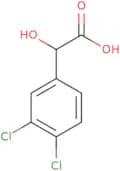
Fórmula:C15H16O2Pureza:Min. 95%Peso molecular:228.29 g/mol2-(3,4-Dichlorophenyl)-2-hydroxyacetic acid
CAS:Versatile small molecule scaffold
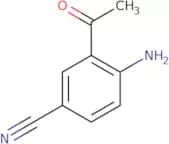
Fórmula:C8H6Cl2O3Pureza:Min. 95%Peso molecular:221.03 g/mol3-Acetyl-4-aminobenzonitrile
CAS:Versatile small molecule scaffold
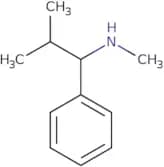
Fórmula:C9H8N2OPureza:Min. 95%Peso molecular:160.17 g/molMethyl(2-methyl-1-phenylpropyl)amine
CAS:Versatile small molecule scaffold
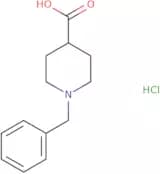
Fórmula:C11H17NPureza:Min. 95%Peso molecular:163.26 g/mol1-Benzylpiperidine-4-carboxylic acid hydrochloride
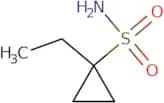
CAS:Versatile small molecule scaffoldFórmula:C13H18ClNO2Pureza:Min. 95%Peso molecular:255.74 g/mol1-ethylcyclopropane-1-sulfonamide
CAS:Versatile small molecule scaffold
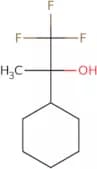
Fórmula:C5H11NO2SPureza:Min. 95%Peso molecular:149.21 g/mol2-Cyclohexyl-1,1,1-trifluoropropan-2-ol
CAS:Versatile small molecule scaffoldFórmula:C9H15F3OPureza:Min. 95%Peso molecular:196.21 g/mol1-Ethyl-1H-indol-6-amine
CAS:Versatile small molecule scaffold
Fórmula:C10H12N2Pureza:Min. 95%Peso molecular:160.22 g/mol

![1,7,7-Trimethylspiro[bicyclo[2.2.1]heptane-2,4'-imidazolidine]-2',5'-dione](/_next/image/?url=https%3A%2Fstatic.cymitquimica.com%2Fproducts%2F3D%2Fthumb-webp%2FGAA92930.webp&w=3840&q=75)


![2-[2,2-Bis-(1H-indol-3-yl)-ethyl]-phenylamine](/_next/image/?url=https%3A%2Fstatic.cymitquimica.com%2Fproducts%2F3D%2Fthumb-webp%2FGAA94173.webp&w=3840&q=75)

![1-[(Methoxycarbonyl)amino]cyclopentane-1-carboxylic acid](/_next/image/?url=https%3A%2Fstatic.cymitquimica.com%2Fproducts%2F3D%2Fthumb-webp%2FGAA94976.webp&w=3840&q=75)
![[2-(Methylsulfanyl)ethyl]urea](/_next/image/?url=https%3A%2Fstatic.cymitquimica.com%2Fproducts%2F3D%2Fthumb-webp%2FGAA95055.webp&w=3840&q=75)
![3-[(Pyridin-2-ylmethyl)amino]propan-1-ol](/_next/image/?url=https%3A%2Fstatic.cymitquimica.com%2Fproducts%2F3D%2Fthumb-webp%2FGAA95099.webp&w=3840&q=75)
![1,2,4-Triazolo[4,3-a]pyridin-3(2H)-one](/_next/image/?url=https%3A%2Fstatic.cymitquimica.com%2Fproducts%2F3D%2Fthumb-webp%2FGAA96971.webp&w=3840&q=75)


![2-[2-(Benzyloxy)phenyl]ethan-1-ol](/_next/image/?url=https%3A%2Fstatic.cymitquimica.com%2Fproducts%2F3D%2Fthumb-webp%2FGCA05243.webp&w=3840&q=75)