Building Blocks
Subcategorías de "Building Blocks"
- Ácidos borónicos y derivados del ácido borónico(5.780 productos)
- Building Blocks quirales(1.240 productos)
- Building Blocks de hidrocarburos(6.100 productos)
- Building Blocks orgánicos(61.009 productos)
Se han encontrado 205248 productos de "Building Blocks"
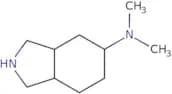
N,N-Dimethyl-octahydro-1H-isoindol-5-amine
CAS:Versatile small molecule scaffold
Fórmula:C10H20N2Pureza:Min. 95%Peso molecular:168.28 g/molRef: 3D-KCD26889
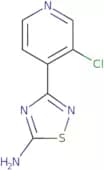
Producto descatalogado3-(3-Chloropyridin-4-yl)-1,2,4-thiadiazol-5-amine
CAS:Versatile small molecule scaffold
Fórmula:C7H5ClN4SPureza:Min. 95%Peso molecular:212.66 g/molMethyl 4-methyl-1H-pyrrolo[2,3-b]pyridine-2-carboxylate
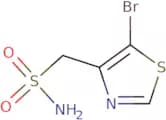
CAS:Versatile small molecule scaffoldFórmula:C10H10N2O2Pureza:Min. 95%Peso molecular:190.2 g/mol(5-Bromo-1,3-thiazol-4-yl)methanesulfonamide
CAS:Versatile small molecule scaffoldFórmula:C4H5BrN2O2S2Pureza:Min. 95%Peso molecular:257.1 g/mol3-(tert-Butoxy)spiro[3.3]heptan-1-amine
CAS:Versatile small molecule scaffold
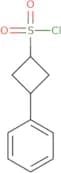
Fórmula:C11H21NOPureza:Min. 95%Peso molecular:183.29 g/mol3-Phenylcyclobutane-1-sulfonyl chloride
CAS:Versatile small molecule scaffoldFórmula:C10H11ClO2SPureza:Min. 95%Peso molecular:230.71 g/molRef: 3D-KCD09080
Producto descatalogado4-{[(9H-Fluoren-9-ylmethoxy)carbonyl]amino}-4-methylpentanoic acid
CAS:Versatile small molecule scaffold
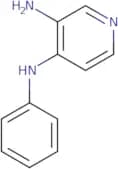
Fórmula:C21H23NO4Pureza:Min. 95%Peso molecular:353.4 g/mol4-N-Phenylpyridine-3,4-diamine
CAS:Versatile small molecule scaffold
Fórmula:C11H11N3Pureza:Min. 95%Peso molecular:185.22 g/mol6-Chloro-5-formyl-1,3-dimethyluracil
CAS:6-Chloro-5-formyl-1,3-dimethyluracil is a cyclized compound that is formed from the reaction between a vinyl group and sulfilimine. It has been shown to be a precursor for the synthesis of uracil derivatives by photolysis. 6-Chloro-5-formyl-1,3-dimethyluracil is also an intermediate in the synthesis of analogues of uracil and cytosine.
Fórmula:C7H7ClN2O3Pureza:Min. 95%Peso molecular:202.6 g/mol6-Cyano-4-oxo-4H-chromene-2-carboxylic acid
CAS:Versatile small molecule scaffold
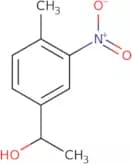
Fórmula:C11H5NO4Pureza:Min. 95%Peso molecular:215.16 g/mol1-(4-Methyl-3-nitrophenyl)ethan-1-ol
CAS:Versatile small molecule scaffold
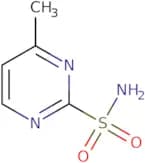
Fórmula:C9H11NO3Pureza:Min. 95%Peso molecular:181.19 g/mol4-Methylpyrimidine-2-sulfonamide
CAS:4-Methylpyrimidine-2-sulfonamide is a pharmaceutical preparation that has been shown to be effective in the treatment of hyperproliferative diseases. It has been found to inhibit cellular proliferation and induce apoptosis in cells from patients with chronic bronchitis, which may be due to its ability to modulate extracellular signal transduction pathways. 4-Methylpyrimidine-2-sulfonamide also has anti-cancer effects, inhibiting the growth of cancer cells by triggering cell cycle arrest or inducing apoptosis. This drug can also lead to symptoms such as nausea, vomiting, and diarrhea, which are indications of a hypersensitivity reaction. The gene sequence analysis was done using DNA from wild type mice and transgenic animals.
Fórmula:C5H7N3O2SPureza:Min. 95%Peso molecular:173.2 g/mol2-(3-Iodo-2-oxopropyl)-2,3-dihydro-1H-isoindole-1,3-dione
CAS:Versatile small molecule scaffold
Fórmula:C11H8INO3Pureza:Min. 95%Peso molecular:329.09 g/mol2,4-Dibromo-5-methoxyaniline
CAS:2,4-Dibromo-5-methoxyaniline is an analog of 2,4-diaminopyridine. It is a synthetic compound that can be prepared by catalytic reduction of the corresponding bromide. The yields are between 60 and 90%. It is used as a precursor to make other compounds such as methoxybenzene and 4-bromo-2,6-dimethoxyphenol. The compound has two methoxy groups and two hydroxy groups that can be substituted with dialkoxy or alkoxy groups. This compound also undergoes debromination to form 2,4-dibromo-5-(hydroxymethyl)aniline. 2,4-Dibromo-5-(hydroxymethyl)aniline can be oxidized to form aniline or reduced to form dihydroxybenzene (1,3).
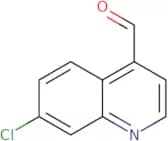
Fórmula:C7H7Br2NOPureza:Min. 95%Peso molecular:280.94 g/mol7-Chloroquinoline-4-carbaldehyde
CAS:7-Chloroquinoline-4-carbaldehyde is an intermediate in the synthesis of quinolines. It is a functionalized, hydroxylated compound that can be used as an antiproliferative reagent. 7-Chloroquinoline-4-carbaldehyde has been shown to inhibit the growth of leukemia cells, prostate cancer cells and breast cancer cells. The hydroxyl group on this molecule reacts with electrophiles to form covalent adducts and undergoes substitution reactions with amino groups. This molecule also has an aryl group that can be modified to create bioisosteres.
Fórmula:C10H6ClNOPureza:Min. 95%Peso molecular:191.61 g/molRef: 3D-KBA71448
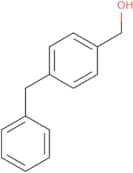
Producto descatalogado(4-Benzylphenyl)methanol
CAS:4-Benzylphenylmethanol is a natural compound that belongs to the class of amines. It is found in pyrethrum, which is derived from plants of the genus Chrysanthemum. 4-Benzylphenylmethanol has been used as a supplement for insect control, usually as an additive to natural pyrethrins. This substance has been shown to be effective against insect species such as the German cockroach, the fruit fly, and the mosquito. 4-Benzylphenylmethanol also has insecticidal properties by preventing insects from breaking down the chemical bonds in their cell membranes. This allows for more rapid death of insects and lessens their ability to regenerate cells after contact with this substance.
Fórmula:C14H14OPureza:Min. 95%Peso molecular:198.27 g/mol5-Nitro-1,3-benzoxazole-2-carbonitrile
CAS:5-Nitro-1,3-benzoxazole-2-carbonitrile is a chemical compound that inhibits the uptake of drugs into cells. It is a selective inhibitor of the enzyme adenosine transporter (AT) which prevents the uptake of adenosine and other compounds into cells. The inhibition is reversible under conditions where ATP levels are low. 5-Nitro-1,3-benzoxazole-2-carbonitrile has been shown to be stable when exposed to human serum and can be used for sample preparation prior to analysis with high performance liquid chromatography (HPLC). This agent has also been shown to inhibit theophylline uptake in human erythrocytes, making it a useful tool for studying drug interactions. 5NBB also inhibits caffeine uptake in microspheres and can be used as an analytical reagent for determining caffeine content in beverages.
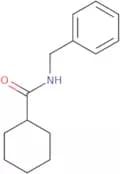
Fórmula:C8H3N3O3Pureza:Min. 95%Peso molecular:189.13 g/molN-Benzylcyclohexanecarboxamide
CAS:Versatile small molecule scaffold
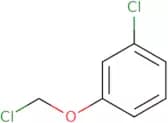
Fórmula:C14H19NOPureza:Min. 95%Peso molecular:217.31 g/mol1-Chloro-3-(chloromethoxy)benzene
CAS:Versatile small molecule scaffold
Fórmula:C7H6Cl2OPureza:Min. 95%Peso molecular:177.02 g/mol2-(4-Bromothiophen-3-yl)ethan-1-ol
CAS:Versatile small molecule scaffold
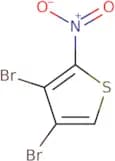
Fórmula:C6H7BrOSPureza:Min. 95%Peso molecular:207.09 g/mol3,4-Dibromo-2-nitrothiophene
CAS:Versatile small molecule scaffold
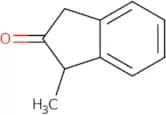
Fórmula:C4HBr2NO2SPureza:Min. 95%Peso molecular:286.93 g/mol1-Methyl-2,3-dihydro-1H-inden-2-one
CAS:1-Methyl-2,3-dihydro-1H-inden-2-one is a piperidine that belongs to the class of nitro compounds. It has been shown to be statistically significant in animal trials for the treatment of melanogaster and cicer arietinum. 1-Methyl-2,3-dihydro-1H-inden-2-one has also been evaluated as an antihyperglycemic drug in women and infants. The molecule contains two nitro groups, which increase its solubility in water and allow it to be administered orally. This drug is metabolized into an oxindole, which inhibits the enzyme dihydropyrimidine dehydrogenase, thereby preventing DNA synthesis.
Fórmula:C10H10OPureza:Min. 95%Peso molecular:146.19 g/mol3-(1,3-Oxazol-2-yl)aniline
CAS:Versatile small molecule scaffold
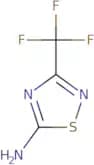
Fórmula:C9H8N2OPureza:Min. 95%Peso molecular:160.17 g/mol3-(Trifluoromethyl)-1,2,4-thiadiazol-5-amine
CAS:Versatile small molecule scaffold
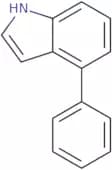
Fórmula:C3H2F3N3SPureza:Min. 95%Peso molecular:169.13 g/mol4-Phenyl-1H-indole
CAS:4-Phenyl-1H-indole is a heterocyclic organic compound that is structurally related to pyrazoles, indazoles, and other cyclic compounds. It has the chemical formula CHN and it can be found in yields of 0.2% by weight. Substituents on the 4-phenyl ring include carboxyl and cyclic structures. Reactions that can be carried out on this compound include a Diels-Alder reaction with maleic anhydride to form a heteroleptic compound. The functional group present in this molecule is the carboxylate ester.
Fórmula:C14H11NPureza:Min. 95%Peso molecular:193.24 g/molN,3-Dimethyl-1,2,4-Thiadiazol-5-Amine
CAS:Versatile small molecule scaffold
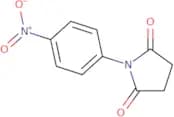
Fórmula:C4H7N3SPureza:Min. 95%Peso molecular:129.18 g/mol1-(4-Nitrophenyl)pyrrolidine-2,5-dione
CAS:Versatile small molecule scaffold
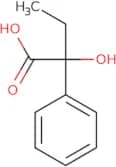
Fórmula:C10H8N2O4Pureza:Min. 95%Peso molecular:220.18 g/mol2-Hydroxy-2-phenylbutanoic acid
CAS:2-Hydroxy-2-phenylbutanoic acid is a ligand that can bind to metal ions. It has a molecular electrostatic potential of -0.07 and a low vibrational frequency of 0.01. It has been shown that this ligand can be immobilized on surfaces where it can be used for the determination of amino acids, expressed proteins, and chiral compounds. This ligand has been shown to have good binding affinity for metal ions which makes it a useful tool in immobilization studies. 2-Hydroxy-2-phenylbutanoic acid is an amide that contains two hydroxy groups, one phenyl group, and one carboxylic acid group. It is also chiral due to its asymmetric carbon atom which means that there are two different forms of the molecule, one being levorotary (R) and the other being dextrorotary (S). The functional theory shows that 2-hydroxy-2
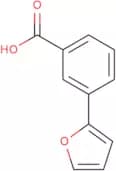
Fórmula:C10H12O3Pureza:Min. 95%Peso molecular:180.2 g/mol3-(Fur-2-yl)benzoic acid
CAS:Versatile small molecule scaffold
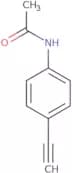
Fórmula:C11H8O3Pureza:Min. 95%Peso molecular:188.18 g/molN-(4-Ethynylphenyl)acetamide
CAS:Versatile small molecule scaffold
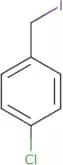
Fórmula:C10H9NOPureza:Min. 95%Peso molecular:159.18 g/mol1-Chloro-4-(iodomethyl)benzene
CAS:1-Chloro-4-(iodomethyl)benzene (1CI) is a chlorinating agent that is used to produce aliphatic chlorinated compounds. It can be used for the alkylation of alcohols, as well as the chlorination of halides. 1CI has been shown to react with benzene in a synergistic manner when irradiated. In addition, it can be used for the preparation of iodides by reacting with sodium or potassium iodide in the presence of an alcohol and a catalyst. 1CI reacts with chloride ions to produce cyclic compounds in the microwave region. The reaction requires an electron transfer agent, such as copper chloride or silver nitrate, and yields are dependent on the type of alcohol used, which can be either aliphatic or cyclic.
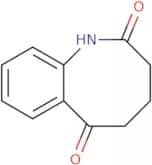
Fórmula:C7H6ClIPureza:Min. 95%Peso molecular:252.48 g/mol1,2,3,4,5,6-Hexahydro-1-benzazocine-2,6-dione
CAS:Versatile small molecule scaffoldFórmula:C11H11NO2Pureza:Min. 95%Peso molecular:189.21 g/molRef: 3D-KBA40259
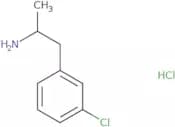
Producto descatalogado1-(3-Chlorophenyl)propan-2-amine hydrochloride
CAS:Producto controladoVersatile small molecule scaffold
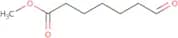
Fórmula:C9H13Cl2NPureza:Min. 95%Peso molecular:206.11 g/molMethyl 7-oxoheptanoate
CAS:Methyl 7-oxoheptanoate is a synthetic anticancer agent that inhibits cell growth. It has been shown to inhibit cancer cells and induce apoptosis in HL-60 human leukemia cells. Methyl 7-oxoheptanoate is converted to methyl heptanoate by the enzyme enantiopure, which is then hydrolyzed into diacid and cyclopentenone. The cyclopentenones are synthesized from the diacid and cyclopentenone and are used as pharmaceuticals.
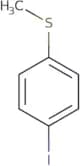
Fórmula:C8H14O3Pureza:Min. 95%Peso molecular:158.19 g/mol4-Iodothioanisole
CAS:4-Iodothioanisole is a synthetic molecule that is used in organic chemistry as a reagent for the formation of carbon-carbon bonds. It reacts with electrophiles to form carbon-iodine bonds and can be used to make cross-coupling reactions. 4-Iodothioanisole also enhances the fluorescence of some molecules and has been used in supramolecular chemistry. The optical properties of 4-iodothioanisole depend on its environment. In solution, it shows a yellowish color due to intramolecular excitation of the cyclopentene system, while in the solid state it is orange because of free rotation around the carbon-iodine bond.
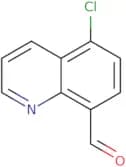
Fórmula:C7H7ISPureza:Min. 95%Peso molecular:250.09 g/mol5-Chloroquinoline-8-carbaldehyde
CAS:Versatile small molecule scaffold
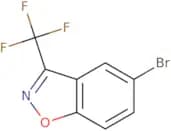
Fórmula:C10H6ClNOPureza:Min. 95%Peso molecular:191.61 g/mol5-Bromo-3-(trifluoromethyl)-1,2-benzoxazole
CAS:Versatile small molecule scaffoldFórmula:C8H3BrF3NOPureza:Min. 95%Peso molecular:266.01 g/molRef: 3D-KAC79058
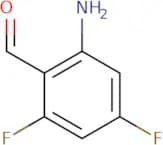
Producto descatalogado2-Amino-4,6-difluorobenzaldehyde
CAS:Versatile small molecule scaffold
Fórmula:C7H5F2NOPureza:Min. 95%Peso molecular:157.12 g/mol3-Bromo-7-chloro-1-methyl-1H-pyrazolo[4,3-d]pyrimidine
CAS:Versatile small molecule scaffoldFórmula:C6H4BrClN4Pureza:Min. 95%Peso molecular:247.48 g/molRef: 3D-KAC78771
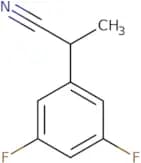
Producto descatalogado2-(3,5-Difluorophenyl)propanenitrile
CAS:Versatile small molecule scaffold
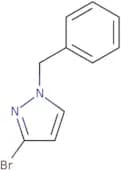
Fórmula:C9H7F2NPureza:Min. 95%Peso molecular:167.15 g/mol1-Benzyl-3-bromo-1H-pyrazole
CAS:Versatile small molecule scaffold
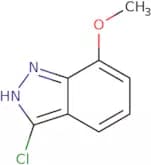
Fórmula:C10H9BrN2Pureza:Min. 95%Peso molecular:237.1 g/mol3-Chloro-7-methoxy-1H-indazole
CAS:Versatile small molecule scaffold
Fórmula:C8H7ClN2OPureza:Min. 95%Peso molecular:182.61 g/mol7-Bromobenzo[d]isoxazole
CAS:Versatile small molecule scaffold
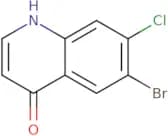
Fórmula:C7H4BrNOPureza:Min. 95%Peso molecular:198.02 g/mol6-Bromo-7-chloroquinolin-4-ol
CAS:Versatile small molecule scaffold
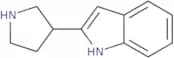
Fórmula:C9H5BrClNOPureza:Min. 95%Peso molecular:258.5 g/mol2-(Pyrrolidin-3-yl)-1H-indole
CAS:Versatile small molecule scaffold
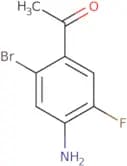
Fórmula:C12H14N2Pureza:Min. 95%Peso molecular:186.25 g/mol1-(4-Amino-2-bromo-5-fluorophenyl)ethanone
CAS:Versatile small molecule scaffold
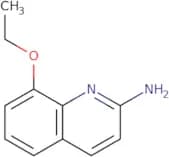
Fórmula:C8H7BrFNOPureza:Min. 95%Peso molecular:232.05 g/mol8-Ethoxyquinolin-2-amine
CAS:Versatile small molecule scaffold
Fórmula:C11H12N2OPureza:Min. 95%Peso molecular:188.23 g/mol1-[(tert-butoxy)carbonyl]cyclopent-3-ene-1-carboxylic acid
CAS:Versatile small molecule scaffold
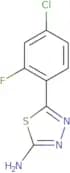
Fórmula:C11H16O4Pureza:Min. 95%Peso molecular:212.2 g/mol5-(4-Chloro-2-fluorophenyl)-1,3,4-thiadiazol-2-amine
CAS:Versatile small molecule scaffold
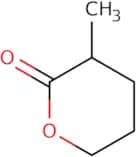
Fórmula:C8H5ClFN3SPureza:Min. 95%Peso molecular:229.66 g/molTetrahydro-3-methylpyran-2-one
CAS:Versatile small molecule scaffold
Fórmula:C6H10O2Pureza:Min. 95%Peso molecular:114.14 g/mol

![Methyl 4-methyl-1H-pyrrolo[2,3-b]pyridine-2-carboxylate](/_next/image/?url=https%3A%2Fstatic.cymitquimica.com%2Fproducts%2F3D%2Fthumb-webp%2FKCD22931.webp&w=3840&q=75)
![3-(tert-Butoxy)spiro[3.3]heptan-1-amine](/_next/image/?url=https%3A%2Fstatic.cymitquimica.com%2Fproducts%2F3D%2Fthumb-webp%2FKCD15410.webp&w=3840&q=75)
![4-{[(9H-Fluoren-9-ylmethoxy)carbonyl]amino}-4-methylpentanoic acid](/_next/image/?url=https%3A%2Fstatic.cymitquimica.com%2Fproducts%2F3D%2Fthumb-webp%2FKCC68022.webp&w=3840&q=75)







![3-Bromo-7-chloro-1-methyl-1H-pyrazolo[4,3-d]pyrimidine](/_next/image/?url=https%3A%2Fstatic.cymitquimica.com%2Fproducts%2F3D%2Fthumb-webp%2FKAC78771.webp&w=3840&q=75)
![7-Bromobenzo[d]isoxazole](/_next/image/?url=https%3A%2Fstatic.cymitquimica.com%2Fproducts%2F3D%2Fthumb-webp%2FKAC75181.webp&w=3840&q=75)
![1-[(tert-butoxy)carbonyl]cyclopent-3-ene-1-carboxylic acid](/_next/image/?url=https%3A%2Fstatic.cymitquimica.com%2Fproducts%2F3D%2Fthumb-webp%2FKAB31861.webp&w=3840&q=75)