Building Blocks
Subcategorías de "Building Blocks"
- Ácidos borónicos y derivados del ácido borónico(5.778 productos)
- Building Blocks quirales(1.243 productos)
- Building Blocks de hidrocarburos(6.098 productos)
- Building Blocks orgánicos(61.042 productos)
Se han encontrado 204339 productos de "Building Blocks"
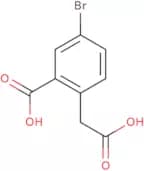
5-Bromo-2-(carboxymethyl)benzoic acid
CAS:Versatile small molecule scaffold
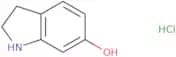
Fórmula:C9H7BrO4Pureza:Min. 95%Peso molecular:259.05 g/mol2,3-Dihydro-1H-indol-6-ol hydrochloride
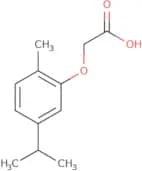
CAS:Versatile small molecule scaffoldFórmula:C8H10ClNOPureza:Min. 95%Peso molecular:171.62 g/mol(5-Isopropyl-2-methyl-phenoxy)-acetic acid
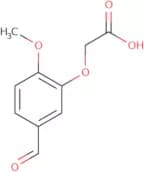
CAS:Versatile small molecule scaffoldFórmula:C12H16O3Pureza:Min. 95%Peso molecular:208.26 g/mol2-(5-Formyl-2-methoxyphenoxy)acetic acid
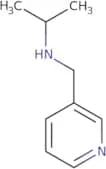
CAS:Versatile small molecule scaffoldFórmula:C10H10O5Pureza:Min. 95%Peso molecular:210.18 g/molN-(Pyridin-3-ylmethyl)propan-2-amine
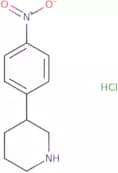
CAS:Versatile small molecule scaffoldFórmula:C9H14N2Pureza:Min. 95%Peso molecular:150.22 g/mol3-(4-Nitrophenyl)piperidine hydrochloride
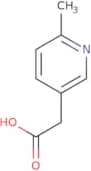
CAS:Versatile small molecule scaffoldFórmula:C11H15ClN2O2Pureza:Min. 95%Peso molecular:242.7 g/mol(6-Methylpyridin-3-yl)acetic acid
CAS:Versatile small molecule scaffold
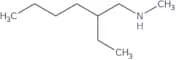
Fórmula:C8H9NO2Pureza:Min. 95%Peso molecular:151.17 g/mol(2-Ethylhexyl)(methyl)amine
CAS:Versatile small molecule scaffold
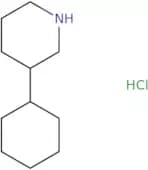
Fórmula:C9H21NPureza:Min. 95%Peso molecular:143.27 g/mol3-Cyclohexylpiperidine hydrochloride
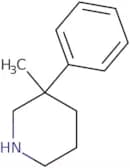
CAS:Versatile small molecule scaffoldFórmula:C11H22ClNPureza:Min. 95%Peso molecular:203.75 g/mol3-Methyl-3-phenylpiperidine
CAS:3-Methyl-3-phenylpiperidine is a tertiary amine that contains a quaternary carbon. It has three different conformers, which can be determined by the presence of trifluoromethanesulfonic acid. The tertiary amine has two hydrogen atoms on the nitrogen atom and one hydrogen atom on the methyl group. 3-Methyl-3-phenylpiperidine is stable at room temperature in ethanol and preferentially reacts with sodium borohydride to form sodium N-(3-methyl-3-phenylpiperidinium) borohydride. This compound also has an electron withdrawing substituent, so it will have a higher thermodynamic stability than benzene or pyridinium salts.
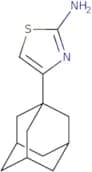
Fórmula:C12H17NPureza:Min. 95%Peso molecular:175.27 g/mol4-(1-adamantyl)2-aminothiazole
CAS:Versatile small molecule scaffold
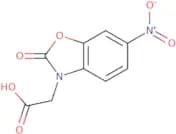
Fórmula:C13H18N2SPureza:Min. 95%Peso molecular:234.36 g/mol2-(6-Nitro-2-oxo-2,3-dihydro-1,3-benzoxazol-3-yl)acetic acid
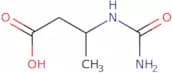
CAS:Versatile small molecule scaffoldFórmula:C9H6N2O6Pureza:Min. 95%Peso molecular:238.15 g/mol3-(Carbamoylamino)butanoic acid
CAS:Versatile small molecule scaffoldFórmula:C5H10N2O3Pureza:Min. 95%Peso molecular:146.14 g/mol1,3-dimethyl-1H-pyrazolo[3,4-b]pyridine-5-carboxylic Acid
CAS:Versatile small molecule scaffoldFórmula:C9H9N3O2Pureza:Min. 95%Peso molecular:191.18 g/mol2-Chloro-N-[4-(1H-indol-3-yl)-1,3-thiazol-2-yl]acetamide
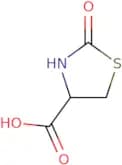
CAS:Versatile small molecule scaffoldFórmula:C13H10ClN3OSPureza:Min. 95%Peso molecular:291.76 g/mol2-Oxo-1,3-thiazolidine-4-carboxylic acid
CAS:2-Oxo-1,3-thiazolidine-4-carboxylic acid is an immunosuppressive agent that binds to the IL2 receptor. It has been shown in toxicological studies to have a low level of toxicity and no mutagenic activity. 2-Oxo-1,3-thiazolidine-4-carboxylic acid has also been shown to bind to DNA polymerase and inhibit the enzyme's activity in vitro. Clinical pathology studies on rats have shown that 2-Oxo-1,3-thiazolidine-4 carboxylic acid induces an increase in eosinophil cationic protein levels. The drug also inhibits growth factor β1 and can be used as a model system for leukemia inhibitory factor (LIF).Fórmula:C4H5NO3SPureza:Min. 95%Peso molecular:147.15 g/mol1-bromo-2-methoxy-2-methylpropane
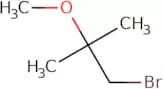
CAS:Versatile small molecule scaffold
Fórmula:C5H11BrOPureza:Min. 95%Peso molecular:167.05 g/mol1-Iodo-2-methoxy-2-methylpropane
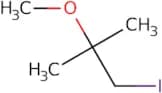
CAS:Versatile small molecule scaffoldFórmula:C5H11IOPureza:Min. 95%Peso molecular:214.04 g/mol(Methoxysulfamoyl)amine
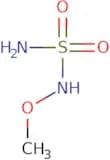
CAS:Versatile small molecule scaffoldFórmula:CH6N2O3SPureza:Min. 95%Peso molecular:126.14 g/mol1-Cyclopropylurea
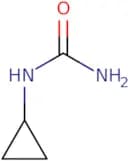
CAS:1-Cyclopropylurea is a synthetic anticancer drug that was originally developed as an antihypertensive agent. It has been shown to have inhibitory effects on cancer cells and inflammatory diseases, including cyclic nucleotide phosphodiesterase (cNPD) and b-raf. 1-Cyclopropylurea also inhibits the synthesis of epoxyeicosatrienoic acids (EETs) in vitro, suggesting that it may be useful for the treatment of cardiovascular diseases such as hypertension.
1-Cyclopropylurea has been shown to inhibit cell proliferation in culture by causing G2/M phase arrest and apoptosis. The mechanism of action of 1-cyclopropylurea is not well understood, but it has been suggested that the drug prevents the phosphorylation of b-raf, which prevents the activation of mitogen activated protein kinases (MAPKs).Pureza:Min. 95%3-Ethoxy-2-methylpropanoic acid
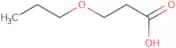
CAS:Versatile small molecule scaffoldFórmula:C6H12O3Pureza:Min. 95%Peso molecular:132.2 g/mol3-Propoxypropanoic acid
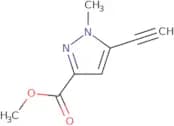
CAS:Versatile small molecule scaffoldFórmula:C6H12O3Pureza:Min. 95%Peso molecular:132.16 g/molMethyl 5-ethynyl-1-methyl-1H-pyrazole-3-carboxylate
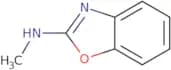
CAS:Versatile small molecule scaffoldFórmula:C8H8N2O2Pureza:Min. 95%Peso molecular:164.16 g/molN-Methyl-1,3-benzoxazol-2-amine
CAS:N-Methyl-1,3-benzoxazol-2-amine is a linker molecule that has been used in the synthesis of chlorides, molecular ions, trifluoroacetic acid, bromoacetone, yields and benzyne. It is also a precursor to the synthesis of benzoxazoles and alkylhalides. This compound reacts with cyclization reactions such as imino and benzoxazole. N-Methyl-1,3-benzoxazol-2-amine is also used in the gas phase to synthesize phenacyls.
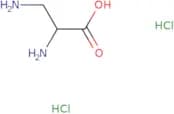
Fórmula:C8H8N2OPureza:Min. 95%Peso molecular:148.16 g/mol(S)-2,3-Diaminopropanoic acid dihydrochloride
CAS:Versatile small molecule scaffold
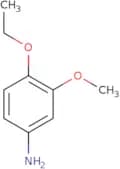
Fórmula:C3H10Cl2N2O2Pureza:Min. 95%Peso molecular:177.03 g/mol4-Ethoxy-3-methoxyaniline
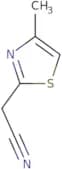
CAS:Versatile small molecule scaffoldFórmula:C9H13NO2Pureza:Min. 95%Peso molecular:167.2 g/mol2-(4-Methyl-1,3-thiazol-2-yl)acetonitrile
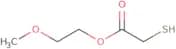
CAS:Versatile small molecule scaffoldFórmula:C6H6N2SPureza:Min. 95%Peso molecular:138.19 g/mol2-Methoxyethyl 2-sulfanylacetate
CAS:2-Methoxyethyl 2-sulfanylacetate is a monomer that belongs to the group of acidic compounds. It has been shown to be a reliable acid and can be used when the desired pH range is between 4 and 7. This compound has been known to copolymerize with styrene, producing optical properties. When combined with trimethyltin, it forms an amide compound that has optical properties. The hydroxyl group on this monomer allows it to undergo reactions with mercaptides, which make it useful for optical purposes.Fórmula:C5H10O3SPureza:Min. 95%Peso molecular:150.2 g/mol3-(Phenylmethoxy)propanal
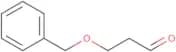
CAS:3-(Phenylmethoxy)propanal is a chiral compound that can be used as an enantiomeric catalyst for the stereoselective synthesis of methyl ketones. It is also an analog for the synthesis of atorvastatin, which is a drug used to treat high cholesterol levels. This chemical has been shown to inhibit hmg-coa reductase in marine sponges and may be useful in the treatment of cardiovascular disease. 3-(Phenylmethoxy)propanal has also been shown to be effective against tetrahydropyran and marine sponge strains with aldehyde-degrading enzymes.Fórmula:C10H12O2Pureza:Min. 95%Peso molecular:164.2 g/mol4-Phenoxybutanal
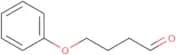
CAS:Versatile small molecule scaffoldFórmula:C10H12O2Pureza:Min. 95%Peso molecular:164.2 g/mol3-(Pyridin-4-yl)isoxazol-5-amine
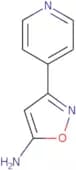
CAS:The isoxazole ring of 3-(pyridin-4-yl)isoxazol-5-amine is stabilized by hydrogen bonds. The orientation of the pyridine ring and the two asymmetric carbon atoms result in a chiral center. The molecule has two possible structures. The result of this is a molecule that can be stabilized with one or the other configuration, depending on how it is synthesized.
Fórmula:C8H7N3OPureza:Min. 95%Peso molecular:161.16 g/mol3-Pyridin-2-yl-isoxazol-5-ylamine
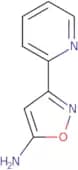
CAS:Versatile small molecule scaffold
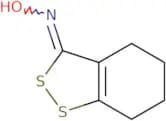
Fórmula:C8H7N3OPureza:Min. 95%Peso molecular:161.16 g/molN-(4,5,6,7-Tetrahydro-3H-1,2-benzodithiol-3-ylidene)hydroxylamine
CAS:Versatile small molecule scaffoldFórmula:C7H9NOS2Pureza:Min. 95%Peso molecular:187.3 g/mol7-Oxabicyclo[2.2.1]heptane-2-carboxylic acid
CAS:Versatile small molecule scaffoldFórmula:C7H10O3Pureza:Min. 95%Peso molecular:142.15 g/mol2-[(2-Nitrophenyl)sulfanyl]benzoic acid
CAS:Versatile small molecule scaffold
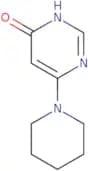
Fórmula:C13H9NO4SPureza:Min. 95%Peso molecular:275.28 g/mol6-(Piperidin-1-yl)-3,4-dihydropyrimidin-4-one
CAS:Versatile small molecule scaffold
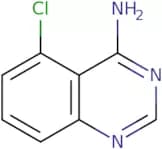
Fórmula:C9H13N3OPureza:Min. 95%Peso molecular:179.22 g/mol5-Chloroquinazolin-4-amine
CAS:Versatile small molecule scaffold
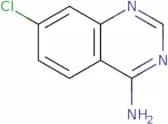
Fórmula:C8H6ClN3Pureza:Min. 95%Peso molecular:179.61 g/mol7-Chloroquinazolin-4-amine
CAS:Versatile small molecule scaffold
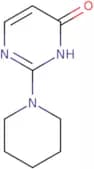
Fórmula:C8H6ClN3Pureza:Min. 95%Peso molecular:179.6 g/mol2-(Piperidin-1-yl)pyrimidin-4-ol
CAS:Versatile small molecule scaffoldFórmula:C9H13N3OPureza:Min. 95%Peso molecular:179.22 g/mol2-(1,2,3-Thiadiazol-5-yl)acetic acid
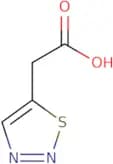
CAS:Versatile small molecule scaffold
Fórmula:C4H4N2O2SPureza:Min. 95%Peso molecular:144.15 g/molMethyl 2-(5-methyl-1,3,4-oxadiazol-2-yl)acetate
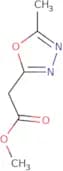
CAS:Versatile small molecule scaffoldFórmula:C6H8N2O3Pureza:Min. 95%Peso molecular:156.14 g/molBiphenyl-4-thiol
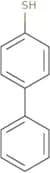
CAS:Biphenyl-4-thiol is a biphenyl derivative that is used in the treatment of fatty acid oxidation disorders. It is a lipophilic molecule that accumulates in red blood cells and can be detected by surface-enhanced Raman spectroscopy. Biphenyl-4-thiol has been shown to interact with the lipid bilayer, which may be due to its ability to form monolayers on the surface of red blood cells. The dipole moment of biphenyl-4-thiol causes an accumulation of electrons on one side of the molecule, which leads to electrochemical impedance changes upon exposure to electromagnetic radiation. X-ray absorption studies have shown that biphenyl-4-thiol has good chemical stability, which may be due to its aromaticity.
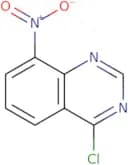
Fórmula:C12H10SPureza:Min. 95%Peso molecular:186.27 g/mol4-Chloro-8-nitroquinazoline
CAS:4-Chloro-8-nitroquinazoline is a potent antiproliferative agent that binds to the FGFR3 receptor and inhibits the proliferation of bladder cancer cells. It also has potent activity against bladder cancer cells in culture and inhibits cell growth by binding to submicromolar concentrations of this protein. 4-Chloro-8-nitroquinazoline may be useful for the treatment of bladder cancer, which is a disease characterized by uncontrolled cell division. This drug can inhibit proliferation of bladder cancer cells by interfering with their ability to signal through FGFR3 receptors, thereby inhibiting the activation of downstream signaling pathways that regulate cell cycle progression.
Fórmula:C8H4ClN3O2Pureza:Min. 95%Peso molecular:209.59 g/mol3-Ethynyl-1-azabicyclo[2.2.2]octan-3-ol
CAS:3-Ethynyl-1-azabicyclo[2.2.2]octan-3-ol is a potent inhibitor of farnesyl diphosphate synthase, an enzyme involved in the biosynthesis of cholesterol. It also has potent inhibitory activity against muscarinic acetylcholine receptors and antimuscarinic effects on the bladder. 3-Ethynyl-1-azabicyclo[2.2.2]octan-3-ol is rapidly absorbed from the gastrointestinal tract and catalyses the nonenzymatic conversion of low density lipoproteins (LDL) to oxidized LDL, which is then taken up by macrophages in the arterial wall where it promotes foam cell formation and atherosclerosis. This drug also inhibits cerebral function and has been shown to have antitumor properties in animal studies.Fórmula:C9H13NOPureza:Min. 95%Peso molecular:151.21 g/mol2-Amino-5-acetylpyridine
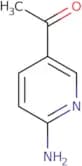
CAS:2-Amino-5-acetylpyridine is a potent adenosine kinase inhibitor. It binds to the ATP site of the enzyme and inhibits the production of ATP, which is necessary for the normal functioning of cells. 2-Amino-5-acetylpyridine has been shown to be orally bioavailable in rat studies. In computational studies, it was found that analogues with a longer side chain may provide greater potency and oral bioavailability. Computational studies also revealed that 2-amino-5-acetylpyridine may have selectivity for adenosine over other substrates.
Fórmula:C7H8N2OPureza:Min. 95%Peso molecular:136.15 g/mol2-(Piperidin-2-yl)acetic acid
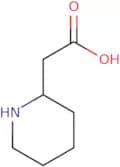
CAS:2-(Piperidin-2-yl)acetic acid (2-PA) is a coordination complex that binds to the l-tartaric acid ligand, which is an amide. This compound may be used to treat urinary infections and fatty alcohols. 2-PA has shown anticancer activity in vitro and in vivo against a wide range of cancer cells. 2-PA also inhibits the production of isoflavonoid, which is a plant hormone that has been shown to possess anticancer properties. It also has been shown to have anti-inflammatory effects and can inhibit lipase activity. This compound can be synthesized using organic solvents at temperatures between -20°C and 180°C.
Fórmula:C7H13NO2Pureza:Min. 95%Peso molecular:143.18 g/mol1,1,1-Trifluoro-3-(4-fluorophenyl)propan-2-ol
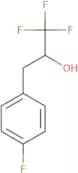
CAS:Versatile small molecule scaffoldFórmula:C9H8F4OPureza:Min. 95%Peso molecular:208.15 g/molMethyl(propyl)(pyrrolidin-3-ylmethyl)amine
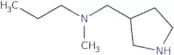
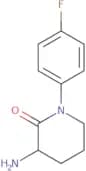
CAS:Versatile small molecule scaffoldFórmula:C9H20N2Pureza:Min. 95%Peso molecular:156.27 g/mol3-Amino-1-(4-fluorophenyl)piperidin-2-one
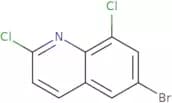
CAS:Versatile small molecule scaffoldFórmula:C11H13FN2OPureza:Min. 95%Peso molecular:208.23 g/mol6-Bromo-2,8-dichloroquinoline
CAS:Versatile small molecule scaffoldFórmula:C9H4BrCl2NPureza:Min. 95%Peso molecular:276.94 g/mol

![1,3-dimethyl-1H-pyrazolo[3,4-b]pyridine-5-carboxylic Acid](/_next/image/?url=https%3A%2Fstatic.cymitquimica.com%2Fproducts%2F3D%2Fthumb-webp%2FUAA74372.webp&w=3840&q=75)
![2-Chloro-N-[4-(1H-indol-3-yl)-1,3-thiazol-2-yl]acetamide](/_next/image/?url=https%3A%2Fstatic.cymitquimica.com%2Fproducts%2F3D%2Fthumb-webp%2FUAA75029.webp&w=3840&q=75)
![7-Oxabicyclo[2.2.1]heptane-2-carboxylic acid](/_next/image/?url=https%3A%2Fstatic.cymitquimica.com%2Fproducts%2F3D%2Fthumb-webp%2FUAA80001.webp&w=3840&q=75)
![2-[(2-Nitrophenyl)sulfanyl]benzoic acid](/_next/image/?url=https%3A%2Fstatic.cymitquimica.com%2Fproducts%2F3D%2Fthumb-webp%2FUAA80643.webp&w=3840&q=75)
![3-Ethynyl-1-azabicyclo[2.2.2]octan-3-ol](/_next/image/?url=https%3A%2Fstatic.cymitquimica.com%2Fproducts%2F3D%2Fthumb-webp%2FUAA81707.webp&w=3840&q=75)