Building Blocks
Subcategorías de "Building Blocks"
- Ácidos borónicos y derivados del ácido borónico(5.774 productos)
- Building Blocks quirales(1.237 productos)
- Building Blocks de hidrocarburos(6.098 productos)
- Building Blocks orgánicos(60.970 productos)
Se han encontrado 205134 productos de "Building Blocks"
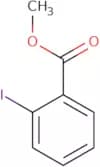
2-Iodobenzoic acid methyl ester
CAS:2-Iodobenzoic acid methyl ester is a palladium complex that can be used as a catalyst for the hydrolysis of ketoesters, imines, and halides. The reaction mechanism involves the coordination of the metal center to the carboxylate or amine group on the substrate, followed by a nucleophilic attack at the benzoate or chloride group. The resulting product is an alkyl halide. 2-Iodobenzoic acid methyl ester has been shown to catalyze the cross-coupling of diphenyl ethers with various amines in water and in organic solvents.Fórmula:C8H7IO2Pureza:Min. 95%Forma y color:Clear LiquidPeso molecular:262.04 g/mol2-Iodobenzoic acid
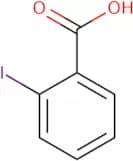
CAS:2-Iodobenzoic acid is a synthetic compound that is used in the treatment of wastewater. It is produced by the reaction of benzoate and nitrite in the presence of sodium hydroxide. The intramolecular hydrogen atom transfer from the 2-iodobenzoic acid to benzoate is a reversible reaction. This process can be catalyzed by palladium, which has been shown to be effective in coupling 2-iodobenzoic acid with other compounds to produce cyclic peptides. The use of 2-iodobenzoic acid as a contraceptive has been investigated for its ability to inhibit acetylcholinesterase activity, which may lead to increased levels of acetylcholine and inhibition of muscle contractions.
Fórmula:C7H5IO2Pureza:Min. 98 Area-%Forma y color:PowderPeso molecular:248.02 g/molIsocytosine
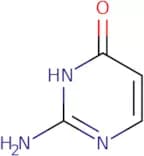
CAS:Isocytosine is a prodrug that has been synthesized with the intramolecular hydrogen on the nitrogen atoms, which makes it more chemically stable. Isocytosine is a reactive molecule, and can react with tautomers to form isocytosine derivatives. Isocytosine contains three hydrogen atoms that are transferable through reactions to other molecules. The chemical stability of isocytosine allows for its use in wastewater treatment. It also has metabolic effects, such as the inhibition of colorectal adenocarcinoma and metabolic disorders. Isocytosine can be used as a model system for studying transfer reactions and reaction mechanisms.
Fórmula:C4H5N3OPureza:Min. 95%Forma y color:PowderPeso molecular:111.1 g/molMethyl 7-methoxy-4-oxo-1,4-dihydro-6-quinolinecarboxylate
CAS:Versatile small molecule scaffoldFórmula:C12H11NO4Pureza:Min. 95%Peso molecular:233.22 g/mol6-Quinolinecarboxylic acid, 4-chloro-7-methoxy-, methyl ester
CAS:Versatile small molecule scaffoldFórmula:C12H10ClNO3Pureza:Min. 95%Peso molecular:251.67 g/mol(S)-2-Methylpiperidine hydrochloride
CAS:(S)-2-Methylpiperidine hydrochloride is a synthetic reagent that can be used in asymmetric synthesis. It is a homochiral amide that can be used as a reagent for the efficient preparation of β-unsaturated piperidines. (S)-2-Methylpiperidine hydrochloride can be synthesized from a Grignard reaction with an aldehyde, which is an important chemical reaction in organic chemistry.Fórmula:C6H14ClNPureza:Min. 95%Peso molecular:135.64 g/molCbznh-PEG3-OH
CAS:Cbznh-PEG3-OH is a pegylation product that belongs to the family of PEG products. It is a derivative of Cbz-NH-PEG5-OH and Cbz-N-PEG5-OH, which are carboxybenzyl amido PEG compounds. Pegylation is the process of attaching polyethylene glycol (PEG) chains to molecules, such as proteins or drugs, to enhance their stability, solubility, and bioavailability. Cbznh-PEG3-OH can be used in various applications, including drug delivery systems, diagnostics, and biotechnology. Its unique chemical structure allows for precise control over the size and properties of the PEG chains, making it a versatile tool in the field of biomedical research.Fórmula:C14H21NO5Pureza:Min. 95%Peso molecular:283.32 g/molMethanesulfonato(diadamantyl-n-butylphosphino)-2'-amino-1,1'-biphenyl-2-yl)palladium(II) dichloromethane adduct
CAS:Please enquire for more information about Methanesulfonato(diadamantyl-n-butylphosphino)-2'-amino-1,1'-biphenyl-2-yl)palladium(II) dichloromethane adduct including the price, delivery time and more detailed product information at the technical inquiry form on this pageFórmula:C37H52NO3PPdSPureza:Min. 95%Peso molecular:728.27 g/moltert-Butyl 6-amino-3-azabicyclo[3.1.0]hexane-3-carboxylate
CAS:Please enquire for more information about tert-Butyl 6-amino-3-azabicyclo[3.1.0]hexane-3-carboxylate including the price, delivery time and more detailed product information at the technical inquiry form on this pageFórmula:C10H18N2O2Pureza:Min. 95%Peso molecular:198.26 g/mol2-Methyl-5-nitrobenzaldehyde
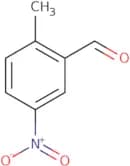
CAS:2-Methyl-5-nitrobenzaldehyde is a nitro compound that is used in the synthesis of dobutamine. It has been shown to undergo rearrangements, with the formation of 2-methyl-5-nitrophenol. Kinetic studies have shown that chlorine can be substituted for hydrogen at the 2 position, and this substitution leads to an increase in reactivity. 2-methyl-5-nitrobenzaldehyde also reacts with dopamine to form a ketone. The hydroxy group on this molecule is nucleophilic and can attack electrophiles, making it useful as an active site for synthetic reactions. This compound is also pyrophoric, which means it will spontaneously ignite in air and burn until all its fuel is consumed.
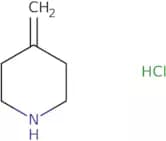
Fórmula:C8H7NO3Pureza:Min. 95%Forma y color:Off-White PowderPeso molecular:165.15 g/mol4-Methylenepiperidine hydrochloride
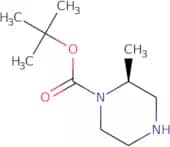
CAS:4-Methylenepiperidine hydrochloride is a synthetic, ethylene oxide derivative that is used as an antifungal drug. It is also used in the synthesis of other compounds and as a reagent in organic chemistry. 4-Methylenepiperidine hydrochloride can be synthesized by reacting ethylene with an alkoxide, followed by adding a metal halide such as organolithium reagents to form the desired product. The yield rate of this reaction is high and it is easy to perform on a large scale.Fórmula:C6H11N·HClPureza:Min. 95%Forma y color:White PowderPeso molecular:133.62 g/mol(S)-1-N-Boc-2-methylpiperazine
CAS:(S)-1-N-Boc-2-methylpiperazine is a quinolone synthon that has been shown to have antibacterial activity against bacteria. The synthesis of this compound is done through the condensation of piperazine with an N-Boc protected 2,6-dichloroquinoline. This reaction proceeds in good yield and enantioselectivity. The antibacterial properties of (S)-1-N-Boc-2-methylpiperazine are not yet known.Fórmula:C10H20N2O2Pureza:Min. 95%Forma y color:White PowderPeso molecular:200.28 g/molN-Nitroso ramipril
Please enquire for more information about N-Nitroso ramipril including the price, delivery time and more detailed product information at the technical inquiry form on this page
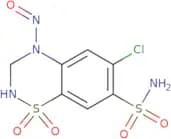
Fórmula:C23H31N3O6Pureza:Min. 95%Forma y color:PowderPeso molecular:445.51 g/molN-Nitroso hydrochlorothiazide
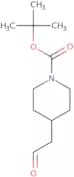
CAS:Please enquire for more information about N-Nitroso hydrochlorothiazide including the price, delivery time and more detailed product information at the technical inquiry form on this pageFórmula:C7H7ClN4O5S2Pureza:Min. 95%Peso molecular:326.74 g/molN-Boc-4-piperidineacetaldehyde
CAS:N-Boc-4-piperidineacetaldehyde is a chiral, stable, and readily available aldehyde. It has been used in the synthesis of various biologically active molecules including imidazolidinones, which are important for their use as catalysts in organic chemistry. The synthesis of this molecule by the condensation of 4-piperidineacetic acid with acetaldehyde followed by reduction with sodium borohydride is an example of this type of reaction. N-Boc-4-piperidineacetaldehyde can be used to synthesize imines and linkers that are covalently bonded to the protein backbone. This molecule also has conformational stability and is not susceptible to oxidation or radiation damage.
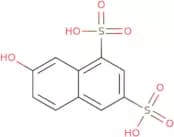
Fórmula:C12H21NO3Pureza:Min. 95%Peso molecular:227.3 g/mol2-Naphthol-6,8-disulfonic acid
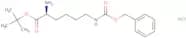
CAS:2-Naphthol-6,8-disulfonic acid is a synthetic organic compound that was identified as an impurity in the glyphosate formulation, Roundup. 2-Naphthol-6,8-disulfonic acid has been shown to have good analytical properties and can be used for the analysis of glyphosate in wastewater samples. It is thermally stable with a melting point of about 220°C. The UV detection wavelength ranges from 220nm to 240nm and the chloride ion is detectable at concentrations greater than 0.1 ppm. 2-Naphthol-6,8-disulfonic acid can also be used for the analysis of fatty acids in plants and animals.Fórmula:C10H8O7S2Pureza:Min. 95%Forma y color:White PowderPeso molecular:304.3 g/molNe-Z-L-lysine tert-butyl ester hydrochloride
CAS:Ne-Z-L-lysine tert-butyl ester hydrochloride is a multidrug that inhibits the activity of the P-glycoprotein (Pgp) transporter. This drug is an antigen that can be used as a marker for cytostatic drugs, and it can be used in radionuclide localization. Ne-Z-L-lysine tert-butyl ester hydrochloride has been shown to have cytostatic effects on malignant cells, but its cytotoxicity varies depending on the type of cancer cell. Ne-Z-L-lysine tert-butyl ester hydrochloride has also been shown to be degradable and to possess conjugates with antibodies, which makes it useful for treating some types of cancers. Ne-Z-L-lysine tert-butyl ester hydrochloride is not active against resistant cells such as those expressing Pgp or MRP1 proteins.Fórmula:C18H28N2O4·HClPureza:Min. 95%Forma y color:White PowderPeso molecular:372.89 g/molRef: 3D-FN47294
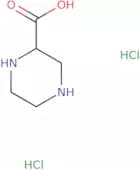
10g229,00€1kgA consultar25g482,00€50g263,00€100g382,00€250gA consultar500gA consultarPiperazine-2-carboxylic acid dihydrochloride
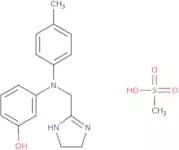
CAS:Piperazine-2-carboxylic acid dihydrochloride (PZC) is an aminopyrimidine antibiotic that binds to the amine groups of plasma proteins and hydroxyapatite. It has been shown to have a specific interaction with Gram-negative bacteria, such as Escherichia coli and Salmonella typhimurium, as well as cancer cells. PZC can be used as a modifier in the treatment of staphylococcal infections and has been shown to inhibit protein synthesis in mammalian cells. PZC interacts with histidine residues on the surface of bacterial cells and inhibits their growth by binding to sites on DNA called triplexes. This drug also specifically binds to primary amines and reacts with other molecules containing amines such as polyamines, amides, or thiols.Fórmula:C5H12Cl2N2O2Pureza:Min. 95%Forma y color:PowderPeso molecular:203.07 g/molPhentolamine methanesulfonate
CAS:Phentolamine is a synthetic mesylate that is used as an antihypertensive agent, and for the treatment of Raynaud's syndrome and pheochromocytoma. Phentolamine is also used to prevent frostbite and to treat various types of shock. Phentolamine blocks alpha-2-adrenergic receptors, thereby decreasing sympathetic nerve impulses to the heart, blood vessels, kidneys, and other organs. This drug also acts as a histamine antagonist by blocking H1-receptors on vascular smooth muscle cells. Phentolamine has been shown to have no significant effects on 5-hydroxytryptamine (5HT) release in vitro or in vivo.
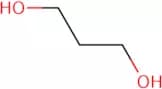
Fórmula:C18H23N3O4SPureza:Min. 95%Forma y color:White PowderPeso molecular:377.46 g/mol1,3-Propanediol
CAS:aliphatic diol. It has been shown to have an inhibitory effect on bacterial growth
Fórmula:C3H8O2Pureza:Min. 95%Forma y color:Colorless Clear LiquidPeso molecular:76.09 g/molPent-4-enylamine
CAS:Pent-4-enylamine is a nitrogen nucleophile that can react with alkenes to form compounds. Pent-4-enylamine reacts quickly with alcohols and ethers in the presence of an acid catalyst to produce an alkene. Pent-4-enylamine has been used in food chemistry as a reactive intermediate for the formation of functional groups, such as amines, hydroxyl groups, and nitriles. It is also a model system for studying aminoalkenes and their reactions with other functional groups. Pent-4-enylamine has been shown to be a reactive heterocycle that forms 5 membered heteroaryl rings using structural analysis and model system studies.Fórmula:C5H11NPureza:Min. 95%Peso molecular:85.15 g/mol(6,6)-Phenyl-C61 butyric acid methyl ester
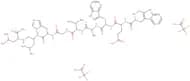
CAS:(6,6)-Phenyl-C61 butyric acid methyl ester (PCBM) is an organic semiconductor that has been used in molecular modeling studies and experimental models. The molecular structure of PCBM consists of a phenyl group on one end and a butyrate group on the other end. It has been shown that PCBM can be used to create polymer films with enhanced UV absorption properties. These films can be used as reaction products for low energy transport properties. This organic semiconductor is also known to have a high efficiency when it comes to cycloaddition processes, which can be achieved by multi-walled carbon nanotubes. PCBM has been shown to have a morphology that includes spherical particles with diameters between 10 and 20 nm.Fórmula:C72H14O2Pureza:Min. 95%Peso molecular:910.88 g/molRC-3095 trifluoroacetate
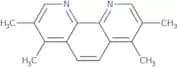
CAS:Please enquire for more information about RC-3095 trifluoroacetate including the price, delivery time and more detailed product information at the technical inquiry form on this pageFórmula:C56H79N15O9•C2HF3O2Pureza:Min. 95%Peso molecular:1,220.35 g/mol3,4,7,8-Tetramethyl-1,10-phenanthroline
CAS:Metal-chelating agent
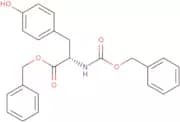
Fórmula:C16H16N2Pureza:Min. 98 Area-%Forma y color:White PowderPeso molecular:236.31 g/molZ-Tyr-OBzl
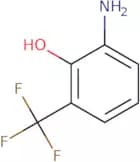
CAS:Z-Tyr-OBzl is a reactive solvent that is used in the synthesis of polypeptides and peptides. It has been shown to react with amino acids and acetonitrile, forming a trifluoroacetyl group. This group can be easily removed by hydrolysis or reductive amination. The solvents used in this reaction are non-polar and do not dissolve water, which makes this process an excellent choice for synthesizing materials that are insoluble in water. Z-Tyr-OBzl is also able to form oxone, which is a powerful oxidant that can be used for the oxidation of aromatic rings.Fórmula:C24H23NO5Pureza:Min. 95%Peso molecular:405.44 g/mol2-Amino-6-(trifluoromethyl)phenol
CAS:Versatile small molecule scaffoldFórmula:C7H6F3NOPureza:Min. 95%Peso molecular:177.12 g/molDL-Tropic acid
CAS:Please enquire for more information about DL-Tropic acid including the price, delivery time and more detailed product information at the technical inquiry form on this pageFórmula:C9H10O3Pureza:Min. 95%Peso molecular:166.17 g/mol1,1',1''-(1,3,5-Triazinane-1,3,5-triyl)tris(2-bromoethan-1-one)
CAS:Please enquire for more information about 1,1',1''-(1,3,5-Triazinane-1,3,5-triyl)tris(2-bromoethan-1-one) including the price, delivery time and more detailed product information at the technical inquiry form on this page
Fórmula:C9H12Br3N3O3Pureza:Min. 95%Forma y color:PowderPeso molecular:449.82 g/moltert-Butyl 5-(4,4,5,5-tetramethyl-1,3,2-dioxaborolan-2-yl)-3,4-dihydropyridine-1(2h)-carboxylate
CAS:Versatile small molecule scaffoldFórmula:C16H28BNO4Pureza:Min. 95%Peso molecular:309.21 g/molFlurbiprofen Related Compound A
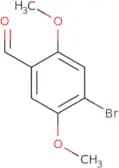
CAS:Flurbiprofen Related Compound A is a compound that inhibits the activity of serine proteases. It binds to the active site of the enzyme, preventing it from breaking down proteins in the body. Flurbiprofen Related Compound A binds to metal surfaces and is also used as a fluorescent probe for biological research. It has been shown to have optical properties and fluorescence properties, which are amplified by an amplifier.Fórmula:C15H14O2Pureza:Min. 95%Peso molecular:226.27 g/mol4-Bromo-2,5-dimethoxybenzaldehyde
CAS:4-Bromo-2,5-dimethoxybenzaldehyde is a nucleophilic compound that can act as an iminium. It is used in the synthesis of chalcones, which are aromatic compounds that have been found to have anticancer properties. 4-Bromo-2,5-dimethoxybenzaldehyde has two isomers: 2,4-dimethoxybenzaldehyde and 2,5-dimethoxybenzaldehyde. The separation of these compounds can be achieved using chromatography with a silica gel column. This process can be done on both the mixture of the two isomers or on one specific isomer. The synthetic pathway for this product begins with benzylpiperazine and piperazine. These two molecules react to form 3,4-dichlorobenzylpiperazine, which reacts with dimethoxybenzyl chloride to form 4-bromo-2,5-dim
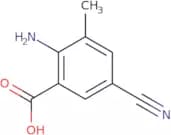
Fórmula:C9H9BrO3Pureza:Min. 95%Peso molecular:245.07 g/mol2-amino-5-cyano-3-methylbenzoic acid
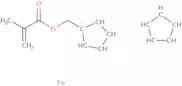
CAS:2-Amino-5-cyano-3-methylbenzoic acid is a diester of methylamine. It is an acid ester that has been used in the synthesis of other compounds. 2-Amino-5-cyano-3-methylbenzoic acid is an intermediate in the synthesis of some pharmaceuticals, such as carbamazepine and methylphenidate. This compound has not been shown to have any biological activity.Fórmula:C9H8N2O2Pureza:Min. 95%Peso molecular:176.18 g/molFerrocenylmethyl methacrylate
CAS:Ferrocenylmethyl methacrylate is a reactive, irreversible oxidation agent. It is used in the synthesis of hydroxylated polymers and redox-active biological sensors. Ferrocenylmethyl methacrylate has been used as a component in polymerization reactions to produce polymers with recording potential. It has also been used for the detection of cancer cells and for the diagnosis of prostate cancer.Fórmula:C15H16FeO2Pureza:Min. 95%Peso molecular:284.13 g/moltert-Butyl 4-amino-4-(aminomethyl)piperidine-1-carboxylate
CAS:Versatile small molecule scaffoldFórmula:C11H23N3O2Pureza:Min. 95%Peso molecular:229.32 g/mol6-fluoroquinoline-8-carboxylicacid
CAS:Versatile small molecule scaffold
Fórmula:C10H6FNO2Pureza:Min. 95%Peso molecular:191.16 g/mol2-(7-Amino-4-methyl-2-oxo-2H-chromen-3-yl)acetic acid
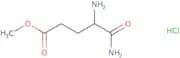
CAS:2-(7-Amino-4-methyl-2-oxo-2H-chromen-3-yl)acetic acid is a monoclonal antibody that recognizes basic proteins. It is used to study the receptor binding of these proteins and their role in inflammatory diseases. 2-(7-Amino-4-methyl-2-oxo-2H-chromen-3,6-)acetic acid is an amino function that enhances the localization of cholinergic receptors at the apical membrane of epithelial cells. It also inhibits the efflux pump activity of bacteria, which may be useful for treating bacterial infections.Fórmula:C12H11NO4Pureza:Min. 95%Peso molecular:233.22 g/molH-Glu(OMe)-NHdihydrochloride
CAS:Versatile small molecule scaffoldFórmula:C6H13ClN2O3Pureza:Min. 95%Peso molecular:196.63 g/mol2-Methyl-1-(piperazin-1-yl)propan-1-one
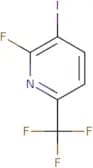
CAS:Versatile small molecule scaffoldFórmula:C8H16N2OPureza:Min. 95%Peso molecular:156.23 g/mol2-Fluoro-3-iodo-6-(trifluoromethyl)pyridine
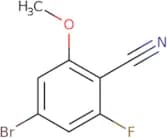
CAS:Versatile small molecule scaffoldFórmula:C6H2F4INPureza:Min. 95%Peso molecular:290.98 g/mol4-Bromo-2-fluoro-6-methoxybenzonitrile
CAS:Versatile small molecule scaffoldFórmula:C8H5NOFBrPureza:Min. 95%Peso molecular:230.03 g/mol4-Bromopyridine-2,3-diamine
CAS:Versatile small molecule scaffoldFórmula:C5H6N3BrPureza:Min. 95%Peso molecular:188.02 g/molABX464
CAS:ABX464 is a monoclonal antibody that targets bacterial translocation. It has been shown to have clinical efficacy in preventing the recurrence of inflammatory bowel disease. ABX464 binds to the M2 phenotype of macrophages and blocks the binding of chemoattractant protein to its receptor, leading to decreased inflammation and less bacterial translocation. It also prevents HIV infection by blocking viral attachment to CD4 cells and inhibiting HIV-1 replication.
Fórmula:C16H10ClF3N2OPureza:Min. 95%Peso molecular:338.71 g/mol7-Bromo-1-methylnaphthalene
CAS:7-Bromo-1-methylnaphthalene is a fluorescent dye that can be used to measure the concentration of DNA, RNA, and proteins. This compound is an intercalator, which means that it can bind to double stranded DNA or RNA near the center of the molecule where there is a space for binding. It has been used in the study of the thymic gland because it binds to DNA and RNA in cells from this organ. 7-Bromo-1-methylnaphthalene has also been used as a skeleton for organic compounds, such as dimethylammonium. The bromine atom in this compound can be replaced with other atoms like iodine or chlorine to make different colored dyes.
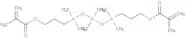
Fórmula:C11H9BrPureza:Min. 95%Peso molecular:221.09 g/molMethacryloxypropyl terminated polydimethylsiloxanes
CAS:MW 20,000 - 30,000
Fórmula:C20H40O6Si3Pureza:Min. 95%Peso molecular:460.8 g/molMethyl 3-bromo-1-methyl-1H-pyrazole-5-carboxylate
CAS:Versatile small molecule scaffold
Fórmula:C6H7BrN2O2Pureza:Min. 95%Peso molecular:219.04 g/mol1H-[1,2,3]Triazolo[4,5-d]pyrimidin-5-amine
CAS:1H-[1,2,3]Triazolo[4,5-d]pyrimidin-5-amine is a nitro compound that binds to the receptor binding sites of certain inflammatory bowel disease and cancer cells. It also inhibits the production of adenosine in these cells. 1H-[1,2,3]Triazolo[4,5-d]pyrimidin-5-amine has been shown to be effective against bowel disease and cancer by inhibiting cyclic AMP (cAMP) degradation. This drug has also been shown to be an irreversible inhibitor of ischemia reperfusion injury in animal models. 1H-[1,2,3]Triazolo[4,5-d]pyrimidin-5-amine is a nitro compound that binds to the receptor binding sites of certain inflammatory bowel disease and cancer cells. It also inhibits the production of adenosine in these cells. 1HFórmula:C4H4N6Pureza:Min. 95%Peso molecular:136.12 g/mol4-bromo-1H-imidazole-2-carbaldehyde
CAS:Versatile small molecule scaffoldFórmula:C4H3BrN2OPureza:Min. 95%Peso molecular:175 g/mol1-(4-Chloro-2,6-dimethylphenyl)ethanone
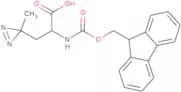
CAS:Versatile small molecule scaffoldFórmula:C10H11ClOPureza:Min. 95%Peso molecular:182.64 g/molFmoc-L-photo-leucine
CAS:Versatile small molecule scaffoldFórmula:C20H19N3O4Pureza:Min. 95%Peso molecular:365.4 g/mol(3R)-3-Methylpyrrolidine hydrochloride
CAS:Versatile small molecule scaffoldFórmula:C5H11N•HClPureza:Min. 95%Peso molecular:121.5 g/mol



![tert-Butyl 6-amino-3-azabicyclo[3.1.0]hexane-3-carboxylate](/_next/image/?url=https%3A%2Fstatic.cymitquimica.com%2Fproducts%2F3D%2Fthumb-webp%2FFM161190.webp&w=3840&q=75)












![1H-[1,2,3]Triazolo[4,5-d]pyrimidin-5-amine](/_next/image/?url=https%3A%2Fstatic.cymitquimica.com%2Fproducts%2F3D%2Fthumb-webp%2FKAA17984.webp&w=3840&q=75)