


Building Blocks
Subcategorías de "Building Blocks"
- Ácidos borónicos y derivados del ácido borónico(5.780 productos)
- Building Blocks quirales(1.239 productos)
- Building Blocks de hidrocarburos(6.100 productos)
- Building Blocks orgánicos(61.005 productos)
Se han encontrado 205234 productos de "Building Blocks"
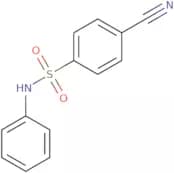
4-Cyano-N-phenylbenzene-1-sulfonamide
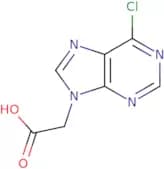
CAS:4-Cyano-N-phenylbenzene-1-sulfonamide is a salt that belongs to the group of aromatic sulfonamides. It is a white, crystalline solid with a melting point of 197 °C. 4-Cyano-N-phenylbenzene-1-sulfonamide has been found to be a polymorphic substance, which means that it can exist in more than one form. The systematic name for this compound is 1-(4'-cyano-3'-nitrophenyl)-4-(4'-cyano-3'-nitrophenyl)benzenesulfonamide monohydrochloride (2:1), and it has two polymorphs: the tetragonal crystal system and the orthorhombic crystal system. 4-Cyano-N-phenylbenzene-1 -sulfonamide also has hydrogen bonding interactions between its molecules and diffraction patternsFórmula:C13H10N2O2SPureza:Min. 95%Peso molecular:258.3 g/mol2-(6-Chloro-9H-purin-9-yl)acetic acid
CAS:Versatile small molecule scaffold
Fórmula:C7H5ClN4O2Pureza:Min. 95%Peso molecular:212.59 g/molRef: 3D-GCA76307
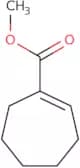
Producto descatalogadoMethyl cyclohept-1-ene-1-carboxylate
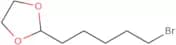
CAS:Methyl cyclohept-1-ene-1-carboxylate is a histone methyltransferase inhibitor that inhibits the synthesis of histones in mammalian cells. Methyl cyclohept-1-ene-1-carboxylate is used for the treatment of cancers, such as leukemia, lymphoma, and multiple myeloma. It binds to the DNA at specific sites and blocks the formation of histones by inhibiting the transfer of methyl groups. This process leads to changes in gene expression and cellular proliferation. Methyl cyclohept-1-ene-1-carboxylate has also been shown to inhibit demethylation, leading to increased methylation of DNA. The effector proteins may be involved in regulating this process, but more research is needed to confirm this hypothesis.Fórmula:C9H14O2Pureza:Min. 95%Peso molecular:154.21 g/mol2-(5-Bromopentyl)-1,3-dioxolane
CAS:Versatile small molecule scaffold
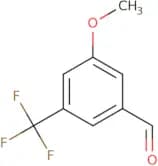
Fórmula:C8H15BrO2Pureza:Min. 95%Peso molecular:223.11 g/mol3-Methoxy-5-(trifluoromethyl)benzaldehyde
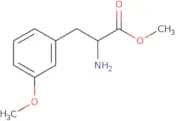
CAS:Versatile small molecule scaffoldFórmula:C9H7F3O2Pureza:Min. 95%Peso molecular:204.15 g/molMethyl 2-amino-3-(3-methoxyphenyl)propanoate
CAS:Versatile small molecule scaffoldFórmula:C11H15NO3Pureza:Min. 95%Peso molecular:209.24 g/molEthyl 2-[(1-phenylethyl)amino]acetate
CAS:Versatile small molecule scaffold
Fórmula:C12H17NO2Pureza:Min. 95%Peso molecular:207.27 g/mol2-[(1-Methylpiperidin-4-yl)amino]ethan-1-ol
CAS:Versatile small molecule scaffold
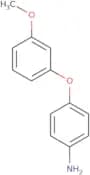
Fórmula:C8H18N2OPureza:Min. 95%Peso molecular:158.24 g/mol4-(3-Methoxyphenoxy)aniline
CAS:Versatile small molecule scaffold
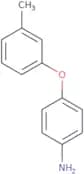
Fórmula:C13H13NO2Pureza:Min. 95%Peso molecular:215.25 g/mol4-(3-Methylphenoxy)aniline hydrochloride
CAS:Versatile small molecule scaffold
Fórmula:C13H14ClNOPureza:Min. 95%Peso molecular:235.72 g/mol3-[4-(Hydroxymethyl)phenyl]propanoic acid
CAS:Versatile small molecule scaffold
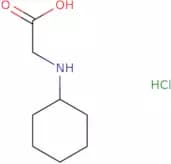
Fórmula:C10H12O3Pureza:Min. 95%Peso molecular:180.2 g/mol2-(Cyclohexylamino)acetic acid hydrochloride
CAS:2-(Cyclohexylamino)acetic acid hydrochloride is a chiral compound that has been shown to inhibit the activity of metalloproteinases, including matrix metalloproteinase (MMP) and peptidyl-arginine deiminases. It also inhibits the production of inflammatory cytokines in response to viral infection. 2-(Cyclohexylamino)acetic acid hydrochloride may be useful for the treatment of liver diseases such as hepatitis or cirrhosis due to its ability to inhibit MMP-2. It is also being investigated as a potential drug for traumatic brain injury because it has been shown to reduce oxidative stress and inflammation in animal models.Fórmula:C8H16ClNO2Pureza:Min. 95%Peso molecular:193.67 g/mol2-(Cyclohexyloxy)butanoic acid
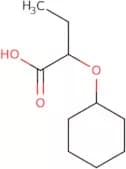
CAS:Versatile small molecule scaffold
Fórmula:C10H18O3Pureza:Min. 95%Peso molecular:186.25 g/mol1-Indolizinecarboxaldehyde
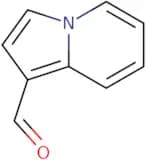
CAS:Versatile small molecule scaffold
Fórmula:C9H7NOPureza:Min. 95%Peso molecular:145.16 g/mol2,2-Dimethylbut-3-ynoic acid
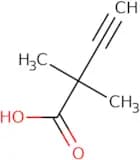
CAS:2,2-Dimethylbut-3-ynoic acid is an organic compound that can be synthesized from acetone. The chemical formula of this compound is C6H12O2. 2,2-Dimethylbut-3-ynoic acid has a boiling point of 157 degrees Celsius and a melting point of -87 degrees Celsius. It has the molecular weight of 136.19 g/mol and its density is 1.07 g/cm^3 at 25 degrees Celsius. This compound can be used as a precursor to other chemicals, such as butanediol or butyraldehyde, which are used in production processes for plastics and synthetic rubber.
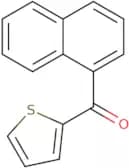
Fórmula:C6H8O2Pureza:Min. 95%Peso molecular:112.13 g/mol(Naphthalen-1-yl)(thiophen-2-yl)methanone
CAS:Versatile small molecule scaffold
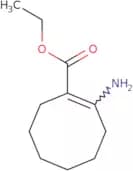
Fórmula:C15H10OSPureza:Min. 95%Peso molecular:238.31 g/molEthyl 2-aminocyclooct-1-ene-1-carboxylate
CAS:Versatile small molecule scaffoldFórmula:C11H19NO2Pureza:Min. 95%Peso molecular:197.27 g/molRef: 3D-GCA66194
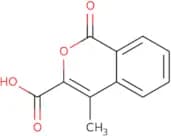
Producto descatalogado4-Methyl-1-oxo-1H-isochromene-3-carboxylic acid
CAS:Versatile small molecule scaffoldFórmula:C11H8O4Pureza:Min. 95%Peso molecular:204.18 g/mol2-(2-Hydroxyethyl)-2H,3H-[1,2,4]triazolo[4,3-a]pyridin-3-one
CAS:Versatile small molecule scaffold
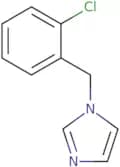
Fórmula:C8H9N3O2Pureza:Min. 95%Peso molecular:179.18 g/mol1-(2-Chlorobenzyl)imidazole
CAS:Versatile small molecule scaffold
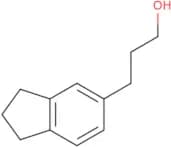
Fórmula:C10H9ClN2Pureza:Min. 95%Peso molecular:192.64 g/mol3-(2,3-Dihydro-1H-inden-5-yl)propan-1-ol
CAS:Versatile small molecule scaffold
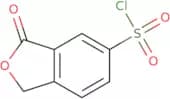
Fórmula:C12H16OPureza:Min. 95%Peso molecular:176.25 g/mol3-Oxo-1,3-dihydro-2-benzofuran-5-sulfonyl chloride
CAS:Versatile small molecule scaffold
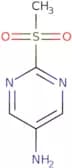
Fórmula:C8H5ClO4SPureza:Min. 95%Peso molecular:232.64 g/mol2-(Methylsulfonyl)pyrimidin-5-amine
CAS:Versatile small molecule scaffold
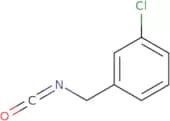
Fórmula:C5H7N3O2SPureza:Min. 95%Peso molecular:173.19 g/mol1-Chloro-3-(isocyanatomethyl)benzene
CAS:Versatile small molecule scaffold
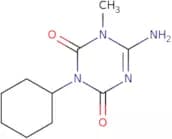
Fórmula:C8H6ClNOPureza:Min. 95%Peso molecular:167.59 g/mol6-Amino-3-cyclohexyl-1-methyl-1,2,3,4-tetrahydro-1,3,5-triazine-2,4-dione
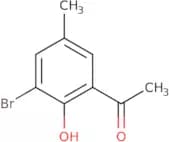
CAS:6-Amino-3-cyclohexyl-1-methyl-1,2,3,4-tetrahydro-1,3,5-triazine-2,4-dione is the metabolite of cyclophosphamide and is extracted using n-hexane and acetonitrile. It has been shown to be a potent inhibitor of DNA synthesis in vitro at concentrations as low as 10 μM. The average recoveries for this compound are 96.6% with an average recovery of 99.7%.Fórmula:C10H16N4O2Pureza:Min. 95%Peso molecular:224.26 g/mol1-(3-Bromo-2-hydroxy-5-methylphenyl)ethan-1-one
CAS:Versatile small molecule scaffold
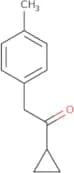
Fórmula:C9H9BrO2Pureza:Min. 95%Peso molecular:229.07 g/mol1-Cyclopropyl-2-(4-methylphenyl)ethan-1-one
CAS:Versatile small molecule scaffold
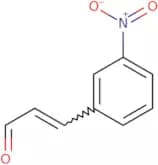
Fórmula:C12H14OPureza:Min. 95%Peso molecular:174.24 g/mol3-(3-Nitrophenyl)acrylaldehyde
CAS:3-(3-Nitrophenyl)acrylaldehyde is an organic compound that belongs to the class of aldehydes. It is used in the synthesis of halogenated compounds, such as dibromohexane, and in organic chemistry as a building block for the preparation of hydrophobic compounds. 3-(3-Nitrophenyl)acrylaldehyde reacts with benzene in an aldol condensation reaction to form 2,4-dinitrobenzaldehyde. This reaction may be catalyzed by acid or base. The efficiency of this reaction is increased when it is carried out at lower temperatures and higher pressures. The ring-opening reaction of 3-(3-nitrophenyl)acrylaldehyde with methanal also proceeds efficiently at lower temperatures and higher pressures.
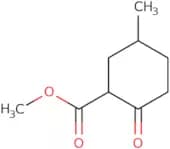
Fórmula:C9H7NO3Pureza:Min. 95%Peso molecular:177.16 g/molMethyl 5-methyl-2-oxocyclohexane-1-carboxylate
CAS:Methyl 5-methyl-2-oxocyclohexane-1-carboxylate is a racemic compound with the chemical formula CH3(CH2)4CO2. The individual enantiomers are known as D and L methyl 5-methyl-2-oxocyclohexane-1-carboxylate. This compound is a sesquiterpenoid and has been found to inhibit the growth of certain bacteria, fungi, and parasites. The biological activity of this compound is due to its ability to interfere with protein synthesis by binding to the active site of enzymes that require a carboxyl group for their function. Methyl 5-methyl-2-oxocyclohexane-1-carboxylate can be found in nature as a mixture of two enantiomers, but it can also be synthesized in a racemic form.
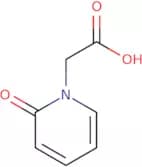
Fórmula:C9H14O3Pureza:Min. 95%Peso molecular:170.21 g/mol(2-Oxopyridin-1(2H)-yl)acetic acid
CAS:2-Oxopyridin-1(2H)-yl)acetic acid is a colorless, crystalline solid that can be used as a reagent for organic synthesis. It has been shown to inhibit the growth of C. parapsilosis and T. tetracosane at low concentrations. 2-Oxopyridin-1(2H)-yl)acetic acid may have an inhibitory effect on the enzyme dehydrogenase, which catalyzes the conversion of hexadecanoic acid to hexadecenoic acid during lipid metabolism and is required for cell survival. This compound has also been shown to be effective against M. tuberculosis and M. avium complex, but not against other bacteria such as B. subtilis or S. aureus.
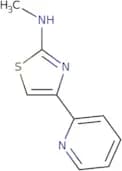
Fórmula:C7H7NO3Pureza:Min. 95%Peso molecular:153.14 g/molN-Methyl-4-(pyridin-2-yl)-1,3-thiazol-2-amine
CAS:Versatile small molecule scaffold
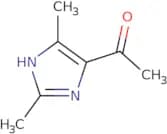
Fórmula:C9H9N3SPureza:Min. 95%Peso molecular:191.26 g/mol1-(2,5-Dimethyl-1H-imidazol-4-yl)ethan-1-one
CAS:Versatile small molecule scaffold
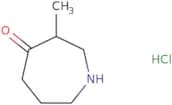
Fórmula:C7H10N2OPureza:Min. 95%Peso molecular:138.17 g/mol3-Methylazepan-4-one Hydrochloride
CAS:Versatile small molecule scaffold
Fórmula:C7H13NO·HClPureza:Min. 95%Peso molecular:163.64 g/molRef: 3D-GCA51523
Producto descatalogado2,6-Dimethylbenzene-1,4-diamine dihydrochloride
CAS:Versatile small molecule scaffold
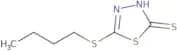
Fórmula:C8H14Cl2N2Pureza:Min. 95%Peso molecular:209.11 g/mol5-(Butylsulfanyl)-1,3,4-thiadiazole-2-thiol
CAS:Versatile small molecule scaffoldFórmula:C6H10N2S3Pureza:Min. 95%Peso molecular:206.4 g/mol1-(4-Methoxyphenyl)-2-methylpropan-2-amine
CAS:Producto controladoVersatile small molecule scaffold
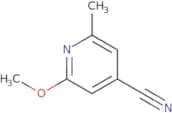
Fórmula:C11H17NOPureza:Min. 95%Peso molecular:179.26 g/mol2-Methoxy-6-methylpyridine-4-carbonitrile
CAS:Versatile small molecule scaffold
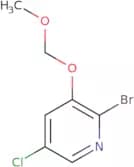
Fórmula:C8H8N2OPureza:Min. 95%Peso molecular:148.16 g/mol2-Bromo-5-chloro-3-(methoxymethoxy)pyridine
CAS:Versatile small molecule scaffold
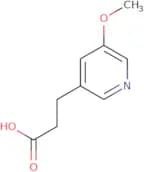
Fórmula:C7H7BrClNO2Pureza:Min. 95%Peso molecular:252.49 g/mol-3(5-Methoxypyridin-3-Yl)Propanoic Acid
CAS:Versatile small molecule scaffold
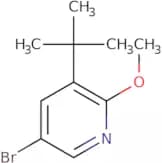
Fórmula:C9H11NO3Pureza:Min. 95%Peso molecular:181.19 g/mol5-Bromo-3-tert-butyl-2-methoxypyridine
CAS:Versatile small molecule scaffold
Fórmula:C10H14BrNOPureza:Min. 95%Peso molecular:244.13 g/mol6H-Pyrano[3,4-b]pyridin-5(8H)-one
CAS:Versatile small molecule scaffold
Fórmula:C8H7NO2Pureza:Min. 95%Peso molecular:149.15 g/mol6-bromo-4-(trifluoromethyl)pyridin-2-amine
CAS:Versatile small molecule scaffold
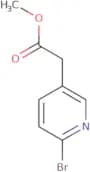
Fórmula:C6H4BrF3N2Pureza:Min. 95%Peso molecular:241 g/molMethyl 2-(6-bromo-3-pyridyl)acetate
CAS:Versatile small molecule scaffold
Fórmula:C8H8BrNO2Pureza:Min. 95%Peso molecular:230.06 g/mol6-Bromo-4-methylpyridin-3-ol
CAS:Versatile small molecule scaffold
Fórmula:C6H6BrNOPureza:Min. 95%Peso molecular:188.02 g/mol4-Chloro-5-cyanopyridine-2-carboxylic acid
CAS:Versatile small molecule scaffoldFórmula:C7H3ClN2O2Pureza:Min. 95%Peso molecular:182.56 g/mol2-Cyclopropyl-1H-imidazole-4-carbaldehyde
CAS:Versatile small molecule scaffold
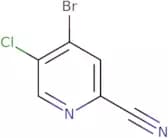
Fórmula:C7H8N2OPureza:Min. 95%Peso molecular:136.15 g/mol4-Bromo-5-chloropyridine-2-carbonitrile
CAS:Versatile small molecule scaffold
Fórmula:C6H2BrClN2Pureza:Min. 95%Peso molecular:217.45 g/mol4-Methoxy-6-methylpyridine-3-carbaldehyde
CAS:Versatile small molecule scaffold
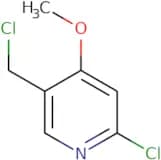
Fórmula:C8H9NO2Pureza:Min. 95%Peso molecular:151.16 g/mol2-Chloro-5-(chloromethyl)-4-methoxypyridine
CAS:Versatile small molecule scaffoldFórmula:C7H7Cl2NOPureza:Min. 95%Peso molecular:192.04 g/mol5-(Trifluoromethyl)-1H-pyrrolo[2,3-c]pyridine
CAS:Versatile small molecule scaffold
Fórmula:C8H5F3N2Pureza:Min. 95%Peso molecular:186.13 g/mol

![Ethyl 2-[(1-phenylethyl)amino]acetate](/_next/image/?url=https%3A%2Fstatic.cymitquimica.com%2Fproducts%2F3D%2Fthumb-webp%2FGCA72098.webp&w=3840&q=75)
![2-[(1-Methylpiperidin-4-yl)amino]ethan-1-ol](/_next/image/?url=https%3A%2Fstatic.cymitquimica.com%2Fproducts%2F3D%2Fthumb-webp%2FGCA70951.webp&w=3840&q=75)
![3-[4-(Hydroxymethyl)phenyl]propanoic acid](/_next/image/?url=https%3A%2Fstatic.cymitquimica.com%2Fproducts%2F3D%2Fthumb-webp%2FGCA70334.webp&w=3840&q=75)
![2-(2-Hydroxyethyl)-2H,3H-[1,2,4]triazolo[4,3-a]pyridin-3-one](/_next/image/?url=https%3A%2Fstatic.cymitquimica.com%2Fproducts%2F3D%2Fthumb-webp%2FGCA65449.webp&w=3840&q=75)


![6H-Pyrano[3,4-b]pyridin-5(8H)-one](/_next/image/?url=https%3A%2Fstatic.cymitquimica.com%2Fproducts%2F3D%2Fthumb-webp%2FGAC82519.webp&w=3840&q=75)




![5-(Trifluoromethyl)-1H-pyrrolo[2,3-c]pyridine](/_next/image/?url=https%3A%2Fstatic.cymitquimica.com%2Fproducts%2F3D%2Fthumb-webp%2FGAC82299.webp&w=3840&q=75)