


Building Blocks
Subcategorías de "Building Blocks"
- Ácidos borónicos y derivados del ácido borónico(5.780 productos)
- Building Blocks quirales(1.239 productos)
- Building Blocks de hidrocarburos(6.100 productos)
- Building Blocks orgánicos(61.005 productos)
Se han encontrado 205234 productos de "Building Blocks"
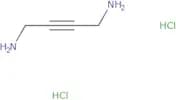
But-2-yne-1,4-diamine dihydrochloride
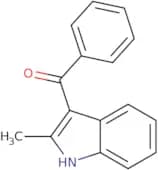
CAS:Versatile small molecule scaffoldFórmula:C4H10Cl2N2Pureza:Min. 95%Peso molecular:157.04 g/mol3-Benzoyl-2-methyl-1H-indole
CAS:Producto controlado3-Benzoyl-2-methyl-1H-indole is an isomer of tetrahydrocarbazole. It has a high yield and optical purity. 3-Benzoyl-2-methyl-1H indole can be synthesized from β-unsaturated aldehydes, such as 2-(4,4,5,5-tetramethyl-[1,3,2]dioxaborolan-2yl)-3,5,6,-trimethylphenol. The compound has been shown to react with alkali metals to form a salt in the presence of dehydrogenative conditions. This reaction proceeds via an iminium intermediate that reacts with the metal salt to produce the product. 3BzIMeI can also react with alcohols or amines in the presence of heterocycles such as mesitylene to form substituted benzimidazoles.
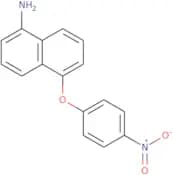
Fórmula:C16H13NOPureza:Min. 95%Peso molecular:235.28 g/mol5-(4-Nitrophenoxy)naphthalen-1-amine
CAS:Versatile small molecule scaffold
Fórmula:C16H12N2O3Pureza:Min. 95%Peso molecular:280.28 g/mol3-(Hydrazinecarbonyl)benzoic acid
CAS:Versatile small molecule scaffold
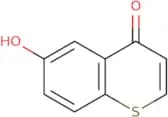
Fórmula:C8H8N2O3Pureza:Min. 95%Peso molecular:180.16 g/mol6-Hydroxy-4H-thiochromen-4-one
CAS:Versatile small molecule scaffold
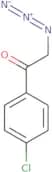
Fórmula:C9H6O2SPureza:Min. 95%Peso molecular:178.21 g/mol2-Azido-1-(4-chlorophenyl)ethan-1-one
CAS:Versatile small molecule scaffold
Fórmula:C8H6ClN3OPureza:Min. 95%Peso molecular:195.6 g/molTricyclo[3.3.1.13,7]decane-2-acetic acid
CAS:Tricyclo[3.3.1.13,7]decane-2-acetic acid is a catalyst that can be used in the reduction of 2-adamantanone to butyric acid by aluminium. This compound has also been used as an analog for other catalytic systems such as lactams and monoamides. Tricyclo[3.3.1.13,7]decane-2-acetic acid has been shown to have an affinity for 11β-hydroxysteroid dehydrogenase (11βHSD). This enzyme is involved in the conversion of cortisone to cortisol and is critical for the regulation of glucocorticoid hormones and mineralocorticoids in humans and other mammals. It has also been shown to inhibit chloride ion transport, which increases sodium ion uptake by cells and leads to a decrease in blood pressure when combined with sodium hypochlorite (bleach) treatment.br>br
Fórmula:C12H18O2Pureza:Min. 95%Peso molecular:194.27 g/mol3-iso-Propoxybenzyl alcohol
CAS:3-iso-Propoxybenzyl alcohol is an insect repellent used to prevent insect bites. It is a screening agent that can be used as a solution in ethanol to test for the presence of insects. 3-iso-Propoxybenzyl alcohol is added to a solution and then sprayed onto plants or animals. The solution will turn yellow if it comes into contact with an insect. This product should be stored in a cool, dry place away from direct sunlight and out of reach of children.
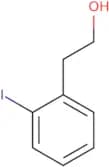
Fórmula:C10H14O2Pureza:Min. 95%Peso molecular:166.22 g/mol2-(2-iodophenyl)ethanol
CAS:2-(2-iodophenyl)ethanol is a ketone that can be made by refluxing benzene with phosphite and halides. It can also be synthesized from 2-phenylethanol, which is obtained from the reaction of acetone with sodium hydroxide. 2-(2-Iodophenyl)ethanol has been used as a precursor to other compounds in organic chemistry. This compound has been shown to react with dichlorophosphite or sulphonium to form organopalladium intermediates. Carbonylation reactions are another method for synthesizing this compound.
Fórmula:C8H9IOPureza:Min. 95%Peso molecular:248.06 g/mol1-(Trifluoromethyl)isoquinoline
CAS:1-(Trifluoromethyl)isoquinoline is an organic compound that is made from a photoredox reaction, which involves the use of a metal catalyst and light to produce reactive species. This chemical can be used in the synthesis of vinyl compounds, such as styrene, by regiospecifically adding an isocyanide. 1-(Trifluoromethyl)isoquinoline has been shown to be a useful reagent for experiments involving regiospecific reactions.
Fórmula:C10H6F3NPureza:Min. 95%Peso molecular:197.16 g/mol2,4-Dichloro-6-phenylpyrimidine
CAS:2,4-Dichloro-6-phenylpyrimidine is a nucleophilic reagent that has been used to synthesize pyrimidine derivatives. It has been shown to react with cyanoacetic acid and malononitrile in the presence of an organolithium reagent to form 2,6-dichloro-2,4-dihydroxypyrimidine. This compound reacts with chlorine gas to give 2,4-dichloro-6-(chloromethyl)pyrimidine. This reaction is regioselective and does not affect the other substituents on the ring. The reaction proceeds via a nucleophilic attack on the carbon atom adjacent to the nitrogen atom.
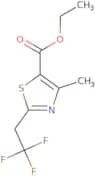
Fórmula:C10H6Cl2N2Pureza:Min. 95%Peso molecular:225.07 g/molEthyl 4-methyl-2-(2,2,2-trifluoroethyl)-1,3-thiazole-5-carboxylate
CAS:Versatile small molecule scaffoldFórmula:C9H10F3NO2SPureza:Min. 95%Peso molecular:253.24 g/mol3-Phenyl-2-azaspiro[3.4]octan-1-one
CAS:Versatile small molecule scaffold
Fórmula:C13H15NOPureza:Min. 95%Peso molecular:201.26 g/molTert-Butyl 3-Bromo-5,6-Dihydrospiro[Piperidine-4,7-Pyrrolo[1,2-A]Imidazole]-1-Carboxylate
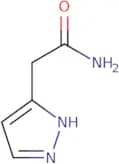
CAS:Versatile small molecule scaffoldFórmula:C15H22BrN3O2Pureza:Min. 95%Peso molecular:356.26 g/mol2-(1H-Pyrazol-3-yl)acetamide
CAS:2-(1H-Pyrazol-3-yl)acetamide (2PZA) is a nitroheterocyclic compound that exhibits anticancer activity by inhibiting the growth of cancer cells. It has been shown to inhibit cell growth and induce apoptosis in vitro. 2PZA also interacts with DNA and inhibits nucleotide synthesis, which leads to inhibition of protein synthesis. The functional theory for this compound is based on its ability to undergo hydrogen bonding interactions with aromatic amino acid residues. 2PZA also has significant antioxidant properties and can be used as a magnetic resonance imaging contrast agent for brain tumors.
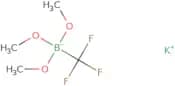
Fórmula:C5H7N3OPureza:Min. 95%Peso molecular:125.13 g/molPotassium Trimethoxy(trifluoromethyl)borate
CAS:Potassium trifluoromethoxytrimethylborate is a boronic acid. It is used in organic chemistry as an oxidant and nucleophile. It reacts with alcohols, iodides, and aldehydes to form the corresponding potassium salt and alcohol or the corresponding potassium salt and iodide or the corresponding potassium salt and aldehyde. Potassium trifluoromethoxytrimethylborate has been used for the synthesis of fluoxetine hydrochloride. The reaction time is dependent on the substrate chosen, but typically ranges from 5-12 hours.
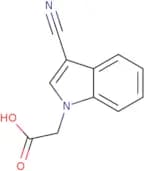
Fórmula:C4H9BF3KO3Pureza:Min. 95%Peso molecular:212.02 g/mol(3-Cyano-indol-1-yl)-acetic acid
CAS:Versatile small molecule scaffold
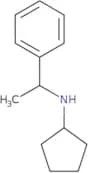
Fórmula:C11H8N2O2Pureza:Min. 95%Peso molecular:200.2 g/molCyclopentyl-(1-phenyl-ethyl)-amine
CAS:Cyclopentyl-(1-phenyl-ethyl)-amine is a cavity-forming molecule that can be used as a molecular probe. It has been shown to interact with the amine groups in polymers and form chains, which can be used for template molecules. Cyclopentyl-(1-phenyl-ethyl)-amine has been shown to have selectivity for interactions with amines over other moieties, such as nitrobenzene or water. The steric interactions of cyclopentyl-(1-phenyl-ethyl)-amine are also important when considering its interactions with other molecules, such as polymers. Cyclopentyl-(1-phenyl-ethyl)-amine has been shown to form molecular structures that could be used as templates for the synthesis of other molecules.
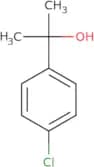
Fórmula:C13H19NPureza:Min. 95%Peso molecular:189.3 g/mol2-(4-Chlorophenyl)propan-2-ol
CAS:Versatile small molecule scaffold
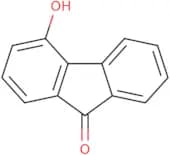
Fórmula:C9H11ClOPureza:Min. 95%Peso molecular:170.64 g/mol4-Hydroxy-9H-fluoren-9-one
CAS:4-Hydroxy-9H-fluoren-9-one is a byproduct of the oxidation of fatty acids in soil microorganisms. It inhibits bacterial growth and has been shown to have synergistic effects with aromatic hydrocarbons. 4-Hydroxy-9H-fluoren-9-one can inhibit the production of enzymes such as acetyl coenzyme A carboxylase, which are necessary for cellular respiration and carbon metabolism. This compound also inhibits the dioxygenation of propionate to acetate and butyrate, which are important substrates for microorganisms. 4-Hydroxy-9H-fluoren-9-one is produced by bacteria in deionized water when exposed to dioxygen. It can be used as a carbon source for bacterial growth and can inhibit the activity of enzymes that metabolize aromatic compounds, such as biphenyl.
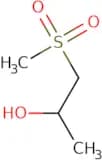
Fórmula:C13H8O2Pureza:Min. 95%Peso molecular:196.2 g/mol1-Methanesulfonylpropan-2-ol
CAS:Methanesulfonylpropan-2-ol is a sulfonic acid that is used in clinical chemistry for the measurement of the concentration of mercaptans. This liquid has an acidic character, which distinguishes it from other sulfonic acids. Methanesulfonylpropan-2-ol also has a magnetic property and can be used to detect the presence of this substance in urine or blood samples.
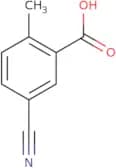
Methanesulfonylpropan-2-ol is excreted by the kidneys and intestines and is diluted when mixed with water. This substance can be detected using chromatographic science, such as gas chromatography, to identify its presence in biological samples. Methanesulfonylpropan-2-ol may have anticancer properties due to its ability to inhibit cell growth and proliferation. It binds to DNA, disrupting the production of new cells. The intestinal absorption of this drug leads to an increased concentration in the intestine, which may lead to anticancer effectsFórmula:C4H10O3SPureza:Min. 95%Peso molecular:138.19 g/mol5-Cyano-2-methylbenzoic acid
CAS:Versatile small molecule scaffold
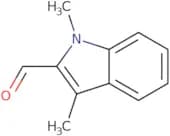
Fórmula:C9H7NO2Pureza:Min. 95%Peso molecular:161.16 g/mol1,3-Dimethyl-1H-indole-2-carbaldehyde
CAS:Diethyl succinate (DES) is a chemical compound that has reversible photochromic properties. It absorbs ultraviolet light and converts to 1,3-dimethyl-1H-indole-2-carbaldehyde (DMICA), which can be reverted back to DES by exposure to visible light. DMICA is chemically stable in the absence of oxygen and air, but it decomposes in the presence of strong oxidizing agents. The absorption spectrum of DMICA shows maxima at 230 nm and 270 nm with a peak at 254 nm. Diethyl succinate is an isomer of diethyl malonate, which has a similar structure. Diethyl succinate has no solubility in water, but it dissolves readily in organic solvents such as acetone or ethanol.
Fórmula:C11H11NOPureza:Min. 95%Peso molecular:173.21 g/mol[3,3'-Bipyridine]-5-carboxylic acid
CAS:Versatile small molecule scaffold
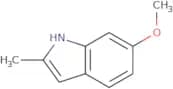
Fórmula:C11H8N2O2Pureza:Min. 95%Peso molecular:200.19 g/mol6-Methoxy-2-methyl-1H-indole
CAS:Versatile small molecule scaffold
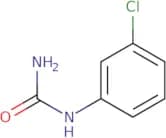
Fórmula:C10H11NOPureza:Min. 95%Peso molecular:161.2 g/mol3-Chlorophenylurea
CAS:3-Chlorophenylurea is a quinazolinone that inhibits the growth of candida glabrata. This compound has been shown to inhibit efflux pumps, which are proteins that pump out drugs from the cell. 3-Chlorophenylurea has been shown to inhibit the efflux of fluconazole, a drug used to treat fungal infections, and thiourea, a compound that is known for its cytotoxicity. The inhibition of these two compounds suggests that 3-chlorophenylurea could be an efflux pump inhibitor.
Fórmula:C7H7ClN2OPureza:Min. 95%Peso molecular:170.6 g/molrac-(1R,2R,5R)-Bicyclo[3.2.1]octan-2-ol, exo
CAS:Versatile small molecule scaffold
Fórmula:C8H14OPureza:Min. 95%Peso molecular:126.2 g/molRef: 3D-BAA96538
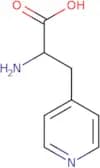
Producto descatalogado2-Amino-3-(pyridin-4-yl)propanoic acid
CAS:Versatile small molecule scaffold
Fórmula:C8H10N2O2Pureza:Min. 95%Peso molecular:166.18 g/mol4-Cyclopropylbenzonitrile
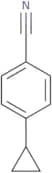
CAS:4-Cyclopropylbenzonitrile is an electrophilic compound that reacts with a nucleophile to form a covalent bond. The reactivity of 4-cyclopropylbenzonitrile is activated by the addition of chloride. It can be used as a precursor to yield chloroform and other compounds, such as chloride and oxide. 4-Cyclopropylbenzonitrile can also react with sulfur or nitrosyl to form an electrophilic sulfur or nitrosyl compound.
Fórmula:C10H9NPureza:Min. 95%Peso molecular:143.19 g/mol3,4-Dihydrobenzo[e][1,3]oxazin-2-one
CAS:3,4-Dihydrobenzo[e][1,3]oxazin-2-one is an organic compound that is used as a catalyst in the synthesis of pharmaceuticals. It reacts with halides and alkali metal to form quaternary ammonium salts. This reaction can be represented by the following scheme:
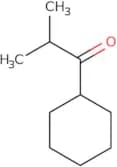
Fórmula:C8H7NO2Pureza:Min. 95%Peso molecular:149.15 g/mol1-Cyclohexyl-2-methylpropan-1-one
CAS:Versatile small molecule scaffold
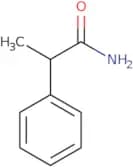
Fórmula:C10H18OPureza:Min. 95%Peso molecular:154.25 g/mol2-Phenylpropanamide
CAS:2-Phenylpropanamide is an amide that has been shown to have anti-inflammatory activity in a variety of animal models. It is also a metalloprotease inhibitor and suppresses the release of inflammatory cytokines. 2-Phenylpropanamide has shown some efficacy against cancer in human cell lines, and inhibits the production of the enzyme acetylcholinesterase. This drug also binds to adenosine A3 receptors, which are involved in inflammatory processes. 2-Phenylpropanamide has antioxidant properties, as it can scavenge radicals and inhibit hydroxyl radical formation. 2-Phenylpropanamide also has a high affinity for magnesium ions, which may explain its long elimination half-life after oral administration.
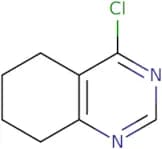
Fórmula:C9H11NOPureza:Min. 95%Peso molecular:149.19 g/mol4-Chloro-5,6,7,8-tetrahydroquinazoline
CAS:Versatile small molecule scaffold
Fórmula:C8H9ClN2Pureza:Min. 95%Peso molecular:168.62 g/mol2-azaspiro[4.4]nonane-1,3-dione
CAS:2-Azaspiro[4.4]nonane-1,3-dione is a linker that is used in the synthesis of active derivatives of drugs. It has pharmacological and physicochemical properties that are similar to those of methylene. 2-Azaspiro[4.4]nonane-1,3-dione is used as an analytical standard for rp-hplc analysis and x-ray structural analysis. It can be used to synthesize pentylenetetrazole and imine derivatives for anticonvulsant properties, which have been shown to have properties similar to those of phenytoin.
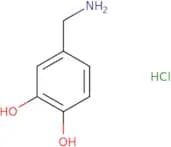
Fórmula:C8H11NO2Pureza:Min. 95%Peso molecular:153.18 g/mol4-(Aminomethyl)-1,2-benzenediol hydrochloride
CAS:4-(Aminomethyl)-1,2-benzenediol hydrochloride is a potent inhibitor of monoamine neurotransmitter synthesis. It has been shown to inhibit the polymerase chain reaction (PCR) and is effective in the preparation of samples for PCR analysis. 4-(Aminomethyl)-1,2-benzenediol hydrochloride is chemically stable and has an electrochemical detector that can be used in its detection. This chemical also inhibits the incorporation of thymidine into DNA during DNA synthesis, leading to a decrease in DNA synthesis. The monoclonal antibody technique has been used to detect this compound in human serum and tissue biopsies.
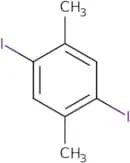
Fórmula:C7H10ClNO2Pureza:Min. 95%Peso molecular:175.61 g/mol1,4-Diiodo-2,5-dimethylbenzene
CAS:1,4-Diiodo-2,5-dimethylbenzene is an iodide that can be used in the industrialization of iodine. It can be prepared from bicyclopropylidene and nitrosobenzene by coupling with a carbonyl group. The yield of this reaction is high and the product is stable. 1,4-Diiodo-2,5-dimethylbenzene can also be prepared by palladium-catalyzed cross coupling or a Diels–Alder reaction between 2,5-dimethylaniline and 3-(bromomethyl)cyclobutane. This process yields only one regioisomer because there are no other reactive groups on the ring to form a second regioisomeric product.
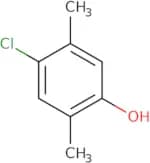
Fórmula:C8H8I2Pureza:Min. 95%Peso molecular:357.96 g/mol4-Chloro-2,5-dimethylphenol
CAS:4-Chloro-2,5-dimethylphenol is a phenolic compound that is used as an intermediate in the synthesis of other organic compounds. It has low ph and can form adducts with methanol at high ph. 4-Chloro-2,5-dimethylphenol can be reacted with hydrogen chloride to produce the corresponding chloride or with a coupling agent to produce the corresponding imine. 4-Chloro-2,5-dimethylphenol can also be used as an elimination agent.
Fórmula:C8H9ClOPureza:Min. 95%Peso molecular:156.61 g/mol3,3-Dimethylglutarimide
CAS:3,3-Dimethylglutarimide is a molecule that has been shown to inhibit the enzyme butyrylcholinesterase in a stepwise manner. This inhibition prevents the breakdown of acetylcholine, which leads to increased levels of this neurotransmitter and an improvement in cognition. 3,3-Dimethylglutarimide also has protonation properties that allow it to form complexes with metal ions such as zinc and copper. These complexes are formed by the interaction of functional groups on the molecules with protons on the metal ions.
Fórmula:C7H11NO2Pureza:Min. 95%Peso molecular:141.17 g/mol8-Azaspiro[4.5]decane hydrochloride
CAS:Versatile small molecule scaffold
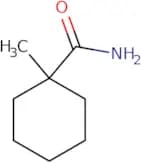
Fórmula:C9H17N·HClPureza:Min. 95%Peso molecular:175.7 g/mol1-Methylcyclohexane-1-carboxamide
CAS:1-Methylcyclohexane-1-carboxamide is a sclerotiorin, which are natural substances that have been shown to have inhibitory effects against fungi. It has been shown to be effective against Sclerotinia sclerotiorum and Gaseous Botrytis cinerea. The inhibition of sclerotiorin 1-methylcyclohexane-1-carboxamide is due to its ability to inhibit the synthesis of ergosterol, which is an important component of the fungal cell membrane. This drug has also been shown to have inhibitory effects on carbon bond formation in natural substances such as ginseng root or solid form.
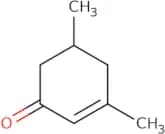
Fórmula:C8H15NOPureza:Min. 95%Peso molecular:141.21 g/mol3,5-Dimethyl-2-cyclohexen-1-one
CAS:3,5-Dimethyl-2-cyclohexen-1-one is a β-unsaturated ketone that has been synthesized using an efficient method. It has been shown to have anti-inflammatory properties and is used for the treatment of pulmonary fibrosis in humans. The compound also binds to polyene compounds and supramolecular substrates. 3,5-Dimethyl-2-cyclohexen-1-one reacts with chloride ions to form a β unsaturated ketone chloride that can undergo alkylation with an electron donor such as acetonitrile. This reaction is catalyzed by microsomal cytochrome P450 enzymes and requires a reaction time of about two hours to complete.
Fórmula:C8H12OPureza:Min. 95%Peso molecular:124.18 g/molCyclohexanecarboxamide
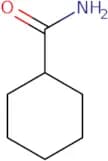
CAS:Cyclohexanecarboxamide is a carboxamide that has been shown to inhibit the growth of bacteria. It binds to the bacterial receptor and inhibits the activity of the enzyme carboxide, which is involved in the synthesis of monoamine neurotransmitters. Cyclohexanecarboxamide has also been shown to inhibit axonal growth in mammalian cells, which may be due to its ability to block potassium channels on nerve cells. Cyclohexanecarboxamide has been shown to have antimicrobial properties against a range of organisms including those resistant mutants.
Fórmula:C7H13NOPureza:Min. 95%Peso molecular:127.18 g/mol4-Amino-1-methylpyrimidin-2(1H)-one
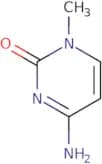
CAS:4-Amino-1-methylpyrimidin-2(1H)-one is a chemical compound that belongs to the group of pyrimidine compounds. It has been shown to be an inhibitor of viral life, with its activity against HIV being most well studied. The tautomers of 4-amino-1-methylpyrimidin-2(1H)-one are protonated and stable, meaning that they do not undergo any chemical change in the body. 4-Amino-1-methylpyrimidin-2(1H)-one is also able to form stable complexes with nitrogen atoms. The xray crystal structure for this compound shows that it coordinates with group P2, which contains two nitrogen atoms and one oxygen atom. The interaction between these three atoms is called a dinucleotide phosphate. This group binds to DNA by hydrogen bonds, forming intramolecular hydrogen bonds. The groups on the other side of the molecule bind
Fórmula:C5H7N3OPureza:Min. 95%Peso molecular:125.13 g/mol6-Amino-3-methylpyrimidin-4(3H)-one
CAS:Versatile small molecule scaffold
Fórmula:C5H7N3OPureza:Min. 95%Peso molecular:125.12 g/mol2,3-Dimethylcyclohex-2-en-1-one
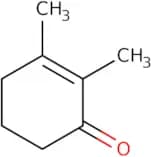
CAS:2,3-Dimethylcyclohex-2-en-1-one is a phenylhydrazine derivative that can be converted into aporphine alkaloids. It is also an isomer of cyclohexenones and epoxides. This compound has substituents at the 2 and 3 positions which are either methyl or hydrogen, respectively. The carbonyl group in 2,3-Dimethylcyclohex-2-en-1-one is a ketone or aldehyde, depending on the substitution pattern. The oxygen function in this molecule is an ether or ester. 2,3-Dimethylcyclohex-2-en-1-one has properties that are similar to those of diketones and spirolactones because it contains both carbonyl and oxygen functions. It can be classified as an aporphine alkaloid because it has two rings fused together with one nitrogen atom between them
Fórmula:C8H12OPureza:Min. 95%Forma y color:Clear LiquidPeso molecular:124.18 g/mol4-(Chloromethyl)-1,3-dioxane
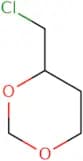
CAS:Versatile small molecule scaffold
Fórmula:C5H9ClO2Pureza:Min. 95%Peso molecular:136.58 g/mol(1R,6S,7R)-7-Bromobicyclo[4.1.0]heptane
CAS:Versatile small molecule scaffold
Fórmula:C7H11BrPureza:Min. 95%Peso molecular:175.07 g/molRef: 3D-BAA12141
Producto descatalogadoDi-n-octylamine
CAS:Di-n-octylamine is a reactive chemical that is chemically stable in the presence of nitrogen. It is used in chemical biology as a transport agent for amines and other organic compounds. Di-n-octylamine has been shown to have optimum solubility in glycol ethers, magnesium salts, and trifluoroacetic acid. This compound reacts with fatty acids to form hydroxyl groups and can be used as an extractant for glycol ethers. The mechanism of this reaction involves intramolecular hydrogen transfer from the hydroxyl group on the fatty acid to the n-octyl amine molecule.
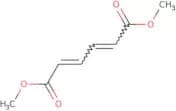
Fórmula:C16H35NPureza:Min. 95%Peso molecular:241.46 g/mol1,6-Dimethyl (2E,4E)-hexa-2,4-dienedioate
CAS:1,6-Dimethyl (2E,4E)-hexa-2,4-dienedioate is a hydrocarbon that can be synthesized from ethylene. The compound is a building block for polyunsaturated compounds and can be used as a feedstock in the production of monomers or polymers. It has been shown to have radiation catalysis properties and is sustainable with low environmental impact. 1,6-Dimethyl (2E,4E)-hexa-2,4-dienedioate has been shown to produce high yields and is not toxic to humans or animals. This product also has applications in the production of cosmetics and pharmaceuticals.
Fórmula:C8H10O4Pureza:Min. 95%Peso molecular:170.16 g/mol3-Azaspiro[5.6]dodecane-2,4-dione
CAS:Versatile small molecule scaffold
Fórmula:C11H17NO2Pureza:Min. 95%Peso molecular:195.26 g/mol


![Tricyclo[3.3.1.13,7]decane-2-acetic acid](/_next/image/?url=https%3A%2Fstatic.cymitquimica.com%2Fproducts%2F3D%2Fthumb-webp%2FBBA08222.webp&w=3840&q=75)



![3-Phenyl-2-azaspiro[3.4]octan-1-one](/_next/image/?url=https%3A%2Fstatic.cymitquimica.com%2Fproducts%2F3D%2Fthumb-webp%2FBAD22720.webp&w=3840&q=75)
![Tert-Butyl 3-Bromo-5,6-Dihydrospiro[Piperidine-4,7-Pyrrolo[1,2-A]Imidazole]-1-Carboxylate](/_next/image/?url=https%3A%2Fstatic.cymitquimica.com%2Fproducts%2F3D%2Fthumb-webp%2FBAC00016.webp&w=3840&q=75)
![[3,3'-Bipyridine]-5-carboxylic acid](/_next/image/?url=https%3A%2Fstatic.cymitquimica.com%2Fproducts%2F3D%2Fthumb-webp%2FBAA97081.webp&w=3840&q=75)
![rac-(1R,2R,5R)-Bicyclo[3.2.1]octan-2-ol, exo](/_next/image/?url=https%3A%2Fstatic.cymitquimica.com%2Fproducts%2F3D%2Fthumb-webp%2FBAA96538.webp&w=3840&q=75)
![3,4-Dihydrobenzo[e][1,3]oxazin-2-one](/_next/image/?url=https%3A%2Fstatic.cymitquimica.com%2Fproducts%2F3D%2Fthumb-webp%2FBAA12585.webp&w=3840&q=75)
![2-azaspiro[4.4]nonane-1,3-dione](/_next/image/?url=https%3A%2Fstatic.cymitquimica.com%2Fproducts%2F3D%2Fthumb-webp%2FBAA12495.webp&w=3840&q=75)

![8-Azaspiro[4.5]decane hydrochloride](/_next/image/?url=https%3A%2Fstatic.cymitquimica.com%2Fproducts%2F3D%2Fthumb-webp%2FBAA12330.webp&w=3840&q=75)

![(1R,6S,7R)-7-Bromobicyclo[4.1.0]heptane](/_next/image/?url=https%3A%2Fstatic.cymitquimica.com%2Fproducts%2F3D%2Fthumb-webp%2FBAA12141.webp&w=3840&q=75)

![3-Azaspiro[5.6]dodecane-2,4-dione](/_next/image/?url=https%3A%2Fstatic.cymitquimica.com%2Fproducts%2F3D%2Fthumb-webp%2FBAA07889.webp&w=3840&q=75)