Building Blocks
Subcategorías de "Building Blocks"
- Ácidos borónicos y derivados del ácido borónico(5.780 productos)
- Building Blocks quirales(1.239 productos)
- Building Blocks de hidrocarburos(6.100 productos)
- Building Blocks orgánicos(61.005 productos)
Se han encontrado 205234 productos de "Building Blocks"
[rac-(1R,3R)-3-Amino-1-phenylcyclobutyl]methanol hydrochloride
CAS:Versatile small molecule scaffold
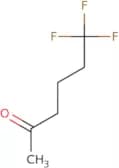
Fórmula:C11H16ClNOPureza:Min. 95%Peso molecular:213.7 g/mol6,6,6-Trifluorohexan-2-one
CAS:Versatile small molecule scaffold
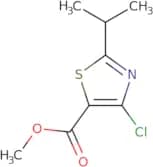
Fórmula:C6H9F3OPureza:Min. 95%Peso molecular:154.13 g/molMethyl 4-chloro-2-(propan-2-yl)-1,3-thiazole-5-carboxylate
CAS:Versatile small molecule scaffold
Fórmula:C8H10ClNO2SPureza:Min. 95%Peso molecular:219.69 g/molRef: 3D-BKC13292
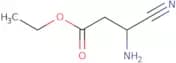
Producto descatalogadoEthyl 3-amino-3-cyanopropanoate
CAS:Versatile small molecule scaffold
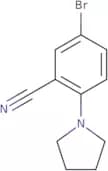
Fórmula:C6H10N2O2Pureza:Min. 95%Peso molecular:142.16 g/mol5-Bromo-2-(pyrrolidino)benzonitrile
CAS:Versatile small molecule scaffold
Fórmula:C11H11BrN2Pureza:Min. 95%Peso molecular:251.13 g/mol2-(2-Methyl-1H-imidazol-1-yl)benzylamine
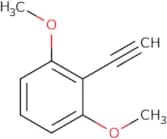
CAS:Versatile small molecule scaffoldFórmula:C11H13N3Pureza:Min. 95%Peso molecular:187.24 g/mol2,6-Dimethoxyphenylacetylene
CAS:Versatile small molecule scaffold
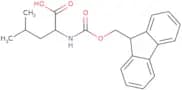
Fórmula:C10H10O2Pureza:Min. 95%Peso molecular:162.18 g/molDL-leucine-d10-N-Fmoc
CAS:D-Leucine-d10-N-Fmoc is a cox-2 inhibitor that inhibits the activity of cyclooxygenase enzymes, which are involved in the formation of prostaglandins from arachidonic acid. It has been shown to have an anticancer effect against cells in culture and also inhibits the growth of tumors in mice. D-Leucine-d10-N-Fmoc is a molecule with a structure similar to celecoxib, a selective COX 2 inhibitor that is currently used for treatment of arthritis. However, unlike celecoxib, D-Leucine-d10-N-Fmoc does not inhibit any other isoforms of cyclooxygenase.END>>
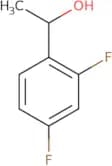
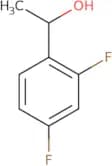
Fórmula:C21H23NO4Pureza:Min. 95%Peso molecular:353.4 g/mol(1R)-1-(2,4-Difluorophenyl)ethan-1-ol
CAS:Versatile small molecule scaffold
Fórmula:C8H8F2OPureza:Min. 95%Peso molecular:158.14 g/mol(1S)-1-(2,4-Difluorophenyl)ethan-1-ol
CAS:Versatile small molecule scaffold
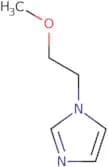
Fórmula:C8H8F2OPureza:Min. 95%Peso molecular:158.14 g/mol1-(2-Methoxyethyl)-1H-imidazole
CAS:Versatile small molecule scaffold
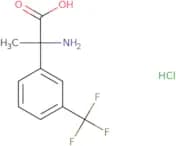
Fórmula:C6H10N2OPureza:Min. 95%Peso molecular:126.16 g/mol2-Amino-2-(3-(trifluoromethyl)phenyl)propanoic acid hydrochloride
CAS:Versatile small molecule scaffold
Fórmula:C10H11ClF3NO2Pureza:Min. 95%Peso molecular:269.65 g/mol2-(2-Ethoxyphenyl)ethan-1-amine hydrochloride
CAS:Producto controladoVersatile small molecule scaffold
Fórmula:C10H16ClNOPureza:Min. 95%Peso molecular:201.69 g/mol4-{[(Propan-2-yl)amino]methyl}benzonitrile hydrochloride
CAS:Versatile small molecule scaffold
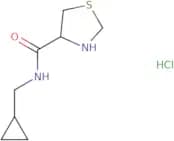
Fórmula:C11H15ClN2Pureza:Min. 95%Peso molecular:210.7 g/molN-(Cyclopropylmethyl)-1,3-thiazolidine-4-carboxamide hydrochloride
CAS:Versatile small molecule scaffold
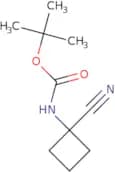
Fórmula:C8H15ClN2OSPureza:Min. 95%Peso molecular:222.74 g/moltert-Butyl N-(1-cyanocyclobutyl)carbamate
CAS:Versatile small molecule scaffold
Fórmula:C10H16N2O2Pureza:Min. 95%Peso molecular:196.25 g/mol2-[4-(Aminomethyl)phenoxy]acetonitrile hydrochloride
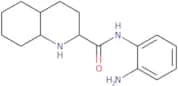
CAS:Versatile small molecule scaffoldFórmula:C9H11ClN2OPureza:Min. 95%Peso molecular:198.65 g/molN-(2-Aminophenyl)-decahydroquinoline-2-carboxamide
CAS:Versatile small molecule scaffoldFórmula:C16H23N3OPureza:Min. 95%Peso molecular:273.37 g/molRef: 3D-BAC92345
Producto descatalogado4-{[(2-Methoxyethyl)amino]methyl}benzonitrile hydrochloride
CAS:Versatile small molecule scaffold
Fórmula:C11H15ClN2OPureza:Min. 95%Peso molecular:226.7 g/mol2-[1-(2,2,2-Trifluoroethyl)-1H-imidazol-2-yl]acetonitrile
CAS:Versatile small molecule scaffold
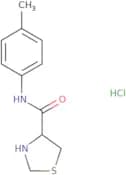
Fórmula:C7H6F3N3Pureza:Min. 95%Peso molecular:189.14 g/molN-(4-Methylphenyl)-1,3-thiazolidine-4-carboxamide hydrochloride
CAS:Versatile small molecule scaffold
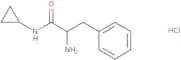
Fórmula:C11H15ClN2OSPureza:Min. 95%Peso molecular:258.77 g/mol2-Amino-N-cyclopropyl-3-phenylpropanamide hydrochloride
CAS:Versatile small molecule scaffold
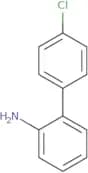
Fórmula:C12H17ClN2OPureza:Min. 95%Peso molecular:240.73 g/mol4'-Chloro-biphenyl-2-ylamine
CAS:4'-Chloro-biphenyl-2-ylamine is an organic solvent that is used in alkalization and as a reagent in chemical reactions. It has been shown to be bactericidal, with a broad spectrum of activity against Gram-positive and Gram-negative bacteria. 4'-Chloro-biphenyl-2-ylamine can be synthesized by the reaction of biphenyl with hydrogen chloride, producing an azide and chloride. The azide reacts with chloroacetic acid to produce the desired compound.
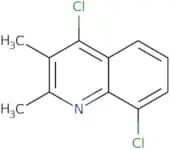
Fórmula:C12H10ClNPureza:Min. 95%Peso molecular:203.67 g/mol4,8-Dichloro-2,3-dimethylquinoline
CAS:Versatile small molecule scaffold
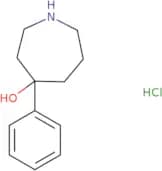
Fórmula:C11H9Cl2NPureza:Min. 95%Peso molecular:226.1 g/mol4-Phenylazepan-4-ol hydrochloride
CAS:Versatile small molecule scaffold
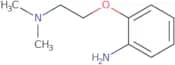
Fórmula:C12H18ClNOPureza:Min. 95%Peso molecular:227.73 g/mol2-(2-Dimethylamino-ethoxy)-phenylamine
CAS:Producto controlado2-(2-Dimethylamino-ethoxy)-phenylamine is a colorless liquid with a boiling point of 212 °C. The detection limit for this compound is 2 ppm. It has an acidity of 0.1 and can be synthesized from the reaction of two equivalents of phenol and two equivalents of ethylenediamine in the presence of conc. sulfuric acid, followed by reduction of the nitro group to an amine. This compound is used as an intermediate in the synthesis of several drugs such as amphetamine, methamphetamine, and ephedrine, as well as pharmaceuticals such as levamisole, clonidine, and mepyramine hydrochloride.
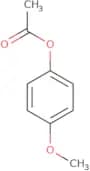
2-(2-Dimethylamino-ethoxy)-phenylamine can be detected using UV spectroscopy at wavelengths between 260 nm and 270 nm with maximum absorption at 266 nm.Fórmula:C10H16N2OPureza:Min. 95%Peso molecular:180.25 g/mol4-Methoxyphenyl acetate
CAS:4-Methoxyphenyl acetate is the product of a chloroformate reaction with an alcohol. It has been synthesized in high yield and purified by recrystallization from hexahydrate to produce a white crystalline solid. This compound is soluble in water and chloroform, and is stable at room temperature. 4-Methoxyphenyl acetate has been shown to be active against influenza virus strains Covid-19, H1N1, H3N2, PR8, H5N1, and H7N7. The mechanism of action is not fully understood but this molecule may act as a substrate for the enzyme active site of the viral polymerase complex or interfere with viral nucleic acid replication.
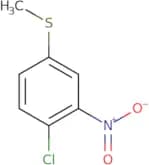
Fórmula:C9H10O3Pureza:Min. 95%Peso molecular:166.17 g/mol(4-chloro-3-nitrophenyl)(methyl)sulfane
CAS:Versatile small molecule scaffold
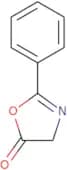
Fórmula:C7H6ClNO2SPureza:Min. 95%Peso molecular:203.64 g/mol2-Phenyl-5-oxazolone
CAS:2-Phenyl-5-oxazolone is a chemical compound that has been used as a starting material for the synthesis of various other organic compounds. It can be synthesized by the reaction of 2-phenylacetamide with 3-chloro-5,6-dihydrobenzoxazole. The kinetic data for this reaction are provided in the table below. Monoclonal antibodies have been used to detect and quantify 2-phenyl-5-oxazolone in human urine samples, but it is not yet known whether this compound plays any role in the development of prostate cancer cells. Caproic acid is a metabolite that is formed from 2-phenylacetamide during its conversion to 2-phenyl 5 oxazolone.
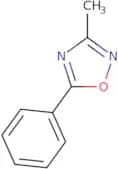
Fórmula:C9H7NO2Pureza:Min. 95%Peso molecular:161.16 g/mol3-Methyl-5-phenyl-1,2,4-oxadiazole
CAS:3-Methyl-5-phenyl-1,2,4-oxadiazole is an organic compound that has been synthesized from aminoacids. It is a mesoionic heterocyclic compound with the chemical formula CHNO. 3-Methyl-5-phenyl-1,2,4-oxadiazole is a dipolarophile and can be used in cycloaddition reactions with nitrosobenzene to produce nitrostyrenes. 3-Methyl-5-phenyl-1,2,4-oxadiazole can also be synthesized by using diazomethane as a reagent and a regiospecific process.
Fórmula:C9H8N2OPureza:Min. 95%Peso molecular:160.17 g/mol3-Pyridin-3-yl-[1,2,4]oxadiazol-5-ol
CAS:Versatile small molecule scaffold
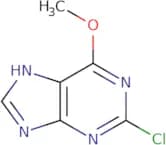
Fórmula:C7H5N3O2Pureza:Min. 95%Peso molecular:163.13 g/mol2-Chloro-6-methoxypurine
CAS:2-Chloro-6-methoxypurine is a nucleoside that is synthesized by the enzyme nucleoside phosphorylase. It is used in an enzymatic reaction to produce 2-chloroadenine and allopurinol. The reaction requires ribose and d-arabinose as substrates, and can also be carried out at high temperatures (60°C). The bacteria E. coli can be used for the production of 2-chloro-6-methoxypurine. This product has been shown to inhibit bacterial growth in vitro when mixed with other substances such as xylosides, soluble form, and thermophilic.
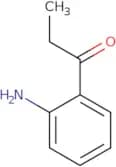
Fórmula:C6H5ClN4OPureza:Min. 95%Peso molecular:184.58 g/mol1-(2-Aminophenyl)propan-1-one
CAS:1-(2-Aminophenyl)propan-1-one (1AP) is a cytotoxic agent that belongs to the class of iminoquinones. It is a synthetic compound that can be dimerized with copper(II) ions. 1AP has been shown to induce cell death in vitro by forming an imine with DNA, which results in the formation of reactive oxygen species and nitro groups. This drug also has nitro groups that are capable of binding to proteins and carbohydrates, which may contribute to its cytotoxic activity.
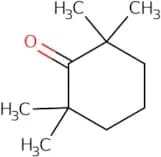
Fórmula:C9H11NOPureza:Min. 95%Peso molecular:149.19 g/mol2,2,6,6-Tetramethylcyclohexan-1-one
CAS:2,2,6,6-Tetramethylcyclohexan-1-one is a chemical compound with the molecular formula CHO. It is a colorless liquid that boils around 100°C and has a strong odor. 2,2,6,6-Tetramethylcyclohexan-1-one can be used in the dehydrogenation of alicyclic compounds to form alkenes. The reaction proceeds by attack of the intermediate on the double bond and elimination of two hydrogen atoms from an adjacent methyl group. In this process, one molecule of water is also produced. This reaction mechanism can be postulated for homologues as well.
Fórmula:C10H18OPureza:Min. 95%Peso molecular:154.25 g/molRef: 3D-BAA19593
Producto descatalogado7-Azaspiro[3.5]nonane-6,8-dione
CAS:Versatile small molecule scaffold
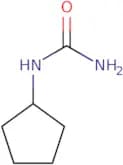
Fórmula:C8H11NO2Pureza:Min. 95%Peso molecular:153.18 g/molCyclopentylurea
CAS:Cyclopentylurea is an inhibitor of the NS3 protease, which is an enzyme that plays a key role in the replication of the hepatitis C virus. Cyclopentylurea binds to the active site of this enzyme and blocks its activity. This inhibition prevents the production of new viral particles and can help treat chronic hepatitis C. Cyclopentylurea has also been shown to have anti-cancer effects, as it inhibits protein synthesis in tumour cells and induces their apoptosis.
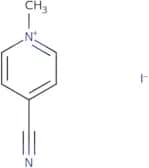
Fórmula:C6H12N2OPureza:Min. 95%Peso molecular:128.17 g/mol4-Cyano-1-methylpyridin-1-ium iodide
CAS:4-Cyano-1-methylpyridin-1-ium iodide is a yellow solid that is insoluble in water and methanol. It has anions, which are negatively charged ions, such as chlorides and cations. The cation has a positive charge, while the anion has a negative charge. This chemical also crystallizes in different crystal structures and hydrogen bonds with other molecules in the crystal lattice.
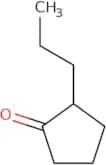
Fórmula:C7H7IN2Pureza:Min. 95%Peso molecular:246.05 g/mol2-Propylcyclopentan-1-one
CAS:2-Propylcyclopentan-1-one is a hydrolysate from the reaction of cyclopentanone and ethylene glycol, or with formaldehyde and water. It has been used for the synthesis of liquid crystals, which are composed of molecules that align parallel to each other in response to an applied electric field. 2-Propylcyclopentan-1-one is also used as a heat resistant crystal compound, and has been shown to be effective in the polymerization initiator reactions. The molecule contains a carbonyl group, which can be hydrogenated to produce saturated fatty acids. This chemical also reacts with fluorine at high temperatures, producing high kinetic energy.
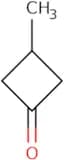
Fórmula:C8H14OPureza:Min. 95%Peso molecular:126.2 g/mol3-Methylcyclobutan-1-one
CAS:3-Methylcyclobutan-1-one is a monoterpene that is used for the production of butenes, benzene, and aspartyl. It can be photolyzed or activated with radiation to form a cyclobutane ring. The three possible stereoisomers are in an equal ratio when 3-methylcyclobutan-1-one is synthesized from cyclopropanecarboxylic acid. There are many modifications that can be done to this molecule such as oxidation, reduction, and hydrogenation. The yields of product are dependent on the type of modification used.
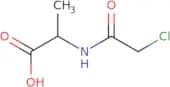
Fórmula:C5H8OPureza:Min. 95%Peso molecular:84.12 g/molN-(2-Chloroacetyl)alanine
CAS:N-(2-Chloroacetyl)alanine is a chloroacetic acid derivative that inhibits the enzyme activity of acetylcholinesterase. It has been shown to be more potent than other reversible inhibitors of this enzyme, such as clorgyline and pyridostigmine. N-(2-Chloroacetyl)alanine binds to the active site of acetylcholinesterase, causing denaturation and inactivation of the enzyme by irreversible inhibition. The binding constant for N-(2-chloroacetyl)alanine is 2.5 x 10 M. This irreversible inhibitor also causes a conformational change in the active site of acetylcholinesterase that increases the affinity for chloride ions. The optimum temperature for this reaction is between 25 and 30 degrees Celsius. Zinc ions may also increase the potency of N-(2-chloroacetyl)alanine by increasing its binding affinity to chloride ions at low concentrations
Fórmula:C5H8ClNO3Pureza:Min. 95%Peso molecular:165.57 g/molO,O,S-Triethyl phosphorothioate
CAS:O,O,S-Triethyl phosphorothioate is a pesticide that inhibits the growth of insects by binding to the active site of the enzyme acetylcholinesterase. It is used in agriculture as a synergist with piperonyl butoxide (PBO) for protection against pests such as termites and cockroaches. Triethyl phosphorothioate has been shown to cause lung damage in rats when given at high doses. The relevance of this finding to humans is not clear. It may be due to its ability to generate reactive oxygen species and lipid peroxidation products in tissues. This effect can be prevented by giving animals PBO pre-treatment or by using lower doses of triethanolamine phosphorothioate.
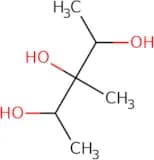
Fórmula:C6H15O3PSPureza:Min. 95%Peso molecular:198.22 g/mol3-Methylpentane-2,3,4-triol
CAS:Versatile small molecule scaffold
Fórmula:C6H14O3Pureza:Min. 95%Peso molecular:134.17 g/molRef: 3D-BAA18510
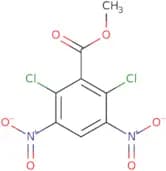
Producto descatalogadoMethyl 2,6-dichloro-3,5-dinitrobenzoate
CAS:Versatile small molecule scaffold
Fórmula:C8H4Cl2N2O6Pureza:Min. 95%Peso molecular:295.03 g/mol4-(3-Chlorophenoxy)-benzoic acid
CAS:Versatile small molecule scaffold
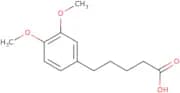
Fórmula:C13H9ClO3Pureza:Min. 95%Peso molecular:248.66 g/mol5-(3,4-Dimethoxyphenyl)pentanoic acid
CAS:Versatile small molecule scaffold
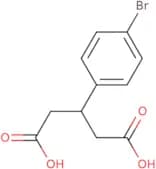
Fórmula:C13H18O4Pureza:Min. 95%Peso molecular:238.28 g/mol3-(4-Bromophenyl)pentanedioic acid
CAS:Versatile small molecule scaffold
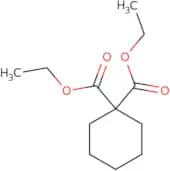
Fórmula:C11H11BrO4Pureza:Min. 95%Peso molecular:287.11 g/molDiethyl 1,1-cyclohexanedicarboxylate
CAS:Diethyl 1,1-cyclohexanedicarboxylate is an ester that can be hydrolyzed by alkaline conditions. It can be used as a solvent and as a raw material in the production of other chemicals. Diethyl 1,1-cyclohexanedicarboxylate is more soluble in water than diethyl ether and diethylene glycol. The cyclohexane ring helps to prevent the formation of peroxides when exposed to air. This product is mainly used as a solvent for lacquer thinners, paints, varnishes, and resins.
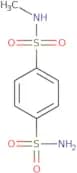
Fórmula:C12H20O4Pureza:Min. 95%Peso molecular:228.29 g/mol1-N-Methylbenzene-1,4-disulfonamide
CAS:Versatile small molecule scaffold
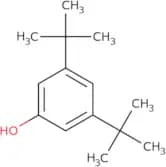
Fórmula:C7H10N2O4S2Pureza:Min. 95%Peso molecular:250.3 g/mol3,5-Di-tert-butylphenol
CAS:3,5-Di-tert-butylphenol is a reactive compound that has been used as an analytical control agent. It has been shown to have an absorption maximum at 230 nm and a strong absorption band in the ultraviolet region of the spectrum. 3,5-Di-tert-butylphenol is also known to have a high uptake capacity for citric acid and sodium carbonate in uptake assays. The hydrogen bond between 3,5-Di-tert-butylphenol and p-hydroxybenzoic acid is intramolecular and can be broken by heating with acetate extract. This compound has been shown to be toxic in Sprague Dawley rats. 3,5-Di-tert-butylphenol undergoes activation energies of 2.6 kcal/mol (1) and 10 kcal/mol (2).
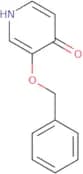
Fórmula:C14H22OPureza:Min. 95%Peso molecular:206.33 g/mol3-(Benzyloxy)-1,4-dihydropyridin-4-one
CAS:Versatile small molecule scaffold
Fórmula:C12H11NO2Pureza:Min. 95%Peso molecular:201.22 g/mol
![[rac-(1R,3R)-3-Amino-1-phenylcyclobutyl]methanol hydrochloride](/_next/image/?url=https%3A%2Fstatic.cymitquimica.com%2Fproducts%2F3D%2Fthumb-webp%2FBKD14463.webp&w=3840&q=75)



![4-{[(Propan-2-yl)amino]methyl}benzonitrile hydrochloride](/_next/image/?url=https%3A%2Fstatic.cymitquimica.com%2Fproducts%2F3D%2Fthumb-webp%2FBAC92399.webp&w=3840&q=75)
![2-[4-(Aminomethyl)phenoxy]acetonitrile hydrochloride](/_next/image/?url=https%3A%2Fstatic.cymitquimica.com%2Fproducts%2F3D%2Fthumb-webp%2FBAC92362.webp&w=3840&q=75)
![4-{[(2-Methoxyethyl)amino]methyl}benzonitrile hydrochloride](/_next/image/?url=https%3A%2Fstatic.cymitquimica.com%2Fproducts%2F3D%2Fthumb-webp%2FBAC92340.webp&w=3840&q=75)
![2-[1-(2,2,2-Trifluoroethyl)-1H-imidazol-2-yl]acetonitrile](/_next/image/?url=https%3A%2Fstatic.cymitquimica.com%2Fproducts%2F3D%2Fthumb-webp%2FBAC92315.webp&w=3840&q=75)
![3-Pyridin-3-yl-[1,2,4]oxadiazol-5-ol](/_next/image/?url=https%3A%2Fstatic.cymitquimica.com%2Fproducts%2F3D%2Fthumb-webp%2FBAA19899.webp&w=3840&q=75)
![7-Azaspiro[3.5]nonane-6,8-dione](/_next/image/?url=https%3A%2Fstatic.cymitquimica.com%2Fproducts%2F3D%2Fthumb-webp%2FBAA19586.webp&w=3840&q=75)