


Building Blocks
Subcategorías de "Building Blocks"
- Ácidos borónicos y derivados del ácido borónico(5.778 productos)
- Building Blocks quirales(1.243 productos)
- Building Blocks de hidrocarburos(6.099 productos)
- Building Blocks orgánicos(61.038 productos)
Se han encontrado 205376 productos de "Building Blocks"
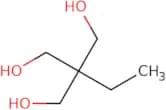
1,1,1-Tris(hydroxymethyl)propane
CAS:Tris(hydroxymethyl)propane is a diphenyl ether that has been shown to have an electrochemical impedance spectroscopy (EIS) spectrum in the human serum that is similar to those of other known antioxidants. Tris(hydroxymethyl)propane has been shown to protect against light-induced damage in human skin cells, and it also has radiation protective effects. Tris(hydroxymethyl)propane has also been shown to interact with trimethylolpropane, which is another antioxidant, and this interaction may affect the effectiveness of each agent. Tris(hydroxymethyl)propane inhibits lipid peroxidation by inhibiting the oxidation of fatty acids and hydroxyl groups on proteins.
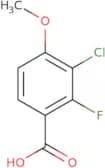
Fórmula:C6H14O3Pureza:Min. 95%Peso molecular:134.17 g/mol3-Chloro-2-fluoro-4-methoxybenzoic acid
CAS:Versatile small molecule scaffold
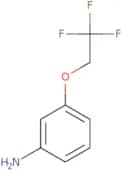
Fórmula:C8H6ClFO3Pureza:Min. 95%Peso molecular:204.58 g/mol3-(2,2,2-Trifluoroethoxy)aniline
CAS:Versatile small molecule scaffold
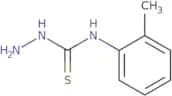
Fórmula:C8H8F3NOPureza:Min. 95%Peso molecular:191.15 g/mol4-(2-Methylphenyl)-3-thiosemicarbazide
CAS:4-(2-Methylphenyl)-3-thiosemicarbazide is a crystalline solid that belongs to the group of benzoic acid derivatives. It has an orthorhombic crystal structure, with a yellow color. The crystals are measured at room temperature, and it has an atomic weight of 197.11 g/mol. 4-(2-Methylphenyl)-3-thiosemicarbazide is stable in air and in solution, but decomposes at temperatures above 250°C. This compound has been studied by using X-ray diffraction measurements and Bruker parameters. Its isotropic radiation is recorded at the following wavelength: 1.5418 Å (1).
Fórmula:C8H11N3SPureza:Min. 95%Peso molecular:181.26 g/molrac-(2R,4S)-1-[(tert-Butoxy)carbonyl]-4-ethylpiperidine-2-carboxylic acid
CAS:Versatile small molecule scaffoldFórmula:C13H23NO4Pureza:Min. 95%Peso molecular:257.33 g/molRef: 3D-YEA81184
Producto descatalogado2-[(3-Nitrophenyl)formamido]acetic acid
CAS:2-[(3-Nitrophenyl)formamido]acetic acid (2NPA) is a modifying agent that has been used in the modification of carboxyl groups. It can react with nucleophiles to form adducts and with carbodiimides to form ureas. 2NPA reacts with amino acids, peptides, and other nitrogenous compounds at their carboxyl groups to form ester or amide bonds. The nature of the residues after modification varies depending on the nature of the carboxyl group that was modified.
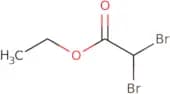
Fórmula:C9H8N2O5Pureza:Min. 95%Peso molecular:224.17 g/molAcetic acid, dibromo-, ethyl ester
CAS:Acetic acid, dibromo-, ethyl ester is a reactive molecule that can be used as a nucleophilic substituent. It has hydroxyl group and ruthenium complex. It is a particle that can be used in the production of monoclonal antibodies. Acetic acid, dibromo-, ethyl ester also has viscosity and polycarboxylic acid. This chemical reacts with β-unsaturated ketones to form polymerization initiator. Acetic acid, dibromo-, ethyl ester also has carbonyl group and monoclonal antibodies. Acetic acid, dibromo-, ethyl ester can be conjugated with ethyl bromoacetate to produce conjugates.
Fórmula:C4H6Br2O2Pureza:Min. 95%Peso molecular:245.9 g/molN-{4-[(Carbamimidoylmethyl)sulfanyl]phenyl}-2,2-dimethylpropanamide hydrochloride
CAS:Versatile small molecule scaffoldFórmula:C13H20ClN3OSPureza:Min. 95%Peso molecular:301.84 g/mol1-{[1-(Bromomethyl)cyclopropyl]methoxy}-3-(methoxymethyl)benzene
CAS:Versatile small molecule scaffold
Fórmula:C13H17BrO2Pureza:Min. 95%Peso molecular:285.18 g/molRef: 3D-YGC03501
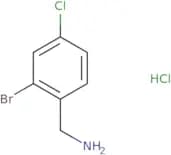
Producto descatalogado(2-Bromo-4-chlorophenyl)methanamine hydrochloride
CAS:Versatile small molecule scaffold
Fórmula:C7H8BrCl2NPureza:Min. 95%Peso molecular:256.95 g/mol3-[(Pyridin-4-yl)methyl]-1,2,4-oxadiazol-5-amine
CAS:Versatile small molecule scaffold
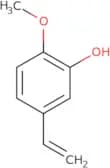
Fórmula:C8H8N4OPureza:Min. 95%Peso molecular:176.18 g/mol5-Ethenyl-2-methoxyphenol
CAS:5-Ethenyl-2-methoxyphenol is a volatile compound that has been isolated from the bark of the cinnamon tree. It has shown anticancer activities "in vitro" and "in vivo". 5-Ethenyl-2-methoxyphenol has been shown to be demethylated by cytochrome P450 enzymes, which may result in its antitumor activity. This active compound can also be detected in postharvested fruit and vegetables as well as processed foods such as apple juice, tomato sauce, and dried fruits. 5-Ethenyl-2-methoxyphenol is responsible for the characteristic flavor of cinnamon, so it is often used as a flavoring agent in food processing.
Fórmula:C9H10O2Pureza:Min. 95%Forma y color:PowderPeso molecular:150.17 g/mol4-oxo-2-spiro(N-Boc-piperidine-4-yl)-benzopyran
CAS:Versatile small molecule scaffold
Fórmula:C18H23NO4Pureza:Min. 95%Peso molecular:317.39 g/mol4-Propyl-1-sulfanyl-4H,5H-[1,2,4]triazolo[4,3-a]quinazolin-5-one
CAS:Versatile small molecule scaffold
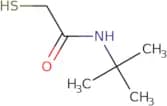
Fórmula:C12H12N4OSPureza:Min. 95%Peso molecular:260.32 g/molN-tert-Butyl-2-sulfanylacetamide
CAS:Versatile small molecule scaffold
Fórmula:C6H13NOSPureza:Min. 95%Peso molecular:147.2 g/molPiperazine-1-sulfonamide
CAS:Piperazine-1-sulfonamide is a protein inhibitor that belongs to the group of regulatory agents. It is used to regulate the growth of various types of cells, including immune cells and smooth muscle cells. Piperazine-1-sulfonamide has been shown to inhibit chemokine receptor activity in inflammatory bowel disease, which may be due to its ability to inhibit CXCR4 and CCR5 receptors. This drug also inhibits dpp-iv, an enzyme involved in protein degradation. The pharmacokinetic properties of this agent are not well studied, but it does show toxicity studies in rats at higher doses. Piperazine-1-sulfonamide can cause congestive heart failure and liver damage at high doses, so it should not be used for prolonged periods of time.
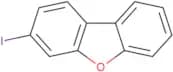
Fórmula:C4H11N3O2SPureza:Min. 95%Peso molecular:165.21 g/mol3-Iododibenzofuran
CAS:3-Iododibenzofuran is a fluorescent compound that has been used as a probe for the study of neutral endopeptidase activity. The compound is characterized by a high degree of thermal stability and an inhibitory potency at pH 7.0 that is approximately 3 orders of magnitude greater than that of the active site inhibitor, anthracene. 3-Iododibenzofuran can be synthesized using chemoenzymatic methods, with efficiencies and profiles that are similar to those obtained in the conventional method. This probe can also be used to investigate the functional role of proteins in living cells or tissues.
3-Iodobenzofuran has been shown to have pressor effects in rats and can cause tetrazole (a type of explosive) to detonate when heated, which makes it unsuitable for use in devices such as explosives or pyrotechnics.Fórmula:C12H7IOPureza:Min. 95%Peso molecular:294.09 g/molRef: 3D-FAA89629
Producto descatalogado4-Chloro-2,6-dimethyl-5-phenylthieno[2,3-d]pyrimidine
CAS:Versatile small molecule scaffold
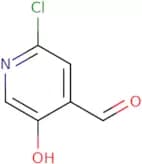
Fórmula:C14H11ClN2SPureza:Min. 95%Peso molecular:274.8 g/mol2-Chloro-5-hydroxyisonicotinaldehyde
CAS:Versatile small molecule scaffoldFórmula:C6H4ClNO2Pureza:Min. 95%Peso molecular:157.55 g/mol2,2,2-Trifluoroethyl N-[3-fluoro-4-(1H-pyrazol-1-yl)phenyl]carbamate
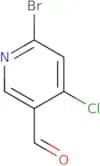
CAS:Versatile small molecule scaffoldFórmula:C12H9F4N3O2Pureza:Min. 95%Peso molecular:303.21 g/mol6-bromo-4-chloropyridine-3-carbaldehyde
CAS:Versatile small molecule scaffold
Fórmula:C6H3BrClNOPureza:Min. 95%Peso molecular:220.5 g/molAmyl Acetate
CAS:Amyl acetate is a reactive, volatile organic compound that is used in the manufacture of plasticizers, resins, and synthetic rubber. It is also used as a solvent for dyes and pigments, as well as a flavoring agent in food processing. Amyl acetate has been shown to have antimicrobial properties against human pathogens such as methicillin-resistant Staphylococcus aureus (MRSA), Escherichia coli, and Salmonella enterica. The antimicrobial activity of this molecule may be due to its ability to react with cellular components such as proteins and lipids. Amyl acetate also inhibits the growth of microorganisms by inhibiting their synthesis of essential biomolecules like amino acids and nucleic acids.
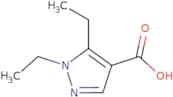
Fórmula:C7H14O2Pureza:Min. 95%Peso molecular:130.19 g/mol1,5-Diethyl-1H-pyrazole-4-carboxylic acid
CAS:Versatile small molecule scaffold
Fórmula:C8H12N2O2Pureza:Min. 95%Peso molecular:168.19 g/mol8-Oxo-8H-pyrano[3,4-b]pyridine-6-carboxylic acid
CAS:Versatile small molecule scaffold
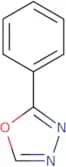
Fórmula:C9H5NO4Pureza:Min. 95%Peso molecular:191.14 g/mol2-Phenyl-1,3,4-oxadiazole
CAS:2-Phenyl-1,3,4-oxadiazole is a 2-phenyloxazole with an oxygen atom at the 1 position. It is a white crystalline solid that is soluble in water and has antibacterial properties. This chemical can be used as a catalyst for the synthesis of organic compounds. 2-Phenyl-1,3,4-oxadiazole reacts with nitro groups to form oxime derivatives and has been shown to inhibit the growth of fungi such as Candida albicans and Aspergillus niger. 2-Phenyl-1,3,4-oxadiazole can also be used as an antifungal agent against Trichophyton rubrum.
2-Phenyl-1,3,4-oxadiazole may be synthesized by reacting phenol with acetone in the presence of nitric acid or sulfuric acid. The structural formula for this compound isFórmula:C8H6N2OPureza:Min. 95%Peso molecular:146.15 g/mol5-(1,3-Dioxolan-2-yl)furan-2-carbonitrile
CAS:Versatile small molecule scaffold
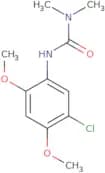
Fórmula:C8H7NO3Pureza:Min. 95%Peso molecular:165.15 g/mol1-(5-Chloro-2,4-dimethoxyphenyl)-3,3-dimethylurea
CAS:Versatile small molecule scaffold
Fórmula:C11H15ClN2O3Pureza:Min. 95%Peso molecular:258.7 g/molMethyl 6-bromo-2-(trifluoromethyl)imidazo[1,5-a]pyrimidine-8-carboxylate
CAS:Versatile small molecule scaffold
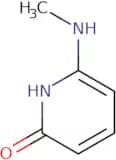
Fórmula:C9H5BrF3N3O2Pureza:Min. 95%Peso molecular:324.05 g/mol6-(Methylamino)pyridin-2-ol
CAS:Versatile small molecule scaffold
Fórmula:C6H8N2OPureza:Min. 95%Peso molecular:124.14 g/molRef: 3D-KIA55180
Producto descatalogado1-[5-(Trifluoromethyl)-1,3,4-thiadiazol-2-yl]piperazine hydrochloride
CAS:Versatile small molecule scaffold
Fórmula:C7H10ClF3N4SPureza:Min. 95%Peso molecular:274.7 g/mol5-(3H-Pyrazol-3-ylidene)-1,2,4-triazolidine-3-thione
CAS:Versatile small molecule scaffold
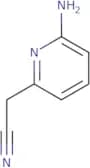
Fórmula:C5H5N5SPureza:Min. 95%Peso molecular:167.19 g/mol2-(6-Aminopyridin-2-yl)acetonitrile
CAS:Versatile small molecule scaffold
Fórmula:C7H7N3Pureza:Min. 95%Peso molecular:133.15 g/molRef: 3D-ARA77668
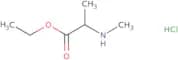
Producto descatalogadoEthyl (2R)-2-(methylamino)propanoate hydrochloride
CAS:Versatile small molecule scaffoldFórmula:C6H14ClNO2Pureza:Min. 95%Peso molecular:167.6 g/mol[1-(1-Ethyl-3-methyl-1H-pyrazol-4-yl)propyl]amine
CAS:Versatile small molecule scaffold
Fórmula:C9H17N3Pureza:Min. 95%Peso molecular:167.25 g/mol5-[(Phenylthio)methyl]-2-furoic acid
CAS:Versatile small molecule scaffold
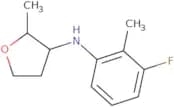
Fórmula:C12H10O3SPureza:Min. 95%Peso molecular:234.27 g/molN-(3-Fluoro-2-methylphenyl)-2-methyloxolan-3-amine
CAS:Versatile small molecule scaffold
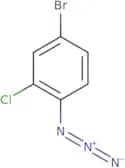
Fórmula:C12H16FNOPureza:Min. 95%Peso molecular:209.26 g/mol1-Azido-4-bromo-2-chlorobenzene
CAS:Versatile small molecule scaffold
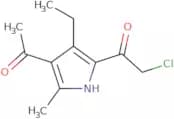
Fórmula:C6H3BrClN3Pureza:Min. 95%Peso molecular:232.46 g/mol1-(4-Acetyl-3-ethyl-5-methyl-1H-pyrrol-2-yl)-2-chloroethan-1-one
CAS:Versatile small molecule scaffold
Fórmula:C11H14ClNO2Pureza:Min. 95%Peso molecular:227.69 g/mol2-(Pyrrolidin-3-yl)ethanol hydrochloride
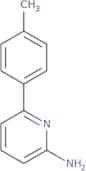
CAS:Versatile small molecule scaffoldFórmula:C6H13NO·HClPureza:Min. 95%Peso molecular:151.64 g/mol6-(p-Tolyl)pyridin-2-amine
CAS:Versatile small molecule scaffold
Fórmula:C12H12N2Pureza:Min. 95%Peso molecular:184.24 g/mol6-Methyl-5-oxa-8-azaspiro[3.5]nonane
CAS:Versatile small molecule scaffold
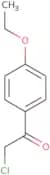
Fórmula:C8H15NOPureza:Min. 95%Peso molecular:141.21 g/mol2-Chloro-1-(4-ethoxyphenyl)ethan-1-one
CAS:2-Chloro-1-(4-ethoxyphenyl)ethan-1-one is a hydrocarbon radical that is used as a vitamin and in the synthesis of other molecules. This molecule has a covalent bond between the two chlorine atoms and one carbon atom. The hydrocarbon radical is also present in many hydrocarbons.
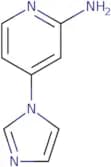
Fórmula:C10H11ClO2Pureza:Min. 95%Peso molecular:198.64 g/mol4-(1H-Imidazol-1-yl)pyridin-2-amine
CAS:Versatile small molecule scaffold
Fórmula:C8H8N4Pureza:Min. 95%Peso molecular:160.18 g/mol2-[(3-Chloro-4-fluorophenyl)methyl]-2-methylpyrrolidine hydrochloride
CAS:Versatile small molecule scaffold
Fórmula:C12H16Cl2FNPureza:Min. 95%Peso molecular:264.16 g/molRef: 3D-KHD06393
Producto descatalogado4-(Cyclohexyloxy)pyridin-2-amine
CAS:Versatile small molecule scaffold
Fórmula:C11H16N2OPureza:Min. 95%Peso molecular:192.3 g/molRef: 3D-PCC35658
Producto descatalogado2-Methylsulfonylthiophene
CAS:2-Methylsulfonylthiophene is a modulating agent that can inhibit the activity of carbonic anhydrase, adenosine receptors and 5-membered heteroaryl. It has been shown to have affinity for CB1 receptor antagonists and is used to treat cardiovascular diseases. 2-Methylsulfonylthiophene also inhibits the enzymatic activity of anhydrase in the eye, which leads to suppression of intraocular pressure (IOP). The drug also has anti-glaucoma effects by reducing the production of aqueous humour. 2-Methylsulfonylthiophene is used as a dyestuff intermediate and as an organic solvent.
Fórmula:C5H6O2S2Pureza:Min. 95%Peso molecular:162.23 g/mol2-Phenyl-2-[(propan-2-yl)amino]acetic acid
CAS:Versatile small molecule scaffold
Fórmula:C11H15NO2Pureza:Min. 95%Peso molecular:193.24 g/mol4,5-Dibromo-3-methoxythiophene-2-carboxylic acid
CAS:Versatile small molecule scaffoldFórmula:C6H4Br2O3SPureza:Min. 95%Peso molecular:315.97 g/mol4H-pyrrolo[2,3-D]thiazole-5-carboxylic acid
CAS:Versatile small molecule scaffold
Fórmula:C6H4N2O2SPureza:Min. 95%Peso molecular:168.17 g/mol5-Methoxybicyclo[2.2.1]heptan-2-amine hydrochloride
CAS:Versatile small molecule scaffoldFórmula:C8H16ClNOPureza:Min. 95%Peso molecular:177.7 g/mol

![rac-(2R,4S)-1-[(tert-Butoxy)carbonyl]-4-ethylpiperidine-2-carboxylic acid](/_next/image/?url=https%3A%2Fstatic.cymitquimica.com%2Fproducts%2F3D%2Fthumb-webp%2FYEA81184.webp&w=3840&q=75)
![2-[(3-Nitrophenyl)formamido]acetic acid](/_next/image/?url=https%3A%2Fstatic.cymitquimica.com%2Fproducts%2F3D%2Fthumb-webp%2FAAA61710.webp&w=3840&q=75)
![N-{4-[(Carbamimidoylmethyl)sulfanyl]phenyl}-2,2-dimethylpropanamide hydrochloride](/_next/image/?url=https%3A%2Fstatic.cymitquimica.com%2Fproducts%2F3D%2Fthumb-webp%2FYGC03402.webp&w=3840&q=75)
![1-{[1-(Bromomethyl)cyclopropyl]methoxy}-3-(methoxymethyl)benzene](/_next/image/?url=https%3A%2Fstatic.cymitquimica.com%2Fproducts%2F3D%2Fthumb-webp%2FYGC03501.webp&w=3840&q=75)
![3-[(Pyridin-4-yl)methyl]-1,2,4-oxadiazol-5-amine](/_next/image/?url=https%3A%2Fstatic.cymitquimica.com%2Fproducts%2F3D%2Fthumb-webp%2FYZB21426.webp&w=3840&q=75)
![4-Propyl-1-sulfanyl-4H,5H-[1,2,4]triazolo[4,3-a]quinazolin-5-one](/_next/image/?url=https%3A%2Fstatic.cymitquimica.com%2Fproducts%2F3D%2Fthumb-webp%2FREB73179.webp&w=3840&q=75)

![4-Chloro-2,6-dimethyl-5-phenylthieno[2,3-d]pyrimidine](/_next/image/?url=https%3A%2Fstatic.cymitquimica.com%2Fproducts%2F3D%2Fthumb-webp%2FHFB22158.webp&w=3840&q=75)
![2,2,2-Trifluoroethyl N-[3-fluoro-4-(1H-pyrazol-1-yl)phenyl]carbamate](/_next/image/?url=https%3A%2Fstatic.cymitquimica.com%2Fproducts%2F3D%2Fthumb-webp%2FEEC95905.webp&w=3840&q=75)

![8-Oxo-8H-pyrano[3,4-b]pyridine-6-carboxylic acid](/_next/image/?url=https%3A%2Fstatic.cymitquimica.com%2Fproducts%2F3D%2Fthumb-webp%2FRID26773.webp&w=3840&q=75)

![Methyl 6-bromo-2-(trifluoromethyl)imidazo[1,5-a]pyrimidine-8-carboxylate](/_next/image/?url=https%3A%2Fstatic.cymitquimica.com%2Fproducts%2F3D%2Fthumb-webp%2FNKD25350.webp&w=3840&q=75)
![1-[5-(Trifluoromethyl)-1,3,4-thiadiazol-2-yl]piperazine hydrochloride](/_next/image/?url=https%3A%2Fstatic.cymitquimica.com%2Fproducts%2F3D%2Fthumb-webp%2FWAC73867.webp&w=3840&q=75)

![[1-(1-Ethyl-3-methyl-1H-pyrazol-4-yl)propyl]amine](/_next/image/?url=https%3A%2Fstatic.cymitquimica.com%2Fproducts%2F3D%2Fthumb-webp%2FHQB46021.webp&w=3840&q=75)
![5-[(Phenylthio)methyl]-2-furoic acid](/_next/image/?url=https%3A%2Fstatic.cymitquimica.com%2Fproducts%2F3D%2Fthumb-webp%2FEDA50496.webp&w=3840&q=75)

![6-Methyl-5-oxa-8-azaspiro[3.5]nonane](/_next/image/?url=https%3A%2Fstatic.cymitquimica.com%2Fproducts%2F3D%2Fthumb-webp%2FHJC13358.webp&w=3840&q=75)
![2-[(3-Chloro-4-fluorophenyl)methyl]-2-methylpyrrolidine hydrochloride](/_next/image/?url=https%3A%2Fstatic.cymitquimica.com%2Fproducts%2F3D%2Fthumb-webp%2FKHD06393.webp&w=3840&q=75)

![2-Phenyl-2-[(propan-2-yl)amino]acetic acid](/_next/image/?url=https%3A%2Fstatic.cymitquimica.com%2Fproducts%2F3D%2Fthumb-webp%2FHXA09010.webp&w=3840&q=75)

![4H-pyrrolo[2,3-D]thiazole-5-carboxylic acid](/_next/image/?url=https%3A%2Fstatic.cymitquimica.com%2Fproducts%2F3D%2Fthumb-webp%2FHQB38672.webp&w=3840&q=75)
![5-Methoxybicyclo[2.2.1]heptan-2-amine hydrochloride](/_next/image/?url=https%3A%2Fstatic.cymitquimica.com%2Fproducts%2F3D%2Fthumb-webp%2FFSD25240.webp&w=3840&q=75)