Alcoholes
Los alcoholes son una amplia gama de moléculas orgánicas derivadas de hidrocarburos que contienen uno o más grupos hidroxilo (grupo OH). Estos compuestos son esenciales en diversas reacciones químicas y se utilizan ampliamente en entornos de laboratorio para síntesis, como disolventes y en química analítica. En CymitQuimica, ofrecemos alcoholes de alta calidad preparados para uso en laboratorio, apoyando sus investigaciones y aplicaciones industriales con productos fiables y efectivos. Nuestra selección garantiza que tenga los alcoholes adecuados para sus necesidades específicas, ya sea para trabajos rutinarios de laboratorio o proyectos de investigación especializados.
Subcategorías de "Alcoholes"
Se han encontrado 5814 productos de "Alcoholes"
Ordenar por
Pureza (%)
0
100
|
0
|
50
|
90
|
95
|
100
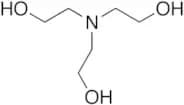
Triethanolamine
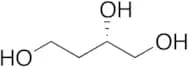
CAS:Producto controlado<p>Applications Triethanolamine is used primarily as a surfactant, reducing the surface tension between two media. It is also used as a general emulsifier for preparations, such as ones involving drug penetration assays.<br>References Huo, Q. et al.: Chem. Mat., 8, 1147 (1996); Alves, MN. et al.: Int. J. Pharm., 341, 215 (2007);<br></p>Fórmula:C6H15NO3Forma y color:ColourlessPeso molecular:149.19(S)-(-)-1,2,4-Butanetriol
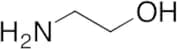
CAS:Producto controlado<p>Applications (S)-(-)-1,2,4-Butanetriol is a general reagent used in organic synthesis. Used in the enantioselective preparation of a cyclobutane analogue of Milnacipran.<br>References Nguyen, D. et al.: Org. Chem. Front., 4, 1276 (2017);<br></p>Fórmula:C4H10O3Forma y color:ColourlessPeso molecular:106.12Ethanolamine
CAS:Producto controlado<p>Applications Ethanolamine is used in the preparation of various pharmaceutical compounds and inhibitors. Substituted carboxamides are synthesized using Ethanolamine that show potent antitumor activity. Also used in the synthesis of aminoquinolones which display anti-plasmodial activity.<br> Not a dangerous good if item is equal to or less than 1g/ml and there is less than 100g/ml in the package<br>References Lombardo, L. et al.: J. Med. Chem., 47, 6658 (2004); Egan, T.: J. Med. Chem., 43, 283 (2000);<br></p>Fórmula:C2H7NOForma y color:ColourlessPeso molecular:61.082-[[(4-Anilinophenyl)imino]methyl]-4,6-dichlorophenol
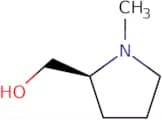
CAS:<p>2-[[(4-Anilinophenyl)imino]methyl]-4,6-dichlorophenol is a chemical that has been used in the synthesis of pharmaceuticals and other organic compounds. It is a versatile building block for the preparation of complex compounds and fine chemicals. This product can be used as a reagent or reaction component for research purposes. It is also useful as an intermediate or building block in the synthesis of drugs and other organic compounds. CAS No. 303215-67-0</p>Fórmula:C19H14Cl2N2OPureza:Min. 95%Forma y color:Red PowderPeso molecular:357.23 g/mol(1-Methylpyrrolidin-2-yl)methanol
CAS:<p>(1-Methylpyrrolidin-2-yl)methanol (MPPM) is an organic chemical compound that is used as a surfactant. It belongs to the class of gemini surfactants that have a chiral center in the molecule. MPPM interacts with other molecules, forming homochiral complexes. This interaction leads to stereoselectivity in reactions and can be observed by cryo-electron microscopy. The receptor subtype for MPPM has been identified as GPCR, which are proteins that bind to neurotransmitters and hormones. When MPPM binds to GPCR, it inhibits the binding of neurotransmitters and hormones, preventing their activation of downstream signaling pathways.<br>MPPM is also an acrylate and an aldehyde. Acrylates are compounds that react with alcohols or phenols to form polymers or copolymers, while aldehydes react with amines to form imines or</p>Fórmula:C6H13NOPureza:Min. 95%Forma y color:Clear LiquidPeso molecular:115.17 g/mol1,2-Dipalmitoyl-sn-glycero-3-phosphoethanolamine
CAS:<p>1,2-Dipalmitoyl-sn-glycero-3-phosphoethanolamine is a phospholipid that plays an important role in many cellular processes. It is a major component of the lipid bilayer that surrounds cells and provides stability to the membrane. 1,2-Dipalmitoyl-sn-glycero-3-phosphoethanolamine can form hydrogen bonding interactions with other molecules in the cytoplasm. The redox potential of this compound is also high enough to allow it to participate in oxidation reactions. This phospholipid also has a phase transition temperature at which it changes from a liquid state to a solid state at room temperature. 1,2-Dipalmitoyl-sn-glycero-3-phosphoethanolamine can be used as a reaction mechanism for synthesizing glycosylated proteins or lipids. In vitro assays have been performed using this compound as</p>Fórmula:C37H74NO8PPeso molecular:691.96 g/mol1-Octacosanol, 90%
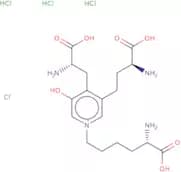
CAS:<p>Octacosanol is a mixture of eight fatty alcohols that can be found in wheat germ oil. It has been shown to have hypoglycemic effects and may be useful for the treatment of bowel disease. Octacosanol has been shown to have anti-inflammatory properties, which may be due to its ability to prevent the release of prostaglandin E2 from macrophages, thereby inhibiting the production of inflammatory mediators. It also binds to 2-adrenergic receptors and is thought to regulate energy metabolism by increasing levels of ATP in cells. Octacosanol is commonly used for elderly patients with metabolic disorders such as type II diabetes or hyperlipidemia.</p>Fórmula:C28H58OPureza:Min. 90%Forma y color:PowderPeso molecular:410.76 g/molDeoxypyridinoline chloride 3HCl
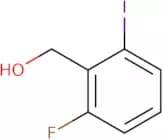
CAS:<p>Deoxypyridinoline chloride 3HCl is a fine chemical that is used as a building block in the synthesis of organic compounds. Deoxypyridinoline chloride 3HCl can be used as a reagent and speciality chemical in research laboratories, as well as in the manufacture of pharmaceuticals and other organic molecules. Deoxypyridinoline chloride 3HCl is also versatile, serving as an intermediate to produce other chemicals, or as a reaction component to produce complex products with specialized properties. The compound has been registered by the Chemical Abstracts Service (CAS) under CAS No. 204074-56-6.</p>Fórmula:C18H32Cl4N4O7Pureza:Min. 95%Forma y color:PowderPeso molecular:558.28 g/mol6-Fluoro-2-iodobenzyl alcohol
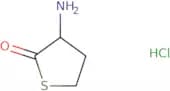
CAS:<p>6-Fluoro-2-iodobenzyl Alcohol is a versatile building block for the synthesis of complex compounds. It is used in research and as a reagent for the synthesis of pharmaceuticals, pesticides and other organic compounds. 6-Fluoro-2-iodobenzyl alcohol has been shown to be useful in the formation of high quality and useful intermediates, reaction components, and scaffolds. The CAS number for this chemical is 911825-94-0.</p>Fórmula:C7H6FIOPureza:Min. 95%Peso molecular:252.02 g/molDL-Homocysteine thiolactone hydrochloride
CAS:<p>DL-Homocysteine thiolactone hydrochloride is a compound that has been found in human serum and urine. It is used to measure the concentration of homocysteine in the blood, which may be an indicator of coronary heart disease. DL-Homocysteine thiolactone hydrochloride is used to synthesize the amino acid cysteine, which is vital for cell growth and protein synthesis. DL-Homocysteine thiolactone hydrochloride also has optical properties that make it suitable as a photochromic material. The compound has been shown to be a hydrogen bond donor, which makes it useful for stabilizing proteins in mammalian cells.</p>Fórmula:C4H8ClNOSPureza:Min. 95%Forma y color:White PowderPeso molecular:153.63 g/mol2-Chloro-1-methylquinolinium tetrafluoroborate
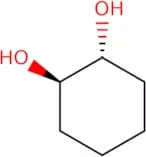
CAS:<p>2-Chloro-1-methylquinolinium tetrafluoroborate (2CQBF) is a synthetic compound that inhibits protein synthesis. It has been used as an analytical reagent for the determination of proteins, including those in urine samples. 2CQBF has been shown to be effective in the treatment of cancer and other diseases, such as lupus erythematosus, arthritis, and psoriasis.</p>Fórmula:C10H9ClN•BF4Pureza:Min. 95%Forma y color:White PowderPeso molecular:265.44 g/moltrans-1,2-Cyclohexanediol
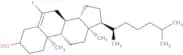
CAS:<p>Trans-1,2-cyclohexanediol is a chemical compound that has been shown to have infectivity in the treatment of cardiac disorders. It has also been shown to be an effective anti-inflammatory agent and may have clinical relevance in the treatment of congestive heart disease. The mechanism of action is unknown, but it may be due to its ability to inhibit the production of prostaglandin E2 and thromboxane A2 by inhibiting cyclooxygenase. Trans-1,2-cyclohexanediol has also been shown to be metabolized into glucuronide conjugates, which are excreted through the kidneys.</p>Fórmula:C6H12O2Pureza:Min. 95%Forma y color:PowderPeso molecular:116.16 g/mol(17α)-6-Fluorocholest-5-en-3-ol
CAS:Producto controlado<p>(17alpha)-6-Fluorocholest-5-en-3-ol is a fluorinated cholesterol derivative that inhibits the cholesterol acyltransferase enzyme, which is responsible for the enzymatic esterification of cholesterol to form cholesteryl esters. This product has been shown to inhibit cellular growth and may be useful in treating bacterial infections. (17alpha)-6-Fluorocholest-5-en-3-ol has also been shown to inhibit the growth of bacteria by binding to the hmg coa reductase enzyme, which is involved in cholesterol metabolism. This product has been found to increase membrane fluidity and promote cell growth. It also prevents the formation of foam cells by inhibiting cholesterol uptake from peripheral tissues into macrophages.</p>Fórmula:C27H45FOPureza:Min. 95%Peso molecular:404.64 g/mol4-[[4-(4-Chlorophenyl)-2-thiazolyl]amino]phenol
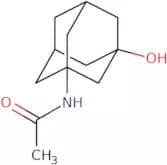
CAS:4-[[4-(4-Chlorophenyl)-2-thiazolyl]amino]phenol is a chemical that has been used in analytical and in vitro methods to study the cellular physiology of cells. It was found to inhibit sphingosine kinase, which is an enzyme that is involved in the synthesis of sphingosine. The inhibition of this enzyme leads to decreased levels of sphingosine and the effect on the cell. 4-[[4-(4-Chlorophenyl)-2-thiazolyl]amino]phenol can also affect mitochondrial membrane potential and cyclase activity, which may be useful for treating hyperproliferative diseases such as breast cancer.Fórmula:C15H11ClN2OSPureza:Min. 95%Peso molecular:302.78 g/mol3-Acetylamino-1-adamantanol
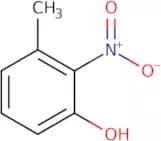
CAS:<p>3-Acetylamino-1-adamantanol is a fluorescent, non-ionic dye that is used in the preparation of coatings and optical elements. It can also be used as an oxidation catalyst for alcohols. This compound has been shown to have excellent alkaline hydrolysis and high yield in the acetonitrile process. 3-Acetylamino-1-adamantanol has been shown to react with nitro groups to form a fluorescent product. This reaction is important because it allows for the identification of explosives. 3-Acetylamino-1-adamantanol has also been found to be useful as a hologram developer or photoresist for optical discs and lenses.</p>Fórmula:C12H19NO2Pureza:Min. 95%Forma y color:White/Off-White SolidPeso molecular:209.28 g/mol3-Methyl-2-nitrophenol
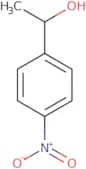
CAS:<p>3-Methyl-2-nitrophenol is a hydroxy group that contains a reactive methylene group. It has been shown to be formed by the reaction of nitric acid with alcohols or amines. The rate of formation is influenced by the steric interactions and intramolecular hydrogen bonds present in the reactants. 3-Methyl-2-nitrophenol can react with other molecules to form various reaction products, such as 2-methylphenol, nitrobenzene, and picric acid. 3-Methyl-2-nitrophenol also has phytotoxic properties, which may be due to its ability to inhibit root growth and chlorophyll production in plants.</p>Fórmula:C7H7NO3Pureza:Min. 95%Peso molecular:153.14 g/mol4-Nitrophenylmethylcarbinol
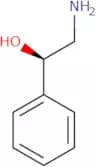
CAS:<p>4-Nitrophenylmethylcarbinol is a nitro compound that has been isolated from the nitration of 4-nitrophenol. It is used as a reagent to synthesize β-unsaturated ketones. The inhibitory effect of 4-nitrophenylmethylcarbinol is due to the presence of two nitro groups and one methyl group on its structure. This compound has been shown to have an inhibitory effect on glucose 6-phosphate dehydrogenase, which functions in cellular respiration by catalyzing the conversion of glucose 6-phosphate to glucose 1,6-bisphosphate. The inhibition of this enzyme leads to a reduction in the formation of ATP and NADPH, which are essential for cell growth. 4-Nitrophenylmethylcarbinol also has reductase activities that allow it to reduce phosphotriesters (e.g., DNA) and dehydrogenase deficiency (e.g., py</p>Fórmula:C8H9NO3Pureza:Min. 95%Forma y color:Orange Clear LiquidPeso molecular:167.16 g/mol(R)-2-Amino-1-phenylethanol
CAS:<p>(R)-2-Amino-1-phenylethanol is a molecule that has antimicrobial activity. It binds to the active site of bacterial enzymes, such as those involved in the synthesis of cell walls, and inhibits the growth of bacteria through competitive inhibition. This molecule also has a dihedral angle that is similar to that of other molecules with antibacterial activity. (R)-2-Amino-1-phenylethanol is an enantiomer, which means it can be synthesized from either (S)- or (R)-1-phenylethanol. The racemic form is more active than any individual enantiomer.</p>Fórmula:C8H11NOPureza:Min. 95%Forma y color:PowderPeso molecular:137.18 g/mol3-Nitro-4-(trifluoromethyl)phenol
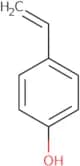
CAS:<p>3-Nitro-4-(trifluoromethyl)phenol is an amino acid that has been found in fossils of the proterozoic era. It is believed to have played a role in evolution and the onset of life because it was resistant to damage by oxygen free radicals. 3-Nitro-4-(trifluoromethyl)phenol has been shown to be damaging to mesenchymal cells, which are cells that form cartilage and bone, leading to cell death. The chemical damages mesenchymal stem cells, which can lead to diseases such as osteoarthritis or rheumatoid arthritis. Researchers believe that this chemical may have played a role in the orogeny, or mountain formation, that occurred during the late Proterozoic Era.</p>Fórmula:C7H4F3NO3Pureza:Min. 95%Forma y color:PowderPeso molecular:207.11 g/mol4-Vinylphenol, 10 wt % in propylene glycol
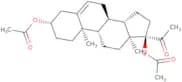
CAS:<p>4-Vinylphenol is a chemical compound that has the molecular formula CH2=CHC6H4OH. It is a hydroxyl derivative of phenol and has the chemical structure of a phenolic acid. This compound is used in the laboratory to study the effects of cationic polymerization on surface methodology and activation energies. 4-Vinylphenol inhibits Saccharomyces cerevisiae strain, which is commonly found in urine samples as well as in recombinant cells, by inhibiting cell growth and reducing ATP production. The inhibition of Saccharomyces cerevisiae strain by 4-vinylphenol can be reversed with p-hydroxybenzoic acid or cationic polymerization. The molecule also contains two nitrogen atoms that can form hydrogen bonds with other molecules, such as water molecules. It is possible that these hydrogen bonds are what allow 4-vinylphenol to inhibit Saccharomyces cerevisiae strain, although this hypothesis has</p>Fórmula:C8H8OPureza:Min. 95 Area-%Forma y color:Colorless Clear LiquidPeso molecular:120.15 g/mol17alpha-Hydroxypregnenolone 3,17-diacetate
CAS:Producto controlado<p>17alpha-Hydroxypregnenolone 3,17-diacetate is a fine chemical that can be used as a versatile building block in the synthesis of complex compounds. It is typically used as a reagent or speciality chemical for research purposes, but it also has applications in the production of pharmaceuticals, cosmetics, and other products. This compound has been shown to have high purity and is an excellent reaction component for the synthesis of new scaffolds.</p>Fórmula:C25H36O5Pureza:Min. 95%Forma y color:PowderPeso molecular:416.55 g/mol(1R,4S)-4-Amino-2-cyclopentene-1-methanol hydrochloride
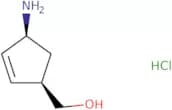
CAS:<p>(1R,4S)-4-Amino-2-cyclopentene-1-methanol hydrochloride is a chemical compound that is used as a building block in the synthesis of other compounds. It is also known to be a speciality chemical and a research chemical. (1R,4S)-4-Amino-2-cyclopentene-1-methanol hydrochloride can be used as an intermediate in the production of fine chemicals, pharmaceuticals and agrochemicals. The compound has been found to have high quality and good purity by the manufacturer.</p>Fórmula:C6H11NO•HClPureza:Min. 95%Forma y color:Brown SolidPeso molecular:149.62 g/mol4-(1-Adamantyl) phenol
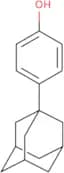
CAS:<p>4-(1-Adamantyl) phenol is a natural compound that is found in the essential oil of nutmeg and mace. 4-(1-Adamantyl) phenol binds to the receptor for 1-adamantanol, which is a neurotransmitter in animals and humans. This binding inhibits the response pathway of this neurotransmitter, which can lead to an inhibitory effect on pain transmission. The structure of 4-(1-Adamantyl) phenol has been determined by X-ray crystallography and molecular docking analysis. It also has been shown that this compound reacts with trifluoroacetic acid under Friedel-Crafts conditions to form 3-(2'-hydroxyethyl)-4-(1'-adamantyl)-phenol. These compounds have been shown to have an inhibitory effect on animal health.</p>Fórmula:C16H20OPureza:Min. 95%Forma y color:PowderPeso molecular:228.33 g/mol4-Bromo-2-(trifluoromethyl)phenol
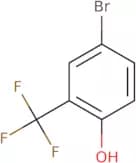
CAS:<p>4-Bromo-2-(trifluoromethyl)phenol is a compound that belongs to the family of dialdehydes. It has been used in organic chemistry as an assembly reagent, a monomer in polymer synthesis, and as a building block for oligomers and duplexes. 4-Bromo-2-(trifluoromethyl)phenol is stable under basic conditions and can be used in the presence of chloroform. This compound functions as an intermediate for the synthesis of other functionalized molecules such as phosphine oxide, oxide, and diamines.</p>Fórmula:C7H4BrF3OPureza:Min. 95%Forma y color:PowderPeso molecular:241.01 g/mol2-(2,2-Dimethyl-1,3-dioxolan-4-yl)ethan-1-ol
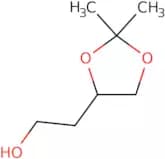
CAS:<p>2-(2,2-Dimethyl-1,3-dioxolan-4-yl)ethan-1-ol is a nucleoside analog that inhibits HIV replication by binding to the enzyme adenosine deaminase (ADA). This binding prevents the conversion of adenosine to inosine, which is required for the synthesis of DNA. 2-(2,2-Dimethyl-1,3-dioxolan-4-yl)ethan-1-ol has been shown to inhibit HIV replication in cell lines and human lymphocytes with IC50 values of 0.5–0.8 μM. It also inhibits the production of HIV proteins such as p24 and gp120. The drug has been shown to be more potent than other nucleoside analogues such as 3'-azido-, 3'-thio-, 3'-amino-, or 3'-fluoro-. The drug has been shown to have antiviral activity against a number of viruses</p>Fórmula:C7H14O3Pureza:Min. 95 Area-%Forma y color:Colorless Slightly Yellow Clear LiquidPeso molecular:146.18 g/mol2-Methoxyresorcinol
CAS:<p>2-Methoxyresorcinol is a metabolite that is formed by the oxidation of resorcinol. It has two methoxy groups, which are functional groups that are usually found in organic compounds. 2-Methoxyresorcinol has been shown to inhibit the growth of tumour cells in vitro and in vivo. It also inhibits cell growth by decreasing protein synthesis and cell division. This compound is an analytical method for measuring hematocrit levels and can be used as a natural compound for the treatment of chronic kidney disease.</p>Fórmula:C7H8O3Pureza:Min. 95%Forma y color:PowderPeso molecular:140.14 g/mol5-Bromo-3-methoxybenzyl alcohol
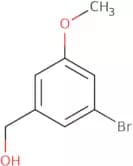
CAS:5-Bromo-3-methoxybenzyl alcohol is a synthetic hydroxyphenyl compound that can be used as a coupling agent. It is prepared by the reaction of bromoacetaldehyde with 3-hydroxybenzyl alcohol in the presence of an amine base, such as pyridine. 5-Bromo-3-methoxybenzyl alcohol can also be used to synthesize pyridines and bromides.Fórmula:C8H9BrO2Pureza:Min. 95%Forma y color:PowderPeso molecular:217.06 g/mol9-Fluoro-3-methyl-7-oxo-10-(1-piperazinyl)-2,3-dihydro-7H-[1,4]oxazino[2,3,4-Ij]quinoline-6-carboxylic acid
CAS:<p>9-Fluoro-3-methyl-7-oxo-10-(1-piperazinyl)-2,3-dihydro-7H-[1,4]oxazino[2,3,4-Ij]quinoline (FQ) is a fluoroquinolone antibiotic. It inhibits the DNA gyrase and topoisomerase IV enzymes that maintain the integrity of bacterial DNA. FQ has been used to treat urinary tract infections in humans and other animals. This drug is also effective against methicillin resistant Staphylococcus aureus (MRSA) and Clostridium perfringens. FQ binds to bacterial 16S ribosomal RNA and inhibits protein synthesis leading to cell death by inhibiting the production of proteins vital for cell division. The 9 position on the quinoline ring can be detected using UV detection at 260 nm.<br>FQ can be analyzed using mass spectrometry with fluor</p>Fórmula:C17H18FN3O4Pureza:Min. 95 Area-%Forma y color:White PowderPeso molecular:347.34 g/mol1-(Acryloyloxy)-3-(methacryloyloxy)-2-propanol (stabilized with MEHQ)
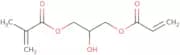
CAS:<p>1-(Acryloyloxy)-3-(methacryloyloxy)-2-propanol (stabilized with MEHQ) is a polymer that is used as an antimicrobial agent. It is synthesized by the reaction of acrylates and methacrylates with a crosslinker, such as MEHQ. This polymer has shown to have strong activity against bacteria and fungi, but it does not have any effect on viruses. The compound has the ability to bind to the surface of cells and cause cell death through the disruption of protein synthesis or by causing membrane leakage. FT-IR spectroscopy has shown that this polymer contains hydroxyl groups, which may account for its antimicrobial properties. The use of multi-walled carbon nanotubes in this polymer may also be responsible for its antimicrobial properties because they are able to bind to organic compounds like chloride ions and hydrogen bonds. 1-(Acryloyloxy)-3</p>Fórmula:C10H14O5Pureza:Min. 95%Forma y color:Clear LiquidPeso molecular:214.22 g/molCalcipotriol
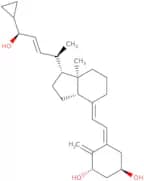
CAS:<p>Calcipotriol is a vitamin D analogue that is used to treat psoriasis. It is classified as an aprotic solvent and is not soluble in water, but it dissolves in organic solvents. Calcipotriol binds to the receptor for nuclear factor kappa-B (NF-κB) and inhibits its activation, which suppresses the production of cytokines that are involved in inflammation and immune responses. The calcipotriol molecule has been shown to inhibit EGFR signaling, thereby suppressing tumor growth. This drug has also been shown to be effective in combination therapy with other drugs such as dithranol or anthralin for the treatment of psoriasis. Calcipotriol can be administered topically or by oral administration. It is usually applied twice daily and the dosage depends on the severity of the disease.</p>Fórmula:C27H40O3Pureza:Min. 95 Area-%Forma y color:White PowderPeso molecular:412.6 g/mol7-[(Dimethylamino)methyl]-2,2,4-trimethyl-1,2-dihydroquinolin-6-ol
CAS:<p>7-[(Dimethylamino)methyl]-2,2,4-trimethyl-1,2-dihydroquinolin-6-ol is a chemical compound that belongs to the group of fine chemicals. It is a versatile building block and useful intermediate for research chemicals. 7-[(Dimethylamino)methyl]-2,2,4-trimethyl-1,2-dihydroquinolin-6-ol is also a speciality chemical with high purity and quality. CAS No. 300690-44-2</p>Fórmula:C15H22N2OPureza:Min. 95 Area-%Forma y color:PowderPeso molecular:246.35 g/molLauryl isoquinolinium bromide
CAS:<p>Lauryl isoquinolinium bromide is a pyridinium cationic surfactant that is used as a diagnostic agent and pharmaceutical preparation. It is also used as an antimicrobial agent in liquid chromatography, which is a technique to separate chemical compounds. Lauryl isoquinolinium bromide has been shown to be effective against Gram-positive bacteria such as Staphylococcus aureus and Enterococcus faecalis, and Gram-negative bacteria such as Pseudomonas aeruginosa. Lauryl isoquinolinium bromide has also been shown to be effective against yeast such as Candida albicans. Lauryl isoquinolinium bromide is not effective against viruses or fungi. This agent can be used to enhance the permeability of membranes during cross-linking reactions between polymers.</p>Fórmula:C21H32NBrPureza:Min. 95%Forma y color:PowderPeso molecular:378.39 g/molCarboxyethylsilanetriol sodium salt - 25% in water
CAS:<p>Carboxyethylsilanetriol sodium salt - 25% in water is a reagent that is used to form complex compounds. It can be used as a reaction component or a building block to create more complex compounds, such as new medicines. Carboxyethylsilanetriol sodium salt - 25% in water has been shown to be an efficient and versatile scaffold for the production of fine chemicals and research chemicals. CAS No. 18191-40-7 is a speciality chemical that can react with other organic compounds to form new compounds for research purposes. Carboxyethylsilanetriol sodium salt - 25% in water is a useful intermediate and building block for various synthetic reactions because it can easily react with other organics to form new compounds which are useful in pharmaceuticals, agrochemicals, and other industries.</p>Fórmula:C3H6Na2O5SiPureza:Approximately 25%Forma y color:Clear LiquidPeso molecular:196.14 g/mol(R)-(+)-3,3'-Dibromo-5,5',6,6',7,7',8,8'-octahydro-1,1'-bi-2,2'-naphthalenediol
CAS:<p>(R)-(+)-3,3'-Dibromo-5,5',6,6',7,7',8,8'-octahydro-1,1'-bi-2,2'-naphthalenediol is a synthetic compound that is used as a ligand for asymmetric catalysis. It is an optically active compound and can be used in catalytic reactions to produce compounds that are not available through other methods. (R)-(+)-3,3'-Dibromo-5,5',6,6',7,7',8,8'-octahydro-1,1'-bi-2,2'-naphthalenediol is a reactive compound and can be used as a ligand in Diels-Alder reactions. The synthesis of this product can be achieved with high yield by using the synthetic method described.</p>Fórmula:C20H20Br2O2Pureza:Min. 98 Area-%Forma y color:White PowderPeso molecular:452.18 g/molPhenol
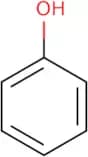
CAS:<p>Phenol is an aromatic organic compound and belongs to the class of compounds known as phenols. Phenol consists of a benzene ring (a six-membered carbon ring with alternating single and double bonds) with a hydroxyl (-OH) group attached to one of the carbon atoms. The chemical structure can be represented as:<br>Phenol is a white crystalline solid at room temperature and has a distinct, sweet, and medicinal odor. It was initially isolated from coal tar, but it can also be produced through various chemical processes. Phenol has numerous applications in industry. It is used in the production of plastics, resins, dyes, detergents, pharmaceuticals, and various chemical intermediates. It also has antiseptic properties and was historically used as a disinfectant and topical anesthetic. However, its use for these purposes has diminished due to its potential toxicity.<br>It's important to note that phenol can be corrosive and toxic, and exposure should be handled with care. Various derivatives and substitutes have been developed for specific applications to mitigate some of the drawbacks associated with phenol itself.</p>Fórmula:C6H6OPureza:Min. 98 Area-%Forma y color:PowderPeso molecular:94.11 g/mol4-Butoxybenzyl alcohol
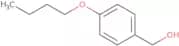
CAS:<p>4-Butoxybenzyl alcohol is a primary alcohol that is used as a solvent and reagent. It has been shown to disrupt the architecture of bacterial cell walls by destabilizing the molybdenum cofactor, which is essential for the enzyme xylose reductase. The destabilization of this cofactor leads to inhibition of cell wall synthesis and subsequent death of bacteria. 4-Butoxybenzyl alcohol also has antibacterial properties and can be used to inhibit the growth of Gram-positive bacteria such as Staphylococcus aureus and Enterococcus faecalis. This compound may also act by inhibiting amide formation or by binding to magnesium, aluminium, or amides in the bacterial cell wall.</p>Fórmula:C11H16O2Pureza:Min. 95%Forma y color:PowderPeso molecular:180.24 g/mol3-(4-Methoxyphenoxy)-1,2-propanediol
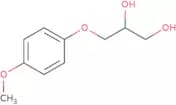
CAS:<p>3-(4-Methoxyphenoxy)-1,2-propanediol is a chiral molecule that can be found in various products. It has been used in the synthesis of a variety of drugs and other organic compounds. 3-(4-Methoxyphenoxy)-1,2-propanediol is an intermediate for the synthesis of natural products such as benzofuran and benzothiophene. This compound is also used as a reagent in the asymmetric dihydroxylation of epoxides. The rate at which this reaction proceeds depends on the kinetic parameters, such as the concentration of reactant and transition state analogues, and on the reaction conditions, such as temperature and pH. The product of this reaction is an epoxide hydrolase inhibitor with a reactive anion that can be used to synthesize pharmaceuticals.</p>Fórmula:C10H14O4Pureza:Min. 95%Forma y color:White PowderPeso molecular:198.22 g/molAmodiaquine
CAS:<p>Amodiaquine is a drug that belongs to the class of antimalarial agents. It is used for the treatment and prevention of malaria caused by erythrocytic forms of Plasmodium falciparum. Amodiaquine has shown synergistic effects with other drugs, such as sulfadoxine and pyrimethamine, for the treatment of malaria due to P. falciparum. The mechanism of action of amodiaquine is not well understood, but it may involve inhibition of the Toll-like receptor. Amodiaquine has been shown to inhibit polymerase chain reaction in a concentration-dependent manner and also inhibits polymorphonuclear leucocytes, which are important in innate immunity. In addition, amodiaquine is a hypoglycemic agent and can be used for the treatment of bowel disease.</p>Fórmula:C20H22ClN3OPureza:Min. 95%Forma y color:Off-White PowderPeso molecular:355.86 g/mol2,2,2-Tribromoethanol
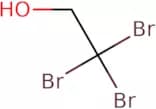
CAS:Producto controlado<p>2,2,2-tribromoethanol or TBE derives from ethanol, where the hydrogen atoms from one carbon are substituted by bromine. 2,2,2-tribromoethanol is frequently used as initiator for synthesising functionalised polymers with end hydroxyl groups. In addition, 2,2,2-tribromoethanol is also often used in a labroatory setting to anaethetise mice.</p>Fórmula:C2H3Br3OPureza:Min. 98 Area-%Forma y color:PowderPeso molecular:282.76 g/molGemcitabine monophosphate disodium monohydrate
CAS:<p>Please enquire for more information about Gemcitabine monophosphate disodium monohydrate including the price, delivery time and more detailed product information at the technical inquiry form on this page</p>Fórmula:C9H12F2N3O7P•Na2•H2OPureza:90%Min By HplcForma y color:PowderPeso molecular:407.16 g/mol5-Nitroisoquinoline
CAS:<p>5-Nitroisoquinoline is a nitro compound that has been shown to be a potential biomarker for liver disease. 5-Nitroisoquinoline is synthesized from the reaction of hydroxylamine, sodium carbonate, and nitric acid. This chemical can also be found in human liver tissue. The titration calorimetry experiments performed on 5-nitroisoquinoline showed that the compound has a high heat of formation (194.1 kJ/mol) and low enthalpy of formation (-19.6 kJ/mol). Vibrational analysis revealed that there are four nitrogens in the molecule and two nitrogen atoms per molecule. X-ray crystal structures were obtained for 5-nitroisoquinoline with different solvents and hydrogen bonding was observed in all cases. Molecular modeling showed that there are five nitro groups, which would explain the name "5-nitro." The five nitrogen atoms coordinate to form a trigonal bip</p>Fórmula:C9H6N2O2Pureza:Min. 95%Forma y color:PowderPeso molecular:174.16 g/molPhloroglucinol aldehyde triethyl ether
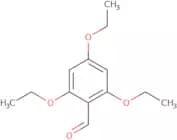
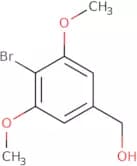
CAS:<p>Phloroglucinol aldehyde triethyl ether is a high quality, research chemical, speciality chemical and versatile building block. It is used in the synthesis of complex compounds that are useful as intermediates or fine chemicals. The CAS No. for this compound is 59652-88-9.</p>Fórmula:C13H18O4Pureza:Min. 95%Peso molecular:238.28 g/mol4-Bromo-3,5-dimethoxybenzyl alcohol
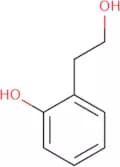
CAS:<p>4-Bromo-3,5-dimethoxybenzyl alcohol is a bromoarene that can be used as a ligand in coupling reactions. It has been shown to be an efficient coupling partner for the synthesis of triphylla, featuring a skeleton of chelating 4-bromo-3,5-dimethoxybenzyl alcohol.</p>Fórmula:C9H11BrO3Pureza:Min. 95%Forma y color:PowderPeso molecular:247.09 g/mol2-Hydroxyphenethylalcohol
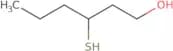
CAS:<p>2-Hydroxyphenethylalcohol is a chemical compound with the molecular formula C8H10O2. It has a hydroxyl group on its phenyl ring and one hydroxy group on the alcohol side chain. 2-Hydroxyphenethylalcohol is used as a reaction solution for chemical ionization in mass spectrometry to identify unknown compounds by their molecular weight or other properties. The compound is also used in magnetic resonance spectroscopy as a model system to study the reactions of organic molecules with water and acids.</p>Fórmula:C8H10O2Pureza:Min. 97 Area-%Forma y color:Colorless Clear LiquidPeso molecular:138.16 g/mol3-Mercapto-1-hexanol
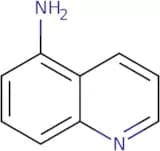
CAS:<p>3-Mercapto-1-hexanol is a chemical compound that belongs to the group of thiols. It has been shown to have high values for in vitro assays and analytical method, as well as a matrix effect. The transcriptional regulation is interactive with other compounds and natural compounds, like isovaleric acid. 3-Mercapto-1-hexanol can be used in sample preparation, type strain, and synthetic pathway.</p>Fórmula:C6H14OSPureza:Min. 95%Forma y color:Clear LiquidPeso molecular:134.24 g/mol5-Aminoquinoline
CAS:<p>5-Aminoquinoline (5-AQ) is a chemical compound that was originally synthesized in the 1930s. 5-AQ is a trifluoroacetic acid derivative of quinoline, which has been used as a photographic developer and an agent for the removal of silver from photographic film. This molecule also has a fluorescence property, which can be seen when irradiated by light with a wavelength greater than 350 nm. A hydrogen bond exists between the hydroxyl group and the nitrogen atom of the amine group in 5-AQ. The reaction mechanism for 5-AQ is believed to involve the diazonium salt intermediate, which reacts with silver ions to form silver diazonide and free ammonia.<br>5-AQ is insoluble in water but soluble in organic solvents such as acetone or alcohol. It reacts with trifluoroacetic acid to form a precipitate, which may be removed by filt</p>Fórmula:C9H8N2Pureza:Min. 95%Forma y color:PowderPeso molecular:144.17 g/mol2-Phenyl-4-quinolinecarboxylic acid
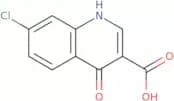
CAS:<p>2-Phenyl-4-quinolinecarboxylic acid is a nonsteroidal anti-inflammatory drug that is commonly used to treat bronchoconstrictor response and inflammatory bowel disease. It is also an antimicrobial agent, which can be used to treat infectious diseases. The compound was found to have structural similarity to other nonsteroidal anti-inflammatory drugs, such as ibuprofen and naproxen. 2-Phenyl-4-quinolinecarboxylic acid has shown the ability to inhibit leukemia inhibitory factor (LIF) production by lymphocytes, which may have a role in the development of leukemia. This drug also possesses antioxidative properties and has been shown to have high values in group P2 polymerase chain reactions.</p>Fórmula:C16H11NO2Pureza:Min. 98.5%Forma y color:PowderPeso molecular:249.26 g/mol7-Chloro-4-hydroxyquinoline-3-carboxylic acid
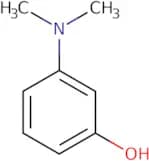
CAS:<p>7-Chloro-4-hydroxyquinoline-3-carboxylic acid is a chemical compound that has antioxidative activity and is used in the production of various organic substances. It is synthesized by reacting ammonium nitrate with a hydroxy group, an organic solvent, and phenoxy. The resulting product can be heated to form 7-chloro-4-hydroxyquinoline, which undergoes a series of reactions to produce 7-chloro-4-(2,2,2,-trichloroethoxy)quinoline. This reaction system produces a quinoline derivative that has been shown to be expressed at high levels in phosphatidylcholine (PC) and alpha-tocopherol (a vitamin E derivative). The final product is then purified by triethyl orthoformate (TEO), which removes the sulfoxide group.</p>Fórmula:C10H6ClNO3Pureza:Min. 95%Forma y color:PowderPeso molecular:223.61 g/mol3-(Dimethylamino)phenol
CAS:<p>3-(Dimethylamino)phenol is a chemical that is used as an additive in cosmetics. It has been shown to inhibit the production of epidermal growth factor and to have a growth-inhibiting effect on cells. 3-(Dimethylamino)phenol is found in many different types of products, including sunscreens, hair dyes, shampoos, and skin lotions. It has also been used as a preservative in food products, although it can be toxic at high doses. 3- (Dimethylamino)phenol has been shown to inhibit the production of fatty acids by inhibiting the activity of the enzyme lipoxygenase.</p>Fórmula:C8H11NOPureza:Min. 98 Area-%Forma y color:PowderPeso molecular:137.18 g/molall-E-Heptaprenol
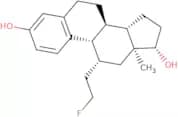
CAS:<p>All-E-Heptaprenol is a polyprenol compound, which is a key intermediate in the biosynthesis of terpenoids. It originates from bacterial sources, where it plays a crucial role in cellular processes. All-E-Heptaprenol functions primarily as a hydrophobic carrier molecule, facilitating the transport of sugar moieties across the lipid bilayer in the assembly of complex biopolymers.</p>Fórmula:C35H58OPureza:Min. 95%Peso molecular:494.83 g/mol(8S,9S,11R,13S,14S,17S)-11-(2-Fluoroethyl)-13-Methyl-6,7,8,9,11,12,14,15,16,17-Decahydrocyclopenta[a]Phenanthrene-3,17-Diol
CAS:Producto controlado<p>(8S,9S,11R,13S,14S,17S)-11-(2-Fluoroethyl)-13-Methyl-6,7,8,9,11,12,14,15,16,17-Decahydrocyclopenta[a]Phenanthrene-3,17-Diol is a light emitting diode (LED) that emits light in the near infrared spectrum. This LED is composed of a single layer of CdTe nanowires and has an emission wavelength of 760 nm. It also has a high quantum efficiency and low energy requirements for fabrication. The lifetime of this device is also long and its optical properties are stable over time. This device can be used to replace traditional incandescent bulbs or to emit light in specific wavelengths for biomedical applications.</p>Fórmula:C20H27FO2Pureza:Min. 95%Peso molecular:318.43 g/mol2-(3-Hydroxyphenyl)ethyl alcohol
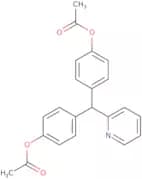
CAS:<p>2-(3-Hydroxyphenyl)ethyl alcohol is a reactive compound that can form an adduct with the tyrosinase enzyme, which catalyzes the conversion of tyrosine to dopa and dopaquinone. 2-(3-Hydroxyphenyl)ethyl alcohol also has been shown to inhibit tyrosinase activity in vitro. This compound has been found in natural compounds such as catechins and flavones.</p>Fórmula:C8H10O2Pureza:Min. 95%Forma y color:Clear LiquidPeso molecular:138.16 g/mol4,4'-(2-Pyridylmethylene)bisphenol diacetate
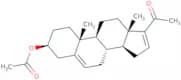
CAS:LaxativeFórmula:C22H19NO4Pureza:Min. 95%Forma y color:PowderPeso molecular:361.39 g/mol16-Dehydropregnenolone acetate
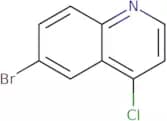
CAS:Producto controlado<p>16-Dehydropregnenolone acetate is a synthetic compound that can be used in wastewater treatment. It reacts with phosphorus pentoxide to form an insoluble solid product. 16-Dehydropregnenolone acetate has been shown to inhibit the growth of human prostate cancer cells and breast cancer cells in vitro and in vivo. 16-Dehydropregnenolone acetate is also a specific agonist for the progesterone receptor, which may be due to its ability to bind to the stereospecific (S) binding site on this receptor. The optimum concentration for 16-dehydropregnanediol is 10 mM and it requires the presence of phosphotungstic acid for maximum activity. This substance has biological properties that are similar to those of natural progesterones, but it does not have any estrogenic properties.</p>Fórmula:C23H32O3Pureza:Min. 95%Forma y color:PowderPeso molecular:356.5 g/mol6-Bromo-4-chloroquinoline
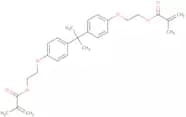
CAS:<p>6-Bromo-4-chloroquinoline is a chemical compound with the molecular formula C8H6BrClN. It belongs to the class of heterocyclic compounds and has been used in the synthesis of other compounds, such as pharmaceuticals. 6-Bromo-4-chloroquinoline has been shown to be an effective anticancer drug, with measurable levels in the blood after oral administration. This drug interacts with hydrogen bonding interactions with thp-1 cells, which are erythrocytes derived from human peripheral blood lymphocytes. 6-Bromo-4-chloroquinoline also interacts with sodium sulfide, which is found in human liver and kidney cells. The pharmacokinetic properties of 6-bromo-4-chloroquine have been studied in rats and mice.</p>Fórmula:C9H5BrClNPureza:Min. 95%Forma y color:PowderPeso molecular:242.5 g/molBisphenol A ethoxylate dimethacrylate - Average Mn -1700, stabilized with MEHQ 200ppm
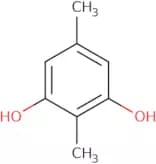
CAS:<p>Bisphenol A ethoxylate dimethacrylate is a polymer that is used as a hydrophilic binder in pharmaceutical preparations. It has been shown to have an affinity for the receptor molecule, which may be due to its ability to form hydrogen bonds with water molecules. The polymer is also able to form cross-links with other polymers. Bisphenol A ethoxylate dimethacrylate has been shown to have radiation-resistant properties and can be used in the production of coatings for x-ray films.<br>The chemical structure of this compound consists of two phenolic rings, one ester group, and one methacrylate group.</p>Pureza:Min. 95%Forma y color:Clear LiquidPeso molecular:376.442,5-Dimethylresorcinol
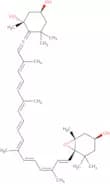
CAS:<p>2,5-Dimethylresorcinol is a natural organic compound that has been shown to have the ability to inhibit the formation of reactive oxygen species. It is used in wastewater treatment and as an antioxidant. 2,5-Dimethylresorcinol has been shown to exhibit an inhibitory effect on lipid hydroperoxides and hydroxyl group binding. This compound can also be used as a substrate or product in catalytic domains. 2,5-Dimethylresorcinol is found in the form of usnic acid and orsellinic acid. The use of this compound as a catalyst for oxidation reactions has been studied extensively. It has also been shown to be an effective inhibitor for catalytic domains with a range of different metal ions.</p>Fórmula:C8H10O2Pureza:Min. 95%Forma y color:PowderPeso molecular:138.16 g/mol9'-cis-Neoxanthin - solution in ethanol (sold by weight of solution)
CAS:<p>9'-cis-Neoxanthin is a carotenoid that belongs to the class of xanthophylls. It is found in high concentrations in the seeds of peas, spinach, and corn. 9'-cis-Neoxanthin has been shown to inhibit prostate cancer cells by targeting their transcriptional regulation. 9'-cis-Neoxanthin is a precursor for violaxanthin, which is a powerful antioxidant that can scavenge free radicals. This molecule also binds to DNA polymerase and inhibits its activity. The structural analysis of 9'-cis-Neoxanthin has revealed that it contains two chromophores: one with an oxygenated end (the neoxanthin side chain) and one with an unsaturated end (the other side chain).</p>Fórmula:C40H56O4Pureza:Min. 97 Area-%Forma y color:Clear LiquidPeso molecular:600.87 g/mol9-Fluoro-10,13,17-Trimethyl-2,3,4,5,6,7,8,11,12,14,15,16-Dodecahydro-1H-Cyclopenta[a]Phenanthrene-3,11,17-Triol
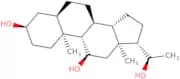
CAS:Producto controlado9-Fluoro-10,13,17-Trimethyl-2,3,4,5,6,7,8,11,12,14,15,16-Dodecahydro-1H-Cyclopenta[a]Phenanthrene-3,11,17-Triol is a synthetic nucleic acid molecule that can be used for diagnostic purposes. It has been shown to bind to the nucleic acid of human cells. This nucleic acid binds to the antibodies in order to detect and identify different types of RNA sequences. 9F18TMTD has also been shown to target specific sites on the DNA molecule and can be used as a probe for detecting specific sequences of DNA. The synthetic process starts by reacting an aromatic compound with methanol in the presence of a base catalyst to form an intermediate product. The intermediate is then oxidized with nitric acid and hydrogen peroxide in order form the final product.Fórmula:C20H33FO3Pureza:Min. 95%Peso molecular:340.47 g/mol5β-Pregnane-3α,11α,20β-triol
CAS:Producto controlado<p>5-b-Pregnan-3-a,11-a-,20-b-triol is a high quality research chemical with CAS No. 55647-22-8. It is a complex compound that can be used as an intermediate in the synthesis of other compounds. 5-b-Pregnan-3-a,11-a-,20-b-triol is a speciality chemical that has many uses and is also a versatile building block for synthesis. This reagent can be used to create new compounds or to react in different ways with other chemicals to produce useful scaffolds or building blocks for reactions. 5 b pregna 3 a, 11 a, 20 b triol has been shown to have the ability to react with other chemicals in order to form useful reaction components.</p>Fórmula:C21H36O3Pureza:Min. 95%Forma y color:PowderPeso molecular:336.51 g/mol(R)-(+)-3-Butyn-2-ol
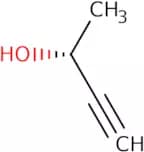
CAS:<p>(R)-(+)-3-Butyn-2-ol is a chiral alcohol that can be used as a substrate for the synthesis of antibiotics. It has been shown to inhibit phosphatases in vivo and can be used as an inhibitor for phosphatases. (R)-(+)-3-Butyn-2-ol can also be used to synthesize glyoxylate, which is an intermediate for the production of antibiotics. This compound has been shown to have optical activity and stereoselectivity. The synthesis of (R)-(+)-3-butyn-2-ol starts with the alkylation reaction between acetylene and formaldehyde, followed by a cross-coupling reaction with bromoethane and lithium aluminum hydride. The final step is the hydrolysis of furfural using water or lipase, yielding (R)-(+)-3-butyn-2-ol.</p>Fórmula:C4H6OPureza:Min. 98 Area-%Forma y color:Clear LiquidPeso molecular:70.09 g/mol4-Oxo-1,4-dihydroquinoline-3-carboxylic acid
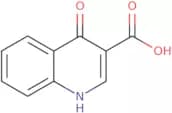
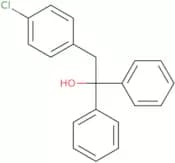
CAS:<p>4-Oxo-1,4-dihydroquinoline-3-carboxylic acid is a synthetic compound that belongs to the class of quinoline derivatives. It has been shown to inhibit HIV infection in vitro by binding to the receptor CD4 on the surface of T cells. 4-Oxo-1,4-dihydroquinoline-3-carboxylic acid has also been shown to be cytotoxic against cancer cells and other human cell lines. Powders of 4-oxo-1,4-dihydroquinoline 3 carboxylic acid have been synthesized by reacting ethyl esters with diphenyl ether in the presence of radiation or ndimethylformamide. This compound was also used as a molecular model for designing new drugs.</p>Fórmula:C10H7NO3Pureza:Min. 98 Area-%Forma y color:Off-White PowderPeso molecular:189.17 g/mol4-Chlorobenzyl diphenyl carbinol
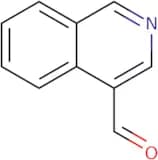
CAS:<p>4-Chlorobenzyl diphenyl carbinol is an organic compound that is used as a reagent, intermediate, and building block in the synthesis of other compounds. The product is a white, crystalline solid and has a molecular weight of 243.3 g/mol. It can be used as a scaffold for the synthesis of new chemical compounds or as a building block to create speciality chemicals. 4-Chlorobenzyl diphenyl carbinol has been shown to react with a variety of functional groups and can be used in both research and industrial contexts.</p>Fórmula:C20H17ClOPureza:Min. 95%Forma y color:PowderPeso molecular:308.8 g/molIsoquinoline-4-carbaldehyde
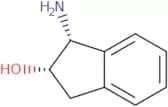
CAS:<p>Isoquinoline-4-carbaldehyde is an aldehyde chemical that has been synthesized in the laboratory. It is a chiral molecule with one asymmetric carbonyl group. Isoquinoline-4-carbaldehyde is a potential precursor to naphthyridine, which can be used as a building block for the synthesis of natural products. Isoquinoline-4-carbaldehyde has been shown to have phosphine properties, and it can be used as a ligand in transition metal complexes. The molecule has been shown to exist in two forms, which coexist in equilibrium and can undergo interconversion.</p>Fórmula:C10H7NOPureza:Min. 95%Peso molecular:157.17 g/mol(1S,2R)-(-)-cis-1-Amino-2-indanol
CAS:<p>Precusor for preparation of indinavir; a chiral ligand for asymmetric synthesis</p>Fórmula:C9H11NOPureza:Min. 95%Forma y color:White PowderPeso molecular:149.19 g/molD-Phenylalaninol
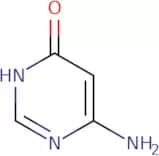
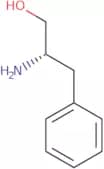
CAS:<p>D-Phenylalaninol is a chiral, optically active molecule. It is a salt of hydrochloride that is used as a chemical intermediate in the synthesis of other drugs. D-Phenylalaninol has been shown to inhibit mitochondrial membrane potential and decrease hydrogen bond interactions, which may be due to its ability to bind to chloride ions. In addition, this compound has been shown to inhibit pancreatic lipase activity and l-phenylalanine oxidase activity in mammalian cells.</p>Fórmula:C9H13NOPureza:Min. 95%Peso molecular:151.21 g/mol6-Aminopyrimidin-4-ol
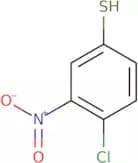
CAS:<p>6-Aminopyrimidin-4-ol is an intermediate in the synthesis of orotic acid. It is also a precursor to 6-chloropurine, which is used in the manufacture of orotic acid and 6-aminopurine. 6-Aminopyrimidin-4-ol can be prepared by benzannulation of phosphorus oxychloride with orotic acid or by hydrolysis of 6-chloropurine with thiourea. The latter method is preferred because it results in less waste.<br>6-Aminopyrimidin-4-ol is labile and must be stored under an inert gas at low temperature to prevent decomposition. It undergoes inactivating reactions with strong oxidizing agents, such as chlorine dioxide, peracetic acid, hydrogen peroxide, and potassium permanganate. <br>It also reacts with nucleophiles such as ammonia or amines to form stable taut</p>Fórmula:C4H5N3OPureza:Min. 95%Forma y color:PowderPeso molecular:111.1 g/mol4-Chloro-3-nitrobenzenethiol
CAS:<p>4-Chloro-3-nitrobenzenethiol (4CNBT) is a micropet that is used as a radiotracer to measure the uptake of serotonin in the brain. This compound has been shown to bind to the serotonin transporter, which is responsible for reuptake of serotonin from the synapse. The radiolabeled 4CNBT can be used for positron emission tomography (PET) scanning and postinjection autoradiography. 4CNBT has also been used as a ligand in pharmacological studies on serotonin transporters.</p>Fórmula:C6H4ClNO2SPureza:Min. 95%Forma y color:White PowderPeso molecular:189.62 g/mol(2,4,6-Trimethoxyphenyl)methyl carbinol
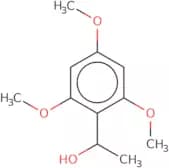
CAS:<p>Trimethoxyphenylmethylcarbinol (TMPC) is a high quality chemical that can be used in the production of research chemicals, pharmaceuticals and other speciality chemicals. It has been shown to be an effective building block for complex compounds such as heterocycles. TMPC has also been shown to have protective effects against oxidative stress and may be useful as a reagent in chemical synthesis.</p>Fórmula:C11H16O4Pureza:Min. 95%Forma y color:PowderPeso molecular:212.24 g/mol4-(2-(Dimethylamino)-1-(1-hydroxycyclohexyl)ethyl)phenol
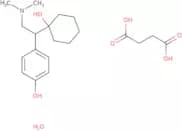
CAS:Producto controladoVenlafaxine is a selective serotonin and norepinephrine reuptake inhibitor (SNRI) that is used to treat depression. Venlafaxine inhibits the reuptake of serotonin and norepinephrine into the presynaptic neuron, increasing their availability in the synaptic cleft. Venlafaxine has been shown to be effective in treating major depressive disorder and other depressive disorders, such as dysthymia and post-partum depression. The antidepressant effects of venlafaxine are believed to be due to its ability to block the uptake of serotonin and norepinephrine in the brain, resulting in an increased concentration of these neurotransmitters. Venlafaxine is metabolized by CYP2D6, CYP3A4, CYP1A2 and CYP2C19 enzymes, which may result in drug interactions with other drugs metabolized by these enzymes. To control for this effect, venlafaxine bloodFórmula:C16H25NO2Pureza:Min. 97 Area-%Forma y color:PowderPeso molecular:263.38 g/mol16-Epiestriol
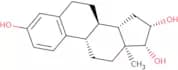
CAS:Producto controlado<p>16-Epiestriol is a natural estrogen that can be found in urine samples. It has been shown to bind to the glucocorticoid receptor, which plays an important role in the regulation of immune responses and metabolism. 16-Epiestriol has also been shown to have immunosuppressive activities and may be used to treat cancer. 16-Epiestriol is metabolized by esterases in the liver, which leads to the production of covalent adducts. These covalent adducts bind to proteins in human liver and other tissues, leading to potential carcinogenicity. 16-Epiestriol binds with high affinity to streptococcus faecalis, which is an opportunistic pathogen associated with urinary tract infections. The optimum pH for this drug is 8.5 and it has been shown that it does not bind well at pH levels below 7 or above 11.</p>Fórmula:C18H24O3Pureza:Min. 95%Forma y color:PowderPeso molecular:288.38 g/mol6-Fluoro-1,2,3,4-tetrahydro-2-methylquinoline
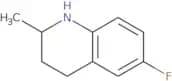
CAS:<p>6-Fluoro-1,2,3,4-tetrahydro-2-methylquinoline is an organocatalytic fluorine compound that has been investigated as a fluoroquinolone antibiotic. It is an enantiopure compound and has been shown to be effective in the treatment of bacterial infections. 6-Fluoro-1,2,3,4-tetrahydro-2-methylquinoline inhibits bacterial growth by binding to DNA gyrase and topoisomerase IV. 6FLMQ is a chiral molecule with two possible configurations (R or S), which can be determined from x-ray crystallography. The S configuration is more potent than the R configuration. 6FLMQ also binds with chloride ions to form a cationic complex that can be used for antibacterial activity against Gram negative bacteria such as Escherichia coli and Pseudomonas aeruginosa.<br>6FLMQ has</p>Fórmula:C10H12FNPureza:Min. 95%Forma y color:PowderPeso molecular:165.21 g/molTetrabromobisphenol S
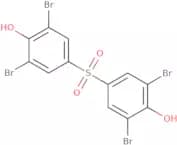
CAS:Tetrabromobisphenols (TBB) are skin conditioners that are used in the cosmetic industry. They are derived from fatty acids and have a structural formula of C10H8Br4. TBBs have a fluorine atom at their central position and have been shown to react with bacterial strains and produce reaction products, such as hydrogen chloride, calcium carbonate, and carbonic acid. TBBs form hydrogen bonds with the membrane system of cells and affect physiological functions. TBBs are able to penetrate the skin and enter the bloodstream, which can lead to toxic side effects in humans.Fórmula:C12H6Br4O4SPureza:Min. 95%Forma y color:PowderPeso molecular:565.86 g/mol(1R,2S)-1-Amino-2-indanol
CAS:<p>(1R,2S)-1-Amino-2-indanol is a potential drug candidate that can be used in asymmetric synthesis. It has been shown to inhibit the flow of hydrogen bond and to form an enantiomer. The enantiomer is more active than the racemic mixture, which may be due to the higher binding affinity for the enzyme. This compound has also been shown to inhibit herpes simplex virus and HIV in vitro with a high potency. (1R,2S)-1-Amino-2-indanol is modeled using molecular dynamics simulations and quantum mechanical calculations.</p>Pureza:Min. 95%Forma y color:PowderPeso molecular:149.19 g/molLABD-8(17),14-dien-13,19-diol
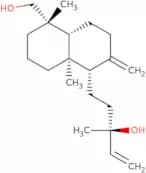
CAS:<p>The active substances in LABD-8(17),14-dien-13,19-diol are hexane and diacetate. This product is analysed to be a decidua extract. Alcohols, coniferous extracts, oplodiol, epimanool and ozonization can also be found in this product. Structural analysis reveals that glycerides are the major component of this substance. A variety of other components were also detected in this substance such as methyl ester, aldehydes and diterpenes.</p>Fórmula:C20H34O2Pureza:Min. 95%Peso molecular:306.48 g/mol4-Bromo-2-fluorophenol
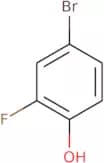
CAS:4-Bromo-2-fluorophenol is a mesomorphic substance that has a helical structure. It has been shown to have ferroelectric properties and light emission, as well as being spontaneously polar. 4-Bromo-2-fluorophenol is a dipole molecule with two hydrogen bonds on each side of the molecule. The fluorine atom in 4-bromo-2-fluorophenol interacts with chlorine atoms through an intramolecular hydrogen bond.Fórmula:C6H4BrFOPureza:Min. 95%Forma y color:Clear LiquidPeso molecular:191 g/mol1-Boc-4-piperidinol
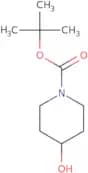
CAS:<p>1-Boc-4-piperidinol is an inhibitor of serine proteases. It also has potent inhibitory activity against 5-HT2A receptors and inhibits the growth of cancer cells. 1-Boc-4-piperidinol is a molecule that contains a hydroxy group and a serine protease inhibitor. It reacts with hydrochloric acid to form 1-boc piperazine, which is then reacted with hydrogen chloride to form the final product. The pharmacokinetic properties of this drug are not known due to the lack of oral bioavailability in rats. However, it does show slow absorption by inhalation and subcutaneous administration, suggesting that it may be absorbed through these routes as well.</p>Fórmula:C10H19NO3Pureza:Min. 95%Forma y color:Off-White PowderPeso molecular:201.26 g/mol1-Benzylglycerol
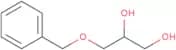
CAS:<p>1-Benzylglycerol is a bifunctional reagent that can be used as an inorganic base or an organic solvent. It has been used to synthesize enantiopure compounds, such as fatty acids. 1-Benzylglycerol reacts with boron trifluoride etherate to form the corresponding ester, which is a reaction system for the synthesis of persulfates. The hydroxyl group on 1-benzylglycerol can be reacted with hydroxyl groups on fatty acids, catalyzed by lipase or chemoenzymes, to produce esters. 1-Benzylglycerol has been used in asymmetric synthesis and carbon tetrachloride immobilization reactions.</p>Fórmula:C10H14O3Pureza:Min. 95%Forma y color:Clear LiquidPeso molecular:182.22 g/mol1,2-Dimyristoyl-sn-glycerol
CAS:<p>Dimyristoyl-sn-glycerol is a lipid that has a phase transition temperature of 42.6°C and melts at 44.6°C. It is found in the membrane of cells, where it interacts with other lipids to form structures that are essential for cellular function. Dimyristoyl-sn-glycerol has been shown to be an inhibitor of cycloheximide and can bind to the surface glycoprotein on the surface of some gram-negative bacteria, such as Escherichia coli. These interactions may play a role in protein synthesis and growth factor activation.</p>Fórmula:C31H60O5Pureza:Min. 98 Area-%Forma y color:PowderPeso molecular:512.81 g/mol5-Chloro-7-iodo-8-hydroxyquinoline
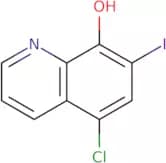
CAS:<p>5-Chloro-7-iodo-8-hydroxyquinoline is a metal chelate that has been shown to have pharmacological effects in experimental animals. It has antioxidative properties and can protect against oxidative injury. 5-Chloro-7-iodo-8-hydroxyquinoline was found to be toxic in various animal models, including the neuronal death and mitochondrial membrane potential. This toxicity may be due to its ability to inhibit the activity of DNA polymerase and protein synthesis. The compound also showed significant cytotoxicity at low concentrations, but had no significant cytotoxicity at higher concentrations. 5-Chloro-7-iodo-8-hydroxyquinoline is similar in structure to clioquinol, which has been shown to have neurotoxic effects in humans.</p>Fórmula:C9H5ClINOPureza:Min. 95 Area-%Forma y color:PowderPeso molecular:305.5 g/mol2-(2-(3(S)-(3-(2-(7-Chloro-2-quinolinyl)-ethenylphenyl)-3-hydroxypropyl)phenyl)-2-propanol
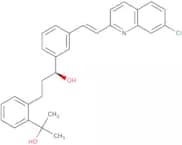
CAS:<p>Covid-19 is a polymer that can be used as a coating for surfaces, such as plastics and metals. Covid-19 has been shown to have antibacterial properties against bacteria, including methicillin-resistant Staphylococcus aureus (MRSA) and Clostridium perfringens. Covid-19 also has functional groups that can be used in analytical methods to determine the concentration of drugs in biological samples. Covid-19 is soluble in polyvinyl alcohol and glycerol, which are both common additives in pharmaceuticals. Covid-19 has optical properties that make it suitable for use as a coating on contact lenses or other ophthalmic devices.</p>Fórmula:C29H28ClNO2Pureza:Min. 95%Forma y color:PowderPeso molecular:457.99 g/mol4-Pregnen-20-alpha-ol-3-one
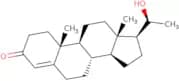
CAS:Producto controlado<p>Progesterone is a hormone that regulates the menstrual cycle and plays a key role in pregnancy. It is produced by the corpus luteum, the placenta, and the ovaries. Progesterone is also involved in regulating other functions such as cell growth, fat metabolism, blood clotting, and water balance. The level of progesterone in urine has been shown to be a good indicator of follicular growth during ovulation. In women with metabolic disorders or lactogenic hormone deficiencies, low levels of progesterone can lead to infertility.</p>Fórmula:C21H32O2Pureza:Min. 95%Forma y color:White PowderPeso molecular:316.48 g/mol3-(tert-Butoxy)benzyl alcohol
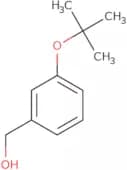
CAS:<p>3-(tert-Butoxy)benzyl alcohol is a high quality reagent that can be used as an intermediate in the synthesis of complex compounds. It is also a useful intermediate for the production of fine chemicals, pharmaceuticals, and speciality chemicals. 3-(tert-Butoxy)benzyl alcohol is a versatile building block that can be used as a reactant in many chemical reactions. This compound has been used as a research chemical to study its properties and has potential uses as a starting point for the synthesis of other compounds.</p>Fórmula:C11H16O2Pureza:Min. 95%Peso molecular:180.24 g/mol2-Ethyl-2-adamantanol
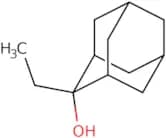
CAS:<p>2-Ethyl-2-adamantanol is a polymerization inhibitor that can be used to prevent the formation of polymers. 2-Ethyl-2-adamantanol inhibits the reaction by reacting with chloride, preventing the formation of a covalent bond. This inhibition is reversible and does not affect other reactions. The use of 2-ethyl-2-adamantanol as an inhibitor has been shown to increase the reaction yield when using bromoethane as a feedstock. It also increases the selectivity for ethyl groups in this process, making it an excellent choice for synthesizing lanthanides.</p>Fórmula:C12H20OPureza:Min. 95%Forma y color:PowderPeso molecular:180.29 g/mol2,5-Dimethoxybenzyl alcohol
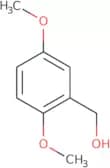
CAS:<p>2,5-Dimethoxybenzyl alcohol is a monoterpene compound that is chemically related to menthol and thymol. It has been shown to have cytotoxic effects against cancer cells in culture. The mechanism of action is not fully understood, but it has been proposed that 2,5-dimethoxybenzyl alcohol may be an allelopathic compound. This means that it inhibits the growth of plants by releasing substances into the soil that inhibit the growth of other plants nearby. 2,5-Dimethoxybenzyl alcohol has also been shown to reduce blood pressure in rats. This effect is due to its ability to inhibit angiotensin I-converting enzyme (ACE) as well as increase vasodilation through nitric oxide release. A kinetic study on human urine showed that 2,5-dimethoxybenzyl alcohol undergoes a stepwise reaction with carbinols and methoxy groups. Further research is needed to determine</p>Fórmula:C9H12O3Pureza:Min. 95%Forma y color:Clear LiquidPeso molecular:168.19 g/mol1,7-Heptanediol
CAS:<p>1,7-Heptanediol is a fatty acid that is used as a solvent and coating agent. It has been shown to inhibit leukemia cells in vitro. 1,7-Heptanediol has been shown to bind to the dna binding domains of transcription factors in vitro and may act as an anticancer agent by inhibiting the synthesis of proteins involved in biochemical pathways. 1,7-Heptanediol also inhibits tumor xenografts in vivo and induces apoptosis through hydrogen bond formation with DNA. It has been demonstrated to have detergent properties and can be used for biochemical reactions, such as the synthesis of chemical substances.</p>Fórmula:C7H16O2Pureza:min 98%Forma y color:Colorless Clear LiquidPeso molecular:132.2 g/mol10-Azido-1-decanol
CAS:10-Azido-1-decanol is a non-polar solvent with reactive properties. It has been shown to cause cellular damage in proton and 6-chloropurine, which is a precursor for the synthesis of nucleic acids. 10-Azido-1-decanol has been used as an ultraviolet light absorber in strategies to protect tissues from ultraviolet light and it can also be used to study the effects of functional groups on optical properties. 10-Azido-1-decanol's hypochromic behavior makes it useful in bilayer studies because it can be easily distinguished from other solvents or water molecules.Fórmula:C10H21N3OPureza:Min. 95%Forma y color:Clear LiquidPeso molecular:199.29 g/mol3-Bromo-5-chlorobenzyl alcohol
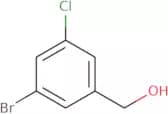
CAS:<p>3-Bromo-5-chlorobenzyl alcohol is a useful building block for the synthesis of complex compounds. It reacts with metal chlorides to form bromochloromethane, which can be used in organic syntheses as a reaction component or reagent. 3-Bromo-5-chlorobenzyl alcohol is a versatile chemical that has been shown to have high quality and is useful in research.</p>Fórmula:C7H6BrClOPureza:Min. 95%Forma y color:PowderPeso molecular:221.48 g/mol4-Bromo-3-methylphenol
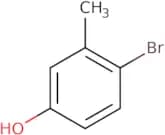
CAS:4-Bromo-3-methylphenol is a hydrochloride salt of 4-bromo-3-methylphenol that has acidic properties. It can be used as a reagent to prepare samples for phosphotungstic acid and ligand desorption techniques. It can also be used in the reduction of sulfoxides by means of hydrogen gas in an efficient method, which is suitable for on-line analysis. 4-Bromo-3-methylphenol is soluble in water and easily prepared from chlorobenzene. This compound has been extensively studied for its use in liquid phase electroosmotic techniques, which are based on the principle that the movement of ions is influenced by an electric field applied to a liquid medium.Fórmula:C7H7BrOPureza:Min. 95%Forma y color:PowderPeso molecular:187.03 g/mol4-Acetamidobenzyl alcohol
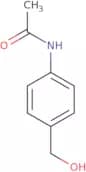
CAS:4-Acetamidobenzyl alcohol is a white crystalline solid that is soluble in water. It is used as a reagent in organic synthesis, and also as a chemical intermediate. 4-Acetamidobenzyl alcohol has been shown to catalyze the oxidation of potassium with liquid phase oxygen. The mechanism of this reaction may be due to an amidation followed by an oxidative deamination or an oxidative decarboxylation of the amide. 4-Acetamidobenzyl alcohol has been shown to oxidize primary alcohols in the presence of hydrogen peroxide, yielding an acetaldehyde and a ketone.Fórmula:C9H11NO2Pureza:Min. 95%Forma y color:PowderPeso molecular:165.19 g/mol7-Octyn-1-ol
CAS:<p>7-Octyn-1-ol is a synthetic compound that is used for the synthesis of deuterated compounds. It has been shown to have neurotrophic effects and the ability to modulate carbon chains. In addition, 7-octyn-1-ol may be used as an intermediate in the synthesis of nicotine. 7-Octyn-1-ol is also an isomeric form of octyne, which is a natural product found in malonate and fatty acids.</p>Fórmula:C8H14OPureza:Min. 95%Forma y color:Colorless Clear LiquidPeso molecular:126.2 g/mol1,6-Hexanediol diglycidylether
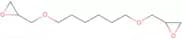
CAS:<p>1,6-Hexanediol diglycidylether is a reactive functional group that has been used in the production of polyurethane elastomers. It is also used as a cross-linking agent and polymerization initiator. The reactive functional group has been shown to form intramolecular hydrogen bonds, which are important for the formation of polyurethanes. 1,6-Hexanediol diglycidylether is an exothermic compound that reacts with deionized water, forming carbon dioxide and hydrogen gas. This product has been shown to cause allergic reactions in clinical studies.</p>Fórmula:C12H22O4Forma y color:Clear LiquidPeso molecular:230.3 g/molL-Phenylalaninol
CAS:<p>L-Phenylalaninol is a β-amino acid with the molecular formula C9H11NO2. It is an organic compound that contains both a hydroxy methyl and a fatty acid group. L-Phenylalaninol has been shown to enhance the asymmetric synthesis of cycloleucine, which is an antibiotic with anti-inflammatory properties. The reaction mechanism for this process is not yet fully understood but it is hypothesized that the nitrogen atoms in l-phenylalaninol form intramolecular hydrogen bonds with the hydroxymethyl groups on the nitro group of cycloleucine, stabilizing it and allowing for more efficient reactions.</p>Fórmula:C9H13NOForma y color:White PowderPeso molecular:151.21 g/mol(S)-(+)-Prolinol
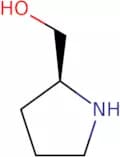
CAS:<p>(S)-(+)-Prolinol is a chiral compound that belongs to the class of polymerase chain reaction (PCR) reagents. It is used as an antibacterial agent, which inhibits bacterial growth by interfering with DNA replication and transcription. The stereoselective nature of the compound has been shown by its differential activity against two different strains of subtilis. This molecule also interacts with diazepam and other drugs, as well as with environmental pollutants such as polychlorinated biphenyls (PCBs). <br>The anti-inflammatory properties of this molecule may be due to its ability to inhibit prostaglandin synthesis through inhibition of cyclooxygenase or lipoxygenase enzymes.</p>Fórmula:C5H11NOPureza:Min. 95%Forma y color:Clear LiquidPeso molecular:101.15 g/mol2-(2,4-Dinitrophenoxy)ethanol
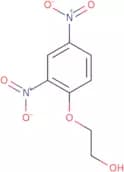
CAS:<p>2-(2,4-Dinitrophenoxy)ethanol is a glycol ether that has been shown to be an effective nucleophile in nucleophilic substitution reactions. It is a colorless liquid with a boiling point of between 204°C and 205°C. 2-(2,4-Dinitrophenoxy)ethanol reacts with deionized water in the presence of ethylene to produce a crystalline precipitate. The product can be recrystallized from ethanol/water or purified by chromatography on silica gel. This chemical can also be used as an activated nucleophile in the synthesis of spirocyclic compounds and isomeric ketones. 2-(2,4-Dinitrophenoxy)ethanol is toxic and may cause severe skin burns if it comes into contact with unprotected skin. It is also environmentally hazardous when released into the environment because it breaks down slowly and may accumulate in soil or water systems.</p>Fórmula:C8H8N2O6Pureza:Min. 95%Forma y color:PowderPeso molecular:228.16 g/molNiclosamide ethanolamine salt
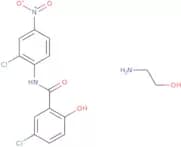
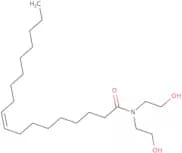
CAS:<p>Chemically a chlorinated salicylanilide, niclosamide is clinically used as an anthelmintic agent. The action of niclosamide has been proven to proceed by inhibiting the STAT3 signaling pathway. Recently, niclosamide, has been considered as an antiproliferative agent in cancer treatment, e.g. melanoma and colorectal cancer. In 2021, niclosamide has been tested for the treatment of COVID-19 patients.</p>Fórmula:C15H15Cl2N3O5Forma y color:PowderPeso molecular:388.2 g/molDiethanololeamide
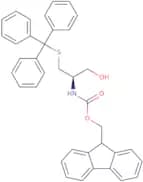
CAS:<p>Emulgator; stabilizing surfactant used in cosmetics, pharmaceuticals, textiles</p>Fórmula:C22H43NO3Forma y color:Yellow PowderPeso molecular:369.58 g/molFmoc-Cysteinol(Trt)
CAS:<p>Fmoc-Cysteinol(Trt) is a versatile building block that can be used in the production of complex compounds and research chemicals. This compound is a high quality, useful building block that is used to synthesize many other compounds. It can also be used as a reagent or speciality chemical. Fmoc-Cysteinol(Trt) has been classified as a CAS No. 215954-72-6 and is a useful scaffold for chemical reactions.</p>Fórmula:C37H33NO3SPureza:Min. 95%Forma y color:PowderPeso molecular:571.73 g/mol1-Chloro-3-[4-(2-methoxyethyl)phenoxy]-2-propanol
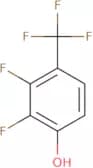
CAS:<p>1-Chloro-3-[4-(2-methoxyethyl)phenoxy]-2-propanol is a potent antihypertensive agent that is synthesized by the chemoenzymatic process. It differs from other antihypertensive drugs in that it incorporates an oxirane group, which makes it more hydrophobic than other drugs. 1-Chloro-3-[4-(2-methoxyethyl)phenoxy]-2-propanol is a crystalline solid with a melting point of 128°C and a density of 1.0 g/mL. The chemical name for this drug is 4-[(1E)-1-(chloromethoxy)propyl]phenol, which has potent antihypertensive activity and high enantioselectivity.</p>Fórmula:C12H17ClO3Pureza:Min. 95%Peso molecular:244.71 g/mol2,3-Difluoro-4-(trifluoromethyl)phenol
CAS:<p>2,3-Difluoro-4-(trifluoromethyl)phenol is a useful scaffold for the synthesis of complex compounds. The compound is a useful intermediate in the synthesis of research chemicals and speciality chemicals. It is also used as a reaction component in chemical reactions to produce fine chemicals, such as pharmaceuticals.</p>Fórmula:C7H3F5OPureza:Min. 95%Forma y color:PowderPeso molecular:198.09 g/mol

![2-[[(4-Anilinophenyl)imino]methyl]-4,6-dichlorophenol](/_next/image/?url=https%3A%2Fstatic.cymitquimica.com%2Fproducts%2F3D%2Fthumb-webp%2FFA71703.webp&w=3840&q=75)




![4-[[4-(4-Chlorophenyl)-2-thiazolyl]amino]phenol](/_next/image/?url=https%3A%2Fstatic.cymitquimica.com%2Fproducts%2F3D%2Fthumb-webp%2FFC137468.webp&w=3840&q=75)


![9-Fluoro-3-methyl-7-oxo-10-(1-piperazinyl)-2,3-dihydro-7H-[1,4]oxazino[2,3,4-Ij]quinoline-6-carbox…](/_next/image/?url=https%3A%2Fstatic.cymitquimica.com%2Fproducts%2F3D%2Fthumb-webp%2FFF102861.webp&w=3840&q=75)
![7-[(Dimethylamino)methyl]-2,2,4-trimethyl-1,2-dihydroquinolin-6-ol](/_next/image/?url=https%3A%2Fstatic.cymitquimica.com%2Fproducts%2F3D%2Fthumb-webp%2FFD129815.webp&w=3840&q=75)









![9-Fluoro-10,13,17-Trimethyl-2,3,4,5,6,7,8,11,12,14,15,16-Dodecahydro-1H-Cyclopenta[a]Phenanthrene-…](/_next/image/?url=https%3A%2Fstatic.cymitquimica.com%2Fproducts%2F3D%2Fthumb-webp%2FFF103008.webp&w=3840&q=75)






![1-Chloro-3-[4-(2-methoxyethyl)phenoxy]-2-propanol](/_next/image/?url=https%3A%2Fstatic.cymitquimica.com%2Fproducts%2F3D%2Fthumb-webp%2FFC27415.webp&w=3840&q=75)