Alcoholes
Subcategorías de "Alcoholes"
Se han encontrado 5817 productos de "Alcoholes"
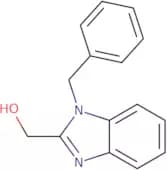
(1-Benzyl-1H-benzimidazol-2-yl)methanol
CAS:Producto controladoPlease enquire for more information about (1-Benzyl-1H-benzimidazol-2-yl)methanol including the price, delivery time and more detailed product information at the technical inquiry form on this page
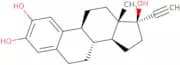
Fórmula:C15H14N2OPureza:Min. 95%Peso molecular:238.28 g/mol2-Hydroxy ethynyl estradiol
CAS:2-Hydroxy ethynyl estradiol is a synthetic estrogen that has been used in animal studies to study the effects of estrogens on the brain. It is active as an antiestrogen at high doses and has been shown to be a potent inhibitor of brain norepinephrine uptake. 2-Hydroxy ethynyl estradiol has been used as a marker for cytochrome P450 enzymes and NADPH-cytochrome P450 reductase in rat brain. This compound also binds to estrogen receptors in women, although it does not have any biological activity due to its lack of a 17β-hydroxyl group. The drug has also been shown to inhibit noradrenergic neurons in the central nervous system.Fórmula:C20H24O3Pureza:Min. 95%Peso molecular:312.4 g/mol(16b,17a)-Estra-1,3,5(10)-triene-3,16,17-triol
CAS:Producto controlado(16b,17a)-Estra-1,3,5(10)-triene-3,16,17-triol is a molecule that belongs to the group of estrogens. Its structure is similar to 17β-estradiol and it has been shown to have inhibitory properties against bacterial growth. This compound has been found in human breast tissue and urine samples. 16b,17a)-Estra-1,3,5(10)-triene-3,16,17-triol has been shown to be active against colistin resistant bacteria. (16b,17a)-Estra-1,3,5(10)-triene-3,16,17-triol is also active against methicillin resistant staphylococcus aureus isolates. The optimum pH for this compound is 4.8 and it can be used for diagnostic purposes as it stains cells with a blue color in Gram's stain test.Fórmula:C18H24O3Pureza:Min. 95%Peso molecular:288.38 g/mol6-Amino-5,6,7,8-tetrahydronaphthalene-2,3-diol
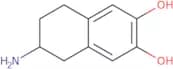
CAS:Producto controlado6-Amino-5,6,7,8-tetrahydronaphthalene-2,3-diol is a potent dopamine D2 receptor antagonist. It has been shown to inhibit the light emission of dopamine in vitro. This compound also has a high affinity for 5-HT receptors and has been shown to be a potent agonist at these sites. 6-Amino-5,6,7,8-tetrahydronaphthalene-2,3-diol has been found to induce pluripotent stem cells from human fibroblasts. These cells can differentiate into virtually any cell type in the body and may be used to study diseases such as Parkinson's disease and cancer.Fórmula:C10H13NO2Pureza:Min. 95%Peso molecular:179.22 g/mol2-((3-Amino-4-methoxyphenyl)amino)ethanol sulfate
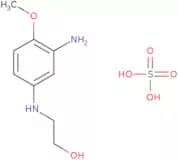
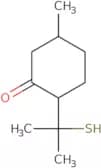
CAS:2-((3-Amino-4-methoxyphenyl)amino)ethanol sulfate is a potent antibacterial agent that inhibits the growth of bacteria by binding to the 50S ribosomal subunit. It is also used in dermatology, as an aminophenol, and as an ingredient in cosmetics. 2-((3-Amino-4-methoxyphenyl)amino)ethanol sulfate has been shown to be efficacious against bacterial infections caused by methicillin resistant Staphylococcus aureus (MRSA), Pseudomonas aeruginosa, Proteus mirabilis, and Klebsiella pneumoniae. This compound also has antihistamine properties.Fórmula:C9H16N2O6SPureza:Min. 95%Peso molecular:280.3 g/molp-Mentha-8-thiol-3-one
CAS:p-Mentha-8-thiol-3-one is a stabilizer that can be used in the synthesis of agathosma and other terpenes. It is also used as a mass spectrometric standard for the identification of stereoisomers. p-Mentha-8-thiol-3-one has been shown to have antibacterial effects against gram positive bacteria, including methicillin resistant Staphylococcus aureus (MRSA). This compound can be used in vitro to study the interactions between cytochrome P450 enzymes, lipid matrix and terpene compounds. In addition, it has been shown to work as a gas sensor, where it reacts with sodium sulfide to produce hydrogen sulfide gas.
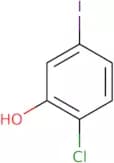
Fórmula:C10H18OSPureza:Min. 95%Forma y color:Clear LiquidPeso molecular:186.32 g/mol2-Chloro-5-iodophenol
CAS:Please enquire for more information about 2-Chloro-5-iodophenol including the price, delivery time and more detailed product information at the technical inquiry form on this page
Fórmula:C6H4ClIOPureza:Min. 95%Peso molecular:254.45 g/moltert-Butyl alcohol
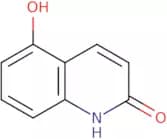
CAS:Producto controladoTert-butyl alcohol is used in wastewater treatment as a biocide. It has been shown to inhibit the growth of bacteria by binding to their aminotransferase enzymes. Tert-butyl alcohol binds to the active site of an enzyme and inhibits its activity by forming a covalent bond with an amino acid residue. Tert-butyl alcohol also binds to human serum albumin, which may be due to its ability to react with hydroxyl groups on the protein surface. The reaction solution is analyzed using a kinetic method, which determines how much tert-butyl alcohol is consumed over time (k1/2). This information can be used to determine the reaction mechanism for tert-butyl alcohol.Fórmula:C4H10OPureza:(Gc) Min. 99.0%Forma y color:Clear LiquidPeso molecular:74.12 g/mol5-Hydroxyquinolin-2(1H)-one
CAS:5-Hydroxyquinolin-2(1H)-one is a chalcone that can be synthesized from 2,5-dihydroxybenzaldehyde and quinoline. It is a bacteriostatic agent that inhibits bacterial growth by binding to the 50S ribosomal subunit, blocking the formation of an antibiotic-substrate complex with the enzyme cell wall synthesis that is required for cell wall biosynthesis, inhibiting protein synthesis and cell division. 5-Hydroxyquinolin-2(1H)-one has shown activity against methicillin resistant Staphylococcus aureus (MRSA) and methicillin resistant Enterococcus faecium. 5-Hydroxyquinolin-2(1H)-one also represses the expression of DNA topoisomerase II genes, which may be associated with its inhibitory effects on bacterial growth.
Fórmula:C9H7NO2Pureza:Min. 95%Peso molecular:161.16 g/mol1-Benzyl-4-piperidinol
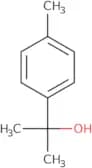
CAS:1-Benzyl-4-piperidinol is a n-hexane soluble synthetic compound. It has been shown to inhibit the cholesterol acyltransferase enzyme in rat liver microsomes, which is involved in the synthesis of cholesterol. 1-Benzyl-4-piperidinol can also be used for the treatment of cancers, such as prostate adenocarcinoma, due to its potent antagonistic activity against prostate cancer cells. This compound has also been shown to induce apoptosis in cancer cells and inhibit growth. The mechanism of action may be due to bond cleavage and inhibition of protein synthesis.Fórmula:C12H17NOPureza:Min. 95%Peso molecular:191.27 g/molp,a,a-Trimethylbenzyl alcohol
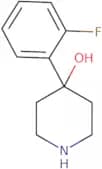
CAS:p,a,a-Trimethylbenzyl alcohol is a naturally occurring compound that is found in the essential oils of plants. It has been shown to have an antifungal effect on Streptococcus faecalis and Candida glabrata. p,a,a-Trimethylbenzyl alcohol also inhibits the growth of bacteria by binding to fatty acids. The mechanism of action for this inhibition is unknown but may be due to its ability to interfere with various enzymatic reactions that are necessary for lipid synthesis. This alcohol has been shown to be a potent inhibitor of bacterial growth with minimal inhibitory concentrations below 1ug/ml and has also been shown to have anti-inflammatory effects in animal studies.Fórmula:C10H14OPureza:Min. 90%Forma y color:Colorless Clear LiquidPeso molecular:150.22 g/mol4-(2-Fluorophenyl)-4-piperidinol
CAS:Please enquire for more information about 4-(2-Fluorophenyl)-4-piperidinol including the price, delivery time and more detailed product information at the technical inquiry form on this page
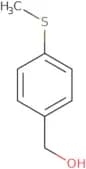
Fórmula:C11H14FNOPureza:Min. 95%Peso molecular:195.23 g/mol4-(Methylthio)benzyl Alcohol
CAS:4-(Methylthio)benzyl Alcohol (MSBA) is a sulfate salt of 4-(methylthio)benzol, which is used as an inhibitor for cytochrome P450 enzymes. MSBA forms a covalent bond with cytochrome P450 and inhibits the oxidation of substrates to form reactive metabolites. This inhibitor can also be used to identify the active site of cytochrome P450 enzymes by docking analysis. The inhibition by MSBA has been demonstrated in recombinant cytochrome P450s using acetonitrile and stilbene derivatives as substrates. The inhibitory potency of MSBA is related to its methoxy groups and sulfate salt groups, which are important for binding with the enzyme. MSBA has been shown to metabolize into primary alcohols, such as 2-propynyl ethyl alcohol, that have inhibitory activities against cytochrome P450 enzymes.
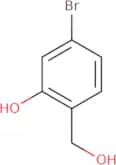
Fórmula:C8H10OSPureza:Min. 95%Peso molecular:154.23 g/mol5-Bromo-2-(hydroxymethyl)phenol
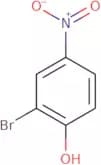
CAS:5-Bromo-2-(hydroxymethyl)phenol (5-BHP) is a synthetic small molecule that activates the death receptor CD95. It has been shown to induce tumor regression in experimental models of cancer. 5-BHP can be used as a cancer therapeutic or for the treatment of inflammatory conditions such as rheumatoid arthritis and psoriasis. 5-BHP binds to the death protein pd-l1, which initiates downstream signaling pathways that lead to activation of caspases and apoptosis. This agent also interacts with programmed death ligand 1 (PD-L1), which is expressed on activated T cells and may be involved in antitumor responses. These interactions are being investigated for their potential use in drug development, including optimization and biochemical techniques to characterize the binding affinity of 5-BHP with PD-L1.Fórmula:C7H7BrO2Pureza:Min. 95%Peso molecular:203.03 g/mol2-Bromo-4-nitrophenol
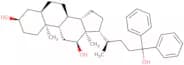
CAS:2-Bromo-4-nitrophenol is a byproduct of the reaction between hydrogen peroxide and sodium bromate. It can be detected in the presence of hydrochloric acid, which reacts with 2-bromo-4-nitrophenol to form an orange color that can be detected spectrophotometrically. 2-Bromo-4-nitrophenol has been shown to inhibit the growth of various strains of bacteria, including Escherichia coli, Bacillus subtilis, and Pseudomonas aeruginosa. This compound binds to flavin adenine dinucleotide (FAD) as well as other nucleophilic cofactors such as thioredoxin reductase. The binding affinity is increased when carbon sources are present. This property makes it a useful inhibitor for catalytic reduction reactions in biotechnology and synthetic chemistry applications.br>br> 2B4NP is a byFórmula:C6H4BrNO3Pureza:Min. 95%Forma y color:PowderPeso molecular:218 g/mol3,12-Dihydroxy-nor-cholanyldiphenylcarbinol
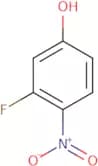
CAS:Producto controladoPlease enquire for more information about 3,12-Dihydroxy-nor-cholanyldiphenylcarbinol including the price, delivery time and more detailed product information at the technical inquiry form on this pageFórmula:C36H50O3Pureza:Min. 95%Peso molecular:530.78 g/mol3-Fluoro-4-nitrophenol
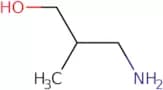
CAS:3-Fluoro-4-nitrophenol is an organic solvent that is used in the synthesis of a number of organic and inorganic compounds, including diazonium salts. 3-Fluoro-4-nitrophenol can be reacted with organometallic reagents to form tetraphenylmethane derivatives. It has been shown to have potential use as a precursor for the synthesis of a number of pharmaceuticals, such as regorafenib, which is an antiangiogenic drug. 3-Fluoro-4-nitrophenol reacts with chloride ions to form coelomic acid (3-fluoroaniline) and other organic acids. Reaction with magnesium and aluminium produces silicon nitride.Fórmula:C6H4FNO3Pureza:Min. 95%Peso molecular:157.1 g/mol3-Amino-2-methylpropan-1-ol
CAS:3-Amino-2-methylpropan-1-ol is a reactive chemical that can be used as a reactant in the synthesis of other chemicals. It is an alkanolamine and can be found in small amounts in water vapor. 3-Amino-2-methylpropan-1-ol has been shown to have low energy and it reacts with water vapor to form 3,4-dihydroxybutanal, which is a product that can be converted into other useful chemicals. 3-Amino-2-methylpropan-1-ol also reacts with high energy photons to form new substances, such as 3,4,5,6 tetrahydroxymethylbenzaldehyde. 3Amino - 2 - methylpropan - 1 - ol has been shown to have many uses including the production of low molecular weight polymers and resins for paints and coatings.
Fórmula:C4H11NOPureza:Min. 95%Peso molecular:89.14 g/mol2,2,4-Trimethyl-1,2-dihydroquinolin-6-yl phenylacetate
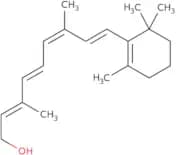
CAS:Producto controladoPlease enquire for more information about 2,2,4-Trimethyl-1,2-dihydroquinolin-6-yl phenylacetate including the price, delivery time and more detailed product information at the technical inquiry form on this pageFórmula:C20H21NO2Pureza:Min. 95%Peso molecular:307.39 g/mol9-cisRetinol
CAS:9-cisRetinol is a form of vitamin A that plays an important role in the synthesis of lipids and proteins. It has been shown to inhibit acid formation in the liver and to stimulate growth in some types of cancer cells. 9-cisRetinol is converted to all-trans retinoic acid, which is a nuclear hormone receptor that regulates gene expression. It also has been shown to be effective in clinical studies for the treatment of congenital amaurosis and cancer. 9-cisRetinol can inhibit phospholipase A2, which prevents the release of arachidonic acid from membrane phospholipids, as well as inhibit prostaglandin synthesis. The optimum pH for 9-cisRetinol activity is between 7 and 8.Fórmula:C20H30OPureza:Min. 95%Peso molecular:286.45 g/mol