Alcoholes
Los alcoholes son una amplia gama de moléculas orgánicas derivadas de hidrocarburos que contienen uno o más grupos hidroxilo (grupo OH). Estos compuestos son esenciales en diversas reacciones químicas y se utilizan ampliamente en entornos de laboratorio para síntesis, como disolventes y en química analítica. En CymitQuimica, ofrecemos alcoholes de alta calidad preparados para uso en laboratorio, apoyando sus investigaciones y aplicaciones industriales con productos fiables y efectivos. Nuestra selección garantiza que tenga los alcoholes adecuados para sus necesidades específicas, ya sea para trabajos rutinarios de laboratorio o proyectos de investigación especializados.
Subcategorías de "Alcoholes"
Se han encontrado 5814 productos de "Alcoholes"
Ordenar por
Pureza (%)
0
100
|
0
|
50
|
90
|
95
|
100
7,9-Dimethoxycarbonyl-2-ethoxycarbonyl-1H-pyrrolo-[2,3-f]quinoline-4,5-dione
CAS:<p>7,9-Dimethoxycarbonyl-2-ethoxycarbonyl-1H-pyrrolo-[2,3-f]quinoline-4,5-dione is a chemical compound that is used as an intermediate for research chemicals. It has a CAS number of 80721-47-7 and is classified as a fine chemical with the Chemical Abstracts Service (CAS) classification code of 3272. This compound is a versatile building block that can be used in the synthesis of other compounds. 7,9-Dimethoxycarbonyl-2-ethoxycarbonyl-1H-pyrrolo-[2,3f]quinoline 4,5dione can be used to produce high quality products.</p>Fórmula:C18H14N2O8Pureza:Min. 95%Forma y color:Orange PowderPeso molecular:386.31 g/mol(aR)-a-[[[2-(4-Aminophenyl)ethyl]amino]methyl]-benzenemethanol
CAS:<p>Please enquire for more information about (aR)-a-[[[2-(4-Aminophenyl)ethyl]amino]methyl]-benzenemethanol including the price, delivery time and more detailed product information at the technical inquiry form on this page</p>Fórmula:C16H20N2OPureza:Min. 95%Forma y color:PowderPeso molecular:256.34 g/mol1,3-Bis(Dimethylamino)-2-Propanol
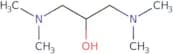
CAS:<p>1,3-Bis(dimethylamino)-2-propanol is a polymeric compound that is soluble in water and organic solvents. It has been shown to have a viscosity of less than 2.0 centipoise (cP) at 20°C and pH 8.5. This compound also has a high solubility in buffers, carboxylates, and chloride ions. 1,3-Bis(dimethylamino)-2-propanol has been used as an additive for silicone surfactants and in the production of tetranuclear gold nanoparticles for use in chemiluminescence applications.</p>Fórmula:C7H18N2OPureza:Min. 95%Peso molecular:146.23 g/mol2-(Difluoromethoxy)Phenol
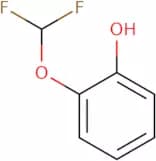
CAS:<p>2-(Difluoromethoxy)Phenol is a purine derivative and pyrimidine derivative. It has been shown to inhibit the growth of cancer cells in vitro and in vivo. 2-(Difluoromethoxy)phenol inhibits multidrug resistance by inhibiting the transport of drugs into cells and thereby preventing their accumulation. As a result, it suppresses inflammatory diseases and autoimmune diseases. The hydroxyl group in this compound can be replaced with fluorine or nitro groups to generate new derivatives with different properties. Piperidine can also be added to this molecule to create an analogue that is more potent than 2-(difluoromethoxy)phenol and has a longer duration of action.</p>Fórmula:C7H6F2O2Pureza:Min. 95%Peso molecular:160.12 g/mol10H-[1,2,5,8,11,14,17,20,23,26,29,32,35]Dithiaundecaazacyclooctatriacontino[11,10-b]isoquinoline,cyclic peptide derivative
CAS:<p>Please enquire for more information about 10H-[1,2,5,8,11,14,17,20,23,26,29,32,35]Dithiaundecaazacyclooctatriacontino[11,10-b]isoquinoline,cyclic peptide derivative including the price, delivery time and more detailed product information at the technical inquiry form on this page</p>Fórmula:C69H116N26O15S2Pureza:Min. 95%Peso molecular:1,613.96 g/mol2,3,6-Trimethylphenol
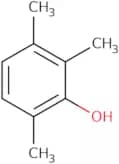
CAS:<p>2,3,6-Trimethylphenol is an industrial chemical that is produced by the acylation of 2,6-dimethylaniline with formaldehyde. The optimal reaction conditions for this process are at a temperature of 100°C and a pressure of 10 bar. This chemical has been shown to be an effective catalyst for the chlorination of hydrocarbons. Trimethylphenol is also used as a reagent in the preparation of other chemicals and is found in many products due to its low energy requirements. The logistic regression model has been used to assess the relationship between population growth and industrial preparation. It has been shown that there is a positive correlation between these two variables. 2,3,6-Trimethylphenol can also be found in polluted environments where it reacts with chloride ions to produce hydrogen chloride gas or methyl chloride gas. Redox potential values have been measured for this compound and it was found that the reduction potential is -0.07</p>Fórmula:C9H12OPureza:Min. 95%Peso molecular:136.19 g/mol5-Bromoquinolin-8-amine
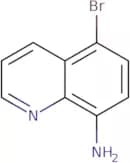
CAS:<p>5-Bromoquinolin-8-amine is a topoisomerase inhibitor that can be used as an antitumor agent. It has been shown to inhibit the growth of tumor cell lines and suppress the growth of colon carcinoma cells in rats and human colon carcinomas in mice. 5-Bromoquinolin-8-amine interacts with DNA, specifically inhibiting the formation of supercoiled DNA. This interaction may lead to the inhibition of tumor cell growth. 5-Bromoquinolin-8-amine also inhibits protein synthesis by interacting with proteins at the ribosomal level, leading to inhibited cell growth.</p>Fórmula:C9H7BrN2Pureza:Min. 95%Peso molecular:223.07 g/mol1-O-Octadecyl-2-O-benzyl-sn-glycerol
CAS:<p>1-O-Octadecyl-2-O-benzyl-sn-glycerol (ODBG) is a novel antiviral drug that is being developed for the treatment of HIV. ODBG inhibits HIV by binding to the virus and preventing it from entering cells, which prevents the virus from replicating. ODBG has been shown to be effective against other viruses as well, such as herpes simplex virus and respiratory syncytial virus. ODBG is a lipid molecule that can cross cell membranes and has been shown to have low toxicity in animal studies. This drug also has potential to be used as an oral medication for patients with HIV.</p>Fórmula:C28H50O3Pureza:Min. 95%Peso molecular:434.69 g/mol4-Fluoromethyl-α-methylbenzyl alcohol
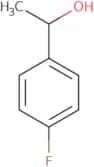
CAS:<p>4-Fluoromethyl-alpha-methylbenzyl alcohol is a nonclassical molecule that has been synthesized. This molecule has been modeled computationally and the results indicate that it exhibits a planar geometry with a diastereomeric ratio of 1:1. The theoretical calculations show that the reaction of 4-fluoromethyl-alpha-methylbenzyl alcohol with water is exothermic, which would result in the formation of an intermediate hydroxide ion. Kinetic studies have shown that this molecule can undergo transfer reactions and dehydrogenation reactions, both of which are possible mechanisms for its reactivity.</p>Fórmula:C8H9FOPureza:Min. 95%Peso molecular:140.15 g/mol1-[(3,3-Diphenylpropyl)methylamino]-2-methyl-2-propanol
CAS:<p>1-[(3,3-Diphenylpropyl)methylamino]-2-methyl-2-propanol is an epoxy that can be synthesized from benzene and lercanidipine. It has been used in the production of cinnamic acid and other molecules. This molecule can be prepared by reacting cinnamic acid with chloromethyl methyl ether in a ring-opening reaction. The chloride ion is utilized as a nucleophile to react with the amide nitrogen atom of the cinnamic acid molecule to form the amide bond. The large-scale production of 1-[(3,3-diphenylpropyl)methylamino]-2-methyl-2-propanol utilizes refluxing to remove water and other byproducts that are formed during the process.</p>Fórmula:C20H27NOPureza:Min. 95%Peso molecular:297.43 g/molα-Zearalenol
CAS:<p>a-Zearalenol is a steroidal compound that has been shown to be effective in the treatment of autoimmune diseases. It has been found to have a matrix effect on the transcription of genes and can be used in wastewater treatment. Further, it has been shown to inhibit the activity of complex enzymes such as lysyl oxidase and prolyl hydroxylase. The hybridoma cell line was developed for the production of monoclonal antibodies against zearalenone, and an analytical method using LC-MS/MS with fluorescence detection for a-zearalenol was also developed.</p>Fórmula:C18H24O5Pureza:Min. 95%Peso molecular:320.38 g/mol2-Acetamidophenol
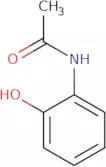
CAS:<p>2-Acetamidophenol is an apoptotic agent that has been used as a hydroxyl radical scavenger in the treatment of oxidative injury. The drug has also been shown to possess anti-inflammatory properties. 2-Acetamidophenol is a stable complex with nitrite ion, which is formed during the redox cycle and may be responsible for the drug's antirheumatic activity. The drug does not react with p-hydroxybenzoic acid, which may be due to its protective effect on enzymes such as cytochrome P450 that are involved in the metabolism of drugs. 2-Acetamidophenol can be detected by analytical methods such as nmr spectra or gas chromatography under neutral pH conditions.</p>Fórmula:C8H9NO2Pureza:Min. 95%Peso molecular:151.16 g/molL-threo-(+)-2-Amino-1-(4-nitrophenyl)-1,3-propanediol
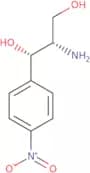
CAS:<p>L-threo-(+)-2-amino-1-(4-nitrophenyl)-1,3-propanediol is a functional group that is composed of a fatty acid and an amino acid. It has been shown to inhibit the growth of corynebacterium glutamicum bacteria by hydrolyzing their cell wall. This compound also inhibits the activity of bacterial enzymes that are involved in the synthesis of proteins. This functional group may be useful for the treatment of chronic lymphocytic leukemia and HIV infection.</p>Fórmula:C9H12N2O4Pureza:Min. 95%Forma y color:PowderPeso molecular:212.2 g/molP38 MAP Kinase Inhibitor IV
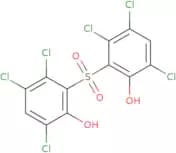
CAS:<p>Phenol,2,2'-sulfonylbis[3,4,6-trichloro] is a sulfate-containing compound that has been shown to stimulate the immune system and activate mitogen-activated protein kinases (MAPKs) in mosquitoes. The inclusion of this substance in vaccines may lead to increased immunity against various diseases. Phenol,2,2'-sulfonylbis[3,4,6-trichloro] has also been shown to reduce cancer cell proliferation by modulating antigen-presenting cells and inducing apoptosis in ovarian cancer cells. This substance can be used as a cost-effective alternative to dextran sulfate for generating pluripotent stem cells from adult cells and can also be used as a scalable process for generating pluripotent cells from human amniotic fluid.</p>Fórmula:C12H4Cl6O4SPureza:Min. 95%Peso molecular:456.94 g/molGlycerol formal
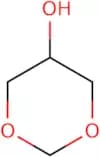
CAS:<p>Glycerol formal is a glycol ether that contains two hydroxyl groups. It is a non-polymeric pharmacological agent with inhibitory properties against group P2 bacteria. The reaction mechanism of glycerol formal is the same as that of other glycol ethers and it is an antimicrobial agent. Glycerol formal has been shown to be effective against Escherichia coli, Staphylococcus aureus, and Salmonella typhi. This compound has also been used in injection solutions and as a solvent for fatty acids.</p>Fórmula:C4H8O3Pureza:Min. 95%Forma y color:Clear LiquidPeso molecular:104.1 g/mol6-Bromoisoquinoline
CAS:<p>6-Bromoisoquinoline is a tetradentate ligand that can be used as a molecular model to study the binding of metal ions and organic molecules. 6-Bromoisoquinoline has been shown to bind covalently and noncovalently with phosphate groups on the surface of Caco-2 cells and to induce surface-enhanced Raman spectroscopy. This ligand has a high nucleophilicity and reacts readily with chloride, which is an acidic functional group. The reaction products are hydrochloric acid, trifluoroacetic acid, or both. 6-Bromoisoquinoline can also act as an allosteric modulator in some enzymes, such as phosphofructokinase in glycolysis.</p>Fórmula:C9H6BrNPureza:Min. 95%Peso molecular:208.05 g/molLinolenic acid - 98%
CAS:<p>Linolenic acid is a polyunsaturated fatty acid that is essential for human health. It is a precursor of prostaglandin E2 (PGE2), which has been implicated in the regulation of cell death and inflammation. Linolenic acid has been shown to induce apoptosis in vitro by inhibiting the mitochondrial membrane potential and activating caspases 3 and 9, thereby inducing neuronal death. In vivo, linolenic acid has been shown to have beneficial effects on cardiovascular function, including lowering cholesterol levels and improving blood flow to the heart. Linolenic acid also has antioxidant properties, which may be due to its ability to inhibit lipid peroxidation and scavenge free radicals.</p>Fórmula:C18H30O2Pureza:Min. 95%Forma y color:PowderPeso molecular:278.43 g/molN-Boc-3-Azetidinol
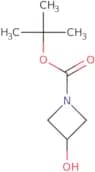
CAS:<p>This linker is chemically stable and not cleavable under standard intracellular or extracellular conditions. N-Boc-3-Azetidinol is also a versatile organic intermediate used primarily in the pharmaceutical industry for synthesizing a wide range of drugs, including antibacterials, immunosuppressants, and cancer therapies.</p>Fórmula:C8H15NO3Pureza:Min. 95%Peso molecular:173.21 g/molCalcipotriol monohydrate
CAS:<p>Calcipotriol is a synthetic vitamin D3 analog that has been shown to be effective in the treatment of bone cancer. It has a film-forming property and is used in pharmaceutical preparations as well as for wastewater treatment. Calcipotriol monohydrate is made by reacting calcipotriol with hydrochloric acid, which produces an ester bond between the hydroxyl group and the carboxylic acid group. The reaction also produces water, methanol, and methyl ethyl ether. Studies have shown that calcipotriol monohydrate has a chemical stability of over 30 days at room temperature, indicating it can be stored for long periods without degradation.</p>Fórmula:C27H40O3·H2OPureza:(%) Min. 96%Forma y color:PowderPeso molecular:430.62 g/mol(8E,10E)-Dodeca-8,10-dien-1-ol
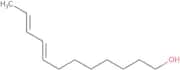
CAS:<p>Codlemone is a pheromone that is secreted by the female codling moth (Cydia pomonella) to attract males for mating. This compound has been shown to have pesticidal activity against various insect species, including codling moths, fruit flies, and aphids. Codlemone is an odorant that binds to olfactory receptors in insects and mammals. It has been shown to bind to the OR1 receptor in mammalian cells and may be involved in physiological functions such as reproduction, stress response, and sexual behavior. The biosynthesis of codlemone starts with the conversion of fatty acid into fatty acid esters by means of transfer reactions with alcohols or alkyl halides. These esters are then converted into dienols by the action of aldehyde oxidase. The dienols are then converted into the final product by means of a palladium-catalyzed coupling reaction with acetaldehyde.</p>Fórmula:C12H22OPureza:90%MinForma y color:Clear LiquidPeso molecular:182.3 g/mol
![7,9-Dimethoxycarbonyl-2-ethoxycarbonyl-1H-pyrrolo-[2,3-f]quinoline-4,5-dione](/_next/image/?url=https%3A%2Fstatic.cymitquimica.com%2Fproducts%2F3D%2Fthumb-webp%2FFD22201.webp&w=3840&q=75)

![(aR)-a-[[[2-(4-Aminophenyl)ethyl]amino]methyl]-benzenemethanol](/_next/image/?url=https%3A%2Fstatic.cymitquimica.com%2Fproducts%2F3D%2Fthumb-webp%2FFA75045.webp&w=3840&q=75)
![10H-[1,2,5,8,11,14,17,20,23,26,29,32,35]Dithiaundecaazacyclooctatriacontino[11,10-b]isoquinoline,c…](/_next/image/?url=https%3A%2Fstatic.cymitquimica.com%2Fproducts%2F3D%2Fthumb-webp%2FFA108858.webp&w=3840&q=75)

![1-[(3,3-Diphenylpropyl)methylamino]-2-methyl-2-propanol](/_next/image/?url=https%3A%2Fstatic.cymitquimica.com%2Fproducts%2F3D%2Fthumb-webp%2FFD22513.webp&w=3840&q=75)