Alcoholes
Los alcoholes son una amplia gama de moléculas orgánicas derivadas de hidrocarburos que contienen uno o más grupos hidroxilo (grupo OH). Estos compuestos son esenciales en diversas reacciones químicas y se utilizan ampliamente en entornos de laboratorio para síntesis, como disolventes y en química analítica. En CymitQuimica, ofrecemos alcoholes de alta calidad preparados para uso en laboratorio, apoyando sus investigaciones y aplicaciones industriales con productos fiables y efectivos. Nuestra selección garantiza que tenga los alcoholes adecuados para sus necesidades específicas, ya sea para trabajos rutinarios de laboratorio o proyectos de investigación especializados.
Subcategorías de "Alcoholes"
Se han encontrado 5814 productos de "Alcoholes"
Ordenar por
Pureza (%)
0
100
|
0
|
50
|
90
|
95
|
100
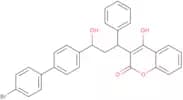
Bromadiolone
CAS:<p>Bromadiolone NA is a rodenticide that is used in the treatment of rodents in wastewater treatment. Bromadiolone NA has been shown to inhibit the mitochondrial membrane potential, which leads to the release of cytochrome C and activation of caspase 3. Bromadiolone NA also has antioxidative properties that protect against oxidative injury and its metabolites have been found to inhibit human serum albumin. This compound has been used as an antimicrobial agent to control biofilm formation and prevent microbial growth. The mode of action for bromadiolone is through the inhibition of chitosan polymerization, which prevents bacterial attachment and biofilm formation on surfaces. Bromadiolone NA was also shown to bind with DNA, inhibiting replication and transcription.</p>Fórmula:C30H23BrO4Pureza:Min. 95%Forma y color:PowderPeso molecular:527.41 g/molEltrombopag olamine
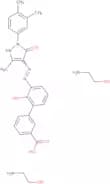
CAS:<p>Eltrombopag olamine is an orally active drug that belongs to the class of thiazolidinones. It has been used for the treatment of thrombocytopenia in patients with chronic liver disease and myelodysplastic syndrome. Eltrombopag olamine inhibits platelet aggregation by binding to glycoprotein IIb/IIIa receptors on the surface of platelets. The drug is a prodrug that is metabolized in vivo to its active form, eltrombopag. This conversion is catalysed by CYP3A4 and CYP2D6 enzymes and can be inhibited by drugs that inhibit these enzymes, such as trifluoroacetic acid and hydroxyl group-containing compounds. Eltrombopag olamine binds to erythrocytes, which may be due to its ability to form intramolecular hydrogen bonds with nitrogen atoms. The synthesis of elt</p>Fórmula:C25H22N4O4•(C2H7NO)2Pureza:Min. 95%Forma y color:PowderPeso molecular:564.63 g/mola,a-Diphenyl-2-pyridinemethanol hydrochloride
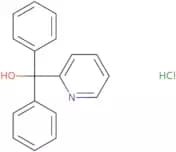
CAS:Producto controlado<p>Please enquire for more information about a,a-Diphenyl-2-pyridinemethanol hydrochloride including the price, delivery time and more detailed product information at the technical inquiry form on this page</p>Fórmula:C18H16ClNOPureza:Min. 95%Peso molecular:297.78 g/mol1-Adamantane ethanol
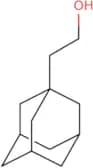
CAS:<p>1-Adamantane ethanol (1AE) is a red blood cell membrane lipid that has been shown to have antimicrobial properties. 1AE is synthesized from 1-adamantanol, which is produced by the hydrolysis of the acyl chain in cholesterol. The acyl chains on 1AE are saturated and contain methoxy groups. The synthesis of 1-adamantanol involves transfer reactions with phthalimides and hydroxide ions. 1-Adamantane ethanol inhibits the growth of staphylococcus, including methicillin resistant strains, through its minimal inhibitory concentrations (MICs). It also has anti-inflammatory effects, inhibiting prostaglandin synthesis in red blood cells.</p>Fórmula:C12H20OPureza:Min. 95%Forma y color:PowderPeso molecular:180.29 g/mol11alpha-Methylandrostan-17beta-ol-3-one
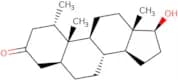
CAS:Producto controlado<p>11alpha-Methylandrostan-17beta-ol-3-one is a pharmacological agent that belongs to the group of androgens. It is an oral preparation and has been used in the treatment of infectious diseases, autoimmune diseases, and metabolic disorders. It has also been used as a matrix effect control in biological samples. The biological effects of 11alpha-Methylandrostan-17beta-ol-3-one are mediated by its direct action on cells or through conversion to testosterone or dihydrotestosterone (DHT). These effects include increasing protein synthesis, promoting bone formation, lowering cholesterol levels, stimulating the production of red blood cells, and decreasing fat deposition. The main side effects are acne vulgaris, male pattern baldness, prostate enlargement, increased risk for prostate cancer, and increased risk for developing breast cancer.</p>Fórmula:C20H32O2Pureza:Min. 95%Forma y color:PowderPeso molecular:304.47 g/mol5-Benzofuranol
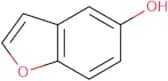
CAS:<p>5-Benzofuranol is a potent cytotoxic natural product that has been isolated from the fungus Cryptococcus neoformans. It possesses a terminal alkyne group and a sulfonic acid group, which are both important for its cytotoxicity. 5-Benzofuranol inhibits the growth of cells in vitro by inhibiting their ability to synthesize DNA. 5-Benzofuranol shows significant cytotoxicity against various cancer cell lines, as well as potent inhibition against Candida albicans, Aspergillus niger, and Saccharomyces cerevisiae strains in vitro. This compound's functional groups make it an effective antifungal agent.</p>Fórmula:C8H6O2Pureza:Min. 95%Peso molecular:134.13 g/mol(R)-1,2-Butanediol
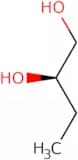
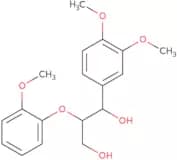
CAS:<p>(R)-1,2-Butanediol is a chemical compound that is classified as a diol. It has two hydroxyl groups and is an active substance. The (R)-1,2-Butanediol molecule consists of two asymmetric carbon atoms. In the presence of oxygen, it can form a ternary complex with copper and the hydroxyl group. This ternary complex catalyzes the conversion of various substrates such as L-xylulose to its corresponding ketones or L-arabinose to its corresponding acetals. The reaction proceeds via substrate binding to the active site on the ternary complex and subsequent functional group participation in the reaction.</p>Fórmula:C4H10O2Pureza:Min. 95%Peso molecular:90.12 g/mol1-(3,4-Dimethoxyphenyl)-2-(2-methoxyphenoxy)propane-1,3-diol
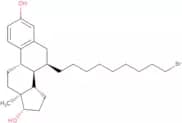
CAS:<p>1,3-Dimethoxy-2-(2-methoxyphenoxy)propane-1,3-diol (DMMP) is a natural product with antioxidant properties. It has been shown to be a potent inhibitor of the epidermal growth factor receptor (EGFR), and also inhibits the activity of the response elements for EGFR. DMMP is also a potent inhibitor of proliferation in human cancer cells and can inhibit the growth of tumour cells that are resistant to methotrexate. DMMP is a precursor to protocatechuic acid, which has been shown to have anti-herpes virus effects. DMMP has been shown to decrease the rate of second order reactions through its ability to react with carbonyl groups on proteins. This reaction leads to an increase in stability and decreases the rate of protein degradation by proteases. A mutant strain was found that can produce this compound without any external stimulus, making it ideal for use as an antibiotic against bacterial</p>Fórmula:C18H22O6Pureza:Min. 95 Area-%Forma y color:PowderPeso molecular:334.36 g/mol(7a,17beta)-7-(9-Bromononyl)estra-1,3,5(10)-triene-3,17-diol
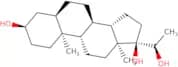
CAS:Producto controlado<p>Please enquire for more information about (7a,17beta)-7-(9-Bromononyl)estra-1,3,5(10)-triene-3,17-diol including the price, delivery time and more detailed product information at the technical inquiry form on this page</p>Fórmula:C27H41BrO2Pureza:Min. 95%Peso molecular:477.52 g/mol20-Epipregnantriol
CAS:Producto controlado<p>20-Epipregnantriol is a natural metabolite of pregnancy, which is a mixture of 20-hydroxyprogesterone, 17-hydroxyprogesterone, and pregnanediol. This hormone has been shown to be produced in the testes and ovaries. It stimulates the production of estrogen by the ovaries and may have an effect on inhibiting testosterone production in the testes. 20-Epipregnantriol has been used as an analytical control in studies on steroidogenesis.</p>Fórmula:C21H36O3Pureza:Min. 95%Peso molecular:336.51 g/molL-Phenylalaninol 2-chlorotrityl resin
<p>Please enquire for more information about L-Phenylalaninol 2-chlorotrityl resin including the price, delivery time and more detailed product information at the technical inquiry form on this page</p>Pureza:Min. 95%Midazolam-d4 maleate - 100 mg/mL in methanol
CAS:Producto controladoPlease enquire for more information about Midazolam-d4 maleate - 100 mg/mL in methanol including the price, delivery time and more detailed product information at the technical inquiry form on this pageFórmula:C18D4H9ClFN3·C4H4O4Pureza:Min. 95%Peso molecular:445.86 g/mol3-Benzyl-phenol
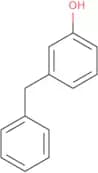
CAS:<p>3-Benzyl-phenol is a formaldehyde and aliphatic compound that is used as a chemical intermediate. It can be synthesized from 3-phenylglycine, which is an amino acid with the formula CH(CH)CONH. The hydroxyl group of 3-benzyl-phenol can be converted to a sulphonic or salicylic acid by hydrolysis with hydrochloric acid or salicylic acid respectively. 3-Benzyl phenol also catalyzes the reaction between paraformaldehyde and hexamine in the presence of water, yielding acetaldehyde and hydrogen gas.</p>Pureza:Min. 95%[1-(4-Chlorobenzyl)-1H-benzimidazol-2-yl]methanol
CAS:Producto controlado<p>Please enquire for more information about [1-(4-Chlorobenzyl)-1H-benzimidazol-2-yl]methanol including the price, delivery time and more detailed product information at the technical inquiry form on this page</p>Fórmula:C15H13ClN2OPureza:Min. 95%Peso molecular:272.73 g/mol(1S,2R)-2-[N-Benzyl-N-(mesitylenesulfonyl)amino]-1-phenyl-1-propanol
CAS:Producto controladoPlease enquire for more information about (1S,2R)-2-[N-Benzyl-N-(mesitylenesulfonyl)amino]-1-phenyl-1-propanol including the price, delivery time and more detailed product information at the technical inquiry form on this pageFórmula:C25H29NO3SPureza:Min. 95%Peso molecular:423.57 g/mol3-Propylphenol
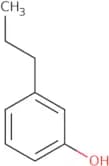
CAS:<p>3-Propylphenol is a naturally occurring fatty acid found in animals and plants. It is used as an industrial chemical and as a solvent for fats, oils, waxes, and resins. 3-Propylphenol has been shown to have a high affinity for caproic acid, which is a fatty acid that can be found in the urine of humans and animals. 3-Propylphenol also has the ability to inhibit methyl ketone formation by diptera during metathesis reactions. This compound is used in the production of industrial chemicals like phenols, acetates, and esters.</p>Fórmula:C9H12OPureza:Min. 95%Peso molecular:136.19 g/molSodium linoleate
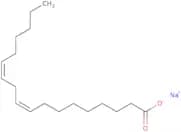
CAS:<p>Sodium linoleate is a model system for studying the effect of radiation on tumorigenesis. Sodium linoleate is used to study the relationship between light exposure and cancer. It has been shown to inhibit Cox-2 expression in carcinoma cell lines, which may be due to its ability to inhibit cox-2 activity by preventing the production of prostaglandins E2 (PGE2). The increased levels of PGE2 can lead to an increase in inflammation and cancer growth. Sodium linoleate has also been shown to have a synergic effect with sodium carbonate in inhibiting tumour growth, which is due to the inhibition of nuclear DNA transcription and protein synthesis.</p>Fórmula:C18H32O2·NaPureza:Min. 95%Forma y color:PowderPeso molecular:303.44 g/molrac 1,2-Bis-palmitoyl-3-chloropropanediol-D5
CAS:Producto controlado<p>Rac-1,2-Bis-palmitoyl-3-chloropropanediol (rac1,2BPC) is a dispersive compound that has been used in the experimental phase of extraction. It has been shown to be efficient in the quantification and screening of fatty acids. Rac1,2BPC has also been used as a spiking agent for food samples to identify contaminants. The recoveries have been validated and linearity has been demonstrated. Rac1,2BPC is an anion that can be quantified by liquid chromatography with wavelength detection at 202 nm.</p>Fórmula:C35H62D5ClO4Pureza:Min. 95%Peso molecular:592.38 g/molPetromyzonol
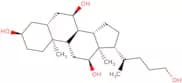
CAS:Producto controlado<p>Petromyzonol is an analytical agent for the determination of insulin resistance. It has been shown to be a potent inhibitor of ATP-binding cassette transporter A1 (ABCA1), which is responsible for the transport of cholesterol from peripheral tissues to the liver. Petromyzonol has also been shown to inhibit fatty acid and cholesterol synthesis, which may be due to its ability to bind disulfate groups and inhibit structural studies.</p>Fórmula:C24H42O4Pureza:Min. 95%Peso molecular:394.59 g/mol3,4-Dihydroisoquinolin-2(1H)-ylacetic acid
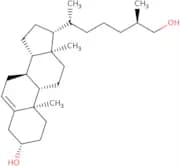
CAS:<p>3,4-Dihydroisoquinolin-2(1H)-ylacetic acid is a chemical compound with the molecular formula of C8H11NO2. It is a useful scaffold for the synthesis of complex compounds and research chemicals. 3,4-Dihydroisoquinolin-2(1H)-ylacetic acid is also a versatile building block for the preparation of fine chemicals. It is used as a reaction component in many organic reactions and can be used as a speciality chemical or reagent due to its high quality.</p>Fórmula:C11H13NO2Pureza:Min. 95%Forma y color:PowderPeso molecular:191.23 g/mol5,25r-Cholesten-3beta,26-diol
CAS:Producto controlado<p>5,25-Cholesten-3β,26-diol (5,25-DHD) is a hormone that belongs to the group of angiotensin system inhibitors. It is a potent antagonist of the angiotensin II type 1 receptor (AT1R). 5,25-DHD has been shown to inhibit hepatic steatosis and improve mitochondrial function in mice with high blood pressure. This drug also has significant cytotoxicity against tumor cells and acts as an effector protein for toll-like receptor 4 (TLR4). 5,25-DHD can bind to iron ions and transport them across the plasma membrane by binding to the ATP binding cassette transporter A1 (ABCA1). 5,25-DHD has been shown to have significant effects on brain functions such as neuronal death and growth factor β1.</p>Fórmula:C27H46O2Pureza:Min. 95%Forma y color:PowderPeso molecular:402.65 g/mol1-Phenylcyclohexanol
CAS:Producto controlado<p>1-Phenylcyclohexanol (1-PC) is an organic compound that is used as a reagent in the synthesis of other compounds. It is a colorless liquid with a pleasant odor. 1-PC has been shown to have synergic effects when reacted with various types of oxidizing agents, such as magnesium and boron trichloride. The reaction products are cyclohexanol, dehydration, and modifiers. When 1-PC reacts with phenylcyclohexene, it forms the antigen hemiketal.</p>Fórmula:C12H16OPureza:Min. 95%Peso molecular:176.25 g/mol(R)-2-Methylbutanol
CAS:<p>(R)-2-Methylbutanol is a volatile pheromone that is produced by both sexes of the avocado tree. It is emitted from the flowers, fruits, and leaves of the plant as well as from wounds on the bark and branches. (R)-2-Methylbutanol has also been identified in other plants such as pine trees. This compound is synthesized in organisms through a cross-coupling reaction and an acetylation reaction. The acetylation reaction involves the addition of an acetyl group to an organic molecule, which may be accomplished using a host plant or synthetic reagents. The cross-coupling reaction involves two molecules that are coupled together by a metal catalyst such as palladium or nickel. In this process, one molecule donates a pair of electrons to another molecule, which accepts them and becomes reduced. This compound has been found to be important for microhabitat selection in some insects because it plays a role in pherom</p>Fórmula:C5H12OPureza:Min. 95%Peso molecular:88.15 g/mol5,6-trans-Calcitriol
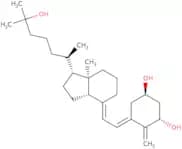
CAS:<p>Calcitriol is a vitamin D metabolite that has an important role in bone health. Calcitriol can be quantified by measuring the amount of calcium that is bound to the molecule. This is done using a detector, which detects the emission of light from the calcitriol. The average recovery value for calcitriol was found to be 98%. The diode array spectrometer and mass spectrometer are used to measure the amount of light emitted and identify specific peaks. A workstation is used to analyze data collected by the detector and chromatographic analysis, respectively. The stability tests were conducted to determine how long calcitriol stays stable at various temperatures.</p>Fórmula:C27H44O3Pureza:Min. 95%Forma y color:PowderPeso molecular:416.64 g/mol1-[(2-Chlorophenyl)-N-(methylimino)methyl]cyclopentanol hydrochloride
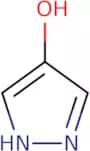
CAS:Producto controlado<p>Please enquire for more information about 1-[(2-Chlorophenyl)-N-(methylimino)methyl]cyclopentanol hydrochloride including the price, delivery time and more detailed product information at the technical inquiry form on this page</p>Fórmula:C13H16ClNO•HClPureza:Min. 95%Peso molecular:274.19 g/mol1H-Pyrazol-4-ol
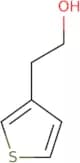
CAS:<p>1H-Pyrazol-4-ol is a molecule that has been shown to have antibacterial properties by inhibiting the growth of bacteria. It was also found to be effective in inhibiting the activity of dopamine β-hydroxylase, which is an enzyme that catalyzes the conversion of dopamine to norepinephrine. 1H-Pyrazol-4-ol has been shown to inhibit nitrite ion reductase, which converts nitrite ions into nitric oxide. Nitric oxide is a potent vasodilator and can cause hypotension. 1H-Pyrazol-4-ol also inhibits the formation of nitro groups from diazonium salts, which are used in many industrial processes, including dyeing and photography. 1H-Pyrazol-4-ol is activated by UV light and reacts with epididymal adipose tissue (fatty tissue) in rats to generate pyrazole derivatives with cytotoxic effects on liver</p>Fórmula:C3H4N2OPureza:Min. 95%Peso molecular:84.08 g/mol3-Thiopheneethanol
CAS:<p>3-Thiopheneethanol is a synthetic polymer that can be used as an insoluble polymer. It has been shown to undergo chemical reactions with hydroxy groups, which form a polymer film. The untreated control group did not show any change in the film thickness, but the electrochemical methods group showed a significant increase in the film thickness. 3-Thiopheneethanol may have potential applications in medical devices and sensors. The detection time of 3-thiopheneethanol was found to be longer than that of other polymers, such as polystyrene sulfonic acid (PSSA).</p>Fórmula:C6H8OSPureza:Min. 95%Peso molecular:128.19 g/molDL-Panthenol
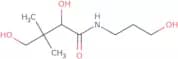
CAS:<p>DL-Panthenol is a form of pantothenic acid. It is used in combination with sodium citrate and calcium pantothenate to prevent cisplatin-induced nephrotoxicity. DL-Panthenol has been shown to protect against cisplatin-induced nephrotoxicity. DL-Panthenol has also been shown to be effective in solid tumours, where it exerts its anticancer effects by regulating signal pathways and inhibiting the growth of cancer cells via benzalkonium chloride. DL-Panthenol is an antimicrobial agent that can be used as an experimental model for bowel disease. This drug also exhibits anti-inflammatory properties, which are due to its ability to inhibit gsh-px activities and laser ablation in an experimental model.</p>Fórmula:C9H10NO4Pureza:Min. 95%Peso molecular:196.18 g/mol4-(Decyloxy)butan-1-ol
CAS:Producto controlado<p>Please enquire for more information about 4-(Decyloxy)butan-1-ol including the price, delivery time and more detailed product information at the technical inquiry form on this page</p>Fórmula:C14H30O2Pureza:Min. 95%Peso molecular:230.39 g/mol4-Amino-2-(1,3-benzoxazol-2-yl)phenol
CAS:<p>4-Amino-2-(1,3-benzoxazol-2-yl)phenol (4APB) is a fluorescent compound that has been used to study the fungal cell wall. It has shown to cause morphological changes in the conidia of some fungi, including transfer and swelling of the contents. 4APB has also been used to study the transfer mechanism of conidia by fluorescence microscopy and epifluorescence microscopy. This chemical can be stained with tosylates, which are reagents used for staining proteins and other molecules that contain sulfur atoms.</p>Fórmula:C13H10N2O2Pureza:Min. 95%Peso molecular:226.23 g/mol2-(2-Methyl-1H-imidazol-1-yl)ethanol
CAS:<p>2-(2-Methyl-1H-imidazol-1-yl)ethanol is a synthetic intermediate that has been used to synthesize antibiotics and antiviral agents. It has a terminal half-life of about 2 days and its pharmacokinetics are linear with an oral dose range from 10 to 100 mg/kg. The fruit extract of Camptotheca acuminata contains alkaloids, which can be converted into 2-(2-methyl-1H-imidazol-1-yl)ethanol by alkalization. 2-(2-Methyl-1H-imidazol-1-yl)ethanol is effective against hordeolum, acne, and infectious diseases caused by viruses such as herpes simplex. This drug has antibacterial properties and can be used in the treatment of bacterial infections such as staphylococcal skin infections, streptococcal throat infections, or gonorrhea. Dehydration is an</p>Fórmula:C6H10N2OPureza:Min. 95%Peso molecular:126.16 g/mol3-Phenyl-1,2,4-oxadiazol-5-ol
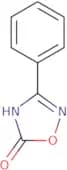
CAS:<p>3-Phenyl-1,2,4-oxadiazol-5-ol is a thione that has been shown to be conjugated with DNA and RNA. It is also able to form complexes with metal ions. This compound is spectroscopically active and can be used for the evaluation of biomolecules in vitro. 3-Phenyl-1,2,4-oxadiazol-5-ol can be used as an alternative to ethidium bromide for the detection of nucleic acids in agarose gel electrophoresis. It has been shown to inhibit protein synthesis in bacteria by binding to ribosomes and inhibiting protein synthesis.</p>Fórmula:C8H6N2O2Pureza:Min. 95%Peso molecular:162.15 g/mol(aR)-a-[[[2-(4-Nitrophenyl)ethyl]amino]methyl]benzenemethanol
CAS:<p>(aR)-a-[[[2-(4-Nitrophenyl)ethyl]amino]methyl]benzenemethanol is a chiral, carbonyl compound that has been used in the synthesis of mirabegron. It is synthesized by reacting an amide with a hydrochloric acid salt. The product yield of (aR)-a-[[[2-(4-Nitrophenyl)ethyl]amino]methyl]benzenemethanol is high and it does not react with aluminium or amide impurities. This compound can be used for the industrial synthesis of mirabegron, which is a drug for the treatment of urinary incontinence. The reduction reaction and hydrolysis reactions are both important to this process.</p>Pureza:Min. 95%2-Morpholinoethanol
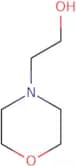
CAS:<p>2-Morpholinoethanol is a potent inhibitor of the enzyme nitric oxide synthase, which is involved in the synthesis of nitric oxide. Nitric oxide is an important molecule that regulates many physiological processes, such as inflammation and blood flow. 2-Morpholinoethanol has been shown to have high resistance to thermal expansion, due to its intramolecular hydrogen bonding. It also inhibits the activity of amine oxidases, which are enzymes that catalyze reactions involving amines and oxygen. The mechanism of action of 2-morpholinoethanol has been studied by using group P2 fatty acids and amines as substrates for nitric oxide synthase.</p>Fórmula:C6H13NO2Pureza:Min. 95%Peso molecular:131.17 g/mol(1R,2S)-(-)-2-Amino-1,2-diphenylethanol
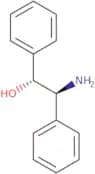
CAS:Producto controlado<p>The compound is a stereoselective amine. The molecule has two diastereomers, one of which is the (1R,2S) configuration and the other of which is the (1S,2R) configuration. The compound is an efficient method for preparing fatty acid esters with aromatic hydrocarbons.<br>The chemical structure of the molecule provides a cavity that can be used to bind with ethyl bromoacetate. This cavity has been shown in x-ray crystal structures to be able to bind with ethyl bromoacetate and provide an efficient method for preparing fatty acid esters with aromatic hydrocarbons.</p>Fórmula:C14H15NOPureza:Min. 95%Peso molecular:213.28 g/molAzetidin-3-ol
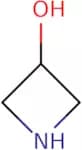
CAS:<p>Azetidin-3-ol is an amide. It can be synthesized by the acylation reaction of 3-hydroxypropanoic acid with an amine. Azetidin-3-ol is a chiral molecule and has two enantiomers. The maleate salt of azetidin-3-ol is used as a drug to treat Parkinson's disease. Azetidin-3-ol has been shown to have potent inhibition against the wild type strain of Clostridium botulinum, but not against its intermolecular hydrogen bonding mutant.</p>Fórmula:C3H7NOPureza:Min. 95%Peso molecular:73.09 g/molKushenol R
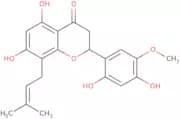
CAS:<p>Kushenol R is a bioactive flavonoid compound, which is extracted from the roots of the plant Sophora flavescens, commonly known as the shrubby sophora. Its chemical structure contributes to its role as a compound of interest in the realm of natural product chemistry and pharmacology. As a flavonoid, Kushenol R exhibits significant antioxidant activity, attributed to its ability to scavenge free radicals and mitigate oxidative stress at the cellular level. This mechanism of action is crucial as it offers potential therapeutic effects in combating diseases associated with oxidative damage, such as cancer and inflammatory disorders.</p>Pureza:Min. 95%Allopurinol-d2
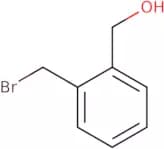
CAS:<p>Allopurinol-d2 is an inhibitor of xanthine oxidase, which is an enzyme that catalyzes the conversion of hypoxanthine to xanthine and then to uric acid. Allopurinol-d2 is used for the treatment of gout and hyperuricemia. The compound was expressed in Escherichia coli and purified by electrospray ionization mass spectrometry. It has been shown to inhibit methyltransferase activity, thereby decreasing the production of urate. Allopurinol-d2 has also been shown to decrease disease activity in animal models of colitis and ulcerative colitis.</p>Fórmula:C5H2D2N4OPureza:Min. 95%Peso molecular:138.12 g/mol(2-(Bromomethyl)phenyl)methanol
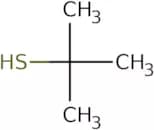
CAS:<p>(2-(Bromomethyl)phenyl)methanol is an acceptor of a palladium complex. It is used in the synthesis of amides and other functional groups, as well as in catalysis. 2-(Bromomethyl)phenyl)methanol can be quaternized with methyl iodide to form a bromoalkylamine. The reaction proceeds via an amide group on the bromoalkylamine and a hydrogen atom from the alkyl halide. This process is known as "supramolecular" or "intermolecular" hydrogen bonding. It has been found that 2-(Bromomethyl)phenyl)methanol forms complexes with palladium through intermolecular hydrogen bonding, which are more stable than those formed by other ligands such as phosphines and cyanides.</p>Fórmula:C8H9BrOPureza:95%NmrPeso molecular:201.06 g/mol2-Methyl-2-propanethiol
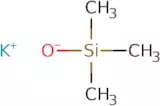
CAS:<p>2-Methyl-2-propanethiol is an electron acceptor and a reagent that can be used for the synthesis of organic compounds. It is soluble in polar solvents, but insoluble in nonpolar solvents. 2-Methyl-2-propanethiol has been shown to react with thiols at concentrations below its optimum concentration. The reaction mechanism is believed to involve adsorption and intramolecular hydrogen transfer. The adsorption process occurs on the surface of the substrate and the intramolecular hydrogen transfer occurs through an intermolecular hydrogen bond with the substrate's hydroxyl group or disulfide bond. When 2-methyl-2-propanethiol reacts with a thiol, it forms a mercaptan group called p2 that contains two substituents, one on each carbon atom. This reaction produces a disulfide bond as well as an electrochemical detector signal known as "activated."</p>Fórmula:C4H10SPureza:Min. 98%Forma y color:Clear LiquidPeso molecular:90.19 g/molPotassium trimethylsilanolate
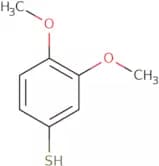
CAS:<p>Potassium trimethylsilanolate is a chemical substance that has inhibitory properties. It is a trifluoroacetic acid derivative that inhibits the activity of certain enzymes, such as proteases and lipases. The compound's inhibitory properties are due to its ability to bind to cytochrome cb2 receptors by means of hydrogen bonding. The binding of potassium trimethylsilanolate to the receptor prevents the activation of apoptosis proteins and protein synthesis in cells. This substance also has an inhibitory effect on water vapor, inhibiting the formation of water molecules from hydrogen atoms and oxygen atoms. Potassium trimethylsilanolate can be used as an anti-cancer agent by preventing cell division in tumor cells and preventing cancer metastasis through inhibition of protease activity.</p>Fórmula:C3H9KOSiPureza:Min. 95%Peso molecular:128.29 g/mol3,4-Dimethoxythiophenol
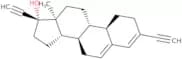
CAS:<p>3,4-Dimethoxythiophenol is a chemical compound that is used as a fluorescence probe to study biological functions in cells. It reacts with hydroxyl groups and other reactive sites on proteins, including sulfhydryl groups, thiols, and amines. 3,4-Dimethoxythiophenol has been shown to inhibit the viability of cancer cells (e.g., prostate cancer cells) by interfering with the function of dehydrogenase enzymes. 3,4-Dimethoxythiophenol also inhibits growth of microglia (cells that protect neurons) in vitro. This inhibition is due to the production of reactive oxygen species by the microglial cells. The chemical structure of this compound includes a hydroxyl group and two methoxy groups.</p>Fórmula:C8H10O2SPureza:Min. 95%Forma y color:Clear LiquidPeso molecular:170.23 g/mol(17a)-3-Ethynyl-19-norpregna-3,5-dien-20-yn-17-ol
CAS:Producto controlado<p>Please enquire for more information about (17a)-3-Ethynyl-19-norpregna-3,5-dien-20-yn-17-ol including the price, delivery time and more detailed product information at the technical inquiry form on this page</p>Fórmula:C22H26OPureza:Min. 95%Peso molecular:306.44 g/molKushenol W
CAS:<p>Kushenol W is a flavonoid compound, which is derived from the root of the Sophora flavescens plant. This plant, commonly known as "Kushen," is an important component in traditional Chinese medicine. The mode of action of Kushenol W involves multiple biological pathways, primarily exerting its effects through anti-inflammatory and anti-tumor activities. It interacts with various molecular targets, modulating pathways associated with oxidative stress and cell proliferation.</p>Pureza:Min. 95%Potassium methoxide, 25% w/w in methanol
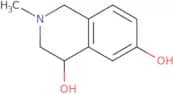
CAS:<p>Potassium methoxide is a strong base that reacts with methanol to produce potassium metal and methanol. It has been used as a model system for studying the reaction mechanism of metal carbonyls. The reaction solution is heated to produce glycol esters, which are catalyzed by the potassium metal. This process can be used to synthesize biologically active molecules, such as anti-inflammatory drugs, which are difficult to make using conventional methods. Potassium methoxide has also been shown to have protective effects against metabolic disorders in mice and has biological properties that may be useful in the treatment of infectious diseases.</p>Fórmula:CH3OKPureza:Min. 95%Forma y color:Clear LiquidPeso molecular:70.13 g/mol1,2,3,4-Tetrahydro-4,6-dihydroxy-2-methyl-isoquinoline
CAS:<p>1,2,3,4-Tetrahydro-4,6-dihydroxy-2-methyl-isoquinoline is a useful building block in the synthesis of various compounds such as pharmaceuticals and pesticides. It is an intermediate for the preparation of other valuable chemicals such as the antihistamine diphenhydramine, which is used to treat allergies. Tetrahydroisoquinoline can also be used as a reagent to synthesize other chemical compounds. This compound has been used in research as well as commercial applications. Tetrahydroisoquinoline is also a versatile scaffold that can be modified to produce different derivatives with different properties.</p>Fórmula:C10H13NO2Pureza:Min. 95%Forma y color:White PowderPeso molecular:179.22 g/mol2(2-Ethoxyethoxy)ethanol
CAS:<p>2(2-Ethoxyethoxy)ethanol is a glycol ether that is used as a substrate film in analytical methods, such as thin layer chromatography. It has been shown to be toxic to the liver and kidney, but not the heart. 2(2-Ethoxyethoxy)ethanol is also an experimental solubility data and can be used to measure the hydrophobic effect of organic compounds. This substance has high values for solubility, which may be due to its glycol ester type. 2(2-Ethoxyethoxy)ethanol does not show toxicity to the heart when administered orally or by inhalation, but does show toxicity to the liver and kidney at high doses.</p>Fórmula:C6H14O3Pureza:Min. 98 Area-%Forma y color:PowderPeso molecular:134.17 g/mol(5-Methoxy-1-methyl-1H-benzimidazol-2-yl)methanol
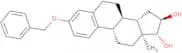
CAS:Producto controladoPlease enquire for more information about (5-Methoxy-1-methyl-1H-benzimidazol-2-yl)methanol including the price, delivery time and more detailed product information at the technical inquiry form on this pageFórmula:C10H12N2O2Pureza:Min. 95%Peso molecular:192.21 g/mol3-O-Benzyl estriol
CAS:Producto controlado<p>3-O-Benzyl estriol is a synthetic estrogen that is used to treat menopausal symptoms. This drug has been shown to have a high affinity for the estrogen receptor, and it is also able to activate the estrogen receptor in cells. 3-O-Benzyl estriol has been shown to be more potent than other estrogens such as estrone or estriol and has been shown to increase the synthesis of proteins by increasing RNA synthesis. 3-O-Benzyl estriol is conjugated with glucuronic acid and excreted in the bile. It also has a number of metabolic transformations, including pyrolysis, which produces cyanamid and triethylamine.</p>Fórmula:C25H30O3Pureza:Min. 95%Peso molecular:378.5 g/mol9-Chloro triamcinolone acetonide
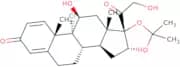
CAS:<p>Please enquire for more information about 9-Chloro triamcinolone acetonide including the price, delivery time and more detailed product information at the technical inquiry form on this page</p>Fórmula:C24H31ClO6Pureza:Min. 95%Peso molecular:450.95 g/mol


![[1-(4-Chlorobenzyl)-1H-benzimidazol-2-yl]methanol](/_next/image/?url=https%3A%2Fstatic.cymitquimica.com%2Fproducts%2F3D%2Fthumb-webp%2FFC135813.webp&w=3840&q=75)
![(1S,2R)-2-[N-Benzyl-N-(mesitylenesulfonyl)amino]-1-phenyl-1-propanol](/_next/image/?url=https%3A%2Fstatic.cymitquimica.com%2Fproducts%2F3D%2Fthumb-webp%2FFB59939.webp&w=3840&q=75)




![1-[(2-Chlorophenyl)-N-(methylimino)methyl]cyclopentanol hydrochloride](/_next/image/?url=https%3A%2Fstatic.cymitquimica.com%2Fproducts%2F3D%2Fthumb-webp%2FFC146990.webp&w=3840&q=75)



![(aR)-a-[[[2-(4-Nitrophenyl)ethyl]amino]methyl]benzenemethanol](/_next/image/?url=https%3A%2Fstatic.cymitquimica.com%2Fproducts%2F3D%2Fthumb-webp%2FFN75044.webp&w=3840&q=75)