Alcoholes
Los alcoholes son una amplia gama de moléculas orgánicas derivadas de hidrocarburos que contienen uno o más grupos hidroxilo (grupo OH). Estos compuestos son esenciales en diversas reacciones químicas y se utilizan ampliamente en entornos de laboratorio para síntesis, como disolventes y en química analítica. En CymitQuimica, ofrecemos alcoholes de alta calidad preparados para uso en laboratorio, apoyando sus investigaciones y aplicaciones industriales con productos fiables y efectivos. Nuestra selección garantiza que tenga los alcoholes adecuados para sus necesidades específicas, ya sea para trabajos rutinarios de laboratorio o proyectos de investigación especializados.
Subcategorías de "Alcoholes"
Se han encontrado 5814 productos de "Alcoholes"
Ordenar por
Pureza (%)
0
100
|
0
|
50
|
90
|
95
|
100
(S)-3',5'-Bis(trifluoromethyl)-1-phenethanol
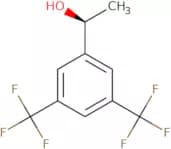
CAS:<p>(S)-3',5'-Bis(trifluoromethyl)-1-phenethanol is a choline derivative that is used in the treatment of liver cancer. It has been shown to increase the permeability of cell membranes and to suppress the growth of tumor cells by inhibiting protein synthesis. (S)-3',5'-Bis(trifluoromethyl)-1-phenethanol can be used as a surfactant and a hydrophobic solvent for optimization of reaction parameters. This chemical also has been shown to be active against Gram-positive bacteria such as Staphylococcus aureus and Enterococcus faecalis, but not against Gram-negative bacteria such as Escherichia coli or Pseudomonas aeruginosa. The mechanism of this effect is mediated by chloride ions that act as bioreductive agents on cellular membranes, leading to increased permeability and cell death.</p>Fórmula:C10H8F6OPureza:Min. 95%Peso molecular:258.16 g/mol4-Methylquinoline
CAS:<p>4-Methylquinoline is a natural compound that is structurally related to coumarin. It serves as an enzyme substrate for various types of enzymes, and has been shown to inhibit the activity of enzymes such as N-acetyltransferase, indoleamine 2,3-dioxygenase, and tryptophan 2,3-dioxygenase. 4-Methylquinoline has also been shown to be effective against infectious diseases such as toxoplasmosis and leishmaniasis. Furthermore, 4-methylquinoline has been shown to have anti-inflammatory properties in autoimmune diseases such as multiple sclerosis. The mechanism of action of 4-methylquinoline is not fully understood but it may interfere with the production of nitric oxide by inhibiting the enzyme nitric oxide synthase.</p>Fórmula:C10H9NPureza:Min. 95%Peso molecular:143.19 g/molEstradiol hemihydrate
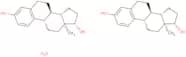
CAS:Producto controlado<p>Estradiol hemihydrate is a synthetic estrogen. It binds to estrogen receptors, causing the activation of DNA transcription and synthesis of messenger RNA. Estradiol hemihydrate has been used for the treatment of various symptoms, such as menopause, osteoporosis, breast cancer, and metabolic disorders. The drug is most often administered by injection or in a polymeric matrix that dissolves slowly in the mouth. The recommended dose is between 0.5mg and 1mg per day. Estradiol hemihydrate can be detected in plasma using an analytical method called liquid chromatography-tandem mass spectrometry (LC-MS/MS).</p>Fórmula:(C18H24O2)2•H2OPureza:Min. 95%Forma y color:PowderPeso molecular:562.78 g/mol1-(RS)-2-(Dibutylamino)-2-[2,7-dichloro-9-(4-chlorobenxylidene)]-9H-fluoren- 4-yl]ethanol - E/Z mixture
CAS:<p>Please enquire for more information about 1-(RS)-2-(Dibutylamino)-2-[2,7-dichloro-9-(4-chlorobenxylidene)]-9H-fluoren- 4-yl]ethanol - E/Z mixture including the price, delivery time and more detailed product information at the technical inquiry form on this page</p>Fórmula:C30H32Cl3NOPureza:Min. 95%Peso molecular:528.94 g/mol3-Buten-2-ol
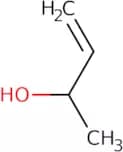
CAS:<p>3-Buten-2-ol is an organic compound that contains a hydroxyl group and a double bond in the form of an alkene. It is a colorless liquid with a sweet odor. 3-Buten-2-ol is used as a chemical intermediate to produce glycol ethers, which are used as solvents for paints and coatings. 3-Buten-2-ol has been shown to inhibit protein synthesis by inhibiting glutamate dehydrogenase, which is required for the conversion of glutamate to α-ketoglutarate in the TCA cycle. The deuterium isotope effect on the kinetic data suggests that 3-buten-2-ol binds to the active site of glutamate dehydrogenase and blocks its access to substrate.</p>Fórmula:C4H8OPureza:Min. 95%Forma y color:Clear LiquidPeso molecular:72.11 g/mol2H-1,2,3-Triazol-4-ylmethanol
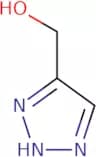
CAS:<p>2H-1,2,3-Triazol-4-ylmethanol is an aliphatic hydrocarbon that can be synthesized by reacting chlorine with a hydroxy group. It has been shown to have insecticidal activity against flies and mosquitoes. 2H-1,2,3-Triazol-4-ylmethanol is also used as a precursor for the synthesis of triazole derivatives. These compounds are used in the production of pharmaceuticals and pesticides. 2H-1,2,3-Triazol-4-ylmethanol also has neurodegenerative disease activities. This compound may be useful in treating diseases such as Alzheimer's disease or Parkinson's disease because it inhibits the formation of beta amyloid proteins that are linked to these conditions.</p>Fórmula:C3H5N3OPureza:Min. 95%Peso molecular:99.09 g/mol3,3-Diethoxy-1,2-propanediol
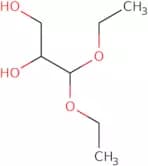
CAS:<p>3,3-Diethoxy-1,2-propanediol is a chemical compound that has been found to have an acidic character and to be an allylation agent. This ingredient also has the ability to form flavonoids and act as a ring-opening polymerization catalyst. It can be used in leaf extract as an astringent or antibacterial. 3,3-Diethoxy-1,2-propanediol is used in the production of this product. The medicinal properties of this compound are scientifically analysed and tested for efficacy. It has been shown to act as a laxative when taken in excessive amounts. 3,3-Diethoxy-1,2-propanediol is not known to have any negative side effects on the human body such as skin irritation or sensitization.</p>Fórmula:C7H16O4Pureza:Min. 95%Peso molecular:164.2 g/molMethoxypropoxypropanol
CAS:<p>Methoxypropoxypropanol (MPP) is a highly selective inhibitor of the enzyme picolinic acid carboxylase, which converts L-pyridoxal 5'-phosphate to picolinic acid. MPP has shown good efficacy in reducing disease activity in animal models and is being developed for the treatment of rheumatoid arthritis. This drug also has been shown to be toxicologically safe in both acute and chronic toxicity studies. Methoxypropoxypropanol has also been used as an analytical reagent for the qualitative detection of picolinic acid in urine and blood samples. The use of this compound as a wastewater treatment agent for removal of organic acids from industrial effluents is well studied. MPP has been found to have some beneficial effects on congestive heart failure in rats by lowering their blood pressure and cholesterol levels.</p>Fórmula:C7H16O3Pureza:Min. 95%Forma y color:Clear LiquidPeso molecular:148.2 g/molrac 2-palmitoyl-3-chloropropanediol
CAS:<p>Please enquire for more information about rac 2-palmitoyl-3-chloropropanediol including the price, delivery time and more detailed product information at the technical inquiry form on this page</p>Fórmula:C19H37ClO3Pureza:Min. 95%Peso molecular:348.95 g/mol3-O-Methyl 4-hydroxy estradiol
CAS:Producto controlado<p>Please enquire for more information about 3-O-Methyl 4-hydroxy estradiol including the price, delivery time and more detailed product information at the technical inquiry form on this page</p>Fórmula:C19H26O3Pureza:Min. 95%Peso molecular:302.41 g/mol(5-Amino-1H-1,2,4-triazol-3-yl)methanol
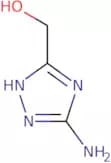
CAS:<p>Please enquire for more information about (5-Amino-1H-1,2,4-triazol-3-yl)methanol including the price, delivery time and more detailed product information at the technical inquiry form on this page</p>Fórmula:C3H6N4OPureza:Min. 95%Peso molecular:114.11 g/mol(1S,2R)-2-[N-Benzyl-N-(mesitylenesulfonyl)amino]-1-phenyl-1-propanol
CAS:Producto controlado<p>Please enquire for more information about (1S,2R)-2-[N-Benzyl-N-(mesitylenesulfonyl)amino]-1-phenyl-1-propanol including the price, delivery time and more detailed product information at the technical inquiry form on this page</p>Fórmula:C25H29NO3SPureza:Min. 95%Peso molecular:423.57 g/mol5-Benzofuranol
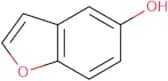
CAS:<p>5-Benzofuranol is a potent cytotoxic natural product that has been isolated from the fungus Cryptococcus neoformans. It possesses a terminal alkyne group and a sulfonic acid group, which are both important for its cytotoxicity. 5-Benzofuranol inhibits the growth of cells in vitro by inhibiting their ability to synthesize DNA. 5-Benzofuranol shows significant cytotoxicity against various cancer cell lines, as well as potent inhibition against Candida albicans, Aspergillus niger, and Saccharomyces cerevisiae strains in vitro. This compound's functional groups make it an effective antifungal agent.</p>Fórmula:C8H6O2Pureza:Min. 95%Peso molecular:134.13 g/mola-Butylpiperonyl alcohol
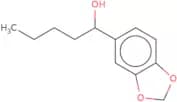
CAS:Producto controlado<p>a-Butylpiperonyl alcohol is a chiral molecule that is used in the synthesis of esters. It can be produced by microbial fermentation and low-temperature chemical reactions. This compound has been shown to inhibit the growth of Gram-positive bacteria, such as Staphylococcus aureus and Streptococcus pneumoniae. The biosynthetic pathway for a-butylpiperonyl alcohol is not yet well understood, but it has been hypothesized that this compound is synthesized from an intermediate, acetic acid. The enzyme responsible for this conversion is unknown, but it may be catalysed by an acylase or acetate kinase. A study on the genome sequence of Coelicolor revealed that this organism produces a-butylpiperonyl alcohol from the intermediate 3-hydroxypropanoic acid.</p>Fórmula:C12H16O3Pureza:Min. 95%Peso molecular:208.25 g/mol(R)-1-Phenylethanol
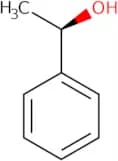
CAS:<p>(R)-1-Phenylethanol is an organic compound that belongs to the class of aldehydes. It has an optimal redox potential and is used as a reactive intermediate in surface methodology. The kinetic data for this compound have been reported, including its reaction solution, kinetic, and stereoselective properties. (R)-1-Phenylethanol can be used to synthesize aromatic hydrocarbons with acyl chains or amines, using enzymatic reactions. It can also be used as an asymmetric synthesis reagent for the preparation of chiral alcohols and amines.</p>Fórmula:C8H10OPureza:Min. 95%Forma y color:Colourless To Yellow LiquidPeso molecular:122.16 g/mol4-Nitro-1H-imidazole-1-ethanol
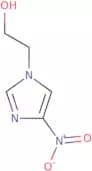
CAS:<p>Please enquire for more information about 4-Nitro-1H-imidazole-1-ethanol including the price, delivery time and more detailed product information at the technical inquiry form on this page</p>Fórmula:C5H7N3O3Pureza:Min. 95%Forma y color:Beige PowderPeso molecular:157.13 g/molPentafluorobenzenethiol
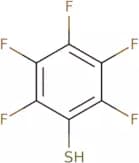
CAS:<p>Pentafluorobenzenethiol is an organosulfur compound that is synthesized by the nucleophilic attack of deuterium on a hydrogenated aliphatic hydrocarbon. It is a colorless liquid with a characteristic low boiling point and high volatility. Pentafluorobenzenethiol has been shown to react with chelate rings and to form irreversible oxidation products. This chemical has analytical applications in the determination of potassium, sodium, and lithium in water samples; it also has semiconductor properties. The diameter of pentafluorobenzenethiol is 6.2 Å, which makes it a low energy aromatic hydrocarbon that can be easily transported through porous media.</p>Fórmula:C6HF5SPureza:Min. 95%Forma y color:Colorless Clear LiquidPeso molecular:200.13 g/molEstra-1,3,5(10),6-tetraene-3,17-diol
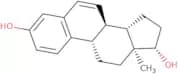
CAS:Producto controlado<p>Estra-1,3,5(10),6-tetraene-3,17-diol is a sulfonated derivative of estradiol. It is used as a ligand in binding assays to measure the affinity of various compounds for estrogens. Estra-1,3,5(10),6-tetraene-3,17-diol binds with high affinity to 17β-estradiol and other estrogens at the estrogen receptor. The binding of estradiol and its derivatives to the receptor leads to a conformational change that causes dissociation of heat shock proteins from the receptor. This results in an increase in transcriptional activity of the receptor and increased synthesis of mRNA.</p>Fórmula:C18H22O2Pureza:Min. 95%Peso molecular:270.37 g/molN-[1-(2,3-Dioleoyloxy)propyl]-n,n,n-trimethylammonium methyl-sulfate
CAS:<p>Dioleoyloxypropyl-N,N,N-trimethylammonium methylsulfate (DOTAP) is an antibacterial agent that disrupts the bacterial membrane. It has been shown to inhibit the uptake of chlamydia by inhibiting the binding of chlamydia to cells and enhancing the detection of chlamydia in cells. DOTAP also has pharmacological properties that are related to its ability to interfere with cellular membranes. DOTAP can be used as a strategy for developing antibacterial agents because it inhibits bacterial growth by disrupting their cellular membranes. This results in a decrease in phosphatidylethanolamine levels, leading to increased cell death.</p>Fórmula:C43H83NO7SPureza:Min. 95%Peso molecular:758.19 g/molH-Leucinol-2-chlorotrityl resin
<p>Please enquire for more information about H-Leucinol-2-chlorotrityl resin including the price, delivery time and more detailed product information at the technical inquiry form on this page</p>Pureza:Min. 95%Forma y color:Light (Or Pale) Yellow To Brown Solid2-Cyclohexyl-4,6-dinitrophenol
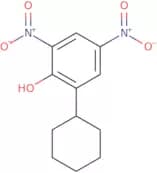
CAS:<p>2-Cyclohexyl-4,6-dinitrophenol is a chemical that inhibits the synthesis of viral DNA. It has been shown to have minimal toxicity in animal models and may be used for the treatment of metabolic disorders, such as hepatic steatosis or hepatitis. 2-Cyclohexyl-4,6-dinitrophenol has also been shown to inhibit the toll-like receptor (TLR) pathway and induce an antiviral state in vitro. In addition, it was found to have an effect on mitochondrial membrane potential, which may explain its antiviral activity. 2-Cyclohexyl-4,6-dinitrophenol has also been shown to inhibit viral replication in cells infected with HIV and other viruses such as Hepatitis C virus.</p>Fórmula:C12H14N2O5Pureza:Min. 95%Peso molecular:266.25 g/mol3-Dehydro retinol
CAS:<p>3-Dehydro retinol is a carotenoid that is found in the skin. It is derived from retinol, and has been shown to have antioxidant properties. 3-Dehydro retinol can be isolated from the fungus Monascus purpureus by chromatographic methods. The enzyme activities of 3-dehydroretinol are not well understood, but it has been hypothesized that chronic exposure to this compound may lead to an increase in cell proliferation or an increase in cell differentiation. 3-Dehydro retinol has also been shown to inhibit the oxidation of other molecules such as hydrogen chloride.</p>Fórmula:C20H28OPureza:90%MinPeso molecular:284.44 g/mol(16b,17a)-Estra-1,3,5(10)-triene-3,16,17-triol
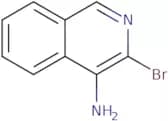
CAS:Producto controlado<p>(16b,17a)-Estra-1,3,5(10)-triene-3,16,17-triol is a molecule that belongs to the group of estrogens. Its structure is similar to 17β-estradiol and it has been shown to have inhibitory properties against bacterial growth. This compound has been found in human breast tissue and urine samples. 16b,17a)-Estra-1,3,5(10)-triene-3,16,17-triol has been shown to be active against colistin resistant bacteria. (16b,17a)-Estra-1,3,5(10)-triene-3,16,17-triol is also active against methicillin resistant staphylococcus aureus isolates. The optimum pH for this compound is 4.8 and it can be used for diagnostic purposes as it stains cells with a blue color in Gram's stain test.</p>Fórmula:C18H24O3Pureza:Min. 95%Peso molecular:288.38 g/mol4-Amino-3-bromoisoquinoline
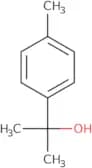
CAS:<p>4-Amino-3-bromoisoquinoline is an isocyanide that reacts with nucleophilic heteroatoms such as the amino group. It also reacts with bromine to form a bromopyridine. The nitrile group of 4-amino-3-bromoisoquinoline can be reduced with sodium borohydride to produce 4-aminoquinoline. This compound has shown potential for use in chemotherapy and treating bacterial infections.</p>Pureza:Min. 95%p,a,a-Trimethylbenzyl alcohol
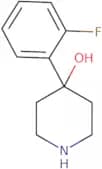
CAS:<p>p,a,a-Trimethylbenzyl alcohol is a naturally occurring compound that is found in the essential oils of plants. It has been shown to have an antifungal effect on Streptococcus faecalis and Candida glabrata. p,a,a-Trimethylbenzyl alcohol also inhibits the growth of bacteria by binding to fatty acids. The mechanism of action for this inhibition is unknown but may be due to its ability to interfere with various enzymatic reactions that are necessary for lipid synthesis. This alcohol has been shown to be a potent inhibitor of bacterial growth with minimal inhibitory concentrations below 1ug/ml and has also been shown to have anti-inflammatory effects in animal studies.</p>Fórmula:C10H14OPureza:Min. 90%Forma y color:Colorless Clear LiquidPeso molecular:150.22 g/mol4-(2-Fluorophenyl)-4-piperidinol
CAS:<p>Please enquire for more information about 4-(2-Fluorophenyl)-4-piperidinol including the price, delivery time and more detailed product information at the technical inquiry form on this page</p>Fórmula:C11H14FNOPureza:Min. 95%Peso molecular:195.23 g/molKushenol Q
CAS:<p>Kushenol Q is a flavonoid compound, which is derived from the roots of Sophora flavescens, a traditional medicinal plant. This compound exhibits a multifaceted mode of action characterized by its ability to modulate various cellular pathways. Kushenol Q interacts with specific signaling proteins and enzymes, thereby influencing cell proliferation, apoptosis, and inflammatory responses. Notably, its interaction at the molecular level can result in the inhibition of cancer cell growth and the reduction of inflammation.</p>Pureza:Min. 95%3-Keto petromyzonol
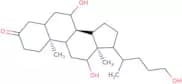
CAS:Producto controlado<p>3-Keto petromyzonol is a natural product that is biosynthesized in the liver from taurocholic acid. It has been shown to inhibit the synthesis of estradiol and progesterone in both rat and human tissue. 3-Keto petromyzonol has also been shown to have anti-obesity effects in mice, with decreased hepatic steatosis, as well as beneficial effects on insulin resistance and genes expression. The structural elucidation of 3-keto petromyzonol was accomplished by NMR spectroscopy, which revealed its disulfate structure. This chemical compound can be synthesized from methyl 2-(2′-chloroacetyl)malonate or from 1,4-dibromobutane. 3-Keto petromyzonol has been shown to inhibit ATP binding cassette transporter (ABC) proteins that are involved in cholesterol transport across the membrane. It may also act as a pheromone</p>Fórmula:C24H40O4Pureza:Min. 95%Peso molecular:392.57 g/mol3-Phenyl-1-propanol
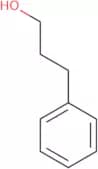
CAS:<p>3-Phenyl-1-propanol is an organic compound that belongs to the class of trifluoroacetic acids. It has a molecular weight of 134.24 and a molecular formula of C8H12O2F3. 3-Phenyl-1-propanol is a reactive compound that reacts with germinating seeds, causing them to stop growing. The reaction products are fatty acid esters, which may be responsible for the inhibition of seed germination. 3-Phenyl-1-propanol can be prepared by reacting phenylacetaldehyde with trifluoroacetic acid in the presence of potassium hydroxide at high temperature and pressure. This method also produces 4-vinylbenzyl alcohol as a side product, which is used in the production of polymers and plastics.</p>Fórmula:C9H12OPureza:Min. 95%Peso molecular:136.19 g/mol2-Bromo-4-nitrophenol
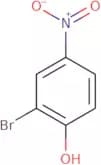
CAS:<p>2-Bromo-4-nitrophenol is a byproduct of the reaction between hydrogen peroxide and sodium bromate. It can be detected in the presence of hydrochloric acid, which reacts with 2-bromo-4-nitrophenol to form an orange color that can be detected spectrophotometrically. 2-Bromo-4-nitrophenol has been shown to inhibit the growth of various strains of bacteria, including Escherichia coli, Bacillus subtilis, and Pseudomonas aeruginosa. This compound binds to flavin adenine dinucleotide (FAD) as well as other nucleophilic cofactors such as thioredoxin reductase. The binding affinity is increased when carbon sources are present. This property makes it a useful inhibitor for catalytic reduction reactions in biotechnology and synthetic chemistry applications.br>br> 2B4NP is a by</p>Fórmula:C6H4BrNO3Pureza:Min. 95%Forma y color:PowderPeso molecular:218 g/moltrans-4-Aminocyclohexanol
CAS:<p>Trans-4-aminocyclohexanol is a cell signaling molecule that belongs to the class of heterocyclic compounds. It has been shown to have an anti-inflammatory effect and inhibit the production of pro-inflammatory cytokines in vitro. Trans-4-aminocyclohexanol also inhibits cyclooxygenase (COX) activity, which is responsible for the conversion of arachidonic acid into prostaglandins. This inhibition leads to decreased inflammation and pain. Trans-4-aminocyclohexanol is orally bioavailable and can be detected in the blood plasma within one hour after administration. The compound has been shown to bind to the enzyme protein kinase C, which is involved in cell signaling pathways, and inhibit its activity.</p>Fórmula:C6H13NOPureza:Min. 95%Forma y color:PowderPeso molecular:115.17 g/molDodecane-1-thiol
CAS:<p>Dodecane-1-thiol is a chemical that is used as an ingredient in the production of nanoparticles. It has been shown to have high resistance to sodium salts and is chemically stable. Dodecane-1-thiol can be synthesized by reacting dodecane with hydroxylamine and mercaptan, which are both highly reactive compounds. Dodecane-1-thiol has a hydroxyl group on the thiol group and a dimethyl fumarate molecule attached to it. The hydroxyl group reacts with mercaptan, while the dimethyl fumarate molecule attaches to the thiol group to provide stability. Dodecane-1-thiol can also be synthesized using polymerization reactions.</p>Fórmula:C12H26SPureza:95%MinPeso molecular:202.4 g/molChlormadinol acetate
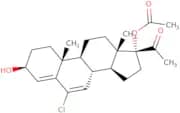
CAS:Producto controlado<p>Chlormadinol acetate is a stable complex of a fatty acid and an antibiotic that is used to treat infections caused by bacteria. It has been shown to have high resistance to antimicrobial agents, including amoxicillin-clavulanic acid, tetracycline, and multidrug efflux pumps. Chlormadinol acetate has also been shown to inhibit the growth of certain cancer cells in vitro and in vivo using gene therapy. This drug also inhibits bacterial protein synthesis by binding to the 30S ribosomal subunit and preventing the formation of a functional 70S ribosome. Chlormadinol acetate has been shown to be clinically relevant in mice when used with amoxicillin-clavulanic acid or tetracycline.</p>Fórmula:C23H31ClO4Pureza:Min. 95%Peso molecular:406.94 g/molβ-Alaninol 2-chlorotrityl resin
<p>Please enquire for more information about beta-Alaninol 2-chlorotrityl resin including the price, delivery time and more detailed product information at the technical inquiry form on this page</p>Pureza:Min. 95%1,2-Dilinoleoyl-3-palmitoyl-rac-glycerol
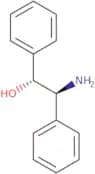
CAS:<p>1,2-Dilinoleoyl-3-palmitoyl-rac-glycerol (DLPG) is a lipid molecule that is structurally similar to the sphingolipid ceramide. It has been shown to be an inhibitor of cellular uptake and growth rate and also has long-term toxicity effects. DLPG has been shown to inhibit the signal transduction pathway by binding to microprocessors in the cell membrane and changing their frequency. DLPG also has a profile that can be used as an analog for dextran sulfate, which is a chemical compound that inhibits the uptake of glucose in mammalian cells. The uptake of DLPG can be decoupled from its signaling activity by using constant magnetic fields, which can be generated with superparamagnetic iron oxides or iron particles.</p>Fórmula:C55H98O6Pureza:Min. 95%Peso molecular:855.36 g/mol(1R,2S)-(-)-2-Amino-1,2-diphenylethanol
CAS:Producto controlado<p>The compound is a stereoselective amine. The molecule has two diastereomers, one of which is the (1R,2S) configuration and the other of which is the (1S,2R) configuration. The compound is an efficient method for preparing fatty acid esters with aromatic hydrocarbons.<br>The chemical structure of the molecule provides a cavity that can be used to bind with ethyl bromoacetate. This cavity has been shown in x-ray crystal structures to be able to bind with ethyl bromoacetate and provide an efficient method for preparing fatty acid esters with aromatic hydrocarbons.</p>Fórmula:C14H15NOPureza:Min. 95%Peso molecular:213.28 g/mol4-Hexylresorcinol
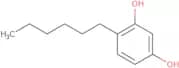
CAS:<p>4-Hexylresorcinol is a polyphenolic compound that has been shown to have inhibitory properties. It has been shown to have synergistic effects with other compounds, such as growth factor-β1, in the treatment of squamous carcinoma. 4-Hexylresorcinol binds to the serine hydroxyl group of the enzyme protein kinase C (PKC) and inhibits PKC activity. This inhibition leads to an increase in intracellular cAMP levels and subsequently activation of protein kinase A (PKA). The optimum concentration for 4-hexylresorcinol is 0.2 mM, which can be determined using a polymerase chain reaction (PCR) assay. However, this compound has not been tested for toxicity studies or structural analysis.</p>Fórmula:C12H18O2Pureza:Min. 95%Forma y color:PowderPeso molecular:194.27 g/mol2-Phenylphenol
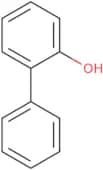
CAS:<p>2-Phenylphenol is a ferrocenecarboxylic acid with an anhydrous sodium salt. It reacts with water vapor to produce ferric hydroxide and 2-phenylphenolsodium. 2-Phenylphenol is used as a long-term toxicity test for enzyme activities in liver cells, and has shown to cause liver lesions in rats. The hydrophobic effect of 2-Phenylphenol has been shown to be its inhibition of the binding of inhibitors to enzymes. This chemical is also used in analytical methods for determining the concentration of phenols in water samples.</p>Fórmula:C12H1OPureza:Min. 95%Peso molecular:161.14 g/mol5-Ethyl-2-pyridineethanol
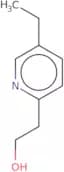
CAS:<p>5-Ethyl-2-pyridineethanol is an anti-diabetic drug that belongs to the class of thiazolidinediones. It is the active form of pioglitazone, which has been shown to bind to peroxisome proliferator-activated receptor gamma (PPARγ). This binding results in increased expression and activity of insulin receptors on cell membranes. 5-Ethyl-2-pyridineethanol also binds to PPARγ in a similar manner as pioglitazone, and it has been shown to be an agonist for PPARγ. This compound has a number of other biological effects such as inhibition of the production of acetone by the liver, which is due to its ability to inhibit diazotization.</p>Fórmula:C9H13NOPureza:Min. 95%Forma y color:White To Yellow Solid Or Liquid (May Vary)Peso molecular:151.21 g/molBromoform - Stabilized with ethanol
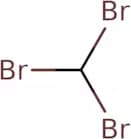
CAS:<p>Bromoform is a colorless, sweet-smelling liquid that was formerly used as an industrial solvent and disinfectant. Bromoform is a potent liver toxin and has been implicated in the development of liver cancer. In animal studies, bromoform causes significant genotoxic effects, including DNA single-strand breaks and chromosomal aberrations. Bromoform also inhibits the activity of enzymes involved in lipid metabolism, which may be due to its ability to bind to proteins in the cell membrane and alter their function. Bromoform is absorbed through the lungs or gastrointestinal tract after inhalation or ingestion. It undergoes rapid metabolism by oxidation followed by conjugation with glutathione, which renders it non-toxic and allows for its elimination from the body.</p>Fórmula:CHBr3Pureza:Min. 95%Forma y color:Clear LiquidPeso molecular:252.73 g/molAndrostanolone
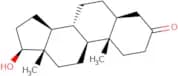
CAS:Producto controlado<p>Dihydrotestosterone is a potent androgen that is used in hormone replacement therapy to treat conditions such as testosterone deficiency, delayed puberty, and impotence. It is also used to treat breast cancer in women and prostate cancer in men. Dihydrotestosterone binds to the androgen receptor, which alters the expression of genes by altering their nucleotide sequences. It has been shown to have anti-tumor effects on prostate cells in vitro, but not on breast or ovarian carcinoma cell lines. The drug has been shown to be active against HIV replication in cell culture models.</p>Fórmula:C19H30O2Pureza:Min. 95%Forma y color:SolidPeso molecular:290.44 g/mol2-Formyl-3,17b-O-bis(methoxymethyl)estradiol
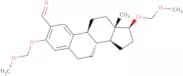
CAS:Producto controlado<p>Please enquire for more information about 2-Formyl-3,17b-O-bis(methoxymethyl)estradiol including the price, delivery time and more detailed product information at the technical inquiry form on this page</p>Fórmula:C23H32O5Pureza:Min. 95%Peso molecular:388.5 g/molArjunolic acid
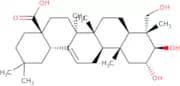
CAS:Producto controlado<p>Arjunolic acid is a hypoglycemic agent that belongs to the group of pharmacological agents. It is a reactive compound, which can be found in pueraria lobata and melaleuca alternifolia. Studies have shown that arjunolic acid has an effect on mitochondrial membrane potential, enzyme activities, and cardiac function. This compound also has anti-inflammatory activity and could be used for the treatment of inflammation. Arjunolic acid may have many other effects due to its ability to inhibit proinflammatory transcription factors such as NF-κB and AP-1.</p>Fórmula:C30H48O5Pureza:(Hplc-Ms) Min. 95 Area-%Forma y color:PowderPeso molecular:488.7 g/molDesmethoxy ranolazine
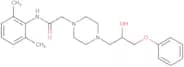
CAS:<p>Please enquire for more information about Desmethoxy ranolazine including the price, delivery time and more detailed product information at the technical inquiry form on this page</p>Fórmula:C23H31N3O3Pureza:Min. 95%Peso molecular:397.51 g/mol1-Cyclopropyl-7-(2,8-diazabicyclo[4.3.0]non-8-yl)-6-fluoro-8-methoxy-4-oxoquinoline-3-carboxylic acid
CAS:<p>This is a broad-spectrum antibacterial agent that inhibits bacterial DNA gyrase. It is active against atypical bacterial species, such as Chlamydia and Mycoplasma, and has been shown to be effective against certain strains of the methicillin-resistant Staphylococcus aureus (MRSA) bacteria. This drug also inhibits the growth of other bacteria by binding to their DNA. The drug is used in combination with other antibiotics to treat infections caused by Clostridium difficile, Helicobacter pylori, Borrelia burgdorferi, and Salmonella enterica. However, this drug does not work against Pseudomonas aeruginosa or Enterobacteriaceae infections.</p>Fórmula:C21H24FN3O4Pureza:Min. 95%Forma y color:PowderPeso molecular:401.43 g/mol2-Bromobenzo[d]thiazol-6-ol
CAS:<p>2-Bromobenzo[d]thiazol-6-ol is a diagnostic agent that is used in positron emission tomography (PET) scans to detect Alzheimer's disease. 2-Bromobenzo[d]thiazol-6-ol binds to amyloid plaques and deposits of beta amyloid peptide, the hallmark of Alzheimer's disease. It can be synthesized by cross coupling nitro compounds with aminoacids or by alkylation of nitro compounds with alkenes. Other methods for its synthesis include the microwave irradiation of bromobenzene and thiourea in a nitric acid medium. This compound undergoes metabolism via cytochrome P450 enzymes to form benzo[d]thiazole-2,6(3H)-diol, which is then oxidized by NADPH to form benzo[e]thiazole-2,6(3H)-quinone.</p>Fórmula:C7H4BrNOSPureza:Min. 95%Peso molecular:230.08 g/molDibromochloromethane (stabilized with ethanol)
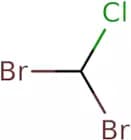
CAS:<p>Dibromochloromethane (DBCM) is a chemical that is used as a solvent and cleaning agent. It was found to be genotoxic, with the potential to cause cancer in humans. DBCM causes cardiac effects in animals, including arrhythmias and an increase in heart rate. DBCM is not volatile and has a low vapor pressure, which makes it hazardous if inhaled or ingested. DBCM can also cause renal toxicity and liver injury in rats. Dibromochloromethane has been shown to have a toxic effect on the heart, lungs, kidneys and liver when administered at high doses in animals. It has been shown to damage DNA by causing mutations or cross-linking with DNA strands.</p>Fórmula:CHBr2ClPureza:Min. 95%Peso molecular:208.28 g/mol4-Bromoisoquinoline
CAS:<p>4-Bromoisoquinoline is an aryl halide that can be used in the cross-coupling reaction with other aryl halides. It has been shown to have anticancer activity and to inhibit the growth of tumour cell lines in vitro. This compound is also efficient for inhibiting leukemia cells. 4-Bromoisoquinoline has been shown to have an inhibitory effect on cancer cells through the inhibition of DNA synthesis and RNA transcription, as well as by inducing apoptosis. The mechanism of action may be due to its ability to bind to aromatic hydrocarbons and halides, which leads to thermodynamic changes and vibrational energy transfer.</p>Fórmula:C9H6BrNPureza:Min. 95%Peso molecular:208.05 g/mol1-Tetratriacontanol
CAS:<p>1-Tetratriacontanol is a natural compound that is found in plants, such as Momilactone. It has been shown to have inhibitory properties on chemical interactions, which may be due to its enhancement of acetate extract. 1-Tetratriacontanol has also been shown to have potent inhibitory activity against human serum and fetal bovine cells. It has a diameter of approximately 1 nm and is composed of fatty acids and phosphatidylcholine. This compound has not yet been studied for its physiological effects.</p>Fórmula:C34H70OPureza:Min. 95%Peso molecular:494.92 g/mol4-Hydroxy ethynyl estradiol
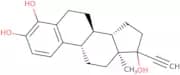
CAS:<p>4-Hydroxy ethynyl estradiol is a synthetic estrogen that is used in the treatment of hormone-dependent cancers, such as breast cancer. It has been shown to induce cellular proliferation and promote tumor growth by binding to estrogen receptors and inhibiting the synthesis of proteins in cells. 4-Hydroxy ethynyl estradiol may be carcinogenic due to its ability to form covalent adducts with DNA, which causes mutations that may lead to cancer. The drug also damages protein targets, including enzymes responsible for regulating cell division or protecting against oxidative stress.</p>Fórmula:C20H24O3Pureza:Min. 95%Peso molecular:312.4 g/mol


![1-(RS)-2-(Dibutylamino)-2-[2,7-dichloro-9-(4-chlorobenxylidene)]-9H-fluoren- 4-yl]ethanol - E/Z mi…](/_next/image/?url=https%3A%2Fstatic.cymitquimica.com%2Fproducts%2F3D%2Fthumb-webp%2FFD71423.webp&w=3840&q=75)



![(1S,2R)-2-[N-Benzyl-N-(mesitylenesulfonyl)amino]-1-phenyl-1-propanol](/_next/image/?url=https%3A%2Fstatic.cymitquimica.com%2Fproducts%2F3D%2Fthumb-webp%2FFB59939.webp&w=3840&q=75)
![N-[1-(2,3-Dioleoyloxy)propyl]-n,n,n-trimethylammonium methyl-sulfate](/_next/image/?url=https%3A%2Fstatic.cymitquimica.com%2Fproducts%2F3D%2Fthumb-webp%2FFD157467.webp&w=3840&q=75)






![1-Cyclopropyl-7-(2,8-diazabicyclo[4.3.0]non-8-yl)-6-fluoro-8-methoxy-4-oxoquinoline-3-carboxylic a…](/_next/image/?url=https%3A%2Fstatic.cymitquimica.com%2Fproducts%2F3D%2Fthumb-webp%2FFC102529.webp&w=3840&q=75)
![2-Bromobenzo[d]thiazol-6-ol](/_next/image/?url=https%3A%2Fstatic.cymitquimica.com%2Fproducts%2F3D%2Fthumb-webp%2FFB144121.webp&w=3840&q=75)