Alcoholes
Los alcoholes son una amplia gama de moléculas orgánicas derivadas de hidrocarburos que contienen uno o más grupos hidroxilo (grupo OH). Estos compuestos son esenciales en diversas reacciones químicas y se utilizan ampliamente en entornos de laboratorio para síntesis, como disolventes y en química analítica. En CymitQuimica, ofrecemos alcoholes de alta calidad preparados para uso en laboratorio, apoyando sus investigaciones y aplicaciones industriales con productos fiables y efectivos. Nuestra selección garantiza que tenga los alcoholes adecuados para sus necesidades específicas, ya sea para trabajos rutinarios de laboratorio o proyectos de investigación especializados.
Subcategorías de "Alcoholes"
Se han encontrado 5814 productos de "Alcoholes"
Ordenar por
Pureza (%)
0
100
|
0
|
50
|
90
|
95
|
100
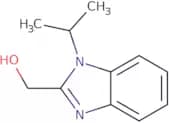
(1-Isopropyl-1H-benzimidazol-2-yl)methanol
CAS:Producto controlado<p>Please enquire for more information about (1-Isopropyl-1H-benzimidazol-2-yl)methanol including the price, delivery time and more detailed product information at the technical inquiry form on this page</p>Fórmula:C11H14N2OPureza:Min. 95%Peso molecular:190.24 g/mol[5-(Trifluoromethyl)-1,2-Oxazol-3-Yl]Methanol
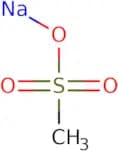
CAS:<p>Please enquire for more information about [5-(Trifluoromethyl)-1,2-Oxazol-3-Yl]Methanol including the price, delivery time and more detailed product information at the technical inquiry form on this page</p>Fórmula:C5H4F3NO2Pureza:Min. 95%Peso molecular:167.09 g/molSodium methanethiolate - 15% aqueous solution
CAS:<p>Sodium methanethiolate is an antimicrobial agent that is a white, crystalline solid. It reacts with trifluoroacetic acid and water to produce the active form of sodium trifluoroacetate. The reaction mechanism is likely due to the formation of a bicyclic heterocycle that has been shown to be effective against a number of bacteria. Sodium methanethiolate has been used for the treatment of infectious diseases, such as respiratory infections and skin infections, as well as autoimmune diseases and cardiovascular disorders. The oxidation catalyst in this compound may also have physiological effects on the body's cells and tissues.</p>Fórmula:CH3NaSPureza:Min. 95%Forma y color:Clear LiquidPeso molecular:70.09 g/mol1,4-Pentanediol
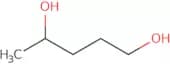
CAS:<p>1,4-Pentanediol is a diol that is used in the manufacture of polyurethanes and other organic compounds. It is produced by the oxidation of benzene with oxygen in the presence of a catalyst such as manganese dioxide. 1,4-Pentanediol can also be prepared from levulinic acid or glycol ethers. 1,4-Pentanediol reacts with an aromatic hydrocarbon in the presence of a homogeneous catalyst to produce viscosity and polycarboxylic acids. The reaction mechanism for this process begins with the addition of water to form hydrogen peroxide and acetaldehyde. Hydrogen peroxide then reacts with an aromatic hydrocarbon to produce glycol ether and hydroxy group. The hydroxyl group then reacts with another aromatic hydrocarbon to produce viscosity and polycarboxylic acid. The reaction products are isolated by distillation or vacuum evaporation, after which they are purified by recrystall</p>Fórmula:C5H12O2Pureza:Min. 95%Forma y color:Colorless Clear LiquidPeso molecular:104.15 g/molDiphenylprolinol
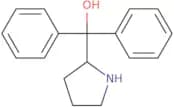
CAS:Producto controlado<p>Diphenylprolinol is a synthetic cannabinoid that is used as an agonist of the CB1 and CB2 receptors in the brain. It has been shown to have high affinity for both the CB1 and CB2 receptors, with Ki values of 0.07 and 0.05 nM respectively. Diphenylprolinol is a full agonist of the CB1 receptor, but only a partial agonist of the CB2 receptor. Diphenylprolinol binds to these receptors in a manner that resembles endocannabinoids, which are endogenous cannabinoids produced by animals. This drug has shown antipsychotic effects through its binding to serotonin reuptake inhibitors and its ability to block dopamine release in the prefrontal cortex. Diphenylprolinol also acts as a potent growth factor by stimulating cell proliferation via activation of protein kinase C (PKC). PKC activation leads to increased levels of intracellular calcium ions (Ca2+) and stimulates growth factor production such as</p>Pureza:Min. 95%4-Nitrophenol
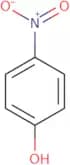
CAS:<p>4-Nitrophenol is a chemical compound that is used in wastewater treatment to remove iron and copper ions. 4-Nitrophenol has been shown to catalyze the oxidation of picolinic acid by copper chloride, forming oxalic acid. The redox potential of 4-nitrophenol is -0.53 V, which makes it a suitable electron acceptor for the reaction. The reaction mechanism of this process involves the formation of a nitroso radical intermediate, which reacts with copper ions to form copper nitroso complexes and then reacts with oxygen to form hydroxylamine radicals. This reaction can also be followed using fluorescence probe measurements or electrochemical impedance spectroscopy (EIS).</p>Fórmula:C6H5NO3Pureza:Min. 95%Forma y color:PowderPeso molecular:139.11 g/molDes(isopropylamino) atenolol diol
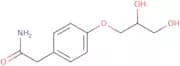
CAS:<p>Des(isopropylamino) atenolol diol is a synthetic, high-performance liquid chromatography (HPLC) analyte with an absorbance maximum of 254 nm. It is a white/off-white solid that is soluble in water and has a molecular weight of 187.5 g/mol. This compound can be analyzed using multichannel or liquid chromatographic techniques. Des(isopropylamino) atenolol diol can be used to measure the concentration of various compounds, such as impurities, by elution from the column. The elution profile has been shown to be dependent on the type of sample and technique used for analysis.</p>Fórmula:C11H15NO4Pureza:Min. 95%Peso molecular:225.24 g/mol1,2,3,4-Tetrahydro-4,6-dihydroxy-2-methyl-isoquinoline
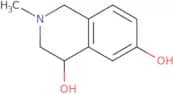
CAS:<p>1,2,3,4-Tetrahydro-4,6-dihydroxy-2-methyl-isoquinoline is a useful building block in the synthesis of various compounds such as pharmaceuticals and pesticides. It is an intermediate for the preparation of other valuable chemicals such as the antihistamine diphenhydramine, which is used to treat allergies. Tetrahydroisoquinoline can also be used as a reagent to synthesize other chemical compounds. This compound has been used in research as well as commercial applications. Tetrahydroisoquinoline is also a versatile scaffold that can be modified to produce different derivatives with different properties.</p>Fórmula:C10H13NO2Pureza:Min. 95%Forma y color:White PowderPeso molecular:179.22 g/mol4-Phenylphenol
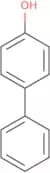
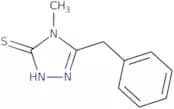
CAS:<p>4-Phenylphenol is a phenolic compound that is used in the synthesis of other compounds. 4-Phenylphenol was found to react with rat liver microsomes and showed a hydroxyl group as its reactive site. 4-Phenylphenol also inhibited the activities of enzymes such as diazonium salt, sodium carbonate, monoclonal antibodies, analytical methods, light emission and p-hydroxybenzoic acid. The reaction mechanism of 4-Phenylphenol involves hydrogen bonding with human serum biphenyl.</p>Fórmula:C12H10OPureza:Min. 95%Forma y color:PowderPeso molecular:170.21 g/mol5-Benzyl-4-methyl-4H-1,2,4-triazole-3-thiol
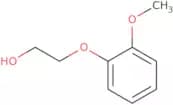
CAS:<p>Please enquire for more information about 5-Benzyl-4-methyl-4H-1,2,4-triazole-3-thiol including the price, delivery time and more detailed product information at the technical inquiry form on this page</p>Fórmula:C10H11N3SPureza:Min. 95%Peso molecular:205.28 g/mol2-(2-Methoxyphenoxy)ethanol
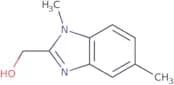
CAS:<p>2-(2-Methoxyphenoxy)ethanol (2-MPE) is a metabolite of propanediol, which is a precursor in the synthesis of polyurethanes. 2-MPE can be oxidized by monooxygenases to form syringyl and other reactive metabolites. Basic hydrolysis may also produce monomers such as phenols, alcohols, and carboxylic acids. Syringyl is one of the metabolic products of 2-MPE, which has been shown to be resistant to degradation by basidiomycete fungi.</p>Fórmula:C9H12O3Pureza:Min. 95%Peso molecular:168.19 g/mol(1,5-Dimethyl-1H-benzimidazol-2-yl)methanol
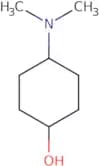
CAS:Producto controlado<p>Please enquire for more information about (1,5-Dimethyl-1H-benzimidazol-2-yl)methanol including the price, delivery time and more detailed product information at the technical inquiry form on this page</p>Fórmula:C10H12N2OPureza:Min. 95%Peso molecular:176.22 g/mol4-(Dimethylamino)cyclohexanol
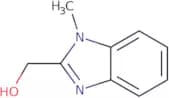
CAS:<p>4-(Dimethylamino)cyclohexanol is a colorless liquid that has a sweet odor. It is insoluble in water but soluble in alcohol, ether, and chloroform. This compound has been used as a solvent for fats, oils, waxes, resins, and rubber. 4-(Dimethylamino)cyclohexanol is found in the environment as a result of its use in insecticides and herbicides. 4-(Dimethylamino)cyclohexanol has been shown to be carcinogenic in animal studies.</p>Fórmula:C8H17NOPureza:Min. 95%Peso molecular:143.23 g/mol(1-Methyl-1H-benzimidazol-2-yl)methanol
CAS:Producto controlado<p>1-Methyl-1H-benzimidazol-2-yl)methanol is a mononuclear, ligand anion with a sulfate group. The compound has a molecular weight of 180.07 and its chemical formula is C6H5NOSO3S. It is soluble in water and alcohols, but insoluble in ethers and chloroform. 1-Methyl-1H-benzimidazol-2-yl)methanol reacts with oxygen to form the corresponding peroxide, which has a boiling point of 228°C at 760 mm Hg pressure. This compound also reacts with nitric acid to form the corresponding nitrate salt, which can be precipitated by adding sodium chloride or ammonium chloride.</p>Fórmula:C9H10N2OPureza:Min. 95%Peso molecular:162.19 g/molEltrombopag olamine
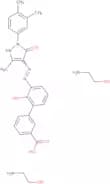
CAS:<p>Eltrombopag olamine is an orally active drug that belongs to the class of thiazolidinones. It has been used for the treatment of thrombocytopenia in patients with chronic liver disease and myelodysplastic syndrome. Eltrombopag olamine inhibits platelet aggregation by binding to glycoprotein IIb/IIIa receptors on the surface of platelets. The drug is a prodrug that is metabolized in vivo to its active form, eltrombopag. This conversion is catalysed by CYP3A4 and CYP2D6 enzymes and can be inhibited by drugs that inhibit these enzymes, such as trifluoroacetic acid and hydroxyl group-containing compounds. Eltrombopag olamine binds to erythrocytes, which may be due to its ability to form intramolecular hydrogen bonds with nitrogen atoms. The synthesis of elt</p>Fórmula:C25H22N4O4•(C2H7NO)2Pureza:Min. 95%Forma y color:PowderPeso molecular:564.63 g/molToluene-3,4-dithiol
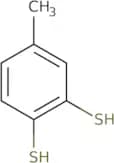
CAS:<p>Toluene-3,4-dithiol is a reactive dithiol that has been shown to have synergistic effects with other organic compounds. It is used in the preparation of methyl ethyl and its derivatives. Toluene-3,4-dithiol has also been shown to inhibit both the activity of enzymes and the growth of bacteria. The biological properties of this compound are not well understood, but it can be used as a model system for studying disulfide bonds and their role in protein folding. Studies have shown that this compound inhibits enzymatic activity and reduces bacterial growth without affecting cell viability.</p>Fórmula:C7H8S2Pureza:Min. 95%Peso molecular:156.27 g/mol2,2,3,3,4,4-Hexafluoro-1,5-pentanediol
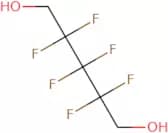
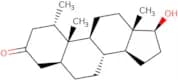
CAS:Producto controlado<p>2,2,3,3,4,4-Hexafluoro-1,5-pentanediol is a colorless liquid with a boiling point of 155°C. It is soluble in water and has an odor similar to that of hexane. 2,2,3,3,4,4-Hexafluoro-1,5-pentanediol is used as a chemical intermediate for the production of sodium salts and quaternary ammonium compounds. This substance can be obtained by reacting butanediol with hydrofluoric acid or trifluoromethanesulfonic acid. The most common use of 2,2,3,3,4,4-hexafluoro-1,5-pentanediol is in the synthesis of amines. It also has been used as a solvent for electroplating metals and as a high boiling point solvent in organic reactions. This compound exhibits nucleophilic properties with amines and can</p>Fórmula:C5H6F6O2Pureza:Min. 95%Peso molecular:212.09 g/mol11α-Methylandrostan-17β-ol-3-one
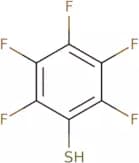
CAS:Producto controlado<p>11alpha-Methylandrostan-17beta-ol-3-one is a pharmacological agent that belongs to the group of androgens. It is an oral preparation and has been used in the treatment of infectious diseases, autoimmune diseases, and metabolic disorders. It has also been used as a matrix effect control in biological samples. The biological effects of 11alpha-Methylandrostan-17beta-ol-3-one are mediated by its direct action on cells or through conversion to testosterone or dihydrotestosterone (DHT). These effects include increasing protein synthesis, promoting bone formation, lowering cholesterol levels, stimulating the production of red blood cells, and decreasing fat deposition. The main side effects are acne vulgaris, male pattern baldness, prostate enlargement, increased risk for prostate cancer, and increased risk for developing breast cancer.</p>Fórmula:C20H32O2Pureza:Min. 95%Forma y color:PowderPeso molecular:304.47 g/molPentafluorobenzenethiol
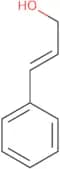
CAS:<p>Pentafluorobenzenethiol is an organosulfur compound that is synthesized by the nucleophilic attack of deuterium on a hydrogenated aliphatic hydrocarbon. It is a colorless liquid with a characteristic low boiling point and high volatility. Pentafluorobenzenethiol has been shown to react with chelate rings and to form irreversible oxidation products. This chemical has analytical applications in the determination of potassium, sodium, and lithium in water samples; it also has semiconductor properties. The diameter of pentafluorobenzenethiol is 6.2 Å, which makes it a low energy aromatic hydrocarbon that can be easily transported through porous media.</p>Fórmula:C6HF5SPureza:Min. 95%Forma y color:Colorless Clear LiquidPeso molecular:200.13 g/molCinnamyl alcohol
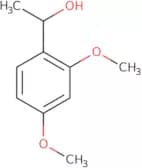
CAS:<p>Cinnamyl alcohol is a substance that belongs to the group of organic compounds called alcohols. It has been shown to be an inhibitor of enzymes such as alcohol dehydrogenase and lignin peroxidase, which are involved in the production of lignin. Cinnamyl alcohol also inhibits the synthesis of proteins, nucleic acids, and other cellular components. Cinnamyl alcohol has significant cytotoxicity against tumor cells, with biochemical properties that make it a good candidate for cancer treatment.</p>Fórmula:C9H10OPureza:Min. 98 Area-%Forma y color:White PowderPeso molecular:134.18 g/mol2,4-Dimethoxyphenylmethylcarbinol
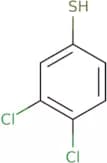
CAS:<p>2,4-Dimethoxyphenylmethylcarbinol is a benzene derivative that can be synthesized from 2,4-dimethoxybenzaldehyde and formaldehyde. This compound is an efficient reductant for hydrazine and has been used as a screening agent for new drugs. It is also a pharmacological active substance with anti-inflammatory properties. 2,4-Dimethoxyphenylmethylcarbinol has shown activity against carrageenan-induced rat paw edema, as well as the vessel and ultrasonic effects of irradiation.</p>Fórmula:C10H14O3Pureza:Min. 95%Peso molecular:182.22 g/mol3,4-Dichlorothiophenol
CAS:<p>3,4-Dichlorothiophenol is a chemical compound that belongs to the group of reactive compounds. It can be used as a chemical intermediate for the synthesis of other organic compounds. 3,4-Dichlorothiophenol is an inhibitor of methylating enzymes such as glyoxalase I and II and glyceraldehyde-3-phosphate dehydrogenase. This inhibition leads to the accumulation of methylglyoxal and 3-deoxyglucosone in cells, which are potent inhibitors of protein glycosylation. 3,4-Dichlorothiophenol also inhibits nucleophilic attack on DNA by epoxide hydrolases such as epoxide hydrolase 1 and 2. This inhibition results in the accumulation of reactive metabolites that are covalently adducted with DNA bases.</p>Fórmula:C6H4Cl2SPureza:Min. 95%Peso molecular:179.07 g/mol2,2'-Azanediylbis(propan-1-ol)
CAS:<p>Please enquire for more information about 2,2'-Azanediylbis(propan-1-ol) including the price, delivery time and more detailed product information at the technical inquiry form on this page</p>Fórmula:C6H15NO2Pureza:Min. 95%Peso molecular:133.19 g/mol(D-Ala2,N-Me-Phe4,methionin(O)-ol5)-Enkephalin trifluoroacetate salt
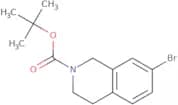
CAS:<p>D-Ala2,N-Me-Phe4,methionin(O)-ol5)-Enkephalin trifluoroacetate salt H-Tyr-D-Ala-Gly-N-Me-Phe-methionin(O)-ol trifluoroacetate salt is an analog of the endocannabinoid neurotransmitter, anandamide. It has been shown to be effective in the treatment of autoimmune diseases such as multiple sclerosis and inflammatory bowel disease. D-(3R)-3-[(1S,2R,3R,5R) -3-[2-(2,6 dichlorophenyl)ethenyl] -1H -indole]-1 -butanamine trifluoroacetate salt has been shown to inhibit the replication of a number of viruses including human immunodeficiency virus type 1 (HIV). This drug also inhibits the growth of organisms that are resistant</p>Fórmula:C29H41N5O7SPureza:Min. 95%Peso molecular:603.73 g/moltert-Butyl 7-bromo-3,4-dihydroisoquinoline-2(1H)-carboxylate
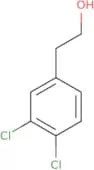
CAS:<p>Please enquire for more information about tert-Butyl 7-bromo-3,4-dihydroisoquinoline-2(1H)-carboxylate including the price, delivery time and more detailed product information at the technical inquiry form on this page</p>Fórmula:C14H18BrNO2Pureza:Min. 95%Forma y color:PowderPeso molecular:312.2 g/mol2-(3,4-Dichlorophenyl)ethanol
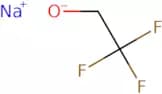
CAS:<p>2-(3,4-Dichlorophenyl)ethanol is a high quality reagent for the synthesis of complex compounds, useful as an intermediate in organic synthesis and as a building block for speciality chemicals. This chemical is also used as a research chemical in the synthesis of versatile building blocks. It can be used as a reaction component in various reactions such as Suzuki coupling, Negishi coupling, Heck reaction, and Sonogashira coupling.</p>Fórmula:C8H8Cl2OPureza:Min. 95%Peso molecular:191.05 g/molSodium 2,2,2-trifluoroethanolate
CAS:<p>Sodium 2,2,2-trifluoroethanolate is a fluorinated alcohol. It is used as an animal health drug and has been shown to have a significant inhibitory effect on the growth of bacteria. The reaction intermediate for this compound is trifluoroacetic acid, which can be formed from sodium and hydrogen fluoride in the presence of ethylene glycol. This molecule also reacts with nitrosyl chloride to form a nitrogen-containing product. Sodium 2,2,2-trifluoroethanolate has been shown to be active against both Gram-positive and Gram-negative bacteria. The FTIR spectra for this compound shows that it has two sets of absorption bands at 3,200 cm−1 (due to C–H stretching) and 3,000 cm−1 (due to C=C stretching).</p>Fórmula:C2H2F3NaOPureza:Min. 95%Forma y color:PowderPeso molecular:122.02 g/molZ-D-Alaninol
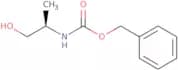
CAS:<p>Please enquire for more information about Z-D-Alaninol including the price, delivery time and more detailed product information at the technical inquiry form on this page</p>Fórmula:C11H15NO3Pureza:Min. 95%Peso molecular:209.24 g/mol2-Bromoethane-1-thiol
CAS:<p>2-Bromoethane-1-thiol (2BET) is a hydrogen bond sensitive sensor that can be used in the detection of reactive oxygen species. 2BET has been shown to have a high sensitivity and selectivity to hydrogen peroxide, with an observed response time of less than 1 second. This sensor has been found to be useful for detecting short-term changes in hydrogen peroxide concentrations and can also detect long term changes due to its stability in the membrane. 2BET is also highly selective for hydrogen peroxide and does not react with other compounds, such as nitric oxide or sulfur dioxide. 2BET is a cavity type sensor that consists of two gold electrodes with a polyelectrolyte membrane between them. When exposed to reactive oxygen species, the polyelectrolyte membrane becomes crosslinked and this change in permeability can be detected by measuring the current across the electrodes. 2BET sensors are able to distinguish between isotopomers</p>Fórmula:C2H5BrSPureza:Min. 95%Forma y color:Clear LiquidPeso molecular:141.03 g/mol4-[(4-Chlorophenyl)phenylmethyl]-1-piperazineethanol dihydrochloride
CAS:<p>Please enquire for more information about 4-[(4-Chlorophenyl)phenylmethyl]-1-piperazineethanol dihydrochloride including the price, delivery time and more detailed product information at the technical inquiry form on this page</p>Fórmula:C19H23ClN2O•(HCl)2Pureza:Min. 95%Peso molecular:403.77 g/mol1,1,2,2-Tetrahydroperfluoro dodecanol
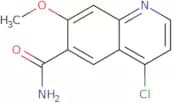
CAS:<p>1,1,2,2-Tetrahydroperfluoro dodecanol (1HFPD) is a chemical substance used in analytical chemistry as an internal standard for gas chromatography. It is also used to prepare samples for analysis by particle-induced X-ray emission. 1HFPD has been shown to have a high uptake in preschool children and can be detected in human serum at levels of 0.5 micrograms per milliliter. The use of 1HFPD has been linked to adverse health effects such as kidney and liver damage.</p>Fórmula:C12H5F21OPureza:Min. 95%Peso molecular:564.13 g/mol4-Chloro-7-methoxyquinoline-6-carboxamide
CAS:<p>Intermediate in the synthesis of lenvatinib</p>Fórmula:C11H9ClN2O2Pureza:Min. 95%Peso molecular:236.65 g/molBisphenol A glycerolate dimethacrylate
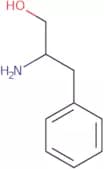
CAS:<p>Bisphenol A glycerolate dimethacrylate is a synthetic polymer that has been used in various applications, including dental sealants and composites. It is a white or yellowish viscous liquid that is soluble in water and alcohol. Bisphenol A glycerolate dimethacrylate is used as a sealant due to its high viscosity. The molecular weight of this compound ranges from 2000 to 6000 Da. It also has an epoxy group that can form hydrogen bonds with other molecules. The major application for bisphenol A glycerolate dimethacrylate is in the dental industry as it provides an excellent sealant due to its high viscosity. This material is also used in composites due to its ability to form hydrogen bonding interactions with the polymer matrix. Bisphenol A glycerolate dimethacrylate is also known for its hemolytic activity and sugar transport properties, which are important for lactic acid</p>Fórmula:C29H36O8Pureza:Min. 95%Forma y color:Clear LiquidPeso molecular:512.59 g/molDL-Phenylalaninol
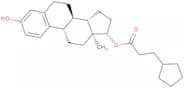
CAS:<p>DL-Phenylalaninol is a chemical compound with the molecular formula CHNO. It is a white to pale yellow solid that is soluble in water and methanol, but not in diethyl ether. DL-Phenylalaninol has been synthesized by reacting cycloleucine with l-phenylalaninol. The reaction solution was heated at a temperature of 140°C for six hours, which yielded DL-Phenylalaninol as a hydroxy methyl compound. The synthesis of DL-Phenylalaninol was achieved through an asymmetric synthesis with sodium dodecyl sulfate surfactant. A detection sensitivity of 1 ppm and an enhancement at 260 nm were observed when analyzing the product by high performance liquid chromatography (HPLC).</p>Fórmula:C9H13NOPureza:Min. 95%Peso molecular:151.21 g/molEstradiol cypionate
CAS:<p>Estradiol cypionate is a synthetic form of estrogen. It is used as a contraceptive and to treat certain types of breast cancer. Estradiol cypionate is administered by intramuscular injection, and has been shown to be effective in inhibiting ovulation, ovarian activity, and follicular growth. Estradiol cypionate is metabolized in the liver to estradiol benzoate and estrone, which have similar effects on the body. The pharmacokinetics of estradiol cypionate are complex because it binds to sex hormone-binding globulin (SHBG) in the blood serum. This binding reduces the availability of free estradiol for receptor binding, which may result in decreased effectiveness with long-term use.</p>Fórmula:C26H36O3Pureza:Min. 95%Forma y color:White PowderPeso molecular:396.56 g/molTrichloroethanol
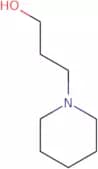
CAS:<p>Trichloroethanol is an alkanoic acid that is used as a solvent and a laboratory reagent. It is also a potential bioactive compound. Trichloroethanol has been shown to have neurotoxic effects in rats, causing histological changes in the trigeminal nerve, which may be due to its inhibition of mitochondrial energy metabolism. Trichloroethanol has been shown to inhibit the activity of matrix metalloproteinase-9 (MMP-9) in human serum and the α1 subunit of Toll-like receptor (TLR) 4 in human monocytes. This compound has also been shown to be toxic to rat liver microsomes at high concentrations.</p>Fórmula:C2H3Cl3OPureza:Min. 98.5%Forma y color:Clear LiquidPeso molecular:149.4 g/mol3-Piperidin-1-ylpropan-1-ol
CAS:<p>3-Piperidin-1-ylpropan-1-ol is a substance that is structurally related to biperiden and has affinity for the H3 receptor. It has been shown to have a high affinity for the H3 receptor, which is found in high concentration in the rat brain. 3-Piperidin-1-ylpropan-1-ol has been shown to have antagonistic activity against neuropathic pain in rats, by inhibiting the release of norepinephrine from nerve endings. This substance also has antihistaminic properties, which may be due to its ability to inhibit histamine release. 3-Piperidin-1-ylpropan-1-ol is an enantiomer of piperidine, with a slightly higher affinity for the H3 receptor than its mirror image. The racemic mixture isomeric form (i.e., both enantiomers) inhibits the H3 receptor with an equal potency,</p>Fórmula:C8H17NOPureza:Min. 95%Forma y color:Colorless Clear LiquidPeso molecular:143.23 g/molPhenyl ethyl alcohol
CAS:Producto controlado<p>Phenyl ethyl alcohol is a chemical compound that is used as an antiseptic. It is also known for its ability to reduce the surface tension of water, which makes it useful for cleaning and degreasing. Phenyl ethyl alcohol has been shown to be up-regulated in genes that are responsible for transcriptional regulation, as well as in genes that encode proteins involved in cellular metabolism. This compound has been used as a model system to study hydrogen bonds and biological samples. The structural biology of phenyl ethyl alcohol has been studied using detergent compositions and fatty acid models.</p>Fórmula:C8H10OPureza:Min. 80%Forma y color:Clear LiquidPeso molecular:122.16 g/mol4-Fluoro-3-nitrobenzyl alcohol
CAS:<p>4-Fluoro-3-nitrobenzyl alcohol (4FNA) is a potent, orally bioavailable, and selective inhibitor of the tyrosine kinase AXL. 4FNA binds to the ATP binding site on AXL and blocks phosphorylation of its tyrosine kinase domain. This binding leads to a conformational change in the AXL protein that prevents it from interacting with downstream signaling molecules, inhibiting T cell activation.</p>Fórmula:C7H6FNO3Pureza:Min. 95%Peso molecular:171.13 g/mol14-Azido-3,6,9,12-tetraoxatetradecanol
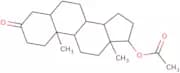
CAS:<p>Please enquire for more information about 14-Azido-3,6,9,12-tetraoxatetradecanol including the price, delivery time and more detailed product information at the technical inquiry form on this page</p>Fórmula:C10H21N3O5Pureza:Min. 95%Peso molecular:263.29 g/molAndrostanolone acetate
CAS:Producto controlado<p>Androstanolone acetate is a synthetic androgen that has been shown to stimulate the production of testosterone in the testes. Androstanolone acetate has been shown to be effective in treating symptoms of male hypogonadism, as well as erectile dysfunction. The drug also has an antigenic effect, which stimulates the production of antibodies against it. Androstanolone acetate binds to cell specific antigens and stimulates cell proliferation. It has been used in cancer prevention studies, where it was found that it could suppress estrogen-induced endometrial cancer in animals. In addition, Androstanolone acetate is capable of stimulating light emission when incubated with cells and can be detected using chromatographic methods.</p>Fórmula:C21H32O3Pureza:Min. 95%Forma y color:PowderPeso molecular:332.48 g/molUbiquinol
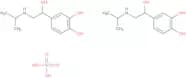
CAS:<p>Fully reduced form of coenzyme Q10</p>Fórmula:C59H92O4Pureza:Min. 95%Forma y color:White Yellow PowderPeso molecular:865.36 g/molIsoprenaline sulphate dihydrate
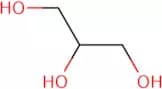
CAS:<p>4-[1-Hydroxy-2-[(1-methylethyl)amino]ethyl]-1,2-benzenediol sulfate dihydrate (benserazide) is a cholinergic agent that has been shown to increase the release of acetylcholine by acting as an agonist at nicotinic receptors. It increases the amount of acetylcholine released in the brain and can be used for the treatment of Alzheimer's disease. Benserazide has also been shown to have a depressant effect on the respiratory system, which can be beneficial for lung diseases. This drug also has anti-inflammatory properties and can inhibit growth factor synthesis.</p>Fórmula:C22H34N2O6·H2SO4·2H2OPureza:Min. 95%Forma y color:PowderPeso molecular:520.59 g/molPolyglycerine - Polyglycerol-2,3,4
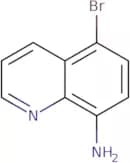
CAS:<p>Naturally-derived multifunctional moisturizer; used in cosmetic formulations</p>Fórmula:(C3H8O3)nPureza:Min. 85%Forma y color:Colorless Powder5-Bromoquinolin-8-amine
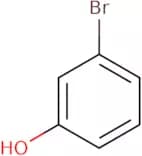
CAS:<p>5-Bromoquinolin-8-amine is a topoisomerase inhibitor that can be used as an antitumor agent. It has been shown to inhibit the growth of tumor cell lines and suppress the growth of colon carcinoma cells in rats and human colon carcinomas in mice. 5-Bromoquinolin-8-amine interacts with DNA, specifically inhibiting the formation of supercoiled DNA. This interaction may lead to the inhibition of tumor cell growth. 5-Bromoquinolin-8-amine also inhibits protein synthesis by interacting with proteins at the ribosomal level, leading to inhibited cell growth.</p>Fórmula:C9H7BrN2Pureza:Min. 95%Peso molecular:223.07 g/mol3-Bromophenol
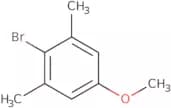
CAS:<p>3-Bromophenol is an organic compound that is a bromophenol. It is used as a fluorometric probe in wastewater treatment and as a tracer for metabolic pathways in the proximal tubules of the kidney. 3-Bromophenol has a molecular weight of 184.16 g/mol and has been shown to be metabolized by bacteria into 2,4-dihydroxyphenylacetic acid (2,4-DPA). 3-Bromophenol can also be synthesized from 2,4-dihydroxyphenylacetic acid using sodium hydroxide solution and carbon source in a synthetic process. This synthetic process can be carried out at room temperature and atmospheric pressure.</p>Fórmula:C6H5BrOPureza:Min. 98 Area-%Forma y color:Clear LiquidPeso molecular:173.01 g/mol4-Bromo-3,5-dimethylbenzyl alcohol
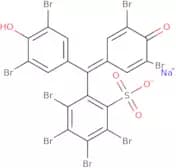
CAS:<p>4-Bromo-3,5-dimethylbenzyl alcohol is a potent anticancer agent that is synthesized from bromoarenes. It has been shown to be effective against cancer cells in the presence of activated carbon, aluminum chloride, and organotellurium. 4-Bromo-3,5-dimethylbenzyl alcohol reacts with peptide hormones and other hormones at the cellular level by inhibiting DNA synthesis. This inhibition prevents the production of proteins that are vital for cell division. The reaction rate is rapid in solvents such as acetonitrile.>>END>></p>Fórmula:C9H11BrOPureza:Min. 95%Forma y color:PowderPeso molecular:215.09 g/molTetrabromophenol blue sodium salt
CAS:<p>Tetrabromophenol blue sodium salt is a dye that is used as an additive in the production of vinyl alcohol polymer films. Tetrabromophenol blue sodium salt can be used to measure albumin concentration and postexposure by adding phenyl groups to the molecule. The color of tetrabromophenol blue sodium salt changes upon exposure to radiation, which makes it useful for diagnostic purposes. It also has a hydrocarbon group that transforms into an insoluble form when exposed to evaporation, making it useful for titration methods. Tetrabromophenol blue sodium salt is relatively stable and labile in nature, making it susceptible to techniques such as pyrolysis, oxidation, or reduction.</p>Fórmula:C19H5Br8NaO5SPureza:Min. 95%Peso molecular:1,007.53 g/mol2-Dimethylaminoethanol (+)-bitartrate salt
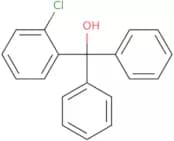
CAS:Producto controlado<p>2-Dimethylaminoethanol (+)-bitartrate salt is a potent, reversible inhibitor of protein synthesis that binds reversibly to the 50S ribosomal subunit. It is used in regulatory toxicology and clinical pathology as a positive control for the study of chronic toxicity and long-term effects. 2-Dimethylaminoethanol (+)-bitartrate salt has shown no treatment effect on ovary weight or estrous cycle length in female Sprague-Dawley rats after chronic exposure and long-term exposure at doses up to 1,000 mg/kg/day. This drug has also shown no effect on rat fertility or reproductive performance, indicating it does not cause reproductive toxicity.</p>Fórmula:C4H11NO·C4H6O6Forma y color:White Off-White PowderPeso molecular:239.22 g/mol(2-Chlorophenyl)diphenylmethanol
CAS:<p>2-Chlorophenyl)diphenylmethanol is an antifungal drug that blocks the function of a calcium ionophore in fungal cells. It has been shown to be effective against a variety of filamentous fungi, including Aspergillus fumigatus, Candida albicans, and Trichosporon cutaneum. This drug is used as a topical antifungal agent for treatment of skin infections caused by these fungi. 2-Chlorophenyl)diphenylmethanol has been shown to have anti-inflammatory properties in animal models of kidney fibrosis and cell binding. Clinical data suggests that it can be used for the prevention or treatment of stem cell transplantation complications such as graft versus host disease and leukemia.</p>Fórmula:C19H15ClOPureza:Min. 95%Forma y color:PowderPeso molecular:294.77 g/mol

![[5-(Trifluoromethyl)-1,2-Oxazol-3-Yl]Methanol](/_next/image/?url=https%3A%2Fstatic.cymitquimica.com%2Fproducts%2F3D%2Fthumb-webp%2FFT89239.webp&w=3840&q=75)



![4-[(4-Chlorophenyl)phenylmethyl]-1-piperazineethanol dihydrochloride](/_next/image/?url=https%3A%2Fstatic.cymitquimica.com%2Fproducts%2F3D%2Fthumb-webp%2FFC33627.webp&w=3840&q=75)