


Alcoholes
Subcategorías de "Alcoholes"
Se han encontrado 5817 productos de "Alcoholes"
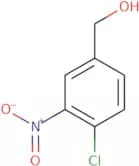
4-Chloro-3-nitrobenzyl alcohol
CAS:4-Chloro-3-nitrobenzyl alcohol is a synthetic chemical that reacts with hydrochloric acid to form 4-chloro-3-nitrobenzyl chloride and hydrogen. It can be used in the preparation of other chemicals, such as divinylbenzene and chloride. This compound is insoluble in water and soluble in organic solvents, such as acetone and ether. 4-Chloro-3-nitrobenzyl alcohol has two stereoisomers, one of which is more reactive than the other.
Fórmula:C7H6ClNO3Pureza:Min. 95%Peso molecular:187.58 g/mol4-Butoxy-1-butanol
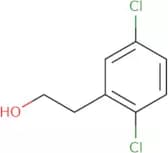
CAS:Producto controlado4-Butoxy-1-butanol is a solvent that has been shown to be safe for use in humans. It is used to modify the chemical structure of d-glycero-d-galacto-heptose and can be used as a solvent. 4-Butoxy-1-butanol was found to be safe for primary cells and was able to normalize their metabolism and growth rate. This compound has also been shown to have diagnostic properties based on its ability to inhibit the production of camaldulensis leaves, which are known to produce naphthalene. The mechanism by which this compound inhibits camaldulensis leaf production is unknown, but it may involve an acceptor molecule or biochemical reactions.Fórmula:C8H18O2Pureza:Min. 95%Forma y color:Clear LiquidPeso molecular:146.23 g/mol2-(2,5-Dichlorophenyl)ethanol
CAS:2-(2,5-Dichlorophenyl)ethanol (2,5-DCPE) is an organic chemical that is used as a building block for the synthesis of fine chemicals and pharmaceuticals. 2,5-DCPE can be used as a reactant in synthesizing more complex compounds. It reacts with many different functional groups to form covalent bonds. The compound has been shown to have high quality and has been characterized by nuclear magnetic resonance spectroscopy and mass spectroscopy.
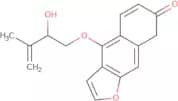
Fórmula:C8H8Cl2OPureza:Min. 95%Forma y color:PowderPeso molecular:191.05 g/molPabulenol
CAS:Pabulenol is an innovative biopolymer, which is synthesized from renewable plant-based resources through advanced biotechnological methods involving enzymatic polymerization. With its unique molecular structure, Pabulenol exhibits specific mode of action by facilitating biodegradation under ambient conditions, catalyzed by naturally occurring microbes. The polymer’s intrinsic ability to break down into non-toxic byproducts makes it an exceptional choice for sustainable environmental applications.Pureza:Min. 95%4-Amino-2-chlorophenol
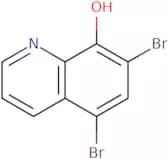
CAS:4-Amino-2-chlorophenol is an aminophenol that is used in the production of acetate, which is used in the manufacture of acetic acid. It is also used as a building block for organic synthesis. 4-Amino-2-chlorophenol reacts with acetyl chloride to form chloracetyl chloride, which can then be reacted with piperonyl butoxide to form 2-(4'-aminophenyl)-4,6-dichloropyridine. This reaction is catalyzed by hydrogen chloride and hydrogen bond formation with urea nitrogen. 4-Amino-2-chlorophenol has been shown to have long-term toxicity in animal studies and may be toxic when inhaled or ingested.Fórmula:C6H6ClNOPureza:Min. 95%Forma y color:PowderPeso molecular:143.57 g/mol5,7-Dibromo-8-hydroxyquinoline
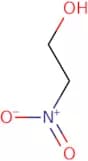
CAS:5,7-Dibromo-8-hydroxyquinoline is a cytotoxic agent that has been shown to inhibit the growth of xenograft tumor cells. It was found to be effective in inhibiting the mitochondrial membrane potential and decrease the rate of cell proliferation. 5,7-Dibromo-8-hydroxyquinoline also showed significant cytotoxicity against carcinoma cell lines, with no effect on normal human fibroblast cells. The drug is an organophosphate compound that inhibits fatty acid synthesis by binding to an enzyme involved in fatty acid biosynthesis. This inhibition causes diarrhoea and sodium salt loss. 5,7-Dibromo-8-hydroxyquinoline can be extracted from hydrochloric acid through a solvent extraction process.Fórmula:C9H5Br2NOPureza:Min. 95%Forma y color:PowderPeso molecular:302.95 g/mol2-Nitroethanol
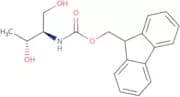
CAS:2-Nitroethanol is a chemical compound that is used as an antioxidant, antimicrobial preservative, and flavoring agent in foods. It can be synthesized in an asymmetric synthesis reaction, which involves the addition of a nitro group to one of the two carbons in ethylene glycol. The toxicity profile of 2-nitroethanol has not been extensively studied, but it appears to have low toxicity based on animal studies. A number of inhibitory compounds have been identified for 2-nitroethanol, including benzalkonium chloride and propionate. The inhibitory effects of 2-nitroethanol are concentration dependent and may be due to hydrogen bonding with proteins or intramolecular hydrogen transfer reactions with other molecules. Inhibition of viral replication by 2-nitroethanol has been observed in influenza virus and human immunodeficiency virus (HIV) studies. This inhibition may be due to alterations in fatty acid metabolism or changes in theFórmula:C2H5NO3Pureza:Min. 95 Area-%Forma y color:Clear LiquidPeso molecular:91.06 g/molFmoc-L-threoninol
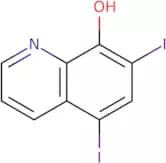
CAS:Fmoc-L-threoninol is a conjugate of L-threoninol with a protecting group, Fmoc. It is synthesized by the solid-phase method on an activated resin and then cleaved from the resin to give the desired product. The linker used in this synthesis is succinic acid diacetate. This compound has been shown to have anti-inflammatory effects in human serum, which may be due to its ability to inhibit prostaglandin synthesis.Fórmula:C19H21NO4Pureza:Min. 95%Forma y color:PowderPeso molecular:327.37 g/molIodoquinol
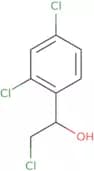
CAS:Iodoquinol is a quinoline derivative that has been shown to have antifungal properties in vitro. It is used to treat bowel disease and infectious diseases, such as malaria and tuberculosis. Iodoquinol has also been shown to reduce the incidence of autoimmune diseases by inhibiting the production of pro-inflammatory cytokines. The mechanism of action for this drug is not well understood, but it is believed that it reacts with DNA and may inhibit the synthesis of proteins. It has also been shown to cause genotoxic effects in a model system by binding covalently to DNA, as well as benzalkonium chlorideFórmula:C9H5I2NOPureza:Min. 95%Forma y color:Yellow PowderPeso molecular:396.95 g/mol2,4-Dichloro-α-(chloromethyl)benzyl alcohol
CAS:2,4-Dichloro-alpha-(chloromethyl)benzyl alcohol is an enantiopure compound that belongs to the class of acetylating agents. This drug is used in organic chemistry as a hydrophobic reagent to acetylate hydrophobic or electron-deficient carbon centers. It reacts with alcohols in the presence of aluminium and catalysts such as pyridine, 2,6-lutidine, or benzoyl chloride. The reaction time is dependent on the substrate binding and the kinetic effect. 2,4-Dichloro-alpha-(chloromethyl)benzyl alcohol has been shown to be an antifungal agent against Candida albicans. It has also been shown to be a chiral compound that can inhibit the growth of fungi by inhibiting the enzyme alcohol dehydrogenase which controls cellular levels of NADH2 and NAD+.Fórmula:C8H7Cl3OPureza:Min. 95%Forma y color:SolidPeso molecular:225.5 g/mol2-Chloro-1-methylquinolinium tetrafluoroborate
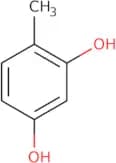
CAS:2-Chloro-1-methylquinolinium tetrafluoroborate (2CQBF) is a synthetic compound that inhibits protein synthesis. It has been used as an analytical reagent for the determination of proteins, including those in urine samples. 2CQBF has been shown to be effective in the treatment of cancer and other diseases, such as lupus erythematosus, arthritis, and psoriasis.Fórmula:C10H9ClN•BF4Pureza:Min. 95%Forma y color:White PowderPeso molecular:265.44 g/mol4-Methylresorcinol
CAS:4-Methylresorcinol is a phenolic compound that has been shown to have a broad spectrum of antimicrobial activity. It is an inhibitor of 3-hydroxybenzoic acid, a key metabolic intermediate in the biosynthesis of aromatic amino acids and lignin. 4-Methylresorcinol inhibits the enzyme tyrosine ammonia lyase, which converts tyrosine to 3-hydroxybenzoic acid. The synthetic nature of 4-methylresorcinol makes it an attractive candidate for use as an antifungal agent, since it does not produce any byproducts in the human body. 4-Methylresorcinol also has antifungal activity against other organisms such as Candida albicans, Aspergillus niger, and Trichoderma viride.Fórmula:C7H8O2Pureza:Area-% Min. 90 Area-%Forma y color:White PowderPeso molecular:124.14 g/molPolycaprolactone diol - MW 525-575
CAS:Biodegradable polymer
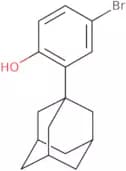
Fórmula:C4H8O3(C6H10O2)nForma y color:Clear Liquid2-(1-Adamantyl)-4-bromophenol
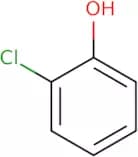
CAS:2-(1-Adamantyl)-4-bromophenol is a synthetic polymer that is used in the production of film. It has been used to produce chromatographic films, which are used for the separation and purification of organic compounds. 2-(1-Adamantyl)-4-bromophenol is also used to manufacture ion-exchange resins, which are used for the separation and purification of ions in water. 2-(1-Adamantyl)-4-bromophenol has been shown to be carcinogenic when administered orally to rats, causing human colon carcinoma. It also causes pleural mesothelioma when administered intrapleurally in rats. This chemical has been shown to have anti-inflammatory properties due to its ability to inhibit prostaglandin synthesis.Fórmula:C16H19BrOPureza:Min. 95%Forma y color:PowderPeso molecular:307.23 g/mol2-Chlorophenol
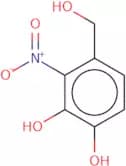
CAS:2-Chlorophenol is an organic compound that is used as a disinfectant and antiseptic. It has been shown to adsorb onto activated carbon and other organic matter in wastewater treatment facilities, where it is degraded by the intramolecular hydrogenation of 2-chlorophenol to 2-hydroxybenzoic acid. This reaction can be catalyzed by sodium citrate, which acts as a proton donor. The kinetics of this transformation can be described using the pseudo-first order rate law. 2-Chlorophenol also regulates transcriptional activity through binding to DNA at specific sites. This binding can be detected using solid phase microextraction techniques on copper chloride or surfactant sodium dodecyl. The reaction mechanism for the conversion of 2-chlorophenol to 2-hydroxybenzoic acid involves intermolecular hydrogen bonding with a proton donor that leads to the oxidation of the substrate. The redox potential for this processFórmula:C6H5ClOPureza:Min. 95%Forma y color:LiquidPeso molecular:128.56 g/mol3,4-Dihydroxy-2-nitrobenzyl alcohol
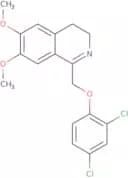
CAS:3,4-Dihydroxy-2-nitrobenzyl alcohol is a fine chemical that is useful as a scaffold and building block for organic synthesis. It is also an intermediate in the preparation of other chemicals such as reaction components. 3,4-Dihydroxy-2-nitrobenzyl alcohol has CAS No. 1017060-58-0 and belongs to the speciality chemical category. This compound can be used as a reagent or research chemical in biochemical assays and other applications. 3,4-Dihydroxy-2-nitrobenzyl alcohol is soluble in methanol, ethanol, acetone, dichloromethane, ethyl acetate, and chloroform. It is insoluble in water and ether. It is stable at pH values between 2 and 10 but decomposes when heated to 80°C or above.Fórmula:C7H7NO5Pureza:Min. 95%Peso molecular:185.13 g/mol1-((6,7-dimethoxy(3,4-dihydroisoquinolyl))methoxy)-2,4-dichlorobenzene
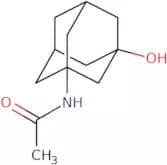
CAS:Please enquire for more information about 1-((6,7-dimethoxy(3,4-dihydroisoquinolyl))methoxy)-2,4-dichlorobenzene including the price, delivery time and more detailed product information at the technical inquiry form on this pagePureza:Min. 95%3-Acetylamino-1-adamantanol
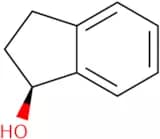
CAS:3-Acetylamino-1-adamantanol is a fluorescent, non-ionic dye that is used in the preparation of coatings and optical elements. It can also be used as an oxidation catalyst for alcohols. This compound has been shown to have excellent alkaline hydrolysis and high yield in the acetonitrile process. 3-Acetylamino-1-adamantanol has been shown to react with nitro groups to form a fluorescent product. This reaction is important because it allows for the identification of explosives. 3-Acetylamino-1-adamantanol has also been found to be useful as a hologram developer or photoresist for optical discs and lenses.Fórmula:C12H19NO2Pureza:Min. 95%Forma y color:White/Off-White SolidPeso molecular:209.28 g/mol(S)-(+)-1-Indanol
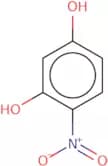
CAS:(S)-(+)-1-Indanol is a substrate for the human liver alcohol dehydrogenase and can be used to study the enzyme. The molecule has two phenyl groups that are capable of forming hydrogen bonds with other molecules. The hydrogen bond is a relatively weak, noncovalent interaction between two polar molecules. It can be formed by the donation of a lone pair of electrons from one side of an oxygen atom in one molecule to a lone pair of electrons on another oxygen atom in another molecule. This type of bond is responsible for many important biological processes, including DNA replication and protein folding. The (S)-(+)-1-Indanol can also undergo carbonyl reduction, which is the conversion of an organic compound containing a carbonyl group into a corresponding hydrocarbon derivative containing hydroxyl groups. The (S)-(+)-1-Indanol contains both hydroxyl and carbonyl functionalities that make it suitable for this process. (S)-Fórmula:C9H10OPureza:Min. 95%Forma y color:PowderPeso molecular:134.18 g/mol4-Nitroresorcinol
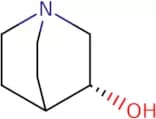
CAS:4-Nitroresorcinol is a hydroxamic acid that inhibits bacterial growth by reacting with riboflavin, which is essential for the synthesis of flavoproteins and folate. This compound has been shown to have a specific growth rate on the order of 10^-5 and 10^-6 M. The reaction of 4-Nitroresorcinol with riboflavin leads to the production of nitric oxide and hydrogen peroxide, which can lead to the destruction of cells. 4-Nitroresorcinol has been synthesized in an organic solvent using various techniques such as thermal decomposition, photochemical synthesis, and hydrolysis. 4-Nitroresorcinol can be viewed under a microscope using techniques such as electron microscopy or light microscopy.Fórmula:C6H5NO4Pureza:Min. 98 Area-%Forma y color:PowderPeso molecular:155.11 g/mol(R)-(-)-3-Quinuclidinol
CAS:Producto controladoSynthon for preparation of cholinergic receptor ligands; hypotensiveFórmula:C7H13NOPureza:Min. 95%Forma y color:White PowderPeso molecular:127.18 g/molBromophenol Red Free acid
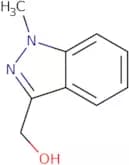
CAS:Bromophenol Red Free Acid is a synthetic substrate used in microbial infection and wastewater treatment. It has a pH of 2.0-3.0, which is acidic enough to disrupt the integrity of cellular membranes and cause cell lysis. Bromophenol Red Free Acid can be used as a lysing agent for human serum or cells in culture. This product is not soluble in water, so it must be dissolved in an organic solvent before it can be used. Bromophenol Red Free Acid reacts with hydrochloric acid to produce chemiluminescence that can be measured by luminometry, which is a quantitative technique for measuring light emission from chemical reactions. The hydroxyl group on the molecule reacts with the bromophenol group to form a bromohydrin intermediate, which reacts with hydrogen peroxide to produce chemiluminescence.Fórmula:C19H12Br2O5SPureza:Min. 95%Peso molecular:512.17 g/mol(1-Methyl-1H-indazol-3-yl)methanol
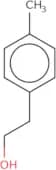
CAS:Producto controlado(1-Methyl-1H-indazol-3-yl)methanol is a heterocyclic compound with a chemical formula of CHN. It is a colorless liquid that reacts violently with water or alcohols. The compound has been shown to form lithium aluminum hydride and aluminum hydride, which react vigorously with water. (1-Methyl-1H-indazol-3-yl)methanol also forms acetylated amines in the presence of thionyl chloride. This reaction is used as an example of a translation reaction in chemistry, where one molecule is converted into another through the addition of other molecules.Fórmula:C9H10N2OPureza:Min. 95%Peso molecular:162.19 g/mol2-(4-Methylphenyl)ethanol
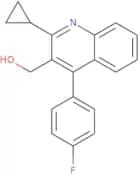
CAS:2-(4-Methylphenyl)ethanol is a chemical compound that is used as a solvent. It is also used in the synthesis of 2-hydroxyphenylacetic acid, an intermediate in the synthesis of 4-methylbenzoic acid and 4-methylphenol. The toxicologic properties of 2-(4-methylphenyl)ethanol are not well known. However, it has been shown to inhibit tyrosinase activity and stimulate melanogenesis in rats. The chemical structure of 2-(4-methylphenyl)ethanol consists of two functional groups: a phenyl group with a methyl substitution and an alcohol group. The molecular formula for this compound is C9H12O2, which indicates that it contains one carbon atom, nine hydrogen atoms, one oxygen atom, and two hydrogens. This compound has been studied by nuclear magnetic resonance spectroscopy (NMR).Fórmula:C9H12OPureza:Min. 95%Forma y color:Clear LiquidPeso molecular:136.19 g/mol2-Cyclopropyl-4-(4-fluorophenyl)-quinolyl-3-methanol
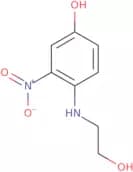
CAS:2-Cyclopropyl-4-(4-fluorophenyl)-quinolyl-3-methanol is a crystalline compound that has been obtained by reacting 3-methoxyquinoline with cyclopropyl bromide. It has the dihedral angle of about 120 degrees and is stabilized by hydrogen bonds. The compound crystallizes in an asymmetric unit cell with two molecules in the asymmetric unit and space group P2/n. The target compound can be obtained in high yield, and it is soluble in organic solvents such as benzene and triphenylphosphine. 2-Cyclopropyl-4-(4-fluorophenyl)-quinolyl-3-methanol can be used to suppress wastewater containing halogenated aromatic compounds, such as quinoline.Fórmula:C19H16FNOPureza:Min. 95%Peso molecular:293.33 g/mol4-(2-Hydroxyethylamino)-3-nitrophenol
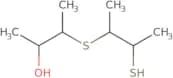
CAS:4-(2-Hydroxyethylamino)-3-nitrophenol is a nitrophenol that can cause toxicity in humans. It has been investigated for its potential use as a treatment for erectile dysfunction. The compound was found to have a long half-life of over 24 hours, which may be due to its slow metabolism by esterases and glucuronidases. 4-(2-Hydroxyethylamino)-3-nitrophenol has been shown to be an allergen and is toxic to the skin, lungs, and muscles. This chemical can cause cancer when it is irradiated or mixed with other chemicals such as 4-amino-2-nitrophenol (ANP).Fórmula:C8H10N2O4Pureza:Min. 95%Forma y color:PowderPeso molecular:198.18 g/mol3-((2-Mercapto-1-methylpropyl)thio)-2-butanol
CAS:3-((2-Mercapto-1-methylpropyl)thio)-2-butanol is a high quality synthetic intermediate that can be used as a reagent, a building block for the synthesis of complex compounds, or as an intermediate for the production of speciality chemicals. 3-((2-Mercapto-1-methylpropyl)thio)-2-butanol is soluble in organic solvents and has a high boiling point. It is also useful as a reaction component in the synthesis of fine chemicals and research chemicals. 3-(2 Mercaptoethylthio) 2 butanol has CAS No. 54957-02-7, and may be found under various synonyms such as 1-(3 mercaptoethylthio) butane, 1-(3 mercaptoethylthiobutane), or 1-[3-(mercaptomethyl)propyl] thiobutane.
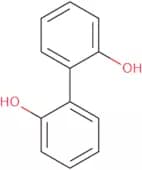
Fórmula:C8H18OS2Pureza:Min. 95%Forma y color:Colorless Clear LiquidPeso molecular:194.36 g/mol2,2'-Biphenol
CAS:2,2'-Biphenol is a phenolic compound that is used in the synthesis of polymers. The thermal expansion coefficient of 2,2'-biphenol can be measured by DSC and found to be ˜6.5 × 10⁻⁴/°C. The UV absorption spectrum of 2,2'-biphenol shows three bands at wavelengths of 290 nm, 320 nm, and 370 nm. 2,2'-Biphenol has been shown to adsorb onto biological surfaces through an adsorption mechanism. It has been observed that this adsorption occurs via x-ray crystal structures and kinetic measurements have shown that the adsorption process is rate-limited by intramolecular hydrogen bonding between the protonated phenolic hydroxyl group and the aromatic ring. The activation energies for protonation and desorption have been determined to be ˜30 kJ/mol and ˜30 kJ/mol respectively. Ac
Fórmula:C12H10O2Pureza:Min. 98 Area-%Forma y color:White PowderPeso molecular:186.21 g/molL-Tyrosinol hydrochloride
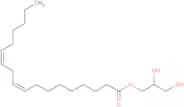
CAS:L-Tyrosinol hydrochloride is a chiral molecule that is the hydrogenated form of L-tyrosine. It is an intermediate in the synthesis of L-dopa, which is used to treat Parkinson's disease. The enzymatic reaction that converts L-tyrosinol hydrochloride to L-dopa requires adenosine 5'-phosphosulfate as cofactor and histidine as a catalyst. The conversion of L-tyrosinol hydrochloride to L-dopa occurs with high yield and has been shown to be stereoselective. This synthetic pathway has been shown to have an activation energy of 53 kcal/mol and a reaction time of 30 minutes at room temperature.Fórmula:C9H13NO2·HClForma y color:White Off-White PowderPeso molecular:203.67 g/mol1-Linoleoyl-rac-glycerol
CAS:1-Linoleoyl-rac-glycerol is a lipid with a structure similar to that of linoleic acid. The compound is used as a substrate for the study of the effects of oxygenation on lipid metabolism. 1-Linoleoyl-rac-glycerol has been shown to have anti-inflammatory properties in chronic kidney disease and pancreatitis models, which may be due to its inhibition of pancreatic lipase. 1-Linoleoyl-rac-glycerol is also used as a reaction product in sample preparation techniques, such as thin layer chromatography and high performance liquid chromatography. A variety of reactions can be performed with this compound, including hydrolysis by thrombin or trypsin, esterification with methanol or chloroform, or oxidation by potassium permanganate. 1-Linoleoyl-rac-glycerol has been shown to inhibit the growth of human lung epithelial cells (thp1Fórmula:C21H38O4Pureza:Min. 95 Area-%Forma y color:Clear LiquidPeso molecular:354.52 g/mol2-(2-Chlorophenoxy)ethanol
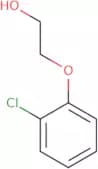
CAS:2-(2-Chlorophenoxy)ethanol is a versatile building block that can be used as a chemical reagent, speciality chemical, or useful intermediate. It is a high quality chemical with many uses in research and industrial chemistry. 2-(2-Chlorophenoxy)ethanol has been shown to be an efficient building block for the synthesis of complex compounds and has also been used as a reaction component in the synthesis of many other chemical compounds. This compound has been shown to have many applications and is worth consideration for any number of research or industrial endeavors.Fórmula:C8H9ClO2Pureza:Min. 95%Forma y color:Clear LiquidPeso molecular:172.61 g/mol3-Nitrobenzyl alcohol
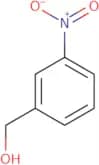
CAS:3-Nitrobenzyl alcohol is a low potency drug that is used for the treatment of cancer. It is a derivative of trifluoroacetic acid, which has been shown to have anti-tumor effects in animals. 3-Nitrobenzyl alcohol binds to the matrix on the surface of cells by hydrogen bonding and forms an intramolecular hydrogen bond with the nitrogen atom. This process leads to increased fluorescence intensity, which can be detected using matrix-assisted laser desorption ionization mass spectrometry (MALDI MS). The fatty acid group found in 3-nitrobenzyl alcohol increases its solubility in water and facilitates penetration into lipid bilayers. This compound exhibits cytotoxicity against monoclonal antibody-positive B cell lymphoma cells and may also have anti-inflammatory properties due to its inhibition of picolinic acid synthesis.Fórmula:C7H7NO3Pureza:Min 98%Forma y color:PowderPeso molecular:153.14 g/mol1-Benzyl-2,3-O-isopropylidene glycerol
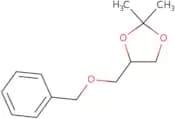
CAS:1-Benzyl-2,3-O-isopropylidene glycerol is a chemical compound that is classified as an atypical inhibitor of protein tyrosine phosphatases. This means that it inhibits the enzyme phosphatase, which is involved in the activation of many other enzymes. It has been shown to have potential as a drug for treating Alzheimer's disease and cancer. 1-Benzyl-2,3-O-isopropylidene glycerol interacts with protein tyrosine phosphatase 1B (PTP1B) and activates this enzyme, leading to inhibition of cell growth and apoptosis. 1B has been shown to be overactive in some cancer cells and may play a role in the development of cancers such as breast cancer.Fórmula:C13H18O3Pureza:Min. 95 Area-%Forma y color:Clear LiquidPeso molecular:222.28 g/mol3-(Aminomethyl)adamantan-1-ol HCl
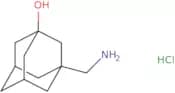
CAS:3-(Aminomethyl)adamantan-1-ol HCl is a chemical substance that can be used as a reaction component, reagent, and useful scaffold in the synthesis of pharmaceuticals. It is also a speciality chemical with versatile building block and useful intermediate properties. 3-(Aminomethyl)adamantan-1-ol HCl has been shown to be an effective building block for complex compounds, such as those used in the synthesis of anti-inflammatory drugs.Fórmula:C11H19NO·HClPureza:Min. 95%Forma y color:PowderPeso molecular:217.74 g/mol[5-(4-Amino-2-bromophenyl)-2-furyl]methanol
CAS:5-(4-Amino-2-bromophenyl)-2-furyl]methanol (5ABF) is a fine chemical that has been shown to be an effective building block. The compound is used as a reagent in organic synthesis and can be used as a reaction component. 5ABF is also an intermediate, which can be converted into useful building blocks. 5ABF has been shown to have versatile uses in research chemicals and speciality chemicals. This chemical's CAS number is 874592-18-4. 5ABF has a high quality and is a versatile scaffold.Fórmula:C11H10BrNO2Pureza:Min. 95%Forma y color:Slightly Yellow PowderPeso molecular:268.11 g/mol(S)-Propranolol hydrochloride
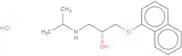
CAS:Producto controladoPropranolol hydrochloride is a prodrug that is converted to the active form, (S)-propranolol, by deesterification in vivo. Propranolol hydrochloride has been used for more than 50 years as a beta-blocker for the treatment of hypertension and angina pectoris. It is also used to treat other cardiovascular diseases such as arrhythmias and myocardial infarction. Propranolol hydrochloride inhibits the activity of human estrogen receptor (ER) and blocks the synthesis of proteins that are necessary for tumor growth. This drug has been shown to be effective against metastable polymorphs in urine samples and can be used as an analytical method to differentiate enantiomers.
Fórmula:C16H21NO2•HClPureza:Min. 95%Peso molecular:295.8 g/mol2-Bromo-4-methoxybenzyl alcohol
CAS:2-Bromo-4-methoxybenzyl alcohol is a fine chemical that can be used as a versatile building block, intermediate, or reaction component in research. It is also a useful building block for the synthesis of complex compounds. 2-Bromo-4-methoxybenzyl alcohol has been shown to be a reagent with high quality and can be used as a speciality chemical. This compound has been shown to react with ammonia to form an amide bond, which has led to the development of several new drugs.Fórmula:C8H9BrO2Pureza:Min. 95%Forma y color:PowderPeso molecular:217.06 g/mol2,2,3,3-Tetrafluoro-1-propanol
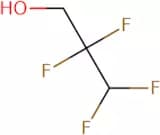
CAS:2,2,3,3-Tetrafluoro-1-propanol is a solvent that has been used in the manufacture of polymers. It can be distilled from sodium trifluoroacetate at high pressure and temperature to give a constant boiling point. 2,2,3,3-Tetrafluoro-1-propanol is transported by gas or liquid diffusion. The kinetic energy of the molecules increases with increasing temperature and pressure; however, it does not have an appreciable chemical reaction with oxygen or ozone. This chemical has been used as a photoinitiator to polymerize cationic monomers such as trifluoroacetic acid and acrylamide. 2,2,3,3-Tetrafluoro-1-propanol has also been shown to react with water vapor to form hydrogen fluoride and hydrofluoric acid.
Fórmula:C3H4F4OPureza:Min. 98 Area-%Forma y color:Clear LiquidPeso molecular:132.06 g/mol(2S)-5-Hexen-2-ol
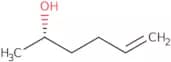
CAS:5-Hexen-2-ol is a constituent of various natural products such as the racemosum and macrocyclic lactones. It has been found to have a broad spectrum of biological activities, including antibacterial, antifungal, antiparasitic and antimalarial activity. 5-Hexen-2-ol has also been used in the synthesis of various macrocyclic lactones and macrolactones. This compound has been found to inhibit penicillium growth by competitive inhibition of ergosterol biosynthesis.
Fórmula:C6H12OPureza:Min. 95%Forma y color:Clear LiquidPeso molecular:100.16 g/mol1-(Methylthio)ethanethiol
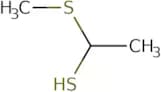
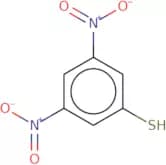
CAS:1-(Methylthio)ethanethiol (MTET) is a highly volatile, naphthenic compound that has been shown experimentally to be a sulfide and ethanal precursor. It is also an ethyl cinnamate solvent. MTET is soluble in organic solvents such as chloroform and benzene. MTET has been used to produce polymers by coating sensor surfaces with polymer film and evaporating the solvent. The fluorescence of MTET increases in the presence of oxygen, which may be due to its oxidation by air.Fórmula:C3H8S2Pureza:Min. 95%Forma y color:PowderPeso molecular:108.23 g/mol3,5-Dinitrobenzenethiol
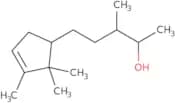
CAS:3,5-Dinitrobenzenethiol is a chemical that has been used as a building block for the synthesis of other fine chemicals. 3,5-Dinitrobenzenethiol is an intermediate used in the synthesis of research chemicals, such as pharmaceuticals and pesticides. It can also be used as a reaction component or reagent in organic synthesis. 3,5-Dinitrobenzenethiol is an excellent chemical with high quality because it has no impurities and is readily available.Fórmula:C6H4N2O4SPureza:Min. 95%Forma y color:PowderPeso molecular:200.17 g/mol5-(2,2,3-Trimethyl-3-cyclopentenyl)-3-methyl-pentan-2-ol
CAS:5-(2,2,3-Trimethyl-3-cyclopentenyl)-3-methyl-pentan-2-ol (5MMPP) is a natural product that has been identified as an inhibitor of human immunodeficiency virus (HIV) replication. 5MMPP inhibits the formation of farnesyl diphosphate (FPP), which is essential for the production of protein kinase C and other cellular processes. This compound also blocks the HIV co-receptor CCR5, reducing the ability of HIV to latch onto cells. 5MMPP also has shown chemotactic activity against leukemia cells and skin cells in vitro, which may be due to its ability to stimulate growth factor release.
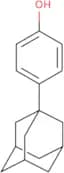
Fórmula:C14H26OPureza:Min. 95%Forma y color:Colorless PowderPeso molecular:210.36 g/mol4-(1-Adamantyl) phenol
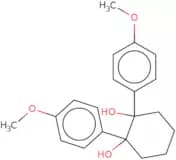
CAS:4-(1-Adamantyl) phenol is a natural compound that is found in the essential oil of nutmeg and mace. 4-(1-Adamantyl) phenol binds to the receptor for 1-adamantanol, which is a neurotransmitter in animals and humans. This binding inhibits the response pathway of this neurotransmitter, which can lead to an inhibitory effect on pain transmission. The structure of 4-(1-Adamantyl) phenol has been determined by X-ray crystallography and molecular docking analysis. It also has been shown that this compound reacts with trifluoroacetic acid under Friedel-Crafts conditions to form 3-(2'-hydroxyethyl)-4-(1'-adamantyl)-phenol. These compounds have been shown to have an inhibitory effect on animal health.Fórmula:C16H20OPureza:Min. 95%Forma y color:PowderPeso molecular:228.33 g/mol1,2-Bis-(4-methoxyphenylcyclohexan-1,2-diol)
CAS:1,2-Bis-(4-methoxyphenylcyclohexan-1,2-diol) is a high quality reagent that is an important intermediate for the synthesis of complex compounds. It is also a useful building block in the synthesis of fine chemicals and speciality chemicals. This compound can be used as a versatile building block in the synthesis of various organic compounds. 1,2-Bis-(4-methoxyphenylcyclohexan-1,2-diol) is also a reaction component that can be used to synthesize pharmaceuticals and other research chemicals.Fórmula:C20H24O4Pureza:Min. 95%Peso molecular:328.4 g/molN-[2-(p-Cinnamylamino)ethyl]-5-isoquinolone sulfonamide
CAS:N-[2-(p-Cinnamylamino)ethyl]-5-isoquinolone sulfonamide is a high quality chemical that can be used as a reagent, complex compound, and useful intermediate. N-[2-(p-Cinnamylamino)ethyl]-5-isoquinolone sulfonamide is a fine chemical that is useful in the production of speciality chemicals. It can be used as a versatile building block and reaction component to produce various compounds.Fórmula:C20H21N3O2SPureza:Min. 95%Forma y color:SolidPeso molecular:367.47 g/molEthanolamine hydrochloride
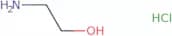
CAS:Ethanolamine hydrochloride is an ethylene diamine salt of ethanolamine. It has been shown to have a receptor activity in amines, such as human serum and monoclonal antibodies. Ethanolamine hydrochloride is used in sample preparation for the detection of proteins by western blotting and immunohistochemistry. It is also used for the production of monoclonal antibodies, which are used to detect antigens on cells.Fórmula:C2H7NO·HClPureza:Min. 98%Forma y color:PowderPeso molecular:97.54 g/mol1,2-Dioleoyl-sn-glycero-3-phosphatidylethanolamino (+)-biotin
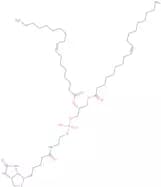
CAS:This is a speciality chemical and is not intended for use in food, drug, or cosmetic applications. This fine chemical is a useful building block, which can be used to synthesize complex compounds. It has been shown to have high reactivity with a variety of reagents, making it an excellent research component.Fórmula:C51H92N3O10PSPureza:Min. 95%Forma y color:PowderPeso molecular:970.33 g/mol4-Bromo-2-(trifluoromethyl)phenol
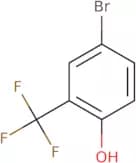
CAS:4-Bromo-2-(trifluoromethyl)phenol is a compound that belongs to the family of dialdehydes. It has been used in organic chemistry as an assembly reagent, a monomer in polymer synthesis, and as a building block for oligomers and duplexes. 4-Bromo-2-(trifluoromethyl)phenol is stable under basic conditions and can be used in the presence of chloroform. This compound functions as an intermediate for the synthesis of other functionalized molecules such as phosphine oxide, oxide, and diamines.Fórmula:C7H4BrF3OPureza:Min. 95%Forma y color:PowderPeso molecular:241.01 g/mol(S)-Glycerol 1-benzyl ether
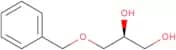
CAS:(S)-Glycerol 1-benzyl ether is a chiral, synthesised antidepressant drug that has shown to be effective in the treatment of depression. It binds to α-adrenergic receptors and blocks the binding of norepinephrine and epinephrine, preventing the production of stress hormones. (S)-Glycerol 1-benzyl ether is also used as a reagent for the synthesis of doxazosin and d-mannitol.Fórmula:C10H14O3Pureza:Min. 95%Forma y color:Colourless To White To Yellow SolidPeso molecular:182.22 g/mol(6S)-5,6,7,8-Tetrahydro-6-[propyl[2-(2-thienyl)ethyl]amino]-1-naphthalenol
CAS:Producto controlado(6S)-5,6,7,8-Tetrahydro-6-[propyl[2-(2-thienyl)ethyl]amino]-1-naphthalenol is a potent and selective dopamine receptor agonist. It acts by binding to the dopamine receptors in the brain. This binding stimulates the release of dopamine and prevents it from being reabsorbed into the neurons, which in turn increases levels of extracellular dopamine in the synapse. (6S)-5,6,7,8-Tetrahydro-6-[propyl[2-(2-thienyl)ethyl]amino]-1-naphthalenol has been shown to have antidepressant effects in animal models of depression. It also has a long half life and can be administered as a transdermal patch for prolonged relief from depression symptoms.Fórmula:C19H25NOSPureza:Min. 95%Forma y color:White Off-White PowderPeso molecular:315.47 g/mol







![[5-(4-Amino-2-bromophenyl)-2-furyl]methanol](/_next/image/?url=https%3A%2Fstatic.cymitquimica.com%2Fproducts%2F3D%2Fthumb-webp%2FFA134218.webp&w=3840&q=75)

![N-[2-(p-Cinnamylamino)ethyl]-5-isoquinolone sulfonamide](/_next/image/?url=https%3A%2Fstatic.cymitquimica.com%2Fproducts%2F3D%2Fthumb-webp%2FFC20451.webp&w=3840&q=75)
![(6S)-5,6,7,8-Tetrahydro-6-[propyl[2-(2-thienyl)ethyl]amino]-1-naphthalenol](/_next/image/?url=https%3A%2Fstatic.cymitquimica.com%2Fproducts%2F3D%2Fthumb-webp%2FFT76640.webp&w=3840&q=75)