


Alcoholes
Subcategorías de "Alcoholes"
Se han encontrado 5818 productos de "Alcoholes"
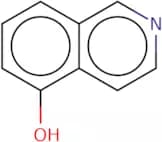
5-Hydroxyisoquinoline
CAS:5-Hydroxyisoquinoline is a quinoline derivative that is synthesized from aziridine. It has been shown to be a potent insulin sensitizing agent in mice with type 2 diabetes mellitus. 5-Hydroxyisoquinoline has been shown to inhibit the activity of purified enzymes preparations and show high selectivity for chloride channels, which are responsible for the transport of chloride ions across cell membranes. This inhibition leads to an influx of protons into the cell, which may lead to a change in the redox potential and changes in the molecular structure of the molecule. The reaction mechanism involves substitution at position 5 of the isoquinoline ring by hydroxy groups (OH).Fórmula:C9H7NOPureza:Min. 95%Forma y color:Yellow PowderPeso molecular:145.16 g/mol4-Diphenylmethylcarbinol
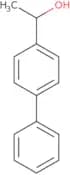
CAS:4-Diphenylmethylcarbinol is an organic compound that is a primary alcohol. It can be synthesized by the hydrogenolysis of biphenyl. 4-Diphenylmethylcarbinol has been used in the Raney-type process for the production of aluminum from bauxite and as a catalyst in the dehydrating reaction. This compound has also been used as a reagent for the synthesis of enantiomers and as a solvent for acetonitrile. The transfer of 4-diphenylmethylcarbinol to benzene, chlorobenzene, and phenanthrene has been studied.Fórmula:C14H14OPureza:Min. 95%Forma y color:PowderPeso molecular:198.26 g/mol9-cis-Retinol acetate
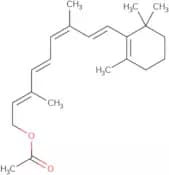
CAS:9-cis-Retinol acetate is a synthetic retinoid that has been shown to have antioxidant properties. It prevents the oxidation of lipids, proteins and DNA by inhibiting the activity of enzymes such as cyclooxygenase and lipoxygenase, which are responsible for generating reactive oxygen species. 9-cis-Retinol acetate also increases glutathione levels, which scavenges reactive oxygen species. 9-cis-Retinol acetate can be used to treat oxidative injury in different tissues such as the skin, liver, bowel, lung and eye. 9-cis-Retinol acetate can be used in low doses to prevent oxidative injury in the human fetus during pregnancy or in high doses to treat oxidant injuries caused by radiation exposure or chemotherapy.Fórmula:C22H32O2Pureza:Min. 95%Forma y color:Pale yellow oil.Peso molecular:328.49 g/molSorbitan monolaurate
CAS:Sorbitan monolaurate is a natural compound that can be isolated from the seeds of the Cucurbitaceae family. It is used in sample preparation for biocompatible polymers, as well as for detergent compositions. Sorbitan monolaurate has been shown to act as an absorption enhancer, which may be due to its ability to form hydrogen bonds with other molecules and its capacity to interact with sodium citrate. Sorbitan monolaurate also has biological properties such as the inhibition of autoimmune diseases, malonic acid production, and bacterial growth.Fórmula:C18H34O6Pureza:Min. 95%Forma y color:Slightly Yellow Clear LiquidPeso molecular:346.46 g/molXanthinol nicotinate
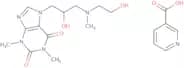
CAS:Producto controladoXanthinol nicotinate is a fat-soluble compound that is found in the form of nicotinic acid. It has been shown to decrease inflammation, inhibit tumor growth and improve blood flow. Xanthinol nicotinate has been shown to be effective for the treatment of chronic pulmonary disease, cranial cavity disease, maternal blood clotting disorders, congestive heart failure, cancer, and tissue culture. This drug has also been shown to regulate transcriptional activity and coordinate complex formation. The use of this drug has also been shown to be beneficial for women with diabetes mellitus or pancreatitis.Fórmula:C13H21N5O4·C6H5NO2Pureza:Min. 95%Forma y color:White Off-White PowderPeso molecular:434.45 g/mol(22S,23S)-28-Homo brassinolide
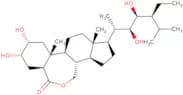
CAS:(22S,23S)-28-Homo brassinolide is a synthetic brassinosteroid that has been shown to have growth-promoting activity in the plant. It is synthesized by the reaction of tetroxide and 28-homobrassinolide. The structure of (22S,23S)-28-Homo brassinolide is stereoselective, with an R configuration at C2 and a S configuration at C3. The hydrogen atoms at C2 and C3 are involved in hydrogen bonds with other molecules. (22S,23S)-28-Homo brassinolide exhibits a conformation that differs from 24-epibrassinolide because it does not contain an intramolecular hydrogen bond between the two rings. This synthetic brassinosteroid also has anti-inflammatory effects due to its ability to inhibit prostaglandins.
Fórmula:C29H50O6Forma y color:PowderPeso molecular:494.7 g/molm-Aminophenolsulfate
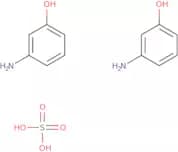
CAS:m-Aminophenolsulfate is a sulfonated derivative of m-aminophenol. It has been used for wastewater treatment and as an analytical reagent for the determination of p2 group substances, such as sulfa drugs. It is also used in pharmaceutical preparations and human serum. m-Aminophenolsulfate may be activated by hydrochloric acid to form a reactive intermediate (m-aminophenoxy radical) that reacts with electron acceptors such as oxygen or nitrous oxide to generate reactive oxygen species. In this way, m-aminophenolsulfate can act as a broad-spectrum antimicrobial agent against both Gram negative and Gram positive bacteria. The mechanism of this reaction is adsorption on the bacterial cell wall, which leads to cell death through osmotic lysis or disruption of membrane integrity.Fórmula:C12H16N2O6SPureza:Min. 95%Forma y color:PowderPeso molecular:316.33 g/mol4-Methylthiophenol
CAS:4-Methylthiophenol is a colorless liquid that is soluble in water. It has a molecular weight of 98.12 and an empirical formula of C6H7O2S. 4-Methylthiophenol is used as an analytical reagent, solvent, and chemical intermediate. It exhibits hydrogen bonding interactions with sodium carbonate and trifluoroacetic acid and forms a salt with sodium carbonate. The molecule's stability increases when it interacts with amines and the presence of nucleophiles such as water or alcohols. 4-Methylthiophenol has been shown to be effective at enhancing the fluorescence signal emitted by amines, which makes it useful for laser ablation mass spectrometry (LA-MS). 4-Methylthiophenol can also be used for kinetic energy measurements using FTIR spectroscopy because it will absorb infrared light at 1680 cm−1 from the CO2 laser beam.Fórmula:C7H8SPureza:Min. 95%Forma y color:White PowderPeso molecular:124.2 g/molAcetylcorynoline
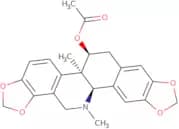
CAS:Acetylcorynoline is a known metabolite of protopine, which is an alkaloid found in plants. Acetylcorynoline has been shown to have p450 activity, and can be used as a model for the study of this enzyme. Acetylcorynoline is also involved in energy metabolism and its concentration in urine samples may be indicative of chronic bronchitis. Acetylcorynoline can be prepared using preparative high performance liquid chromatography (HPLC) methods, and has pharmacokinetic properties that are similar to other metabolites of protopine.Fórmula:C23H23NO6Pureza:Min. 95%Forma y color:PowderPeso molecular:409.44 g/mol2-Methoxy-4-vinylphenol
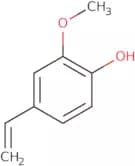
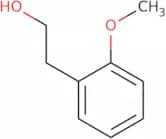
CAS:2-Methoxy-4-vinylphenol is a chlorogenic acid that has been shown to inhibit the growth of Candida glabrata. It binds to ferulic acid and caffeic acids, which are natural compounds found in plants. The optimum concentration at which 2-methoxy-4-vinylphenol inhibits the growth of C. glabrata is between 0.5 and 1 mM. This compound can be readily analyzed using an analytical method with high selectivity for chlorogenic acids, such as liquid chromatography coupled with mass spectrometry (LC/MS). The binding of 2-methoxy-4-vinylphenol to ferulic acid and caffeic acid may also have implications for its use as an anti-inflammatory agent.Fórmula:C9H10O2Pureza:Min. 98%Forma y color:Clear LiquidPeso molecular:150.17 g/mol2-(2-Methoxyphenethyl) alcohol
CAS:2-(2-Methoxyphenethyl) alcohol (2MPE) is a ligand that binds to the phenylpropanoid glycosides, which are responsible for the biosynthesis of plant pigments. It has been shown to inhibit tyrosinase and tyrosinase activity in vitro. 2MPE is used in radiopharmaceuticals as a radioactive label. It has also been shown to inhibit melanogenesis and the synthesis of volatile compounds in corncob at high temperatures. 2MPE is found in rhodiola and together with 2-hydroxyphenylacetic acid, it inhibits bacterial growth by inhibiting protein synthesis.Fórmula:C9H12O2Pureza:Min. 98%Forma y color:Clear LiquidPeso molecular:152.19 g/mol4-Methoxy 17b-estradiol
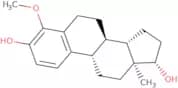
CAS:Producto controlado4-Methoxy 17β-estradiol is a synthetic estrogen that is used as a pharmaceutical drug in the treatment of menopausal symptoms and to prevent osteoporosis. It can be taken orally or administered by injection. 4-Methoxy 17β-estradiol has been found to have interactive effects with other drugs, such as fatty acids and catechol-o-methyltransferase (COMT). It also has an effect on body mass index in vivo, which can lead to cancerous cell proliferation. The matrix effect of 4-methoxy 17β-estradiol on tissues depends on the hydrogen bonds it forms with amino acids in the protein matrix. The hydrogen bonds are different for each tissue type and this may contribute to the differences in carcinogenic potential between tissues. This drug is not active against MCF-7 human breast cancer cells, but does inhibit growth of MDA MB 231 human breast cancer cells.
Fórmula:C19H26O3Pureza:Min. 95%Forma y color:PowderPeso molecular:302.41 g/mol(S)-(-)-3-tert-Butylamino-1,2-propanediol
CAS:(S)-(-)-3-tert-Butylamino-1,2-propanediol is a hydrophobic liquid that has been used as a stationary phase in chromatography. It interacts with nonaromatic compounds and has been used for the validation of high performance liquid chromatography (HPLC) detection sensitivity. It is also used as a ligand for ternary complexes and as an anion in chromatographic science. This compound's interactions are studied using evaporative light scattering, which can be used to determine the molecular weight of the compound.
Fórmula:C7H17NO2Pureza:Min. 95%Peso molecular:147.22 g/mol1,2-Dioleoyl-sn-glycero-3-phosphocholine
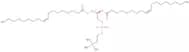
CAS:1,2-Dioleoyl-sn-glycero-3-phosphocholine is a phospholipid that has been shown to have antimicrobial activity. It has been observed to inhibit the growth of bacteria by disrupting cell membrane systems and inhibiting protein synthesis. 1,2-Dioleoyl-sn-glycero-3-phosphocholine is able to permeate membranes and enter cells, where it interacts with the cell nuclei and inhibits DNA synthesis. This compound is also found in biological studies as a growth factor for neutrophils and as a model system for studying the mechanism of action of antimicrobial peptides. The phase transition temperature of this compound is low, making it useful for studies in chemical biology.
Fórmula:C44H84NO8PPureza:Min. 95%Forma y color:PowderPeso molecular:786.11 g/mol2,5-Dimethyl-2,5-hexanediol
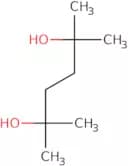
CAS:2,5-Dimethyl-2,5-hexanediol is an organic compound that consists of a linear polymer. It can be found in natural gas and crude oil as well as in the atmosphere. 2,5-Dimethyl-2,5-hexanediol is used to make polyester resins and plasticizers. It can also be used as a solvent or a reactant in organic syntheses such as alkylation reactions. 2,5-Dimethyl-2,5-hexanediol has intramolecular hydrogen bonds which help it to have high transport properties. The molecule of 2,5-dimethyl-2,5 hexanediol consist of two ethane groups linked by a linear chain consisting of alternating methyl and hydroxyl groups. The molecular formula for this compound is CH(CH)CHOHCHOHCH(CH)OH. This compound has two sets of electron orbitals that are parallel to each other with one set being perpendicular to
Fórmula:C8H18O2Pureza:Min. 95%Forma y color:PowderPeso molecular:146.23 g/mol1,3-Dipalmitoylglycerol
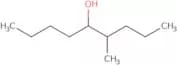
CAS:1,3-Dipalmitoylglycerol is a diacylglycerol, which is a type of fatty acid that is also known as a 1,2-diacylglycerol. It has been shown to exhibit hemolytic activity in the presence of hydroxyl groups. The optimum pH for 1,3-dipalmitoylglycerol is at around 7.5 and it can be used as a biocompatible polymer to form controlled-release preparations with neutral pH that are tumoricidal.Fórmula:C35H68O5Pureza:Min. 95%Forma y color:PowderPeso molecular:568.91 g/mol4-Methyl-5-nonanol
CAS:4-Methyl-5-nonanol is a synthetic pheromone that is used in the analytical methods of weevil traps. The odorant binding proteins on the surface of the weevil are attracted to this chemical, which binds to them through hydrophobic interactions. This trap is stereoselective, as it only attracts male weevils. 4-Methyl-5-nonanol has been shown to have a high specificity and sensitivity as an analytical tool for weevil traps, with no cross reactivity with other insects such as beetles or ants.
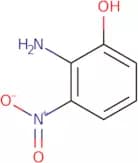
Fórmula:C10H22OPureza:Min. 95%Forma y color:Clear LiquidPeso molecular:158.28 g/mol2-Amino-3-nitrophenol
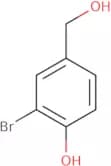
CAS:2-Amino-3-nitrophenol is an inhibitor of matrix metalloproteinases that is active against a broad spectrum of pro-inflammatory and destructive enzymes. It has been used to inhibit the activity of matrix metalloproteinases in vitro and in vivo, with a wide range of applications in the fields of biochemistry, cell biology, and medicine. This compound has been shown to be effective against type strain C. albicans and C. glabrata strains, as well as other fungi such as Aspergillus niger, A. fumigatus, A. terreus, and A. flavus. 2-Amino-3-nitrophenol may have antifungal activity due to its ability to inhibit the synthesis of hyaluronic acid by these fungi.Fórmula:C6H6N2O3Pureza:Min. 95%Forma y color:PowderPeso molecular:154.12 g/mol3-Bromo-4-hydroxybenzyl alcohol
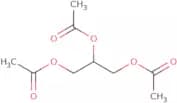
CAS:3-Bromo-4-hydroxybenzyl alcohol (3BHA) is a synthetic compound that is used as an antagonist in the treatment of platelet aggregation. It inhibits the activity of benzoxazine, an enzyme involved in the synthesis of 4-hydroxybenzoic acid. 3BHA blocks this pathway at high concentrations, inhibiting biosynthesis and leading to the accumulation of bromophenols. This inhibition may explain why aspirin has a potent inhibitory effect on platelet aggregation when combined with 3BHA.Fórmula:C7H7BrO2Pureza:Min. 95%Forma y color:PowderPeso molecular:203.03 g/molGlycerol triacetate
CAS:Glycerol triacetate is a triacetin compound that is used in the production of glycerol and glycerin. The water vapor-resistant nature of this compound makes it an excellent candidate for use in projects where water vapor may be present. Glycerol triacetate has been shown to have a high resistance to solid phase microextraction and can be used as a model system for studying the interactions of triacetates with other materials. The reaction solution containing glycerol triacetate is acidic, which may lead to problems with water permeability if not properly treated. This analytical method utilizes hydrogen bonding interactions between glycerol and glycerine molecules to measure the concentration of each component in the sample.Fórmula:C9H14O6Forma y color:Clear LiquidPeso molecular:218.2 g/mol2-Fluoro-4-methoxyphenol
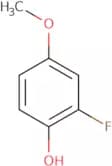
CAS:2-Fluoro-4-methoxyphenol is a white crystalline solid with a melting point of 100°C. It is soluble in water, ethanol and ether and insoluble in chloroform. The compound has been shown to be an intermediate for the synthesis of other organic compounds, such as 2-fluoro-4-(2,2,2-trifluoroethoxy)benzaldehyde, 2-fluoro-4-(3,3,3-trifluoropropoxy)benzaldehyde and 4-(2,2,2-trifluoroethoxy)-3'-nitroacetophenone. 2-Fluoro-4-methoxyphenol can also be used as a building block for speciality chemicals including research chemicals.Fórmula:C7H7FO2Pureza:Min. 95%Forma y color:Clear LiquidPeso molecular:142.13 g/mol4-Azidobutanol
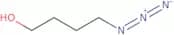
CAS:4-Azidobutanol is a nicotinic acetylcholine receptor antagonist that has been shown to inhibit tumor growth. It can be used as a cancer therapeutic and for the prevention of cancer. 4-Azidobutanol has been shown to inhibit the activity of growth factor receptors, such as insulin-like growth factor (IGF) or vascular endothelial growth factor (VEGF), which are involved in cell proliferation and angiogenesis. 4-Azidobutanol also inhibits glucose monitoring by interfering with the binding of glucose to monoclonal antibodies. The drug blocks the kinase domain of VEGFR2, thereby inhibiting the phosphorylation of VEGFR2 downstream signaling proteins that promote angiogenesis and cell migration. This can be used in treatments for leukemia cells or endothelial cells.Fórmula:C4H9N3OPureza:Min. 95%Forma y color:PowderPeso molecular:115.13 g/mol15,16-Bis-nor-LABD-11-En-13-on-8-ol
15,16-bis-nor-LABD-11-En-13-on-8-ol is a fine chemical that is useful as a building block for research chemicals and as a reagent in the synthesis of speciality chemicals. This compound has been found to be an intermediate for the synthesis of various other compounds, including complex compounds and versatile building blocks. 15,16-bis-nor-LABD-11-En-13-on-8--ol is also a versatile scaffold due to its ability to undergo reactions with various functional groups.Fórmula:C18H30O2Pureza:Min. 95%Peso molecular:278.43 g/mol4-(Benzyloxy)cyclohexanol (cis / trans mixture)
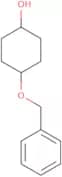
CAS:4-(Benzyloxy)cyclohexanol is a complex molecule that is synthesized by the alkylation of benzyl alcohol with cyclohexanol. It has been shown to be an efficient catalyst for the preparation of other molecules, such as methyl benzoate and ethyl benzoate. The use of this catalyst makes it possible to produce these compounds in large quantities at lower cost. 4-(Benzyloxy)cyclohexanol also has a hydroxyl group on its ring structure, which can be used to form esters and ethers that are used in the synthesis of complex molecules. This compound has been studied extensively due to its ability to act as an active site in biomolecules such as proteins and DNA.Fórmula:C13H18O2Pureza:Min. 95%Forma y color:Clear Viscous LiquidPeso molecular:206.28 g/molCholesterol linoleate
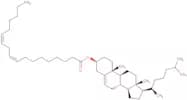
CAS:Producto controladoCholesterol linoleate is a model system that is used to study the role of cholesterol in atherosclerosis. It consists of a cholesterol-based polymer and linoleic acid, which are chemically similar to the natural lipids found in human cells. In vitro studies have shown that this model system has an inhibitory effect on ATP binding cassette transporter A1 (ABCA1) and ABCG1. These proteins transport cholesterol from cellular membranes to other parts of the cell, where they are degraded by enzymes called lysosomes. Cholesterol linoleate also inhibits basic protein, an enzyme that breaks down cholesteryl, leading to reduced levels of cholesteryl esters in the atheromatous lesions. This model system has been shown to reduce disease activity in animals with atherosclerotic lesions.Fórmula:C45H76O2Forma y color:White PowderPeso molecular:649.08 g/molMaytansinol
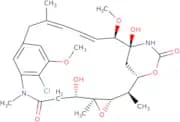
CAS:Maytansinol is a molecule that has potent antitumor activity. It has been shown to be effective against leukemia cells, and inhibits the growth of cells in culture by binding to the lymphatic vessels. Maytansinol is also able to bind to metal ions and forms a chelate complex with them. The effective dose of maytansinol is 3-5mg/kg body weight, which can be administered orally or intravenously. The drug has been shown to have an activity test using genus monoclonal antibody (Mab). Maytansinol hydrolyzes at alkaline pH and reacts with hydroxy groups in its structure.Fórmula:C28H37ClN2O8Pureza:Min. 95 Area-%Forma y color:White PowderPeso molecular:565.05 g/mol4-Methoxyresorcinol
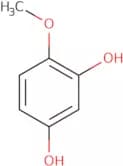
CAS:4-Methoxyresorcinol is a chemical compound that has the molecular formula CHNO. It has a hydroxyl group in the 4-position and a methyl group on the 8-position. The intramolecular hydrogen of this molecule is denatured by heating to about 220°C. This process converts it into resorcinol, which is structurally similar but has different properties. 4-Methoxyresorcinol can be used as a polymerization initiator for polycarboxylic acid or quinoline derivatives, and its analytical methods are used in determining its structure.Fórmula:C7H8O3Pureza:Min. 95%Forma y color:PowderPeso molecular:140.14 g/molGlycerol tripalmitate
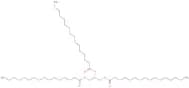
CAS:Glycerol tripalmitate is a triglyceride that is composed of three molecules of glycerol and one molecule of palmitic acid. It is used in the manufacture of sephadex g-100, a chromatographic material that separates proteins based on their size. Glycerol tripalmitate has been shown to have high chemical stability, which is important for its use as a pharmaceutical excipient. This substance also has a physiological function in the human body, including the production of lipids, such as fatty acids and triglycerides. Glycerol tripalmitate can be used to study phase transition temperature by using surface methodology. Carbonyl oxygens are present on the surface of this substance, which may have neurotrophic effects.Fórmula:C51H98O6Pureza:Min. 85 Area-%Forma y color:PowderPeso molecular:807.32 g/mol4-(Trifluoromethoxy)phenol
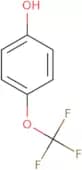
CAS:4-(Trifluoromethoxy)phenol is an anti-tuberculosis drug. It is a diode that has been shown to have pharmacokinetic properties in rats and mice. 4-(Trifluoromethoxy)phenol has been shown to act as a prodrug, which is activated by conversion to the active form. This active form inhibits the growth of Mycobacterium tuberculosis by binding to the 50S ribosomal subunit and preventing bacterial transcription and replication. The molecular structure of 4-(trifluoromethoxy)phenol is similar to phenoxypropanoid compounds, such as biphenyl, which may be responsible for its anti-tuberculosis effects. 4-(Trifluoromethoxy)phenol also binds DNA at specific sites with high affinity and specificity, inhibiting gene expression and RNA synthesis.Fórmula:C7H5F3O2Pureza:Min. 95%Forma y color:Clear LiquidPeso molecular:178.11 g/molMonoethanolamine
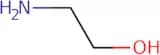
CAS:Monoethanolamine is an organic compound that is the simplest type of amine. It is a colorless liquid with a mild, neutral odor. Monoethanolamine has been shown to be an effective antimicrobial agent, inhibiting bacterial growth by reacting with water vapor and nitrogen atoms in the environment. Monoethanolamine has also been shown to inhibit the production of nitric oxide and other reactive nitrogen species, which may account for its antimicrobial properties. The inhibition of nitric oxide synthesis may also account for monoethanolamine's ability to improve locomotor activity in mice. This chemical can be used as a reagent in analytical methods such as gas chromatography and solid phase microextraction.Fórmula:C2H7NOPureza:Min. 95%Forma y color:Colorless Clear LiquidPeso molecular:61.08 g/mol4-Bromo-3-fluorobenzyl alcohol
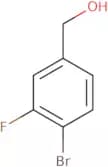
CAS:4-Bromo-3-fluorobenzyl alcohol is an analog of prenylation, a process that is essential for the synthesis of many cellular components. It inhibits farnesyltransferase, an enzyme involved in the process of prenylation. Farnesyltransferase catalyzes the conversion of the 5-carbon farnesol to the 15-carbon geranylgeraniol, which is then converted to a 20-carbon geranylgeranyl pyrophosphate. This reaction generates a molecule with two prenyl groups. The discovery of 4-bromo-3-fluorobenzyl alcohol was made possible by its potent inhibition of farnesyltransferase and it has been shown to have promising results as a potential treatment for cancer.Fórmula:C7H6BrFOPureza:Min. 95%Forma y color:PowderPeso molecular:205.02 g/molN-(6-Hydroxyhexyl)trifluoroacetamide
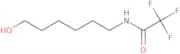
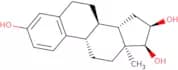
CAS:6-(Trifluoroacetylamino)-1-Hexanol is a magnetic compound that has been shown to bind to liposomes and hydrophobic membranes. It is also amphipathic, meaning it contains both hydrophilic and hydrophobic properties. This compound can be used for the diagnosis of certain diseases, such as cancer, by detecting gadolinium ions in the body. 6-(Trifluoroacetylamino)-1-Hexanol is also an imidazolide ligand that binds to ribonucleotides and nucleic acid matrix proteins. This allows it to be used as a contrast agent in magnetic resonance imaging (MRI).Fórmula:C8H14F3NO2Pureza:Min. 95%Forma y color:PowderPeso molecular:213.2 g/mol17-Epiestriol
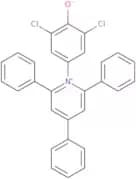
CAS:Producto controlado17-Epiestriol is a weak estrogen that regulates the menstrual cycle, prevents pre-eclampsia, and decreases the risk of cardiovascular disease. 17-Epiestriol is sometimes used to treat menopausal symptoms. The concentration of 17-epiestriol in blood plasma is determined by body mass index (BMI). This hormone plays an important role in maintaining a woman's health during her reproductive years. It has been shown that there is a negative correlation between levels of 17-epiestriol and the use of nonsteroidal anti-inflammatory drugs (NSAIDs). Preterm birth may be due to lack of 17-epiestriol.Fórmula:C18H24O3Pureza:Min. 95%Forma y color:PowderPeso molecular:288.38 g/mol2,6-Dichloro-4-(2,4,6-triphenyl-1-pyridinio)phenolate
CAS:2,6-Dichloro-4-(2,4,6-triphenyl-1-pyridinio)phenolate is a protonated form of the anion of 2,6-dichloro-4-(2,4,6-triphenyl-1-pyridinio)phenolate. It has hydrophobic properties and a low solubility in water. The solution temperature is close to 0°C. It can be analyzed by regression and chloride or physicochemical methods. This compound has a polarizability that is similar to that of nitrogen atoms and hydrogen bonds with chloride ions.Fórmula:C29H19Cl2NOPureza:Min. 95%Forma y color:PowderPeso molecular:468.37 g/mol4-Benzyloxy-2-chlorobenzyl alcohol
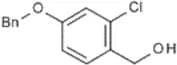
CAS:4-Benzyloxy-2-chlorobenzyl alcohol is an intermediate in the synthesis of a number of complex compounds. It has been found to be useful as a reagent and as a building block in the synthesis of fine chemicals and speciality chemicals. This chemical has also been used as a reaction component in the synthesis of versatile building blocks. CAS No. 219764-60-0, this compound is often used by researchers for its versatility and ability to act as a scaffold.
Fórmula:C14H13ClO2Pureza:Min. 95%Forma y color:PowderPeso molecular:248.7 g/mol3,5-Dimethylbenzyl alcohol
CAS:3,5-Dimethylbenzyl alcohol (3,5-DMB) is an organic solvent that is used as a degreaser and wetting agent for metals. It has been shown to have anticancer properties in vitro, but not in vivo. 3,5-DMB binds to the active site of the enzyme dehydrogenase and prevents it from binding with substrates. This inhibition leads to a decrease in the activity of this enzyme and a decrease in the production of reactive oxygen species. 3,5-DMB has also been shown to be effective against cancer cells both in vitro and in vivo. In addition, 3,5-DMB has been shown to bind tightly to ferula (a dye used for staining), xylene (a hydrocarbon), and hexane (an organic solvent).Fórmula:C9H12OPureza:Min. 95%Peso molecular:136.19 g/molOspemifene
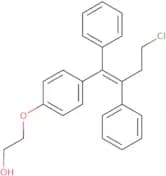
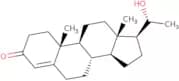
CAS:Producto controlado2-[4-[(1Z)-4-Chloro-1,2-diphenyl-1-buten-1-yl]phenoxy]ethanol is a selective estrogen receptor modulator that has been shown to inhibit the growth of breast cancer cells in mice. It binds to the estrogen receptor (ER) and inhibits its transcriptional activity by competing with estradiol for binding. 2-[4-[(1Z)-4-Chloro-1,2-diphenyl-1-buten-1-yl]phenoxy]ethanol can be used as a postmenopausal hormonal therapy in women who are at an increased risk for breast cancer. This drug has been shown to have genotoxic activity and may cause dyspareunia and carcinogenic potential.Fórmula:C24H23ClO2Pureza:Min. 95%Forma y color:PowderPeso molecular:378.89 g/mol4-Pregnen-20β-ol-3-one
CAS:Producto controlado4-Pregnen-20beta-ol-3-one is a synthetic progestin that has been shown to have both contraceptive and noncontraceptive activities. It is used primarily to treat female infertility, endometriosis, and amenorrhea. The drug also has a number of other effects on the body, including anti-inflammatory and anti-angiogenic properties. 4-Pregnen-20beta-ol-3-one binds to the human liver receptor, which is responsible for its metabolism. The drug also has some activity in the endometrium of pregnant women and in the ovary cells of postmenopausal women. It increases epidermal growth factor production in skin cells and may be involved in lipid metabolism. 4-Pregnen-20beta-ol-3-one also stimulates lactogenic hormone production in women.Fórmula:C21H32O2Pureza:Min. 95%Forma y color:PowderPeso molecular:316.48 g/mol4-Chloro-2-methylbenzyl alcohol
CAS:4-Chloro-2-methylbenzyl alcohol is an organic compound that has a sensor and hydroxyl group. It is used in pest control as an insecticide. 4-Chloro-2-methylbenzyl alcohol has been shown to be effective against ants, cockroaches, and other insects. There are multiple instabilities of this compound, including low oxygen stability when exposed to air, which may lead to the degradation of this chemical. Impurities in 4-chloro-2-methylbenzyl alcohol may also lead to its instability as it reacts with alkali metals at high temperatures. The instability of 4-chloro-2-methylbenzyl alcohol can be reduced by storing it at low temperatures or by adding cryogenic substances such as liquid nitrogen or carbon dioxide gas.Fórmula:C8H9ClOPureza:Min. 95%Peso molecular:156.61 g/mol2-[(4-Amino-2-methyl-5-nitrylbenzyl)amino]ethylalcohol
CAS:2-[(4-Amino-2-methyl-5-nitrylbenzyl)amino]ethylalcohol is a reactive, hydrated, colorant that belongs to the group of hydroxy compounds. It has a chromophore and is used in the production of cosmetics. 2-[(4-Amino-2-methyl-5-nitrylbenzyl)amino]ethylalcohol is used for alkalization and in the production of particle pigments. This compound can be found in fatty acid esters, as it has a long hydrocarbon chain, which makes it soluble. It also has fatty acids and an amine group that provides color.Fórmula:C9H13N3O3Pureza:Min. 95%Peso molecular:211.22 g/mol1,12-Dodecanediol
CAS:1,12-Dodecanediol is a polymeric matrix that has been shown to be effective in inhibiting the growth of microorganisms. The antimicrobial activity of 1,12-dodecanediol is primarily due to its ability to form hydrogen bonds. This polymer can be used as a film-forming polymer for hydrophobic and lipophilic compounds. It also has chemical properties that include an intramolecular hydrogen bond, which provides stabilization and protection from degradation by enzymes. This chemical compound also has the ability to bind with fatty acids and phosphodiesterase activity (which may account for its anti-inflammatory activities).Fórmula:C12H26O2Pureza:Min. 95%Forma y color:White PowderPeso molecular:202.33 g/mol3-[2-(Ethylhexyl)oxyl]-1,2-propandiol
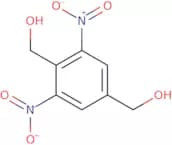
CAS:3-[2-(Ethylhexyl)oxyl]-1,2-propandiol is an organic compound that belongs to the group of sodium salts. It is used as an antimicrobial agent and preservative in cosmetic products. 3-[2-(Ethylhexyl)oxyl]-1,2-propandiol has been shown to have a synergistic effect with benzalkonium chloride, which is another antimicrobial agent. It has also been found to be effective against skin cells that are infected with the bacteria Staphylococcus aureus. 3-[2-(Ethylhexyl)oxyl]-1,2-propandiol has been shown to have an inhibitory effect on fatty acid synthesis in skin cells and may be useful for treating acne.Fórmula:C11H24O3Pureza:Min. 95%Forma y color:Colorless Clear LiquidPeso molecular:204.31 g/mol2,6-Dinitrobenzene-1,4-dimethanol
CAS:2,6-Dinitrobenzene-1,4-dimethanol is a developer that has been shown to have a sensitivity of 0.5 mg/ml and a molecular weight of 235.3 g/mol. It is also an amplified developer that has been shown to reduce the weight of polymers by up to 20%. This molecule can be used for the production of polymers with functional moieties and monomers with chemically reactive groups. 2,6-Dinitrobenzene-1,4-dimethanol is soluble in organic solvents and can be used as a monomer in polymerization reactions.
Fórmula:C8H8N2O6Pureza:Min. 95%Forma y color:PowderPeso molecular:228.16 g/mol2-(3,5-Dimethyl-1H-pyrazol-1-yl)quinolin-8-amine
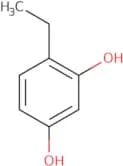
CAS:2-(3,5-Dimethyl-1H-pyrazol-1-yl)quinolin-8-amine is a fine chemical that belongs to the group of versatile building blocks. It can be used as a reagent or as a speciality chemical in research and development. 2-(3,5-Dimethyl-1H-pyrazol-1-yl)quinolin-8-amine is also a useful scaffold for the synthesis of complex compounds and has been shown to be an effective inhibitor of protein tyrosine kinases.Fórmula:C14H14N4Pureza:Min. 95%Forma y color:PowderPeso molecular:238.29 g/mol4-Ethylresorcinol
CAS:4-Ethylresorcinol is a natural compound that has been shown to be an effective inhibitor of the enzyme acetylcholinesterase. It is synthesized from resorcinol and 4-ethylphenol by a Friedel-Crafts reaction. This compound can exist in two different crystalline polymorphs: monoclinic or orthorhombic. 4-Ethylresorcinol exhibits good solubility in water, alcohols, and organic solvents. The molecular weight of this compound ranges from 310 to 340g/mol. 4-Ethylresorcinol inhibits the transcriptional activity of RNA polymerase II and III, as well as DNA polymerase, by binding to the active sites on these enzymes. It also prevents DNA replication by binding to the enzyme DNA gyrase. 4-Ethylresorcinol is most commonly used in cell culture studies where it inhibits cellular protein synthesis and decreases protein levels within cellsFórmula:C8H10O2Pureza:Min. 95%Forma y color:PowderPeso molecular:138.16 g/mol3,4-Dihydro-2(1H)-Quinolinone
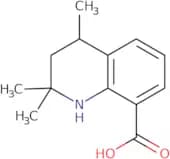
CAS:3,4-Dihydro-2(1H)-quinolinone is a potent inhibitor of dopamine β-hydroxylase and is used as a model system to study the pharmacokinetic properties of carbostyril. It has been shown that 3,4-dihydro-2(1H)-quinolinone binds to the chloride ion in the active site of dopamine β-hydroxylase. This binding prevents the formation of a complex with the enzyme's substrate, which is required for catalysis. 3,4-Dihydro-2(1H)-quinolinone also interacts with the alkynyl group on dopamine and competitively inhibits its metabolism by monoamine oxidase (MAO).Fórmula:C9H9NOPureza:Min. 95%Forma y color:PowderPeso molecular:147.17 g/mol2,2,4-Trimethyl-1,2,3,4-tetrahydroquinoline-8-carboxylic acid
CAS:2,2,4-Trimethyl-1,2,3,4-tetrahydroquinoline-8-carboxylic acid is a versatile building block that can be used as a reagent or speciality chemical in research and development. It is also an intermediate for the synthesis of complex compounds with various properties. This compound has been shown to be useful as a building block for the synthesis of new compounds with potential pharmaceutical applications.Fórmula:C13H17NO2Pureza:Min. 95%Forma y color:White Off-White PowderPeso molecular:219.28 g/molrac-Falcarinol
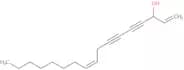
CAS:Rac-falcarinol is an organic compound that has the chemical formula CH(OH)CH(COOH)(CH). It is a colorless solid and is soluble in alcohol, acetone, and ether. Rac-falcarinol has been used as a versatile building block to make complex compounds with high purity. It has also been used as a reaction component for research chemicals. The compound can be used for making fine chemicals or speciality chemicals.
Fórmula:C17H24OPureza:Min. 94 Area-%Forma y color:PowderPeso molecular:244.37 g/mol4-Bromoresorcinol
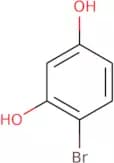
CAS:4-Bromoresorcinol is a synthetic compound that belongs to the group of sulfonamides. It is used in the production of dyes, pharmaceuticals, and agricultural chemicals. 4-Bromoresorcinol is synthesized by sulfonation with trifluoroacetic acid followed by hydrolysis with hydrochloric acid. The polymerization kinetics of this compound have been studied using azobenzene as a model substrate. The reaction products are vignafuran and an organic solvent (e.g., methanol). In addition, 4-bromoresorcinol has potent antibacterial activity against bacteria such as Staphylococcus aureus and Mycobacterium tuberculosis. This drug has minimal inhibitory concentrations (MICs) less than 0.01 ppm for most strains of bacteria tested, including those resistant to penicillin G or erythromycin. The drug also inhibits hydroxylase enzymesFórmula:C6H5BrO2Pureza:Min. 95%Forma y color:White PowderPeso molecular:189.01 g/mol3-[1-(Dimethylamino)ethyl]phenol
CAS:Intermediate in the synthesis of rivastigmineFórmula:C10H15NOPureza:Min. 95%Forma y color:White PowderPeso molecular:165.23 g/mol







![2-[(4-Amino-2-methyl-5-nitrylbenzyl)amino]ethylalcohol](/_next/image/?url=https%3A%2Fstatic.cymitquimica.com%2Fproducts%2F3D%2Fthumb-webp%2FFA146928.webp&w=3840&q=75)

![3-[2-(Ethylhexyl)oxyl]-1,2-propandiol](/_next/image/?url=https%3A%2Fstatic.cymitquimica.com%2Fproducts%2F3D%2Fthumb-webp%2FFE151191.webp&w=3840&q=75)


![3-[1-(Dimethylamino)ethyl]phenol](/_next/image/?url=https%3A%2Fstatic.cymitquimica.com%2Fproducts%2F3D%2Fthumb-webp%2FFD22323.webp&w=3840&q=75)