Aminas
Las aminas son un conjunto de moléculas que contienen un grupo funcional amino (derivado del amoníaco). Esta categoría incluye aminas en cualquier nivel de sustitución: primarias, secundarias, terciarias y sales de amonio. Las aminas son fundamentales en la síntesis orgánica y se utilizan ampliamente en productos farmacéuticos, agroquímicos y ciencias de los materiales. En CymitQuimica, ofrecemos una selección completa de aminas para satisfacer sus necesidades de investigación e industriales. Nuestra gama asegura el acceso a diversas aminas para diferentes procesos químicos e investigaciones innovadoras.
Subcategorías de "Aminas"
- Nitrosaminas(2.605 productos)
- Aminas primarias(30.947 productos)
- Cationes y sales de amonio cuaternario(1.099 productos)
- Aminas secundarias(20.886 productos)
- Aminas terciarias(17.193 productos)
Se han encontrado 8780 productos de "Aminas"
Ordenar por
Pureza (%)
0
100
|
0
|
50
|
90
|
95
|
100
Ammonium heptamolybdate tetrahydrate
CAS:<p>Ammonium heptamolybdate tetrahydrate (AHMT) is a lamellar crystal that has been found to have a low-energy structure. AHMT is formed by the reaction of ammonium nitrate with molybdenum trioxide, and can be prepared from a solution of ammonium sulfamate and molybdic acid. AHMT has been shown to have catalytic effect in the conversion of n-hexane to cyclohexane, as well as optical properties that are similar to those observed for other lamellar materials. AHMT has also been used clinically for the treatment of disulfides.</p>Fórmula:(NH4)6Mo7O24•(H2O)4Pureza:Min. 95%Forma y color:White PowderPeso molecular:1,236 g/molBoc-1,4-trans-diaminocyclohexane hydrochloride
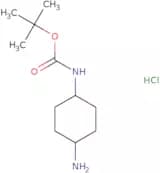
CAS:<p>Boc-1,4-trans-diaminocyclohexane hydrochloride is a versatile building block that can be used to synthesize complex compounds and research chemicals. It has been used as a reagent, specialty chemical and useful intermediate in many different reactions. Boc-1,4-trans-diaminocyclohexane hydrochloride is also a high quality building block that can be utilized to produce pharmaceuticals, agrochemicals and other speciality chemicals. This compound is also an important scaffold for the synthesis of biologically active molecules.</p>Fórmula:C11H22N2O2·HClPureza:Min. 95%Forma y color:PowderPeso molecular:250.77 g/mol6-Aminonicotinic acid
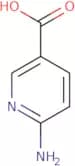
CAS:6-Aminonicotinic acid is an inhibitor of bacterial DNA gyrase and topoisomerase IV. It has been shown to inhibit the growth of a number of bacteria, including E. coli K-12, with potent inhibitory activity against these enzymes. 6-Aminonicotinic acid binds to the active sites on these enzymes and prevents them from working. The detection time for 6-aminonicotinic acid is about 3 hours after exposure. 6-Aminonicotinic acid has been shown to be more potent than other inhibitors of bacterial DNA gyrase and topoisomerase IV such as 2,4-diaminopyrimidine (2,4DAP).Fórmula:C6H6N2O2Pureza:Min. 95%Forma y color:White PowderPeso molecular:138.12 g/mol4,6-Diaminopyrimidine
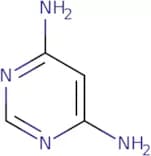
CAS:<p>4,6-Diaminopyrimidine is a potent inhibitor of epidermal growth factor receptor. It has been shown to inhibit the production of soluble guanylate cyclase and cGMP in vitro and in vivo. This drug has also been shown to inhibit cancer cell growth in vitro and in vivo. 4,6-Diaminopyrimidine has potential clinical relevance as an anticancer agent due to its ability to inhibit the kinases necessary for cancer proliferation. This drug also has pharmacokinetic properties that are favorable for anticancer drugs, including low plasma protein binding, high clearance rate, and short half-life. The activity of this drug was tested on hepg2 cells (human hepatoma) with an inhibitory effect on growth factor receptors such as EGFR and PDGFRs</p>Fórmula:C4H6N4Pureza:Min. 95%Peso molecular:110.12 g/molN-Dihydrocinnamoylaminocaproic acid
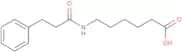
CAS:<p>Please enquire for more information about N-Dihydrocinnamoylaminocaproic acid including the price, delivery time and more detailed product information at the technical inquiry form on this page</p>Fórmula:C15H21NO3Pureza:Min. 95%Peso molecular:263.33 g/molethyl 2-nitrilo-3-((2-phenylethyl)amino)prop-2-enoate
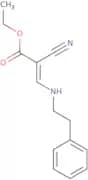
CAS:<p>Please enquire for more information about ethyl 2-nitrilo-3-((2-phenylethyl)amino)prop-2-enoate including the price, delivery time and more detailed product information at the technical inquiry form on this page</p>Pureza:Min. 85%1,4-Dioxaspiro[4.5]decan-8-ylmethanamine
CAS:1,4-Dioxaspiro[4.5]decan-8-ylmethanamine is a fine chemical that is a versatile building block and reagent. It can be used as a reaction component, useful intermediate, or useful scaffold in the synthesis of complex compounds. The CAS number for 1,4-Dioxaspiro[4.5]decan-8-ylmethanamine is 30482-25-8.Fórmula:C9H17NO2Pureza:(%) Min. 95%Forma y color:Brown PowderPeso molecular:171.24 g/molethyl 2-(4-(4-chlorophenylamino)-3,5-thiazolyl)acetate
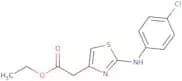
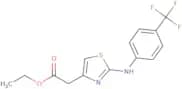
CAS:Please enquire for more information about ethyl 2-(4-(4-chlorophenylamino)-3,5-thiazolyl)acetate including the price, delivery time and more detailed product information at the technical inquiry form on this pagePureza:Min. 95%Ethyl 2-(4-(4-(trifluoromethyl)phenylamino)-3,5-thiazolyl)acetate
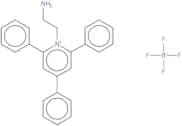
CAS:<p>Please enquire for more information about Ethyl 2-(4-(4-(trifluoromethyl)phenylamino)-3,5-thiazolyl)acetate including the price, delivery time and more detailed product information at the technical inquiry form on this page</p>Pureza:Min. 90%N-Ethylamine-2,4,6-triphenyl pyridinium tetrafluoroborate
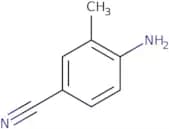
CAS:<p>N-Ethylamine-2,4,6-triphenyl pyridinium tetrafluoroborate is a chemical reagent that belongs to the group of fine chemicals. It is soluble in water and ethanol, and has a melting point of around 100°C. N-Ethylamine-2,4,6-triphenyl pyridinium tetrafluoroborate is used in organic synthesis as a useful building block or as a research chemical for the production of other compounds. This compound is a versatile building block that can be used in the preparation of complex compounds such as pharmaceuticals. N-Ethylamine-2,4,6-triphenyl pyridinium tetrafluoroborate has been classified as an extremely hazardous substance by the US Department of Transportation due to its high reactivity with water.</p>Fórmula:C25H23N2·BF4Pureza:Min. 95%Peso molecular:438.27 g/mol4-Amino-3-methylbenzonitrile
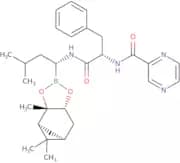
CAS:<p>4-Amino-3-methylbenzonitrile is a proton ionophore that can be used to prevent viral replication. It is a synthetic, aminobenzonitrile derivative that binds to the viral RNA polymerase and prevents the synthesis of new virus particles. 4-Amino-3-methylbenzonitrile has been shown to inhibit the growth of some strains of coxsackievirus, although it is less effective against other strains and viruses. 4-Amino-3-methylbenzonitrile inhibits the synthesis of viral proteins by binding to the viral RNA polymerase. This prevents viral transcription and replication, which leads to cell death.</p>Fórmula:C8H8N2Forma y color:PowderPeso molecular:132.16 g/mol(1R)-(1S,2S,3R,5S)-Pinanediol-N-(N-pyrazinylphenylalaninoyl)-1-amino-3-methyl-butane-1-boronate
CAS:(1R)-(1S,2S,3R,5S)-Pinanediol-N-(N-pyrazinylphenylalaninoyl)-1-amino-3-methyl-butane-1-boronate is a boronic acid derivative that has been shown to have an antiproliferative effect on cancer cells. It is a biodegradable, water soluble drug with a low toxicity profile. The maximum tolerated dose has been established in vivo studies and it can be used as an imaging agent for diagnosis. (1R)-(1S,2S,3R,5S)-Pinanediol-N-(N-pyrazinylphenylalaninoyl)-1-amino-3-methyl-butane-1-boronate may be used to treat cancers such as breast cancer or leukemia. This drug targets the proteasome and inhibits its activity by binding to the active site of the 20sFórmula:C29H39BN4O4Pureza:Min. 95%Forma y color:SolidPeso molecular:518.46 g/mol[(5,5-Dimethyltetrahydrofuran-3-yl)methyl]amine
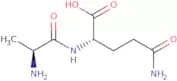
CAS:<p>[(5,5-Dimethyltetrahydrofuran-3-yl)methyl]amine is a synthetic compound that regulates the expression of regulatory genes. It has been shown to be a potent inhibitor of neurospora sensitivity. The structure of [(5,5-dimethyltetrahydrofuran-3-yl)methyl]amine is similar to the structure of the acid analogues of this compound. [(5,5-Dimethyltetrahydrofuran-3-yl)methyl]amine also binds to and derepresses structural genes by inhibiting transcription and pathways for protein synthesis. This mechanism may be related to its inhibitory effects on neurospora sensitivity.</p>Fórmula:C7H15NOPureza:Min. 95%Forma y color:PowderPeso molecular:129.2 g/molL-Alanyl-L-glutamine
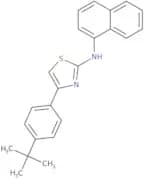
CAS:Stable substitute for glutamine in cell culture mediaFórmula:C8H15N3O4Pureza:Min. 98 Area-%Forma y color:White PowderPeso molecular:217.22 g/mol(4-(4-(tert-butyl)phenyl)(2,5-thiazolyl))-1-naphthylamine
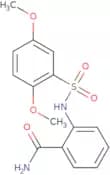
CAS:<p>Please enquire for more information about (4-(4-(tert-butyl)phenyl)(2,5-thiazolyl))-1-naphthylamine including the price, delivery time and more detailed product information at the technical inquiry form on this page</p>Pureza:Min. 95%2-(((2,5-dimethoxyphenyl)sulfonyl)amino)benzamide
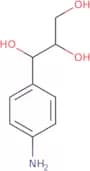
CAS:<p>Please enquire for more information about 2-(((2,5-dimethoxyphenyl)sulfonyl)amino)benzamide including the price, delivery time and more detailed product information at the technical inquiry form on this page</p>Pureza:Min. 95%1-(4-Aminophenyl)propane-1,2,3-triol
CAS:1-(4-Aminophenyl)propane-1,2,3-triol is a fine chemical that is useful for research and development of pharmaceuticals. It has the CAS number 695191-72-1. This compound has been used as a building block in the synthesis of a wide range of complex molecules. It is also used as a reagent and speciality chemical in the production of pharmaceuticals and agrochemicals. 1-(4-Aminophenyl)propane-1,2,3-triol is a versatile building block that can be used to create new compounds with different properties. It also functions as a useful intermediate or scaffold for drug discovery programs.Fórmula:C9H13NO3Pureza:Min. 95%Forma y color:Off-White To Brown SolidPeso molecular:183.2 g/mol3-Amino-2-bromo-4,6-dimethylpyridine
CAS:<p>3-Amino-2-bromo-4,6-dimethylpyridine is a fine chemical that can be used as a versatile building block in the synthesis of other compounds. It is also an intermediate for the production of organic compounds and research chemicals. 3-Amino-2-bromo-4,6-dimethylpyridine is listed on the Chemical Abstracts Service (CAS) registry with the number 104829-98-3. This compound has a complex structure and is high quality and stable.</p>Pureza:Min. 95%Forma y color:PowderPeso molecular:201.06 g/mol3-(2-(2-(2-Aminoethoxy)ethoxy)ethoxy)propanoic acid HCI
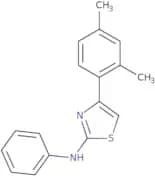
CAS:<p>3-(2-(2-(2-Aminoethoxy)ethoxy)ethoxy)propanoic acid HCI is a PEG compound with two different functional groups (also known as heterobifunctional). Unlike homobifunctional PEG compounds (same functional group on both ends), this type of compounds are more versatile as have two different anchor points. 3-(2-(2-(2-Aminoethoxy)ethoxy)ethoxy)propanoic acid HCI is used as a linker and spacer to add a PEG moiety, via pegylation (a bioconjugation technique) to proteins, peptides, oligonucleotides, small molecules and nanoparticles.</p>Fórmula:C9H19NO5·HClForma y color:Slightly Yellow Yellow Clear Liquid PowderPeso molecular:257.71 g/mol(4-(2,4-dimethylphenyl)(2,5-thiazolyl))phenylamine
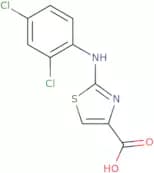
CAS:Please enquire for more information about (4-(2,4-dimethylphenyl)(2,5-thiazolyl))phenylamine including the price, delivery time and more detailed product information at the technical inquiry form on this pagePureza:Min. 95%2-((2,4-Dichlorophenyl)amino)-1,3-thiazole-4-carboxylic acid
CAS:Please enquire for more information about 2-((2,4-Dichlorophenyl)amino)-1,3-thiazole-4-carboxylic acid including the price, delivery time and more detailed product information at the technical inquiry form on this pagePureza:Min. 95%2,2'-Azino-bis(3-ethylbenzothiazoline-6-sulfonic acid) diammonium salt
CAS:ABTS can be used as a peroxidase substrate that gives a metastable cation when in the presence of H2O2. 2,2'-Azino-bis (3-ethylbenzothiazoline-6-sulfonic acid) or ABTS is commonly used in the enzyme-linked immunosorbent assay (ELISA). ABTS is chosen because the enzyme facilitates the reaction to give a green end-product with an absorbance maximum of 420nm and can therefore be detected with a spectrophotometer.Fórmula:C18H24N6O6S4Pureza:Min. 98.0 Area-%Forma y color:PowderPeso molecular:548.68 g/mol3-(2-(2-Aminoethoxy)ethoxy)-propanoic acid
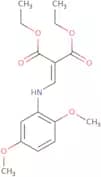
CAS:<p>3-(2-(2-Aminoethoxy)ethoxy)-propanoic acid is a PEG compound with two different functional groups (also known as heterobifunctional). Unlike homobifunctional PEG compounds (same functional group on both ends), this type of compounds are more versatile as have two different anchor points. 3-(2-(2-Aminoethoxy)ethoxy)-propanoic acid is used as a linker and spacer to add a PEG moiety, via pegylation (a bioconjugation technique) to proteins, peptides, oligonucleotides, small molecules and nanoparticles.</p>Fórmula:C7H15NO4Pureza:Min. 95%Forma y color:White PowderPeso molecular:177.2 g/moldiethyl 2-(((2,5-dimethoxyphenyl)amino)methylene)propane-1,3-dioate
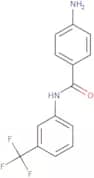
CAS:Please enquire for more information about diethyl 2-(((2,5-dimethoxyphenyl)amino)methylene)propane-1,3-dioate including the price, delivery time and more detailed product information at the technical inquiry form on this pagePureza:Min. 95%(4-Aminophenyl)-N-(3-(trifluoromethyl)phenyl)formamide
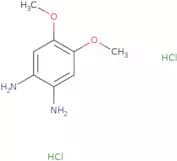
CAS:<p>Please enquire for more information about (4-Aminophenyl)-N-(3-(trifluoromethyl)phenyl)formamide including the price, delivery time and more detailed product information at the technical inquiry form on this page</p>Fórmula:C14H11F3N2OPureza:Min. 95%Forma y color:PowderPeso molecular:280.25 g/mol4,5-Dimethoxy-1,2-phenylenediamine hydrochloride
CAS:<p>Produces fluorescent benzimidazole derivatives; detects aromatic aldehydes</p>Fórmula:C8H14N2O2•xHClPureza:Min. 98%Forma y color:Purple PowderPeso molecular:241.11 g/molDodecyltrimethylammonium chloride
CAS:Dodecyltrimethylammonium chloride is a surfactant that belongs to the group of cationic surfactants. It has been shown to be effective as an adsorbent for phosphate ions in micelles. Dodecyltrimethylammonium chloride has also been shown to act as a detergent in solutions, and can be used as a cleaning agent. It is commonly used as a surfactant in various industrial processes, such as the production of glycol ethers. The chemical structure of dodecyltrimethylammonium chloride consists of dodecanol and trimethylamine (CH3(CH2)12N(CH3)(OH)3).Fórmula:C15H34NClPureza:Min. 95%Forma y color:PowderPeso molecular:263.89 g/mol1-(2-Dimethylaminoethyl)-5-mercaptotetrazole
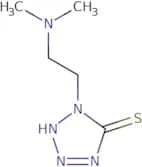
CAS:The 1-(2-Dimethylaminoethyl)-5-mercaptotetrazole (DMTT) is a nucleophilic molecule that has been studied extensively in electrochemical impedance spectroscopy. It is a potentiodynamic polarization agent, which is used to study the kinetics of redox reactions. The DMTT has also been shown to be an efficient catalyst for the oxidation of iodomethane to iodine and methanol. This chemical compound can also be used as a medicine due its virulent properties against cancer cells. The DMTT binds to polybenzimidazole and produces morphological changes in the polymer chains, which may be due to its ability to induce aggregation and crosslinking of polybenzimidazole chains. DMTT can also be used as a precursor for other molecules by reacting with polybenzimidazoles under certain conditions.Fórmula:C5H11N5SPureza:Min. 98 Area-%Peso molecular:173.24 g/molMethyl 2-aminothiazole-5-carboxylate
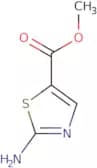
CAS:<p>Methyl 2-aminothiazole-5-carboxylate is a molecule that has been shown to have anticancer effects in vivo. It is an aromatic heterocycle with the chemical formula C6H4N2S. Methyl 2-aminothiazole-5-carboxylate has been found to inhibit the chloride channel ClC-2, which leads to decreased cell proliferation and cancer progression. This molecule also demonstrated synergistic effects when used with other anticancer therapeutics, such as chloroquinoxaline.<br>Methyl 2-aminothiazole-5-carboxylate is a synthetic compound that can be used as an anticancer drug for the treatment of cancer.</p>Fórmula:C5H6N2O2SPureza:Min. 95%Peso molecular:158.18 g/mol2-[(Ethylamino)methyl]-4-nitrophenol
CAS:<p>Please enquire for more information about 2-[(Ethylamino)methyl]-4-nitrophenol including the price, delivery time and more detailed product information at the technical inquiry form on this page</p>Fórmula:C9H12N2O3Pureza:Min. 95%Forma y color:PowderPeso molecular:196.2 g/mol2-(Dimethylamino)-6-dodecanoylnaphthalene
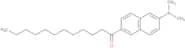
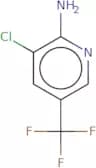
CAS:<p>2-(Dimethylamino)-6-dodecanoylnaphthalene (2DODN) is a fluorescent probe that interacts with cell membranes and has been shown to be cytotoxic. This compound also has high values for phase transition temperature, fluorescence and emission. 2DODN is used as a fluorescence probe in the study of HIV infection and can be used to measure the fatty acid composition of cellular membranes. 2DODN has been shown to bind to hiv viral envelope protein gp120 and inhibit its function. 2DODN binds to model systems such as k562 cells, which are primary cells derived from human erythrocytes and can be used for titration calorimetry measurements.</p>Fórmula:C24H35NOForma y color:PowderPeso molecular:353.54 g/mol2-Amino-3-chloro-5-(trifluoromethyl)pyridine
CAS:2-Amino-3-chloro-5-(trifluoromethyl)pyridine is a versatile building block that can be used in the synthesis of complex compounds. It is a useful intermediate for synthetic organic chemistry, and can be used as a reagent or speciality chemical. This compound has shown to have high quality and is useful as a scaffold in the synthesis of research chemicals.Fórmula:C6H4ClF3N2Pureza:Min. 95%Forma y color:PowderPeso molecular:196.56 g/mol2,2-Bis[4-(4-aminophenoxy)phenyl]propane
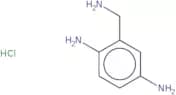
CAS:<p>2,2-Bis[4-(4-aminophenoxy)phenyl]propane is a monomer that is used in the production of polyurethanes. It has a number of alkyl substituents, including chloride, which are removed during the process. 2,2-Bis[4-(4-aminophenoxy)phenyl]propane reacts with chlorides to form hydrochloric acid and 2,2-bis(4-hydroxyphenyl)propane. The reaction time depends on the concentration of chloride and can be determined by gel permeation chromatography. This monomer has been shown to have a kinetic data that is dependent on temperature, as well as magnetic resonance spectroscopy and proton NMR data. The product also exhibits an increase in thermal expansion when compared to other monomers.</p>Fórmula:C27H26N2O2Pureza:Min. 98 Area-%Forma y color:White PowderPeso molecular:410.51 g/mol2,5-Diaminobenzylamine hydrochloride
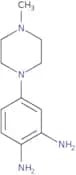
<p>2,5-Diaminobenzylamine hydrochloride is a fine chemical that is used as a versatile building block and research chemicals. This compound has been shown to be an intermediate for the synthesis of other compounds with pharmaceutical properties. 2,5-Diaminobenzylamine hydrochloride can also be used as a reagent in organic chemistry. It has CAS No. 1008-77-4 and is listed on the inventory list of speciality chemicals by the European Commission (EC). 2,5-Diaminobenzylamine hydrochloride is water soluble and has a high quality.</p>Fórmula:C7H12ClN3Pureza:Min. 95%Peso molecular:173.64 g/mol4-(4-Methylpiperazino)-1,2-benzenediamine
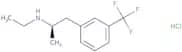
CAS:<p>4-(4-Methylpiperazino)-1,2-benzenediamine (4MPBD) is a small molecule that binds to the telomerase enzyme and inhibits its activity. Telomerase is an enzyme that maintains telomeres by adding nucleotides to the end of dna strands. 4MPBD has been shown to inhibit telomerase activity in vitro and in vivo, and it has been found to induce apoptosis in cancer cells. This compound also stabilizes telomeres and causes a shift in the equilibrium between short and long telomeres. The inhibition of telomerase by 4MPBD may lead to an increased risk of cancer progression and death, as well as an increase in susceptibility to infection due to shortened dna strands.</p>Fórmula:C11H18N4Pureza:Min. 95%Forma y color:PowderPeso molecular:206.29 g/mol(R)-(-)-Fenfluramine hydrochloride
CAS:Producto controlado<p>Serotonin reuptake inhibitor; anorectic</p>Fórmula:C12H17ClF3NPureza:Min. 95%Peso molecular:267.72 g/mol2-Amino-5-iodobenzoic acid ethyl ester
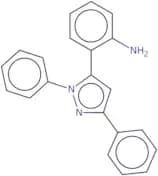
CAS:<p>2-Amino-5-iodobenzoic acid ethyl ester is a chemical reagent that is used to prepare 2-chloro-5-iodobenzoic acid. It can be prepared by the hydrolysis of 2,4,6-trinitrobenzene with an aqueous solution of sodium hydroxide. The iodination reaction proceeds in two steps: (1) chlorination of methyl anthranilate with chlorine and (2) addition of the resultant product to 2,4,6-trinitrobenzene. In the first step, methyl anthranilate reacts with chlorine to form 2-chloro-5-iodobenzoic acid ethyl ester and hydrogen chloride gas. In the second step, this product reacts with 2,4,6-trinitrobenzene to form 2-amino 5 -iodobenzoic acid ethyl ester and nitrogen gas</p>Fórmula:C9H10INO2Pureza:Min. 95%Forma y color:PowderPeso molecular:291.09 g/mol1,3-Diphenyl-5-(2-aminophenyl)pyrazole
CAS:<p>1,3-Diphenyl-5-(2-aminophenyl)pyrazole is a versatile building block that can be used in the synthesis of complex compounds. It has been shown to be useful as a reagent in the synthesis of organic compounds and as a speciality chemical. This compound is also a useful scaffold for the synthesis of high quality and useful intermediates, which has led to its use in research chemicals. 1,3-Diphenyl-5-(2-aminophenyl)pyrazole can be used to produce high quality and useful reaction components for reactions involving amines, such as reductive amination.</p>Fórmula:C21H17N3Pureza:Min. 95%Peso molecular:311.38 g/molN-[3-(3-Dimethylamino-1-oxo-2-propenyl)phenyl]-N-ethylacetamide
CAS:<p>N-[3-(3-Dimethylamino-1-oxo-2-propenyl)phenyl]-N-ethylacetamide is a high quality, complex compound that is useful as a reagent, intermediate, and building block. The CAS number for this product is 96605-66-2. This product has shown to have use in the synthesis of fine chemicals and research chemicals. It is a versatile building block that can be used as a reaction component.</p>Fórmula:C15H20N2O2Pureza:Min. 95%Forma y color:PowderPeso molecular:260.33 g/molN-(1R,8S,9s)-Bicyclo[6.1.0]non-4-yn-9-ylmethyloxycarbonyl-1,8-diamino-3,6-dioxaoctane
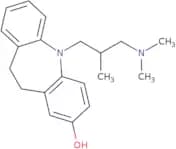
CAS:<p>N-(1R,8S,9s)-Bicyclo[6.1.0]non-4-yn-9-ylmethyloxycarbonyl-1,8-diamino-3,6-dioxaoctane is a polymerase that has been developed for use in vaccines and as an agrochemical for the control of plant diseases. This enzyme has been shown to have high activity against cancer cells, including lung cancer cells and breast cancer cells. It is also autofluorescent and can be used as a cell marker in flow cytometry experiments. N-(1R,8S,9s)-Bicyclo[6.1.0]non-4-yn-9-ylmethyloxycarbonyl-1,8-diamino-3,6-dioxaoctane also has antiinflammatory effects on macrophages by inhibiting the production of proinflammatory cytokines such as IL 12p</p>Fórmula:C17H28N2O4Pureza:Min. 95%Forma y color:Colorless Clear LiquidPeso molecular:324.42 g/mol2-Hydroxy trimipramine
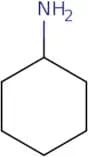
CAS:<p>Trimipramine is a drug used to treat depression. It is an alicyclic compound that has been shown to have antidepressant effects in humans and animal models. Trimipramine can be detected in human plasma using liquid chromatography, with the enantiomer being separated from the racemate by chiral stationary phase. Trimipramine has been shown to have an effect on clinical response and plasma concentrations of other drugs, such as trifluoroacetic acid, when administered concurrently. Trimipramine also has interactions with other drugs through its inhibition of cytochrome P450 enzymes.</p>Fórmula:C20H26N2OPureza:Min. 95 Area-%Forma y color:PowderPeso molecular:310.43 g/molCyclohexylamine
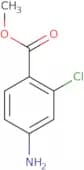
CAS:<p>Cyclohexylamine is a basic organic compound with the molecular formula CH(NH). It can be synthesized by the reaction of anhydrous sodium with p-nitrophenyl phosphate. Cyclohexylamine has been shown to have synergistic effects when combined with metal hydroxides and metal carbonyls, which may be due to its ability to reduce their potential for oxidation. Cyclohexylamine has been used as a model compound in an electrochemical impedance spectroscopy study of the interaction between enzyme activity and metal ions. In addition, cyclohexylamine has been found to have carcinogenic properties in cell line studies.</p>Fórmula:C6H13NPureza:Min. 98%Forma y color:Clear LiquidPeso molecular:99.17 g/mol4-Amino-2-chlorobenzoic acid methyl ester
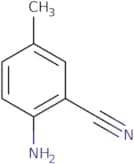
CAS:<p>4-Amino-2-chlorobenzoic acid methyl ester (4ACBME) is a chemical compound that has been used in the treatment of autoimmune diseases. It acts as an immunoreceptor and regulatory molecule by binding to specific receptors on the surface of lymphocytes, which are cells that play a central role in the immune system. 4ACBME also inhibits the production of inflammatory molecules, such as TNF-α, IL-1β, IL-6 and IL-8. The regression of tissue inflammation was observed in animal models after 4ACBME treatment. This compound has been shown to have no genotoxic impurities in vitro studies and its molecular descriptors are consistent with those found for other immunoreceptors.</p>Fórmula:C8H8ClNO2Pureza:Min. 95%Forma y color:White PowderPeso molecular:185.61 g/mol2-Amino-5-methylbenzonitrile
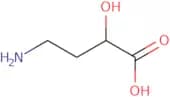
CAS:<p>2-Amino-5-methylbenzonitrile (2AMB) is a molecule that has two nitrile groups. It has been shown to be effective in the treatment of cancer cells, and it also inhibits thymidylate synthase (TS), an enzyme involved in DNA synthesis. The crystallographic structure of this compound has been determined by x-ray diffraction studies, and 2AMB was synthesized and assayed for its anticancer activity on human lung cancer cells in culture. 2AMB is an intercalator that binds to DNA by inserting itself between base pairs, which then blocks the progression of DNA synthesis during replication. This type of inhibition causes cell death because the cell cannot divide or make new proteins. Naphthalene and pyrrole are two chemicals found in 2AMB that have been shown to have antibacterial properties.</p>Fórmula:C8H8N2Pureza:Min. 95%Forma y color:PowderPeso molecular:132.16 g/mol2-Hydroxy-4-aminobutanoic acid
CAS:<p>2-Hydroxy-4-aminobutanoic acid is a synthetic compound that has been shown to be a potent antibacterial agent. It is active against both Gram-positive and Gram-negative bacteria, including Pseudomonas aeruginosa, Enterococcus faecalis, Staphylococcus aureus, and Escherichia coli. 2-Hydroxy-4-aminobutanoic acid is also an indole alkaloid that can be produced from the amino acid tryptophan by the enzyme pyridoxal phosphate. This prebiotic is found in tissues of many animals and humans. 2-Hydroxy-4-aminobutanoic acid has been shown to have antiinflammatory properties in human serum.</p>Fórmula:C4H9NO3Pureza:Min. 95 Area-%Forma y color:PowderPeso molecular:119.12 g/mol3-Methyl-5-Isothiazolamine
CAS:<p>3-Methyl-5-isothiazolamine is a linear molecule with a molecular weight of 122.1. 3-Methyl-5-isothiazolamine has an interaction with chloride and can be used as a reagent for the identification of disulfides. Disulfide bonds are formed by the oxidation of sulfhydryl groups in proteins, which are reduced by glutathione reductase to produce sulfhydryl groups. 3-Methyl-5-isothiazolamine has been shown to react with molecular ions that are characteristic of isothiazoles and isothiazole derivatives, as well as aromatic compounds such as 4-hydroxybenzoic acid. This product also reacts with dehydrogenase enzymes, such as alcohol dehydrogenase, which produces oxidized products from carbohydrates and other organic molecules that contain hydroxyl groups.</p>Fórmula:C4H6N2SPureza:Min. 95%Forma y color:PowderPeso molecular:114.17 g/mol3-[(Dimethylamino)methyl]benzaldehyde
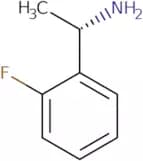
CAS:<p>3-[(Dimethylamino)methyl]benzaldehyde is a fine chemical that is used as a versatile building block in the synthesis of pharmaceuticals. It is also a useful intermediate in the synthesis of complex compounds and research chemicals. This product has been shown to be high quality and can be used as a reagent for many reactions.</p>Fórmula:C10H13NOPureza:Min. 95%Peso molecular:163.22 g/mol(S)-1-(2-Fluorophenyl)ethylamine
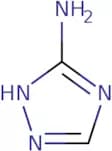
CAS:<p>(S)-1-(2-Fluorophenyl)ethylamine is a fine chemical that is used as a versatile building block and reaction component. It has been shown to be an intermediate in the synthesis of other compounds such as (±) -N-benzyl-2,4-dioxo-3-piperidinamine. This compound can also be used as a reagent for the preparation of other high quality chemicals. The CAS Registry Number for this compound is 68285-25-6.</p>Fórmula:C8H10FNPureza:Min. 95%Forma y color:Colorless Clear LiquidPeso molecular:139.17 g/mol3-Amino-1,2,4-triazole
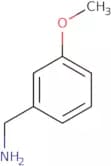
CAS:<p>Inhibitor of catalase; selection marker for HIS3 systems; herbicide</p>Fórmula:C2H4N4Pureza:Min. 95%Forma y color:PowderPeso molecular:84.08 g/mol3-Methoxybenzylamine
CAS:<p>3-Methoxybenzylamine is a fatty acid amide that is synthesized from benzylamine derivatives. The compound is a viscosity enhancer and antioxidant, and has been shown to inhibit the reaction of 3-hydroxybutyric acid with hydrochloric acid. 3-Methoxybenzylamine has also been used as a dietary supplement in tissue samples to reduce the effects of oxidation on the fatty acid chains. This compound has an asymmetric synthesis, which can be achieved by reacting an amine with an acyl chain.</p>Fórmula:C8H11NOPureza:Min. 95%Forma y color:Clear LiquidPeso molecular:137.18 g/molMethyl 3-aminothieno[2,3-β]pyridine-2-carboxylate
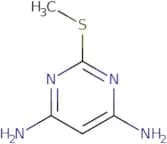
CAS:Please enquire for more information about Methyl 3-aminothieno[2,3-β]pyridine-2-carboxylate including the price, delivery time and more detailed product information at the technical inquiry form on this pageFórmula:C9H8N2O2SPureza:Min. 95%Forma y color:PowderPeso molecular:208.24 g/mol2-Methylthiopyrimidine-4,6-diamine
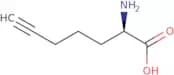
CAS:<p>2-Methylthiopyrimidine-4,6-diamine is a potent inhibitor of the enzyme DNA polymerase. It has shown to be effective against hepg2 cells and other cancer cells. The compound binds covalently to the active site of the enzyme, where it stabilizes the transition state and deshields the electrostatic field around the nucleophilic nitrogen atom. This interaction leads to a decreased affinity for ATP, which is required for DNA synthesis. 2-Methylthiopyrimidine-4,6-diamine also has antimalarial activity and inhibits amide bond formation in hepg2 cells.</p>Fórmula:C5H8N4SPureza:Min. 95%Forma y color:PowderPeso molecular:156.21 g/mol(2R)-2-Aminohept-6-ynoic acid
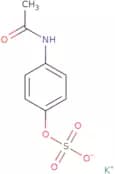
CAS:<p>2-Aminohept-6-ynoic acid is a useful building block and can be used as a reagent in organic synthesis. It is a versatile building block, and can be used as an intermediate or scaffold in the preparation of complex compounds. CAS No. 211054-03-4</p>Fórmula:C7H11NO2Pureza:Min. 95%Forma y color:PowderPeso molecular:141.17 g/mol4-Acetaminophen sulfate potassium salt
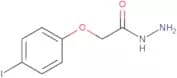
CAS:<p>Acetaminophen-induced hepatotoxicity is a serious adverse effect that can occur with the use of acetaminophen. This drug is metabolized by the liver and excreted in urine as conjugates with glucuronic acid, sulfate, and glutathione. Acetaminophen-induced hepatotoxicity is a major concern for wastewater treatment plants. The potential harm to humans is determined by the plasma concentration of acetaminophen. A pharmacokinetic study was performed on human volunteers to determine the pharmacokinetics of 4-acetaminophen sulfate potassium salt following oral administration. The study found that 4-acetaminophen sulfate potassium salt has linear pharmacokinetics and an activated half-life of 6 hours. This means that it would take 6 hours for 50% of the drug to be eliminated from the body after ingestion. In addition, electrochemical impedance spectroscopy has been used to measure plasma concentrations in humans following oral administration of 4-acetaminohen</p>Fórmula:C8H8KNO5SPureza:Min. 95 Area-%Forma y color:PowderPeso molecular:269.32 g/molN-Amino-2-(4-iodophenoxy)ethanamide
CAS:<p>Please enquire for more information about N-Amino-2-(4-iodophenoxy)ethanamide including the price, delivery time and more detailed product information at the technical inquiry form on this page</p>Fórmula:C8H9IN2O2Pureza:Min. 95%Forma y color:PowderPeso molecular:292.07 g/molN,N'-Bis(2,2,6,6-tetramethylpiperidin-4-yl)hexane-1,6-diamine,2,4,6-trichloro-1,3,5-triazine,2,4,4-trimethylpentan-2-amine
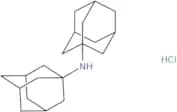
CAS:<p>Bis(2,2,6,6-tetramethylpiperidin-4-yl)hexane-1,6-diamine is a nonionic hydroxyl compound and an additive in polyolefins. It is used as a polymerization initiator or accelerator for the preparation of polyolefin plastics. Bis(2,2,6,6-tetramethylpiperidin-4-yl)hexane-1,6-diamine can be used to prepare polymers by polymerization with olefins such as ethylene and propylene. The chemical stability of this compound makes it suitable for use in sample preparation before analysis by mass spectrometry. Bis(2,2,6,6-tetramethylpiperidin-4-yl)hexane-1,6-diamine is reactive with radiation and fatty acids and has been shown to have stabilizing properties for plasma mass</p>Fórmula:C35H69Cl3N8Pureza:Min. 95%Forma y color:PowderPeso molecular:708.33 g/molDi-(1-adamantyl)amine hydrochloride
CAS:<p>Di-(1-adamantyl)amine hydrochloride is a fine chemical that is used as a building block in research. It has been shown to be an effective reagent for the preparation of polymers and as a speciality chemical. Di-(1-adamantyl)amine hydrochloride can be used as a reaction component for the synthesis of other compounds and is available in high quality. It is also versatile, being able to react with carboxylic acids, amines, alcohols, phosphorus halides, and thiols. This compound is not listed with CAS No., but it is available from many suppliers.</p>Fórmula:C20H32ClNPureza:Min. 95%Forma y color:PowderPeso molecular:321.93 g/molZoxazolamine
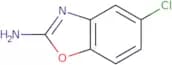
CAS:<p>Zoxazolamine is a synthetic, immunosuppressive and cytotoxic agent that inhibits the enzyme activities of cytosolic Ca2+-ATPases. It has been shown to suppress antibody response in rats. Zoxazolamine also has a number of drug interactions, including inhibition of tetracycline metabolism and induction of cytochrome P450 enzymes. The experimental model for zoxazolamine is based on the T84 cell line, which is an intestinal epithelial cell line derived from human ileum. Zoxazolamine has been shown to induce toxicity in this cell line. Zoxazolamine also causes release of bile acids from rat liver microsomes and can lead to autoimmune diseases in experimental models.</p>Fórmula:C7H5ClN2OPureza:Min. 95%Forma y color:PowderPeso molecular:168.58 g/molMethyl 2-amino-4-bromobenzoate
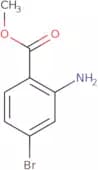
CAS:Methyl 2-amino-4-bromobenzoate is an amide that has a potential use as a cross-coupling agent in organic synthesis. It is labile and must be handled with care; it can also be used as an additive to polymerize natural polymers. Methyl 2-amino-4-bromobenzoate has been shown to enhance the efficiency of chemical reactions, including those between carboxylic acid and amines, and has been used in the synthesis of peptides. This chemical has functional groups that are compatible with a wide range of sequences, allowing for its use as a toolkit in synthetic chemistry. Methyl 2-amino-4-bromobenzoate is an analog of methyl 4-(aminomethyl)benzoate (MAMB).Fórmula:C8H8BrNO2Pureza:Min. 95%Forma y color:PowderPeso molecular:230.06 g/molBenzyldodecyldimethylammonium bromide
CAS:<p>Benzyldodecyldimethylammonium bromide (BDDAB) is a versatile building block that can be used in synthesis of complex compounds. It is also a reagent and CAS No. 7281-04-1. BDDAB is a high quality, useful intermediate for the synthesis of useful scaffolds and useful reaction components. This chemical is also useful as a specialty chemical due to its versatility and research chemicals because it can be used in synthesis of new compounds.</p>Fórmula:C21H38BrNPureza:Min. 95%Forma y color:White PowderPeso molecular:384.44 g/mol3-Dansylaminophenylboronic acid
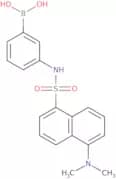
CAS:<p>3-Dansylaminophenylboronic acid is a boronic acid that forms reversible covalent bonds with dopamine. It can be used in the diagnosis of cancer, as it binds to histone lysine and magnetic particles. The fluorescence resonance of 3-Dansylaminophenylboronic acid can also be used in the diagnosis of cancer, as it produces a strong signal. This compound has been shown to have homogeneous assays for the detection of dopamine and lipoprotein lipase in urine samples. 3-Dansylaminophenylboronic acid has also been found to be effective against cancer cells in culture, although it is not active against polysialic-expressing cells.</p>Fórmula:C18H19BN2O4SPureza:Min. 95%Forma y color:PowderPeso molecular:370.23 g/mol4-((4-(dimethylamino)phenyl)methylene)-3-methyl-1-phenyl-2-pyrazolin-5-one
CAS:Please enquire for more information about 4-((4-(dimethylamino)phenyl)methylene)-3-methyl-1-phenyl-2-pyrazolin-5-one including the price, delivery time and more detailed product information at the technical inquiry form on this pagePureza:Min. 95%Triethylamine hydrochloride
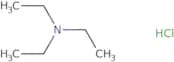
CAS:<p>Triethylamine hydrochloride is a potential drug target and can be used to treat infectious diseases. Triethylamine hydrochloride inhibits the polymerase chain reaction, which is an important analytical technique for the detection of DNA sequences. It also has been shown to have antibacterial activity against Escherichia coli by inhibiting protein synthesis in bacteria. This may be due to its ability to form metal chelates with Fe3+, Cu2+, and Mn2+. Triethylamine hydrochloride has also been shown to inhibit the growth of Shigella flexneri and Mycobacterium tuberculosis by regulating transcription elongation through interaction with the RNA polymerase.</p>Fórmula:C6H16ClNForma y color:PowderPeso molecular:137.65 g/mol3-Aminopropyldiisopropylethoxysilane
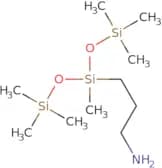
CAS:<p>3-Aminopropyldiisopropylethoxysilane (APDS) is a monolayer chemical that is used to modify the surface properties of a variety of substrates. This chemical can be used for patterning, functionalization, and immobilization of biomolecules. APDS has been shown to have a protective effect on cells in culture by preventing oxidation and denaturation of proteins. APDS also has been used for detection methods such as electron microscopy and photoelectron spectroscopy.</p>Fórmula:C10H29NO2Si3Pureza:Min. 95%Forma y color:Clear LiquidPeso molecular:279.6 g/mol3-Methylpyrazin-2-amine
CAS:3-Methylpyrazin-2-amine is an experimental compound that has not been fully characterized. It is a bioactive substance that can be used for the synthesis of other compounds. 3-Methylpyrazin-2-amine may be obtained from the reaction of 2,3-dimethylpyridine with nitroethane and sodium methoxide in methanol. The transformation of 3,4,5-trimethoxypyrazine to 3,4,5,6-tetramethoxypyrazine may also yield 3-methylpyrazin-2-amine as an intermediate product.Fórmula:C5H7N3Pureza:Min. 95%Forma y color:Off-White PowderPeso molecular:109.13 g/mol2-Nitrophenethylamine hydrochloride
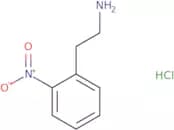
CAS:Producto controlado2-Nitrophenethylamine hydrochloride is a fine chemical that is useful as a versatile building block. It can be used as a reaction component, or in the synthesis of other chemicals. 2-Nitrophenethylamine hydrochloride has CAS No. 861337-74-8 and is a complex compound with many possible uses, including as a research chemical or speciality chemical. As an intermediate for other compounds, it can be used to produce high quality reagents and products.Fórmula:C8H11ClN2O2Pureza:Min. 95 Area-%Forma y color:PowderPeso molecular:202.64 g/mol2,3-Diaminopropionicacid
CAS:2,3-Diaminopropionic acid is an antimicrobial peptide with significant cytotoxicity against cancer cells. This compound has two amine groups that are able to form hydrogen bonds with each other. The x-ray crystal structures of this molecule reveal that it forms a beta sheet structure and an alpha helix, which is essential for the stability of this compound. 2,3-Diaminopropionic acid has been shown to have strong antibacterial activity against Gram-positive bacteria and good activity against Gram-negative bacteria such as Escherichia coli and Salmonella enterica. This compound also inhibits the synthesis of proteins in bacterial cells by inhibiting the enzyme protein synthesis. 2,3-Diaminopropionic acid is stable under normal conditions but can be hydrolyzed in water vapor or ester hydrochloride. It reacts with nitrogen atoms on the surface of biological molecules to form amides.Fórmula:C3H8N2O2Pureza:Min. 95%Peso molecular:104.11 g/molN-Benzylhydroxylamine hydrochloride
CAS:N-Benzylhydroxylamine HCl is a quinolizidine alkaloid with a hydroxamic acid group. It is used in the synthesis of various organic compounds and pharmaceuticals, such as hydroxamic acids, bisected tetrahydrofurans, and β-amino acids. N-Benzylhydroxylamine HCl is also a substrate for gelatinase. The reaction yield depends on the choice of solvent; methyl alcohol yields higher yields than does ethyl alcohol. The asymmetric synthesis of this compound is stereoselective and can be achieved through different methods, including bisection or tetrahydrofuran (THF) synthesis.Fórmula:C7H9NO•HClPureza:Min. 95%Peso molecular:159.61 g/mol2-Aminofluorene
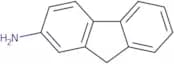
CAS:<p>2-Aminofluorene is a nucleoside phosphonate that is used in the study of DNA duplexes and as a possible anticancer drug. It has shown to be toxic to cells, such as HL-60 cells, by lysing them. This compound has also been shown to have an effect on polymerase chain reaction (PCR) by inhibiting the enzyme activity of DNA polymerase, which led to the cell lysis. 2-Aminofluorene binds to DNA at the minor groove of the double helix and prevents the formation of hydrogen bonds between complementary bases, causing steric hindrance that leads to cell death. 2-Aminofluorene shows conformational properties that are similar to acyclic nucleosides, such as cytidine and adenosine.</p>Fórmula:C13H11NForma y color:White PowderPeso molecular:181.23 g/mol3-(4-Dimethylaminophenyl)propionic acid hydrochloride
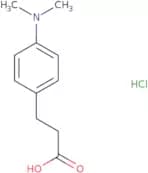
CAS:<p>3-(4-Dimethylaminophenyl)propionic acid hydrochloride is a white crystalline compound that is soluble in water. It has many uses as a building block, reagent, intermediate, or scaffold in organic synthesis due to its versatility and stability. 3-(4-Dimethylaminophenyl)propionic acid hydrochloride can be used as an additive to improve the performance of other substances. In addition, this chemical is a useful building block for the production of research chemicals or speciality chemicals.</p>Fórmula:C11H15NO2•HClPureza:Min. 95%Peso molecular:229.7 g/mol1-Aminophthalazine
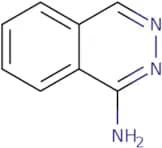
CAS:<p>1-Aminophthalazine is a drug that has been used to treat cancer and other diseases. It has the ability to react with nitrogen atoms in the body, which can cause adverse reactions such as psychosis and drug reactions. 1-Aminophthalazine also blocks tyrosine kinases, which are involved in cell growth and differentiation. 1-Aminophthalazine is a reactive compound that can form diazonium salts with an oxidizing agent such as hydrogen peroxide or peracetic acid. The diazonium salt is then able to react with DNA, and is selective for bacterial DNA when it lacks organic material for the diazonium salt to react with. This makes 1-aminophthalazine a specific treatment for bacterial infections.</p>Fórmula:C8H7N3Pureza:Min. 95%Forma y color:PowderPeso molecular:145.16 g/molAminoglutethimide
CAS:Producto controlado<p>Aromatase inhibitor; anti-neoplastic</p>Fórmula:C13H16N2O2Pureza:Min. 95%Forma y color:White PowderPeso molecular:232.28 g/mol2’-Amino-2’-deoxy-β-D-arabinouridine
CAS:<p>2’-Amino-2’-deoxy-β-D-arabinouridine is a modified nucleoside based on uridine, in which the 2'-hydroxyl group of the sugar has been replaced with an amino group, and the sugar itself is arabinose (a stereoisomer of ribose). This compound is of possible interest in nucleic acid chemistry and antisense or RNA-interference research.</p>Fórmula:C9H13N3O5Pureza:Min. 95%Forma y color:solid.Peso molecular:243.22 g/mol3-Amino-4-methoxybenzoic acid methyl ester
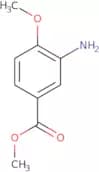
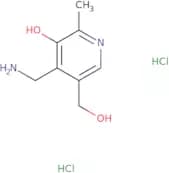
CAS:<p>3-Amino-4-methoxybenzoic acid methyl ester is a modified quinoline derivative that exhibits potent antioxidant activity. It has been shown to inhibit the activation of p38 kinase, which is a proinflammatory enzyme. This leads to decreased levels of inflammatory cytokines and chemokines. 3-Amino-4-methoxybenzoic acid methyl ester also has anti-cancer effects and can be used as an anti-cancer agent in the treatment of cancer, such as lung cancer. It induces apoptosis by inhibiting the synthesis of DNA and proteins. The synthesized drug has been shown to have a chiral center, making it a potential candidate for use in pharmaceuticals.</p>Fórmula:C9H11NO3Pureza:Min. 95%Forma y color:PowderPeso molecular:181.19 g/molPyridoxamine dihydrochloride
CAS:<p>Pyridoxamine dihydrochloride is a dinucleotide phosphate that is used as an antimicrobial agent. It has been shown to be toxic to certain bacteria, such as Staphylococcus aureus and Bacillus subtilis. Pyridoxamine dihydrochloride also has been shown to have inhibitory effects on the growth of yeast and fungi. This compound binds to calcium in the body, which may account for its observed toxicity to organisms that use this element for cellular processes. Pyridoxamine dihydrochloride has also been shown to have effects on the kidney and heart.</p>Fórmula:C8H14Cl2N2O2Forma y color:White PowderPeso molecular:241.11 g/mol1-[4-(Pyridin-3-yloxy)phenyl]methanamine dihydrochloride
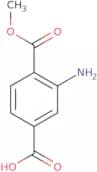
CAS:<p>1-[4-(Pyridin-3-yloxy)phenyl]methanamine dihydrochloride (1-PPM) is a fine chemical, versatile building block and complex compound with research chemical applications. 1-PPM is a reagent, speciality chemical and useful building block for the synthesis of high quality organic compounds. The CAS number for 1-PPM is 1185300-26-8. 1-PPM has been used as a reaction component in the synthesis of substituted piperazines and substituted pyrrolidines, which are useful scaffolds for further modifications.</p>Fórmula:C12H12N2O·2HClPureza:Min. 95%Forma y color:PowderPeso molecular:273.16 g/mol3-Amino-4-carbomethoxybenzoic acid
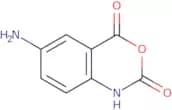
CAS:3-Amino-4-carbomethoxybenzoic acid is a compound that has not yet been labeled with a function. It has been shown to be an intermediate in the synthesis of polymers, such as polyamides and polyesters. 3-Amino-4-carbomethoxybenzoic acid is involved in biological functions related to butyric acid, which is a metabolite of the amino acids phenylalanine and tyrosine, or from the degradation of proteins. It is also used as a precursor for amines and may be an intermediate in the synthesis of glycoconjugates. The compound was found to have anticancer properties when used in combination with other drugs, such as doxorubicin and etoposide. Furthermore, it was found to have anti-inflammatory activities by inhibiting prostaglandin synthesis.Fórmula:C9H9NO4Pureza:Min. 95%Forma y color:PowderPeso molecular:195.17 g/mol5-Aminoisatoic anhydride
CAS:<p>5-Aminoisatoic anhydride is a versatile chemical that has been shown to be useful in the synthesis of complex compounds. It is also used as a reaction component and as a building block for research chemicals.</p>Fórmula:C8H6N2O3Pureza:Min. 95%Forma y color:PowderPeso molecular:178.14 g/molN-t-Boc-1-adamantylamine
CAS:<p>Please enquire for more information about N-t-Boc-1-adamantylamine including the price, delivery time and more detailed product information at the technical inquiry form on this page</p>Fórmula:C15H25NO2Pureza:Min. 95%Forma y color:PowderPeso molecular:251.36 g/mol[2-(1,3-Benzodioxol-5-yloxy)ethyl]amine hydrochloride
CAS:<p>[2-(1,3-Benzodioxol-5-yloxy)ethyl]amine hydrochloride is a versatile building block for organic synthesis. It can be used as a starting material for the synthesis of many complex compounds and research chemicals. This compound has been shown to have high quality, useful scaffolds, and is an excellent reagent in many chemical reactions.</p>Fórmula:C9H11NO3•HClPureza:Min. 95%Forma y color:PowderPeso molecular:217.65 g/mol6-Benzylamino-7-deazapurine
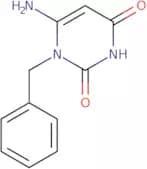
CAS:6-Benzylamino-7-deazapurine is a drug that has been shown to be effective in the treatment of pancreatic cancer. It is a monomer that reacts with nucleophiles such as 6-mercaptopurine, which are present in the human lung. The reaction generates an exergonic molecule that can be used to generate ATP and regenerate NAD+ during irradiation. This process has been observed using kinetic studies on human colon adenocarcinoma cells. 6-Benzylamino-7-deazapurine can also react with triazole compounds to form a linker and increase the rate of polymerization. The optimization of this reaction time could lead to more efficient cancer treatments.Fórmula:C13H12N4Pureza:Min. 95%Forma y color:PowderPeso molecular:224.26 g/mol6-Amino-1-benzyluracil
CAS:<p>6-Amino-1-benzyluracil is a triethyl orthoformate that reacts with an aldehyde to form an imine. This reaction is known as alkylation. The imine reacts with benzamidine to form an anticancer drug called lumazine, which has been shown to be effective against cancer cells. 6-Amino-1-benzyluracil had low solubility in water and was therefore refluxed with ethyl acetoacetate and elemental acetoacetate. 6-Amino-1-benzyluracil is insoluble in the organic phase and can be removed by filtration.</p>Fórmula:C11H11N3O2Pureza:Min. 95%Forma y color:PowderPeso molecular:217.22 g/molAlkylated diphenylamines
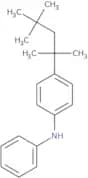
CAS:<p>Alkylated diphenylamines are reactive compounds that have been used as antioxidants in industrial processes. These antioxidants inhibit the propagation of oxidation reactions, which can lead to the degradation of polycarboxylic acids. Alkylated diphenylamines are usually synthesized from phenyl groups and fatty acid esters. They are also known as synthetic antioxidants and are used in a variety of industries, such as food production and textiles. Alkylated diphenylamines have been shown to react with metal hydroxides, such as magnesium oxide or sodium nitrate, to form reaction products that include alkanes and alkenes. The viscosity of these compounds is dependent on the length of their fatty acid chains; the longer the chain length, the lower the viscosity.</p>Pureza:Min. 95%Forma y color:Clear Viscous LiquidPeso molecular:281.4 g/mol2,3-dimethyl-4-((3-oxo-5-phenylcyclohex-1-enyl)amino)-1-phenyl-3-pyrazolin-5-one
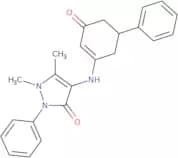
CAS:Please enquire for more information about 2,3-dimethyl-4-((3-oxo-5-phenylcyclohex-1-enyl)amino)-1-phenyl-3-pyrazolin-5-one including the price, delivery time and more detailed product information at the technical inquiry form on this pagePureza:Min. 95%N,N,N',N'-Tetramethylenediamine
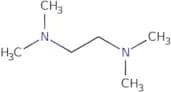
CAS:<p>Initiates acrylamide polymerization in combination with ammonium persulfate</p>Fórmula:C6H16N2Pureza:Min. 98 Area-%Forma y color:Colorless Slightly Yellow Clear LiquidPeso molecular:116.2 g/mol1-Aminoanthraquinone
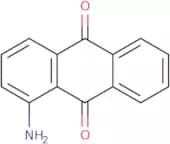
CAS:<p>1-Aminoanthraquinone is a fluorescent dye that reacts with amino groups. It can be detected in urine samples using electrochemical impedance spectroscopy and has a detection time of about 2 hours. 1-Aminoanthraquinone is used as a marker for protein synthesis, which occurs when nitrogen atoms react with an inorganic acid to form a diazonium salt. This reaction proceeds via the formation of hydrogen bonds between the nitrogen and oxygen atoms of the diazonium salt and the hydrogen atoms on the amino group. The amine group on 1-aminoanthraquinone will then react with the hydrogen bond to form an intramolecular hydrogen bond. Structural analysis of this molecule shows that it has one benzene ring, two nitrogens, two oxygens, and one carbon atom.</p>Fórmula:C14H9NO2Pureza:Min. 95%Forma y color:Red PowderPeso molecular:223.23 g/mol7-Amino-3-[[(2,5-dihydro-6-hydroxy-2-methyl-5-oxo- 1,2,4-triazin-3-yl)thio]methyl]cephalosporanic acid
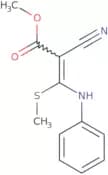
CAS:<p>Ceftriaxone is a semisynthetic, broad-spectrum antibiotic that is used to treat bacterial infections. It is especially effective against the following microorganisms: Gram-positive cocci and rods, Gram-positive bacilli, Gram-negative cocci and rods, and anaerobic bacteria. Ceftriaxone is a crystalline solid that can be dissolved in water or an organic solvent. It has been shown to have excellent stability in acidic solutions and at high temperatures. Ceftriaxone has a residue of 3% when it is administered intravenously or intramuscularly. The use of ceftriaxone as an antibiotic can be optimized by using reverse-phase chromatography with a cyclic gradient elution method.</p>Fórmula:C12H13N5O5S2Pureza:95%NmrForma y color:PowderPeso molecular:371.39 g/molmethyl 2-nitrilo-3-methylthio-3-(phenylamino)prop-2-enoate
CAS:Please enquire for more information about methyl 2-nitrilo-3-methylthio-3-(phenylamino)prop-2-enoate including the price, delivery time and more detailed product information at the technical inquiry form on this pagePureza:Min. 95%N-[(1-Methyl-1H-indol-3-yl)methyl]cyclohexanamine
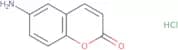
CAS:Producto controladoPlease enquire for more information about N-[(1-Methyl-1H-indol-3-yl)methyl]cyclohexanamine including the price, delivery time and more detailed product information at the technical inquiry form on this pageFórmula:C16H22N2Pureza:Min. 95%Peso molecular:242.36 g/mol6-Aminocoumarin HCl
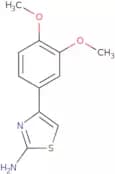
CAS:Use as a positive control when detecting nitroreductase activityFórmula:C9H7NO2·HClPureza:Min. 95%Peso molecular:197.62 g/mol4-(3,4-Dimethoxyphenyl)-1,3-thiazol-2-amine
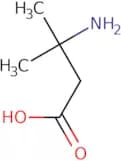
CAS:<p>Please enquire for more information about 4-(3,4-Dimethoxyphenyl)-1,3-thiazol-2-amine including the price, delivery time and more detailed product information at the technical inquiry form on this page</p>Fórmula:C11H12N2O2SPureza:Min. 95%Peso molecular:236.29 g/mol3-Amino-3-methylbutanoic acid
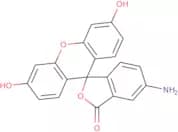
CAS:<p>3-Amino-3-methylbutanoic acid is a carbonaceous compound that can be synthesized from b-alanine and perchloroethylene. It is used in the manufacture of butanoic acid, which is an important industrial chemical. 3-Amino-3-methylbutanoic acid has been shown to exist as four isomers, each with a different molecular weight. The isomers are produced by a synthetic process involving the reaction of b-alanine and perchloroethylene. In an amination reaction, the compounds are heated in the presence of ammonia gas or ammonium chloride to form 3-amino-3-methylbutanoic acid.</p>Fórmula:C5H11NO2Pureza:Min 95%Forma y color:PowderPeso molecular:117.15 g/mol5-Aminofluorescein
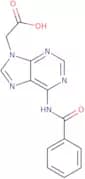
CAS:5-Aminofluorescein is a fluorescence probe that is used to detect the presence of reactive groups on basic fibroblast cells. 5-Aminofluorescein reacts with an ionotropic gelation agent and forms a fluorescent gel when it contacts cells. The fluorescent gel penetrates the cell membrane and binds to enzymes, which will cause the release of cellular energy in the form of heat. This energy can be measured by calorimetry or by measuring the change in fluorescence. 5-Aminofluorescein has been shown to have significant cytotoxicity against malignant brain tumor cells, which may be due to its ability to penetrate into these cells and bind to DNA. It also has antimicrobial properties and can be used as a titration indicator for certain drugs, such as antibiotics.Fórmula:C20H13NO5Pureza:Min. 95 Area-%Forma y color:PowderPeso molecular:347.32 g/mol6-Benzoylamino-9H-purine-9-acetic acid
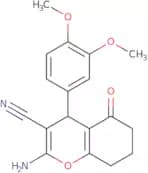
CAS:<p>6-Benzoylamino-9H-purine-9-acetic acid (BAPAA) is a high quality reagent that is used in the synthesis of complex compounds. It is also a useful intermediate in the preparation of fine chemicals, speciality chemicals, and research chemicals. 6-Benzoylamino-9H-purine-9-acetic acid is a versatile building block for the synthesis of novel compounds with desired biological activity. This compound is an excellent reaction component because it can be used to synthesize various chemical structures.</p>Fórmula:C14H11N5O3Pureza:Min. 95%Forma y color:PowderPeso molecular:297.27 g/mol2-amino-4-(3,4-dimethoxyphenyl)-5-oxo-4,6,7,8-tetrahydro2H-chromene-3-carbonitrile
CAS:<p>Please enquire for more information about 2-amino-4-(3,4-dimethoxyphenyl)-5-oxo-4,6,7,8-tetrahydro2H-chromene-3-carbonitrile including the price, delivery time and more detailed product information at the technical inquiry form on this page</p>Fórmula:C18H18N2O4Pureza:Min. 95%Forma y color:PowderPeso molecular:326.35 g/mol1-Boc-1,8-diaminooctane
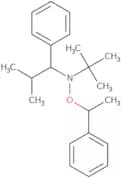
CAS:1-Boc-1,8-diaminooctane is a polymerase that is used in the synthesis of DNA. It has been shown to be able to cleave supercoiled DNA and bind to acidic surfaces. This compound is fluorescent and can form covalent adducts with nucleic acids. 1-Boc-1,8-diaminooctane also has a piperidine group, which can act as a linker for other molecules such as anthracene. 1-Boc-1,8-diaminooctane is a neutral pH compound that reacts well with biomolecules.Fórmula:C13H28N2O2Pureza:Min. 95%Forma y color:PowderPeso molecular:244.37 g/molN-tert-Butyl-N-(2-methyl-1-phenylpropyl)-O-(1-phenylethyl)hydroxylamine
CAS:N-tert-Butyl-N-(2-methyl-1-phenylpropyl)-O-(1-phenylethyl)hydroxylamine is a telechelic metathesis polymer that is soluble in organic solvents. This product has been shown to copolymerize with styrene, which can be used as a monomer. Copolymers of this product are resistant to chemical reactions and metal ion. The reaction time and temperature for this product depends on the nature of the monomers and initiator used. This substance is also able to undergo metathesis reactions, such as those involving silicon.Fórmula:C22H31NOPureza:Min. 95%Forma y color:PowderPeso molecular:325.49 g/mol4-[[4-(4-Chlorophenyl)-2-thiazolyl]amino]phenol
CAS:4-[[4-(4-Chlorophenyl)-2-thiazolyl]amino]phenol is a chemical that has been used in analytical and in vitro methods to study the cellular physiology of cells. It was found to inhibit sphingosine kinase, which is an enzyme that is involved in the synthesis of sphingosine. The inhibition of this enzyme leads to decreased levels of sphingosine and the effect on the cell. 4-[[4-(4-Chlorophenyl)-2-thiazolyl]amino]phenol can also affect mitochondrial membrane potential and cyclase activity, which may be useful for treating hyperproliferative diseases such as breast cancer.Fórmula:C15H11ClN2OSPureza:Min. 95%Peso molecular:302.78 g/mol5-Amino-2-hydroxyacetophenone
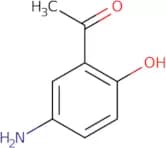
CAS:5-Amino-2-hydroxyacetophenone is a chemical compound that belongs to the class of active substances. It is an intermediate in Friedel-Crafts acylation reactions, which are used to form alkyl esters by reaction with chloroformates. In these reactions, 5-Amino-2-hydroxyacetophenone is converted into a chloroformate in the presence of an acid catalyst. The reactions proceed rapidly, with the acetone or ester as the solvent. The frequency of 5-amino-2-hydroxyacetophenone can be correlated to its deformation energy and various chemical parameters such as electron density and force constants. 5-Amino-2-hydroxyacetophenone is uniquely characterized by intramolecularly hydrogen bonding organic solvents such as acetone and nitrobenzene.Fórmula:C8H9NO2Pureza:Min. 95%Peso molecular:151.16 g/mol4-(2,5-Dimethoxyphenyl)-1,3-thiazol-2-amine
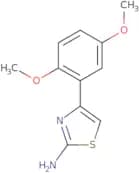
CAS:Please enquire for more information about 4-(2,5-Dimethoxyphenyl)-1,3-thiazol-2-amine including the price, delivery time and more detailed product information at the technical inquiry form on this pageFórmula:C11H12N2O2SPureza:Min. 95%Peso molecular:236.29 g/mol


![1,4-Dioxaspiro[4.5]decan-8-ylmethanamine](/_next/image/?url=https%3A%2Fstatic.cymitquimica.com%2Fproducts%2F3D%2Fthumb-webp%2FFD153838.webp&w=3840&q=75)
![[(5,5-Dimethyltetrahydrofuran-3-yl)methyl]amine](/_next/image/?url=https%3A%2Fstatic.cymitquimica.com%2Fproducts%2F3D%2Fthumb-webp%2FFD134552.webp&w=3840&q=75)





![2-[(Ethylamino)methyl]-4-nitrophenol](/_next/image/?url=https%3A%2Fstatic.cymitquimica.com%2Fproducts%2F3D%2Fthumb-webp%2FFE23132.webp&w=3840&q=75)
![2,2-Bis[4-(4-aminophenoxy)phenyl]propane](/_next/image/?url=https%3A%2Fstatic.cymitquimica.com%2Fproducts%2F3D%2Fthumb-webp%2FFB62700.webp&w=3840&q=75)

![N-[3-(3-Dimethylamino-1-oxo-2-propenyl)phenyl]-N-ethylacetamide](/_next/image/?url=https%3A%2Fstatic.cymitquimica.com%2Fproducts%2F3D%2Fthumb-webp%2FFD70834.webp&w=3840&q=75)
![N-(1R,8S,9s)-Bicyclo[6.1.0]non-4-yn-9-ylmethyloxycarbonyl-1,8-diamino-3,6-dioxaoctane](/_next/image/?url=https%3A%2Fstatic.cymitquimica.com%2Fproducts%2F3D%2Fthumb-webp%2FFB60339.webp&w=3840&q=75)

![3-[(Dimethylamino)methyl]benzaldehyde](/_next/image/?url=https%3A%2Fstatic.cymitquimica.com%2Fproducts%2F3D%2Fthumb-webp%2FFD124097.webp&w=3840&q=75)
![Methyl 3-aminothieno[2,3-β]pyridine-2-carboxylate](/_next/image/?url=https%3A%2Fstatic.cymitquimica.com%2Fproducts%2F3D%2Fthumb-webp%2FFM57205.webp&w=3840&q=75)








![1-[4-(Pyridin-3-yloxy)phenyl]methanamine dihydrochloride](/_next/image/?url=https%3A%2Fstatic.cymitquimica.com%2Fproducts%2F3D%2Fthumb-webp%2FFP116871.webp&w=3840&q=75)

![[2-(1,3-Benzodioxol-5-yloxy)ethyl]amine hydrochloride](/_next/image/?url=https%3A%2Fstatic.cymitquimica.com%2Fproducts%2F3D%2Fthumb-webp%2FFB120300.webp&w=3840&q=75)

![7-Amino-3-[[(2,5-dihydro-6-hydroxy-2-methyl-5-oxo- 1,2,4-triazin-3-yl)thio]methyl]cephalosporanic …](/_next/image/?url=https%3A%2Fstatic.cymitquimica.com%2Fproducts%2F3D%2Fthumb-webp%2FFA17508.webp&w=3840&q=75)
![N-[(1-Methyl-1H-indol-3-yl)methyl]cyclohexanamine](/_next/image/?url=https%3A%2Fstatic.cymitquimica.com%2Fproducts%2F3D%2Fthumb-webp%2FFM128410.webp&w=3840&q=75)

![4-[[4-(4-Chlorophenyl)-2-thiazolyl]amino]phenol](/_next/image/?url=https%3A%2Fstatic.cymitquimica.com%2Fproducts%2F3D%2Fthumb-webp%2FFC137468.webp&w=3840&q=75)