Aminas
Las aminas son un conjunto de moléculas que contienen un grupo funcional amino (derivado del amoníaco). Esta categoría incluye aminas en cualquier nivel de sustitución: primarias, secundarias, terciarias y sales de amonio. Las aminas son fundamentales en la síntesis orgánica y se utilizan ampliamente en productos farmacéuticos, agroquímicos y ciencias de los materiales. En CymitQuimica, ofrecemos una selección completa de aminas para satisfacer sus necesidades de investigación e industriales. Nuestra gama asegura el acceso a diversas aminas para diferentes procesos químicos e investigaciones innovadoras.
Subcategorías de "Aminas"
- Nitrosaminas(2.606 productos)
- Aminas primarias(30.947 productos)
- Cationes y sales de amonio cuaternario(1.100 productos)
- Aminas secundarias(20.886 productos)
- Aminas terciarias(17.193 productos)
Se han encontrado 8780 productos de "Aminas"
Ordenar por
Pureza (%)
0
100
|
0
|
50
|
90
|
95
|
100
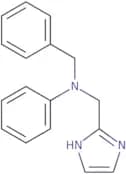
2-(N-Phenyl-N-benzyl-aminomethyl)-imidazol
CAS:<p>Please enquire for more information about 2-(N-Phenyl-N-benzyl-aminomethyl)-imidazol including the price, delivery time and more detailed product information at the technical inquiry form on this page</p>Fórmula:C17H17N3Pureza:Min. 95%Peso molecular:263.34 g/molGLP-2 (1-33) (human) ammonium acetate salt
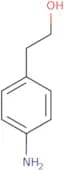
CAS:<p>Please enquire for more information about GLP-2 (1-33) (human) ammonium acetate salt including the price, delivery time and more detailed product information at the technical inquiry form on this page</p>Fórmula:C165H254N44O55SPureza:Min. 95%Peso molecular:3,766.11 g/mol4-Aminophenethyl alcohol
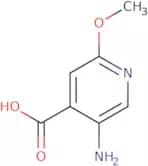
CAS:4-Aminophenethyl alcohol is a monosubstituted, basic compound that is used in the laboratory as a cell culture medium supplement to promote growth of fibroblasts. This compound has been shown to stimulate human intestinal cells and human peripheral blood mononuclear cells. 4-Aminophenethyl alcohol acts as a hydroxyl group donor, which may be due to its ability to form hydrogen ions when reacted with sodium hydroxide solution. The reaction of this compound with diazonium salt produces an intermediate, which can be hydrolyzed by the addition of sodium hydroxide solution. The resultant chloride ion reacts with the aminophenethyldihydroxylamine (APDA) moiety to produce APDCl. This product has been shown to increase the population growth rate of fibroblasts in culture by causing DNA synthesis and protein synthesis. Linear regression analysis revealed that there was no statistically significant difference between the control and experimental groups for either DNAFórmula:C8H11NOPureza:Min. 95%Peso molecular:137.18 g/mol5-Amino-2-methoxyisonicotinic acid
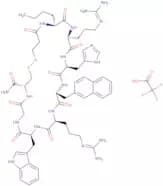
CAS:<p>5-Amino-2-methoxyisonicotinic acid is a carboxylic acid that is used in the synthesis of aminopyridines. The compound can be synthesized from formamidine acetate and diethyl dicarbonate. This process involves lithiation, followed by addition of an amine and finally conversion to the desired product with formamidine acetate. 5-Amino-2-methoxyisonicotinic acid can also be synthesized from formamide and diethyl ether. 5-Amino-2-methoxyisonicotinic acid is an analog of 2,4,6-trimethylaniline and has been shown to have similar properties to this compound, including strong basicity.</p>Fórmula:C7H8N2O3Pureza:Min. 95%Peso molecular:168.15 g/mol(Deamino-Cys3, Nle 4,Arg5,D-2-Nal 7,Cys11)-a-MSH (3-11) amide trifluoroacetate salt
CAS:<p>Please enquire for more information about (Deamino-Cys3, Nle 4,Arg5,D-2-Nal 7,Cys11)-a-MSH (3-11) amide trifluoroacetate salt including the price, delivery time and more detailed product information at the technical inquiry form on this page</p>Fórmula:C56H76N18O9S2Pureza:Min. 95%Peso molecular:1,209.45 g/mol4-Aminobutyrophenone
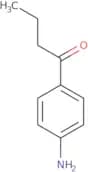
CAS:<p>4-Aminobutyrophenone is a butyrophenone, a nitro compound that is the amine derivative of 4-aminobutyric acid. This product is used as a control agent in pest control and as an intermediate for pharmaceuticals and dyes. It has been used to produce methemoglobin, which is used to treat nitrate poisoning. 4-Aminobutyrophenone undergoes acylation reactions with chloride or sulfoxide groups to form chlorohydrins and thiohydrins respectively. These products are bioisosteres of the carbonyl group, which can be hydrolyzed with acid or alkali to produce carboxylic acids or alcohols respectively. Friedel-Crafts acylation with phenol gives benzoylphenylhydroxylamine, which can be oxidized by hydrogen peroxide to give the corresponding nitro compound.</p>Fórmula:C10H13NOForma y color:PowderPeso molecular:163.22 g/molFmoc-epsilon-aminocaproic acid-Wang resin (200-400 mesh)
<p>Please enquire for more information about Fmoc-epsilon-aminocaproic acid-Wang resin (200-400 mesh) including the price, delivery time and more detailed product information at the technical inquiry form on this page</p>Pureza:Min. 95%5-tert-Butyl-1,3,4-oxadiazol-2-amine
CAS:<p>Please enquire for more information about 5-tert-Butyl-1,3,4-oxadiazol-2-amine including the price, delivery time and more detailed product information at the technical inquiry form on this page</p>Fórmula:C6H11N3OPureza:Min. 95%Peso molecular:141.17 g/molDimethylbenzyl-(3-sulfopropyl)ammonium, inner salt
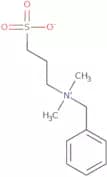
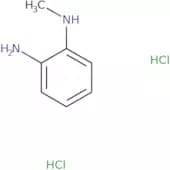
CAS:Dimethylbenzyl-(3-sulfopropyl)ammonium, inner salt (DMBAPA-IS) is a nutrient solution that contains antimicrobial agents, such as fatty acids and diastolic pressure. DMBAPA-IS is used in the treatment of infectious diseases. It has been shown to be effective against solid tumours and bacterial strains. The structure of DMBAPA-IS is similar to that of dimethylbenzylammonium chloride (DMBAC), which inhibits bacterial growth by binding to the 30S ribosomal subunit, preventing protein synthesis.Fórmula:C12H19NO3SPureza:Min. 95%Peso molecular:257.35 g/molN-Methyl-1,2-phenylenediamine dihydrochloride
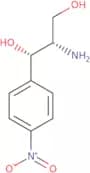
CAS:N-Methyl-1,2-phenylenediamine dihydrochloride (NMP) is a synthetic compound that is used as the precursor to various pharmaceuticals, such as the antihypertensive drug clonidine. NMP can be synthesized from benzene and ammonia or phenylmagnesium bromide. It is carcinogenic in animals and humans, and has been shown to cause DNA damage and cell apoptosis. The chemical has a high potential for nitrosation reactions when exposed to nitrites. This reaction produces nitric oxide, which is cytotoxic and can lead to liver cancer in rats. The synthesis of NMP generates impurities such as methanol solvent, sodium sulfide, and hydrogen chloride gas. These impurities are often found in recycled NMP due to incomplete removal during processing.Fórmula:C7H12Cl2N2Pureza:Min. 95%Forma y color:PowderPeso molecular:195.09 g/molL-threo-(+)-2-Amino-1-(4-nitrophenyl)-1,3-propanediol
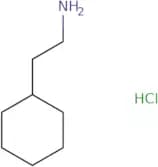
CAS:L-threo-(+)-2-amino-1-(4-nitrophenyl)-1,3-propanediol is a functional group that is composed of a fatty acid and an amino acid. It has been shown to inhibit the growth of corynebacterium glutamicum bacteria by hydrolyzing their cell wall. This compound also inhibits the activity of bacterial enzymes that are involved in the synthesis of proteins. This functional group may be useful for the treatment of chronic lymphocytic leukemia and HIV infection.Fórmula:C9H12N2O4Pureza:Min. 95%Forma y color:PowderPeso molecular:212.2 g/mol2-Cyclohexylethanamine hydrochloride
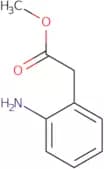
CAS:<p>Please enquire for more information about 2-Cyclohexylethanamine hydrochloride including the price, delivery time and more detailed product information at the technical inquiry form on this page</p>Fórmula:C8H18ClNPureza:Min. 95%Forma y color:PowderPeso molecular:163.69 g/molMethyl 2-(2-aminophenyl)acetate
CAS:<p>Methyl 2-(2-aminophenyl)acetate is a synthetic compound that can be activated with nanomolar concentrations of cyanide. It is a potent cytotoxic agent that exhibits minimal activity in the presence of cells. Methyl 2-(2-aminophenyl)acetate has shown to have antiviral and antitumor properties, as well as potential use in cancer therapy. Methyl 2-(2-aminophenyl)acetate is synthesized by reacting an aldehyde group with a primary amine to produce an amide bond. This reaction also produces a linker molecule, which can be used for immobilization. Immobilization occurs when the chemical is bound to an insoluble support or carrier, such as silica gel or glass beads. Immobilization can increase the stability of the reactant, decrease its rate of degradation, and facilitate separation from unreacted components.</p>Fórmula:C9H11NO2Pureza:Min. 95%Peso molecular:165.19 g/molPyrithiamine
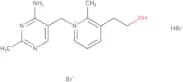
CAS:<p>Pyrithiamine is an antimicrobial agent that inhibits the growth of bacteria by disrupting the disulfide bond between two cysteine residues. It has been shown to inhibit the formation of bacterial spores, which are resistant to many antibiotics. Pyrithiamine also has antioxidant properties and can reduce oxidative stress in neurons, leading to neuronal death. This drug also has a strong effect on energy metabolism and may be used as a treatment for mitochondrial diseases.</p>Fórmula:C14H20Br2N4OPureza:Min. 95%Peso molecular:420.14 g/mol(1R,3S)-3-Aminocyclopentanol hydrochloride
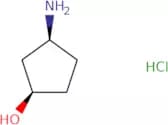
CAS:<p>Intermediate in the synthesis of bictegravir</p>Fórmula:C5H12ClNOPureza:Min. 95%Peso molecular:137.61 g/mol(alphaR)-alpha-[[[2-(4-Nitrophenyl)ethyl]amino]methyl]benzenemethanol hydrochloride
CAS:<p>Intermediate in the synthesis of mirabegron</p>Fórmula:C16H18N2O3·HClPureza:Min. 95%Peso molecular:322.79 g/molcis-4-Aminocyclohexanecarboxylic acid methyl ester hcl
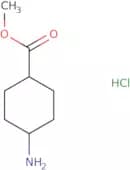
CAS:<p>cis-4-Aminocyclohexanecarboxylic acid methyl ester hcl is a chemical compound that is used in research and industry. It is an efficient isomer of 4-aminocyclohexanecarboxylic acid methyl ester hydrochloride. cis-4-Aminocyclohexanecarboxylic acid methyl ester hcl has been used as a model for the study of glimepiride, an insulin secretagogue, and has been shown to be active against Toxoplasma gondii.</p>Fórmula:C8H15NO2·HClPureza:Min. 95%Forma y color:SolidPeso molecular:193.67 g/mol(Deamino-Pen 1,Val4,D-Arg8)-Vasopressin
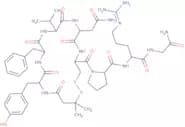
CAS:<p>Vasopressin is a peptide hormone that regulates water balance. It is synthesized in the hypothalamus and stored in the posterior pituitary gland, from where it is released when blood pressure falls. Vasopressin binds to V1 receptors in the kidney and vascular smooth muscle cells, causing vasoconstriction and increased blood pressure. Vasopressin also stimulates phosphatidic acid synthesis and hypotension, which are mediated through V2 receptors. Vasopressin has been found to be effective against cardiac arrest and myocardial infarction in animals. This drug has also been shown to stimulate the paraventricular nucleus of the hypothalamus and inhibit sympathetic activity in ganglia.</p>Fórmula:C48H69N13O11S2Pureza:Min. 95%Peso molecular:1,068.27 g/mol4-(2',4'-Dimethoxyphenyl-Fmoc-aminomethyl)-phenoxymethyl-polystyrene resin (200-400 mesh)
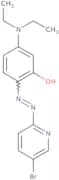
<p>Please enquire for more information about 4-(2',4'-Dimethoxyphenyl-Fmoc-aminomethyl)-phenoxymethyl-polystyrene resin (200-400 mesh) including the price, delivery time and more detailed product information at the technical inquiry form on this page</p>Pureza:Min. 95%2-(5-Bromo-2-pyridylazo)-5-(diethylamino)phenol
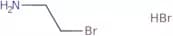
CAS:<p>2-(5-Bromo-2-pyridylazo)-5-(diethylamino)phenol is a chemical that is used for the detection of hydrochloric acid in water vapor. It reacts with zirconium oxide, which generates a red fluorescing complex. The reaction can be detected by using a fluorescence spectrometer with a test sample. 2-(5-Bromo-2-pyridylazo)-5-(diethylamino)phenol is also used to detect the presence of nitrogen atoms and sodium citrate in samples by reacting with them. This chemical reacts with an acid complex to form stable complexes. The analytical method is based on measuring the redox potential of this reaction. The flow system of this technique allows for dehydration of dehydroascorbic acid (DHA).</p>Fórmula:C15H17BrN4OPureza:Min. 95%Forma y color:PowderPeso molecular:349.23 g/mol2-Bromoethylamine hydrobromide
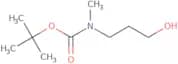
CAS:<p>2-Bromoethylamine HBr is a nonsteroidal anti-inflammatory drug that is used to treat inflammation and pain. It is a prodrug that is hydrolyzed in vivo to its active form, 2-bromoethylamine. The bound form of this drug has been shown to inhibit the development of cell nuclei in the nucleus of cells. This drug also inhibits the production of nitric oxide, which leads to cell death by necrosis. 2-Bromoethylamine HBr has been shown to have an inhibitory effect on the activity of glycol ethers, which are used as solvents for resins in coatings and adhesives. It also has the ability to form body tissue (e.g., papillary) and can be used as an experimental model for studying necrosis.</p>Fórmula:C2H6BrN•HBrPureza:Min. 95%Forma y color:White PowderPeso molecular:204.89 g/molN-Methyl-N-boc-aminopropan-3-ol
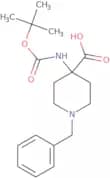
CAS:<p>N-Methyl-N-boc-aminopropan-3-ol is a fine chemical with CAS No. 98642-44-5 that is used in the synthesis of complex compounds, as a reagent for research chemicals, and as a speciality chemical. It is also used in the synthesis of versatile building blocks, reaction components and scaffolds. N-Methyl-N-boc-aminopropan-3-ol has a high quality and can be used as a versatile intermediate or a useful scaffold.</p>Fórmula:C9H19NO3Pureza:Min. 95%Forma y color:Colourless To Pale Yellow LiquidPeso molecular:189.25 g/mol1-Benzyl-4-((tert-butoxycarbonyl)amino)piperidine-4-carboxylic acid
CAS:<p>Please enquire for more information about 1-Benzyl-4-((tert-butoxycarbonyl)amino)piperidine-4-carboxylic acid including the price, delivery time and more detailed product information at the technical inquiry form on this page</p>Fórmula:C18H26N2O4Pureza:Min. 95%Peso molecular:334.41 g/mol3-[[[2-[(Aminoiminomethyl)amino]-4-thiazolyl]methyl]sulfinyl]-N-(aminosulfonyl)propanamide
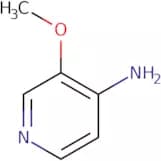
CAS:<p>Please enquire for more information about 3-[[[2-[(Aminoiminomethyl)amino]-4-thiazolyl]methyl]sulfinyl]-N-(aminosulfonyl)propanamide including the price, delivery time and more detailed product information at the technical inquiry form on this page</p>Fórmula:C8H14N6O4S3Pureza:Min. 95%Peso molecular:354.43 g/mol4-Amino-3-methoxypyridine
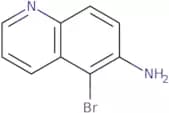
CAS:<p>4-Amino-3-methoxypyridine (4AMMP) is a naturally occurring amino acid that can be found in the nuclei of innervated tissues. It is an inhibitor of the enzyme tyrosine hydroxylase and inhibits the synthesis of catecholamines. The concentration of 4AMMP in blood was measured by radioactivity. This agent has been used for studies on the thalamic nucleus and cortex, as well as for measuring catecholamine levels in tissue homogenates.</p>Fórmula:C6H8N2OPureza:Min. 95%Peso molecular:124.14 g/mol5-Bromoquinolin-6-amine
CAS:<p>Please enquire for more information about 5-Bromoquinolin-6-amine including the price, delivery time and more detailed product information at the technical inquiry form on this page</p>Fórmula:C9H7BrN2Pureza:Min. 95%Peso molecular:223.07 g/mol2-[(5-Chloropyridin-2-yl)amino]-2-oxoacetic acid ethyl ester monohydrochloride
CAS:<p>Intermediate in the synthesis of edoxaban</p>Fórmula:C9H9ClN2O3·HClPureza:Min. 95%Peso molecular:265.09 g/moltrans-1,2-Diaminocyclohexane-N,N,N',N'-tetraacetic acid monohydrate
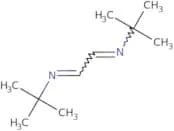
CAS:<p>Trans-1,2-Diaminocyclohexane-N,N,N',N'-tetraacetic acid monohydrate (CDTA) is a chelating agent that has been shown to be effective in the treatment of some cancers. CDTA has been shown to inhibit the growth of tumor cells by binding to lysine residues on histones and DNA and inhibiting their acetylation. CDTA also prevents the genotoxicity induced by irradiation. CDTA can be used as an adjuvant in cancer therapy due to its ability to inhibit histone deacetylase activity. Trans-1,2-Diaminocyclohexane-N,N,N',N'-tetraacetic acid monohydrate is synthesized from two amino acids: lysine and glutamic acid. This molecule is a polymeric compound composed of cyclic molecules linked together through amide bonds. These polymers are linear chains of</p>Fórmula:C14H22N2O8·H2OForma y color:White PowderPeso molecular:364.35 g/molN,N'-Ethane-1,2-diylidenebis(2-methylpropan-2-amine)
CAS:<p>Please enquire for more information about N,N'-Ethane-1,2-diylidenebis(2-methylpropan-2-amine) including the price, delivery time and more detailed product information at the technical inquiry form on this page</p>Fórmula:C10H20N2Pureza:Min. 95%Forma y color:PowderPeso molecular:168.28 g/mol4-Piperidylformylaminomethyl resin (200-400 mesh)
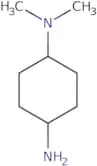
Please enquire for more information about 4-Piperidylformylaminomethyl resin (200-400 mesh) including the price, delivery time and more detailed product information at the technical inquiry form on this pagePureza:Min. 95%Forma y color:SolidN,N-Dimethyl-cyclohexane-1,4-diamine
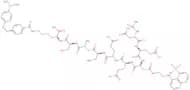
CAS:<p>Please enquire for more information about N,N-Dimethyl-cyclohexane-1,4-diamine including the price, delivery time and more detailed product information at the technical inquiry form on this page</p>Fórmula:C8H18N2Pureza:Min. 95%Peso molecular:142.24 g/molAc-Asp-Glu-Asp(EDANS)-Glu-Glu-Abu-L-lactoyl-Ser-Lys(DABCYL)-NH2 ammonium salt
CAS:Please enquire for more information about Ac-Asp-Glu-Asp(EDANS)-Glu-Glu-Abu-L-lactoyl-Ser-Lys(DABCYL)-NH2 ammonium salt including the price, delivery time and more detailed product information at the technical inquiry form on this pageFórmula:C68H89N15O25SPureza:Min. 95%Peso molecular:1,548.59 g/mol(aR)-a-[[[2-(4-Aminophenyl)ethyl]amino]methyl]-benzenemethanol
CAS:Please enquire for more information about (aR)-a-[[[2-(4-Aminophenyl)ethyl]amino]methyl]-benzenemethanol including the price, delivery time and more detailed product information at the technical inquiry form on this pageFórmula:C16H20N2OPureza:Min. 95%Forma y color:PowderPeso molecular:256.34 g/moltert-Butyl6-[(1e)-2-[4-(4-fluorophenyl)-6-(1-methylethyl)-2-[methyl(methylsulfonyl)amino]-5-pyrimidinyl]ethenyl]-2,2-dimethyl-1,3-di oxane-4-acetate
CAS:<p>Please enquire for more information about tert-Butyl6-[(1e)-2-[4-(4-fluorophenyl)-6-(1-methylethyl)-2-[methyl(methylsulfonyl)amino]-5-pyrimidinyl]ethenyl]-2,2-dimethyl-1,3-di oxane-4-acetate including the price, delivery time and more detailed product information at the technical inquiry form on this page</p>Fórmula:C29H40FN3O6SPureza:Min. 95%Peso molecular:577.71 g/molAc-Val-Met-[(2S,4S,5S)-5-amino-4-hydroxy-2-isopropyl-7-methyl-octanoyl]-Ala-Glu-Phe-OH trifluoroacetate salt
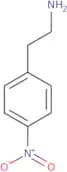
CAS:<p>Please enquire for more information about Ac-Val-Met-[(2S,4S,5S)-5-amino-4-hydroxy-2-isopropyl-7-methyl-octanoyl]-Ala-Glu-Phe-OH trifluoroacetate salt including the price, delivery time and more detailed product information at the technical inquiry form on this page</p>Fórmula:C41H66N6O11SPureza:Min. 95%Peso molecular:851.06 g/mol4-Nitrophenethylamine
CAS:Producto controlado<p>4-Nitrophenethylamine is a synthetic chemical that is used as an antigen to raise antibodies. It is used in the detection of chemical substances that are associated with the production of histamine and acetylcholine. This chemical has been shown to inhibit the reaction between nitro and acylation, which can lead to the formation of carcinogenic nitrosamines. 4-Nitrophenethylamine also has an inhibitory effect on oxidases and amines, which are enzymes found in cells. This chemical binds to amide groups in proteins and inhibits their activity.</p>Fórmula:C8H10N2O2Pureza:Min. 95%Forma y color:LiquidPeso molecular:166.18 g/mol2-Chloro-4-hydroxybenzylamine hydrochloride
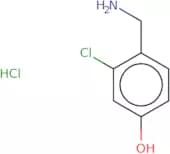
CAS:<p>2-Chloro-4-hydroxybenzylamine hydrochloride is a versatile chemical that can be used as a reaction component, reagent, or useful scaffold in the synthesis of many organic compounds. It has a CAS number of 2418727-24-7 and is a fine chemical. This compound has been shown to be useful in the manufacture of other chemical products such as pharmaceuticals, pesticides, and dyestuffs.</p>Fórmula:C7H8ClNO·HClPureza:Min. 95%Forma y color:Brown PowderPeso molecular:194.06 g/molN-(Fmoc-5-amino-3-oxa-pentyl)succinamic acid
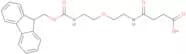
CAS:<p>N-(Fmoc-5-amino-3-oxa-pentyl)succinamic acid is a high quality chemical that is used as an intermediate in the production of pharmaceuticals and other fine chemicals. It is also a reagent for use in peptide synthesis. N-(Fmoc-5-amino-3-oxa-pentyl)succinamic acid has a CAS No. 669073-62-5 and can be used as a useful scaffold for the production of complex compounds. This compound is also useful for research purposes, due to its versatility as a building block with speciality chemical applications.</p>Fórmula:C23H26N2O6Pureza:Min. 95%Peso molecular:426.46 g/molAmmonium isothiocyanate
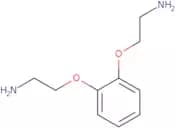
CAS:Ammonium thiocyanate is a natural compound that is found in the blood of humans and animals. It binds to an antigen-binding molecule and has been shown to be effective against infectious diseases. Ammonium thiocyanate is toxic, so it should only be administered as a last resort for treatment. The toxicity of ammonium thiocyanate can be reduced by complexing with copper chloride or zirconium oxide. Ammonium thiocyanate has also been shown to have high redox potentials, which are indicative of its ability to donate electrons. These properties make ammonium thiocyanate an ideal candidate for use in electrochemical impedance spectroscopy experiments.Fórmula:CH4N2SPureza:Min. 95%Forma y color:PowderPeso molecular:76.12 g/molO-Bis(2-aminoethoxy)benzene
CAS:O-Bis(2-aminoethoxy)benzene is a cyclic compound that has a predominantly thionyl character. It has an amide group, which is formed by the condensation of two carboxylic acids. O-Bis(2-aminoethoxy)benzene can act as a ligand for metal ions in the form of an anion or chloride ion, and it also interacts with neutral ligands. This compound can be used to prepare ferrocenyl derivatives through alkylation. The interaction between O-Bis(2-aminoethoxy)benzene and ferrocene was studied using voltammetry.Fórmula:C10H16N2O2Pureza:Min. 95%Peso molecular:196.25 g/mol(R,S)-α-Amino-3-hydroxy-5-methyl-4-isoxazolepropionic acid hydrobromide
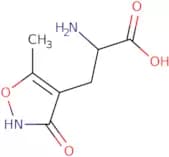
CAS:<p>(R,S)-AMPA is a synthetic analog of the excitatory neurotransmitter glutamate, specifically designed to activate AMPA receptors, a subtype of ionotropic glutamate receptors. These receptors are pivotal in mediating fast synaptic transmission in the central nervous system. (R,S)-AMPA serves as a prototypical agonist for AMPA receptors, facilitating the study of receptor function and synaptic plasticity.</p>Fórmula:C7H10N2O4•HBrPureza:Min. 95%Peso molecular:267.08 g/molL-2,3-Diaminopropionicacid
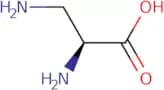
CAS:<p>L-2,3-Diaminopropionic acid is a diamine with an asymmetric carbon atom. It has been used to synthesize antimicrobial peptides and has also shown hemolytic activity in vitro. L-2,3-Diaminopropionic acid is stable when exposed to water vapor, which may make it useful for the treatment of cancer tissues. This molecule has been shown to have significant cytotoxicity against human leukemia cells and is able to inhibit the growth of various bacteria by inhibiting protein synthesis in the ribosome. L-2,3-Diaminopropionic acid also inhibits the enzyme enolase and reduces the production of ATP in cells.</p>Fórmula:C3H8N2O2Pureza:Min. 95%Peso molecular:104.11 g/molH-Arg-epsilon-aminocaproyl-Arg-epsilon-aminocaproyl-Arg-epsilon-aminocaproyl-Arg-epsilon-aminocaproyl-Arg-epsilon-aminocaproyl-Arg-e psilon-aminocaproyl-Arg-OH trifluoroacetate salt
CAS:<p>Please enquire for more information about H-Arg-epsilon-aminocaproyl-Arg-epsilon-aminocaproyl-Arg-epsilon-aminocaproyl-Arg-epsilon-aminocaproyl-Arg-epsilon-aminocaproyl-Arg-e psilon-aminocaproyl-Arg-OH trifluoroacetate salt including the price, delivery time and more detailed product information at the technical inquiry form on this page</p>Fórmula:C78H152N34O14Pureza:Min. 95%Peso molecular:1,790.26 g/molN-(3-Dimethylaminopropyl)acrylamide, stabilized with MEHQ
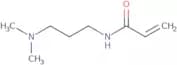
CAS:<p>N-(3-Dimethylaminopropyl)acrylamide is a polymerization initiator that is used in the synthesis of polymers. It is also a model protein, which can be used to study bacterial growth rates and tissue metabolism. N-(3-Dimethylaminopropyl)acrylamide has been shown to have biological properties similar to human serum, as well as to serve as a model for primary cells. The FT-IR spectroscopy of N-(3-Dimethylaminopropyl)acrylamide reveals the presence of chloride ions in its molecular structure. The reaction mechanism for this compound has been determined by deionized water and ionic reactions with chloride ions.</p>Fórmula:C8H16N2OPureza:Min. 95%Peso molecular:156.23 g/mol3-Amino-4-methyl-thiophen-2-carboxylic acid methyl ester
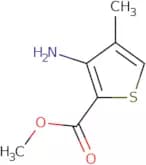
CAS:<p>3-Amino-4-methylthiophen-2-carboxylic acid methyl ester (3AMTC) is a novel compound that has been shown to have antihypertensive activity, as well as other pharmacological actions. 3AMTC is an allosteric modulator of α7 nicotinic acetylcholine receptors, which are found in the central and peripheral nervous system. The efficacy of 3AMTC was evaluated using magnetic resonance spectroscopy to measure the effects on mouse tumor cells. This compound showed no carcinogenic potential, which may be due to its inability to cross the blood brain barrier.</p>Pureza:Min. 95%Peso molecular:171.22 g/mol2-Aminoethanesulphonamide monohydrochloride
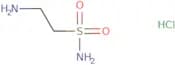
CAS:<p>2-Aminoethanesulphonamide monohydrochloride is a perovskite with a hexagonal shape. It has been shown to interact with the pharmacophore of the enzyme cytochrome P450, and it has been optimized for the reaction by altering its structure. This product is soluble in gaseous form, but can also be used as a solid. 2-Aminoethanesulphonamide monohydrochloride has an absorption maximum at 325 nm and emits fluorescence at 420 nm. It is used in devices that detect ionizing radiation.</p>Fórmula:C2H8N2O2S•HClPureza:Min. 95%Forma y color:PowderPeso molecular:160.62 g/molPiroctone olamine
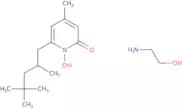
CAS:<p>Piroctone olamine is a detergent composition that has been used to treat skin conditions and in the laboratory as an experimental infection model. It is a fatty acid that belongs to the family of ester compounds, which are antimicrobial agents. Piroctone olamine has been shown to decrease dry weight by inhibiting lipid synthesis. It is also an environmental pollutant that can be found in water, soil, and air. There are no known adverse effects in humans or animals when piroctone olamine is used at low concentrations.</p>Fórmula:C14H23NO2·C2H7NOPureza:Min. 96 Area-%Forma y color:PowderPeso molecular:298.42 g/mol2-Aminoacetophenone hydrochloride
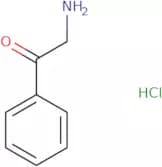
CAS:Producto controlado<p>2-Aminoacetophenone hydrochloride is a chemical compound that is used in analytical chemistry as a reagent for the determination of protein and amino acid concentrations. This reagent can be prepared in various forms, depending on the type of analysis being performed. 2-Aminoacetophenone hydrochloride is used to determine the concentration of free amino acids in a sample by binding to it. It can also be used for determining the concentration of bound amino acids by reacting with them with hydrochloric acid. 2-Aminoacetophenone hydrochloride is an excellent substrate for matrix effect, which may cause errors in measurement due to interference from other substances present in the sample. The use of light exposure reduces this problem by removing interfering substances from the sample.</p>Fórmula:C8H9NO·HClPureza:Min. 95%Forma y color:PowderPeso molecular:171.62 g/mol2-[[2-(Dimethylaminomethyl)-1,3-thiazol-4-yl]methylsulfanyl]ethanamine
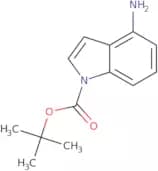
CAS:<p>2-[[2-(Dimethylaminomethyl)-1,3-Thiazol-4-Yl]Methylsulfanyl]Ethanamine is a compound that exhibits unique characteristics and properties. It has a high viscosity and is commonly used as a plasticizer in polyvinyl materials. The compound contains hydroxyl groups that contribute to its versatility in various applications.<br><br>One notable feature of 2-[[2-(Dimethylaminomethyl)-1,3-Thiazol-4-Yl]Methylsulfanyl]Ethanamine is its ability to interact with TGF-beta (transforming growth factor beta), a protein involved in cell growth and differentiation. This interaction can modulate the signaling pathways regulated by TGF-beta, making it potentially useful in biomedical research.<br><br>The compound also possesses photoreactive properties, particularly when combined with benzoate derivatives. This makes it suitable for use in photoreactions and other light-induced processes.<br><br>Additionally, 2-[[2</p>Fórmula:C9H17N3S2Pureza:Min. 95%Peso molecular:231.38 g/mol1-Boc-4-aminoindole
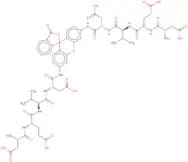
CAS:<p>Please enquire for more information about 1-Boc-4-aminoindole including the price, delivery time and more detailed product information at the technical inquiry form on this page</p>Fórmula:C13H16N2O2Pureza:Min. 95%Peso molecular:232.28 g/mol(H-Asp-Glu-Val-Asp)2-Rhodamine 110 trifluoroacetate salt
CAS:<p>Please enquire for more information about (H-Asp-Glu-Val-Asp)2-Rhodamine 110 trifluoroacetate salt including the price, delivery time and more detailed product information at the technical inquiry form on this page</p>Fórmula:C56H66N10O23Pureza:Min. 95%Peso molecular:1,247.18 g/mol3,5-Dimethyl-4H-1,2,4-triazol-4-amine
CAS:<p>3,5-Dimethyl-4H-1,2,4-triazol-4-amine is a crystalline compound with antiproliferative and anti-inflammatory properties. It has been shown to inhibit the growth of cancer cells in vitro and in vivo. The mechanism of action is not fully understood but may be due to inhibition of DNA synthesis or by inhibiting the activity of topoisomerase II. 3,5-Dimethyl-4H-1,2,4-triazol-4-amine can also act as an antioxidant by scavenging reactive oxygen species (ROS). 3,5-Dimethyl-4H-1,2,4-triazol-4-amine has been shown to have a low toxicity in animals and humans.</p>Fórmula:C4H8N4Pureza:Min. 95%Peso molecular:112.13 g/molDABCYL-(Asn670,Leu671)-Amyloid b/A4 Protein Precursor770 (661-675)-EDANS ammonium salt
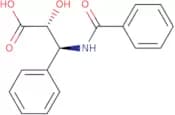
CAS:<p>Please enquire for more information about DABCYL-(Asn670,Leu671)-Amyloid b/A4 Protein Precursor770 (661-675)-EDANS ammonium salt including the price, delivery time and more detailed product information at the technical inquiry form on this page</p>Fórmula:C103H146N22O32SPureza:Min. 95%Peso molecular:2,236.46 g/molN-Benzoyl-(2R,3S)-3-amino-2-hydroxy-3-phenyl-propionicacid
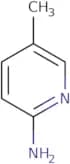
CAS:<p>N-Benzoyl-(2R,3S)-3-amino-2-hydroxy-3-phenylpropionic acid (BAPA) is a substance that is used in the manufacture of various drugs. It is also a potent anticancer drug that can be used for the treatment of cancer. BAPA has been shown to be an effective chemotherapeutic agent against many types of cancer cells. This drug is synthesized through an asymmetric synthesis process and has been shown to have potent cytotoxic effects against cancer cells with low levels of glutathione peroxide reductase. BAPA also inhibits the growth of bacteria by hydrolyzing or oxidizing proteins or by binding to DNA and RNA.</p>Fórmula:C16H15NO4Pureza:Min. 95%Peso molecular:285.29 g/mol2-Amino-5-methylpyridine
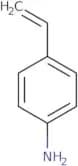
CAS:<p>2-Amino-5-methylpyridine is a chemical compound that belongs to the group of methyl ketones. It has a nitrogen atom and an oxygen atom in its structure, which allows it to form hydrogen bonds with other molecules. 2-Amino-5-methylpyridine can be obtained by reacting hydrochloric acid and xanthone in the presence of a base. The compound is highly reactive and has been shown to have antiinflammatory properties. This can be attributed to its ability to inhibit prostaglandin synthesis. 2-Amino-5-methylpyridine also has fluorescence properties that are sensitive to pH changes and can be used as a probe for metal ions.<br>2-Amino-5-methylpyridine is an organic compound that contains a methyl group, two nitrogen atoms, and one oxygen atom in its chemical structure. This molecule can form hydrogen bonds with other molecules due to its nitrogen atoms and oxygen atom,</p>Fórmula:C6H8N2Pureza:Min. 95%Forma y color:PowderPeso molecular:108.14 g/mol4-Aminostyrene
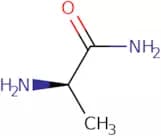
CAS:4-Aminostyrene is a chemical compound that belongs to the class of ethylene diamines. It is a photoelectron acceptor and can be used as a cross-linking agent. 4-Aminostyrene reacts with nitro groups to form polycarboxylic acid amines, which are used in the preparation of model proteins. The use of 4-aminostyrene is limited by its high reactivity with oxygen and light, which leads to degradation.Fórmula:C8H9NPureza:Min. 95%Forma y color:Liquid.Peso molecular:119.16 g/mol(2R)-2-Aminopropanamide
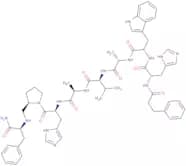
CAS:<p>(2R)-2-Aminopropanamide is a chemical compound that is classified as an amide. It has been shown to inhibit bacterial growth and induce apoptosis in mammalian cells, but not in bacteria. This drug has a number of hydrogen bonding interactions with the carbonyl group and amide functional groups and can bind to affinity ligands with hydrogen bonding interactions. (2R)-2-Aminopropanamide inhibits the activity of enzymes that are involved in the synthesis of d-alanine, which is a precursor for protein synthesis. It also inhibits the enzyme glutamine synthase, which plays a key role in building up nitrogen reserves in bacteria. The drug binds to DNA by forming hydrogen bonds with the phosphate backbone and intercalates into double-stranded DNA by forming van der Waals interactions with base pairs.</p>Fórmula:C3H8N2OPureza:Min. 95%Peso molecular:88.11 g/mol(Deamino-Phe19,D-Ala24,D-Pro26-psi(CH2NH)Phe27)-GRP (19-27) (human, porcine, canine) trifluoroacetate salt
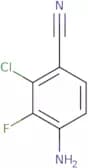
CAS:<p>Please enquire for more information about (Deamino-Phe19,D-Ala24,D-Pro26-psi(CH2NH)Phe27)-GRP (19-27) (human, porcine, canine) trifluoroacetate salt including the price, delivery time and more detailed product information at the technical inquiry form on this page</p>Fórmula:C57H72N14O8Pureza:Min. 95%Peso molecular:1,081.27 g/mol4-Amino-2-chloro-3-fluorobenzonitrile
CAS:<p>Please enquire for more information about 4-Amino-2-chloro-3-fluorobenzonitrile including the price, delivery time and more detailed product information at the technical inquiry form on this page</p>Fórmula:C7H4ClFN2Pureza:Min. 95%Peso molecular:170.57 g/mol2-Amino-4-fluorobenzonitrile
CAS:<p>2-Amino-4-fluorobenzonitrile is a chemical compound that can be used as a radioprotectant. It is also an intermediate in the synthesis of other compounds, such as methoxycyanamides and hypervalent amines. 2-Amino-4-fluorobenzonitrile has shown to have anti-tumour effects by scavenging free radicals. This chemical can be used to produce formic acid or bisphosphonates.</p>Fórmula:C7H5FN2Pureza:Min. 95%Forma y color:PowderPeso molecular:136.13 g/molGly-Amyloid b-Protein (15-25)-Gly-epsilon-aminocaproyl(-Lys)6
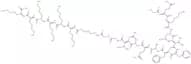
CAS:<p>Please enquire for more information about Gly-Amyloid b-Protein (15-25)-Gly-epsilon-aminocaproyl(-Lys)6 including the price, delivery time and more detailed product information at the technical inquiry form on this page</p>Fórmula:C105H178N28O26Pureza:Min. 95%Peso molecular:2,248.71 g/mol5-Chloro-2-nitrodiphenylamine
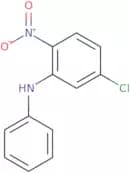
CAS:<p>5-Chloro-2-nitrodiphenylamine is a synthetic dyestuff that belongs to the class of acridones. It can be used as an anti-epileptic drug, although it has not been approved for this use in any country. 5-Chloro-2-nitrodiphenylamine is manufactured by reacting a 6-carboxylic acid with an organic solvent and ammonolysis. This chemical is also known as 6'-chloroacridone and is used in the production of dyes and pigments. The manufacturing process produces impurities such as chloride, which must be removed by evaporation. Nitro groups are introduced during the manufacturing process to improve the dye's stability and color fastness under light exposure.</p>Fórmula:C12H9ClN2O2Pureza:Min. 95%Forma y color:Orange To Red SolidPeso molecular:248.66 g/molN,N,N',N'-Tetrakis(4-aminophenyl)-1,4-phenylenediamine
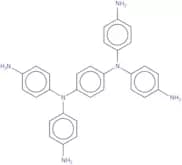
CAS:<p>TPD is a versatile building block and intermediate that is used as a research chemical and speciality chemical. TPD is an important and useful scaffold in organic chemistry, which can be used to produce various compounds. It is also a reagent for the synthesis of low-molecular-weight compounds with a wide range of applications, such as pharmaceuticals, agrochemicals, dyes, fragrances, etc. TPD is soluble in water and can be easily purified by recrystallization or column chromatography. TPD has been shown to have high quality and purity because it does not contain any impurities.</p>Fórmula:C30H28N6Pureza:Min. 95%Forma y color:Brown PowderPeso molecular:472.59 g/mol4-Piperidylacetylaminomethyl resin (200-400 mesh)
<p>Please enquire for more information about 4-Piperidylacetylaminomethyl resin (200-400 mesh) including the price, delivery time and more detailed product information at the technical inquiry form on this page</p>Pureza:Min. 95%Isoprenaline sulphate dihydrate
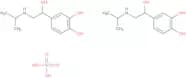
CAS:<p>4-[1-Hydroxy-2-[(1-methylethyl)amino]ethyl]-1,2-benzenediol sulfate dihydrate (benserazide) is a cholinergic agent that has been shown to increase the release of acetylcholine by acting as an agonist at nicotinic receptors. It increases the amount of acetylcholine released in the brain and can be used for the treatment of Alzheimer's disease. Benserazide has also been shown to have a depressant effect on the respiratory system, which can be beneficial for lung diseases. This drug also has anti-inflammatory properties and can inhibit growth factor synthesis.</p>Fórmula:C22H34N2O6·H2SO4·2H2OPureza:Min. 95%Forma y color:PowderPeso molecular:520.59 g/molEthylammonium Tetrafluoroborate
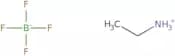
CAS:Producto controlado<p>Ethylammonium tetrafluoroborate is an ionic liquid that is a colorless, nonvolatile liquid at room temperature. It has a melting point of -9 °C and a boiling point of 230 °C. This compound is soluble in water and organic solvents, but insoluble in diethyl ether. Ethylammonium tetrafluoroborate can be used as an electrolyte for lithium-ion batteries. The reversible oxidation reaction of ethylammonium tetrafluoroborate can be catalyzed by the addition of fluorine or carbonyl groups to the molecule. The NMR spectra of ethylammonium tetrafluoroborate show that it contains an alcohol group with a phase transition temperature near 35 °C and an activation energy near 15 kJ/mol. This compound also undergoes polymerization reactions with various types of monomers, such as vinyl acetate and methyl methacrylate,</p>Fórmula:C2H7BF4NPureza:Min. 95%Forma y color:PowderPeso molecular:131.89 g/mol(7-Diethylaminocoumarin-3-yl)carbonyl-Amyloid b-Protein (1-40) trifluoroacetate salt
CAS:<p>Please enquire for more information about (7-Diethylaminocoumarin-3-yl)carbonyl-Amyloid b-Protein (1-40) trifluoroacetate salt including the price, delivery time and more detailed product information at the technical inquiry form on this page</p>Fórmula:C208H308N54O61SPureza:Min. 95%Peso molecular:4,573.06 g/mol(S)-2-Aminobutyramide hydrochloride
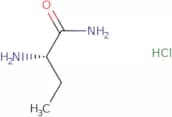
CAS:(S)-2-Aminobutyramide hydrochloride is a chiral amide compound, which is utilized primarily in scientific research settings. This compound is typically synthesized through the resolution of racemic mixtures or other specialized chemical processes that ensure the purity and stereospecificity required for research purposes.The mode of action of (S)-2-Aminobutyramide hydrochloride revolves around its role as an intermediate in chemical synthesis, serving as a building block for the production of more complex molecules. It has a noteworthy chiral configuration, which makes it an essential component in the formation of enantiomerically pure substances. This aspect is crucial in fields like pharmaceuticals, where stereochemistry can significantly impact biological activity.Its applications extend to various domains such as the synthesis of therapeutic agents, biochemical research, and the development of novel materials. Researchers value it for its ability to contribute to the fine-tuning of molecular assemblies, making it indispensable in studies focused on the interaction and function of chiral molecules. The hydrochloride form aids in its stability and solubility, which are important attributes for laboratory manipulation and experimentation.Fórmula:C4H10N2O•HClPureza:Min. 95%Forma y color:White PowderPeso molecular:138.6 g/mol2-Methoxy-5-[[(phenylmethyl)sulfonyl]methyl]benzenamine
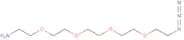
CAS:3-Amino-4-methoxybenzyl sulphone is a high quality, versatile building block that is used in the synthesis of complex compounds. It is a reagent that can be used for reactions such as the coupling of amines and carboxylic acids. 3-Amino-4-methoxybenzyl sulphone is also useful in the synthesis of pharmaceuticals and speciality chemicals. The compound has been shown to react with other substances, such as thiols and alcohols, to form new materials with interesting properties.Fórmula:C15H17NO3SPureza:Min. 95%Forma y color:PowderPeso molecular:291.37 g/molO-(2-Aminoethyl)-O’-(2-azidoethyl)triethylene glycol
CAS:<p>O-(2-Aminoethyl)-O’-(2-azidoethyl)triethylene glycol is a programmed cell death inducer that belongs to the family of adp-ribose signaling molecules. It is active in inducing apoptosis and cellular death in both cancer cells and noncancerous cells. This molecule has been shown to be cytotoxic against breast cancer cells from MDA-MB-231 cell lines and also induces apoptosis in these cells.</p>Fórmula:C10H22N4O4Pureza:Min. 96%Forma y color:Colorless Slightly Yellow Clear LiquidPeso molecular:262.31 g/mol3-(Boc-amino)pyridine
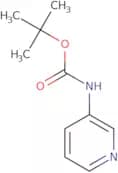
CAS:<p>3-(Boc-amino)pyridine is a glycine derivative with a trigonal, chelate ring. It can be hydrolyzed by acid to form 3-aminopyridine. 3-(Boc-amino)pyridine has been shown to react with trimethyltin chloride to form an intramolecular complex in the presence of alkyllithiums. This reaction proceeds through lithiation and methylation of the carboxyl group of 3-(Boc-amino)pyridine. The interaction between 3-(Boc-amino)pyridine and trimethyltin chloride forms an antiaromatic six membered ring that resembles a benzene molecule.</p>Fórmula:C10H14N2O2Pureza:Min. 95%Peso molecular:194.23 g/mol4-Dimethylamino antipyrine
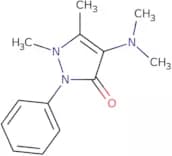
CAS:Producto controlado<p>4-Dimethylamino antipyrine is an aminopyrine derivative that has been shown to inhibit the growth of certain bacteria. It has chemiluminescence properties, which are due to its ability to release electrons from electron donor molecules. 4-Dimethylamino antipyrine has been used as a substrate for in vitro assays measuring the activity of enzymes such as growth factor-β1, pge2 levels and hepatic enzyme activities. 4-Dimethylamino antipyrine also has electrochemical impedance spectroscopy (EIS) properties, which allow it to be used in drug interactions studies. The drug can be measured using a sodium salt assay and aminophenazone as a probe molecule. In addition, amidopyrine can be used as a probe molecule for the measurement of 4-dimethylamino antipyrine because they have similar chemical structures.</p>Fórmula:C13H17N3OPureza:Min. 95%Forma y color:PowderPeso molecular:231.29 g/molTCO-amine hydrochloride
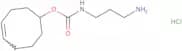
CAS:Please enquire for more information about TCO-amine hydrochloride including the price, delivery time and more detailed product information at the technical inquiry form on this pageFórmula:C12H22N2O2•HClPureza:Min. 95%Forma y color:PowderPeso molecular:262.78 g/molOM99-2trifluoroacetate salt
CAS:<p>Please enquire for more information about OM99-2trifluoroacetate salt including the price, delivery time and more detailed product information at the technical inquiry form on this page</p>Fórmula:C41H64N8O14Pureza:Min. 95%Peso molecular:892.99 g/mol6-Amino-1H-benzimidazole
CAS:<p>6-Amino-1H-benzimidazole is a molecule with the amino function. It has been shown to have antitumor activity in cell culture and in vivo in mice. 6-Amino-1H-benzimidazole inhibits the proliferation of human immunoglobulin (Ig) G+ cells, which are involved in antibody production, by binding to a specific site on IgG molecules. The compound also has biological effects on human serum and a skeleton protein. 6-Amino-1H-benzimidazole is a small molecule that can be easily synthesized and has been shown to have potential as a drug candidate for cancer treatment or other diseases involving the immune system.</p>Fórmula:C7H7N3Pureza:Min. 95%Peso molecular:133.15 g/molBoc-15-amino-4,7,10,13-tetraoxapentadecanoic acid
CAS:Boc-15-amino-4,7,10,13-tetraoxapentadecanoic acid is a PEG compound with two different functional groups (also known as heterobifunctional). Unlike homobifunctional PEG compounds (same functional group on both ends), this type of compounds are more versatile as have two different anchor points. Boc-15-amino-4,7,10,13-tetraoxapentadecanoic acid is used as a linker and spacer to add a PEG moiety, via pegylation (a bioconjugation technique) to proteins, peptides, oligonucleotides, small molecules and nanoparticles.Fórmula:C16H31NO8Pureza:Min. 95%Peso molecular:365.42 g/molEthyl 3-(pyridin-2-ylamino)propanoate
CAS:<p>Ethyl 3-(pyridin-2-ylamino)propanoate is a thrombin inhibitor that can be used for the treatment of cancer. Ethyl 3-(pyridin-2-ylamino)propanoate is a reactive, profile compound with electrons and hydrogen bonds. It has been shown to have anticancer activity in vitro and in vivo, inhibiting tumor cell growth by inhibiting DNA synthesis. This molecule also has anti-inflammatory properties, which may be due to its ability to inhibit platelet aggregation.</p>Fórmula:C10H14N2O2Pureza:Min. 95 Area-%Forma y color:PowderPeso molecular:194.23 g/mol(2S)-2-Amino-4-methyl-1-[(2R)-2-methyloxiranyl]-1-pentanone trifluoroacetate
CAS:Producto controlado<p>Please enquire for more information about (2S)-2-Amino-4-methyl-1-[(2R)-2-methyloxiranyl]-1-pentanone trifluoroacetate including the price, delivery time and more detailed product information at the technical inquiry form on this page</p>Fórmula:C9H17NO2•C2HF3O2Pureza:Min. 95%Forma y color:PowderPeso molecular:285.26 g/mol3-Amino-4-hydroxybenzoic acid hydrochloride
CAS:<p>3-Amino-4-hydroxybenzoic acid hydrochloride (3ABA) is a crystalline compound with a molecular formula of C6H5NO2. It is an acidic compound that is soluble in water and alcohol, but not in ether. 3ABA has been used as the starting material for the synthesis of many other organic compounds. It can be obtained by reacting phenol with chlorobenzoyl chloride to form the chlorobenzoate salt, which on hydrolysis yields 3ABA. This compound has also been used as a reagent for synthesizing carbon nanotubes. The crystal structure of 3ABA was determined using X-ray diffraction data from crystallographic studies, and it was found to have three independent molecules per unit cell. Diffraction indicated that each molecule is composed of two benzene rings joined by a single bond between carbon atoms 1 and 2 and another bond between carbon atoms 2 and 3.</p>Fórmula:C7H8ClNO3Pureza:Min. 95%Peso molecular:189.6 g/mol4-Amino-6-chloro-1,3-benzenedisulfonamide
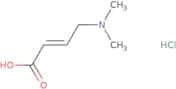
CAS:4-Amino-6-chloro-1,3-benzenedisulfonamide is a natural substance that has been used in Chinese medicine preparations for the treatment of cardiac problems. It belongs to the class of organic compounds called benzenedisulfonamides. 4-Amino-6-chloro-1,3-benzenedisulfonamide is produced by the bacterial enzyme aminase from amino acid and benzoic acid. The adsorption mechanism of 4-Amino-6-chloro-1,3-benzenedisulfonamide is not fully understood, but it is believed that the benzyl groups are key players in this process. The high affinity of 4-Amino-6-chloro1,3 benzenedisulfonamide to proteins may be due to its ability to form hydrogen bonds with protein side chains, such as serine or threonine residues. 4 AminoFórmula:C6H8ClN3O4S2Pureza:Min. 95%Forma y color:White To Light Brown SolidPeso molecular:285.73 g/moltrans 4-Dimethylaminocrotonic acid HCl
CAS:<p>Intermediate in the synthesis of afatinib</p>Fórmula:C6H12ClNO2Pureza:Min. 95%Forma y color:White To Off-White SolidPeso molecular:165.62 g/molFmoc-4-(neopentyloxysulfonyl)-Abu-OH (S)-2-(Fmoc-amino)-4-neopentyloxysulfonyl-butyric acid
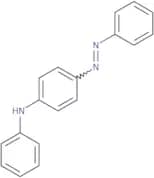
CAS:<p>Please enquire for more information about Fmoc-4-(neopentyloxysulfonyl)-Abu-OH (S)-2-(Fmoc-amino)-4-neopentyloxysulfonyl-butyric acid including the price, delivery time and more detailed product information at the technical inquiry form on this page</p>Fórmula:C24H29NO7SPureza:Min. 95%Peso molecular:475.56 g/mol4-(Phenylazo)diphenylamine
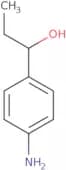
CAS:<p>4-(Phenylazo)diphenylamine is a phenylazodiphenyl amine that is soluble in nonpolar solvents. It has been used as a dye for the detection of heavy metals, such as mercury and lead. This compound can be synthesized by trimerization of nitrobenzene with ammonia and phenol in acidic conditions. 4-(Phenylazo)diphenylamine has been used for the detection of chloride ions, boron nitride, or other impurities in pharmaceutical products due to its high sensitivity.</p>Fórmula:C18H15N3Pureza:Min. 95%Peso molecular:273.33 g/mol4-Aminophenyl ethyl carbinol
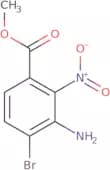
CAS:<p>Please enquire for more information about 4-Aminophenyl ethyl carbinol including the price, delivery time and more detailed product information at the technical inquiry form on this page</p>Fórmula:C9H13NOPureza:Min. 95%Forma y color:PowderPeso molecular:151.21 g/molMethyl 3-amino-4-bromo-2-nitrobenzoate
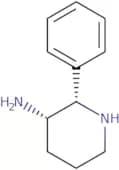
CAS:<p>Please enquire for more information about Methyl 3-amino-4-bromo-2-nitrobenzoate including the price, delivery time and more detailed product information at the technical inquiry form on this page</p>Fórmula:C8H7BrN2O4Pureza:Min. 95%Peso molecular:275.06 g/mol(2S,3S)-(-)-3-Amino-2-phenylpiperidine
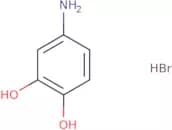
CAS:The process of asymmetric epoxidation is used to convert alkenes into epoxides in a single step. This reaction is catalyzed by the use of a chiral catalyst with an enantiomeric excess (ee) greater than 50%. The reactants are added to the catalyst and hydrogen peroxide, which oxidizes the alkenes. The resulting epoxides can be isolated from the reaction mixture by distillation or extraction. Factors that affect this reaction include the type of reactant, solvent, temperature, and pressure.Fórmula:C11H16N2Pureza:Min. 95%Peso molecular:176.26 g/mol4-Aminocatechol hydrobromide
CAS:<p>Please enquire for more information about 4-Aminocatechol hydrobromide including the price, delivery time and more detailed product information at the technical inquiry form on this page</p>Fórmula:C6H8NO2BrPureza:Min. 95%Forma y color:Black PowderPeso molecular:206.04 g/molTetraethylammonium tetrafluoroborate
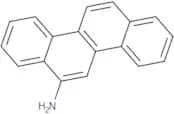
CAS:<p>Tetraethylammonium tetrafluoroborate is a diamagnetic chemical species that reacts with water, forming the hydrated salt tetraethylammonium hydroxide. Tetraethylammonium tetrafluoroborate has a high resistance to oxidation and reduction reactions. It can be used as an electrolyte in electrochemistry and as a thermal expansion agent in plastics. The potentials of this substance are around +1 V, which makes it useful for electrochemical impedance spectroscopy. Tetraethylammonium tetrafluoroborate is activated by organic solvents, but not by water vapor.</p>Fórmula:C8H20N·BF4Forma y color:White Off-White PowderPeso molecular:217.06 g/mol6-Aminochrysene
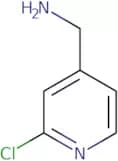
CAS:<p>Inhibitor of benzopyrene metabolism</p>Fórmula:C18H13NPureza:Min. 95%Forma y color:Slightly Yellow PowderPeso molecular:243.3 g/mol(2-Chloropyridin-4-yl)methanamine
CAS:<p>2-Chloropyridin-4-yl)methanamine is a hydrogenated molecule that has been shown to inhibit the activity of certain cancer cells. It inhibits the expression of the enzyme molecules involved in the synthesis of DNA and RNA. 2-Chloropyridin-4-yl)methanamine also inhibits the hydrolysis of hydrogen chloride (HCl) to produce hydrogen (H2). This drug is used as an inhibitor for medicines that require acidic pH for absorption, such as HCl.</p>Fórmula:C6H7ClN2Pureza:Min. 95%Peso molecular:142.59 g/molTRAP-6 ammonium acetate salt
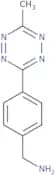
CAS:TRAP-6 is a biocompatible polymer that is used to prevent adhesion of platelets to the endothelium and activation of coagulation. TRAP-6 has been shown to be effective in preventing inflammatory bowel disease, as well as other bowel diseases, by inhibiting the release of inflammatory cytokines such as fibrinogen and erythropoietin. This drug has been shown to have clinical relevance in treating inflammatory bowel disease in animal models. TRAP-6 can also be used to inhibit the growth of bacteria by binding to bacterial cells or by inducing their death. In addition, TRAP-6 can bind with monoclonal antibodies and target specific cells for destruction.Fórmula:C34H56N10O9Pureza:Min. 95%Peso molecular:748.87 g/molMethyltetrazine amine
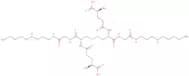
CAS:<p>A building block used for derivatization of carboxylic acids or activated esters with methytetrazine moiety. The stability of Methyltetrazine Amine is substantially improved compared to hydrogen substituted tetrazine-tmine. Superior stability of methyltetrazine-amine allows this reagent to be used in wider range of chemical transformations. Long-term storage of methyltetrazine-amine, especially in aqueous buffer, is also greatly improved compared to Tetrazine Amine.Supplied as the HCl salt</p>Fórmula:C10H11N5Pureza:Min. 95%Forma y color:PowderPeso molecular:201.23 g/molN1-Glutathionyl-spermidine disulfide [
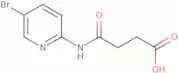
CAS:N1-Glutathionyl-spermidine disulfide (N1-GS) is a molecule that has been shown to have clinical use in the treatment of chronic hepatitis C infection. The N1-GS molecule is composed of a glutathione (GSH) scaffold with two sulfhydryl groups and an amino acid side chain. N1-GS has a hydrophobic nature, which allows it to penetrate the cellular membrane and enter cells. It is also able to form hydrogen bonds and act as a catalyst for reactions. Fluorescence analysis revealed that this molecule is selective for disulfides over thiols, amines, or alcohols. Disulfides are very important in biological systems since they can be found in enzymes, proteins, and cellular membranes. The insolubility of the N1-GS molecule makes it difficult to analyze its structure using traditional methods such as gas chromatography or nuclear magnetic resonance spectroscopy. However, fluorescenceFórmula:C34H66N12O10S2Pureza:Min. 95%Peso molecular:867.09 g/mol4-((5-Bromopyridin-2-yl)amino)-4-oxobutanoic acid
CAS:4-((5-Bromopyridin-2-yl)amino)-4-oxobutanoic acid (BABA) is a potent photosynthetic inhibitor that inhibits light-driven electron transport in chloroplasts. This inhibition of electron transport leads to the accumulation of reactive oxygen species and cellular dysfunction. BABA is used to induce dormancy in plants and is also used as a chemical inhibitor for arabidopsis thaliana, a type of plant commonly used in molecular biology research. Studies have shown that BABA inhibits the growth of fat cells, which may be due to its ability to inhibit protein synthesis, leading to decreased fat deposition. In addition, this drug has been shown to reduce eye disorders such as retinal degeneration and cataracts by inhibiting the production of reactive oxygen species, which causes oxidative stress.Fórmula:C9H9BrN2O3Pureza:(Elemental Analysis) Min. 97%Forma y color:PowderPeso molecular:273.08 g/mol4-Aminopicolinic acid
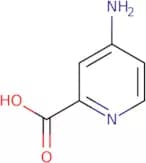
CAS:<p>4-Aminopicolinic acid is a synthetic amine that has been shown to activate plant science. 4-Aminopicolinic acid is a cyclic peptide with two subunits, one of which is 4-amino-3-pyridinecarboxylic acid. This compound has been synthesized from picolinic acid, an agriculturally important compound that is found in plant and animal tissues. The synthesis of 4-aminopicolinic acid involves the reaction of picolinic acid with nitrous oxide, followed by hydrolysis and oxidation to form the desired product. Hplc analyses have confirmed the presence of picolinic acid in extracts from various plants containing this compound.</p>Fórmula:C6H6N2O2Pureza:Min. 95%Forma y color:White To Beige Or Pink To Light Brown SolidPeso molecular:138.12 g/mol4-(Fmoc-hydrazino)-benzoylaminomethyl resin (200-400 mesh)
Please enquire for more information about 4-(Fmoc-hydrazino)-benzoylaminomethyl resin (200-400 mesh) including the price, delivery time and more detailed product information at the technical inquiry form on this pagePureza:Min. 95%Fmoc-4-methoxy-4'-(gamma-carboxypropyloxy)-benzhydrylamine linked to Alanyl-aminomethyl resin (200-400 mesh)
<p>Please enquire for more information about Fmoc-4-methoxy-4'-(gamma-carboxypropyloxy)-benzhydrylamine linked to Alanyl-aminomethyl resin (200-400 mesh) including the price, delivery time and more detailed product information at the technical inquiry form on this page</p>Pureza:Min. 95%N,N-Dimethyl-1,1,2,2-tetrafluoroethylamine
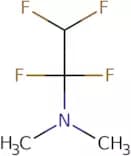
CAS:Dimethyl 1,1,2,2-tetrafluoroethylamine (DMTFEA) is a fluorinated compound that contains a cyclohexane ring. It can be synthesized using pyrazoles and reaction solution. DMTFEA has functional groups such as halides, fluorine and chlorine. DMTFEA is acidic and has the structural formula of CF3CF=N-CH2CH2COOH. This chemical can also be synthesized by reacting chloroacetic acid with dimethylamine. The pharmacokinetic properties of DMTFEA are not well-known, but it does have ester compounds that are synthetic in nature.Fórmula:C4H7F4NPureza:Min. 95%Peso molecular:145.1 g/molN-[2-[(2-Bromo-4,6-dinitrophenyl)azo]-5-(diethylamino)phenyl]acetamide
CAS:N-2-[(2-bromo-4,6-dinitrophenyl)azo]-5-(diethylamino)phenyl]acetamide (NBDPA) is a yellowish solid that is soluble in water. It has a molecular weight of 308.3 and chemical formula C14H21BrN2O4. NBDPA is used as an analytical reagent for the kinetic data of liver cells and in wastewater treatment. This compound has been shown to exhibit carcinogenic potential in rats, causing genetic damage to the DNA of liver cells and kidney tissue. NBDPA has also been shown to be toxic to fish embryos and larvae, with significant effects on the development of larvae at high concentrations.Fórmula:C18H19BrN6O5Pureza:90%MinPeso molecular:479.28 g/molTritylamine
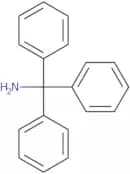
CAS:<p>Tritylamine is an inorganic acid that is synthesized by the reaction of trifluoroacetic acid with ammonia. It can be used to treat autoimmune diseases, such as rheumatoid arthritis, and has been shown to have a beneficial effect on collagen synthesis. Tritylamine has also been studied as a fluorescent probe for the detection of metal ions in biological systems. Tritylamine has been used in asymmetric synthesis and can also inhibit enzymes that catalyze metabolic reactions.</p>Fórmula:C19H17NPureza:Min. 98 Area-%Forma y color:White PowderPeso molecular:259.35 g/mol



![(alphaR)-alpha-[[[2-(4-Nitrophenyl)ethyl]amino]methyl]benzenemethanol hydrochloride](/_next/image/?url=https%3A%2Fstatic.cymitquimica.com%2Fproducts%2F3D%2Fthumb-webp%2FFN156825.webp&w=3840&q=75)

![3-[[[2-[(Aminoiminomethyl)amino]-4-thiazolyl]methyl]sulfinyl]-N-(aminosulfonyl)propanamide](/_next/image/?url=https%3A%2Fstatic.cymitquimica.com%2Fproducts%2F3D%2Fthumb-webp%2FFA21487.webp&w=3840&q=75)
![2-[(5-Chloropyridin-2-yl)amino]-2-oxoacetic acid ethyl ester monohydrochloride](/_next/image/?url=https%3A%2Fstatic.cymitquimica.com%2Fproducts%2F3D%2Fthumb-webp%2FFC63138.webp&w=3840&q=75)


![(aR)-a-[[[2-(4-Aminophenyl)ethyl]amino]methyl]-benzenemethanol](/_next/image/?url=https%3A%2Fstatic.cymitquimica.com%2Fproducts%2F3D%2Fthumb-webp%2FFA75045.webp&w=3840&q=75)
![tert-Butyl6-[(1e)-2-[4-(4-fluorophenyl)-6-(1-methylethyl)-2-[methyl(methylsulfonyl)amino]-5-pyrimi…](/_next/image/?url=https%3A%2Fstatic.cymitquimica.com%2Fproducts%2F3D%2Fthumb-webp%2FFB148489.webp&w=3840&q=75)
![Ac-Val-Met-[(2S,4S,5S)-5-amino-4-hydroxy-2-isopropyl-7-methyl-octanoyl]-Ala-Glu-Phe-OH trifluoroac…](/_next/image/?url=https%3A%2Fstatic.cymitquimica.com%2Fproducts%2F3D%2Fthumb-webp%2FFA111093.webp&w=3840&q=75)


![2-[[2-(Dimethylaminomethyl)-1,3-thiazol-4-yl]methylsulfanyl]ethanamine](/_next/image/?url=https%3A%2Fstatic.cymitquimica.com%2Fproducts%2F3D%2Fthumb-webp%2FFD22345.webp&w=3840&q=75)



![2-Methoxy-5-[[(phenylmethyl)sulfonyl]methyl]benzenamine](/_next/image/?url=https%3A%2Fstatic.cymitquimica.com%2Fproducts%2F3D%2Fthumb-webp%2FFA70820.webp&w=3840&q=75)


![(2S)-2-Amino-4-methyl-1-[(2R)-2-methyloxiranyl]-1-pentanone trifluoroacetate](/_next/image/?url=https%3A%2Fstatic.cymitquimica.com%2Fproducts%2F3D%2Fthumb-webp%2FFA100028.webp&w=3840&q=75)



![N-[2-[(2-Bromo-4,6-dinitrophenyl)azo]-5-(diethylamino)phenyl]acetamide](/_next/image/?url=https%3A%2Fstatic.cymitquimica.com%2Fproducts%2F3D%2Fthumb-webp%2FFB151321.webp&w=3840&q=75)