Aminas
Las aminas son un conjunto de moléculas que contienen un grupo funcional amino (derivado del amoníaco). Esta categoría incluye aminas en cualquier nivel de sustitución: primarias, secundarias, terciarias y sales de amonio. Las aminas son fundamentales en la síntesis orgánica y se utilizan ampliamente en productos farmacéuticos, agroquímicos y ciencias de los materiales. En CymitQuimica, ofrecemos una selección completa de aminas para satisfacer sus necesidades de investigación e industriales. Nuestra gama asegura el acceso a diversas aminas para diferentes procesos químicos e investigaciones innovadoras.
Subcategorías de "Aminas"
- Nitrosaminas(2.605 productos)
- Aminas primarias(30.947 productos)
- Cationes y sales de amonio cuaternario(1.100 productos)
- Aminas secundarias(20.886 productos)
- Aminas terciarias(17.193 productos)
Se han encontrado 8780 productos de "Aminas"
Ordenar por
Pureza (%)
0
100
|
0
|
50
|
90
|
95
|
100
4-(4-Cyclohexylphenyl)-1,3-thiazol-2-amine
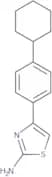
CAS:<p>Please enquire for more information about 4-(4-Cyclohexylphenyl)-1,3-thiazol-2-amine including the price, delivery time and more detailed product information at the technical inquiry form on this page</p>Fórmula:C15H18N2SPureza:Min. 95%Peso molecular:258.38 g/mol3-Amino-2-hydroxy-5-methylacetophenone
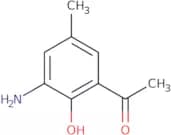
CAS:3-Amino-2-hydroxy-5-methylacetophenone is a reagent for organic synthesis, which is used as a building block for the preparation of various chemical compounds. 3-Amino-2-hydroxy-5-methylacetophenone has been shown to be an intermediate in the synthesis of pharmaceuticals. Due to its versatility, this compound can be used as a reaction component, and is also used as a building block in the preparation of speciality chemicals. This product has high quality, and can be used as a useful scaffold or building block in research chemicals. The CAS number for 3-amino-2 hydroxy 5 methyl acetophenone is 70977 71 8.Fórmula:C9H11NO2Pureza:Min. 95%Peso molecular:165.19 g/mol4-(N,N-Diethylamino)salicylaldehyde
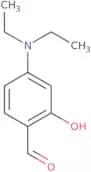
CAS:<p>4-(N,N-Diethylamino)salicylaldehyde is a coumarin derivative that has been shown to be a fluorescent probe for proton transfer. It emits light at around 400 nm when the probe is excited by light of wavelength greater than 300 nm. The emission spectrum changes from green to red as the pH increases. 4-(N,N-Diethylamino)salicylaldehyde also exhibits fluorescence enhancement in the presence of metal ions such as Fe3+, Cu2+, or Cr3+. This compound can be used as a fluorescent probe for hydrogen bonding interactions and metal hydroxides.</p>Fórmula:C11H15NO2Pureza:Min. 95%Forma y color:PowderPeso molecular:193.24 g/mol1-(3-Fluorophenyl)propan-2-amine
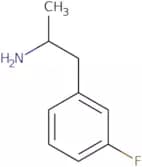
CAS:Producto controlado3-Fluorophenylpropan-2-amine (3FPPA) is a synthetic, nonselective dopamine and serotonin reuptake inhibitor. 3FPPA has been shown to inhibit the growth of cancer cells in vitro, and enhances the release of growth factors from nerve endings in rat brain slices. 3FPPA can be used as a test compound for investigating the effects of psychostimulants on neural cell division. 3FPPA binds to fatty acids and can be used as a medication to treat obesity or cancer. 3FPPA is not selective for either dopamine or serotonin, but is an analog of both amines.Fórmula:C9H12FNPureza:Min. 95%Peso molecular:153.2 g/mol(3-Chloropropyl)-trimethylammonium chloride
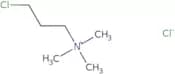
CAS:Please enquire for more information about (3-Chloropropyl)-trimethylammonium chloride including the price, delivery time and more detailed product information at the technical inquiry form on this pageFórmula:C6H15ClN•ClPureza:Min. 95%Peso molecular:172.1 g/molAncamine T
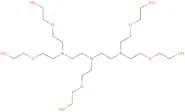
CAS:<p>Ancamine T is an amine curing agent, which is derived from synthetic chemical processes, specifically developed for use in epoxy systems. Its mode of action involves catalyzing the cross-linking reaction between epoxide groups in epoxy resins, leading to the formation of a highly cross-linked, thermoset polymer network. This curing process is essential for achieving the desired mechanical, thermal, and chemical resistance properties of the final product.</p>Pureza:Min. 95%Tetramethylammonium bisulfate hydrate
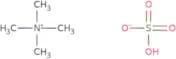
CAS:Tetramethylammonium bisulfate hydrate is an inorganic acid that is used as a reagent for analytical chemistry. It can be found in urine samples and has been used to determine the concentration of metal hydroxides in these samples. Tetramethylammonium bisulfate hydrate has been shown to inhibit the growth of bacteria, including polycarboxylic acid-producing strains, at concentrations of 100 mM. This property may be due to its ability to chelate metal ions required for bacterial growth. The magnesium salt of tetramethylammonium bisulfate hydrate is also used as a pharmaceutical dosage form. A chromatographic method involving co2 flow has been developed for the analysis of tetramethylammonium bisulfate hydrate.Fórmula:C4H12N•HSO4•(H2O)xPureza:Area-% Min. 95 Area-%Forma y color:PowderPeso molecular:171.22 g/molN-(5-Aminopentyl) methotrexate amide
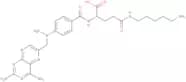
CAS:<p>N-(5-Aminopentyl) methotrexate amide is a fluorescent probe that is used to study the transport of drugs across cell membranes. It binds to the plasma membrane of cells and can be visualized with a fluorescence microscope. N-(5-Aminopentyl) methotrexate amide has been shown to bind to leukemia cells in murine leukemia models. It has a high affinity for drug-resistant cells, which makes it useful for studying drug resistance mechanisms. This probe can be used at nanomolar concentrations for imaging studies, as well as for measuring the uptake of drugs into cancer cells by flow cytometry.</p>Fórmula:C25H34N10O4Pureza:Min. 95%Forma y color:Yellow PowderPeso molecular:538.6 g/mol2-Amino-5-iodobenzoic acid ethyl ester
CAS:<p>2-Amino-5-iodobenzoic acid ethyl ester is a chemical reagent that is used to prepare 2-chloro-5-iodobenzoic acid. It can be prepared by the hydrolysis of 2,4,6-trinitrobenzene with an aqueous solution of sodium hydroxide. The iodination reaction proceeds in two steps: (1) chlorination of methyl anthranilate with chlorine and (2) addition of the resultant product to 2,4,6-trinitrobenzene. In the first step, methyl anthranilate reacts with chlorine to form 2-chloro-5-iodobenzoic acid ethyl ester and hydrogen chloride gas. In the second step, this product reacts with 2,4,6-trinitrobenzene to form 2-amino 5 -iodobenzoic acid ethyl ester and nitrogen gas</p>Fórmula:C9H10INO2Pureza:Min. 95%Forma y color:PowderPeso molecular:291.09 g/mol2,2-dimethyl-5-(((2-phenylethyl)amino)methylene)-1,3-dioxane-4,6-dione
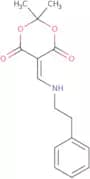
CAS:<p>Please enquire for more information about 2,2-dimethyl-5-(((2-phenylethyl)amino)methylene)-1,3-dioxane-4,6-dione including the price, delivery time and more detailed product information at the technical inquiry form on this page</p>Pureza:Min. 95%Cyclohexylamine
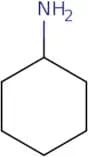
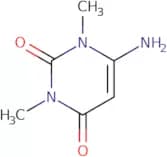
CAS:<p>Cyclohexylamine is a basic organic compound with the molecular formula CH(NH). It can be synthesized by the reaction of anhydrous sodium with p-nitrophenyl phosphate. Cyclohexylamine has been shown to have synergistic effects when combined with metal hydroxides and metal carbonyls, which may be due to its ability to reduce their potential for oxidation. Cyclohexylamine has been used as a model compound in an electrochemical impedance spectroscopy study of the interaction between enzyme activity and metal ions. In addition, cyclohexylamine has been found to have carcinogenic properties in cell line studies.</p>Fórmula:C6H13NPureza:Min. 98%Forma y color:Clear LiquidPeso molecular:99.17 g/mol6-Amino-1,3-dimethyluracil
CAS:<p>6-Amino-1,3-dimethyluracil is a synthetic compound that has been shown to have antiinflammatory activity. This drug was synthesized from recycled methylene biphenyls and quinoline derivatives. 6-Amino-1,3-dimethyluracil inhibits the synthesis of proteins in cells by inhibiting the production of amino acids such as methionine through an attack on the amino group of methionine. 6-Amino-1,3-dimethyluracil also has apoptotic activity, which may be due to its ability to inhibit protein synthesis and increase the levels of active methylene.</p>Fórmula:C6H9N3O2Pureza:Min. 95%Forma y color:PowderPeso molecular:155.15 g/mol3-Methyl-5-Isothiazolamine
CAS:<p>3-Methyl-5-isothiazolamine is a linear molecule with a molecular weight of 122.1. 3-Methyl-5-isothiazolamine has an interaction with chloride and can be used as a reagent for the identification of disulfides. Disulfide bonds are formed by the oxidation of sulfhydryl groups in proteins, which are reduced by glutathione reductase to produce sulfhydryl groups. 3-Methyl-5-isothiazolamine has been shown to react with molecular ions that are characteristic of isothiazoles and isothiazole derivatives, as well as aromatic compounds such as 4-hydroxybenzoic acid. This product also reacts with dehydrogenase enzymes, such as alcohol dehydrogenase, which produces oxidized products from carbohydrates and other organic molecules that contain hydroxyl groups.</p>Fórmula:C4H6N2SPureza:Min. 95%Forma y color:PowderPeso molecular:114.17 g/molTicarcillin disodium
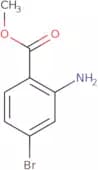
CAS:Ticarcillin is a bactericidal antibiotic that is used to treat many types of infections caused by gram-positive bacteria, such as Streptococcus pneumoniae, Enterococcus faecalis and Enterococcus faecium. Ticarcillin has been shown to be effective against antibiotic-resistant strains of bacteria, including multidrug efflux pumps. This drug also has been shown to inhibit the growth of gram-negative bacteria such as Escherichia coli and Pseudomonas aeruginosa. Ticarcillin is used in combination with clavulanic acid for the treatment of infections caused by beta-lactamase producing organisms. It is also used in wastewater treatment to inhibit the growth of gram-negative bacteria that are resistant to other antibiotics. Ticarcillin can interfere with other medications by inhibiting their metabolism through cytochrome P450 enzymes or through competition for protein binding sites.Fórmula:C15H16N2Na2O6S2Pureza:Min. 80.0 Area-%Forma y color:White PowderPeso molecular:430.41 g/molMethyl 2-amino-4-bromobenzoate
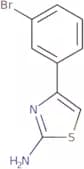
CAS:Methyl 2-amino-4-bromobenzoate is an amide that has a potential use as a cross-coupling agent in organic synthesis. It is labile and must be handled with care; it can also be used as an additive to polymerize natural polymers. Methyl 2-amino-4-bromobenzoate has been shown to enhance the efficiency of chemical reactions, including those between carboxylic acid and amines, and has been used in the synthesis of peptides. This chemical has functional groups that are compatible with a wide range of sequences, allowing for its use as a toolkit in synthetic chemistry. Methyl 2-amino-4-bromobenzoate is an analog of methyl 4-(aminomethyl)benzoate (MAMB).Fórmula:C8H8BrNO2Pureza:Min. 95%Forma y color:PowderPeso molecular:230.06 g/mol4-(3-Bromophenyl)-1,3-thiazol-2-amine
CAS:4-(3-Bromophenyl)-1,3-thiazol-2-amine is an inhibitor of enzymes such as cholinesterase and covalent binding. It has been shown to inhibit the activity of cholinesterase in vitro. This drug is not active against erythromycin or lincomycin. 4-(3-Bromophenyl)-1,3-thiazol-2-amine also has a phenylthiazole linkage that can be conjugated with other molecules for use as a therapeutic agent.Fórmula:C9H7BrN2SPureza:Min. 95%Forma y color:PowderPeso molecular:255.14 g/molN-Benzylhydroxylamine hydrochloride
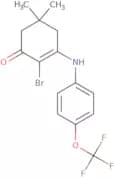
CAS:N-Benzylhydroxylamine HCl is a quinolizidine alkaloid with a hydroxamic acid group. It is used in the synthesis of various organic compounds and pharmaceuticals, such as hydroxamic acids, bisected tetrahydrofurans, and β-amino acids. N-Benzylhydroxylamine HCl is also a substrate for gelatinase. The reaction yield depends on the choice of solvent; methyl alcohol yields higher yields than does ethyl alcohol. The asymmetric synthesis of this compound is stereoselective and can be achieved through different methods, including bisection or tetrahydrofuran (THF) synthesis.Fórmula:C7H9NO•HClPureza:Min. 95%Peso molecular:159.61 g/mol2-bromo-5,5-dimethyl-3-((4-(trifluoromethoxy)phenyl)amino)cyclohex-2-en-1-one
CAS:Please enquire for more information about 2-bromo-5,5-dimethyl-3-((4-(trifluoromethoxy)phenyl)amino)cyclohex-2-en-1-one including the price, delivery time and more detailed product information at the technical inquiry form on this pagePureza:Min. 95%2-(2,2-dimethylpropanoyl)-3-hydroxy-3-(phenylamino)prop-2-enenitrile
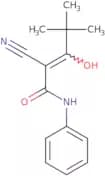
CAS:<p>Please enquire for more information about 2-(2,2-dimethylpropanoyl)-3-hydroxy-3-(phenylamino)prop-2-enenitrile including the price, delivery time and more detailed product information at the technical inquiry form on this page</p>Pureza:Min. 95%3-Amino-4-carbomethoxybenzoic acid
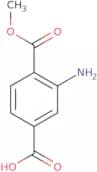
CAS:3-Amino-4-carbomethoxybenzoic acid is a compound that has not yet been labeled with a function. It has been shown to be an intermediate in the synthesis of polymers, such as polyamides and polyesters. 3-Amino-4-carbomethoxybenzoic acid is involved in biological functions related to butyric acid, which is a metabolite of the amino acids phenylalanine and tyrosine, or from the degradation of proteins. It is also used as a precursor for amines and may be an intermediate in the synthesis of glycoconjugates. The compound was found to have anticancer properties when used in combination with other drugs, such as doxorubicin and etoposide. Furthermore, it was found to have anti-inflammatory activities by inhibiting prostaglandin synthesis.Fórmula:C9H9NO4Pureza:Min. 95%Forma y color:PowderPeso molecular:195.17 g/mol1-(3-Chlorophenyl)biguanide hydrochlorid
CAS:N-(3-Chlorophenyl)-N'-(diaminomethylene)guanidine is a 5-HT3 receptor antagonist that binds to the 5-HT3 receptor in the gastrointestinal tract and blocks the voltage-dependent calcium channels. It has been shown to have a protective effect on the bowel by reducing inflammation and increasing the rate of recovery after colitis. N-(3-Chlorophenyl)-N'-(diaminomethylene)guanidine also has been shown to be effective in treating Parkinson's disease, although its mechanism of action is not yet fully understood.Fórmula:C8H10ClN5•HClPureza:Min. 95%Forma y color:PowderPeso molecular:248.11 g/mol7-Fluorobenzo-2-oxa-1,3-diazole-4-sulfonic acid ammonium
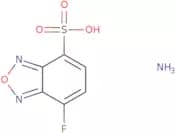
CAS:<p>7-Fluorobenzo-2-oxa-1,3-diazole-4-sulfonic acid ammonium is a fluorescent derivative that is used in clinical pathology to study human metabolism. The compound reacts with blood cells to form a fluorescent derivative that can be detected by use of a fluorescence detector. A sample preparation technique is required to prepare the blood samples before analysis. 7-Fluorobenzo-2-oxa-1,3-diazole-4-sulfonic acid ammonium has been shown to react with disulfide bonds and endogenous substances, such as glutathione, dopamine and serotonin. The detection sensitivity for this compound is approximately 10 pM.</p>Fórmula:C6H6FN3O4SPureza:Min. 95%Forma y color:White PowderPeso molecular:235.19 g/mol4-Carbethoxyaminothiazole
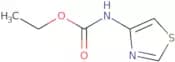
CAS:<p>4-Carbethoxyaminothiazole is a versatile building block for the synthesis of many fine chemicals and complex compounds. It is a reagent that can be used in research, as a speciality chemical, or as an intermediate to produce other useful compounds. 4-Carbethoxyaminothiazole is also a useful scaffold for the synthesis of organic molecules with interesting biological properties.</p>Fórmula:C6H8N2O2SPureza:Min. 95%Forma y color:White solid.Peso molecular:172.21 g/molα-Aminoisobutyric acid methyl ester hydrochloride
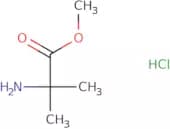
CAS:<p>Alpha-aminoisobutyric acid methyl ester hydrochloride (AABME) is an amino acid that is a metabolite of the neurotransmitter GABA. It has been shown to be transported across the blood-brain barrier by a carrier-mediated transport system and is taken up by neurons via a solute carrier family 38 member 2 transporter. AABME has been observed at physiological levels in maternal blood plasma, urine, cerebrospinal fluid, and brain tissue. It has also been studied in vitro using 3T3-L1 preadipocytes as a model for adipogenesis. In this context, it has been shown to increase cell proliferation and inhibit apoptosis.</p>Fórmula:C5H11NO2•HClForma y color:PowderPeso molecular:153.61 g/molCapstone product B
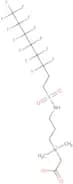
CAS:Capstone product B is a magnetic resonance spectroscopy agent that has been deacetylated. It can be broken down by photolysis, and is metabolized by hydrocarbon-degrading enzymes. Capstone product B contains a betaine group that is sensitive to light, and can be detected by resonance spectroscopy. The experiment was conducted on soil samples with the use of a surfactant to increase the solubility of the analyte in water.Fórmula:C15H19F13N2O4SPureza:(Elemental Analysis) Min. 95%Forma y color:PowderPeso molecular:570.37 g/molBoc-N-Me-1,3-diaminopropane
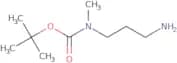
CAS:<p>Boc-N-Me-1,3-diaminopropane is a small molecule inhibitor of the hepatitis C virus. It interacts with the viral RNA polymerase and prevents translation of the viral genome into proteins. Boc-N-Me-1,3-diaminopropane also inhibits the assembly of new ribosomes from preformed subunits in cells infected with HIV. This drug binds to the ribosomal protein L11 and blocks interactions between this protein and other components of the ribosome. Boc-N-Me-1,3-diaminopropane has been shown to be effective against small molecule inhibitors that are resistant to traditional antiviral drugs, such as protease inhibitors and nucleotide analogues.</p>Fórmula:C9H20N2O2Pureza:Min. 95%Peso molecular:188.27 g/molN-Nitroso-N-phenylhydroxylamine aluminium
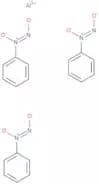
CAS:<p>N-Nitroso-N-phenylhydroxylamine aluminium (NNPA) is a nitrated organic compound that belongs to the thioxanthone family. It is a colorless, oily liquid that has a strong odor of hydrochloric acid. NNPA is used in the production of polyester resins and coatings, as well as in the manufacture of methacrylate polymers. The reaction system for this compound consists of aluminum chloride and calcium carbonate. This substance can be prepared by reacting trimethylolpropane with methacrylates and magnesium in an organic solvent such as isopropyl alcohol or acetone. NNPA can also be synthesized by reacting zinc powder with ammonium bicarbonate, followed by carbamoylation with an organic amine such as isopropylcarbamate.</p>Fórmula:C18H15AlN6O6Pureza:Min. 95%Forma y color:White PowderPeso molecular:438.33 g/mol2-(Butylamino)ethylamine
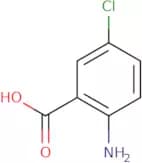
CAS:<p>2-(Butylamino)ethylamine is a cationic dye that is used in optical regulation. It has been shown to regulate optical properties of organic solvents, such as pH and viscosity, by altering the dipole moment of the solvent. The reaction solution contains 2-(butylamino)ethylamine and an organic solvent with a high boiling point (e.g., tetrahydrofuran). This reaction can be carried out in a magnetic field to increase yields. The reaction time can be shortened by using magnesium chloride as the catalyst instead of sulfuric acid.</p>Fórmula:C6H16N2Pureza:Min. 95 Area-%Forma y color:Clear LiquidPeso molecular:116.2 g/mol2-Amino-5-chlorobenzoic acid
CAS:<p>2-Amino-5-chlorobenzoic acid is a drug that inhibits the enzyme dopamine beta-hydroxylase. It has been used to treat Parkinson's disease, as well as schizophrenia and depression. This drug binds to the enzyme by forming a coordination complex with the 5th position of the substrate, which prevents it from binding to other substrates. 2-Amino-5-chlorobenzoic acid also inhibits prostaglandin E2 synthesis by inhibiting cyclooxygenase activity in rats. The inhibitory properties of this drug are enhanced when it is dissolved in hydroxide solution or in solutions containing sodium hydroxide. The synthesis of 2-amino-5-chlorobenzoic acid involves reacting 3,4-dihydroxybenzeneacetic acid with hydrochloric acid and sodium hydroxide solution. This reaction produces a carboxylate anion that reacts with hydrogen chloride gas to form</p>Pureza:Min. 95%Forma y color:PowderPeso molecular:171.58 g/mol4,6-Diaminoresorcinol dihydrochloride
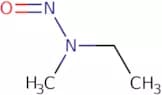
CAS:4,6-Diaminoresorcinol dihydrochloride is a white solid that has viscosity and hydrochloric acid as its structural formula. It is soluble in water and reacts with proton, monosodium salt to form a precipitate. 4,6-Diaminoresorcinol dihydrochloride reacts with phosphorus pentoxide to form the sulfonation product. The thermal expansion of this material is 2.8 x 10^-5/K and it has shown chemical stability at high temperatures up to 450°C. This compound has been found to be an element analysis for chloride (Cl), hydrogen chloride (HCl) and morphology.Fórmula:C6H10N2O2Cl2Pureza:Min. 98 Area-%Peso molecular:213.06 g/molN-Nitrosoethylmethylamine
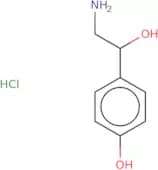
CAS:<p>N-Nitrosoethylmethylamine (NMMA) is a nitrosamine that can be found in water vapor. It has been shown to cause cell lysis and has been detected by LC-MS/MS using an in vitro assay. NMMA is readily soluble in water, making it a suitable candidate for wastewater treatment. This molecule is not cytotoxic or mutagenic but does have carcinogenic potential. NMMA also exhibits matrix effects that are dependent on the type of solvent used for extraction, as well as fluorescence spectrometry results. It was found to be a potent inducer of enzymes such as beta-lactamase, DNA gyrase, and topoisomerase IV, which may be useful for studying gene expression. Dispersive solid phase extraction can be used to extract NMMA from water sources such as soil and drinking water samples.</p>Fórmula:C3H8N2OPureza:Min. 95%Forma y color:Clear LiquidPeso molecular:88.11 g/molrac Octopamine hydrochloride
CAS:Producto controlado<p>Rac octopamine hydrochloride is an alkyl alkyl amine. It is used as a diagnostic agent and has been shown to be a substrate for the enzyme dopamine β-hydroxylase in human blood serum. Rac octopamine hydrochloride is also metabolized by enzymes such as monoamine oxidase, which may lead to toxicological effects. The metabolic rate of rac octopamine hydrochloride has been shown to be increased in patients with cardiac disease or undergoing chemotherapeutic treatment.</p>Fórmula:C8H12ClNO2Pureza:Min. 95%Forma y color:SolidPeso molecular:189.64 g/mol3-[(Aminocarbonyl)amino]-5-[4-(morpholin-4-ylmethyl)phenyl]thiophene-2-carboxamide
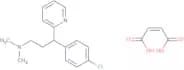
CAS:<p>3-[(Aminocarbonyl)amino]-5-[4-(morpholin-4-ylmethyl)phenyl]thiophene-2-carboxamide is a chemical inhibitor that inhibits the activity of kinases. It has been shown to be cytotoxic against cancer cells and to induce apoptosis through a number of different mechanisms. 3-[(Aminocarbonyl)amino]-5-[4-(morpholin-4-ylmethyl)phenyl]thiophene-2-carboxamide binds to DNA and induces DNA repair, which can lead to cell death. This drug also has an anti-inflammatory effect, which may be due to its ability to inhibit pro-inflammatory cytokines such as TNFα and IL1β.</p>Fórmula:C17H20N4O3SPureza:Min. 95%Forma y color:PowderPeso molecular:360.43 g/molChlorpheniramine maleate
CAS:<p>Histamine (H1) antagonist; used to treat allergies</p>Fórmula:C16H19ClN2•C4H4O4Pureza:Min. 95%Forma y color:White PowderPeso molecular:390.86 g/mol4-Aminosalicylic acid hydrazide
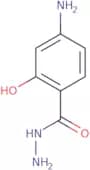
CAS:<p>4-Aminosalicylic acid hydrazide is a reactive functional group that is used as an intermediate in organic synthesis. It has a structural formula of C6H7N3O2 and is a white solid. 4-Aminosalicylic acid hydrazide has been shown to be highly resistant to mycobacterium avium, and can be used for the treatment of tuberculosis. The reactivity of this compound was studied by gravimetric analysis. This reaction is also degradable due to the presence of chloride ions and amido groups.</p>Fórmula:C7H9N3O2Pureza:Min. 95%Forma y color:PowderPeso molecular:167.17 g/molEthyl 6-aminoveratrate
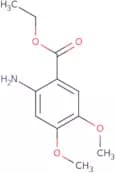
CAS:<p>Ethyl 6-aminoveratrate (EAOV) is a urea derivative that has been shown to have analgesic effects in vitro and in vivo. EAOV was found to be more potent than morphine, but with less side effects. EAOV's antinociceptive effects are due to its ability to inhibit the activity of protein kinase C and phosphorylate the extracellular signal-regulated kinases ERK1/2. EAOV also showed metabolic stability and chemical stability, which may be due to its lack of reactive functional groups. The low potency of EAOV makes it an attractive candidate for research into the development of a new generation of painkillers.</p>Fórmula:C11H15NO4Pureza:Min. 95%Forma y color:PowderPeso molecular:225.24 g/mol5-Carbomethoxytryptamine hydrochloride
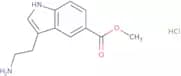
CAS:5-Carbomethoxytryptamine hydrochloride is a chemical building block that can be used as a reaction component for organic synthesis. It is a versatile intermediate and can be used in the production of fine chemicals, such as pharmaceuticals, dyestuffs, and pesticides. 5-Carbomethoxytryptamine hydrochloride is also an important reagent in both organic synthesis and analytical chemistry. The compound belongs to the group of indole alkaloids, which are found in plants of the Apocynaceae family. CAS No.: 74884-81-4.Fórmula:C12H14N2O2·HClPureza:Min. 95%Forma y color:PowderPeso molecular:254.71 g/molN-(2-Aminoethyl)aminomethyl polystyrene resin, cross-linked with 1% DVB, 50-100mesh, loading 3.1-3.5mmol/g
<p>N-(2-Aminoethyl)aminomethyl polystyrene resin, cross-linked with 1% DVB, 50-100mesh, loading 3.1-3.5mmol/g is a fine chemical that can be used to synthesize complex compounds. This resin is a versatile building block that can be used as a reagent or reaction component in chemical synthesis. It is also useful as a scaffold for drug discovery and as a building block for the synthesis of complex molecules. N-(2-Aminoethyl)aminomethyl polystyrene resin, cross-linked with 1% DVB, 50-100mesh, loading 3.1-3.5mmol/g is available in high quality and is supplied with CAS No., which makes it an ideal research chemical for use in laboratories.</p>Pureza:Min. 95%Methyl 5-amino-2-methylbenzoate
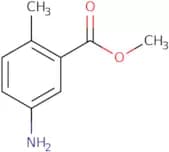
CAS:Methyl 5-amino-2-methylbenzoate is a potent inhibitor of the B-Raf protein, which is involved in cell proliferation and differentiation. Methyl 5-amino-2-methylbenzoate has been shown to inhibit the growth of cancer cells in vitro and in vivo. Methyl 5-amino-2-methylbenzoate inhibits the activity of b-Raf (a protein that plays a role in cell proliferation and differentiation) by binding to its ATP site and blocking phosphorylation. This inhibition leads to decreased cellular activity, resulting in tumor regression. Methyl 5-amino-2-methylbenzoate also shows efficacy against other proteins, such as BclxL, HSP90, and NF1. It does this by inhibiting their ATP sites and preventing them from functioning properly. For these reasons, methyl 5-amino-2-methylbenzoate is considered a promising drug for fighting cancer.Fórmula:C9H11NO2Pureza:Min. 95%Forma y color:PowderPeso molecular:165.19 g/mol5(6)-Carboxytetramethylrhodamine succinimidyl ester - Mixture of 2 isomers
CAS:<p>5(6)-Carboxytetramethylrhodamine succinimidyl ester is a chemical that can be used as a research chemical, speciality chemical, or a building block in the synthesis of other compounds. It is a high quality product and has been shown to be useful in the synthesis of complex compounds. This compound reacts with amines to form N-hydroxysuccinimide esters and is an excellent reagent for the production of fluorescamine derivatives. 5(6)-Carboxytetramethylrhodamine succinimidyl ester is also an excellent scaffold for the production of other chemicals such as peptides, proteins, and drugs. CAS No: 246256-50-8</p>Fórmula:C29H25N3O7Pureza:Min. 95%Forma y color:Red PowderPeso molecular:527.52 g/molPhentolamine
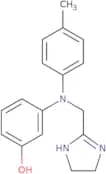
CAS:Phentolamine is a cyclase inhibitor and a drug that is used to treat high blood pressure. It is also used in the diagnosis of primary pulmonary hypertension. Phentolamine blocks the conversion of l-phenylalanine to tyrosine, which prevents the production of catecholamines such as dopamine, epinephrine, and norepinephrine. This drug has been shown to improve brain functions when administered to rats with Parkinson's disease. Phentolamine is prepared by reacting phenylmethylsulfonyl fluoride with phentolamine mesylate. The reaction produces phentolamine mesylate sodium salt.Fórmula:C17H19N3OPureza:Min. 95%Forma y color:PowderPeso molecular:281.36 g/molSolvent Blue 63
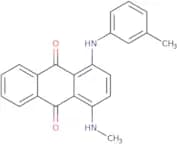
CAS:1-[2,(3)-Methylanilino]-4-(methylamino)anthraquinone is a diazo dye that emits light when irradiated with UV-A or UV-B radiation. It is used as a fluorescent stain in electron microscopy to detect and identify the presence of metals and metal oxides in films. The compound is also used in polyvinyl chloride (PVC) films to increase thermal expansion and viscosity. 1-[2,(3)-Methylanilino]-4-(methylamino)anthraquinone may be used as a substrate film for the production of polyurethane foam for furniture cushions and automotive components. The compound can be acylated with fatty acids such as p-hydroxybenzoic acid to give it desirable properties such as lower viscosity, better adhesion, or improved light emission. This reaction can be catalyzed by heat or radiation.Fórmula:C22H18N2O2Pureza:Min. 95%Forma y color:PowderPeso molecular:342.39 g/molp-Aminophenyldichloroarsine hydrochloride
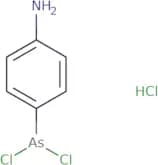
CAS:<p>p-Aminophenyldichloroarsine hydrochloride (APD) is a reversible alkylating agent that binds to sulphydryls and reversibly inhibits the activity of nicotinic acetylcholine receptors. It is also an arsenical that has been shown to react with other proteins, such as acetylcholine receptor subunits. When it reacts with the acetylcholine receptor, it forms stable complexes and irreversible bonds. This prevents the receptor from functioning normally and leads to paralysis of muscles. The APD also binds to the reactive sites on DNA and blocks rRNA synthesis, leading to cell death.<br>APD is active against many bacteria, including Mycobacterium tuberculosis, but not against Gram-positive bacteria such as staphylococci or streptococci. It is also active against some fungi and protozoa but not against viruses.</p>Fórmula:C6H7AsCl3NPureza:Min. 95%Forma y color:PowderPeso molecular:274.41 g/molKetorolac tromethamine
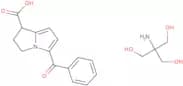
CAS:<p>Ketorolac tromethamine salt is a nonsteroidal anti-inflammatory drug used to treat pain and inflammation. It is often administered intravenously or intramuscularly. Ketorolac tromethamine salt may interact with other drugs, such as monoethyl ethers or benzalkonium chloride, which can result in adverse effects. The polymerase chain reaction (PCR) method was used to detect the presence of ketorolac and its metabolite, ketorolac tromethamine in neural cells. The PCR method has been shown to be a statistically reliable method for detecting these substances.</p>Fórmula:C15H13NO3•C4H11NO3Pureza:Min. 98 Area-%Forma y color:PowderPeso molecular:376.4 g/mol3-((2-bromophenyl)amino)-5-phenylcyclohex-2-en-1-one
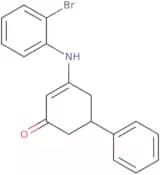
CAS:Please enquire for more information about 3-((2-bromophenyl)amino)-5-phenylcyclohex-2-en-1-one including the price, delivery time and more detailed product information at the technical inquiry form on this pagePureza:Min. 95%3-(Methylamino)propiophenone hydrochloride
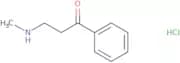
CAS:3-(Methylamino)propiophenone hydrochloride is a synthetic compound that can be used as an alternative to fluoxetine in microwave irradiation. It has similar effects to the drug, including advances in neurodegenerative diseases. 3-(Methylamino)propiophenone hydrochloride has been shown to improve the effects of radiation therapy on cancer cells, by inhibiting the production of reactive oxygen species and improving cell survival.Fórmula:C10H13NO•HClPureza:Min. 95%Forma y color:PowderPeso molecular:199.68 g/molSulfur trioxide triethylamine complex
CAS:<p>Sulfur trioxide triethylamine complex is a second-order rate constant for the reaction of ester hydrochloride with carbapenem. It has been shown to have anti-inflammatory properties, which may be due to its inhibition of prostaglandin synthesis. Sulfur trioxide triethylamine complex has also been shown to be an effective inhibitor of pyrazoles and chromatographic analysis at nmr spectra. It has been found to act as a substrate for hydroxyl group, fetal bovine serum, and metabolic disorders in urine samples. Disulfate is a byproduct of this reaction.</p>Fórmula:C6H15N·SO3Pureza:Min. 95%Forma y color:White PowderPeso molecular:181.25 g/mol4-[2-[[3-(4-Hydroxyphenyl)-1-methylpropyl]amino]ethyl]-1,2-benzenediol hydrochloride
CAS:<p>Dobutamine is a beta-adrenergic agonist that causes the heart to contract and increase blood pressure. It is used for pharmacological treatment of congestive heart failure and ventricular arrhythmias, as well as during angiography of the coronary arteries. Dobutamine stimulates dopamine receptors in the heart, which increases the systolic pressure. Dobutamine has been shown to be effective in improving myocardial contractility, left ventricle function, and cardiac output in patients with chronic congestive heart failure. This drug also improves left ventricular regional wall motion, papillary muscle function, and mitral valve regurgitation. Dobutamine may cause side effects such as nausea, vomiting, headache, or chest pain.</p>Fórmula:C18H24ClNO3Pureza:Min. 95%Forma y color:PowderPeso molecular:337.84 g/mol3-Amino-2,5,6-trifluorobenzoic acid
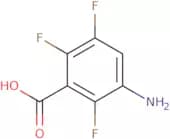
CAS:<p>3-Amino-2,5,6-trifluorobenzoic acid is a pharmaceutical agent that can be used in the synthesis of dyestuffs and as a matrix for laser desorption/ionization (LDI) mass spectrometry. 3-Amino-2,5,6-trifluorobenzoic acid has been shown to form crystals that are insoluble in water or organic solvents. The crystal morphology was determined by using XRD and FTIR. 3-Amino-2,5,6-trifluorobenzoic acid also has high concentrations of impurities such as 2,4,6-trichloroaniline and 2-(3,4 dichlorophenyl) ethyl amine.</p>Fórmula:C7H4F3NO2Pureza:Min. 95%Forma y color:PowderPeso molecular:191.11 g/mol6-Amino-4-hydroxy-2-mercaptopyrimidine monohydrate
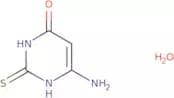
CAS:6-Amino-4-hydroxy-2-mercaptopyrimidine monohydrate (6AP) is a chemical compound that has been shown to have potent antibacterial activity against Gram-positive bacteria. It is also effective at inhibiting the growth of S. aureus, both in vitro and in vivo. 6AP can be used as an alternative treatment for cancer, where it inhibits the growth of tumor cells by blocking ferrocene, which plays an important role in cancer cell proliferation and survival. The efficacy of 6AP against bacterial infections has been demonstrated in vitro with a variety of Gram-positive pathogens, including S. aureus, Streptococcus pneumoniae, Enterococcus faecalis, and Bacillus anthracis.Fórmula:C4H5N3OS•H2OPureza:Min. 95%Forma y color:PowderPeso molecular:161.18 g/mol








![3-[(Aminocarbonyl)amino]-5-[4-(morpholin-4-ylmethyl)phenyl]thiophene-2-carboxamide](/_next/image/?url=https%3A%2Fstatic.cymitquimica.com%2Fproducts%2F3D%2Fthumb-webp%2FFA18119.webp&w=3840&q=75)

![4-[2-[[3-(4-Hydroxyphenyl)-1-methylpropyl]amino]ethyl]-1,2-benzenediol hydrochloride](/_next/image/?url=https%3A%2Fstatic.cymitquimica.com%2Fproducts%2F3D%2Fthumb-webp%2FFH27507.webp&w=3840&q=75)