Aminas
Las aminas son un conjunto de moléculas que contienen un grupo funcional amino (derivado del amoníaco). Esta categoría incluye aminas en cualquier nivel de sustitución: primarias, secundarias, terciarias y sales de amonio. Las aminas son fundamentales en la síntesis orgánica y se utilizan ampliamente en productos farmacéuticos, agroquímicos y ciencias de los materiales. En CymitQuimica, ofrecemos una selección completa de aminas para satisfacer sus necesidades de investigación e industriales. Nuestra gama asegura el acceso a diversas aminas para diferentes procesos químicos e investigaciones innovadoras.
Subcategorías de "Aminas"
- Nitrosaminas(2.606 productos)
- Aminas primarias(30.947 productos)
- Cationes y sales de amonio cuaternario(1.099 productos)
- Aminas secundarias(20.886 productos)
- Aminas terciarias(17.193 productos)
Se han encontrado 8780 productos de "Aminas"
Ordenar por
Pureza (%)
0
100
|
0
|
50
|
90
|
95
|
100
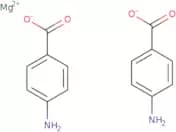
Magnesium 4-aminobenzoate
CAS:Magnesium 4-aminobenzoate is a chemical compound that is used as a reaction component or reagent in organic synthesis. It has a high quality and can be used for research purposes. Magnesium 4-aminobenzoate is versatile and can be used as an intermediate in the preparation of complex compounds, such as pharmaceuticals and agrochemicals.Fórmula:C14H12MgN2O4Pureza:Min. 95%Forma y color:PowderPeso molecular:296.56 g/mol6-amino-3-methyl-4-(3-nitrophenyl)-4H-pyrano[3,2-d]pyrazole-5-carbonitrile
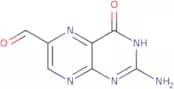
CAS:<p>Please enquire for more information about 6-amino-3-methyl-4-(3-nitrophenyl)-4H-pyrano[3,2-d]pyrazole-5-carbonitrile including the price, delivery time and more detailed product information at the technical inquiry form on this page</p>Fórmula:C14H11N5O3Pureza:Min. 95%Forma y color:PowderPeso molecular:297.27 g/mol2-Amino-6-formylpteridin-4-one
CAS:<p>2-Amino-6-formylpteridin-4-one is a reactive compound that can cause oxidative injury in humans. It has been shown to cause hydrogen bond cleavage and the loss of structural integrity in human serum. 2-Amino-6-formylpteridin-4-one also induces apoptosis by inhibiting the mitochondrial membrane potential and releasing cytochrome c from the mitochondria into the cytosol. 2-Amino-6-formylpteridin-4-one is an inhibitor of binding to anion radicals, which may be beneficial for treating skin disorders such as psoriasis.</p>Fórmula:C7H5N5O2Pureza:Min. 97 Area-%Forma y color:PowderPeso molecular:191.15 g/molN,N,N',N',N'',N''-Hexamethoxymethylmelamine
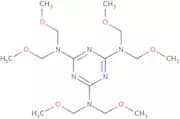
CAS:<p>Hexamethoxymethylmelamine (HMMM) is a polyvinyl-based polymer that can be synthesized by the cationic polymerization of hexamethoxymethylmelamine. HMMM has been shown to have a high water permeability, making it an excellent candidate for use in wastewater treatment. It also has biocompatible properties and can be chemically stable under harsh conditions, making it suitable for use in various applications.</p>Fórmula:C15H30N6O6Pureza:Min. 95%Forma y color:PowderPeso molecular:390.44 g/molo-Aminobenzoylglycyl-p-nitro-L-phenylalanyl-L-proline TFA salt
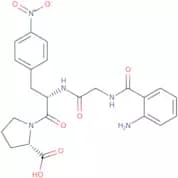
CAS:<p>O-Aminobenzoylglycyl-p-nitro-L-phenylalanyl-L-proline TFA salt is a synthetic, hydrophilic interaction chromatography (HIC) substrate. It has inhibitory properties and is used in biological assays to measure the activities of enzymes that catalyze the hydrolysis of the substrate. O-Aminobenzoylglycyl-p-nitro-L-phenylalanyl-L-proline TFA salt also has been shown to have bioactivities on blood pressure and cell monolayers.</p>Fórmula:C23H25N5O7•C2HF3O2Pureza:Min. 95 Area-%Forma y color:PowderPeso molecular:597.49 g/molAdrenochrome monoaminoguanidine mesilate
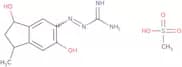
CAS:Adrenochrome monoaminoguanidine mesilate is a synthetic drug that has been used in the treatment of cellulite, obesity, and chronic fatigue syndrome. It is an orally administered drug that causes the body to release adrenaline and noradrenaline. Adrenochrome monoaminoguanidine mesilate is a crystalline substance with a melting point of 130-140°C. The drug contains no additives or excipients other than gelatinization and cellulose.Fórmula:C11H17N5O5SPureza:Min. 95%Forma y color:PowderPeso molecular:331.35 g/mol1,2-Dipalmitoyl-sn-glycero-3-phosphoethanolamine
CAS:1,2-Dipalmitoyl-sn-glycero-3-phosphoethanolamine is a phospholipid that plays an important role in many cellular processes. It is a major component of the lipid bilayer that surrounds cells and provides stability to the membrane. 1,2-Dipalmitoyl-sn-glycero-3-phosphoethanolamine can form hydrogen bonding interactions with other molecules in the cytoplasm. The redox potential of this compound is also high enough to allow it to participate in oxidation reactions. This phospholipid also has a phase transition temperature at which it changes from a liquid state to a solid state at room temperature. 1,2-Dipalmitoyl-sn-glycero-3-phosphoethanolamine can be used as a reaction mechanism for synthesizing glycosylated proteins or lipids. In vitro assays have been performed using this compound asFórmula:C37H74NO8PPeso molecular:691.96 g/mol2-(2-Aminoethyl)phenol
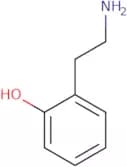
CAS:<p>2-(2-Aminoethyl)phenol is a monoamine oxidase inhibitor. It is a biogenic amine that is found in animals and plants. 2-(2-Aminoethyl)phenol has been found to have anti-inflammatory properties and can be used to treat mongolism.</p>Fórmula:C8H11NOPureza:Min. 95 Area-%Forma y color:PowderPeso molecular:137.18 g/mol5,6-Diamino-1,3-dimethyl uracil hydrate
CAS:5,6-Diamino-1,3-dimethyl uracil hydrate is a purine derivative that inhibits the growth of cancer cells by blocking the enzyme ribonucleotide reductase. This leads to a decrease in DNA synthesis, protein synthesis, and cell division. The anticancer activity of 5,6-Diamino-1,3-dimethyl uracil hydrate is due to its ability to inhibit the formation of ATP and the GTP cycle. It also has a potent inhibitory effect on the structural analysis of DNA and RNA. 5,6-Diamino-1,3-dimethyl uracil hydrate has been shown to produce apoptotic effects in many types of cancer cells. This drug also has specific agonist properties for G protein coupled receptors that are responsible for activating apoptosis.Fórmula:C6H10N4O2·xH2OPureza:Min. 95%Forma y color:PowderPeso molecular:170.17 g/molN-Ethyl-N-nitroso-1-[3-(trifluoromethyl)phenyl]-2-propanamine
CAS:Usnic acid is a dietary supplement that has been shown to have beneficial effects on the liver, including hepatoprotective and anti-inflammatory properties. Usnic acid prevents mitochondrial membrane potential from decreasing, leading to an increase in adenine nucleotide content and improved mitochondrial function. Usnic acid also reverses the inhibition of monoamine neurotransmitters caused by chemical ionization and pharmacologic agents such as acetaminophen. Usnic acid also has been shown to be effective against hepatitis A virus (HAV) infection in CD-1 mice.Fórmula:C12H15F3N2OPureza:Min. 95%Forma y color:Clear LiquidPeso molecular:260.26 g/mol4-[3-(Trifluoromethyl)-3H-diazirin-3-yl]benzenemethanamine hydrochloride
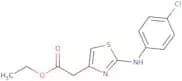
CAS:Please enquire for more information about 4-[3-(Trifluoromethyl)-3H-diazirin-3-yl]benzenemethanamine hydrochloride including the price, delivery time and more detailed product information at the technical inquiry form on this pageFórmula:C9H9ClF3N3Pureza:Min. 95%Forma y color:White PowderPeso molecular:251.64 g/molethyl 2-(4-(4-chlorophenylamino)-3,5-thiazolyl)acetate
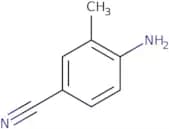
CAS:Please enquire for more information about ethyl 2-(4-(4-chlorophenylamino)-3,5-thiazolyl)acetate including the price, delivery time and more detailed product information at the technical inquiry form on this pagePureza:Min. 95%4-Amino-3-methylbenzonitrile
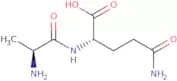
CAS:4-Amino-3-methylbenzonitrile is a proton ionophore that can be used to prevent viral replication. It is a synthetic, aminobenzonitrile derivative that binds to the viral RNA polymerase and prevents the synthesis of new virus particles. 4-Amino-3-methylbenzonitrile has been shown to inhibit the growth of some strains of coxsackievirus, although it is less effective against other strains and viruses. 4-Amino-3-methylbenzonitrile inhibits the synthesis of viral proteins by binding to the viral RNA polymerase. This prevents viral transcription and replication, which leads to cell death.Fórmula:C8H8N2Forma y color:PowderPeso molecular:132.16 g/molL-Alanyl-L-glutamine
CAS:Stable substitute for glutamine in cell culture mediaFórmula:C8H15N3O4Pureza:Min. 98 Area-%Forma y color:White PowderPeso molecular:217.22 g/mol2,2'-Azino-bis(3-ethylbenzothiazoline-6-sulfonic acid) diammonium salt
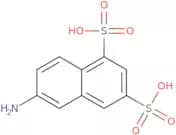
CAS:ABTS can be used as a peroxidase substrate that gives a metastable cation when in the presence of H2O2. 2,2'-Azino-bis (3-ethylbenzothiazoline-6-sulfonic acid) or ABTS is commonly used in the enzyme-linked immunosorbent assay (ELISA). ABTS is chosen because the enzyme facilitates the reaction to give a green end-product with an absorbance maximum of 420nm and can therefore be detected with a spectrophotometer.Fórmula:C18H24N6O6S4Pureza:Min. 98.0 Area-%Forma y color:PowderPeso molecular:548.68 g/mol2-Aminonaphthalene-5,7-disulfonic acid
CAS:<p>2-Aminonaphthalene-5,7-disulfonic acid (2ANDA) is a fluorescent and colorless compound that can be used as a tracer for wastewater treatment. 2ANDA is adsorbed onto the surface of suspended solids in wastewater and binds to the hydroxide ions. This binding causes an increase in fluorescence intensity, which can be detected with synchronous fluorescence spectroscopy. 2ANDA also has the ability to form ternary complexes with chloride ions and molecular ions such as sodium hydroxide solution, making it useful for wastewater treatment because it provides information about the concentration of these ions. 2ANDA is soluble in water and may hydrolyze at high pH levels. It has been shown to have good kinetic properties for wastewater treatment by adsorption on granular activated carbon (GAC).</p>Fórmula:C10H9NO6S2Pureza:Min. 95%Forma y color:PowderPeso molecular:303.31 g/mol(5S)-N-(5-Amino-1-carboxypentyl) iminodiacetic acid hydrate
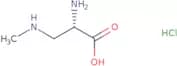
CAS:<p>(5S)-N-(5-Amino-1-carboxypentyl) iminodiacetic acid hydrate is a sophisticated chelating agent, designed for precise control in various biochemical applications. The reactive moieties of this compound are particularly useful in affinity chromatography and surface functionalization, making it a valuable tool in both protein purification and the development of biosensors or other biotechnological applications. Affinity chromatography: As a metal-chelator, it is particularly adept at binding divalent metal cations such as Ni²⁺, Co²⁺, and Cu²⁺, which are instrumental in stabilizing protein structures or facilitating enzyme activity. When complexed with Ni²⁺ (nickel) ions (5S)-N-(5-Amino-1-carboxypentyl) iminodiacetic acid forms a surface that can specifically capture proteins engineered with a polyhistidine tag (His-tag). Such interactions facilitate the purification and isolation of target proteins with high specificity, allowing immobilization in a controlled orientation without compromising functional integrity.Surface functionalization: The free amine group allows for conjugation via strong covalent bonds to surfaces such as glass, silica, gold (e.g., electrodes), polymers, hydrogels and magnetic beads. This creates metal-functionalized surfaces for biospecific interactions with His-tagged proteins. Examples of potential applications of this include Surface Plasmon Resonance (SPR), fluorescence microscopy and use in artificial cell systems with hydrogel-based cell-mimicking environments. Thus giving (5S)-N-(5-Amino-1-carboxypentyl) iminodiacetic acid a broad scope in its application in advanced biochemical assays and materials science.</p>Fórmula:C10H18N2O6·xH2OPureza:Min. 95 Area-%Forma y color:White PowderPeso molecular:262.26 g/mol(S)-2-Amino-3-(methylamino)propanoic acid hydrochloride
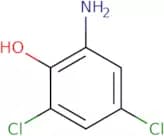
CAS:<p>(S)-2-Amino-3-(methylamino)propanoic acid hydrochloride is a synthetic compound often used in scientific research. It is derived from non-proteinogenic amino acids and has important implications for the study of neurotoxicology. This compound mimics the structural properties of certain naturally occurring amino acids, which allows it to act as a significant tool for understanding biological pathways affected by neurotoxins.</p>Fórmula:C4H11ClN2O2Forma y color:Off-White PowderPeso molecular:154.6 g/mol6-Amino-2,4-dichlorophenol
CAS:<p>6-Amino-2,4-dichlorophenol is an organic solution that has been shown to inhibit the uptake of quinoline derivatives by lung fibroblasts. It also inhibits cellular targets such as flavin, blood pressure and v79 cells. 6-Amino-2,4-dichlorophenol has potent antibacterial activity and a reactive nucleophilic group that can form covalent bonds with proteins in the cell membrane. 6-Amino-2,4-dichlorophenol is a reactive agent that binds to DNA and RNA in the bacterial cell's cytoplasmic membrane and inhibits protein synthesis.</p>Fórmula:C6H5Cl2NOPureza:Min. 95%Forma y color:PowderPeso molecular:178.02 g/mol3-Bromo-4-fluorobenzylamine hydrochloride
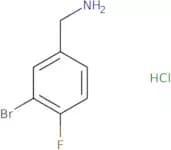
CAS:3-Bromo-4-fluorobenzylamine hydrochloride is a versatile building block that can be used in the preparation of complex compounds. It has been shown to be an effective reagent for research and as a speciality chemical. The compound is also useful as a reaction component or scaffold in the synthesis of high quality and useful intermediates.Fórmula:C7H8BrClFNPureza:Min. 95%Forma y color:White PowderPeso molecular:240.5 g/molTris(4-Aminophenyl)methane
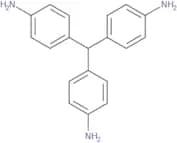
CAS:Tris(4-aminophenyl)methane is a molecule that can react with nitrous acid to form an aliphatic hydrocarbon, which is a type of organic compound. It has been shown to be effective in mammalian cells and in vitro. Tris(4-aminophenyl)methane reacts with nitrous acid to form a diamine adduct, which has been shown to have a diameter of 3.2 nanometers. The expression plasmid containing the gene for the protein tyrosinase was introduced into E. coli cells using an electroporation technique and then used as a template for transcription reactions. The reaction products were identified by gas chromatography/mass spectrometry (GC/MS). Tris(4-aminophenyl)methane has been shown to bind tightly to DNA molecules in nuclear DNA and RNA molecules in ribosomes, inhibiting their synthesis through adsorption mechanisms. This leads to cell death through the inhibitionFórmula:C19H19N3Pureza:Min. 95%Forma y color:PowderPeso molecular:289.37 g/molMethyl 2-amino-7,7-dimethyl-4-(3-nitrophenyl)-5-oxo-4,6,7,8-tetrahydro2H-chromene-3-carboxylate
CAS:Please enquire for more information about Methyl 2-amino-7,7-dimethyl-4-(3-nitrophenyl)-5-oxo-4,6,7,8-tetrahydro2H-chromene-3-carboxylate including the price, delivery time and more detailed product information at the technical inquiry form on this pageFórmula:C19H20N2O6Pureza:Min. 95%Forma y color:PowderPeso molecular:372.37 g/molAmmonium bisulfite - 45% In water
CAS:Ammonium bisulfite is a soluble sulfite salt that is used as a reducing agent in organic chemistry. It reacts with metal hydroxides to produce sulfur and anhydrous sodium. This reaction also produces water vapor, which can be condensed and collected for use in other reactions. The reaction mechanism involves the formation of a sulfate ion when ammonium ions react with bisulfites or sulfites. Ammonium bisulfite has been shown to reduce hydrogen fluoride in aqueous solution, but not hydrofluoric acid.Fórmula:H5NO3SPureza:(Titration) 44 To 46%Forma y color:Colorless Clear LiquidPeso molecular:99.11 g/molPantethine
CAS:Pantethine is a dietary supplement, which is a derivative of pantothenic acid, sourced from vitamin B5. As a biologically active compound, it undergoes conversion to pantetheine, which then forms coenzyme A (CoA) and acyl-carrier proteins. This conversion is critical, as CoA is an essential cofactor involved in numerous biochemical reactions that are integral to fatty acid metabolism, among other processes.Fórmula:C22H42N4O8S2Pureza:Min. 95%Forma y color:PowderPeso molecular:554.72 g/mol4-Amino-2-mercaptopyrimidine
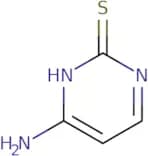
CAS:<p>4-Amino-2-mercaptopyrimidine is a model system for coordination geometry and the hydroxyl group. It has been shown to have an x-ray crystal structure that can be used to study human serum, activated viruses, and other biological properties. 4-Amino-2-mercaptopyrimidine has been synthesized using a flow system and kinetic energy. The protonation state of 4-amino-2-mercaptopyrimidine is dependent on the pH of the solution and it can exist as two tautomers.</p>Fórmula:C4H5N3SPureza:Min. 97 Area-%Forma y color:White PowderPeso molecular:127.17 g/mol6-Amino-1-hexanethiol hydrochloride
CAS:6-Amino-1-hexanethiol hydrochloride is a monolayer with an affinity for basic proteins, such as theophylline. The binding of 6-aminohexanethiol hydrochloride to theophylline has been shown to be linear and specific in electrochemical methods. 6-Aminohexanethiol hydrochloride immobilized on a surface binds theophylline with high affinity. This compound was also found to bind phosphatidylcholine, which is a major component of biological membranes. It has been demonstrated that 6-aminohexanethiol hydrochloride can be used as a functional group for immobilizing biomolecules on surfaces.Fórmula:C6H15NS•HClPureza:Min. 95%Forma y color:PowderPeso molecular:169.72 g/mol4'-Dimethylaminoacetophenone
CAS:<p>4'-Dimethylaminoacetophenone is a fluorescent probe that has been shown to be a potential use for measuring the activation energy of radical chain reactions. It has been shown to have synergistic effects with hydroxyl group radicals, and can be used as an indicator for carbon tetrachloride. The fluorescence properties of 4'-dimethylaminoacetophenone are dependent on the polarity of the solvent in which it is dissolved. This compound is a colorless liquid that is soluble in acetonitrile, but insoluble in water. 4'-Dimethylaminoacetophenone also has sunscreen properties, which may be due to its ability to absorb UV radiation.</p>Fórmula:C10H13NOPureza:Min. 95%Forma y color:PowderPeso molecular:163.22 g/mol20-Deoxo-23-deoxy-5-O-[3,6-dideoxy-3-(dimethylamino)-beta-D-glucopyranosyl]-20,23-di-1-piperidinyltylonolide
CAS:<p>20-Deoxo-23-deoxy-5-O-[3,6-dideoxy-3-(dimethylamino)-beta-D-glucopyranosyl]-20,23-di-1-piperidinyltylonolide is an antimicrobial agent that belongs to the group of chemotherapeutic agents. It is a fluorinated analog of tilmicosin. The low dose group was treated with this drug for five days, and the high dose group received 20 times the amount of drug. Fluorescence spectrometry showed that there was no significant difference in the fluorescence intensity between these two groups after 24 hours. This drug has been shown to have pharmacokinetic properties in rats and mice, but further optimization may be required to improve its process.</p>Fórmula:C41H71N3O8Pureza:Min. 95%Forma y color:Off-White PowderPeso molecular:734.02 g/molN,N-Dimethyl-tert-butylamine
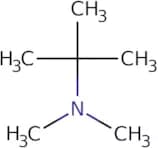
CAS:N,N-Dimethyl-tert-butylamine is an organic compound that is used as a primary amine in the preparation of piperidines. It can be obtained by electrolysis of carbon tetrachloride with n-nitrosopiperidine as the catalyst. The process of obtaining N,N-Dimethyl-tert-butylamine is unsymmetrical and yields are low. The amines may be prepared by transfer hydrogenation or catalytic reduction of an aldehyde. The asymmetric synthesis may be achieved using chiral auxiliaries.Fórmula:C6H15NPureza:Min. 95%Forma y color:Colorless Clear LiquidPeso molecular:101.19 g/molAcetyl-L-glutamine
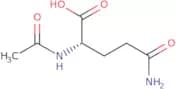
CAS:Acetyl-L-glutamine is a naturally occurring amino acid that is synthesized by the body and can be found in various foods. It has been shown to have many beneficial effects, such as the prevention of bowel disease. Acetyl-L-glutamine has also been shown to stimulate the production of neurotrophic factors, which are proteins that promote neuron growth and survival. This amino acid is used in therapy groups for people with neurodegenerative diseases, such as Parkinson's disease and Alzheimer's disease. Acetyl-L-glutamine may be effective against acute brain injury or stroke due to its ability to increase neuronal survival and inhibit neuronal death. The therapeutic effect of acetyl-L-glutamine on neuronal death may be due to its ability to inhibit apoptosis by preventing reactive oxygen species from binding to DNA. Acetyl-L-glutamine also promotes nerve cell growth and protects against damage caused by ischemia–reperfFórmula:C7H12N2O4Pureza:Min. 95%Forma y color:PowderPeso molecular:188.18 g/mol5-Chlorotryptamine hydrochloride
CAS:Producto controlado5-Chlorotryptamine hydrochloride is a mitotic inhibitor that binds to the spindle. It has been shown to be an anti-proliferative agent in cells, as well as having anti-mitotic properties. 5-Chlorotryptamine hydrochloride binds to the c1-4 alkyl chains of the spindle and stops it from moving. This prevents the mitosis process and inhibits cell division. 5-Chlorotryptamine hydrochloride can also be used to inhibit kinesin, which is a protein involved in movement along microtubules.Fórmula:C10H11ClN2·HClForma y color:PowderPeso molecular:231.12 g/mol3-(2-(2-Aminoethoxy)ethoxy)-propanoic acid
CAS:3-(2-(2-Aminoethoxy)ethoxy)-propanoic acid is a PEG compound with two different functional groups (also known as heterobifunctional). Unlike homobifunctional PEG compounds (same functional group on both ends), this type of compounds are more versatile as have two different anchor points. 3-(2-(2-Aminoethoxy)ethoxy)-propanoic acid is used as a linker and spacer to add a PEG moiety, via pegylation (a bioconjugation technique) to proteins, peptides, oligonucleotides, small molecules and nanoparticles.Fórmula:C7H15NO4Pureza:Min. 95%Forma y color:White PowderPeso molecular:177.2 g/mol3-(2-(2-(2-Aminoethoxy)ethoxy)ethoxy)propanoic acid HCI
CAS:<p>3-(2-(2-(2-Aminoethoxy)ethoxy)ethoxy)propanoic acid HCI is a PEG compound with two different functional groups (also known as heterobifunctional). Unlike homobifunctional PEG compounds (same functional group on both ends), this type of compounds are more versatile as have two different anchor points. 3-(2-(2-(2-Aminoethoxy)ethoxy)ethoxy)propanoic acid HCI is used as a linker and spacer to add a PEG moiety, via pegylation (a bioconjugation technique) to proteins, peptides, oligonucleotides, small molecules and nanoparticles.</p>Fórmula:C9H19NO5·HClForma y color:Slightly Yellow Yellow Clear Liquid PowderPeso molecular:257.71 g/mol1-(4-Aminophenyl)propane-1,2,3-triol
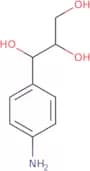
CAS:1-(4-Aminophenyl)propane-1,2,3-triol is a fine chemical that is useful for research and development of pharmaceuticals. It has the CAS number 695191-72-1. This compound has been used as a building block in the synthesis of a wide range of complex molecules. It is also used as a reagent and speciality chemical in the production of pharmaceuticals and agrochemicals. 1-(4-Aminophenyl)propane-1,2,3-triol is a versatile building block that can be used to create new compounds with different properties. It also functions as a useful intermediate or scaffold for drug discovery programs.Fórmula:C9H13NO3Pureza:Min. 95%Forma y color:Off-White To Brown SolidPeso molecular:183.2 g/mol4-[(7-Chloro-4-quinolinyl)amino]-1-pentanol
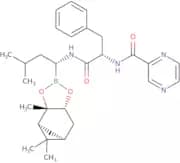
CAS:4-[(7-Chloro-4-quinolinyl)amino]-1-pentanol (QLT) is a drug that has been shown to be effective against both healthy volunteers and malaria patients. It is a prodrug that is metabolized by the liver into 7-chloroquinalone, which inhibits the growth of plasmodium falciparum. QLT has been shown to be safe and well tolerated in studies with healthy volunteers, and it does not appear to cause significant adverse effects. QLT also has an effect on T cells, which may be due to its ability to inhibit protein synthesis and cell division.Fórmula:C14H17ClN2OPureza:Min. 95%Forma y color:Yellow SolidPeso molecular:264.75 g/mol(1R)-(1S,2S,3R,5S)-Pinanediol-N-(N-pyrazinylphenylalaninoyl)-1-amino-3-methyl-butane-1-boronate
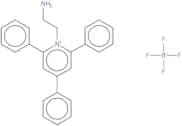
CAS:(1R)-(1S,2S,3R,5S)-Pinanediol-N-(N-pyrazinylphenylalaninoyl)-1-amino-3-methyl-butane-1-boronate is a boronic acid derivative that has been shown to have an antiproliferative effect on cancer cells. It is a biodegradable, water soluble drug with a low toxicity profile. The maximum tolerated dose has been established in vivo studies and it can be used as an imaging agent for diagnosis. (1R)-(1S,2S,3R,5S)-Pinanediol-N-(N-pyrazinylphenylalaninoyl)-1-amino-3-methyl-butane-1-boronate may be used to treat cancers such as breast cancer or leukemia. This drug targets the proteasome and inhibits its activity by binding to the active site of the 20sFórmula:C29H39BN4O4Pureza:Min. 95%Forma y color:SolidPeso molecular:518.46 g/molN-Ethylamine-2,4,6-triphenyl pyridinium tetrafluoroborate
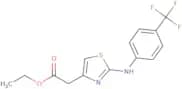
CAS:N-Ethylamine-2,4,6-triphenyl pyridinium tetrafluoroborate is a chemical reagent that belongs to the group of fine chemicals. It is soluble in water and ethanol, and has a melting point of around 100°C. N-Ethylamine-2,4,6-triphenyl pyridinium tetrafluoroborate is used in organic synthesis as a useful building block or as a research chemical for the production of other compounds. This compound is a versatile building block that can be used in the preparation of complex compounds such as pharmaceuticals. N-Ethylamine-2,4,6-triphenyl pyridinium tetrafluoroborate has been classified as an extremely hazardous substance by the US Department of Transportation due to its high reactivity with water.Fórmula:C25H23N2•BF4Pureza:Min. 95%Peso molecular:438.27 g/molEthyl 2-(4-(4-(trifluoromethyl)phenylamino)-3,5-thiazolyl)acetate
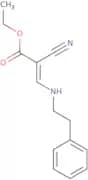
CAS:<p>Please enquire for more information about Ethyl 2-(4-(4-(trifluoromethyl)phenylamino)-3,5-thiazolyl)acetate including the price, delivery time and more detailed product information at the technical inquiry form on this page</p>Pureza:Min. 90%ethyl 2-nitrilo-3-((2-phenylethyl)amino)prop-2-enoate
CAS:<p>Please enquire for more information about ethyl 2-nitrilo-3-((2-phenylethyl)amino)prop-2-enoate including the price, delivery time and more detailed product information at the technical inquiry form on this page</p>Pureza:Min. 85%N-Dihydrocinnamoylaminocaproic acid
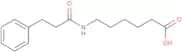
CAS:Please enquire for more information about N-Dihydrocinnamoylaminocaproic acid including the price, delivery time and more detailed product information at the technical inquiry form on this pageFórmula:C15H21NO3Pureza:Min. 95%Peso molecular:263.33 g/mol(S)-2-((Methoxycarbonyl)amino)-3-methylbutanoic acid
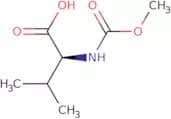
CAS:<p>(S)-2-((Methoxycarbonyl)amino)-3-methylbutanoic acid is a synthetic molecule that has been studied for its antiviral activity against hepatitis C virus. The compound was found to inhibit the replication of the virus, with an IC50 of 0.5 mM in cell culture studies. It also inhibited the replicon and reaction yield of the virus in vitro. (S)-2-((Methoxycarbonyl)amino)-3-methylbutanoic acid is effective against genotype 1 and 2, but not against genotype 3. It is active against a broad range of HCV isolates, including those resistant to other drugs such as ribavirin or telaprevir. The drug has been shown to be well tolerated in animals and humans. END></p>Fórmula:C7H13NO4Pureza:Min. 95%Forma y color:White PowderPeso molecular:175.18 g/mol2,3-Diaminophenazine
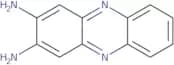
CAS:2,3-Diaminophenazine is a fluorescent probe that is used for the detection of dopamine. 2,3-Diaminophenazine has been shown to be a good indicator of the presence of organic compounds in human serum. Research has also shown that 2,3-diaminophenazine can be used as a fluorescence probe for transport properties and transfer reactions. It is soluble in water and shows no evidence of toxicity or mutagenicity. 2,3-Diaminophenazine has been shown to react with copper ions to form a copper complex. This reaction solution can catalyze the enzyme catalysis of p-nitrophenyl phosphate to produce acid p-nitrophenol (pNP). The nitrogen atoms on 2,3-diaminophenazine are responsible for its ability to bind with copper ions and act as an electron acceptor at the electrode surface.Fórmula:C12H10N4Pureza:Min 95%Peso molecular:210.23 g/mol2,5-Dihydroxybenzenesulfonic acid N-ethylethanamine
CAS:2,5-Dihydroxybenzenesulfonic acid N-ethylethanamine is a drug that has been used to treat muscle spasms. It is a potassium salt of 2,5-dihydroxybenzenesulfonic acid, which is the active form of the drug. The mechanism of this drug is not fully understood but it may act by relaxing smooth muscles in the bladder. This drug has been shown to be effective in combination therapy with sodium ferulate and sodium salts (sodium chloride and sodium bicarbonate) for treating muscle spasms caused by urinary tract infections. Fluorescence measurements are used for analytical determinations because of their high sensitivity and low cost, as well as the ability to provide results quickly. The synchronous fluorescence technique enables rapid quantification of both free and protein bound 2,5-dihydroxybenzenesulfonic acid N-ethylethanamine in urine samples due to its high sensitivity.Fórmula:C10H17NO5SPureza:Min. 95%Forma y color:White PowderPeso molecular:263.31 g/molN-D-Biotinyl-7-amino-4-methylcoumarin
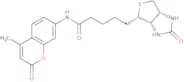
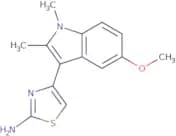
CAS:<p>N-D-Biotinyl-7-amino-4-methylcoumarin is a fluorescent substrate that is used to measure the activity of biotinidase, an enzyme that catalyzes the hydrolysis of biotin. It is detectable by measuring fluorescence with a spectrophotometer. Biotinidase deficiency can be diagnosed by measuring the activity of this enzyme in biological fluids. This assay has been shown to be useful for diagnosing patients with deficient biotinidase activity.</p>Fórmula:C20H23N3O4SPureza:Min. 98 Area-%Forma y color:PowderPeso molecular:401.48 g/mol4-(5-Methoxy-1,2-dimethyl-1H-indol-3-yl)-1,3-thiazol-2-amine
CAS:<p>Please enquire for more information about 4-(5-Methoxy-1,2-dimethyl-1H-indol-3-yl)-1,3-thiazol-2-amine including the price, delivery time and more detailed product information at the technical inquiry form on this page</p>Fórmula:C14H15N3OSPureza:Min. 95%Forma y color:PowderPeso molecular:273.35 g/mol(S,S)-(+)-N,N'-Bis(3,5-di-tert-butylsalicylidene)-1,2-cyclohexanediaminomanganese(III) chloride
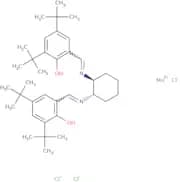
CAS:<p>The preparation of racemic N,N'-Bis(3,5-di-tert-butylsalicylidene)-1,2-cyclohexanediaminomanganese(III) chloride (S,S)-(+)-N,N'-Bis(3,5-di-tert-butylsalicylidene)-1,2-cyclohexanediaminomanganese(III) chloride is carried out by the reaction of salicyaldehyde with manganese dioxide in acetonitrile. The mixture is heated to reflux for 3 hours. The product is purified by recrystallization from hot acetonitrile and then purified again by preparative thin layer chromatography using a chiral stationary phase. The product is obtained as a white powder in an overall yield of 52%.<br>The synthesis of (R)-(-)-N-(3,5-Di-tert-butylsalicyl</p>Fórmula:C36H52ClMnN2O2Forma y color:PowderPeso molecular:635.2 g/mol(1H-1,2,3-Triazol-4-yl)methanamine hydrochloride
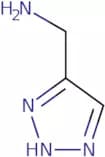
CAS:(1H-1,2,3-Triazol-4-yl)methanamine hydrochloride is a fine chemical that is used as a building block in the synthesis of other chemicals. It is soluble in water and has a solubility of 9.6g/100ml. This compound can be used to synthesize many different types of chemicals with high quality and purity. It also has a versatile scaffold with many different reactive functionalities for use in synthesis. (1H-1,2,3-Triazol-4-yl)methanamine hydrochloride has been shown to react with alcohols to produce esters and many other reactions including alkylation, nitration, and acylation.Fórmula:C3H6N4·HClPureza:Min. 95%Forma y color:PowderPeso molecular:134.57 g/mol3-Amino-1-methylpyrrolidin-2-one
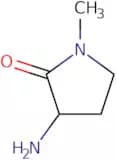
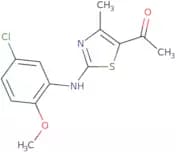
CAS:3-Amino-1-methylpyrrolidin-2-one is a versatile building block that has many applications in the research field. It can be used as a reagent or a speciality chemical and as an intermediate in organic synthesis. 3-Amino-1-methylpyrrolidin-2-one is also used as a reaction component and scaffold for complex compounds. This chemical has CAS number 119329-48-5.Fórmula:C5H10N2OPureza:Min. 98 Area-%Forma y color:Clear LiquidPeso molecular:114.15 g/mol1-(3-((5-Chloro-2-methoxyphenyl)amino)-5-methyl-2,4-thiazolyl)ethan-1-one
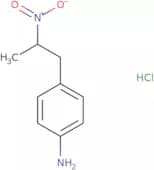
CAS:Please enquire for more information about 1-(3-((5-Chloro-2-methoxyphenyl)amino)-5-methyl-2,4-thiazolyl)ethan-1-one including the price, delivery time and more detailed product information at the technical inquiry form on this pageFórmula:C13H13ClN2O2SPureza:Min. 95%Peso molecular:296.77 g/mol1-(4-Aminophenyl)-2-nitropropane hydrochloride
CAS:<p>1-(4-Aminophenyl)-2-nitropropane hydrochloride is a fine chemical that is used in the synthesis of various other organic compounds. It has been used as a building block for the synthesis of more complex substances, such as pharmaceuticals and pesticides. It is also used to produce research chemicals for use in experiments and teaching. 1-(4-Aminophenyl)-2-nitropropane hydrochloride is soluble in water and exhibits high quality when purified. This compound can be found under CAS No. 1332530-33-2 and is reagent grade.</p>Fórmula:C9H13ClN2O2Pureza:Min. 95%Forma y color:PowderPeso molecular:216.66 g/mol

![6-amino-3-methyl-4-(3-nitrophenyl)-4H-pyrano[3,2-d]pyrazole-5-carbonitrile](/_next/image/?url=https%3A%2Fstatic.cymitquimica.com%2Fproducts%2F3D%2Fthumb-webp%2FFA169032.webp&w=3840&q=75)


![N-Ethyl-N-nitroso-1-[3-(trifluoromethyl)phenyl]-2-propanamine](/_next/image/?url=https%3A%2Fstatic.cymitquimica.com%2Fproducts%2F3D%2Fthumb-webp%2FFE96581.webp&w=3840&q=75)
![4-[3-(Trifluoromethyl)-3H-diazirin-3-yl]benzenemethanamine hydrochloride](/_next/image/?url=https%3A%2Fstatic.cymitquimica.com%2Fproducts%2F3D%2Fthumb-webp%2FFT99415.webp&w=3840&q=75)







![20-Deoxo-23-deoxy-5-O-[3,6-dideoxy-3-(dimethylamino)-beta-D-glucopyranosyl]-20,23-di-1-piperidinyl…](/_next/image/?url=https%3A%2Fstatic.cymitquimica.com%2Fproducts%2F3D%2Fthumb-webp%2FFT137728.webp&w=3840&q=75)



![4-[(7-Chloro-4-quinolinyl)amino]-1-pentanol](/_next/image/?url=https%3A%2Fstatic.cymitquimica.com%2Fproducts%2F3D%2Fthumb-webp%2FFC20107.webp&w=3840&q=75)