Aminas
Subcategorías de "Aminas"
- Nitrosaminas(2.606 productos)
- Aminas primarias(30.948 productos)
- Cationes y sales de amonio cuaternario(1.098 productos)
- Aminas secundarias(20.886 productos)
- Aminas terciarias(17.195 productos)
Se han encontrado 8786 productos de "Aminas"
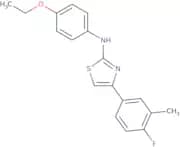
2-(4-Ethoxyphenylamino)-4-(3-methyl-4-fluorophenyl)thiazole
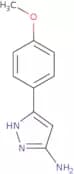
CAS:Please enquire for more information about 2-(4-Ethoxyphenylamino)-4-(3-methyl-4-fluorophenyl)thiazole including the price, delivery time and more detailed product information at the technical inquiry form on this pagePureza:Min. 95%5-Amino-3-(4-methoxyphenyl)pyrazole
CAS:5-Amino-3-(4-methoxyphenyl)pyrazole (5AMPAP) is an anti-cancer agent that is effective against a number of different cancers, including breast, lung, and prostate. It selectively inhibits the growth of cancer cells by targeting enzymes in the mitochondria that are required for ATP production. 5AMPAP binds to the enzyme pyruvate dehydrogenase kinase, which has been shown to be involved in regulating cell proliferation and apoptosis. In addition, it has been demonstrated that this compound has anti-inflammatory properties. The regioselectivity of 5AMPAP was determined by x-ray crystallography and was found to form a pyrazolopyrimidine ring with two nitrogens on opposite sides of the ring. This regioselectivity is necessary for its anti-cancer activity.
Fórmula:C10H11N3OPureza:Min. 95%Peso molecular:189.21 g/molZoxazolamine
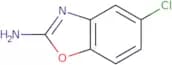
CAS:Zoxazolamine is a synthetic, immunosuppressive and cytotoxic agent that inhibits the enzyme activities of cytosolic Ca2+-ATPases. It has been shown to suppress antibody response in rats. Zoxazolamine also has a number of drug interactions, including inhibition of tetracycline metabolism and induction of cytochrome P450 enzymes. The experimental model for zoxazolamine is based on the T84 cell line, which is an intestinal epithelial cell line derived from human ileum. Zoxazolamine has been shown to induce toxicity in this cell line. Zoxazolamine also causes release of bile acids from rat liver microsomes and can lead to autoimmune diseases in experimental models.
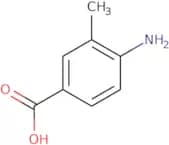
Fórmula:C7H5ClN2OPureza:Min. 95%Forma y color:PowderPeso molecular:168.58 g/mol4-Amino-3-methylbenzoic acid
CAS:4-Amino-3-methylbenzoic acid is a chemical compound that can be synthesized from 4-Methylbenzoic acid and sodium carbonate. It has been used in the treatment of cervical cancer and leishmania. The synthesis of this drug is an example of a chemical reaction in which a carboxylic acid is reacted with sodium carbonate to give an ester and sodium bicarbonate. This process requires the use of trifluoroacetic acid. The resulting drug also has antiviral properties, as it inhibits HIV infection by blocking reverse transcriptase activity. 4-Amino-3-methylbenzoic acid was also shown to have anti-inflammatory properties, which may be due to its ability to inhibit prostaglandin synthesis.Fórmula:C8H9NO2Pureza:Min. 95%Forma y color:Brown PowderPeso molecular:151.16 g/mol5-Methoxygramine
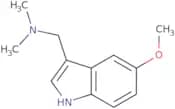
CAS:Producto controlado5-Methoxygramine is a metabolic intermediate which is an analog of 5-hydroxytryptamine (5-HT). It has been shown to increase blood pressure and reduce the activity of the 5-HT2C receptor. This drug also has been found to inhibit the growth of some cancer cells in vitro, but it does not affect normal cells. It can be used as a tool for identifying compounds that may have similar effects. The binding affinity of 5-methoxygramine for the 5-HT2C receptor was measured by displacement experiments with 3H-spiperone. The effect of this compound on dopamine release from rat striatal slices was studied by measuring electrical activity in isolated heart preparations. The effect of this compound on leishmania infection was studied using infected mice and isolated heart preparations.
Fórmula:C12H16N2OPureza:Min. 95%Forma y color:PowderPeso molecular:204.27 g/mol2-Butoxyethan-1-amine
CAS:2-Butoxyethan-1-amine is a solvent that has been used in the production of polydimethylsiloxane, which is often found in silicone sealants and caulks. This chemical is volatilized, so it can be released into the atmosphere during its manufacture or use. The ethers are cross-linked with glycols to form polyether polyols that are heat treated to produce ethylene glycol. 2-Butoxyethan-1-amine is also an ingredient in water solutions of polydimethylsiloxane, which may include other substances such as salts. The permeation of this chemical through microns (µm) thick layers of silica gel was demonstrated using a template containing pores of various sizes and shapes. Fluoride ions were used to catalyze the reaction between 2-butoxyethan-1-amine and silica gel; this process was shown to increase the rate of permeation by up to 40%.Fórmula:C6H15NOPureza:Min. 95%Forma y color:Clear LiquidPeso molecular:117.19 g/mol4-[[4-(4-Chlorophenyl)-2-thiazolyl]amino]phenol
CAS:4-[[4-(4-Chlorophenyl)-2-thiazolyl]amino]phenol is a chemical that has been used in analytical and in vitro methods to study the cellular physiology of cells. It was found to inhibit sphingosine kinase, which is an enzyme that is involved in the synthesis of sphingosine. The inhibition of this enzyme leads to decreased levels of sphingosine and the effect on the cell. 4-[[4-(4-Chlorophenyl)-2-thiazolyl]amino]phenol can also affect mitochondrial membrane potential and cyclase activity, which may be useful for treating hyperproliferative diseases such as breast cancer.Fórmula:C15H11ClN2OSPureza:Min. 95%Peso molecular:302.78 g/mol1,2-Dipalmitoyl-sn-glycero-3-phosphoethanolamine
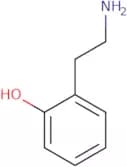
CAS:1,2-Dipalmitoyl-sn-glycero-3-phosphoethanolamine is a phospholipid that plays an important role in many cellular processes. It is a major component of the lipid bilayer that surrounds cells and provides stability to the membrane. 1,2-Dipalmitoyl-sn-glycero-3-phosphoethanolamine can form hydrogen bonding interactions with other molecules in the cytoplasm. The redox potential of this compound is also high enough to allow it to participate in oxidation reactions. This phospholipid also has a phase transition temperature at which it changes from a liquid state to a solid state at room temperature. 1,2-Dipalmitoyl-sn-glycero-3-phosphoethanolamine can be used as a reaction mechanism for synthesizing glycosylated proteins or lipids. In vitro assays have been performed using this compound asFórmula:C37H74NO8PPeso molecular:691.96 g/mol2-(2-Aminoethyl)phenol
CAS:2-(2-Aminoethyl)phenol is a monoamine oxidase inhibitor. It is a biogenic amine that is found in animals and plants. 2-(2-Aminoethyl)phenol has been found to have anti-inflammatory properties and can be used to treat mongolism.Fórmula:C8H11NOPureza:Min. 95 Area-%Forma y color:PowderPeso molecular:137.18 g/mol5,6-Diamino-1,3-dimethyl uracil hydrate
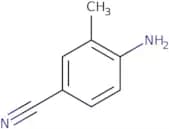
CAS:5,6-Diamino-1,3-dimethyl uracil hydrate is a purine derivative that inhibits the growth of cancer cells by blocking the enzyme ribonucleotide reductase. This leads to a decrease in DNA synthesis, protein synthesis, and cell division. The anticancer activity of 5,6-Diamino-1,3-dimethyl uracil hydrate is due to its ability to inhibit the formation of ATP and the GTP cycle. It also has a potent inhibitory effect on the structural analysis of DNA and RNA. 5,6-Diamino-1,3-dimethyl uracil hydrate has been shown to produce apoptotic effects in many types of cancer cells. This drug also has specific agonist properties for G protein coupled receptors that are responsible for activating apoptosis.Fórmula:C6H10N4O2·xH2OPureza:Min. 95%Forma y color:PowderPeso molecular:170.17 g/mol4-Amino-3-methylbenzonitrile
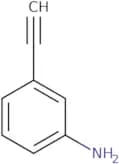
CAS:4-Amino-3-methylbenzonitrile is a proton ionophore that can be used to prevent viral replication. It is a synthetic, aminobenzonitrile derivative that binds to the viral RNA polymerase and prevents the synthesis of new virus particles. 4-Amino-3-methylbenzonitrile has been shown to inhibit the growth of some strains of coxsackievirus, although it is less effective against other strains and viruses. 4-Amino-3-methylbenzonitrile inhibits the synthesis of viral proteins by binding to the viral RNA polymerase. This prevents viral transcription and replication, which leads to cell death.Fórmula:C8H8N2Forma y color:PowderPeso molecular:132.16 g/mol3-Aminophenylacetylene
CAS:3-Aminophenylacetylene is a colorless liquid that is soluble in water. It has a molecular weight of 123.14 and a chemical formula of C6H5CHNH2. The transport rate of 3-aminophenylacetylene can be determined by FT-IR spectroscopy, and the epidermal growth factor can be used for the determination of 3-aminophenylacetylene. The anhydrous sodium copper complex is formed by the reaction of 3-aminophenylacetylene with hydrochloric acid. There are two possible mechanisms for this reaction: one involves the formation of a diazonium salt, while the other involves an analytical method that uses hydrogen bond or molecular docking analysis to determine the structure of 3-aminophenylacetylene. High values are obtained when 3-aminophenylacetylene reacts with malonic acid and protein synthesis.
Fórmula:C8H7NPureza:Min. 97.5 Area-%Forma y color:Clear LiquidPeso molecular:117.15 g/mol(5S)-N-(5-Amino-1-carboxypentyl) iminodiacetic acid hydrate
CAS:(5S)-N-(5-Amino-1-carboxypentyl) iminodiacetic acid hydrate is a sophisticated chelating agent, designed for precise control in various biochemical applications. The reactive moieties of this compound are particularly useful in affinity chromatography and surface functionalization, making it a valuable tool in both protein purification and the development of biosensors or other biotechnological applications. Affinity chromatography: As a metal-chelator, it is particularly adept at binding divalent metal cations such as Ni²⁺, Co²⁺, and Cu²⁺, which are instrumental in stabilizing protein structures or facilitating enzyme activity. When complexed with Ni²⁺ (nickel) ions (5S)-N-(5-Amino-1-carboxypentyl) iminodiacetic acid forms a surface that can specifically capture proteins engineered with a polyhistidine tag (His-tag). Such interactions facilitate the purification and isolation of target proteins with high specificity, allowing immobilization in a controlled orientation without compromising functional integrity.Surface functionalization: The free amine group allows for conjugation via strong covalent bonds to surfaces such as glass, silica, gold (e.g., electrodes), polymers, hydrogels and magnetic beads. This creates metal-functionalized surfaces for biospecific interactions with His-tagged proteins. Examples of potential applications of this include Surface Plasmon Resonance (SPR), fluorescence microscopy and use in artificial cell systems with hydrogel-based cell-mimicking environments. Thus giving (5S)-N-(5-Amino-1-carboxypentyl) iminodiacetic acid a broad scope in its application in advanced biochemical assays and materials science.
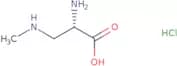
Fórmula:C10H18N2O6·xH2OPureza:Min. 95 Area-%Forma y color:White PowderPeso molecular:262.26 g/mol(S)-2-Amino-3-(methylamino)propanoic acid hydrochloride
CAS:(S)-2-Amino-3-(methylamino)propanoic acid hydrochloride is a synthetic compound often used in scientific research. It is derived from non-proteinogenic amino acids and has important implications for the study of neurotoxicology. This compound mimics the structural properties of certain naturally occurring amino acids, which allows it to act as a significant tool for understanding biological pathways affected by neurotoxins.
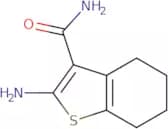
Fórmula:C4H11ClN2O2Forma y color:Off-White PowderPeso molecular:154.6 g/mol2-Amino-4,5,6,7-tetrahydro-1-benzothiophene-3-carboxamide
CAS:2-Amino-4,5,6,7-tetrahydro-1-benzothiophene-3-carboxamide is an anticancer agent that inhibits the synthesis of proteins required for cell division. It has been shown to have anticancer activity and efficacy in vitro studies against human cancer cells, such as HCT116. This compound also induces apoptosis in infected cells by binding to viral particles and inducing the release of chloride ions. 2-Amino-4,5,6,7-tetrahydro-1-benzothiophene-3-carboxamide has been found to be effective against influenza virus and particle production by inhibiting neuraminidase activity.
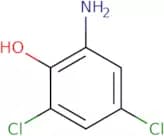
Fórmula:C9H12SN2OPureza:Min. 95%Forma y color:PowderPeso molecular:196.27 g/mol6-Amino-2,4-dichlorophenol
CAS:6-Amino-2,4-dichlorophenol is an organic solution that has been shown to inhibit the uptake of quinoline derivatives by lung fibroblasts. It also inhibits cellular targets such as flavin, blood pressure and v79 cells. 6-Amino-2,4-dichlorophenol has potent antibacterial activity and a reactive nucleophilic group that can form covalent bonds with proteins in the cell membrane. 6-Amino-2,4-dichlorophenol is a reactive agent that binds to DNA and RNA in the bacterial cell's cytoplasmic membrane and inhibits protein synthesis.
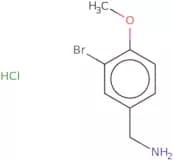
Fórmula:C6H5Cl2NOPureza:Min. 95%Forma y color:PowderPeso molecular:178.02 g/mol3-Bromo-4-methoxybenzylamine hydrochloride
CAS:3-Bromo-4-methoxybenzylamine hydrochloride is a high quality reagent that is used as an intermediate in the synthesis of complex compounds. It has been shown to be a useful scaffold for the synthesis of new chemical entities and a versatile building block for organic synthesis. 3-Bromo-4-methoxybenzylamine hydrochloride can be used as a reaction component in various chemical reactions, including Friedel-Crafts acylation, nitration, chlorination and bromination.Fórmula:C8H11BrClNOPureza:Min. 95%Forma y color:PowderPeso molecular:252.54 g/molTetrabutylammonium hydrogensulfate
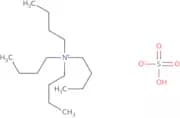
CAS:Tetrabutylammonium hydrogensulfate (TBAS) is a trifluoroacetic acid salt of tetrabutylammonium. It is soluble in water and alcohols and can be used as an acid catalyst for many organic reactions. TBAS reacts with ethylene diamine to form the sulfate ester, which undergoes nucleophilic substitution with hydrogen fluoride to produce hydrofluoric acid. The reaction mechanism of TBAS consists of two steps: the first step involves the formation of a tetrahedral intermediate between the sulfonium cation and the fluoride anion, and the second step involves the nucleophilic attack by water on this intermediate. The x-ray crystal structure of tetrabutylammonium hydrogensulfate has been determined by NMR spectroscopy. This compound is chemically stable at room temperature but decomposes at higher temperatures. The hydroxyl group in tetrabutylammonium hydrogensulfate
Fórmula:C16H37NO4SPureza:Min 99%Forma y color:White Clear LiquidPeso molecular:339.54 g/molTris(4-Aminophenyl)methane
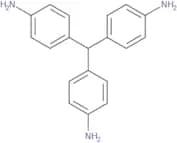
CAS:Tris(4-aminophenyl)methane is a molecule that can react with nitrous acid to form an aliphatic hydrocarbon, which is a type of organic compound. It has been shown to be effective in mammalian cells and in vitro. Tris(4-aminophenyl)methane reacts with nitrous acid to form a diamine adduct, which has been shown to have a diameter of 3.2 nanometers. The expression plasmid containing the gene for the protein tyrosinase was introduced into E. coli cells using an electroporation technique and then used as a template for transcription reactions. The reaction products were identified by gas chromatography/mass spectrometry (GC/MS). Tris(4-aminophenyl)methane has been shown to bind tightly to DNA molecules in nuclear DNA and RNA molecules in ribosomes, inhibiting their synthesis through adsorption mechanisms. This leads to cell death through the inhibitionFórmula:C19H19N3Pureza:Min. 95%Forma y color:PowderPeso molecular:289.37 g/molMethyl 2-amino-7,7-dimethyl-4-(3-nitrophenyl)-5-oxo-4,6,7,8-tetrahydro2H-chromene-3-carboxylate
CAS:Please enquire for more information about Methyl 2-amino-7,7-dimethyl-4-(3-nitrophenyl)-5-oxo-4,6,7,8-tetrahydro2H-chromene-3-carboxylate including the price, delivery time and more detailed product information at the technical inquiry form on this pageFórmula:C19H20N2O6Pureza:Min. 95%Forma y color:PowderPeso molecular:372.37 g/molHistamine diphosphate
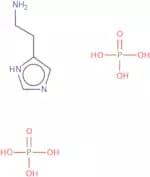
CAS:Producto controladoEndogenous ligand for histamine receptors; neurotransmitter
Fórmula:C5H9N3•(H3PO4)2Pureza:Min. 95%Forma y color:PowderPeso molecular:307.14 g/mol4-Amino-2-mercaptopyrimidine
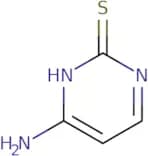
CAS:4-Amino-2-mercaptopyrimidine is a model system for coordination geometry and the hydroxyl group. It has been shown to have an x-ray crystal structure that can be used to study human serum, activated viruses, and other biological properties. 4-Amino-2-mercaptopyrimidine has been synthesized using a flow system and kinetic energy. The protonation state of 4-amino-2-mercaptopyrimidine is dependent on the pH of the solution and it can exist as two tautomers.
Fórmula:C4H5N3SPureza:Min. 97 Area-%Forma y color:White PowderPeso molecular:127.17 g/molDMAPS
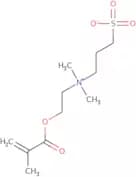
CAS:A hygroscopic, zwitterionic monomer used in the synthesis of polysulfobetaines.Fórmula:C11H21NO5SPureza:(Total Nitrogen) Min. 98%Forma y color:PowderPeso molecular:279.35 g/molLofepramine
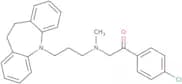
CAS:Serotonin and norepinephrine reuptake inhibitor; anti-depressant
Fórmula:C26H27ClN2OPureza:Min. 95%Forma y color:PowderPeso molecular:418.96 g/molN-Hydroxy-2-(1-naphthalenyloxy)ethanimidamide
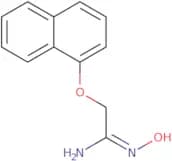
CAS:Please enquire for more information about N-Hydroxy-2-(1-naphthalenyloxy)ethanimidamide including the price, delivery time and more detailed product information at the technical inquiry form on this pageFórmula:C12H12N2O2Pureza:Min. 95%Forma y color:PowderPeso molecular:216.24 g/mol5-Methoxytryptamine hydrochloride
CAS:Producto controladoNon-selective serotonin receptor agonist that lacks affinity for the 5-HT3 receptor.
Fórmula:C11H15ClN2OPeso molecular:226.71 g/mol4-[(7-Chloro-4-quinolinyl)amino]-1-pentanol
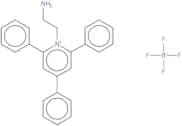
CAS:4-[(7-Chloro-4-quinolinyl)amino]-1-pentanol (QLT) is a drug that has been shown to be effective against both healthy volunteers and malaria patients. It is a prodrug that is metabolized by the liver into 7-chloroquinalone, which inhibits the growth of plasmodium falciparum. QLT has been shown to be safe and well tolerated in studies with healthy volunteers, and it does not appear to cause significant adverse effects. QLT also has an effect on T cells, which may be due to its ability to inhibit protein synthesis and cell division.Fórmula:C14H17ClN2OPureza:Min. 95%Forma y color:Yellow SolidPeso molecular:264.75 g/molN-Ethylamine-2,4,6-triphenyl pyridinium tetrafluoroborate
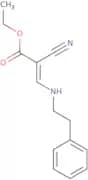
CAS:N-Ethylamine-2,4,6-triphenyl pyridinium tetrafluoroborate is a chemical reagent that belongs to the group of fine chemicals. It is soluble in water and ethanol, and has a melting point of around 100°C. N-Ethylamine-2,4,6-triphenyl pyridinium tetrafluoroborate is used in organic synthesis as a useful building block or as a research chemical for the production of other compounds. This compound is a versatile building block that can be used in the preparation of complex compounds such as pharmaceuticals. N-Ethylamine-2,4,6-triphenyl pyridinium tetrafluoroborate has been classified as an extremely hazardous substance by the US Department of Transportation due to its high reactivity with water.Fórmula:C25H23N2•BF4Pureza:Min. 95%Peso molecular:438.27 g/molethyl 2-nitrilo-3-((2-phenylethyl)amino)prop-2-enoate
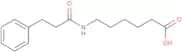
CAS:Please enquire for more information about ethyl 2-nitrilo-3-((2-phenylethyl)amino)prop-2-enoate including the price, delivery time and more detailed product information at the technical inquiry form on this pagePureza:Min. 85%N-Dihydrocinnamoylaminocaproic acid
CAS:Please enquire for more information about N-Dihydrocinnamoylaminocaproic acid including the price, delivery time and more detailed product information at the technical inquiry form on this pageFórmula:C15H21NO3Pureza:Min. 95%Peso molecular:263.33 g/molN-[5-(Phenylamino)-2,4-pentadienylidene]aniline monohydrochloride
CAS:N-[5-(Phenylamino)-2,4-pentadienylidene]aniline monohydrochloride is a fluorescent probe that reacts with malonic acid. The reaction produces an emission peak at 595 nm and can be detected by fluorescence microscopy. This probe has been used in the study of hypoxia imaging, as well as for detection of reactive carbonyl groups and acetylation reactions. It can also be used to monitor treatment effects on residues from emulsions.Fórmula:C17H16N2·HClPureza:(Titration) Min 98%Forma y color:Red PowderPeso molecular:284.78 g/mol2,5-Dihydroxybenzenesulfonic acid N-ethylethanamine
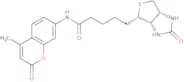
CAS:2,5-Dihydroxybenzenesulfonic acid N-ethylethanamine is a drug that has been used to treat muscle spasms. It is a potassium salt of 2,5-dihydroxybenzenesulfonic acid, which is the active form of the drug. The mechanism of this drug is not fully understood but it may act by relaxing smooth muscles in the bladder. This drug has been shown to be effective in combination therapy with sodium ferulate and sodium salts (sodium chloride and sodium bicarbonate) for treating muscle spasms caused by urinary tract infections. Fluorescence measurements are used for analytical determinations because of their high sensitivity and low cost, as well as the ability to provide results quickly. The synchronous fluorescence technique enables rapid quantification of both free and protein bound 2,5-dihydroxybenzenesulfonic acid N-ethylethanamine in urine samples due to its high sensitivity.Fórmula:C10H17NO5SPureza:Min. 95%Forma y color:White PowderPeso molecular:263.31 g/molN-D-Biotinyl-7-amino-4-methylcoumarin
CAS:N-D-Biotinyl-7-amino-4-methylcoumarin is a fluorescent substrate that is used to measure the activity of biotinidase, an enzyme that catalyzes the hydrolysis of biotin. It is detectable by measuring fluorescence with a spectrophotometer. Biotinidase deficiency can be diagnosed by measuring the activity of this enzyme in biological fluids. This assay has been shown to be useful for diagnosing patients with deficient biotinidase activity.Fórmula:C20H23N3O4SPureza:Min. 98 Area-%Forma y color:PowderPeso molecular:401.48 g/molTris[(1-benzyl-1H-1,2,3-triazol-4-yl)methyl]amine
CAS:Tris[(1-benzyl-1H-1,2,3-triazol-4-yl)methyl]amine is a molecular probe that can be used to detect the lysine residues in proteins. It reacts with the amino groups on lysine residues by forming a covalent bond between the amine and the nitrile groups. Tris[(1-benzyl-1H-1,2,3-triazol-4-yl)methyl]amine has a mass spectrometric analysis and is reactive towards azides and terminal alkynes. This molecule is tetradentate and can form four bonds with two molecules of hydrogen peroxide. The cycloaddition process leads to an electrophilic addition of hydrogen peroxide at one of the benzylic positions. Tris[(1 -benzyl-1H-1,2,3 -triazol -4 -yl)methyl]
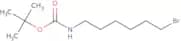
Fórmula:C30H30N10Pureza:Min. 97 Area-%Forma y color:PowderPeso molecular:530.63 g/molN-Boc-6-bromohexylamine
CAS:N-Boc-6-bromohexylamine is a hypoglycemic agent that belongs to the group of diagnostic agents. It has been shown to have an effect on glucose regulation and was used in clinical development. N-Boc-6-bromohexylamine interacts with the catalytic subunit of protein kinase C delta (PKCδ) and inhibits its activity, which can lead to a decrease in cellular glucose uptake. This molecule has also been shown to interact with chloride channels, which are involved in the regulation of cell volume, and 2-nitroimidazole, which is a hypoxic tumor promoter. N-Boc-6-bromohexylamine is synthesized from fatty acids and amides by supramolecular chemistry.
Fórmula:C11H22BrNO2Pureza:Min. 95%Forma y color:Colourless Clear LiquidPeso molecular:280.2 g/mol2’-Amino-2’-deoxy-β-D-arabinouridine
CAS:2’-Amino-2’-deoxy-β-D-arabinouridine is a modified nucleoside based on uridine, in which the 2'-hydroxyl group of the sugar has been replaced with an amino group, and the sugar itself is arabinose (a stereoisomer of ribose). This compound is of possible interest in nucleic acid chemistry and antisense or RNA-interference research.
Fórmula:C9H13N3O5Pureza:Min. 95%Forma y color:solid.Peso molecular:243.22 g/molN-[3-(3-Dimethylamino-1-oxo-2-propenyl)phenyl]-N-ethylacetamide
CAS:N-[3-(3-Dimethylamino-1-oxo-2-propenyl)phenyl]-N-ethylacetamide is a high quality, complex compound that is useful as a reagent, intermediate, and building block. The CAS number for this product is 96605-66-2. This product has shown to have use in the synthesis of fine chemicals and research chemicals. It is a versatile building block that can be used as a reaction component.
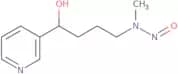
Fórmula:C15H20N2O2Pureza:Min. 95%Forma y color:PowderPeso molecular:260.33 g/mol4-(Methylnitrosamino)-1-(3-pyridyl)-1-butanol
CAS:4-(Methylnitrosamino)-1-(3-pyridyl)-1-butanol (NNAL) is a metabolite of nicotine that has been shown to be carcinogenic in vivo. It binds to DNA, forming adducts with guanine, and can cause mutations and chromosomal aberrations. 4-(Methylnitrosamino)-1-(3-pyridyl)-1-butanol is excreted in urine as a glucuronide conjugate. Its potential use as a biomarker for tobacco smoking has been demonstrated by the observation of increased levels following exposure to cigarette smoke. The urinary concentration of 4-(methylnitrosamino)-1-(3-pyridyl)-1-butanol has been correlated with the risk for lung cancer in humans, and it may be useful as an analytical method for determining tobacco consumption.Fórmula:C10H15N3O2Pureza:Min. 95%Forma y color:PowderPeso molecular:209.25 g/molBis[2-[Ethyl[(Heptadecafluorooctyl)Sulphonyl]Amino]Ethyl] (4-Methyl-1,3-Phenylene)Biscarbamate
CAS:Producto controladoBis[2-[Ethyl[(heptadecafluorooctyl)sulphonyl]amino]ethyl] (4-methyl-1,3-phenylene)biscarbamate is a sulfonate that is used as a chemical intermediate. It is a mixture of bis[2-[ethyl(heptadecafluorooctyl)sulphonyl]amino]ethyl (4-methyl-1,3-phenylene)biscarbamate and bis[2-[ethyl(hexadecafluoroheptyl)sulphonyl]amino]ethyl (4-methyl-1,3-phenylene)biscarbamate.Fórmula:C33H26F34N4O8S2Pureza:Min. 95%Forma y color:PowderPeso molecular:1,316.66 g/mol3-Diethylamino-2,2-dimethylpropyl p-aminobenzoate hydrochloride
CAS:Producto controlado3-Diethylamino-2,2-dimethylpropyl p-aminobenzoate hydrochloride (3DAPBA) is a drug that belongs to the amide class. It has been shown to have significant effects on neuronal function in vivo, as well as on dopamine neurotransmission in vitro. 3DAPBA is also a substrate for uptake by the dopamine transporter and can inhibit locomotor activity in rats, suggesting it may be a potential therapeutic agent for the treatment of Parkinson's disease. 3DAPBA has been shown to be effective against cocaine addiction and can reduce angiogenic factors in vivo. The drug also interacts with other drugs, including synthetic cannabinoids and amphetamines, which are metabolized by CYP2B6 enzymes. These interactions may result in reduced efficacy of 3DAPBA therapy. In addition, 3DAPBA is excreted unchanged in urine samples and can be detected in human liver tissue; it also inhibits michael
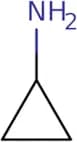
Fórmula:C16H27ClN2O2Pureza:Min. 95%Forma y color:PowderPeso molecular:314.85 g/molCyclopropylamine
CAS:Cyclopropylamine is a chemical compound that has been shown to be stable under a variety of conditions. It can be used as a model system for the study of transfer reactions in polymerases, as well as receptor activity. Cyclopropylamine inhibits the enzyme DNA polymerase by binding to the active site and causing an irreversible inhibition. It is also used in pharmaceutical drug manufacturing due to its stability and ability to inhibit malonic acid. Cyclopropylamine can act as an intermediate in the synthesis of pyrimidine compounds, which are crystalline polymorphs.
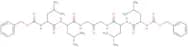
Fórmula:C3H7NPureza:Min. 95%Forma y color:Clear LiquidPeso molecular:57.09 g/mol1,3-Bis-(Z-Leu-Leu)-diaminoacetone
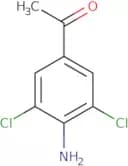
CAS:1,3-Bis-(Z-Leu-Leu)-diaminoacetone is a synthetic diketone inhibitor, which is a formulation derived through specialized organic synthesis. It functions by targeting and inhibiting aspartic proteases, a class of enzymes that play critical roles in numerous biological processes, including protein degradation and processing. This compound's mechanism involves the reversible covalent modification of the enzyme's active site, leading to an obstruction of its catalytic function.Fórmula:C43H64N6O9Pureza:Min. 95%Forma y color:PowderPeso molecular:809 g/mol1-(4-Amino-3,5-dichloro-phenyl)-2-ethanone
CAS:1-(4-Amino-3,5-dichloro-phenyl)-2-ethanone is a beta-adrenergic agent. It has been used as a stable isotope label for the study of the pharmacokinetics and metabolism of drugs in humans. In addition, it has been shown to have a good stability profile in acidic solutions and can be easily converted to other derivatives by simple chemical methods. The compound's UV spectrum is linear with respect to concentration over the range from 0.1 to 1 mg/mL, with maxima at 227 nm and 254 nm. This compound has been characterized using analytical methods such as diffraction, spectroscopy, and chromatography.
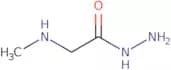
Fórmula:C8H7Cl2NOPureza:Min. 95%Forma y color:PowderPeso molecular:204.05 g/mol2-(Methylamino)acetohydrazide
CAS:2-(Methylamino)acetohydrazide is a cross-linking agent that is used in the production of chitosan quaternary ammonium citrate. 2-(Methylamino)acetohydrazide also has antimicrobial properties. The monoclonal antibody reacts with the aldehyde groups on the polymer film, forming a disulfide bond. This inhibits bacterial growth by preventing cell wall synthesis, which is required for bacterial replication and survival. In addition, 2-(methylamino)acetohydrazide can be combined with malic acid or glyoxal to form polycarboxylic acid films that have antimicrobial activity.
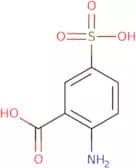
Fórmula:C3H9N3OPureza:Min. 95%Forma y color:Clear Colourless LiquidPeso molecular:103.12 g/mol2-Amino-5-sulfobenzoic acid
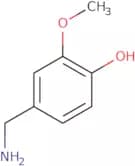
CAS:2-Amino-5-sulfobenzoicacid is an organic compound that is used as a building block in the synthesis of other chemicals. It is also used as a co-catalyst in the copper-catalyzed dehydration of alcohols to produce alkyl sulfates and alkyl sulfonates. 2-Amino-5-sulfobenzoicacid has been shown to be stable in water at pH levels of 7 or higher, but will hydrolyze quickly when exposed to acidic environments. This compound has been shown to emit light under various conditions, including when it absorbs ultraviolet light or when it reacts with metal ions such as copper. 2-Amino-5-sulfobenzoicacid is also fluorescent and can be used for luminescent detection of metal ions.Fórmula:C7H7NO5SPureza:Min. 95%Forma y color:PowderPeso molecular:217.2 g/mol4-Hydroxy-3-methoxybenzylamine
CAS:4-Hydroxy-3-methoxybenzylamine is a nonsteroidal anti-inflammatory drug (NSAID) that has been shown to inhibit the production of cytokines and prostaglandins. It is metabolized by cytochrome P450 enzymes in the liver to form an amide and anhydrous sodium methyl myristate, which are excreted in urine. The reaction solution was analyzed using kinetic energy spectroscopy, which showed that 4-hydroxy-3-methoxybenzylamine reacts with vanillylamine to create a polymerase chain reaction product. This compound also has specific binding affinity for toll-like receptor 2 with high affinity, suggesting that it may have immunomodulatory properties.
Fórmula:C8H11NO2Pureza:Min. 95%Forma y color:PowderPeso molecular:153.18 g/mol2-(4-Morpholinophenyl)ethylamine
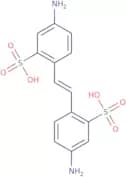
CAS:Please enquire for more information about 2-(4-Morpholinophenyl)ethylamine including the price, delivery time and more detailed product information at the technical inquiry form on this pageFórmula:C12H18N2OPureza:Min. 95%Forma y color:PowderPeso molecular:206.28 g/mol4,4'-Diaminostilbene-2,2'-disulfonic acid
CAS:4,4'-Diaminostilbene-2,2'-disulfonic acid (DAIDS) is a fluorescent dye that can be used to measure the activity of mitochondrial enzymes. It is a substrate for polymerase chain reaction and can be used as a cell viability assay. DAIDS has been shown to cause mitochondrial membrane depolarization and cytosolic calcium release in prostate cancer cells. This compound also inhibits the proliferation of human liver cells and has been proposed as a potential analytical method for wastewater samples. The anhydrous sodium form of DAIDS has been shown to increase the rate of metabolism by up to 30% in rats with body mass index greater than 25 kg/m^2.Fórmula:C14H14N2O6S2Pureza:Min. 95%Forma y color:SolidPeso molecular:370.4 g/mol9-[[[4-[(2,5-Dioxo-1-pyrrolidinyl) oxy]-4-oxobutyl][(4-methylphenyl) sulfonyl]amino]carbonyl]-10- (3-sulfopropyl)-acridinium inner salt
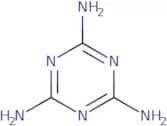
CAS:9-[(4-Methylphenyl) sulfonyl]amino]carbonyl]-10-[3-sulfopropyl)-acridinium inner salt is a synthetic antigen that is conjugated to an acridinium moiety. The 9-[[[4-[(2,5-Dioxo-1-pyrrolidinyl) oxy]-4-oxobutyl][(4-methylphenyl) sulfonyl]amino]carbonyl]-10-(3-sulfopropyl)-acridinium inner salt antigen has been shown to be effective for the detection of antibodies to the human immunodeficiency virus type 1 (HIV-1). It has a high affinity for both CD4 and CD8 T cells, which are important in the immune response to HIV infection. The 9-[(4-methylphenyl) sulfonyl]amino]carbonyl]-10-[3Fórmula:C32H31N3O10S2Pureza:Min. 95 Area-%Forma y color:PowderPeso molecular:681.73 g/molMelamine
CAS:Melamine is a nitrogen-containing heterocyclic amine that is used as a flame retardant, plasticizer, and textile dye. The toxicity of melamine has been evaluated in animal studies, which showed that it has low acute oral toxicity but high inhalation and dermal toxicity profiles. The acute effects of melamine are due to its capacity to bind to the erythrocyte membrane and cause hemolysis. Melamine can also react with cyanuric acid to form cyanuramide, which can be detected by gas chromatography/mass spectrometry (GC/MS) analysis. The carcinogenic potential of melamine has not been determined, but there is evidence that it may be genotoxic and have the potential to induce cancer in humans.
Fórmula:C3H6N6Pureza:Min. 95%Forma y color:SolidPeso molecular:126.12 g/mol


![4-[[4-(4-Chlorophenyl)-2-thiazolyl]amino]phenol](/_next/image/?url=https%3A%2Fstatic.cymitquimica.com%2Fproducts%2F3D%2Fthumb-webp%2FFC137468.webp&w=3840&q=75)





![4-[(7-Chloro-4-quinolinyl)amino]-1-pentanol](/_next/image/?url=https%3A%2Fstatic.cymitquimica.com%2Fproducts%2F3D%2Fthumb-webp%2FFC20107.webp&w=3840&q=75)
![N-[5-(Phenylamino)-2,4-pentadienylidene]aniline monohydrochloride](/_next/image/?url=https%3A%2Fstatic.cymitquimica.com%2Fproducts%2F3D%2Fthumb-webp%2FFP29019.webp&w=3840&q=75)

![Tris[(1-benzyl-1H-1,2,3-triazol-4-yl)methyl]amine](/_next/image/?url=https%3A%2Fstatic.cymitquimica.com%2Fproducts%2F3D%2Fthumb-webp%2FFT60866.webp&w=3840&q=75)

![N-[3-(3-Dimethylamino-1-oxo-2-propenyl)phenyl]-N-ethylacetamide](/_next/image/?url=https%3A%2Fstatic.cymitquimica.com%2Fproducts%2F3D%2Fthumb-webp%2FFD70834.webp&w=3840&q=75)
![Bis[2-[Ethyl[(Heptadecafluorooctyl)Sulphonyl]Amino]Ethyl] (4-Methyl-1,3-Phenylene)Biscarbamate](/_next/image/?url=https%3A%2Fstatic.cymitquimica.com%2Fproducts%2F3D%2Fthumb-webp%2FFB101999.webp&w=3840&q=75)


![9-[[[4-[(2,5-Dioxo-1-pyrrolidinyl) oxy]-4-oxobutyl][(4-methylphenyl) sulfonyl]amino]carbonyl]-10- …](/_next/image/?url=https%3A%2Fstatic.cymitquimica.com%2Fproducts%2F3D%2Fthumb-webp%2FFD106522.webp&w=3840&q=75)