Aminas
Subcategorías de "Aminas"
- Nitrosaminas(2.676 productos)
- Aminas primarias(30.948 productos)
- Cationes y sales de amonio cuaternario(1.098 productos)
- Aminas secundarias(20.886 productos)
- Aminas terciarias(17.195 productos)
Se han encontrado 8786 productos de "Aminas"
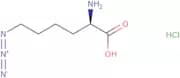
(R)-2-Amino-6-azidohexanoic acid HCl
CAS:(R)-2-Amino-6-azidohexanoic acid HCl is a chemical intermediate that is used in the synthesis of a number of biologically active compounds. It is also a versatile building block for the construction of complex molecules. This chemical has been shown to be useful in the synthesis of pharmaceuticals, agrochemicals, and other fine chemicals. CAS No. 2098497-01-7Fórmula:C6H12N4O2·HClPureza:Min. 95%Forma y color:White PowderPeso molecular:208.65 g/mol5-Pyridin-3-yl-2H-pyrazol-3-ylamine
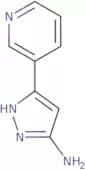
CAS:5-Pyridin-3-yl-2H-pyrazol-3-ylamine is a fine chemical with applications in the research and development of pharmaceuticals, agrochemicals, and other speciality chemicals. 5-Pyridin-3-yl-2H-pyrazol-3-ylamine is also a versatile building block for the synthesis of complex molecules. This compound can be used as a reagent or intermediate in organic reactions. It is also an excellent scaffold for the synthesis of complex molecules.Fórmula:C8H8N4Pureza:Min. 95%Forma y color:Off-white to pale yellow or beige solid.Peso molecular:160.18 g/mol4-Amino-3-chloro-2,5,6-trifluoropyridine
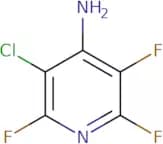
CAS:4-Amino-3-chloro-2,5,6-trifluoropyridine is a reactive and unstable chemical compound that belongs to the group of anilines. It is used in the synthesis of hypsochromic dyes. The compound has been shown to interact with other molecules, such as chemo-, supramolecular-, and synthetically-. The fluorophore has been stabilized by a supramolecular approach. Chemically induced fluorescence properties have been observed for 4-amino-3-chloro-2,5,6-trifluoropyridine.Fórmula:C5H2ClF3N2Pureza:Min. 95%Forma y color:SolidPeso molecular:182.53 g/mol1-Methylazetidin-3-amine dihydrochloride
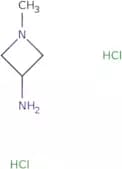
CAS:1-Methylazetidin-3-amine dihydrochloride is a synthetic chemical compound that is used as a reagent, high quality, complex intermediate, and fine chemical. It has been shown to be useful in the synthesis of various compounds and has been reported as a useful scaffold for organic synthesis. This compound also exhibits versatile building block properties due to its ability to react with various functional groups. 1-Methylazetidin-3-amine dihydrochloride has been found to be a useful reaction component in the production of pharmaceuticals, pesticides, and other products.Fórmula:C4H12Cl2N2Pureza:Min. 95%Forma y color:White PowderPeso molecular:159.06 g/mol2-Amino-4,6-dibromophenol
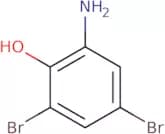
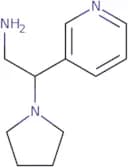
CAS:2-Amino-4,6-dibromophenol is an organic compound that is used in research for the synthesis of benzoxazoles and related compounds. It is a lactam analog that can be synthesized from commercially available starting materials. 2-Amino-4,6-dibromophenol has been shown to have pharmacological activity against tumor cells. This compound has also been used to synthesize regiospecific skeletal analogs of natural products.Fórmula:C6H5Br2NOPureza:Min. 95 Area-%Forma y color:Off-White PowderPeso molecular:266.92 g/mol2-(3-Pyridyl)-2-pyrrolidinylethylamine
CAS:2-(3-Pyridyl)-2-pyrrolidinylethylamine is a fine chemical that is used as a versatile building block in the synthesis of complex compounds. It is also used as a reagent and speciality chemical for research purposes. This compound can be used to produce useful intermediates and reaction components in organic synthesis. 2-(3-Pyridyl)-2-pyrrolidinylethylamine is also a useful scaffold for making high quality, useful compounds. CAS No. 855659-43-7
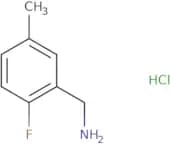
Fórmula:C11H17N3Pureza:Min. 95%Forma y color:Clear LiquidPeso molecular:191.27 g/mol2-Fluoro-5-methylbenzylamine hydrochloride
CAS:2-Fluoro-5-methylbenzylamine hydrochloride is a reagent that is used as a starting material in the synthesis of fine chemicals, research chemicals, and speciality chemicals. It reacts with a variety of compounds to form complex compounds. 2-Fluoro-5-methylbenzylamine hydrochloride has a high quality and is a versatile building block for making other chemical products. The compound also has an interesting reactivity with various substrates. 2-Fluoro-5-methylbenzylamine hydrochloride can be used as an intermediate in the synthesis of pharmaceuticals, herbicides, insecticides, and dyes. The CAS number for this compound is 1214341-09-9.Fórmula:C8H11ClFNPureza:Min. 95%Peso molecular:175.63 g/molO-(N-Boc-2-aminoethyl)-O'-(N-diglycolyl-2-aminoethyl)hexaethyleneglycol
CAS:O-(N-Boc-2-aminoethyl)-O'-(N-diglycolyl-2-aminoethyl)hexaethyleneglycol is a PEG compound with two different functional groups (also known as heterobifunctional). Unlike homobifunctional PEG compounds (same functional group on both ends), this type of compounds are more versatile as have two different anchor points. O-(N-Boc-2-aminoethyl)-O'-(N-diglycolyl-2-aminoethyl)hexaethyleneglycol is used as a linker and spacer to add a PEG moiety, via pegylation (a bioconjugation technique) to proteins, peptides, oligonucleotides, small molecules and nanoparticles.Fórmula:C25H48N2O13Pureza:Min. 95%Forma y color:PowderPeso molecular:584.65 g/mol4-Amino-6-chloro-2-(methylthio) pyrimidine
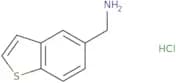
CAS:4-Amino-6-chloro-2-(methylthio) pyrimidine is a reactive chemical that is used in medicine as an antioxidant. It has been shown to have beneficial effects on atherosclerosis, colitis and cancer. 4-Amino-6-chloro-2-(methylthio) pyrimidine has also been shown to inhibit the production of reactive oxygen species (ROS). ROS are generated by lipoxygenase enzymes in soybean oil and cause damage to cells. 4-Amino-6-chloro-2-(methylthio) pyrimidine binds to the enzyme's heme group, preventing it from forming ROS.Fórmula:C5H6ClN3SPureza:Min. 95%Peso molecular:175.64 g/mol(1-Benzothien-5-ylmethyl)amine hydrochloride
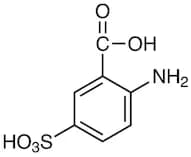
CAS:(1-Benzothien-5-ylmethyl)amine hydrochloride is a white crystalline solid that is soluble in organic solvents. It has been used as a research chemical, reagent, and speciality chemical. It is also an intermediate for the synthesis of other compounds.Fórmula:C9H9NS·HClPureza:Min. 95%Forma y color:SolidPeso molecular:199.7 g/mol2-Amino-5-sulfobenzoic Acid
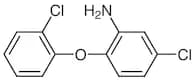
CAS:Fórmula:C7H7NO5SPureza:>96.0%(T)(HPLC)Forma y color:White to Light yellow to Light orange powder to crystalPeso molecular:217.202-Amino-2',4-dichlorodiphenyl Ether
CAS:Fórmula:C12H9Cl2NOPureza:>98.0%(GC)(T)Forma y color:Colorless to Brown clear liquidPeso molecular:254.11Sulbutiamine
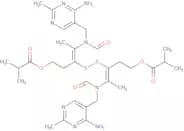
CAS:Sulbutiamine is a thiamine analogue that is used to treat diseases such as Alzheimer's disease and Parkinson's disease. Sulbutiamine also has antimicrobial properties and can be used to treat infectious diseases such as infectious diarrhea. Sulbutiamine has been shown to reduce symptoms of inflammatory bowel disease (IBD) by relieving intestinal inflammation, although it does not affect the course of the disease. Sulbutiamine has also been shown to have effects on the immune system, which may be due to its ability to increase cellular redox potentials in neuro2a cells and human serum. These effects are caused by an indirect antioxidant effect, which results from sulbutiamine's ability to inhibit lipid peroxidation and stimulate glutathione reductase activity.Fórmula:C32H46N8O6S2Pureza:Min. 95%Forma y color:PowderPeso molecular:702.89 g/mol(3-Aminopropyl)phosphonic acid
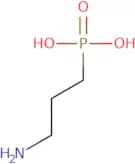
CAS:(3-Aminopropyl)phosphonic acid is an organic compound that is structurally similar to the neurotransmitter gamma-aminobutyric acid (GABA). It is a potent uptake inhibitor of GABA and has been shown to inhibit cancer growth in vitro. The mechanism of action for (3-aminopropyl)phosphonic acid is not fully known, but it has been suggested that it inhibits tumor cell proliferation by binding to ganglion cells and inhibiting their growth. This inhibition may be due to its ability to act as a potent antagonist at the GABA receptor site.
Fórmula:C3H10NO3PPureza:Min. 95%Forma y color:White PowderPeso molecular:139.09 g/mol6-Amino-8-methyl-2H-1,4-benzoxazin-3(4H)-one
CAS:6-Amino-8-methyl-2H-1,4-benzoxazin-3(4H)-one is a fine chemical that is a useful building block for research chemicals and speciality chemicals. It can be used as a reagent in organic synthesis, as well as in the production of high quality and versatile building blocks. 6-Amino-8-methyl-2H-1,4-benzoxazin-3(4H)-one can be reacted to form useful scaffolds or intermediates that are valuable in the process of making complex compounds.Fórmula:C9H10N2O2Pureza:Min. 95%Forma y color:PowderPeso molecular:178.19 g/molN-[4-(Acetylamino)phenyl]glycine
CAS:N-[4-(Acetylamino)phenyl]glycine is a fine chemical that can be used as a building block in the synthesis of pharmaceuticals, agricultural chemicals, and other speciality chemicals. It is an intermediate in the synthesis of heterocyclic compounds and has been shown to be useful for the preparation of complex compounds. N-[4-(Acetylamino)phenyl]glycine also serves as a reaction component in many organic reactions and has been used as a research chemical. This compound has high purity and can be obtained at competitive prices.Fórmula:C10H12N2O3Pureza:Min. 95%Forma y color:PowderPeso molecular:208.21 g/mol(1S,2R)-(+)-2-Amino-1,2-diphenylethanol
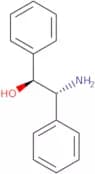
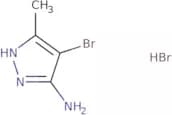
CAS:Producto controlado(1S,2R)-(+)-2-Amino-1,2-diphenylethanol is an enantiopure amine that has been used as a ligand in supramolecular chemistry. It can be prepared by reacting 2-chloropropane with thionyl chloride and primary alcohols. The chloride group facilitates the reaction rate and can be replaced by nitro groups to immobilize the product on a solid substrate. (1S,2R)-(+)-2-Amino-1,2-diphenylethanol has optical properties that are dependent on its environment. It can be used to label cells for studies of cell differentiation or cell migration. This compound also reacts with cyclohexane rings to form cyclic products with different optical properties than those of the reactants. The reaction yield is high in this process.Fórmula:C14H15NOPureza:Min. 95%Forma y color:White To Beige SolidPeso molecular:213.28 g/mol5-Amino-4-bromo-3-methylpyrazole hydrobromide
CAS:5-Amino-4-bromo-3-methylpyrazole hydrobromide is an intermediate in the synthesis of a variety of compounds. It is also a building block for the synthesis of heterocycles, such as pyrazoles, indazoles, benzoxazoles, and benzothiazoles. 5-Amino-4-bromo-3-methylpyrazole hydrobromide can be used as a reagent to synthesize pharmaceuticals and other useful compounds. 5-Amino-4-bromo-3-methylpyrazole hydrobromide is a versatile building block that can be used in the synthesis of many different types of compounds. This compound has been shown to react with various groups on organic molecules to form new chemical structures.Fórmula:C4H6BrN3•BrHPureza:Min. 95%Forma y color:PowderPeso molecular:256.93 g/molTributylammonium pyrophosphate
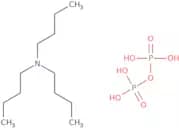
CAS:Producto controladoTributylammonium pyrophosphate is a phosphorylating reagent used in the synthesis of phosphorylated nucleosides, particularly nucleoside triphosphates used as building blocks for the synthesis of DNA, RNA and sugar nucleotides; as well as a source of cellular energy. Nucleoside triphosphates are typically synthesised by treating free nucleosides with phosphorus oxychloride, then adding tributylammonium pyrophosphate to the reaction intermediate, where the lipophilic tributylammonium salt enhances solubility in organic solvents. Additionally, tributylammonium pyrophosphate was used in the preparation of structurally complex dinucleotide-5’-triphosphates.Fórmula:(C12H27N)2•H4O7P2Pureza:Min. 95%Forma y color:White PowderPeso molecular:548.68 g/mol3-(N,N-Dimethylamino)benzhydrazide
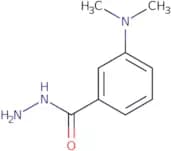
CAS:3-(N,N-Dimethylamino)benzhydrazide is a versatile chemical building block that can be used to synthesize a wide range of compounds. It has been reported as an intermediate in the synthesis of a number of biologically active compounds such as 3-dimethylaminobenzhydrazide and 3-dimethylaminobenzoic acid. The compound is soluble in water and can be used in research into the synthesis of complex organic molecules.
Fórmula:C9H13N3OPureza:Min. 95%Peso molecular:179.22 g/molZ-1,5-Diaminopentane HCl
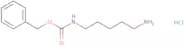
CAS:Z-1,5-Diaminopentane HCl is a chemical intermediate used in the synthesis of pharmaceuticals and other organic compounds. It is also useful as a building block in the synthesis of complex compounds with high purity. Z-1,5-Diaminopentane HCl is soluble in water and has a boiling point of 232°C. CAS No. 18807-74-4
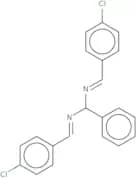
Fórmula:C13H20N2O2·HClPureza:Min. 95%Forma y color:PowderPeso molecular:272.77 g/molN,N'-Bis-(4-chlorobenzylidene)-C-phenylmethanediamine
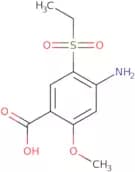
CAS:N,N'-Bis-(4-chlorobenzylidene)-C-phenylmethanediamine is a fine chemical that is useful as a building block for the preparation of other compounds. It can also be used as a reaction component in research and as a reagent for synthesizing organic compounds. This compound has CAS No. 320734-42-7 and is classified as speciality chemicals.Fórmula:C21H16Cl2N2Pureza:Min. 95%Peso molecular:367.27 g/mol2-Methoxy-4-amino-5-ethylsulfonyl benzoic acid
CAS:2-Methoxy-4-amino-5-ethylsulfonyl benzoic acid is a synthetic chemical that is used in wastewater treatment. It is also used as a precursor for the production of other chemicals, such as thiocyanates, peroxides, and bromoethanes. 2-Methoxy-4-amino-5-ethylsulfonyl benzoic acid can be produced by the reaction of hydrochloric acid with thionyl chloride. It reacts with aluminium to produce an acylation reaction that produces 2,2'-dithiodiethanol (DTE). The DTE can be reacted with an organic compound to produce a variety of products, including salicylic acid or bromoethanes.Fórmula:C10H13NO5SPureza:Min. 95%Forma y color:PowderPeso molecular:259.28 g/mol3-Methoxy-5-(trifluoromethyl)aniline
CAS:Fórmula:C8H8F3NOPureza:>98.0%(GC)(T)Forma y color:Light yellow to Brown to Dark red powder to crystalPeso molecular:191.15Fmoc-4-amino-L-phe(t-butyl-carbamoyl)-OH
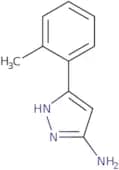
Fmoc-4-amino-L-phe(t-butyl-carbamoyl)-OH is a versatile building block that is used in the synthesis of complex compounds. This compound has been found to be useful as a reagent, speciality chemical, and reaction component for the synthesis of high quality and useful intermediates. Fmoc-4-amino-L-phe(t-butyl carbamoyl)-OH is also a useful scaffold for the production of novel compounds.Fórmula:C29H31N3O5Pureza:Min. 95%Forma y color:PowderPeso molecular:501.57 g/mol3-(2-Methylphenyl)-1H-pyrazol-5-amine
CAS:3-(2-Methylphenyl)-1H-pyrazol-5-amine is a chemical compound that can be used as a reactant, reagent, or scaffold in the synthesis of other compounds. It is a useful building block and intermediate for the synthesis of complex compounds. 3-(2-Methylphenyl)-1H-pyrazol-5-amine has been shown to have high purity and quality and is available at a reasonable price. This chemical is also versatile, as it can be used in reactions with other chemicals to form diverse products. 3-(2-Methylphenyl)-1H-pyrazol-5-amine belongs to CAS No. 57860-42-1 and is a fine chemical that can be used for research purposes only.Fórmula:C10H11N3Pureza:Min. 95%Forma y color:Off-White To Light Brown LiquidPeso molecular:173.21 g/mol[(5-Cyclopropyl-1,2,4-oxadiazol-3-yl)methyl]amine hydrochloride
CAS:[(5-Cyclopropyl-1,2,4-oxadiazol-3-yl)methyl]amine hydrochloride is an intermediate used in the synthesis of a variety of complex compounds. It is also a fine chemical that can be used as a reagent and building block in the manufacture of drugs. [(5-Cyclopropyl-1,2,4-oxadiazol-3-yl)methyl]amine hydrochloride has been shown to be a versatile building block for the synthesis of many types of compounds. This compound has been shown to react with various functional groups, including alcohols and amines. This reagent can also be used as a reaction component with other chemicals such as nitroalkanes or ketones to produce heterocycles or other useful compounds. ([(5-Cyclopropyl-1,2,4-oxadiazol-3-yl)methyl]amine hydrochloride)Fórmula:C6H10ClN3OPureza:Min. 95%Forma y color:Off-White PowderPeso molecular:175.62 g/molFmoc-(1R,2R)-2-aminocyclohexane carboxylic acid
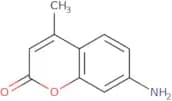
CAS:Fmoc-(1R,2R)-2-aminocyclohexane carboxylic acid is a versatile building block used as a reaction component in the synthesis of chemical compounds. It is classified as a speciality chemical and has been shown to be useful in the synthesis of complex compounds. The CAS number for this compound is 389057-34-5.Fórmula:C22H23NO4Pureza:Min. 99 Area-%Forma y color:PowderPeso molecular:365.42 g/mol7-Amino-4-methylcoumarin
CAS:Fluorescent probe for AMC-based labelling of oligosaccharides or peptides
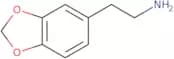
Fórmula:C10H9NO2Pureza:Min. 98 Area-%Forma y color:Yellow PowderPeso molecular:175.18 g/mol3,4-(Methylenedioxyphenyl)ethylamine
CAS:Producto controlado3,4-(Methylenedioxyphenyl)ethylamine (MDPA) is an anticancer drug that is used to treat various types of cancer. It has been shown to inhibit the growth of human colon cancer cells and breast cancer cells by binding to sphingosine kinase. MDPA is also a dietary supplement that can be found in Stephania japonica plants. This compound has a structural formula of C14H18N2O2, with a molar mass of 220.30 g/mol. The chromatographic science technique can be used for the separation and identification of this compound. It binds to dopamine receptors, which are G-protein coupled receptors that mediate the release of various neurotransmitters such as dopamine and serotonin from neurons in the brain. These natural compounds are acylated with amines or amino acids before they react with hydrochloric acid to produce MDPA.br>Fórmula:C9H11NO2Pureza:Min. 95%Forma y color:Clear LiquidPeso molecular:165.19 g/mol2,5-Bis(aminomethyl)tetrahydrofuran
CAS:2,5-Bis(aminomethyl)tetrahydrofuran is a polymerization catalyst for polyethylene terephthalate that has been shown to be effective at low temperatures. It is not active at high temperatures and is stable in acidic and neutral media. 2,5-Bis(aminomethyl)tetrahydrofuran can be used as an electrochemical catalyst for the conversion of 5-hydroxymethylfurfural (HMF) to formic acid. This reaction has been shown to have a high turnover frequency and to be sustainable because it does not require fossil fuels or heavy metals as reactants. The parameters of this reaction are still being investigated, including the effect of oxidant on the rate of catalysis.Fórmula:C6H14N2OPureza:Min. 95%Forma y color:Colorless PowderPeso molecular:130.19 g/mol3-Fluoro-4-(4-morpholinyl) benzenamine
CAS:3-Fluoro-4-(4-morpholinyl) benzenamine is an antibiotic drug that belongs to the group of nitro compounds. It is active against bacteria and fungi, but not against viruses. It has been shown to inhibit bacterial growth by binding to the gyrase enzyme, which is essential for DNA replication. 3-Fluoro-4-(4-morpholinyl) benzenamine also inhibits protein synthesis by topoisomerase inhibition and has been shown to be effective against a wide range of bacteria including Pseudomonas aeruginosa, Escherichia coli, Enterobacter cloacae, Klebsiella pneumoniae, Proteus mirabilis, Serratia marcescens, and Staphylococcus aureus. 3-Fluoro-4-(4-morpholinyl) benzenamine has low toxicity in humans because it reacts with nitric oxide (NO), producing harmless fluoroacetate
Fórmula:C10H13FN2OPureza:Min. 95%Forma y color:PowderPeso molecular:196.22 g/molN-Benzyloctylamine
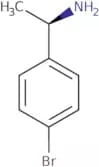
CAS:N-Benzyloctylamine is a broad-spectrum antibacterial that is effective against gram-positive and gram-negative bacteria. It has been shown to inhibit the growth of Escherichia coli and Bacillus subtilis, as well as other bacterial strains. N-Benzyloctylamine inhibits the activity of aminopeptidases, which are enzymes that hydrolyze amino acids from the ends of peptides. This inhibition leads to an accumulation of peptides in cells, which may lead to cell death by proteolysis. N-Benzyloctylamine also inhibits fatty acid synthase, which is an enzyme involved in the synthesis of fatty acids. This inhibition leads to a decrease in fatty acid production, resulting in a reduction in lipid accumulation within cells.Fórmula:C15H25NPureza:Min. 95%Peso molecular:219.37 g/mol(R)-(+)-1-(4-Bromophenyl)ethylamine
CAS:(R)-(+)-1-(4-Bromophenyl)ethylamine is a chiral anion that can be used as a ligand for supramolecular chemistry. It reacts with primary amines to form a diazenyl (an anion with two nitrogen atoms and one carbon atom). The diazenyl molecule has been shown to have chemotactic activity and to stimulate the immune system. The (R)-(+)-1-(4-bromophenyl)ethylamine is generally stable when it is in contact with water, but is unstable when heated due to decomposition by light or oxygen.
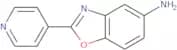
Fórmula:C8H10BrNPureza:Min. 95%Forma y color:Clear LiquidPeso molecular:200.08 g/mol2-Pyridin-4-yl-1,3-benzoxazol-5-amine
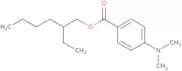
CAS:2-Pyridin-4-yl-1,3-benzoxazol-5-amine is a fine chemical that is useful as a building block in organic synthesis. It can be used in the preparation of other chemicals and pharmaceuticals. This compound is also used as a reagent in research. 2-Pyridin-4-yl-1,3-benzoxazol-5-amine has been shown to be an excellent intermediate for the synthesis of complex compounds. It can also be used as a scaffold for drug design with versatile chemical reactivity.Fórmula:C12H9N3OPureza:Min. 95%Forma y color:PowderPeso molecular:211.22 g/mol2-Ethylhexyl 4-dimethylaminobenzoate
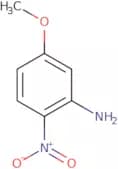
CAS:2-Ethylhexyl 4-dimethylaminobenzoate is a sulfa drug that is used for the prevention of skin cancer, and it has been shown to be effective against bacterial strains in vitro. It also has a monosodium salt and a hydroxyl group. 2-Ethylhexyl 4-dimethylaminobenzoate is used as an analytical method for measuring the concentration of zirconium oxide in wastewater and drinking water samples. This compound has been used in vivo to show that it can inhibit the growth of bacteria by interfering with DNA synthesis. 2-Ethylhexyl 4-dimethylaminobenzoate is also used as a sunscreen and provides protection against UV radiation by absorbing light at wavelengths between 280 and 320 nm.Fórmula:C17H27NO2Pureza:Min. 95%Forma y color:Clear LiquidPeso molecular:277.4 g/mol5-Methoxy-2-nitrophenylamine
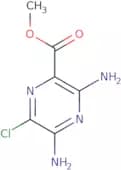
CAS:5-Methoxy-2-nitrophenylamine (5MN) is a synthetic compound. It has been shown to produce an inhibitory effect on Alzheimer's disease and Leishmania infantum by inhibiting the formation of amyloid beta (Aβ) and leishmanicidal alpha-ketoglutarate, respectively. 5MN has also been observed to stabilize supramolecular structures in magnetic resonance spectroscopy experiments. This chemical is synthesized from 4-amino-3-nitrophenol and methylamine by reacting them in the presence of sodium hydroxide and sulfuric acid under refluxing conditions. The reaction products are analyzed using FTIR spectroscopy, as shown below:Fórmula:C7H8N2O3Pureza:Min. 95%Forma y color:PowderPeso molecular:168.15 g/mol3,5-Diamino-6-chloropyrazine-2-carboxylic acid methyl ester
CAS:3,5-Diamino-6-chloropyrazine-2-carboxylic acid methyl ester is a low binding, mitochondrial labeling agent. It is photolabile and can be used in the study of respiratory complex activity. 3,5-Diamino-6-chloropyrazine-2-carboxylic acid methyl ester has been shown to inhibit the enzyme mitochondrial complex I and II. The azido group on the molecule is homologous to a phosphate group in ATP and can be used as a substrate analogue for ATP synthase. This allows 3,5-Diamino-6-chloropyrazine-2-carboxylic acid methyl ester to be used as an experimental tool for studying ATP synthesis.
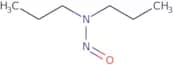
Fórmula:C6H7ClN4O2Pureza:Min. 95%Forma y color:PowderPeso molecular:202.6 g/molN-Nitrosodipropylamine
CAS:N-Nitrosodipropylamine is a chemical that is used in wastewater treatment. It is found in acetate extracts of sewage sludge and has been shown to inhibit the activity of rat liver microsomes. N-Nitrosodipropylamine has been linked to cancer, and although it has not been shown to cause cancer in rats, it does have carcinogenic potential. This chemical also inhibits the activity of bacterial cytochrome P450 enzymes, which are important for regulating the synthesis of lipids, steroids, and other biologically important molecules. N-Nitrosodipropylamine has also been shown to be an anthelmintic drug, but when administered orally or intraperitoneally at high doses, it causes maternal toxicity and fetal death in pregnant rats. The use of this drug should therefore be avoided during pregnancy.
Fórmula:C6H14N2OPureza:Min. 95%Forma y color:Clear LiquidPeso molecular:130.19 g/mol(+)-(1S,3R)-3-Amino-cyclopentane carboxylic acid
CAS:The nature of the amino acid side chain plays a major role in determining the properties of an amino acid. The side chain is either hydrophobic (CH3) or hydrophilic (NH2). Amino acids are arranged into subunits. The alpha-amino group is attached to the carbon atom at the end of the side chain, and the carboxyl group is attached to a second carbon atom on a different molecule. These two molecules are joined by a chemical bond called an amide bond. The alpha-carboxyl group determines whether an amino acid will be acidic or basic in nature. The pH scale ranges from 0 to 14, with 7 being neutral, and numbers higher than 7 indicating alkaline conditions. Constant values for each amino acid can be found on this website:
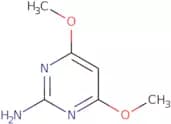
Fórmula:C6H11NO2Pureza:Min. 95%Forma y color:White PowderPeso molecular:129.16 g/mol4,6-Dimethoxypyrimidin-2-amine
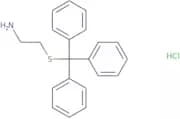
CAS:4,6-Dimethoxypyrimidin-2-amine is a pyrimidine compound with the molecular formula C5H4N4O2. It can be prepared from the reaction of 2,4,6-trichloropyrimidine with formaldehyde and sodium cyanide in an organic solution. The properties of 4,6-Dimethoxypyrimidin-2-amine were studied on bacterial strain and human urine samples. This molecule is soluble in water and reacts with carboxylic acid to form a hydrogen bond. The nitrogen atoms show some reactivity towards copper chloride and hydrogen chloride.Fórmula:C6H9N3O2Pureza:Min. 95%Forma y color:White PowderPeso molecular:155.15 g/molTrt-cysteamine hydrochloride
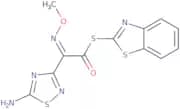
CAS:Trt-cysteamine hydrochloride is a prodrug that is metabolized to cysteamine in vivo. Cysteamine inhibits the production of tumor necrosis factor (TNF) by binding to its receptor and blocking NF-κB signaling pathways. In vitro models have shown that trt-cysteamine hydrochloride has minimal effects on cells, but when used in vivo, it can inhibit oxidative stress and induce cell death. Trt-cysteamine hydrochloride also binds to molecular targets with disulfide bonds, which may be potential therapeutic targets for cancer treatment.Fórmula:C21H21NS·HClPureza:Min. 95%Forma y color:White Off-White PowderPeso molecular:355.92 g/molS-2-Benzothiazolyl (Z)-2-(5-amino-1,2,4-thiadiazol-3-yl)-2-methoxyiminothioacetate
CAS:S-2-Benzothiazolyl (Z)-2-(5-amino-1,2,4-thiadiazol-3-yl)-2-methoxyiminothioacetate is an experimental drug that has been studied in research, solvents and clinical data. It has a strong ability to disrupt the physiology of cells by inhibiting reactions that require S-adenosylmethionine. The reaction time is approximately 10 seconds, and human patients have been used for clinical development and translational research. This reducer is also able to produce high yield with a synthesis time of only 1 hour.Fórmula:C12H9N5O2S3Pureza:Min. 95%Forma y color:White PowderPeso molecular:351.43 g/mol6-Chloro-2-methyl-4-pyrimidinamine
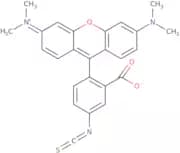
CAS:6-Chloro-2-methyl-4-pyrimidinamine is a molecule that has been studied for anticancer activity. It is an urea nitrogen, which is a hydrogen bond donor. The fructus of the 6-chloro-2-methyl-4-pyrimidinamine molecule has been shown to have anticancer activity in vitro. The anticancer activities of 6-chloro-2-methyl-4-pyrimidinamine are thermodynamic and vibrational, with etridiazole as the most potent inhibitor. The diamine tetraacetic acid (DTA) protonation state of the molecule was found to be 5.6, while the chloride protonation state was 3.6. In addition, it has been shown that 6CHMPA binds to Triticum aestivum cells through ethylene diamine and atomic orbital interactions.Fórmula:C5H6ClN3Pureza:Min. 95%Forma y color:White To Off-White SolidPeso molecular:143.57 g/molTetramethylrhodamine-5-isothiocyanate
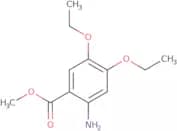
CAS:Tetramethylrhodamine-5-isothiocyanate (TRITC) is a fluorescent dye that can be used for the detection of cancer cells. This molecule interacts with mitochondrial membrane potential and superparamagnetic iron oxide nanoparticles, which are used to detect cancer cells. TRITC is linked to a carrier protein, such as wheat germ agglutinin or streptavidin, and then incubated with the target tissue. The dye is taken up by cells with high mitochondrial membrane potential, which are typically cancerous. The dye can also be detected using an analytical method called flow cytometry, which detects changes in the fluorescence intensity of the dyed cells. TRITC has been shown to have anti-cancer properties in basic fibroblast growth factor-deficient mice and in human colon carcinoma cells in vitro.Fórmula:C25H21N3O3SPureza:Min. 95%Forma y color:PowderPeso molecular:443.52 g/mol2-Amino-4,5-diethoxy-benzoic acid methyl ester
CAS:2-Amino-4,5-diethoxy-benzoic acid methyl ester is a fine chemical that is used as a building block in the synthesis of complex compounds. It is a versatile building block with many possible reactions and can be used as a reagent or speciality chemical. 2-Amino-4,5-diethoxy-benzoic acid methyl ester can be used in the synthesis of diverse scaffolds for use in research chemicals, pharmaceuticals and agrochemicals.Fórmula:C12H17NO4Pureza:Min. 95%Peso molecular:239.27 g/molFmoc-cis-4-aminocyclohexane carboxylic acid
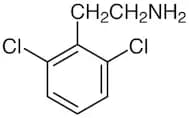
CAS:Fmoc-cis-4-aminocyclohexane carboxylic acid is a reagent, useful for the synthesis of complex compounds. It is also used as an intermediate in the production of fine chemicals and speciality chemicals. In addition, it is a versatile building block that can be used to synthesize many different types of compounds, including pharmaceuticals and pesticides. Fmoc-cis-4-aminocyclohexane carboxylic acid is a high quality compound with a CAS number of 147900-45-6. It has been shown to be an effective scaffold for the synthesis of novel reaction components.Fórmula:C22H23NO4Pureza:Min. 95%Forma y color:White/Off-White SolidPeso molecular:365.42 g/mol2-(2,6-Dichlorophenyl)ethylamine
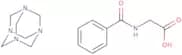
CAS:Fórmula:C8H9Cl2NPureza:>98.0%(GC)(T)Forma y color:Colorless to Light orange to Yellow clear liquidPeso molecular:190.07Methenamine hippurate
CAS:Producto controladoMethenamine hippurate is a drug that has been used in the treatment of urinary tract infections. It is also used to prevent recurrence of these infections. Methenamine hippurate works by releasing formaldehyde, which inhibits the growth of bacteria by affecting their cell membrane. The release of formaldehyde is dependent on the concentration of methenamine and the pH, with a pH range from 7.0 to 8.5 being most effective for inhibiting bacterial growth. The release of formaldehyde can be inhibited by adding an acid to the urine sample or by adding hippurate to methenamine hippurate. Methenamine hippurate may cause drug interactions with other drugs that are eliminated through the kidneys, such as acetaminophen, sulfonamides, and indomethacin. This drug also has been shown to have therapeutic effects on choroidal neovascularization and geriatric patients with urinary tract infections.!-- END-->Fórmula:C6H12N4·C9H9NO3Pureza:Min. 95%Forma y color:White PowderPeso molecular:319.36 g/mol2-(4-Benzylpiperidin-1-yl)ethanamine
CAS:2-(4-Benzylpiperidin-1-yl)ethanamine is a fine chemical that is useful for the preparation of versatile building blocks. This compound is an intermediate in the synthesis of a variety of compounds, including research chemicals and speciality chemicals. It has been used as a reaction component in the synthesis of complex compounds with high quality. 2-(4-Benzylpiperidin-1-yl)ethanamine is also a reagent that can be used to synthesize amines and amides. CAS No. 25842-32-4Fórmula:C14H22N2Pureza:Min. 95%Forma y color:LiquidPeso molecular:218.34 g/mol





![N-[4-(Acetylamino)phenyl]glycine](/_next/image/?url=https%3A%2Fstatic.cymitquimica.com%2Fproducts%2F3D%2Fthumb-webp%2FFA123743.webp&w=3840&q=75)


![[(5-Cyclopropyl-1,2,4-oxadiazol-3-yl)methyl]amine hydrochloride](/_next/image/?url=https%3A%2Fstatic.cymitquimica.com%2Fproducts%2F3D%2Fthumb-webp%2FFC121975.webp&w=3840&q=75)