Aminas
Las aminas son un conjunto de moléculas que contienen un grupo funcional amino (derivado del amoníaco). Esta categoría incluye aminas en cualquier nivel de sustitución: primarias, secundarias, terciarias y sales de amonio. Las aminas son fundamentales en la síntesis orgánica y se utilizan ampliamente en productos farmacéuticos, agroquímicos y ciencias de los materiales. En CymitQuimica, ofrecemos una selección completa de aminas para satisfacer sus necesidades de investigación e industriales. Nuestra gama asegura el acceso a diversas aminas para diferentes procesos químicos e investigaciones innovadoras.
Subcategorías de "Aminas"
- Nitrosaminas(2.605 productos)
- Aminas primarias(30.947 productos)
- Cationes y sales de amonio cuaternario(1.099 productos)
- Aminas secundarias(20.886 productos)
- Aminas terciarias(17.193 productos)
Se han encontrado 8781 productos de "Aminas"
Ordenar por
Pureza (%)
0
100
|
0
|
50
|
90
|
95
|
100
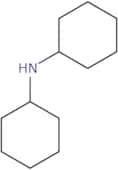
Dicyclohexylamine
CAS:Producto controlado<p>Dicyclohexylamine is a trifluoromethanesulfonic acid (TFSA) scavenger that inhibits HIV infection by blocking the reaction solution. TFSA is a by-product of the industrial production of solanum tuberosum, and has been shown to inhibit plant enzyme activity. Dicyclohexylamine has been shown to be an effective inhibitor of enzymes such as phosphodiesterase, lipases, and proteases in detergent compositions. It also inhibits the activity of a number of enzymes in organic solutions and chemical reactions.</p>Fórmula:C12H23NPureza:Min. 98%Forma y color:Colorless Clear LiquidPeso molecular:181.32 g/mol1H-Pyrrolo[2,3-b]pyridin-5-ylamine
CAS:<p>1H-Pyrrolo[2,3-b]pyridin-5-ylamine is a heterocycle that can be synthesized by cyclization of pyrrole with an alkyne. The microwave irradiation of the reaction mixture leads to selective formation of 1-(2-hydroxyphenyl)pyrrolo[2,3-b]pyridine. This heterocycle can be used in the synthesis of other heterocycles and pharmaceuticals.</p>Pureza:Min. 95%2-(2-Chlorophenyl)ethylamine
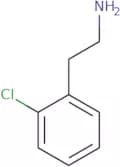
CAS:Producto controlado2-(2-Chlorophenyl)ethylamine is an amine that inhibits the production of proteins vital for cell division. It binds to bacterial 16S ribosomal RNA and inhibits protein synthesis, leading to cell death by inhibiting the production of proteins vital for cell division. 2-(2-Chlorophenyl)ethylamine has been shown to be effective against methicillin-resistant Staphylococcus aureus (MRSA) and Clostridium perfringens, although is not active against acid-fast bacteria such as Mycobacterium tuberculosis or Mycobacterium avium complex. 2-(2-Chlorophenyl)ethylamine has shown anti-inflammatory properties, which may be due to its inhibition of prostaglandin synthesis.Fórmula:C8H10ClNPureza:Min. 95%Peso molecular:155.62 g/molPerfluorotriamylamine (so called)
CAS:Producto controladoPerfluorotriamylamine (so called) is a perfluorinated compound that has thermal expansion properties. It is used in the production of polymer films, membranes and flow systems. This compound has shown to be effective against bacteria such as Escherichia coli and Staphylococcus aureus, but not against other types of organisms. The binding constants for this compound are high with hydroxyl groups and lipophilic solutes. It is also stable at low pH levels and in light exposure.Fórmula:C15F33NPureza:Min. 95%Peso molecular:821.11 g/mol4-(2-Aminoethyl)benzene sulfonamide
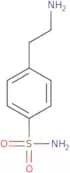
CAS:<p>4-(2-Aminoethyl)benzene sulfonamide is a small-molecule drug that inhibits the activity of proteases, including serine and cysteine proteases. It has been shown to inhibit the growth of human renal cell cancer cells, as well as subcutaneous tumors in mice. 4-(2-Aminoethyl)benzene sulfonamide also inhibits the proliferation of Hl-60 cells and shows antitumor activity in a mouse model system. This drug is an inhibitor of prostaglandin endoperoxide synthase (PGHS), which is involved in tumorigenesis by causing inflammation and oxidative stress. 4-(2-Aminoethyl)benzene sulfonamide has been shown to be effective for treating colorectal adenocarcinoma, with no significant side effects on other organs.</p>Fórmula:C8H12N2O2SPureza:Min. 95%Peso molecular:200.26 g/mol7-Amino-4-(trifluoromethyl)coumarin
CAS:<p>7-Amino-4-(trifluoromethyl)coumarin is a coumarin derivative that has been used as a fluorescence probe for the study of enzyme activities. It can be used as a potential biomarker for autoimmune diseases, and has also been shown to have tyrosine kinase domain binding activity. 7-Amino-4-(trifluoromethyl)coumarin can bind to the hydroxyl group in tyrosine residues with high affinity, and binds to the nitrogen atoms in protein kinases with low affinity. This compound is able to form intermolecular hydrogen bonds and steric interactions with peptide hormones.</p>Fórmula:C10H6F3NO2Pureza:Min. 95%Peso molecular:229.16 g/mol2- (4-Bromophenoxy) - N, N- diethylethanamine
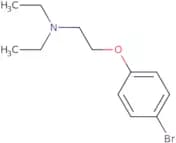
CAS:Producto controladoPlease enquire for more information about 2- (4-Bromophenoxy) - N, N- diethylethanamine including the price, delivery time and more detailed product information at the technical inquiry form on this pageFórmula:C12H18BrNOPureza:Min. 95%Peso molecular:272.18 g/mol2-Methoxyethanamine
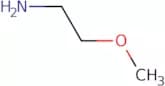
CAS:<p>2-Methoxyethanamine is a metabolite of the drug 2-methoxyethanol. It is an amine that can be found in urine samples. Its structure consists of a hydroxyl group, sodium carbonate, and an intramolecular hydrogen. 2-Methoxyethanamine inhibits the production of angiotensin II, which reduces blood pressure. This molecule has antihypertensive activity because it prevents the conversion of angiotensin I to angiotensin II in the kidneys. 2-Methoxyethanamine also has a stepwise mechanism for its synthesis from ethylene diamine and nitrogen atoms. It can be oxidized by hydrochloric acid or reduced by hydrogen bond or amines. The redox potential of this molecule is -0.06 V, which makes it a nucleophilic compound with an amide bond as its conjugate base.</p>Fórmula:C3H9NOPureza:Min. 95%Forma y color:Colourless To Yellow Clear LiquidPeso molecular:75.11 g/molN-Nitrosodiethylamine
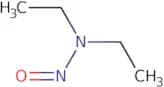
CAS:<p>N-Nitrosodiethylamine (NDEA) is a genotoxic carcinogen that is formed as an intermediate in the industrial production of nitric acid. It has been shown to be a potent inhibitor of DNA polymerase and topoisomerase II, which are involved in DNA replication and repair. NDEA has been detected in human blood samples and has been shown to induce squamous cell carcinoma in animal models. This chemical can also cause inflammation by binding to toll-like receptor 4, which activates the inflammatory response. The biocompatible polymer used for this product is not known to produce any genotoxic or mutagenic effects.</p>Fórmula:C4H10N2OPureza:Min. 95%Forma y color:Colorless Clear LiquidPeso molecular:102.14 g/mol6-Amino-3-methylquinazolin-4(3H)-one hydrochloride
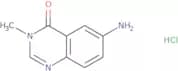
CAS:Producto controladoPlease enquire for more information about 6-Amino-3-methylquinazolin-4(3H)-one hydrochloride including the price, delivery time and more detailed product information at the technical inquiry form on this pageFórmula:C9H9N3OPureza:Min. 95%Peso molecular:175.19 g/mol{2-[(4-Phenylpiperazin-1-yl)carbonyl]phenyl}amine
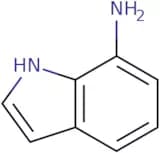
CAS:Producto controladoPlease enquire for more information about {2-[(4-Phenylpiperazin-1-yl)carbonyl]phenyl}amine including the price, delivery time and more detailed product information at the technical inquiry form on this pageFórmula:C17H19N3OPureza:Min. 95%Peso molecular:281.35 g/mol1H-Indol-7-amine
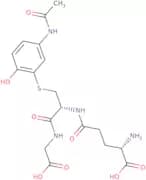
CAS:1H-Indol-7-amine is a molecule that belongs to the group of basic proteins. It has been shown to be an optimum concentration for biological activity and can be used in the treatment of diseases such as cancer and diabetes. 1H-Indol-7-amine binds to acidic molecules and exhibits redox potentials that are suitable for hydrogen bond formation with other molecules. The molecule is also involved in protein kinase selectivity, which may be due to its ability to bind with nitrogen atoms. 1H-Indol-7-amine has been shown to have beneficial effects on agarose gels through x-ray crystal structures and has a number of favorable electrochemical properties, including low charge transfer resistance, high electron mobility, and good chemical stability.Fórmula:C8H8N2Pureza:Min. 95%Peso molecular:132.16 g/molAcetaminophen glutathione disodium salt
CAS:<p>Acetaminophen glutathione disodium salt is a prodrug of acetaminophen, which is a non-opioid analgesic and antipyretic drug. It has been shown to be protective against cisplatin-induced nephrotoxicity in cell culture and in CD-1 mice. Acetaminophen glutathione disodium salt inhibits mitochondrial enzyme activities, including dehydroascorbate reductase, which reduces the formation of reactive oxygen species. Acetaminophen glutathione disodium salt also blocks proximal tubule reabsorption and increases the excretion of drugs or their metabolites by increasing the second-order rate constant.</p>Fórmula:C18H22N4Na2O8SPureza:Min. 95%Peso molecular:500.43 g/mol[4-[2-(Diethylamino)ethoxy]-3-iodophenyl][2-(1-hydroxybutyl)-3-benzofuranyl]-methanone
CAS:Producto controladoPlease enquire for more information about [4-[2-(Diethylamino)ethoxy]-3-iodophenyl][2-(1-hydroxybutyl)-3-benzofuranyl]-methanone including the price, delivery time and more detailed product information at the technical inquiry form on this pageFórmula:C25H30INO4Pureza:Min. 95%Peso molecular:535.41 g/mol4-Bromophenylethylamine HCl
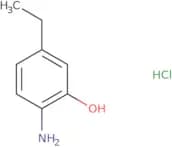
CAS:Producto controlado<p>Please enquire for more information about 4-Bromophenylethylamine HCl including the price, delivery time and more detailed product information at the technical inquiry form on this page</p>Fórmula:C8H10Br·HClPureza:Min. 95%Peso molecular:222.53 g/mol2-Amino-5-ethylphenol hydrochloride
CAS:Please enquire for more information about 2-Amino-5-ethylphenol hydrochloride including the price, delivery time and more detailed product information at the technical inquiry form on this pageFórmula:C8H12ClNOPureza:Min. 95%Peso molecular:173.64 g/mol[2-(4-methoxyphenyl)ethyl]methylamine
CAS:Producto controlado2-(4-methoxyphenyl)ethyl]methylamine is a pharmacological agent that inhibits protein synthesis. It has been shown to have an optimum concentration of 1 μM, with maximal inhibition at 10 μM. 2-(4-methoxyphenyl)ethyl]methylamine binds to the basic amino acid residues of proteins and inhibits the activity of eosinophil cationic protein, which is responsible for histamine release. 2-(4-Methoxyphenyl)ethyl]methylamine has also been shown to reduce the activity of epidermal growth factor, which is responsible for cell proliferation and differentiation. The drug has been demonstrated to be an effective inhibitor of activated eosinophils, but not normal cells. 2-(4-Methoxyphenyl)ethyl]methylamine may be used as a treatment for chronic asthma patients who suffer from eosinophilic inflammation in theirFórmula:C10H15NOPureza:Min. 95%Peso molecular:165.23 g/mol4-Ethyl-Benzeneethanamine
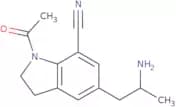
CAS:Producto controlado<p>4-Ethyl-benzeneethanamine (4EBE) is a molecule that has been used in assays to measure the pharmacokinetic profile of drugs. 4EBE is also a potential anti-cancer drug, which has been shown to inhibit the proliferation of cancer cells. Studies have shown that 4EBE induces hypermethylation and suppresses suppressor genes, which can lead to cell death. In addition, this agent may be used as an anti-HIV drug. It is envisaged that 4EBE will be useful for the treatment of HIV infection by inhibiting viral replication and suppressing viral gene expression.</p>Fórmula:C10H16NPureza:Min. 95%Peso molecular:150.24 g/mol1-Acetyl-5-(2-aminopropyl)-2,3-dihydro-1H-indole-7-carbonitrile
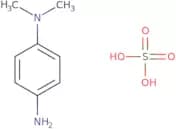
CAS:Producto controladoPlease enquire for more information about 1-Acetyl-5-(2-aminopropyl)-2,3-dihydro-1H-indole-7-carbonitrile including the price, delivery time and more detailed product information at the technical inquiry form on this pageFórmula:C14H17N3OPureza:Min. 95%Peso molecular:243.3 g/molDimethyl-p-phenylenediamine sulfate
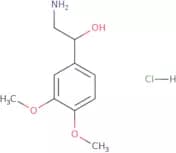
CAS:Dimethyl-p-phenylenediamine sulfate (DMPD) is a response element that is involved in the regulation of physiological function and energy metabolism. DMPD is found in prostate cancer cells, which may be due to its ability to regulate the apoptosis pathway. The clinical relevance of DMPD has been shown by a low dose study on rats with myocardial infarcts. Rats were given doses of 0.5, 1, or 2 mg/kg DMPD for 3 weeks before being subjected to an occlusive coronary artery ligation procedure. The results showed that the rats given DMPD had significantly lower systolic blood pressure than those not given DMPD, but there was no difference in diastolic blood pressure.Fórmula:C8H14N2O4SPureza:Min. 95%Peso molecular:234.27 g/mol2-Hydroxy-2-(3,4-dimethoxyphenyl)ethylamine hydrochloride
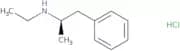
CAS:Producto controladoPlease enquire for more information about 2-Hydroxy-2-(3,4-dimethoxyphenyl)ethylamine hydrochloride including the price, delivery time and more detailed product information at the technical inquiry form on this pageFórmula:C10H15NO3·HClPureza:Min. 95%Peso molecular:233.69 g/mol(R)-N-Ethyl amphetamine hydrochloride
CAS:Producto controlado<p>Please enquire for more information about (R)-N-Ethyl amphetamine hydrochloride including the price, delivery time and more detailed product information at the technical inquiry form on this page</p>Fórmula:C11H18ClNPureza:Min. 95%Peso molecular:199.72 g/molTetraethylenepentamine
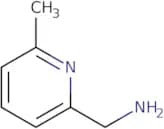
CAS:Tetraethylenepentamine is a cell-signaling agent that binds to the MCL-1 protein and inhibits its function as a cell factor. This inhibition prevents the induction of apoptosis, which is important for the development of bowel disease. Tetraethylenepentamine can be used in wastewater treatment to remove glycol ethers from industrial effluent. It also has been shown to adsorb at acidic pH levels, making it an ideal candidate for use in solid phase microextraction (SPME) experiments. Tetraethylenepentamine interacts with fluorescence probes such as hydroxycoumarin, which makes it useful for surface methodology studies.Fórmula:C8H23N5Pureza:Min. 95%Forma y color:Clear LiquidPeso molecular:189.3 g/mol6-Methyl-2-pyridinemethanamine
CAS:6-Methyl-2-pyridinemethanamine is an imine that is used in cancer therapy. It has been shown to have antitumor activity at nanomolar concentrations, which is a very low dose. 6-Methyl-2-pyridinemethanamine is not sensitive to the body's enzymes and does not show any signs of toxicity. This drug also has a pharmacokinetic profile that enhances the uptake of other drugs and can be used for the treatment of cancers that are resistant to chemotherapy. The mechanism of action of 6-methyl-2-pyridinemethanamine is constitutive activation, which means it binds to the constitutively active site on the protein target and inhibits its function.Fórmula:C7H10N2Pureza:Min. 95%Peso molecular:122.17 g/mol3-Amino-5-methylisoxazole
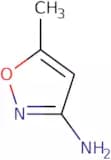
CAS:<p>3-Amino-5-methylisoxazole is a chemical compound that is used in the treatment of wastewater. It belongs to the group of p2, which includes sulfamethoxazole and sulfa drugs. 3-Amino-5-methylisoxazole is activated by multi-walled carbon or fatty acid and has a neutral pH. It has been shown to have significant cytotoxicity against cancer cells and also has antibiotic combinations with other drugs. 3-Amino-5-methylisoxazole is a drug that can be used in chemotherapy, but it may cause drug reactions.</p>Fórmula:C4H6N2OPureza:Min. 95%Peso molecular:98.1 g/molEthyl 7-aminoheptanoate hydrochloride
CAS:Ethyl 7-aminoheptanoate hydrochloride is an antibiotic that belongs to the class of esters. It has been shown to inhibit the growth of bacteria in vitro, which is attributed to its ability to inhibit protein synthesis. This drug has been used as a chemical manipulator in animal experiments. Ethyl 7-aminoheptanoate hydrochloride binds to the ribosomal RNA of bacteria and prevents amino acid incorporation into proteins, which leads to cell death. The endpoint of this experiment was determined by counting the number of rotations on a rotator after treatment with ethyl 7-aminoheptanoate hydrochloride or saline solution. Treatment with ethyl 7-aminoheptanoate hydrochloride resulted in an increase in the number of rotations, which is indicative of bacterial death.Fórmula:C9H20ClNO2Pureza:Min. 95%Peso molecular:209.71 g/mol3,3-Dimethyl-5-oxo-5-(1,2,3,4-tetrahydronaphthalen-2-ylamino)pentanoic acid
CAS:Producto controladoPlease enquire for more information about 3,3-Dimethyl-5-oxo-5-(1,2,3,4-tetrahydronaphthalen-2-ylamino)pentanoic acid including the price, delivery time and more detailed product information at the technical inquiry form on this pageFórmula:C17H23NO3Pureza:Min. 95%Peso molecular:289.37 g/mol2-Amino-7-(2,3,4-trimethoxyphenyl)-7,8-dihydroquinazolin-5(6H)-one
CAS:Producto controladoPlease enquire for more information about 2-Amino-7-(2,3,4-trimethoxyphenyl)-7,8-dihydroquinazolin-5(6H)-one including the price, delivery time and more detailed product information at the technical inquiry form on this pageFórmula:C17H19N3O4Pureza:Min. 95%Peso molecular:329.35 g/mol3-Methylphenethylamine
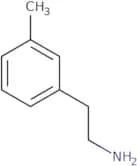
CAS:Producto controlado3-Methylphenethylamine is a synthetic amine that is used in the production of 3-methylphenethylamine hydrochloride. It has been shown to have a wide range of pharmacological effects, including increasing blood pressure, heart rate, and respiration. This drug also has an antitussive effect and can be used to treat asthma symptoms. 3-Methylphenethylamine can be synthesized by reacting phenylethylamine with formaldehyde and hydrogen chloride gas in the presence of alcohol or sodium hydroxide solution.Fórmula:C9H13NPureza:Min. 95%Peso molecular:135.21 g/mol5-Amino-8-hydroxyquinoline dihydrochloride
CAS:5-Amino-8-hydroxyquinoline dihydrochloride (5-AQDH) is an anticancer drug that inhibits the activity of survivin, a protein that is overexpressed in cancer cells. It has been shown to be effective in vivo against melanoma tumor growth. 5-AQDH binds to the unpaired cysteine residues of the survivin molecule and inhibits its function by binding to the active site, blocking access to ATP and preventing DNA synthesis. The efficacy of 5-AQDH has been confirmed in vitro by studying the effect on cell viability and DNA synthesis, as well as by measuring plasma mass spectrometry data from melanoma patients. This drug is currently being investigated for its potential use as an anticancer agent.Fórmula:C9H8N2O•(HCl)2Pureza:Min. 95%Peso molecular:212.63 g/mol2-Aminoindan
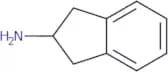
CAS:Producto controlado<p>2-Aminoindan is a compound that has inhibitory properties against the human liver enzyme dopamine β-hydroxylase. It binds to the active site of the enzyme and inhibits its activity, which decreases the production of dopamine and other monoamines in the body. 2-Aminoindan has been shown to be effective in animal models of Parkinson's disease by reducing oxidative stress and restoring dopamine levels. The drug also has a chemical diversity, with many different possible structures for medicinal use. 2-Aminoindan has been shown to inhibit the formation of carbonic acid, which is used by mammalian tissue as a buffer for pH regulation. This property may account for its inhibitory effect on carbonic anhydrase II (CAII), an enzyme involved in tissue respiration and acid-base balance. 2-Aminoindan has also been shown to have inhibitory effects on two bacterial enzymes: ddpP and ddpD, which are involved</p>Fórmula:C9H11NPureza:Min. 95%Peso molecular:133.19 g/mol2-Aminoethyl isopropylether
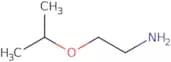
CAS:<p>2-Aminoethyl isopropylether (2-AP) has been shown to have inhibitory effects on the growth of Staphylococcus aureus, Bacillus subtilis and Escherichia coli. It also showed in vitro antifungal activity against Trichophyton mentagrophytes and Candida albicans. 2-AP inhibits the synthesis of unsaturated fatty acids by inhibiting the enzyme enoyl coenzyme A reductase, which is involved in the degradation of fatty acids. 2-AP is metabolized by two pathways: one is through hydrolysis by esterases or glucuronidases, oxidation by cytochrome P450 enzymes, reduction by glutathione reductase, or conjugation with glucuronic acid; the other pathway involves cyclobutanol formation. The cytotoxic effect of 2-AP has been shown to be due to inhibition of protein synthesis and cell division</p>Fórmula:C5H13NOPureza:Min. 95%Forma y color:Clear LiquidPeso molecular:103.16 g/mol4-Hydroxy-N,N-diethyltryptamine
CAS:Producto controlado<p>4-Hydroxy-N,N-diethyltryptamine (4HT) is a synthetic psychedelic drug that has been shown to cause infected and uninfected cells to produce elastin and chloride. 4HT causes iontophoresis in the dermis, which may be due to its ability to inhibit surfactant production. It has also been shown to have an anti-inflammatory effect. The skin concentration of 4HT is dependent on the area of the body where it is applied and can range from 0.1% in the face to 1% in the back. In addition, 4HT has been shown to be toxic to echinacea and other plants grown in soil containing benzyl alcohol.</p>Fórmula:C14H20N2OPureza:Min. 95%Peso molecular:232.32 g/molAmmonium molybdate
CAS:Ammonium molybdate is a form of the mineral molybdenum that is used as a nutrient in the solution for hepg2 cells. Ammonium molybdate has been shown to inhibit the growth of multi-walled carbon nanotubes, which may be due to its ability to catalyze hydrogen fluoride and zirconium oxide. It also has an inhibitory effect on serine protease (a protein found in many tissues and secretions). The chemical stability of ammonium molybdate has been studied by exposing it to hydrogen fluoride and it was found that this compound is stable at pH levels of around 7.5.Fórmula:H8N2MoO4Pureza:Min. 95%Forma y color:White PowderPeso molecular:196.03 g/mol2-Methylaminoethanol
CAS:<p>2-Methylaminoethanol is a colorless, water-soluble liquid. It is an alkanolamine that has a dipole moment of 1.8 debye. 2-Methylaminoethanol can be synthesized by reacting potassium dichromate with ethanolamine in the presence of borohydride and ammonia. The reaction yield for this process is about 50%. 2-Methylaminoethanol reacts with maleic acid to form maleate salt. Maleate salt molecules have two amine groups attached to a carbonyl group, which are used as raw materials for the production of various other chemicals like nylon 11, nylon 12, and polyethylene terephthalate (PET). Maleates also serve as intermediates in the manufacture of esters and nitrites from alcohols and phenols. 2-Methylaminoethanol has been shown to cause blood pressure reduction in mammals due to its ability to inhibit vasoconstriction caused by</p>Fórmula:C3H9NOPureza:Min. 95%Forma y color:Clear LiquidPeso molecular:75.11 g/molN-Methyl-N-[(1-methyl-1H-benzimidazol-2-yl)methyl]amine hydrochloride
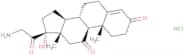
CAS:Producto controlado<p>Please enquire for more information about N-Methyl-N-[(1-methyl-1H-benzimidazol-2-yl)methyl]amine hydrochloride including the price, delivery time and more detailed product information at the technical inquiry form on this page</p>Fórmula:C10H13N3Pureza:Min. 95%Peso molecular:175.23 g/mol21-Amino-17-hydroxypregn-4-ene-3,11,20-trioneHydrochloride
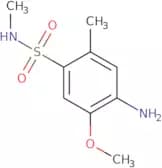
CAS:Producto controladoPlease enquire for more information about 21-Amino-17-hydroxypregn-4-ene-3,11,20-trioneHydrochloride including the price, delivery time and more detailed product information at the technical inquiry form on this pageFórmula:C21H30ClNO4Pureza:Min. 95%Peso molecular:395.92 g/mol4-Amino-5-methoxy-2-methyl-N-methylbenzenesulfonamide
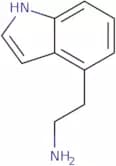
CAS:4-Amino-5-methoxy-2-methyl-N-methylbenzenesulfonamide is a surfactant that is used in the chemical industry to dissolve diazotized aromatic amines. It is also used in the preparation of coupling agents, such as naphthol, and hydrochloric acid. 4-Amino-5-methoxy-2-methylbenzenesulfonamide can be prepared by the diazotization of aniline followed by coupling with hydrochloric acid and sodium phosphate. The product can then be purified by recrystallization from a salt solution containing sodium acetate.Fórmula:C9H14N2O3SPureza:Min. 95%Peso molecular:230.29 g/mol1H-Indole-4-ethanamine
CAS:Producto controlado<p>Please enquire for more information about 1H-Indole-4-ethanamine including the price, delivery time and more detailed product information at the technical inquiry form on this page</p>Fórmula:C10H12N2Pureza:Min. 95%Peso molecular:160.22 g/mol[2-(1-Ethyl-1H-benzimidazol-2-yl)ethyl]amine dihydrochloride
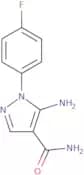
CAS:Producto controladoPlease enquire for more information about [2-(1-Ethyl-1H-benzimidazol-2-yl)ethyl]amine dihydrochloride including the price, delivery time and more detailed product information at the technical inquiry form on this pageFórmula:C11H15N3Pureza:Min. 95%Peso molecular:189.26 g/mol5-Amino-1-(4-Fluorophenyl)-1H-Pyrazole-4-Carboxamide
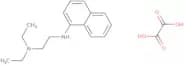
CAS:Please enquire for more information about 5-Amino-1-(4-Fluorophenyl)-1H-Pyrazole-4-Carboxamide including the price, delivery time and more detailed product information at the technical inquiry form on this pageFórmula:C10H9FN4OPureza:Min. 95%Peso molecular:220.2 g/molN,N-Diethyl-N'-1-naphthylethylenediamine oxalate
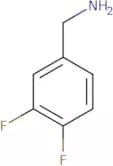
CAS:N,N-Diethyl-N'-1-naphthylethylenediamine oxalate (NDENOX) is a naphthalene derivative that is used to inhibit the growth of bacteria. It binds to the extracellular site on the bacterial cell membrane and inhibits sulfadiazine uptake. NDENOX has been shown to be effective against S. aureus and other bacteria that are resistant to sulfonamides, but not against Staphylococcus epidermidis or E. coli. This drug also inhibits enzyme activity in damaged human serum, which may be due to its binding with kynurenine or pupal. NDENOX is hydrolyzed by hydrochloric acid and procaine to release naphthalene and diethylenetriamine, respectively.Fórmula:C18H24N2O4•C2H2O4xPureza:Min. 95 Area-%Forma y color:PowderPeso molecular:332.39 g/mol3,4-Difluorobenzyl amine
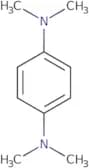
CAS:<p>3,4-Difluorobenzyl amine (3,4-DFBA) is a synthetic compound that has been shown to have anti-cancer properties. It has been used in the synthesis of perovskites as an alternative strategy for solar cell applications. 3,4-DFBA has also been used to investigate the effect of hydrophobic and deformation on the biological activity of amines. This compound inhibits aldehyde oxidase and catalase from glyoxal and hydrogen peroxide respectively, which may be due to its ability to form microcapsules with a diameter of less than 50 nm.</p>Fórmula:C7H7F2NPureza:Min. 95%Forma y color:Clear LiquidPeso molecular:143.13 g/molN,N,N',N'-Tetramethyl-p-phenylenediamine
CAS:N,N,N',N'-Tetramethyl-p-phenylenediamine is a chemical compound that has been found to have a high affinity for proteins and nucleic acids. It interacts with these molecules by steric interactions and can change the phase transition temperature of water. N,N,N',N'-Tetramethyl-p-phenylenediamine reacts with surfactant sodium dodecyl (SDA) to produce protonated SDA species. These protonated SDA species are able to react with nucleophiles such as p-hydroxybenzoic acid (PHBA), which leads to an exchange reaction. The redox potentials of PHBA and N,N,N',N'-tetramethyl-p-phenylenediamine vary from -0.85 V to -1.05 V at pH 7.4, depending on the number of nitrogen atoms in the molecule. The x-rayFórmula:C10H16N2Pureza:Min. 95%Peso molecular:164.25 g/mol[(5-Methyl-1,3-thiazol-2-yl)methyl]amine dihydrochloride
CAS:Please enquire for more information about [(5-Methyl-1,3-thiazol-2-yl)methyl]amine dihydrochloride including the price, delivery time and more detailed product information at the technical inquiry form on this pageFórmula:C5H8N2SPureza:Min. 95%Peso molecular:128.2 g/mol3,4-Dihydroxy amphetamine hydrochloride
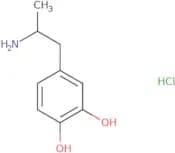
CAS:Producto controlado3,4-Dihydroxy amphetamine hydrochloride is a metabolite of amphetamine. It is a chemical intermediate in the metabolism of amphetamine and therefore has similar pharmacological effects. 3,4-Dihydroxy amphetamine hydrochloride is not embryotoxic or teratogenic in rats or mice at doses as high as 2000 mg/kg. The concentration range for humans is unknown. 3,4-Dihydroxy amphetamine hydrochloride has been shown to inhibit the production of dopamine in the brain and may be associated with neurotoxicity.Fórmula:C9H14ClNO2Pureza:Min. 95%Peso molecular:203.67 g/molN-Ethyl-1-(2-thienyl)cyclohexanamine oxalate
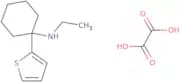
CAS:Producto controladoPlease enquire for more information about N-Ethyl-1-(2-thienyl)cyclohexanamine oxalate including the price, delivery time and more detailed product information at the technical inquiry form on this pageFórmula:C12H19NSPureza:Min. 95%Peso molecular:209.35 g/molCyclopentylamine
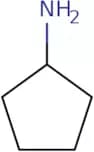
CAS:<p>Cyclopentylamine is a chemical compound with the molecular formula C9H14N. It is an organic amine that has the chemical properties of both a primary and secondary amine. Cyclopentylamine can be synthesized from cyclopentanone and ammonia, which are reacted in the presence of hydrochloric acid as a catalyst. Cyclopentylamine has been shown to inhibit DPP-IV, an enzyme that breaks down proteins in the intestines. This may contribute to its anti-inflammatory effects. It has also been shown to have anti-inflammatory effects by inhibiting production of prostaglandins, which are substances involved in inflammation. Cyclopentylamine is used as a starting material for synthesis of other chemical compounds such as pharmaceuticals, pesticides, and herbicides.</p>Fórmula:C5H11NPureza:Min. 95%Forma y color:Colorless Clear LiquidPeso molecular:85.15 g/molN-(2-Hydroxyethyl)ethylenediamine
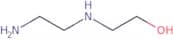
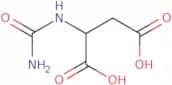
CAS:N-(2-Hydroxyethyl)ethylenediamine is a chemical compound that belongs to the group of p2. It has been used for the treatment of wastewater and is also an inhibitor of blood coagulation. N-(2-Hydroxyethyl)ethylenediamine contains hydrogen bonding interactions, which lead to its high adsorption capacity for metals such as mercury and cadmium. This chemical inhibits reactions by binding to substrate molecules, such as metal ions or oxygen, thereby preventing them from participating in reactions. It has been shown that N-(2-Hydroxyethyl)ethylenediamine binds to transition metal ions with a higher affinity than other compounds, including ethylenediaminetetraacetic acid (EDTA). The reaction mechanism of this compound is not yet fully understood.Fórmula:C4H12N2OPureza:Min. 95%Forma y color:Colorless Clear LiquidPeso molecular:104.15 g/molN-(Aminocarbonyl)aspartic acid
CAS:N-Aminocarbonyl-L-aspartic acid (NACD) is a molecule that is found in urine samples. It can be used as a biomarker to detect cancer, HIV infection, and many other diseases. The presence of NACD has been correlated with the development of acidosis, which is characterized by an increase in the pH of body fluids. The following are a few examples of how this product might be described on an eCommerce site: Rifapentine is an anti-tuberculosis drug that belongs to the class of rifamycins. It is the most active of the rifamycins for the treatment of tuberculosis. Rifapentine inhibits bacterial growth by binding to DNA-dependent RNA polymerase, thereby preventing transcription and replication. The high frequency of human activity has been shown using a patch-clamp technique on human erythrocytes. This active form is metabolized throughFórmula:C5H8N2O5Pureza:Min. 95%Forma y color:PowderPeso molecular:176.13 g/mol

![1H-Pyrrolo[2,3-b]pyridin-5-ylamine](/_next/image/?url=https%3A%2Fstatic.cymitquimica.com%2Fproducts%2F3D%2Fthumb-webp%2FFP143125.webp&w=3840&q=75)


![{2-[(4-Phenylpiperazin-1-yl)carbonyl]phenyl}amine](/_next/image/?url=https%3A%2Fstatic.cymitquimica.com%2Fproducts%2F3D%2Fthumb-webp%2FFP122463.webp&w=3840&q=75)
![[4-[2-(Diethylamino)ethoxy]-3-iodophenyl][2-(1-hydroxybutyl)-3-benzofuranyl]-methanone](/_next/image/?url=https%3A%2Fstatic.cymitquimica.com%2Fproducts%2F3D%2Fthumb-webp%2FFD150040.webp&w=3840&q=75)

![[2-(4-methoxyphenyl)ethyl]methylamine](/_next/image/?url=https%3A%2Fstatic.cymitquimica.com%2Fproducts%2F3D%2Fthumb-webp%2FFM51362.webp&w=3840&q=75)








![N-Methyl-N-[(1-methyl-1H-benzimidazol-2-yl)methyl]amine hydrochloride](/_next/image/?url=https%3A%2Fstatic.cymitquimica.com%2Fproducts%2F3D%2Fthumb-webp%2FFM117084.webp&w=3840&q=75)
![[2-(1-Ethyl-1H-benzimidazol-2-yl)ethyl]amine dihydrochloride](/_next/image/?url=https%3A%2Fstatic.cymitquimica.com%2Fproducts%2F3D%2Fthumb-webp%2FFE125216.webp&w=3840&q=75)
![[(5-Methyl-1,3-thiazol-2-yl)methyl]amine dihydrochloride](/_next/image/?url=https%3A%2Fstatic.cymitquimica.com%2Fproducts%2F3D%2Fthumb-webp%2FFM124184.webp&w=3840&q=75)