Ciano-, nitrilo-
Los compuestos ciano y nitrilo son moléculas orgánicas que contienen grupos ciano (C≡N) o nitrilo en su estructura, caracterizadas por la presencia de nitrógeno. Estos grupos desempeñan roles importantes en diversas reacciones químicas y aplicaciones industriales. En esta categoría, encontrará una amplia gama de compuestos ciano y nitrilo, que van desde estructuras simples hasta complejas. En CymitQuimica, ofrecemos compuestos ciano y nitrilo de alta calidad adaptados para satisfacer las necesidades de investigación e industriales. Nuestros compuestos son adecuados para una variedad de aplicaciones de síntesis y análisis.
Se han encontrado 9624 productos de "Ciano-, nitrilo-"
Ordenar por
Pureza (%)
0
100
|
0
|
50
|
90
|
95
|
100
3-(2-Cyanopropan-2-yl)-N-(3-((7-methoxyquinazolin-4-yl)amino)-4-methylphenyl)benzamide
CAS:Pureza:97.0%Peso molecular:451.5299987792969Ref: 10-F544635
5mgA consultar10mgA consultar25mgA consultar50mgA consultar100mgA consultar250mgA consultar(S)-Benzyl 2-((((9H-fluoren-9-yl)methoxy)carbonyl)amino)-3-cyanopropanoate
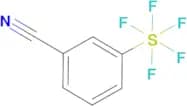
CAS:Pureza:97%Peso molecular:426.471984863281253-(Pentafluorosulfanyl)benzonitrile
CAS:Fórmula:C7H4F5NSPureza:99.0%Forma y color:LiquidPeso molecular:229.175-Amino-1-benzo[1,3]dioxol-5-yl-3-methyl-1H-pyrazole-4-carbonitrile
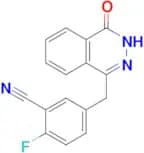
Pureza:95.0%Peso molecular:242.238006591796882-FLUORO-5-((4-OXO-3,4-DIHYDROPHTHALAZIN-1-YL)METHYL)BENZONITRILE
CAS:Pureza:95.0%Peso molecular:279.27398681640625(S)-N-(2-((2-(2-CYANOPYRROLIDIN-1-YL)-2-OXOETHYL)AMINO)-2-METHYLPROPYL)-2-METHYLPYRAZOLO[1,5-A]PYRIMIDINE-6-CARBOXAMIDE
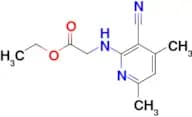
CAS:Pureza:95.0%Peso molecular:383.45599365234375Ethyl (3-cyano-4,6-dimethylpyridin-2-ylamino)acetate
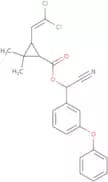
CAS:Fórmula:C12H15N3O2Pureza:95.0%Forma y color:SolidPeso molecular:233.271Cyano-3-phenoxybenzyl 3-(2,2-dichloroethenyl)-2,2-dimethylcyclopropanecarboxylate
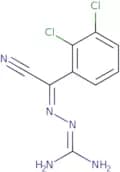
CAS:<p>Cypermethrin is an insecticide that belongs to the family of chemical pesticides. It is used in agriculture and in public health to control malaria-transmitting mosquitoes, head lice, and scabies mites. Cypermethrin disrupts the insect nervous system by inhibiting the function of synapses between nerves, resulting in paralysis and death. The compound also affects signal pathways that regulate locomotor activity and enzyme activities. Cypermethrin has been shown to have a high resistance to degradation by glycol ethers such as ethylene glycol monomethyl ether acetate (EGMEA). It has an optimum concentration of 0.01 ppm for mosquito control and 0.1 ppm for lice control. The analytical method involves liquid chromatography with sodium citrate as an ion-pairing agent and a linear calibration curve using a standard curve generated from known concentrations of cypermethrin.</p>Fórmula:C22H19Cl2NO3Pureza:Min. 95%Forma y color:Colorless Clear LiquidPeso molecular:416.3 g/mol2-(2,3-Dichlorophenyl)-2-guanidinyliminoacetonitrile
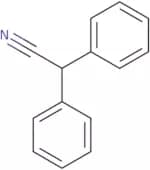
CAS:<p>2-(2,3-Dichlorophenyl)-2-guanidinyliminoacetonitrile (2,3-DCPP) is a high quality reagent that is used in the preparation of complex compounds. It is also an intermediate in the synthesis of fine chemicals and useful scaffold and building block for research chemical. 2,3-DCPP has been shown to react with a variety of functional groups including amines, alcohols, thiols, carboxylic acids, organometallic reagents and many others. It is also a versatile building block for the synthesis of chemical substances such as pharmaceuticals, agrochemicals or dyes.</p>Fórmula:C9H7Cl2N5Pureza:Min. 95%Forma y color:White PowderPeso molecular:256.09 g/molDiphenylacetonitrile
CAS:<p>Diphenylacetonitrile is an organic compound that has a low energy and is used as a nutritional supplement. It is a derivative of mandelonitrile, which can be synthesized by the Friedel-Crafts reaction between chloroform and diphenylacetic acid. Diphenylacetonitrile is an aromatic hydrocarbon with nitrogen atoms and hydroxyl groups, which can be found in the virus or p. aeruginosa. The molecule has been shown to have anti-inflammatory potency in animal models. The synthesis of this compound involves the use of halides, such as hydrogen sulfate or bromide, which are also present in high concentrations in this product. <br>Diphenylacetonitrile (DPCN) is a low-energy nitrile that undergoes Friedel-Crafts reactions with chloroform to produce the corresponding chloride (DPCCl). DPCN has been shown to inhibit inflammatory responses</p>Fórmula:C14H11NPureza:Min. 95%Forma y color:PowderPeso molecular:193.24 g/mol4-Octylbenzylamine
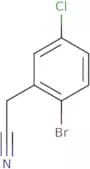
CAS:<p>4-Octylbenzylamine is a hydrophobic molecule that is soluble in organic solvents. In simulations, it was shown to have affinity for anions and aromatic hydrocarbons, as well as the ability to be immobilized on surfaces. 4-Octylbenzylamine is also a chromatographic stationary phase that can be used to separate solutes with similar properties. This molecule has been oriented so that it binds to the hydrated surface of the column, which improves its affinity for anions and aromatic hydrocarbons. The high-performance liquid chromatography (HPLC) technique utilizes this property to separate molecules of different affinities from one another in a systematic manner.</p>Fórmula:C15H25NPureza:Min. 95%Forma y color:PowderPeso molecular:219.37 g/mol2-Bromo-5-chlorophenylacetonitrile
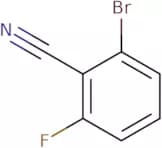
CAS:<p>2-Bromo-5-chlorophenylacetonitrile is an organic compound that is used as a reagent and building block in the synthesis of other chemicals. It is a colourless liquid that can be used to synthesize complex compounds. 2-Bromo-5-chlorophenylacetonitrile has been shown to be useful in the synthesis of pharmaceuticals, pesticides, and herbicides. This chemical can be used as a versatile intermediate or building block for the production of high quality research chemicals and specialty chemicals. 2-Bromo-5-chlorophenylacetonitrile is not on the list of chemical substances classified as hazardous according to EU regulation (EINECS) No. 231-1003.</p>Fórmula:C8H5BrClNPureza:Min. 95%Forma y color:PowderPeso molecular:230.49 g/mol2-Bromo-6-fluorobenzonitrile
CAS:<p>2-Bromo-6-fluorobenzonitrile is an organic compound with a molecular formula of C6H3BrF. It is a colorless liquid that is used as a precursor in the synthesis of other compounds. 2-Bromo-6-fluorobenzonitrile has been shown to be an efficient fluorophore and can be activated by electron transfer, thermally, or chemically. 2-Bromo-6-fluorobenzonitrile also has a quantum efficiency of 0.5% and transport properties that make it ideal for fluorescence microscopy. The fluorescence intensity of 2-bromo-6-fluorobenzonitrile is proportional to the amount of energy absorbed, which makes it useful for quantifying the concentration of fluorescent molecules in solution. 2-Bromo-6-fluorobenzonitrile has also been shown to have high quantum yields and high efficiency levels when</p>Fórmula:C7H3BrFNPureza:Min. 95%Forma y color:PowderPeso molecular:200.01 g/mol4-Ethoxybenzonitrile
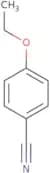
CAS:<p>4-Ethoxybenzonitrile is an organic compound that belongs to the group of nitroalkanes. It is a substrate for reductive amination, which is a reaction in which the nitro group on 4-ethoxybenzonitrile is reduced by an amine to form an amide. This reaction can be facilitated by metal catalysts, such as copper(II) acetate and zinc chloride. The reaction yields high selectivity (>90%) with respect to the product formed and has been shown to be more efficient than other reductive amination reactions. 4-Ethoxybenzonitrile has been used as a building block for various compounds, including dyestuffs, pharmaceuticals, and pesticides. 4-Ethoxybenzonitrile is also resistant to tyrosinase due to its lack of electron donating groups on its aromatic ring.</p>Fórmula:C9H9NOPureza:Min. 98 Area-%Forma y color:PowderPeso molecular:147.17 g/mol4-Chloro-3,5-dinitrobenzonitrile
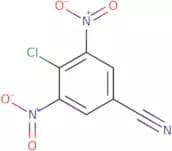
CAS:<p>4-Chloro-3,5-dinitrobenzonitrile is a mesomeric compound that has four amines and one nitro group. It is a dipole with chloride as the negative end and amine as the positive end. The reaction mechanism of this chemical is nucleophilic substitution. 4-Chloro-3,5-dinitrobenzonitrile reacts with an organic solvent to form a buffer. A buffer is an ionized solution that resists changes in pH when acid or base are added to it. This chemical also reacts with thionyl chloride to form hydrochloric acid, which can be used to leishmania parasites. 4-Chloro-3,5-dinitrobenzonitrile also reacts with an anion such as ClO4− or NO2− to form a salt such as chlorate or nitrate respectively.</p>Fórmula:C7H2ClN3O4Pureza:Min. 95%Forma y color:PowderPeso molecular:227.56 g/molLasalocid A sodium salt - 0.1mg/ml, in acetonitrile
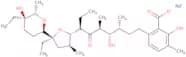
CAS:<p>Lasalocid A sodium salt is a sodium salt of lasalocid, which is a macrolide antibiotic that inhibits bacterial growth by binding to the 50S ribosomal subunit. Lasalocid A sodium salt has intramolecular hydrogen bonds and exhibits high solubility in acetonitrile. The experimental solubility data was obtained using an analytical method with quillaja saponaria as a model system. Lasalocid A sodium salt has been used as an experimental model for congestive heart failure and is also used in biological samples such as blood, urine, or tissue. This drug is highly resistant to degradation by bacteria.</p>Fórmula:C34H53NaO8Pureza:Min. 90 Area-%Forma y color:Colorless Clear LiquidPeso molecular:612.77 g/mol3-Cyano-4,6-dimethylcoumarin
CAS:<p>3-Cyano-4,6-dimethylcoumarin is a phenolic compound with potent inhibitory activity against bacteria. It has been shown to bind to the hydroxyl group of the coumarin ring and inhibit the growth of Gram-negative and Gram-positive bacteria. 3-Cyano-4,6-dimethylcoumarin also inhibits the growth of fungi by binding to the hydroxyl group on a phenolic hydroxyl substituent. 3-Cyano-4,6-dimethylcoumarin can be used as an antimicrobial agent for various types of infections.</p>Fórmula:C12H9NO2Pureza:Min. 95%Forma y color:PowderPeso molecular:199.21 g/mol32-Carboxycyanocobalamin
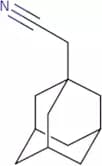
CAS:<p>32-Carboxycyanocobalamin is a fine chemical that is used in the synthesis of complex compounds. It is a versatile building block, which can be used in reactions to synthesize other compounds and as a scaffold for drug discovery. 32-Carboxycyanocobalamin is also a reagent that has been used in organic chemistry and analytical chemistry. CAS No. 121483-62-3</p>Fórmula:C63H87CoN13O15PPureza:Min. 95%Peso molecular:1,356.35 g/mol1-Adamantyl acetonitrile
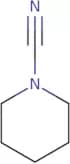
CAS:<p>1-Adamantyl acetonitrile is a trifluoroacetic acid derivative that is used in the synthesis of 4-aminoantipyrine, chlorides, acid chlorides, and acetonitrile. 1-Adamantyl acetonitrile can be used to produce a variety of pharmaceuticals, such as aliphatic carboxylic acids, aldehydes, and amide. It can also serve as a reactant for reactions with alcohols or amines.</p>Fórmula:C12H17NPureza:Min. 95%Forma y color:PowderPeso molecular:175.27 g/molN-Cyanopiperidine
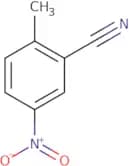
CAS:<p>N-Cyanopiperidine is a cyclohexane ring with a trifluoroacetic acid group. It is used in the synthesis of pharmaceutical preparations and has been shown to be stable in low-energy environments, such as when mixed with glycol ethers or chlorides. N-Cyanopiperidine is also used as an intermediate for the preparation of other compounds, such as metal carbonyl complexes and derivatives. N-Cyanopiperidine can be synthesized by reacting anhydrous hydrogen cyanide with piperidinium chloride in the presence of metal hydroxides. This reaction mechanism is known to produce two products: 1) a stable complex with a metal ion, and 2) a reaction product that contains the desired product and hydrogen cyanide.</p>Fórmula:C6H10N2Pureza:Min. 95%Forma y color:PowderPeso molecular:110.16 g/mol3-Cyano-4-methylnitrobenzene
CAS:<p>3-Cyano-4-methylnitrobenzene is a nitro compound that can be prepared by the reaction of nitric acid with aniline. It has been shown to have a strong affinity for oxygen, which may be due to its pyran ring. 3-Cyano-4-methylnitrobenzene has been found to react with acetonitrile in an electrochemical experiment, leading to the formation of nitronium ion and nitrate ion. The mechanism for this reaction is not well understood, but it offers a convenient way of preparing 3-cyano-4-methylnitrobenzene from nitric acid and aniline.</p>Fórmula:C8H6N2O2Pureza:Min. 95%Forma y color:PowderPeso molecular:162.15 g/mol1,2-Diphenyl-1-cyanoethylene
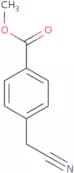
CAS:<p>1,2-Diphenyl-1-cyanoethylene is a molecule that is involved in the cancer process. It has been shown to inhibit the growth of skin cancer cells and other types of cancer cells by binding to mitochondria and inhibiting the formation of proton gradients across mitochondrial membranes. This inhibition leads to a decrease in cellular ATP production and an increase in reactive oxygen species (ROS), resulting in cell death. 1,2-Diphenyl-1-cyanoethylene also has anticancer activity due to its ability to induce light emission from the skin and interfere with the optical properties of holothuria, which are sea cucumbers.</p>Fórmula:C15H11NPureza:Min. 95%Forma y color:PowderPeso molecular:205.25 g/molMethyl 4-(cyanomethyl)benzoate
CAS:<p>Methyl 4-(cyanomethyl)benzoate is a synthetic compound that binds to the H1 receptor, which is part of the histamine family. It is an antagonist of this receptor and inhibits its activity. The affinity of methyl 4-(cyanomethyl)benzoate for the H1 receptor was measured by fluorescence displacement analysis in rat brain membranes. This compound also has potent anti-inflammatory properties, which may be due to its inhibition of prostaglandin synthesis. Methyl 4-(cyanomethyl)benzoate has been shown to be expressed in cells that are chemotactic for neutrophils and natural killer (NK) cells. Methyl 4-(cyanomethyl)benzoate also binds to a prostanoid receptor, CRTh2, leading to an increase in NK cell migration.<br>Methyl 4-(cyanomethyl)benzoate inhibits cyclooxygenase-1 (COX</p>Fórmula:C10H9NO2Pureza:Min. 95%Forma y color:Clear LiquidPeso molecular:175.18 g/mol4-Cyanoheptane
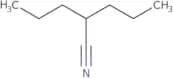
CAS:<p>4-Cyanoheptane is a liquid that has been decarboxylated, which means it contains no CO2 molecules. It is an organic solvent with a boiling point of -2°C and a density of 0.7 g/mL. This product is used in the hydrolysis of carboxylic acids to form carboxylates. 4-Cyanoheptane has been shown to be able to hydrolyze amides, carbones, phenoxy groups, and functional groups as well as produce alkylation reactions with high concentrations.</p>Fórmula:C8H15NPureza:Min. 95%Forma y color:Clear LiquidPeso molecular:125.21 g/mol3-Cyanobenzoic acid ethyl ester
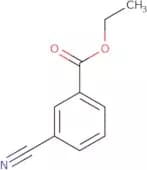
CAS:<p>3-Cyanobenzoic acid ethyl ester is a reaction component that is used in organic synthesis. It is a versatile building block, useful intermediate, and useful building block. 3-Cyanobenzoic acid ethyl ester is a fine chemical that can be used as a reagent for the preparation of other compounds. This compound has been assigned CAS No. 2463-16-3 and has the molecular formula C7H6O2.</p>Fórmula:C10H9NO2Pureza:Min. 95%Forma y color:PowderPeso molecular:175.18 g/molButyl cyanoacrylate
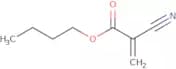
CAS:<p>Butyl cyanoacrylate is a cyanoacrylate, a type of monomer that reacts with water to form a polymer. Cyanoacrylates are used in sealants and tissue adhesives because they form strong bonds with tissues and are biocompatible. Butyl cyanoacrylate has been shown to have an exothermic reaction when it is mixed with water, which can cause burns if the user is not careful. This product also has toxicological studies on fetal bovine and mammalian tissue. Butyl cyanoacrylate has been shown to inhibit vasoactive intestinal peptide release in the nervous system, which may be due to its ability to interfere with fatty acid metabolism.</p>Fórmula:C8H11NO2Pureza:Min. 95%Forma y color:Clear LiquidPeso molecular:153.18 g/mol1-Cyano-4-(dimethylamino)pyridinium tetrafluoroborate
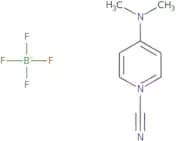
CAS:<p>1-Cyano-4-(dimethylamino)pyridinium tetrafluoroborate (CDAP) is an organic cyanylating agent. It is reactive under acidic conditions giving CDAP an advantage over other sulfhydryl labeling agents, as it can avoid potential thiol-disulfide exchange.</p>Fórmula:C8H10N3BF4Pureza:Min. 98 Area-%Forma y color:PowderPeso molecular:234.99 g/mol4-Cyanobenzyl alcohol
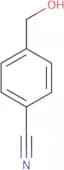
CAS:<p>4-Cyanobenzyl alcohol is a phosphane that reacts with amines to form imines. This reaction can be used as a tool for the identification of amines in protein samples. The reaction time for this reaction is about 3 hours and can only be done at room temperature. 4-Cyanobenzyl alcohol also has potent inhibition activity against cyclopentadienyl, which is an important intermediate of organic synthesis. The ruthenium complex catalyzes this reaction and it can be used as a homogeneous catalyst.</p>Fórmula:C8H7NOPureza:Min. 95%Forma y color:PowderPeso molecular:133.15 g/mol2-Cyano-5-fluorobenzoic acid ethyl ester
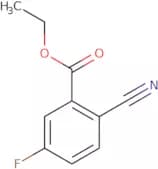
CAS:<p>2-Cyano-5-fluorobenzoic acid ethyl ester is a chemical compound with the formula C6H4(COOCH2)2FO. The compound is an intermediate in the synthesis of other chemicals, such as pharmaceuticals. It is also used as a building block in other syntheses. 2-Cyano-5-fluorobenzoic acid ethyl ester has been assigned CAS No. 1260751-65-2 and is useful in organic synthesis because it is a versatile building block, complex compound, and fine chemical.</p>Fórmula:C10H8FNO2Pureza:Min. 95%Peso molecular:193.17 g/mol4-Cyanocinnamic acid
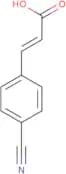
CAS:<p>4-Cyanocinnamic acid is a fatty acid that has been shown to be a substrate for the bacterial enzyme cinnamate 4-hydroxylase. The molecular weight of this compound is 136.16 g/mol, and it has a constant boiling point of 206°C. It can be synthesized from phenylacetic acid and p-coumaric acid using a transesterification reaction. This compound is reactive with carbonyl groups, which makes it useful in the detection of gram-positive bacteria by fluorescent probes or fluorescent dyes. 4-Cyanocinnamic acid is unreactive with esters of carboxylic acids, such as methyl esters, making it useful for the determination of fatty acids in isolates.</p>Fórmula:C10H7NO2Pureza:Min. 95%Forma y color:PowderPeso molecular:173.17 g/mol3,4-Dihydroxybenzylamine hydrobromide
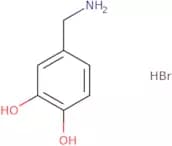
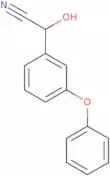
CAS:<p>3,4-Dihydroxybenzylamine hydrobromide is a chemical that reacts with hydrogen peroxide to produce light. It is used as a nutrient for the chemiluminescent reaction in a nutrient solution to detect dopamine, chlorogenic acids, and trifluoroacetic acid. 3,4-Dihydroxybenzylamine hydrobromide can also be used as an analytical method for the measurement of cortisol concentration in plasma and saliva samples. This chemical analogically reacts with monoamine neurotransmitters such as dopamine and gamma-aminobutyric acid (GABA) to form fluorescent probes. 3,4-Dihydroxybenzylamine hydrobromide is not toxic or mutagenic and has been shown to be safe for use in humans.</p>Fórmula:C7H10BrNO2Pureza:Min. 95%Forma y color:PowderPeso molecular:220.06 g/mol2-Hydroxy-2-(3-phenoxyphenyl)acetonitrile
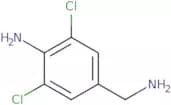
CAS:<p>2-Hydroxy-2-(3-phenoxyphenyl)acetonitrile is an organic compound that is synthesized by the reaction of 3-phenoxybenzaldehyde with nitrous acid in aqueous solution. This compound can be racemized by the enzyme lipase and esterified to form an ester linkage. 2-Hydroxy-2-(3-phenoxyphenyl)acetonitrile has been shown to exhibit insecticidal activity against various strains of bacteria, including Bacillus subtilis, Staphylococcus aureus, and Escherichia coli. 2HPA is a pyrethroid insecticide that has been shown to inhibit lipid synthesis by binding to phospholipids in the bacterial cell membrane. This inhibits the production of fatty acids and glycerol phosphate, inhibiting the growth of the bacteria.</p>Fórmula:C14H11NO2Pureza:Min. 95%Forma y color:Clear LiquidPeso molecular:225.24 g/mol4-Amino-3,5-dichlorobenzylamine dihydrochloride
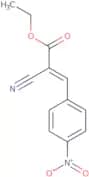
CAS:<p>4-Amino-3,5-dichlorobenzylamine dihydrochloride is a chemical intermediate that can be used as a reagent for the synthesis of other compounds. 4-Amino-3,5-dichlorobenzylamine dihydrochloride is considered to be a high quality chemical with versatile uses. It is listed in the Chemical Abstracts Service (CAS) registry under 164648-75-3, and can be obtained from various suppliers.</p>Fórmula:C7H8Cl2N2·2HClPureza:Min. 95%Forma y color:PowderPeso molecular:263.98 g/molethyl 2-cyano-3-(4-nitrophenyl)prop-2-enoate
CAS:<p>Ethyl 2-cyano-3-(4-nitrophenyl)prop-2-enoate is a functionalized molecule that contains a dipole. It has high selectivity for 1,3-dipolar cycloadditions because the electron density of the methylene group is greater than that of the aldehyde group. The mechanistic theory for this reaction is that the electron density on the methylene group in ethyl 2-cyano-3-(4-nitrophenyl)prop-2-enoate will cause it to become more reactive than the aldehyde group. The dipoles in this molecule are oriented such that they can react with each other to form an intermediate and then an adduct. This isomerization occurs through either dipolarophilic or electrocyclic mechanisms.</p>Pureza:Min. 95%2-Cyanocinnamic acid
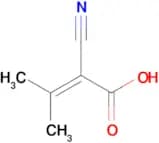
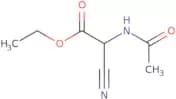
CAS:<p>2-Cyanocinnamic acid is a fatty acid that has been shown to inhibit the synthesis of proteins. It binds to cytochrome c oxidase, inhibiting mitochondrial respiration and electron transport, leading to decreased ATP production. 2-Cyanocinnamic acid is not easily transported out of mitochondria, which leads to its accumulation in the mitochondrial matrix. This accumulation causes synergistic inhibition with glutamate, leading to a decrease in ATP production and an increase in intracellular levels of reactive oxygen species (ROS). The use of 2-cyanoacrylic acid as a mitochondrial transport inhibitor has been proposed for the treatment of obesity and diabetes.<br>2-Cyanocinnamic acid also inhibits fatty acid uptake by binding to the protein translocase at the outer membrane of cells. This binding prevents monomers from entering the cell, where they are broken down by beta oxidation and converted into acetyl-CoA, which can be used for energy production or stored as triglycer</p>Fórmula:C10H7NO2Pureza:Min. 95%Peso molecular:173.17 g/molEthyl acetamidocyanoacetate
CAS:<p>Ethyl acetamidocyanoacetate is an amide which inhibits the enzyme thrombin. It inhibits the conversion of fibrinogen to fibrin, and thus prevents blood clot formation. Ethyl acetamidocyanoacetate has been shown to inhibit serine protease, one of the most abundant enzymes in the human body. This inhibition causes a decrease in inflammatory diseases caused by these enzymes. Ethyl acetamidocyanoacetate also has analog properties that can be used for solid-phase synthesis.</p>Fórmula:C7H10N2O3Pureza:Min. 98 Area-%Peso molecular:170.17 g/mol4-tert-Butylcalix[4]arene - contains 12% residual solvent (ethyl acetate and acetonitrile)
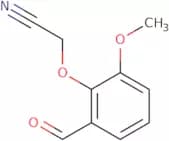
CAS:<p>4-tert-Butylcalix[4]arene is a polymorphic compound with transport properties. It has been shown to have an activation energy of ˜30 kcal/mol, and can be characterized by its nmr spectra. The molecule can be found in n-hexane and zirconium. 4-tert-Butylcalix[4]arene is a coordination complex with a transfer mechanism that contains chloride or metal ion. It forms an acid complex with thermally stable molecules.</p>Fórmula:C44H56O4Pureza:Min. 95%Forma y color:PowderPeso molecular:648.91 g/mol2-(2-formyl-6-methoxyphenoxy)acetonitrile
CAS:<p>Please enquire for more information about 2-(2-formyl-6-methoxyphenoxy)acetonitrile including the price, delivery time and more detailed product information at the technical inquiry form on this page</p>Fórmula:C10H9NO3Pureza:Min. 95%Forma y color:PowderPeso molecular:191.18 g/mol(Cyanomethyl)urea
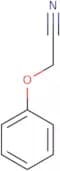
CAS:<p>Cyanomethyl)urea is a fine chemical that belongs to a class of compounds known as ureas. It is used as a versatile building block in the synthesis of more complex compounds, as a research chemical and as an intermediate. It can be used to synthesize pharmaceuticals, pesticides, and other chemicals. Cyanomethyl)urea is used in the production of polyurethane foams, which are commonly found in mattresses, furniture upholstery and insulation.</p>Fórmula:C3H5N3OPureza:Min. 95%Forma y color:Brown PowderPeso molecular:99.09 g/molPhenoxyacetonitrile
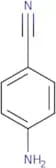
CAS:<p>Phenoxyacetonitrile is an efficient method for the synthesis of ethylene diamine by the reaction of hydrochloric acid, chloride and a carbon source. The nitro group can be reduced to an amine or a hydroxyl group by hydrogen chloride in acetonitrile. This method has been used in the synthesis of drugs such as acyclovir and penciclovir. Phenoxyacetonitrile also inhibits growth factor production, which may be due to its inhibitory properties on the enzyme houben-hoesch reaction.</p>Fórmula:C8H7NOPureza:Min. 95%Peso molecular:133.15 g/mol4-Aminobenzonitrile
CAS:<p>4-Aminobenzonitrile is a chemical compound that has been shown to be an antimicrobial agent. It has been found to be active against bacteria and fungi, such as Candida albicans and Aspergillus niger. 4-Aminobenzonitrile binds with epidermal growth factor (EGF) by intramolecular hydrogen bonding, which leads to the disruption of the protein's tertiary structure. The nitrogen atoms in this compound have been shown to react with water vapor at high temperatures, which results in the release of hydrogen gas. This reaction can be used for phase transition temperature studies. 4-Aminobenzonitrile also shows intermolecular hydrogen bonding with fatty acids, which causes the molecule to change its shape and protonation state. These changes affect its frequency shift and molecular modeling study results.</p>Fórmula:C7H6N2Pureza:Min. 95%Forma y color:Off-White PowderPeso molecular:118.14 g/mol


![5-Amino-1-benzo[1,3]dioxol-5-yl-3-methyl-1H-pyrazole-4-carbonitrile](/_next/image/?url=https%3A%2Fstatic.cymitquimica.com%2Fproducts%2F10%2Fthumb-webp%2FF521667.webp&w=3840&q=75)
![2-[Cyclopropyl(ethoxy)methylidene]propanedinitrile](/_next/image/?url=https%3A%2Fstatic.cymitquimica.com%2Fproducts%2F10%2Fthumb-webp%2FF602703.webp&w=3840&q=75)

![(S)-N-(2-((2-(2-CYANOPYRROLIDIN-1-YL)-2-OXOETHYL)AMINO)-2-METHYLPROPYL)-2-METHYLPYRAZOLO[1,5-A]PYR…](/_next/image/?url=https%3A%2Fstatic.cymitquimica.com%2Fproducts%2F10%2Fthumb-webp%2FF533681.webp&w=3840&q=75)






![4-tert-Butylcalix[4]arene - contains 12% residual solvent (ethyl acetate and acetonitrile)](/_next/image/?url=https%3A%2Fstatic.cymitquimica.com%2Fproducts%2F3D%2Fthumb-webp%2FFB59591.webp&w=3840&q=75)