CymitQuimica logo
Ciano-, nitrilo-

Ciano-, nitrilo-

Los compuestos ciano y nitrilo son moléculas orgánicas que contienen grupos ciano (C≡N) o nitrilo en su estructura, caracterizadas por la presencia de nitrógeno. Estos grupos desempeñan roles importantes en diversas reacciones químicas y aplicaciones industriales. En esta categoría, encontrará una amplia gama de compuestos ciano y nitrilo, que van desde estructuras simples hasta complejas. En CymitQuimica, ofrecemos compuestos ciano y nitrilo de alta calidad adaptados para satisfacer las necesidades de investigación e industriales. Nuestros compuestos son adecuados para una variedad de aplicaciones de síntesis y análisis.

Se han encontrado 9624 productos de "Ciano-, nitrilo-"

Ordenar por

Pureza (%)
0
100
|
0
|
50
|
90
|
95
|
100
productos por página.
  • (2-Methoxyphenoxy)acetonitrile

    CAS:
    <p>(2-Methoxyphenoxy)acetonitrile is a versatile building block that has been used in the synthesis of fine chemicals, complex compounds, research chemicals, reagents and speciality chemicals. It is a useful building block for high quality pharmaceuticals. (2-Methoxyphenoxy)acetonitrile can be used as a reaction component or scaffold to synthesize organic molecules with interesting biological activities.</p>
    Fórmula:C9H9NO2
    Pureza:Min. 95%
    Forma y color:Clear Liquid
    Peso molecular:163.17 g/mol

    Ref: 3D-FM70485

    1g
    134,00€
    2g
    134,00€
    5g
    286,00€
    10g
    478,00€
  • 2,5-Dimethoxybenzonitrile

    CAS:
    <p>2,5-Dimethoxybenzonitrile is a polymerized organic compound that belongs to the class of benzene compounds. It is a monomer with two methyl groups on either side of the benzene ring. 2,5-Dimethoxybenzonitrile has been studied in terms of its transition and optimization properties using techniques such as IR and NMR spectroscopy. The frequencies of the chemical bonds have been analyzed, and it has been found that the molecule is centrosymmetric. 2,5-Dimethoxybenzonitrile can also be used to form polymers with other molecules by linking them together through covalent bonds.</p>
    Fórmula:C9H9NO2
    Pureza:Min. 95%
    Forma y color:Powder
    Peso molecular:163.17 g/mol

    Ref: 3D-FD64139

    25g
    135,00€
    50g
    157,00€
    100g
    218,00€
  • 2-Hydroxy-2-(3-phenoxyphenyl)acetonitrile

    CAS:
    <p>2-Hydroxy-2-(3-phenoxyphenyl)acetonitrile is an organic compound that is synthesized by the reaction of 3-phenoxybenzaldehyde with nitrous acid in aqueous solution. This compound can be racemized by the enzyme lipase and esterified to form an ester linkage. 2-Hydroxy-2-(3-phenoxyphenyl)acetonitrile has been shown to exhibit insecticidal activity against various strains of bacteria, including Bacillus subtilis, Staphylococcus aureus, and Escherichia coli. 2HPA is a pyrethroid insecticide that has been shown to inhibit lipid synthesis by binding to phospholipids in the bacterial cell membrane. This inhibits the production of fatty acids and glycerol phosphate, inhibiting the growth of the bacteria.</p>
    Fórmula:C14H11NO2
    Pureza:Min. 95%
    Forma y color:Clear Liquid
    Peso molecular:225.24 g/mol

    Ref: 3D-FH140790

    1g
    208,00€
    2g
    321,00€
    5g
    596,00€
    250mg
    135,00€
    500mg
    156,00€
  • 4-Chloro-3-nitrobenzonitrile

    CAS:
    <p>4-Chloro-3-nitrobenzonitrile is a molecule with potent antibacterial activity. It is synthesized by the reaction of sodium carbonate, hydrogen chloride, and 4-chlorobenzonitrile. 4-Chloro-3-nitrobenzonitrile has shown antimicrobial properties against a wide range of bacteria, including methicillin resistant Staphylococcus aureus (MRSA) and Enterococcus faecium. This compound has been used in the treatment of infections caused by these bacteria. 4-Chloro-3-nitrobenzonitrile also has the ability to inhibit the synthesis of fatty acids and lipids in bacterial cells, which may be responsible for its antimicrobial effects.</p>
    Fórmula:C7H3ClN2O2
    Pureza:Min. 95%
    Forma y color:Powder
    Peso molecular:182.56 g/mol

    Ref: 3D-FC02229

    100g
    140,00€
    250g
    198,00€
    500g
    310,00€
  • 4-Chloro-3,5-dinitrobenzonitrile

    CAS:
    <p>4-Chloro-3,5-dinitrobenzonitrile is a mesomeric compound that has four amines and one nitro group. It is a dipole with chloride as the negative end and amine as the positive end. The reaction mechanism of this chemical is nucleophilic substitution. 4-Chloro-3,5-dinitrobenzonitrile reacts with an organic solvent to form a buffer. A buffer is an ionized solution that resists changes in pH when acid or base are added to it. This chemical also reacts with thionyl chloride to form hydrochloric acid, which can be used to leishmania parasites. 4-Chloro-3,5-dinitrobenzonitrile also reacts with an anion such as ClO4− or NO2− to form a salt such as chlorate or nitrate respectively.</p>
    Fórmula:C7H2ClN3O4
    Pureza:Min. 95%
    Forma y color:Powder
    Peso molecular:227.56 g/mol

    Ref: 3D-FC70294

    2g
    135,00€
    5g
    149,00€
  • 2-Cyano-N-[2-(3,4-dimethoxyphenyl)ethyl]acetamide

    CAS:
    <p>Please enquire for more information about 2-Cyano-N-[2-(3,4-dimethoxyphenyl)ethyl]acetamide including the price, delivery time and more detailed product information at the technical inquiry form on this page</p>
    Fórmula:C13H16N2O3
    Pureza:Min. 95%
    Peso molecular:248.28 g/mol

    Ref: 3D-FC131318

    1g
    134,00€
    2g
    200,00€
    5g
    336,00€
  • 2-Bromo-4-nitrobenzonitrile

    CAS:
    <p>2-Bromo-4-nitrobenzonitrile is a chemical compound that can be used to study the relationship between genetic polymorphism and chromosome structure. This compound has been found to induce polyploidy in Brassica plants, which may have implications for the evolution of these species. 2-Bromo-4-nitrobenzonitrile also has been shown to be a useful marker for phylogenetic and ecological studies of Lepidium species. The compound is diploid in nature, but can be used as a matrix in tetraploid plants.</p>
    Fórmula:C7H3BrN2O2
    Pureza:Min. 95%
    Forma y color:Powder
    Peso molecular:227.02 g/mol

    Ref: 3D-FB67665

    2g
    135,00€
    5g
    153,00€
    10g
    218,00€
    25g
    410,00€
  • 2-Chloro-3-methylbenzylamine HCl - 90%

    CAS:
    <p>2-Chloro-3-methylbenzylamine HCl is a fine chemical that is a versatile building block for synthesis of pharmaceuticals and research chemicals. It is also a useful intermediate in the production of other compounds, such as speciality chemicals, complex compounds, and reaction components. 2-Chloro-3-methylbenzylamine HCl has many potential applications in both academia and industry because it is a high quality reagent with many uses.</p>
    Fórmula:C8H10ClN·HCl
    Pureza:Min. 95%
    Forma y color:Powder
    Peso molecular:192.09 g/mol

    Ref: 3D-FC67370

    1g
    148,00€
    2g
    203,00€
    5g
    429,00€
    10g
    637,00€
  • 2-Chloro-4-fluorobenzonitrile

    CAS:
    <p>2-Chloro-4-fluorobenzonitrile is a drug that has been shown to have antitumor effects by binding to the CB2 receptor. It inhibits hydrogenation reduction of the molecule, which may be due to its ability to react with both functional groups. 2-Chloro-4-fluorobenzonitrile has also been shown to inhibit progesterone receptor, which may lead to an increase in progesterone levels and a decrease in estrogen levels. The pharmacokinetic properties of this compound are not yet known.</p>
    Fórmula:C7H3ClFN
    Pureza:Min. 95%
    Forma y color:White Powder
    Peso molecular:155.56 g/mol

    Ref: 3D-FC35486

    1kg
    509,00€
    100g
    135,00€
    250g
    203,00€
    500g
    358,00€
  • Pyridine-3-acetonitrile

    CAS:
    <p>Pyridine-3-acetonitrile is a coordination complex that can be used for the treatment of diabetes. It has been shown to have a high affinity for plasma glucose and to be selective for biological samples containing amino acids, such as proteins. The molecule is able to bind with carbon disulphide in order to form the active methylene, which has been shown to be an effective bifunctional ligand. The compound has also been shown to have a ph optimum of 9.8 - 10.2 and exhibits an atomic orbital with a molecular electrostatic potential of 0.5 eV. Pyridine-3-acetonitrile binds strongly to nucleophilic groups, such as amines and hydroxyls, making it suitable for use as a ligand in metal complexes. This compound may also have some interesting properties related to its morphology, which can be further investigated using functional theory and molecular electrostatic potential.br&gt;br&gt; br&gt;br&gt;</p>
    Fórmula:C7H6N2
    Pureza:Min. 95%
    Forma y color:Clear Liquid
    Peso molecular:118.14 g/mol

    Ref: 3D-FP11479

    5g
    259,00€
    10g
    387,00€
    25g
    684,00€
    50g
    809,00€
    100g
    1.294,00€
  • 2'-Cyano-4-(dibromomethyl)biphenyl

    CAS:
    <p>2'-Cyano-4-(dibromomethyl)biphenyl is a reactive component that belongs to the group of speciality chemicals. It can be used as a building block in organic synthesis and as an intermediate in the production of fine chemicals. 2'-Cyano-4-(dibromomethyl)biphenyl has been used for the synthesis of various complex compounds, such as an anti-inflammatory drug, an anti-diabetic drug, and a chemotherapeutic agent.</p>
    Fórmula:C14H9Br2N
    Pureza:Min. 97 Area-%
    Forma y color:Off-White Powder
    Peso molecular:351.04 g/mol

    Ref: 3D-FC20623

    5mg
    135,00€
    10mg
    187,00€
  • 3,4-Dihydroxybenzylamine hydrobromide

    CAS:
    <p>3,4-Dihydroxybenzylamine hydrobromide is a chemical that reacts with hydrogen peroxide to produce light. It is used as a nutrient for the chemiluminescent reaction in a nutrient solution to detect dopamine, chlorogenic acids, and trifluoroacetic acid. 3,4-Dihydroxybenzylamine hydrobromide can also be used as an analytical method for the measurement of cortisol concentration in plasma and saliva samples. This chemical analogically reacts with monoamine neurotransmitters such as dopamine and gamma-aminobutyric acid (GABA) to form fluorescent probes. 3,4-Dihydroxybenzylamine hydrobromide is not toxic or mutagenic and has been shown to be safe for use in humans.</p>
    Fórmula:C7H10BrNO2
    Pureza:Min. 95%
    Forma y color:Powder
    Peso molecular:220.06 g/mol

    Ref: 3D-FD66310

    2g
    229,00€
    5g
    403,00€
    10g
    598,00€
  • N-Allyl-n-(4-cyano-2-chlorophenyl)acetamide

    CAS:
    <p>N-Allyl-N-(4-cyano-2-chlorophenyl)acetamide is a high quality reagent that has been used as an intermediate in the synthesis of fine chemicals, useful scaffolds and building blocks. It is also a versatile building block that can be used to synthesize high quality compounds with a wide range of functionalities. N-Allyl-N-(4-cyano-2-chlorophenyl)acetamide is a speciality chemical that can be used for research purposes. This compound has been shown to produce reactions with other compounds, such as nitrobenzene, to generate useful products.</p>
    Fórmula:C12H11ClN2O
    Pureza:Min. 95%
    Peso molecular:234.68 g/mol

    Ref: 3D-FA145690

    1g
    229,00€
    250mg
    134,00€
    500mg
    192,00€
  • 3-Cyanobenzamide

    CAS:
    <p>3-Cyanobenzamide is an organic compound with the formula CHC(N)NH. It is a white crystalline solid that can be obtained by reacting benzamide with cyanoacetylene. There are three possible isomers of 3-cyanobenzamide: 3-cyano-1-(substituted phenyl)benzamide, 3-cyano-2-(substituted phenyl)benzamide, and 3-cyano-3-(substituted phenyl)benzamide. The optimal reaction conditions for the synthesis of 3-cyanobenzamide are in the presence of hydrogen bonding, such as n-hexane, amide, and phase equilibrium. Studies have determined that 3-cyanobenzamide has the potential to cause cancer or liver toxicity in humans. In addition, this chemical has been shown to be an effective inhibitor of alpha glucosidase enzymes in vitro and in vivo.</p>
    Fórmula:C8H6N2O
    Pureza:Min. 90%
    Peso molecular:146.15 g/mol

    Ref: 3D-FC55034

    2g
    135,00€
    5g
    182,00€
    10g
    327,00€
    25g
    607,00€
  • 3-Ethoxy-4-hydroxyphenylacetonitrile

    CAS:
    <p>3-Ethoxy-4-hydroxyphenylacetonitrile is a versatile building block and reagent that is used in the manufacturing of pharmaceuticals, agricultural chemicals, and other chemical products. It has been shown to be an excellent starting material for the synthesis of complex compounds. 3-Ethoxy-4-hydroxyphenylacetonitrile can be used as a high quality research chemical or useful scaffold for organic synthesis. CAS No. 205748-01-2</p>
    Fórmula:C10H11NO2
    Pureza:Min. 95%
    Forma y color:Powder
    Peso molecular:177.2 g/mol

    Ref: 3D-FE67908

    25g
    305,00€
    50g
    485,00€
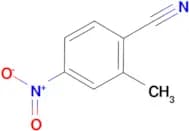
  • 4-Amino-2-cyanotoluene

    CAS:
    <p>4-Amino-2-cyanotoluene is a quinazoline compound that inhibits the synthesis of thymine, which is necessary for DNA replication. This compound binds to the enzyme thymidylate synthetase, thereby inhibiting the synthesis of thymine. The inhibitory effect has been shown in a study using calf thymus DNA. 4-Amino-2-cyanotoluene also inhibits the synthesis of other nucleic acids such as adenine and guanine.</p>
    Fórmula:C8H8N2
    Pureza:Min. 95%
    Forma y color:Powder
    Peso molecular:132.16 g/mol

    Ref: 3D-FA55035

    1kg
    296,00€
    250g
    140,00€
    500g
    187,00€
  • 4-Cyanobenzyl alcohol

    CAS:
    <p>4-Cyanobenzyl alcohol is a phosphane that reacts with amines to form imines. This reaction can be used as a tool for the identification of amines in protein samples. The reaction time for this reaction is about 3 hours and can only be done at room temperature. 4-Cyanobenzyl alcohol also has potent inhibition activity against cyclopentadienyl, which is an important intermediate of organic synthesis. The ruthenium complex catalyzes this reaction and it can be used as a homogeneous catalyst.</p>
    Fórmula:C8H7NO
    Pureza:Min. 95%
    Forma y color:Powder
    Peso molecular:133.15 g/mol

    Ref: 3D-FC70532

    25g
    348,00€
    50g
    525,00€
    100g
    842,00€
    250g
    1.224,00€
    500g
    1.440,00€
  • 2-Bromo-5-chlorophenylacetonitrile

    CAS:
    <p>2-Bromo-5-chlorophenylacetonitrile is an organic compound that is used as a reagent and building block in the synthesis of other chemicals. It is a colourless liquid that can be used to synthesize complex compounds. 2-Bromo-5-chlorophenylacetonitrile has been shown to be useful in the synthesis of pharmaceuticals, pesticides, and herbicides. This chemical can be used as a versatile intermediate or building block for the production of high quality research chemicals and specialty chemicals. 2-Bromo-5-chlorophenylacetonitrile is not on the list of chemical substances classified as hazardous according to EU regulation (EINECS) No. 231-1003.</p>
    Fórmula:C8H5BrClN
    Pureza:Min. 95%
    Forma y color:Powder
    Peso molecular:230.49 g/mol

    Ref: 3D-FB66910

    1g
    200,00€
    2g
    286,00€
    5g
    470,00€
    10g
    717,00€
  • 3-Methyl-4-nitrobenzonitrile

    CAS:
    <p>3-Methyl-4-nitrobenzonitrile is a fluorescing aromatic amine that is synthesized by aliphatic amines. It has been shown to inhibit the growth of cells in culture, which may be due to its ability to bind with and inhibit the insulin-like growth factor receptor-1 (IGF-1R). 3-Methyl-4-nitrobenzonitrile has also been shown to bind with cytochrome P450 enzymes, where it can be oxidized or reduced. The conformation of 3-methyl-4 nitrobenzonitrile is dependent on the solvent molecules present.</p>
    Fórmula:C8H6N2O2
    Pureza:Min. 95%
    Forma y color:Powder
    Peso molecular:162.15 g/mol

    Ref: 3D-FM00512

    25g
    135,00€
    50g
    182,00€
    250g
    454,00€
  • 2-Methoxyphenylacetonitrile

    CAS:
    <p>2-Methoxyphenylacetonitrile is a chemical that is used in the manufacture of pharmaceuticals. It has antibacterial activity and can be used to treat typhoid fever, staphylococcal infections, and mental disorders such as schizophrenia. 2-Methoxyphenylacetonitrile is an alkylating agent that reacts with nucleophiles in proteins, DNA, and RNA. These reactions lead to the destruction of the bacterial cell wall and inhibition of protein synthesis. The mechanism by which 2-methoxyphenylacetonitrile exerts its antibacterial effect may involve formation of a reactive intermediate that inhibits bacterial ribonucleotide reductase. The addition of an electron to this intermediate leads to the formation of a covalent bond with one or more amino acids in the protein acceptor, thereby preventing further growth and division of bacteria.</p>
    Fórmula:C9H9NO
    Pureza:Min. 90%
    Forma y color:White Powder
    Peso molecular:147.17 g/mol

    Ref: 3D-FM64882

    1kg
    669,00€
    2kg
    838,00€
    100g
    210,00€
    250g
    354,00€
    500g
    497,00€
  • 2-(6-Benzyloxyindolyl)acetonitrile

    CAS:
    <p>Please enquire for more information about 2-(6-Benzyloxyindolyl)acetonitrile including the price, delivery time and more detailed product information at the technical inquiry form on this page</p>
    Fórmula:C17H14N2O
    Pureza:Min. 95%
    Peso molecular:262.31 g/mol

    Ref: 3D-FB18517

    1g
    255,00€
    2g
    410,00€
    5g
    719,00€
    250mg
    135,00€
    500mg
    170,00€
  • Ethyl (2Z)-2-cyano-3-(2-furyl)acrylate

    CAS:
    <p>Please enquire for more information about Ethyl (2Z)-2-cyano-3-(2-furyl)acrylate including the price, delivery time and more detailed product information at the technical inquiry form on this page</p>
    Fórmula:C10H9NO3
    Pureza:Min. 95%
    Peso molecular:191.18 g/mol

    Ref: 3D-FE133218

    1g
    134,00€
    2g
    167,00€
    5g
    286,00€
    10g
    478,00€
  • N-Nitrosodibenzylamine

    CAS:
    <p>N-Nitrosodibenzylamine is a chemical compound that has genotoxic effects. It is used as an analytical method to identify the presence of amines and to measure their concentration, as well as in the preparation of sodium salts. N-Nitrosodibenzylamine was found to cause damage to DNA in animals and cells in culture. The matrix effect, which is the difference in response between a sample contained in an organic solvent and one contained in water, was investigated using multi-walled carbon nanotubes (MWCNTs). The results showed that MWCNTs produce a significant matrix effect when compared with other solvents. This study also showed that MWNTs have a higher capacity for nitrosamine adsorption than do other solvents.</p>
    Fórmula:C14H14N2O
    Pureza:Min. 96 Area-%
    Forma y color:Off-White Powder
    Peso molecular:226.27 g/mol

    Ref: 3D-FN34970

    5mg
    282,00€
    10mg
    413,00€
    25mg
    588,00€
    50mg
    748,00€
    100mg
    1.031,00€
  • (2,3-Dichlorophenyl)acetonitrile

    CAS:
    <p>(2,3-Dichlorophenyl)acetonitrile is a fine chemical that is useful as a building block in the synthesis of more complex compounds. It has been used in research as a reagent and as a speciality chemical. (2,3-Dichlorophenyl)acetonitrile reacts with many different types of compounds to form new molecules. This intermediate can be used in the synthesis of many different types of compounds and also serves as an important scaffold for larger molecules.</p>
    Fórmula:C8H5Cl2N
    Pureza:Min. 95%
    Forma y color:Powder
    Peso molecular:186.04 g/mol

    Ref: 3D-FD71088

    25g
    135,00€
    50g
    152,00€
    100g
    209,00€
    250g
    410,00€
  • 4-Fluorobenzylamine

    CAS:
    <p>4-Fluorobenzylamine is a chemical compound with the molecular formula CHF. It has been shown to radiosensitize tumor cells by inhibiting the synthesis of cyclin D2, which is required for cell proliferation. 4-Fluorobenzylamine can also be used in asymmetric synthesis reactions such as nitration and trifluoroacetic acid hydrolysis. 4-Fluorobenzylamine has been shown to have synergistic effects on cells when paired with flupirtine or maleate. This synergistic effect is primarily due to its ability to inhibit DNA repair, which leads to cell death through apoptosis or necrosis.</p>
    Fórmula:C7H8FN
    Pureza:Min. 98 Area-%
    Forma y color:Colourless To Pale Yellow Liquid
    Peso molecular:125.14 g/mol

    Ref: 3D-FF15932

    1kg
    798,00€
    2kg
    1.253,00€
    5kg
    2.112,00€
    250g
    338,00€
    500g
    535,00€
  • 4-Aminobenzonitrile

    CAS:
    <p>4-Aminobenzonitrile is a chemical compound that has been shown to be an antimicrobial agent. It has been found to be active against bacteria and fungi, such as Candida albicans and Aspergillus niger. 4-Aminobenzonitrile binds with epidermal growth factor (EGF) by intramolecular hydrogen bonding, which leads to the disruption of the protein's tertiary structure. The nitrogen atoms in this compound have been shown to react with water vapor at high temperatures, which results in the release of hydrogen gas. This reaction can be used for phase transition temperature studies. 4-Aminobenzonitrile also shows intermolecular hydrogen bonding with fatty acids, which causes the molecule to change its shape and protonation state. These changes affect its frequency shift and molecular modeling study results.</p>
    Fórmula:C7H6N2
    Pureza:Min. 95%
    Forma y color:Off-White Powder
    Peso molecular:118.14 g/mol

    Ref: 3D-FA05145

    1kg
    497,00€
    2kg
    725,00€
    5kg
    1.494,00€
    250g
    204,00€
    500g
    308,00€
  • 4-tert-Butylcalix[4]arene - contains 12% residual solvent (ethyl acetate and acetonitrile)

    CAS:
    <p>4-tert-Butylcalix[4]arene is a polymorphic compound with transport properties. It has been shown to have an activation energy of ˜30 kcal/mol, and can be characterized by its nmr spectra. The molecule can be found in n-hexane and zirconium. 4-tert-Butylcalix[4]arene is a coordination complex with a transfer mechanism that contains chloride or metal ion. It forms an acid complex with thermally stable molecules.</p>
    Fórmula:C44H56O4
    Pureza:Min. 95%
    Forma y color:Powder
    Peso molecular:648.91 g/mol

    Ref: 3D-FB59591

    1kg
    1.515,00€
    100g
    280,00€
    250g
    477,00€
    500g
    639,00€
  • Diphenylacetonitrile

    CAS:
    <p>Diphenylacetonitrile is an organic compound that has a low energy and is used as a nutritional supplement. It is a derivative of mandelonitrile, which can be synthesized by the Friedel-Crafts reaction between chloroform and diphenylacetic acid. Diphenylacetonitrile is an aromatic hydrocarbon with nitrogen atoms and hydroxyl groups, which can be found in the virus or p. aeruginosa. The molecule has been shown to have anti-inflammatory potency in animal models. The synthesis of this compound involves the use of halides, such as hydrogen sulfate or bromide, which are also present in high concentrations in this product. <br>Diphenylacetonitrile (DPCN) is a low-energy nitrile that undergoes Friedel-Crafts reactions with chloroform to produce the corresponding chloride (DPCCl). DPCN has been shown to inhibit inflammatory responses</p>
    Fórmula:C14H11N
    Pureza:Min. 95%
    Forma y color:Powder
    Peso molecular:193.24 g/mol

    Ref: 3D-FD38004

    1kg
    135,00€
  • Ethyl 4-cyano-3-nitrobenzoate

    CAS:
    <p>Ethyl 4-cyano-3-nitrobenzoate is a chemical compound with the structural formula of CHNO. It is a building block for organic synthesis and can be used in the production of high quality research chemicals and speciality chemicals. Ethyl 4-cyano-3-nitrobenzoate has been shown to react with a variety of amines to form urea derivatives that are useful as versatile building blocks or complex compounds. This reagent is also useful as an intermediate in the synthesis of various pharmaceuticals. CAS No. 321162-58-7</p>
    Fórmula:C10H8N2O4
    Pureza:Min. 95%
    Forma y color:Powder
    Peso molecular:220.18 g/mol

    Ref: 3D-FE70234

    25g
    135,00€
    50g
    183,00€
    100g
    345,00€
  • (3,5-Dimethoxyphenyl)acetonitrile

    CAS:
    <p>3,5-Dimethoxyphenylacetonitrile is a synthetic compound that has been shown to be an inhibitor of the demethylation reaction. It is postulated to have anticancer activity and inhibits the biosynthesis of octaketides in vitro. This compound has also been shown to have antibacterial activity and is structurally related to cannabinoids. The mechanism by which 3,5-dimethoxyphenylacetonitrile inhibits cancer cells is not known. However, it may be due to its ability to bind cannabinoid receptors.</p>
    Fórmula:C10H11NO2
    Pureza:Min. 95%
    Forma y color:Powder
    Peso molecular:177.2 g/mol

    Ref: 3D-FD22217

    10g
    135,00€
  • (3R,5R)-6-Cyano-3,5-dihydroxy-hexanoic acid tert-butyl ester

    CAS:
    <p>(3R,5R)-6-Cyano-3,5-dihydroxy-hexanoic acid tert-butyl ester is a building block for organic synthesis. It is a versatile intermediate that can be used in the preparation of pharmaceuticals and other organic compounds. The compound is also used as a reagent to study the biological activity of other compounds. CAS No. 125971-93-9 is a fine chemical that has been shown to have high quality and purity.</p>
    Fórmula:C11H19NO4
    Pureza:Min. 98 Area-%
    Forma y color:Yellow Powder
    Peso molecular:229.27 g/mol

    Ref: 3D-FC20614

    25mg
    305,00€
    50mg
    459,00€
    100mg
    741,00€
    250mg
    921,00€
    500mg
    1.085,00€
  • (S,E)-3-(6-Bromopyridin-2-yl)-2-cyano-N-(1-phenylethyl)acrylamide

    CAS:
    <p>(S,E)-3-(6-Bromopyridin-2-yl)-2-cyano-N-(1-phenylethyl)acrylamide (MBI-23) is a potential antineoplastic agent that has been shown to induce regression of bladder cancer in mice. MBI-23 induces apoptosis by inhibiting the proliferation of cancer cells and inducing differentiation of cancer stem cells. It is also shown to inhibit tumor growth and progression in glioma and prostate cancer models. MBI-23 binds to the KDR receptor subtype, which is activated by organic acids and inhibited by inorganic compounds. This binding leads to constitutive activation of the KDR receptor, thereby inducing apoptosis. The tautomers and stereoisomers of MBI-23 have not been fully elucidated yet.</p>
    Fórmula:C17H14ON3Br
    Pureza:Min. 98 Area-%
    Forma y color:White Powder
    Peso molecular:356.22 g/mol

    Ref: 3D-FB34118

    1g
    1.248,00€
    50mg
    233,00€
    100mg
    344,00€
    250mg
    595,00€
    500mg
    889,00€
  • 4-Cyanobenzylamine HCl

    CAS:
    <p>4-Cyanobenzylamine HCl is a degradable polymer that has been shown to inhibit colonic adenocarcinoma in mice. This compound was synthesized by the reaction of 4-cyanobenzylamine with 3-mercaptopropionic acid and was characterized using IR, 1H NMR, and 13C NMR spectroscopy. It also showed an inhibitory effect on the proliferation of human colon cancer cells. The polymer was found to gel when mixed with different concentrations of acrylamide and methylene bisacrylamide. Gelation occurred at a lower concentration of acrylamide than the amount used in previous studies. This may be due to its functional groups and morphology, which could have contributed to the inhibition of cell growth.</p>
    Fórmula:C8H8N2·HCl
    Pureza:Min. 95%
    Forma y color:Powder
    Peso molecular:168.62 g/mol

    Ref: 3D-FC29527

    1kg
    233,00€
    250g
    135,00€
    500g
    149,00€
  • 1,4-Diamino-2,3-dicyanoanthraquinone

    CAS:
    <p>1,4-Diamino-2,3-dicyanoanthraquinone is a chemical compound that belongs to the amines group. It has transcription-polymerase chain activity and inhibits the growth of cancer cells by regulating blood pressure and stimulating the production of growth factors. The effect on cancer cells is due to its ability to inhibit kinases. 1,4-Diamino-2,3-dicyanoanthraquinone has shown an inhibitory effect on glutamate decarboxylase and fatty acid synthase, which are enzymes that regulate cell metabolism. This chemical compound also exhibits quinoline derivatives with a redox potential that can be used as hydrogen chloride in organic synthesis reactions.</p>
    Fórmula:C16H8N4O2
    Pureza:Min. 95%
    Forma y color:Blue Powder
    Peso molecular:288.26 g/mol

    Ref: 3D-FD29529

    1kg
    1.067,00€
    2kg
    1.920,00€
    5kg
    4.416,00€
    250g
    254,00€
    500g
    403,00€
  • 4-Cyano-4'-octylbiphenyl

    CAS:
    <p>4-Cyano-4'-octylbiphenyl is a molecule that consists of an aromatic ring with two alkyl chains. This compound has been shown to be a model system for studying solute transport in liquids and gases. 4-Cyano-4'-octylbiphenyl also has the ability to form intramolecular hydrogen bonds, which are important for the fluidity of the substance. At high temperatures, this compound undergoes a phase transition from liquid to solid due to dipole interactions between molecules.</p>
    Fórmula:C21H25N
    Pureza:Min. 95%
    Forma y color:Colorless Powder
    Peso molecular:291.43 g/mol

    Ref: 3D-FC32340

    10g
    204,00€
    25g
    383,00€
    50g
    596,00€
    100g
    889,00€
    250g
    1.902,00€
  • N,N-Diethylcyanoacetamide

    CAS:
    <p>N,N-Diethylcyanoacetamide is an organic compound that is used in the industrial production of polyurethane. It reacts with a nucleophile to form a new carbon-nitrogen bond. The reaction can be monitored in real time, and it has high specificity for the desired product. N,N-Diethylcyanoacetamide reacts with piperidine to produce a mixture of isomers in which the methyl group is attached to either the nitrogen or the oxygen atom. This mixture can be separated by crystallization, and it generates a pure product that can be used as a monocarboxylic acid.</p>
    Fórmula:C7H12N2O
    Pureza:Min. 95%
    Forma y color:Clear Liquid
    Peso molecular:140.18 g/mol

    Ref: 3D-FD21835

    1g
    376,00€
    2g
    598,00€
    5g
    1.019,00€
    10g
    1.814,00€
    500mg
    236,00€
  • 2-Chloro-5-cyanopyrazine

    CAS:
    <p>2-Chloro-5-cyanopyrazine is a synthetic compound that has been shown to have anti-cancer properties. It is an acceptor molecule that has a nucleophilic character and can react with electrophiles to form covalent bonds. This compound has been shown to selectively inhibit the growth of cancer cells in vitro. The mechanism of action is not yet clear, but it may be due to its ability to induce apoptosis and arrest cell cycle progression at the G1 phase. 2-Chloro-5-cyanopyrazine also has the potential for use as an analytical reagent because of its high solubility in organic solvents. In addition, this compound can be used as a copper donor in reactions involving carboxylic acids or other nucleophiles. <br>2-Chloro-5-cyanopyrazine can be synthesized from benzene and chloropicrin in the presence of copper(II)</p>
    Fórmula:C5H2ClN3
    Pureza:Min. 95%
    Forma y color:Off-White To Yellow Solid
    Peso molecular:139.54 g/mol

    Ref: 3D-FC54463

    1g
    135,00€
    2g
    179,00€
    5g
    356,00€
    10g
    477,00€
  • 3-Cyanophenylboronic acid

    CAS:
    <p>3-Cyanophenylboronic acid is an organic compound that has been shown to have antimicrobial activity against Pseudomonas aeruginosa. The synthetic pathway of this compound begins with the benzamidine, which reacts with dibutyltin oxide to form 3-cyanophenylboronic acid. This molecule can then be reacted with a cationic polymerization agent such as polyethyleneimine or polyallylamine, producing a polymerized product. When tested in humans, 3-cyanophenylboronic acid showed a high oral bioavailability and low plasma protein binding. It also has a short serum half-life and is metabolized by serine proteases in the liver.</p>
    Fórmula:C7H6BNO2
    Pureza:Min. 95%
    Forma y color:Powder
    Peso molecular:146.94 g/mol

    Ref: 3D-FC76258

    50g
    305,00€
    100g
    431,00€
    250g
    804,00€
  • 5-Bromo-2-cyano-3-nitropyridine

    CAS:
    <p>5-Bromo-2-cyano-3-nitropyridine is a medication that has been shown to be an effective inhibitor of the RET tyrosine kinase. It has been used in clinical studies to treat chronic kidney disease and has been shown to inhibit the growth of cancer cells. The molecular electrostatic potential (MEP) simulations have shown that 5-bromo-2-cyano-3-nitropyridine interacts with the reactive site of RET, inhibiting its function by binding to the nucleophilic substitutions. 5-Bromo-2-cyano-3-nitropyridine is synthesized from 2,5 dibromopyridine and 3 nitrobenzene at high yield. The molecule is chromatographically separated from impurities such as 4 bromo pyridine.</p>
    Fórmula:C6H2BrN3O2
    Pureza:Min. 95%
    Forma y color:Powder
    Peso molecular:228 g/mol

    Ref: 3D-NB67409

    25g
    135,00€
  • 1-Isocyanoadamantane

    CAS:
    <p>1-Isocyanoadamantane is a compound that exhibits anti-influenza drug activity. It has been shown to inhibit virus replication by interacting with the active site of the influenza virus ribonucleoprotein (RNP) and inhibiting the synthesis of viral proteins. 1-Isocyanoadamantane binds to the RNP through coordination chemistry, which is mediated by nitrogen atoms on the amides and amines in its structure. The reaction mechanism for 1-isocyanoadamantane consists of two steps: reductive elimination followed by functional group activation. In this process, an amide or an amine is eliminated as a hydrogen atom, while a functional group reacts with it to form a new bond.</p>
    Fórmula:C11H15N
    Pureza:Min. 95%
    Forma y color:White Powder
    Peso molecular:161.24 g/mol

    Ref: 3D-FI60769

    1g
    167,00€
    2g
    229,00€
    500mg
    134,00€
  • 2-(Diphenylamino)benzoic acid

    CAS:
    <p>Please enquire for more information about 2-(Diphenylamino)benzoic acid including the price, delivery time and more detailed product information at the technical inquiry form on this page</p>
    Fórmula:C19H15NO2
    Pureza:Min. 95%
    Peso molecular:289.33 g/mol

    Ref: 3D-FD184148

    1kg
    4.395,00€
    500g
    3.533,00€
  • 1-Adamantyl acetonitrile

    CAS:
    <p>1-Adamantyl acetonitrile is a trifluoroacetic acid derivative that is used in the synthesis of 4-aminoantipyrine, chlorides, acid chlorides, and acetonitrile. 1-Adamantyl acetonitrile can be used to produce a variety of pharmaceuticals, such as aliphatic carboxylic acids, aldehydes, and amide. It can also serve as a reactant for reactions with alcohols or amines.</p>
    Fórmula:C12H17N
    Pureza:Min. 95%
    Forma y color:Powder
    Peso molecular:175.27 g/mol

    Ref: 3D-FA67015

    5g
    341,00€
  • (3-Methoxyphenyl)acetonitrile

    CAS:
    <p>3-Methoxyphenylacetonitrile (3MPAN) is a small molecule that has been shown to inhibit the activity of kinases, which are enzymes that transfer phosphate groups from ATP onto other substrates. 3MPAN has been found to be selective for the estrogen receptor alpha (ERα), with little or no effect on ERβ, and shows promise as a potential drug for hormone-dependent breast cancer. It also inhibits fatty acid synthesis and is active against some viruses. 3MPAN binds to the enzyme's ATP binding site and blocks phosphorylation by preventing access of ATP. This prevents DNA synthesis and protein synthesis, leading to cell death.</p>
    Fórmula:C9H9NO
    Pureza:Min. 95%
    Forma y color:Powder
    Peso molecular:147.17 g/mol

    Ref: 3D-FM37273

    50g
    205,00€
    100g
    329,00€
    250g
    511,00€
    25kg
    8.832,00€
    500g
    804,00€
  • N-Cyanomorpholine

    CAS:
    <p>N-Cyanomorpholine is a synthetic compound that is used as a reagent in organic synthesis. It has been shown to form stable complexes with amines, such as aniline and pyridine. In addition, it can be used in the intramolecular hydrogenation of alkenes, which is catalyzed by palladium on carbon. N-Cyanomorpholine was found to be effective against some viruses, such as herpes simplex virus type 1 and influenza virus type A. It also has been validated for use in the synthesis of dianthus caryophyllus and acrylonitrile.</p>
    Fórmula:C5H8N2O
    Pureza:Min. 95%
    Peso molecular:112.13 g/mol

    Ref: 3D-FC67183

    10g
    135,00€
  • 4-Cyanobiphenyl

    CAS:
    <p>4-Cyanobiphenyl is a contaminant of the environment. It is a reactive substance that can be found in the air, soil, and water. 4-Cyanobiphenyl is an active substance that can be used as an intermediate for the production of other chemicals. The chemical structure of 4-cyanobiphenyl has been elucidated by using a number of spectroscopic techniques including Raman spectroscopy. 4-Cyanobiphenyl is unstable in acidic conditions and reacts with chloride ions to form crotonic acid and benzoate. This reaction also occurs under basic conditions with biphenyl to form benzoate and low energy products such as benzene or phenol.</p>
    Fórmula:C13H9N
    Pureza:Min. 95%
    Forma y color:Off-White Powder
    Peso molecular:179.22 g/mol

    Ref: 3D-FC07737

    1kg
    1.085,00€
    50g
    255,00€
    100g
    341,00€
    250g
    607,00€
    500g
    863,00€
  • 2-(4-tert-Butyl-phenoxy)acetonitrile

    CAS:
    <p>2-(4-tert-Butyl-phenoxy)acetonitrile is a high quality, reagent, complex compound that is useful as a building block in the synthesis of fine chemicals and speciality chemicals. 2-(4-tert-Butyl-phenoxy)acetonitrile can be used as an intermediate in the synthesis of various pharmaceuticals and agrochemicals. It has a CAS number of 50635-24-0. This chemical is also useful for research purposes.</p>
    Fórmula:C12H15NO
    Pureza:(%) Min. 85%
    Forma y color:Powder
    Peso molecular:189.25 g/mol

    Ref: 3D-FB36035

    5g
    135,00€
    10g
    136,00€
    25g
    218,00€
    50g
    327,00€
    100g
    478,00€
  • ethyl 2-cyano-3-(4-nitrophenyl)prop-2-enoate

    CAS:
    <p>Ethyl 2-cyano-3-(4-nitrophenyl)prop-2-enoate is a functionalized molecule that contains a dipole. It has high selectivity for 1,3-dipolar cycloadditions because the electron density of the methylene group is greater than that of the aldehyde group. The mechanistic theory for this reaction is that the electron density on the methylene group in ethyl 2-cyano-3-(4-nitrophenyl)prop-2-enoate will cause it to become more reactive than the aldehyde group. The dipoles in this molecule are oriented such that they can react with each other to form an intermediate and then an adduct. This isomerization occurs through either dipolarophilic or electrocyclic mechanisms.</p>
    Pureza:Min. 95%

    Ref: 3D-FE168991

    1g
    135,00€
    2g
    136,00€
    5g
    247,00€
    10g
    394,00€
  • 4-Bromobenzylamine

    CAS:
    <p>4-Bromobenzylamine is a chemical compound that has been used to study the process optimization of sephadex g-100. It is also used as a chemotherapeutic treatment for cancer. 4-Bromobenzylamine binds to intracellular targets, such as nitrogen atoms and cell lysis, with physiological levels found in fetal bovine serum. The nitrogen atom is an essential structural component of 4-bromobenzylamine that is necessary for its biological activity and may be involved in binding to DNA polymerase. This drug has been shown to inhibit the growth of metastatic colorectal cancer cells by inhibiting cellular proliferation. Structural analysis has revealed that 4-bromobenzylamine interacts with the polymerase chain reaction (PCR) enzyme and inhibits the ability of DNA polymerases to add nucleotides to the growing strand of DNA.</p>
    Fórmula:C7H8BrN
    Pureza:Min. 95%
    Forma y color:Powder
    Peso molecular:186.05 g/mol

    Ref: 3D-FB03579

    25g
    193,00€
    50g
    344,00€
    100g
    544,00€
    25kg
    20.064,00€
  • 5-Bromo-2-cyano-3-(trifluoromethyl)pyridine

    CAS:
    Fórmula:C7H2BrF3N2
    Pureza:98%
    Forma y color:Solid
    Peso molecular:251.006

    Ref: 10-F079524

    1g
    53,00€
    5g
    148,00€
    10g
    235,00€
    25g
    492,00€
  • 2-Thien-2-ylisonicotinonitrile

    CAS:
    Fórmula:C10H6N2S
    Pureza:97%
    Peso molecular:186.23

    Ref: 10-F068466

    1g
    728,00€
    5g
    1.386,00€
    10g
    2.322,00€
    2.5g
    964,00€
    100mg
    270,00€
    250mg
    371,00€
    500mg
    580,00€