Éteres
Los éteres son compuestos orgánicos que contienen un grupo funcional éter, caracterizado por un átomo de oxígeno unido a dos radicales hidrocarbonados. Estos compuestos son valiosos en la síntesis y sirven como disolventes en diversas reacciones químicas. En CymitQuimica, ofrecemos una selección de éteres de alta calidad para apoyar sus aplicaciones de investigación e industriales, asegurando resultados fiables y efectivos. Nuestra gama de éteres cumple con diversos requisitos de laboratorio, desde experimentos de rutina hasta investigaciones avanzadas.
Se han encontrado 40902 productos de "Éteres"
Ordenar por
Pureza (%)
0
100
|
0
|
50
|
90
|
95
|
100
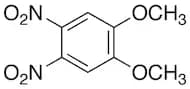
1,2-Dimethoxy-4,5-dinitrobenzene
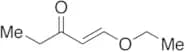
CAS:Producto controlado<p>Applications 1,2-Dimethoxy-4,5-dinitrobenzene (cas# 3395-03-7) is a compound useful in organic synthesis.<br> Not a dangerous good if item is equal to or less than 1g/ml and there is less than 100g/ml in the package<br></p>Fórmula:C8H8N2O6Forma y color:NeatPeso molecular:228.16(E)-1-Ethoxy-1-penten-3-one (>90%)
CAS:Producto controlado<p>Applications (E)-1-Ethoxy-1-penten-3-one (>90%) (cas# 79317-83-2) is a compound useful in organic synthesis.<br></p>Fórmula:C7H12O2Pureza:>90%Forma y color:NeatPeso molecular:128.172-Amino-4,5,7,8-tetrahydro-6-(N-carbethoxy)thiazolo[5,4-d]azepine
CAS:Producto controlado<p>Applications 2-Amino-4,5,7,8-tetrahydro-6-(N-carbethoxy)thiazolo[5,4-d]azepine (cas# 887352-57-0) is a compound useful in organic synthesis.<br></p>Fórmula:C10H15N3O2SForma y color:NeatPeso molecular:241.311,2-Dimethoxyethane
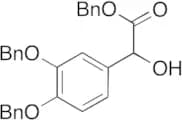
CAS:Producto controlado<p>Stability Hygroscopic<br>Applications 1,2-Dimethoxyethane is used in the synthesis of potent ligands for the central nicotinic acetylcholine receptor. Also used in the synthesis of new ruthenium sensitizers fo the production of highly efficient dye-sensitized solar cells.<br> Not a dangerous good if item is equal to or less than 1g/ml and there is less than 100g/ml in the package<br>References Nielsen, S. et al.: J. Med. Chem., 43, 2217, (2000); Shi, Y. et al.: ACS. App. Mat. Int., 5, 144 (2013);<br></p>Fórmula:C4H10O2Forma y color:ColourlessPeso molecular:90.12α-Hydroxy-3,4-bis(phenylmethoxy)benzeneacetic Acid Phenylmethyl Ester
CAS:Producto controlado<p>Applications α-Hydroxy-3,4-bis(phenylmethoxy)benzeneacetic Acid Phenylmethyl Ester is an protected intermediate in the synthesis of metabolites of Catecholamines.<br></p>Fórmula:C29H26O5Forma y color:NeatPeso molecular:454.512,6-Dimethoxytoluene
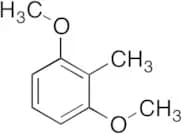
CAS:Producto controlado<p>Applications 2,6-Dimethoxytoluene is an organic synthesis intermediate.<br>References Liu, C., et al.: Bioorg. Med. Chem., 24, 4263 (2016); Della S., et al.: J. Org. Chem., 81, 5726 (2016); Zhang, M., et al.: Asian J. Org. Chem., 4, 1047 (2015); Peixoto, P. A., et al.: J. Am. Chem. Soc., 136, 15248 (2014)<br></p>Fórmula:C9H12O2Forma y color:NeatPeso molecular:152.19Methyl β,β-Dimethoxypropionate
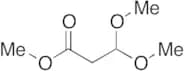
CAS:Producto controlado<p>Applications Methyl β,β-Dimethoxypropionate is used as a reactant in the preparation of tetrahydro-β-carboline derivatives as antitumor growth and metastasis agents.<br>References Zheng, C., et. al.: J. Med. Chem., 57, 600 (2014)<br></p>Fórmula:C6H12O4Forma y color:NeatPeso molecular:148.164-Benzyloxy-2-(2’-carbomethoxy)thiophenylnitrobenzene
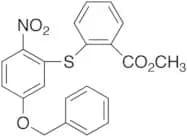
CAS:Producto controlado<p>Applications 4-Benzyloxy-2-(2’-carbomethoxy)thiophenylnitrobenzene (cas# 329217-03-0) is a compound useful in organic synthesis.<br></p>Fórmula:C21H17NO5SForma y color:YellowPeso molecular:395.431-(3,4-Dimethoxyphenyl)-2-butanone
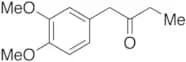
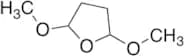
CAS:Producto controlado<p>Applications 1-(3,4-Dimethoxyphenyl)-2-butanone (cas# 884-06-0) is a compound useful in organic synthesis.<br></p>Fórmula:C12H16O3Forma y color:NeatPeso molecular:208.252,5-Dimethoxytetrahydrofuran
CAS:Producto controlado<p>Applications 2,5-DIMETHOXYTETRAHYDROFURAN (cas# 696-59-3) is a useful research chemical.<br> Not a dangerous good if item is equal to or less than 1g/ml and there is less than 100g/ml in the package<br></p>Fórmula:C6H12O3Forma y color:NeatPeso molecular:132.16Chlorotriethoxysilane
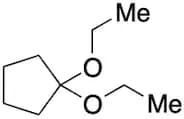
CAS:Producto controlado<p>Stability Moisture Sensitive<br>Applications Chlorotriethoxysilane (cas# 4667-99-6) is a useful research chemical.<br></p>Fórmula:C6H15ClO3SiForma y color:NeatPeso molecular:198.721,1-Diethoxycyclopentane
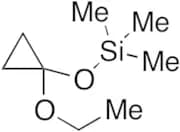
CAS:Producto controlado<p>Applications 1,1-Diethoxycyclopentane is a reagent that is used in the synthesis of Quinbolone (Q670150), which is a cyclopentenyl ether derivative of Boldenone (B675100) and also its active metabolite. Quinbolone shows weak androgenic activity.<br>References Balestreri, R. et al.: Arch. Maragl. Patol. Clin., 22, 369 (1966); Galletti, F. et al.: Steroids, 18, 39 (1971);<br></p>Fórmula:C9H18O2Forma y color:NeatPeso molecular:158.24(1-Ethoxycyclopropoxy)trimethylsilane
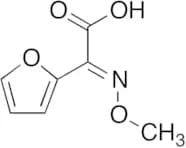
CAS:Producto controlado<p>Applications (1-Ethoxycyclopropoxy)trimethylsilane used as a reactant in the synthesis of di-, tri- and tetracyclopropylhydrazines. Also used as reagent in the synthesis of g elsemoxonine which is found in gelsemium plant species that is used in traditional asian medicine.<br> Not a dangerous good if item is equal to or less than 1g/ml and there is less than 100g/ml in the package<br>References Shestakov, A., et al.: Chem. Commun., 52, 2398 (2016); Diethelm, S., et al.: J. Am. Chem. Soc., 137, 6084 (2015);<br></p>Fórmula:C8H18O2SiForma y color:NeatPeso molecular:174.31(E)-(2-(Furan-2-yl)-2-(methoxyimino)acetic Acid
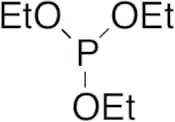
CAS:Producto controlado<p>Applications 2-(Furan-2-yl)-2-(methoxyimino)acetic Acid is an intermediate in the synthesis of Cephalosporin derivatives.<br>References Ger. Offen. (1978), DE 2731724 A1 19780119.<br></p>Fórmula:C15H10F3NOSForma y color:NeatPeso molecular:309.306Triethyl Phosphite
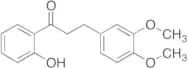
CAS:Producto controlado<p>Stability Air Sensitive, Moisture Sensitive<br>Applications Triethoxyphosphine is an common reagent used as a soft ligand in coordination chemistry and homogenous catalysis.<br> Not a dangerous good if item is equal to or less than 1g/ml and there is less than 100g/ml in the package<br>References Xiong, J.Y., et al.: Materials. Sci. Forum., 618 (2009); Mcpherson, A., et al. J. Structural. Biol., 156, 387 (2006);<br></p>Fórmula:C6H15O3PForma y color:NeatPeso molecular:166.163-(3,4-Dimethoxyphenyl)-1-(2-hydroxyphenyl)propan-1-one
CAS:Producto controlado<p>Applications 3-(3,4-Dimethoxyphenyl)-1-(2-hydroxyphenyl)propan-1-one is an intermediate for the synthesis of dTAG-7 (D710015), which is a degradation tag, was tested for its efficiency at depleting FKBP12F36V -MELK(sg3R) and was found to have significantly degraded FKBP12F36V -MELK(sg3R) within 4 hours.Used in the study of cancer research.<br>References Hai-Tsang Huang., eLife, 1-29, (2017)<br></p>Fórmula:C17H18O4Forma y color:NeatPeso molecular:286.32cis-1-Ethoxy-2-(tributylstannyl)ethene
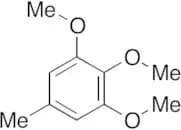
CAS:Producto controlado<p>Applications cis-1-Ethoxy-2-(tributylstannyl)ethene is used in the synthesis of (+)-pleuromutilin (P610500), an antibiotic substance produced by the basidiomycetes Pleurotus mutilus.<br> Not a dangerous good if item is equal to or less than 1g/ml and there is less than 100g/ml in the package<br>References Fazakerley, N.J., et. al.: Chem. Eur. J., 19, 6718 (2013)<br></p>Fórmula:C16H34OSnForma y color:NeatPeso molecular:361.153,4,5-Trimethoxytoluene
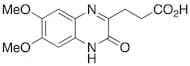
CAS:<p>Applications 3,4,5-Trimethoxytoluene is a reagent for oxadiazolylindazole sodium channel modulators which are neuroprotective toward hippocampal neurons.<br>References Clutterbuck, L. A., et al.: J. Med. Chem., 52, 2694 (2009);<br></p>Fórmula:C10H14O3Forma y color:NeatPeso molecular:182.223,4-Dihydro-6,7-dimethoxy-3-oxo-2-quinoxalinepropanoic Acid
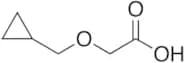
CAS:Producto controlado<p>Applications Intermediate in the production of DMEQ-TAD<br>References Shimizu, M., et al.: Anal. Biochem., 194, 77 (1991),<br></p>Fórmula:C13H14N2O5Forma y color:NeatPeso molecular:278.262-(Cyclopropylmethoxy)-acetic Acid
CAS:Producto controlado<p>Applications 2-(Cyclopropylmethoxy)-acetic Acid (cas# 246869-08-9) is a compound useful in organic synthesis.<br></p>Fórmula:C6H10O3Forma y color:NeatPeso molecular:130.14(2S)-2-[[(phenylmethoxy)carbonyl]amino]-4-Pentenoic acid
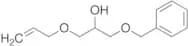
CAS:Producto controlado<p>Applications (2S)-2-[[(phenylmethoxy)carbonyl]amino]-4-Pentenoic acid is a useful building block, and has been used in the regioselective preparation of nonracemic silylated amino acids.<br>References Marchand, D.; et al.: Eur. J. Org. Chem., 18, 3107 (2008).<br></p>Fórmula:C13H15NO4Forma y color:NeatPeso molecular:249.261-(Phenylmethoxy)-3-(2-propen-1-yloxy)-2-propanol
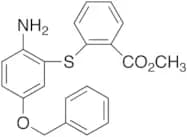
CAS:Producto controlado<p>Applications 1-(Phenylmethoxy)-3-(2-propen-1-yloxy)-2-propanol (cas# 83016-75-5) is a compound useful in organic synthesis.<br></p>Fórmula:C13H18O3Forma y color:NeatPeso molecular:222.284-Benzyloxy-2-(2’-carbomethoxy)thiophenylaniline
CAS:Producto controlado<p>Applications 4-Benzyloxy-2-(2’-carbomethoxy)thiophenylaniline (cas# 329217-05-2) is a compound useful in organic synthesis.<br></p>Fórmula:C21H19NO3SForma y color:NeatPeso molecular:365.45N-(Methoxymethyl)-N-[(trimethylsilyl)methyl]benzenemethanamine (>90%)
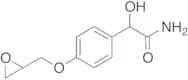
CAS:Producto controlado<p>Applications N-(Methoxymethyl)-N-[(trimethylsilyl)methyl]benzenemethanamine is used in the synthesis of pyrrolidine derivatives as novel sodium channel blockers used to treat ischemic related ailments.<br>References Seki, M. et al.: Bioorg. Med. Chem. Lett., 23, 4230 (2013);<br></p>Fórmula:C13H23NOSiPureza:>90%Forma y color:NeatPeso molecular:237.41a-Hydroxy-4-(2-oxiranylmethoxy)-benzeneacetamide
CAS:Producto controlado<p>Applications α-Hydroxy-4-(2-oxiranylmethoxy)-benzeneacetamide is an intermediate in the synthesis of hydroxyatenolol (H802480), which is a metabolite of Atenolol (A790075); a cardioselective β-adrenergic blocker, antihypertensive, antianginal, and antiarrhythmic (class II).<br>References Escher, B., et al.: Environ. Sci. Technol., 40, 7402 (2006); Caplar, V., et al.: Anal. Profiles Drug Subs., 13, 1 (1984)<br></p>Fórmula:C11H13NO4Forma y color:Off-WhitePeso molecular:223.23N-[(1,1-Dimethylethoxy)carbonyl]-L-homoserine 1,1-Dimethylethyl Ester Methanesulfonate
CAS:Producto controlado<p>Applications N-[(1,1-Dimethylethoxy)carbonyl]-L-homoserine 1,1-Dimethylethyl Ester Methanesulfonate is an intermediate in synthesizing L-Methionine-34S (M260443). It is a labelled L-Methionine, an essential aminoacid for human development. Hepatoprotectant; antidote (acetominophen poisoning); urinary acidifier.<br>References Benevenga, N.J., et al.: J. Agric. Food Chem., 22, 2 (1974); Fleisher, L.D., et al.: Clin. Endocrinol. Metab., 3, 37 (1974); Meinnel, T., et al.: Biochimie, 75, 1061 (1993)<br></p>Fórmula:C14H27NO7SForma y color:NeatPeso molecular:353.432,2-Diethoxyethanol
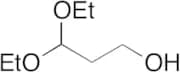
CAS:Producto controlado<p>Applications 2,2-Diethoxyethanol is used in the synthesis of neooxazolomycin, part of the oxazolomycin family of antibiotics. Also used in the synthesis of pyrimidine based inhibitors of phosphodiesterase 7 (PDE7).<br>References Onyango, E. et al.: Angew. Chem. Int. Ed., 46, 6703 (2007); Kempson, J. et al.: Bioorg. Med. Chem. Lett., 15, 1829 (2005);<br></p>Fórmula:C6H14O3Forma y color:NeatPeso molecular:134.17Chloromethoxysulfonyl Chloride
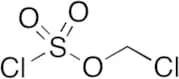
CAS:Producto controlado<p>Stability Moisture Sensitive<br>Applications Chloromethoxysulfonyl Chloride is a useful intermediate for organic synthesis. Chloromethoxysulfonyl Chloride is a useful reagent for the preparation of HIV-attachment inhibitor BMS-663068, and in the synthesis of water soluble benzimidazole derivatives useful for treatment of fasciolosis.<br>References Fox, R. J., et al.; Org. Process Res. Dev., 21, 1095 (2017); Flores-Ramos, M., et al.: Bioorg. Med. Chem. Lett., 24, 5814 (2014); Zheng, B., et al.: Org. Process Res. Dev., 16, 1827 (2012)<br></p>Fórmula:CH2Cl2O3SForma y color:NeatPeso molecular:164.9961,1-Diethoxy-2-nitroethane
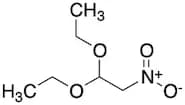
CAS:Producto controlado<p>Applications 1,1-diethoxy-2-nitroethane (cas# 34560-16-2) is a useful research chemical.<br></p>Fórmula:C6H13NO4Forma y color:NeatPeso molecular:163.17N-(β-Cyanoethyl)-N-(ethoxycarbonylethyl)benzylamine
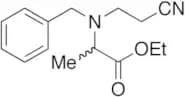
CAS:Producto controlado<p>Applications N-(β-Cyanoethyl)-N-(ethoxycarbonylethyl)benzylamine is a compound useful in organic synthesis.<br> Not a dangerous good if item is equal to or less than 1g/ml and there is less than 100g/ml in the package<br></p>Fórmula:C15H20N2O2Forma y color:NeatPeso molecular:260.331,1,1-Trimethoxybutane
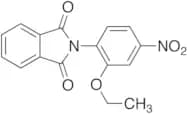
CAS:Producto controlado<p>Applications 1,1,1-Trimethoxybutane is used in the synthesis of angiotensin II receptor antagonists affecting blood pressure. Also used in the preparation of inhibitors of cyclin-dependant kinases.<br>References Yanagisawa, H. et al.: J. Med. Chem., 39, 323 (1996);<br></p>Fórmula:C7H16O3Forma y color:NeatPeso molecular:148.22-(4-Nitro-2-ethoxyphenyl)pthalimide
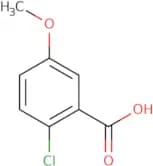
CAS:Producto controlado<p>Applications 2-(4-Nitro-2-ethoxyphenyl)pthalimide (cas# 106981-60-6) is a compound useful in organic synthesis.<br></p>Fórmula:C16H12N2O5Forma y color:NeatPeso molecular:312.282-Chloro-5-methoxybenzoic acid
CAS:<p>2-Chloro-5-methoxybenzoic acid (2CMB) is a copper chelator that has been shown to have antagonistic properties against microglia cells. 2CMB is synthesized from 2,5-dichlorobenzoic acid and methoxylamine. It has been shown to inhibit the synthesis of inflammatory mediators in rat spinal cord microglia cells by inhibiting the activity of polyphosphoric acid, anions and additives. 2CMB also has a high affinity for chloride ions and can be used as a tracer to measure chloride profiles. 2CMB reacts with copper ions at a slow rate and can be used as an indicator for the presence of microglia cells.</p>Fórmula:C8H7ClO3Pureza:Min. 95%Peso molecular:186.59 g/mol3,4-Difluoro-2-methoxybenzonitrile
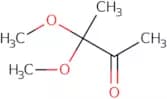
CAS:<p>3,4-Difluoro-2-methoxybenzonitrile is an organic chemical compound that is a useful scaffold for the synthesis of complex compounds. It reacts with nucleophiles such as Grignard reagents to form a wide range of products. 3,4-Difluoro-2-methoxybenzonitrile has been shown to be a versatile building block for the synthesis of high quality and speciality chemicals, including pharmaceuticals and agrochemicals. This chemical is also used as a research chemical, which can be used in drug discovery and development. The CAS number for this chemical is 886496-72-6.</p>Fórmula:C8H5F2NOPureza:Min. 95%Forma y color:Clear LiquidPeso molecular:169.13 g/mol3,3-Dimethoxy-2-butanone
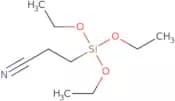
CAS:<p>3,3-Dimethoxy-2-butanone is a synthetic compound that is used as a biodiesel. It can be synthesized by the following synthetic scheme:</p>Fórmula:C6H12O3Pureza:Min. 95%Forma y color:Clear LiquidPeso molecular:132.16 g/mol2-Cyanoethyltriethoxysilane
CAS:<p>2-Cyanoethyltriethoxysilane is a cross-linking agent that is used in coatings and adhesives. It has been shown to have an adsorption mechanism that is dependent on the pH of the solution, with a maximum adsorption at pH 3.2 and a minimum at pH 11. The rate of adsorption is also dependent on the concentration of 2-cyanoethyltriethoxysilane, with higher concentrations leading to faster adsorption rates. Kinetic data for 2-cyanoethyltriethoxysilane has been shown using gravimetric analysis to show that it has an adsorption rate constant of 1.0 × 10^4 s^(-1) at pH 3.2 and 6.5 × 10^4 s^(-1) at pH 11, which are independent of the concentration of this molecule in solution. Pluronic P123 was used as a model polymer</p>Fórmula:C9H19NO3SiPureza:Min. 97 Area-%Forma y color:PowderPeso molecular:217.34 g/mol4-Fluoro-3-methoxytoluene
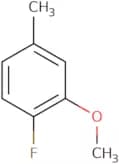
CAS:<p>4-Fluoro-3-methoxytoluene (4FMET) is a polymeric organic compound that has an index of refraction of 1.5. It is soluble in common solvents, such as chloroform, acetone and ethanol, but insoluble in water. 4FMET can be used as a copolymerization additive to improve the chemical stability of polymers and plastics. It also has antibacterial properties that are due to its ability to disrupt bacterial membranes and inhibit protein synthesis. 4FMET is FDA approved for use in ophthalmic solutions that transmit ultraviolet light, such as UV-A or UV-B radiation.</p>Fórmula:C8H9FOPureza:Min. 95%Forma y color:Clear LiquidPeso molecular:140.15 g/mol2,2',7,7'-Tetrakis-(N,N-di-4-methoxyphenylamino)-9,9'-spirobifluorene - Sublimed grade
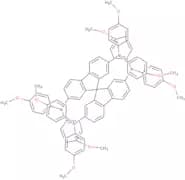
CAS:<p>2,2',7,7'-Tetrakis-(N,N-di-4-methoxyphenylamino)-9,9'-spirobifluorene (TPB) is a model system for investigating the transport of light signal in polymers. TPB can be used as a component in solar cells to increase their efficiency and improve their resistance to heat. TPB has shown high resistance to hydrochloric acid and other aggressive chemicals. TPB has been shown to be an effective photoelectron donor with a redox potential that is close to the one of copper; this property can be used for electrochemical impedance spectroscopy.</p>Fórmula:C81H68N4O8Pureza:Min. 95%Forma y color:Off-white to yellow solid.Peso molecular:1,225.43 g/mol2-[2-[4-[Bis(4-fluorophenyl)methyl]piperazin-1-yl]ethoxy]acetic acid HCl
CAS:<p>2-[2-[4-[Bis(4-fluorophenyl)methyl]piperazin-1-yl]ethoxy]acetic acid HCl (BAY-85788) is a drug which acts as a histamine receptor antagonist. It has been shown to be effective in the treatment of idiopathic urticaria. BAY-85788 has also been found to have less potential for drug interactions than other histamine receptor antagonists, and does not cause an increase in blood pressure, unlike other compounds with this activity. This compound is metabolized by cytochrome P450 enzymes and does not contain nitrogen atoms or heterocyclic rings. Experimental studies have shown that orally administered BAY-85788 is absorbed from the GI tract and eliminated unchanged in urine. Studies have also shown that BAY-85788 is active against inflammatory diseases such as atopic dermatitis, asthma, and chronic obstructive pulmonary disease (COPD</p>Fórmula:C21H24F2N2O3·xHClPureza:Min. 95%Forma y color:PowderPeso molecular:390.42 g/mol5-Methoxy-1-methyl-1H-indole-3-carbaldehyde
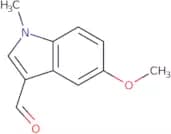
CAS:<p>5-Methoxy-1-methyl-1H-indole-3-carbaldehyde is a synthetic compound that has been shown to inhibit the growth of human tumour cells in vitro. This compound is a regioisomeric mixture of two enantiomers, with the (S) isomer being the more potent inhibitor. The (R) isomer was found to be less active against human tumour cells and may have an antimicrobial activity. 5-Methoxy-1-methyl-1H-indole-3-carbaldehyde has been shown to be bioreductive towards electron donors such as NADPH and glutathione. It also inhibits dt diaphorase and aerobic metabolism in human tumour cells.</p>Fórmula:C11H11NO2Pureza:Min. 95%Forma y color:Off-White PowderPeso molecular:189.21 g/mol2-Chloro-5-(4-chloro-5-difluoromethoxy-1-methylpyrazol-3-yl)-4-fluorophenoxyacetic acid monohydrate
CAS:<p>2-Chloro-5-(4-chloro-5-difluoromethoxy-1-methylpyrazol-3-yl)-4-fluorophenoxyacetic acid monohydrate (2,4,5P) is a phenoxy herbicide that has been shown to be an effective broadleaf and grass weed control agent. 2,4,5P is a granule formulation that can be applied by helicopter or ground equipment. It has synergistic effects with glyphosate when applied together to soybean plants and can be used in combination with other herbicides for more effective weed control.</p>Fórmula:C13H9Cl2F3N2O·H2OPureza:Min. 95%Forma y color:White PowderPeso molecular:355.14 g/mol2-Methoxy-4-amino-5-ethylsulfonyl benzoic acid
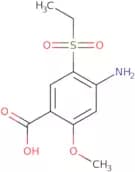
CAS:<p>2-Methoxy-4-amino-5-ethylsulfonyl benzoic acid is a synthetic chemical that is used in wastewater treatment. It is also used as a precursor for the production of other chemicals, such as thiocyanates, peroxides, and bromoethanes. 2-Methoxy-4-amino-5-ethylsulfonyl benzoic acid can be produced by the reaction of hydrochloric acid with thionyl chloride. It reacts with aluminium to produce an acylation reaction that produces 2,2'-dithiodiethanol (DTE). The DTE can be reacted with an organic compound to produce a variety of products, including salicylic acid or bromoethanes.</p>Fórmula:C10H13NO5SPureza:Min. 95%Forma y color:PowderPeso molecular:259.28 g/mol4',6'-Dimethoxy-2'-hydroxy-3-methylacetophenone
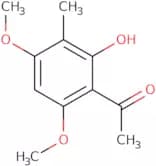
CAS:<p>4,6-Dimethoxy-2-hydroxy-3-methylacetophenone belongs to the group of natural products. It is a phenolic compound that has been isolated from the leaves of plants in the genus Eucalyptus. 4,6-Dimethoxy-2-hydroxy-3-methylacetophenone has shown cytotoxic activity against cancer cells in an animal bioassay and inhibits tumor growth by inhibiting protein synthesis. This compound also exhibits chemosystematic properties and may be useful for research on natural products.</p>Fórmula:C11H14O4Pureza:Min. 95%Forma y color:White PowderPeso molecular:210.23 g/mol4'-Trifluoromethoxy-β-methyl-β-nitrostyrene
CAS:4'-Trifluoromethoxy-beta-methyl-beta-nitrostyrene is a fine chemical that is a useful building block in organic synthesis. It can be used as a reagent, specialty chemical, or intermediate for the preparation of more complex compounds. This compound has been shown to be useful in the synthesis of natural products and pharmaceuticals.Fórmula:C10H8F3NO3Pureza:Min. 95%Peso molecular:247.17 g/mol2-Amino-6-methoxybenzoic acid
CAS:2-Amino-6-methoxybenzoic acid is a monosubstituted amide, which is synthesized by the hydrolysis of 2-amino-5-methylbenzoic acid with hydrochloric acid in the presence of diacetate. This compound is formed as part of the biosynthesis of aminophenols and heterocycles. It can be used to adsorb metal ions and organic compounds, such as chloride and butyllithium. 2-Amino-6-methoxybenzoic acid is also found in aeruginosa infections due to its ability to inhibit bacterial growth by inhibiting protein synthesis. The synthesis of this compound requires shikimate pathway enzymes.Fórmula:C8H9NO3Pureza:Min. 95%Forma y color:PowderPeso molecular:167.16 g/mol4,4'-Bis(ethoxycarbonyl)-2,2'-bipyridine
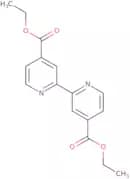
CAS:4,4'-Bis(ethoxycarbonyl)-2,2'-bipyridine (BEBCP) is a dithiolate chromophore. BEBCP has a redox potential of 1.3 volts and the electronic interaction of the carbonyl groups with the electron cloud of the bipyridine nucleus is responsible for this property. The photochemical properties of BEBCP can be systematically studied by using electrochemical data such as voltammetry and cyclic voltammetry. These methods are useful in determining the nature and constant of BEBCP as well as its interaction with ligands.Fórmula:C16H16N2O4Pureza:Min. 95%Forma y color:PowderPeso molecular:300.31 g/mol2,4-Dimethoxy-5-methylbenzyl alcohol
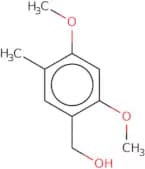
CAS:<p>2,4-Dimethoxy-5-methylbenzyl alcohol is a high quality chemical that is used as an intermediate for the synthesis of complex compounds. It has been used as a reagent and as a building block for the synthesis of other chemicals. This compound can be used to produce fine chemicals and research chemicals. 2,4-Dimethoxy-5-methylbenzyl alcohol has been shown to be useful in the production of versatile building blocks and reaction components.</p>Fórmula:C10H14O3Pureza:Min. 95%Peso molecular:182.22 g/mol3-(3-Fluoro-4-methoxybenzoyl)propionic acid
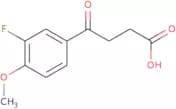
CAS:<p>3-(3-Fluoro-4-methoxybenzoyl)propionic acid is a versatile building block that is used in the synthesis of many organic compounds. 3-(3-Fluoro-4-methoxybenzoyl)propionic acid has been used as a reagent in the synthesis of pharmaceuticals and other chemicals. 3-(3-Fluoro-4-methoxybenzoyl)propionic acid can be used to produce high quality research chemicals, speciality chemicals, and fine chemicals. This compound is also used to produce complex compounds and useful intermediates. 3-(3-Fluoro-4-methoxybenzoyl)propionic acid is available through chemical suppliers such as Sigma Aldrich or Acros Organics.</p>Fórmula:C11H11FO4Pureza:Min. 95%Peso molecular:226.2 g/mol4,4'-Bis(methoxycarbonyl)-2,2'-bipyridine
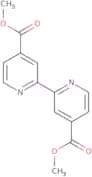
CAS:<p>4,4'-Bis(methoxycarbonyl)-2,2'-bipyridine is a ligand that can be used in cross-coupling reactions. It has been shown to bind to metal ions and form complexes with the ligands. 4,4'-Bis(methoxycarbonyl)-2,2'-bipyridine has a constant value for maximizing the yield of the reaction and is luminescent. This product also has photophysical properties that allow it to be utilized in voltammetry studies. The transfer of this product can be optimized by using chromophores or catalysis. 4,4'-Bis(methoxycarbonyl)-2,2'-bipyridine provides a means for cross-coupling reactions using electrochemical studies and dichroism.</p>Fórmula:C14H12N2O4Pureza:Min. 95%Forma y color:PowderPeso molecular:272.26 g/mol3,4'-Dimethoxy-2'-hydroxychalcone
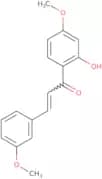
CAS:<p>3,4'-Dimethoxy-2'-hydroxychalcone is a reaction component and useful scaffold for the synthesis of complex compounds. This chemical is an intermediate in the synthesis of various pharmaceuticals, such as anti-tuberculosis drugs, cancer chemotherapeutics and antibiotics. 3,4'-Dimethoxy-2'-hydroxychalcone has been shown to be a versatile building block that can be used to synthesize both natural products and pharmaceuticals. This compound also has a wide range of applications in the production of fine chemicals.</p>Fórmula:C17H16O4Pureza:Min. 95%Peso molecular:284.31 g/mol(2-Methoxyphenoxy)acetic acid
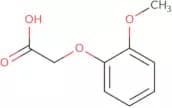
CAS:<p>2-Methoxyphenoxyacetic acid is an organic compound that is used as a plant growth regulator and insecticide. It belongs to the group of phenoxyacetic acids and has a molecular weight of 152.2 g/mol. The chemical formula for 2-methoxyphenoxyacetic acid is C8H10O3. This compound is used as a control agent in pest control, where it is applied to crops to prevent damage from insects and mites. 2-Methoxyphenoxyacetic acid can be synthesized by reacting 5-carboxyvanillic acid with methanol in the presence of an oxidizing agent such as potassium permanganate or hydrogen peroxide. This chemical can also be prepared by oxidation of syringyl alcohols with chromium(VI) oxide in the presence of a reducing agent such as sodium bisulfite.<br>2-Methoxyphenoxyacetic acid can be detected</p>Fórmula:C9H10O4Pureza:Min. 95%Forma y color:PowderPeso molecular:182.17 g/mol1-Methoxy-4-methylcyclohexane (cis- and trans- mixture)
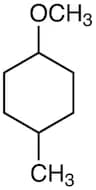
CAS:Fórmula:C8H16OPureza:>98.0%(GC)Forma y color:Colorless to Almost colorless clear liquidPeso molecular:128.225-Methoxymethylacicerone
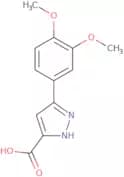
CAS:<p>5-Methoxymethylacicerone (5MMA) is an organic compound that is used in the production of polymers. It has a viscosity of approximately 12,000 cP and can be used as a thermoplastic at temperatures up to 400°C. 5MMA is also used as a viscosite component in automotive fluids and as an optical component in customized items. It is soluble in natural gas and forms a hydrophilic film on water surfaces, causing eutrophication. 5MMA can be found in natural products such as Griffonia simplicifolia.</p>Fórmula:C19H16O7Pureza:Min. 95%Peso molecular:356.33 g/mol3-(3,4-Dimethoxyphenyl)-1H-pyrazole-5-carboxylic acid
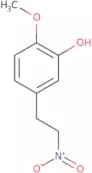
CAS:<p>3-(3,4-Dimethoxyphenyl)-1H-pyrazole-5-carboxylic acid is a fine chemical that is used as a building block for other compounds. It is also a research chemical that can be used in the production of many types of drugs and chemicals. 3-(3,4-Dimethoxyphenyl)-1H-pyrazole-5-carboxylic acid has been shown to be a useful reagent for reactions involving alcohols, amines, and acids. This product is also a versatile building block for the synthesis of complex molecules with many types of substituents.</p>Fórmula:C12H12N2O4Pureza:Min. 95%Forma y color:White PowderPeso molecular:248.23 g/mol1-(3-Hydroxy-4-methoxyphenyl)-2-nitroethane
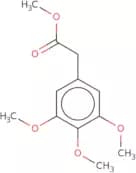
CAS:1-(3-Hydroxy-4-methoxyphenyl)-2-nitroethane is a chemical intermediate that can be used in the synthesis of other compounds. It is a fine chemical with many potential uses, as well as being a versatile building block for organic synthesis. As an example, 1-(3-Hydroxy-4-methoxyphenyl)-2-nitroethane can be used to synthesize the drug erythromycin. This chemical has been shown to have antihistamine and antiinflammatory properties.Fórmula:C9H11NO4Pureza:Min. 95%Peso molecular:197.19 g/molMethyl 3,4,5-trimethoxyphenyl acetate
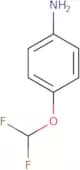
CAS:Methyl 3,4,5-trimethoxyphenyl acetate is an ester that is used as a building block and intermediate in the synthesis of pharmaceuticals. It can also be used as an intermediate in research and as a reagent for chemical analysis. Methyl 3,4,5-trimethoxyphenyl acetate has high purity and is available at competitive prices.Fórmula:C12H16O5Pureza:Min. 95%Peso molecular:240.25 g/mol4-Difluoromethoxyaniline
CAS:4-Difluoromethoxyaniline is an allosteric modulator for glutamate receptors. It is a chemical compound that can be used to modify glutamate receptors to act as either metabotropic or ionotropic. 4-Difluoromethoxyaniline is used in the treatment of Parkinson's disease and other movement disorders, such as dyskinesia. It has been shown that 4-difluoromethoxyaniline increases the activity of activated glutamate receptors, which leads to increased levels of the neurotransmitter dopamine in the brain. This drug may also inhibit nitric oxide production and corticotropin-releasing hormone (CRH) synthesis.Fórmula:C7H7F2NOPureza:Min. 95%Peso molecular:159.13 g/mol4-Methoxydiphenyliodonium chloride
CAS:<p>4-Methoxydiphenyliodonium chloride is a versatile building block with many uses in research and industry. It is used as a reagent to synthesize organic compounds, as well as a speciality chemical and an intermediate. 4-Methoxydiphenyliodonium chloride has been shown to be useful in the synthesis of complex compounds, such as pharmaceuticals, agrochemicals, and pesticides. This compound can also be used in the preparation of high quality products, such as fine chemicals.</p>Fórmula:C13H12IO·ClPureza:Min. 95%Peso molecular:346.59 g/mol8-Methoxycarbonyloctanoic acid
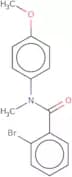
CAS:<p>8-Methoxycarbonyloctanoic acid is a fatty acid derivative that has been found to be a potent inhibitor of platelet aggregation. It exhibits anti-platelet activity in human pathogens and in the model system studied. The mechanism of this inhibition is not clearly understood, but it may involve the inhibition of the enzyme ns3 protease or an interaction with the cell membrane. 8-Methoxycarbonyloctanoic acid has also shown antibacterial efficacy against human pathogens such as Escherichia coli, Pseudomonas aeruginosa, Klebsiella pneumoniae, and Bacillus cereus. This drug also inhibits bacterial growth by binding to DNA-dependent RNA polymerase, thereby preventing transcription and replication. The high frequency of human activity has been shown using a patch-clamp technique on human erythrocytes. This active form is metabolized through a number of metabolic transformations, including hydrolysis by esterases or glucuron</p>Fórmula:C10H18O4Pureza:Min. 95%Forma y color:White/Off-White SolidPeso molecular:202.25 g/mol2-Bromo-N-(4-methoxyphenyl)-N-methylbenzamide
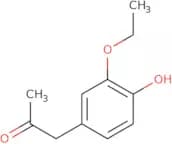
CAS:2-Bromo-N-(4-methoxyphenyl)-N-methylbenzamide is a fine chemical that is used in the synthesis of other chemicals. It is also a reagent and a speciality chemical, which can be used as a reaction component or as an intermediate in the synthesis of other compounds. 2-Bromo-N-(4-methoxyphenyl)-N-methylbenzamide can be used to make a wide variety of compounds, including polymers and pharmaceuticals. This compound has been shown to be useful for the synthesis of polycarbonates, polyurethanes, polyesters, polyamides, and polystyrenes.Fórmula:C15H14BrNO2Pureza:Min. 95%Peso molecular:320.18 g/mol3-Ethoxy-4-hydroxyphenylacetone
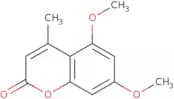
CAS:<p>3-Ethoxy-4-hydroxyphenylacetone is a fine chemical that can be used as a versatile building block and useful intermediate. It has a CAS number of 88659-82-9. 3-Ethoxy-4-hydroxyphenylacetone is a complex compound with many uses, such as research chemicals, reaction component, or speciality chemical. It is water soluble and has been shown to be non toxic. The purity of the product is high quality.</p>Fórmula:C11H14O3Pureza:Min. 95%Peso molecular:194.23 g/mol4-Methyl-5,7-dimethoxycoumarin
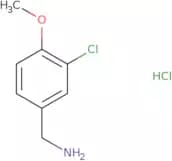
CAS:<p>4-Methyl-5,7-dimethoxycoumarin is a coumarin derivative that has been synthesized from acetonitrile and aluminium. It is used as an antiplatelet drug in the treatment of cardiovascular diseases such as unstable angina, myocardial infarction, and transient ischemic attack. 4-Methyl-5,7-dimethoxycoumarin reversibly inhibits platelet aggregation by blocking the platelet receptor P2Y12 on the surface of platelets. This drug also has antioxidant effects and can be used to identify markers associated with cardiovascular disease.</p>Fórmula:C12H12O4Pureza:Min. 95%Peso molecular:220.22 g/mol3-Chloro-4-methoxybenzylamine hydrochloride
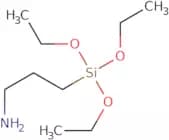
CAS:3-Chloro-4-methoxybenzylamine hydrochloride is a quinoline derivative that inhibits the activity of phosphodiesterase 5, an enzyme that breaks down cGMP in the brain. This drug has been shown to increase levels of cGMP and decrease levels of low energy (i.e., low ATP) in synaptosomes. 3-Chloro-4-methoxybenzylamine hydrochloride may be useful for the treatment of Alzheimer's disease, as it has been shown to improve cognitive function and memory in animal models. The mechanism of action is not fully understood but may involve inhibition of cholinergic neurotransmission or activation of nitric oxide synthase.Fórmula:C8H10ClNO•HClPureza:Min. 95%Forma y color:PowderPeso molecular:208.08 g/mol3-Aminopropyltriethoxysilane
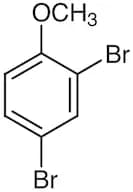
CAS:<p>3-Aminopropyltriethoxysilane is a liquid that has a phase transition temperature of -88.3°C. It is soluble in water at 1 g/L and in ethanol at 0.1 g/L. 3-Aminopropyltriethoxysilane has been shown to inhibit the production of prostaglandin E2 and leukotrienes by inhibiting cyclooxygenase activity in red blood cells, which may be due to its ability to chelate metal ions such as iron or copper. 3-Aminopropyltriethoxysilane also inhibits the production of prostaglandin E2 and leukotrienes by inhibiting cyclooxygenase activity in red blood cells, which may be due to its ability to chelate metal ions such as iron or copper. The compound also inhibits the production of prostaglandin E2 and leukotrienes by inhibiting</p>Fórmula:C9H23NO3SiPureza:Min. 97 Area-%Forma y color:Colorless Clear LiquidPeso molecular:221.37 g/mol2,4-Dibromoanisole
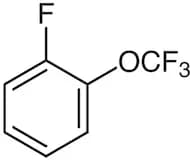
CAS:Fórmula:C7H6Br2OPureza:>98.0%(GC)Forma y color:White to Light yellow to Light red powder to crystalPeso molecular:265.931-Fluoro-2-(trifluoromethoxy)benzene
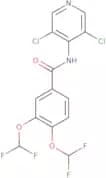
CAS:Fórmula:C7H4F4OPureza:>98.0%(GC)Forma y color:Colorless to Almost colorless clear liquidPeso molecular:180.103,4-Bis(difluoromethoxy) Roflumilast
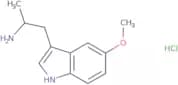
CAS:<p>3,4-Bis(difluoromethoxy) roflumilast is a reagent that is used to synthesize fine chemicals. It is an intermediate for the synthesis of 3,4-bis(difluoromethoxy) roflumilast-1-carboxylic acid and can also be used as a building block for other research chemicals. 3,4-Bis(difluoromethoxy) roflumilast has been shown to be useful in reactions that require versatile building blocks.</p>Fórmula:C14H8Cl2F4N2O3Pureza:Min. 95%Forma y color:PowderPeso molecular:399.12 g/mol5-Methoxy-3(2-aminopropyl)indole hydrochloride
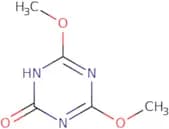
CAS:Producto controlado5-Methoxy-3(2-aminopropyl)indole hydrochloride is a useful reagent for the synthesis of complex compounds and a versatile building block for the preparation of speciality chemicals. It is used in the production of fine chemicals, such as reagents and intermediates. This compound also has potential use as a research chemical or as a reaction component in organic syntheses.Fórmula:C12H16N2O·HClPureza:Min. 95%Peso molecular:240.73 g/mol4,6-Dimethoxy-1H-1,3,5-triazin-2-one
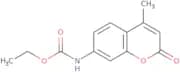
CAS:<p>4,6-Dimethoxy-1H-1,3,5-triazin-2-one is a conjugate of pyridinium with an amide. The compound has been used as a disinfectant for surfaces and in the treatment of wounds. It is also used as a biocide in water treatment. This compound has shown to be effective against Staphylococcus aureus and other bacteria, as well as some fungi. 4,6-Dimethoxy-1H-1,3,5-triazin-2-one can be synthesized from 2-(4'-methoxyphenyl)acetonitrile and chloral hydrate. The compound contains functionalities such as amines and oligosaccharides that are important for its antimicrobial activity.</p>Fórmula:C5H7N3O3Pureza:Min. 95%Forma y color:PowderPeso molecular:157.13 g/mol7-Carbethoxyamino-4-methylcoumarin
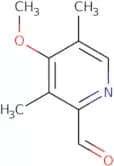
CAS:<p>7-Carbethoxyamido-4-methylcoumarin is a aminocoumarin that exhibits anticancer activity. It is able to inhibit the activity of DPP-IV, an enzyme that degrades insulin in the body.<br>7-Carbethoxyamido-4-methylcoumarin has been shown to inhibit cancer cells and lung cancer cell lines, as well as breast cancer cells and cells with diabetes. This compound has also been shown to have anticancer activity in vivo in rats.</p>Fórmula:C13H13NO4Pureza:Min. 90%Forma y color:PowderPeso molecular:247.25 g/mol4-Methoxy-3,5-dimethyl-2-pyridinecarboxaldehyde
CAS:4-Methoxy-3,5-dimethyl-2-pyridinecarboxaldehyde is a trifunctional molecule that has been shown to suppress the growth of cancer cells in mice. This compound is an inhibitor of acid synthesis and has also been shown to be an antirheumatic drug. 4-Methoxy-3,5-dimethyl-2-pyridinecarboxaldehyde inhibits the activity of three enzymes: synthetase, an enzyme that synthesizes fatty acids; 3-ketoacyl CoA synthase, which synthesizes ketones; and enoyl CoA reductase, which produces fatty acids. The long term efficacy of this molecule has not yet been studied in humans.Fórmula:C9H11NO2Pureza:Min. 95%Forma y color:Colourless LiquidPeso molecular:165.19 g/mol2-(2-Bromo-1,1,2,2-tetrafluoroethoxy)-1,1,1,2,3,3-hexafluoro-3-(pentafluoroethoxy)propane
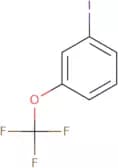
CAS:Fórmula:C7BrF15O2Pureza:>98.0%(GC)Forma y color:Colorless to Almost colorless clear liquidPeso molecular:480.963-(Trifluoromethoxy)iodobenzene
CAS:<p>3-(Trifluoromethoxy)iodobenzene is a reagent for organic synthesis that has a high quality and versatile reactivity. It can be used in the preparation of useful scaffolds, which are novel and useful building blocks. 3-(Trifluoromethoxy)iodobenzene is also a useful intermediate for the synthesis of complex compounds. 3-(Trifluoromethoxy)iodobenzene has been shown to have antioxidant properties and can be used as a fine chemical.</p>Fórmula:C7H4F3IOPureza:Min. 95%Forma y color:Clear LiquidPeso molecular:288.01 g/molTris(2-methoxyphenyl)bismuth dichloride
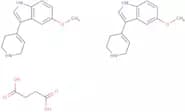
CAS:<p>Tris(2-methoxyphenyl)bismuth dichloride is a coordination compound with the chemical formula BiCl(OMeCH). It crystallizes in the triclinic crystal system and its molecular structure is trigonal. Tris(2-methoxyphenyl)bismuth dichloride has been characterized by X-ray and infrared spectroscopy, as well as by analysis of the axial, apical, and trigonal coordinates. The compound has been shown to form perchlorate and diperchlorate salts. The presence of bismuth atoms in this molecule produces a bright yellow color.</p>Fórmula:C21H21BiCl2O3Pureza:Min. 95%Forma y color:Off-White PowderPeso molecular:601.28 g/mol5-Methoxy-3-(1,2,5,6-tetrahydro-4-pyridinyl)-1H-indole hemisuccinate
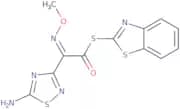
CAS:<p>5-Methoxy-3-(1,2,5,6-tetrahydro-4-pyridinyl)-1H-indole hemisuccinate is a serotonin receptor agonist that has been shown to stimulate the 5HT1A receptor. It stimulates insulin secretion and glucose uptake in rats and inhibits feeding behavior in mice. It has also been shown to have antihypertensive effects on rats by blocking the 5HT2 receptors. In addition, it stimulates regeneration of injured nerve cells. This drug has potential uses as a treatment for neurological diseases such as Parkinson's disease and depression.</p>Fórmula:C14H16N2O•(C4H6O4)0Pureza:Min. 95%Forma y color:Yellow solid.Peso molecular:287.33 g/molS-2-Benzothiazolyl (Z)-2-(5-amino-1,2,4-thiadiazol-3-yl)-2-methoxyiminothioacetate
CAS:S-2-Benzothiazolyl (Z)-2-(5-amino-1,2,4-thiadiazol-3-yl)-2-methoxyiminothioacetate is an experimental drug that has been studied in research, solvents and clinical data. It has a strong ability to disrupt the physiology of cells by inhibiting reactions that require S-adenosylmethionine. The reaction time is approximately 10 seconds, and human patients have been used for clinical development and translational research. This reducer is also able to produce high yield with a synthesis time of only 1 hour.Fórmula:C12H9N5O2S3Pureza:Min. 95%Forma y color:White PowderPeso molecular:351.43 g/molHoechst 33342
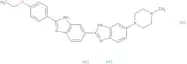
CAS:<p>2'-(4-Ethoxyphenyl)-5-(4-methyl-1-piperazinyl)-2,5'-bi-1H-benzimidazole trihydrochloride (EPMB) is a DNA binding agent that is used in tumor detection and research into apoptosis. It has been shown to inhibit the activity of p-glycoprotein, which is an efflux pump protein, and Bcl-2 protein. EPMB has also been shown to cause apoptosis in human squamous cell carcinoma cells in a concentration dependent manner. This compound has shown potential as a treatment for cancer because it inhibits the ability of cancer cells to proliferate by binding to the NMDA receptor.</p>Fórmula:C27H28N6O·3HCl·xH2OPureza:Min. 95%Forma y color:Yellow PowderPeso molecular:561.93 g/mol2-Chloro-3,4-dimethoxy-6-nitrobenzaldehyde
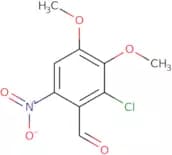
CAS:2-Chloro-3,4-dimethoxy-6-nitrobenzaldehyde is a fine chemical with a CAS number of 82330-54-9. It is a versatile building block that can be used as a reagent or intermediate for the production of other chemicals. This product has been shown to have many different reactions. It is useful in the synthesis of complex compounds and offers high quality and purity.Fórmula:C9H8ClNO5Pureza:Min. 95%Forma y color:PowderPeso molecular:245.62 g/mol2-(1-Ethoxyethoxy)ethyl)benzene
CAS:<p>2-(1-Ethoxyethoxy)ethyl)benzene is a versatile building block that is used in the synthesis of many organic compounds. It can be used as a reagent, speciality chemical, and research chemical for making new substances. 2-(1-Ethoxyethoxy)ethyl)benzene is also useful as an intermediate for other reactions or as a scaffold for complex molecules. It is soluble in most solvents and has a high purity level.</p>Fórmula:C12H18O2Pureza:Min. 95%Forma y color:Colorless PowderPeso molecular:194.27 g/mol1-(5-Chloro-2-methoxyphenyl)piperazine HCl
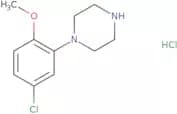
CAS:Producto controlado1-(5-Chloro-2-methoxyphenyl)piperazine HCl is a fine chemical that belongs to the group of research chemicals. It is used as a reagent, speciality chemical and intermediate in organic synthesis. 1-(5-Chloro-2-methoxyphenyl)piperazine HCl is an effective building block for complex compounds, which can be used in reactions involving acetals, amides, nitriles, sulfones, sulfonamides and imines. This compound also has versatile building blocks and is a useful scaffold in organic synthesis.Fórmula:C11H16Cl2N2OPureza:Min. 95%Forma y color:Off-White PowderPeso molecular:263.16 g/mol3-Chloro-4-methoxybenzoic acid
CAS:<p>3-Chloro-4-methoxybenzoic acid is a hydroxamic acid that is synthesized by the reaction of 3-chloro-4-methoxybenzaldehyde with hydroxylamine. It has anticancer activity and can inhibit the growth of cancer cells. 3-Chloro-4-methoxybenzoic acid has a low potency, which means that it needs to be used in high concentrations in order to be effective as an anticancer agent. The drug is also structurally similar to sorafenib, but has less potent anticancer activity.</p>Fórmula:C8H7ClO3Pureza:Min. 95%Peso molecular:186.59 g/mol5-Ethoxy-2(5H)-furanone
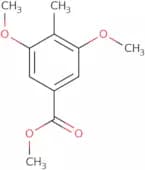
CAS:<p>5-Ethoxy-2(5H)-furanone is an oxidation product of 5-ethoxy-2(5H)-furanone. It has an isomeric, stereospecific, regiospecifically, and a tautomeric relationship with furfural. 5-Ethoxy-2(5H)-furanone can be produced by the oxidation of furfural with boron trifluoride etherate in the presence of iodosobenzene. The reaction mechanism involves the addition of hydrogen peroxide to the boron trifluoride etherate to form hydroperoxydiborane. This compound then reacts with iodosobenzene to produce 5-ethoxy-2(5H)-furanone and 2,5-dihydroxybenzaldehyde. The reaction produces a mixture of diastereomers that contain different numbers of carbon atoms due to the regiospecific</p>Fórmula:C6H8O3Pureza:Min. 95%Forma y color:PowderPeso molecular:128.13 g/mol3,5-Dimethoxy-4-methylbenzoic acid methyl ester
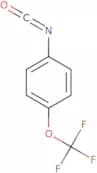
CAS:<p>3,5-Dimethoxy-4-methylbenzoic acid methyl ester (DMMBME) is a synthetic compound that is used as an immunogen to generate antibodies against fungal proteins. DMMBME is specifically used to identify the presence of bryoria and australian fungi in plants. The chemical structure of DMMBME can be oxidized by depsidones, which leads to the production of reactive oxygen species that are believed to be responsible for the oxidative coupling of target proteins. This reaction can be catalyzed by a number of enzymes such as nidulin, which is found in plant roots.</p>Fórmula:C11H14O4Pureza:Min. 95%Forma y color:PowderPeso molecular:210.23 g/mol4-(Trifluoromethoxy)phenyl isocyanate
CAS:<p>4-(Trifluoromethoxy)phenyl isocyanate (4-TFPC) is a potent antagonist of the platelet P2Y12 receptor. It inhibits platelet aggregation and adhesion, as well as prevents the formation of blood clots. 4-TFPC has a low molecular weight and can be administered orally. It also has been shown to increase insulin sensitivity and reduce blood glucose levels in mice with type 2 diabetes. This antiplatelet agent binds to receptors on the surface of platelets, preventing activation. 4-TFPC is also an inhibitor of protein kinase C and phosphodiesterases, which are enzymes that regulate cell signalling pathways. In vitro studies have shown that 4-TFPC inhibits cycloheptyl (CPH)-induced aggregation in human platelets in a dose-dependent manner with an IC50 value of 0.5 μM.END></p>Fórmula:C8H4F3NO2Pureza:Min. 95%Forma y color:Colorless Clear LiquidPeso molecular:203.12 g/mol2-[(Acetyloxy)methoxy]ethyl acetate
CAS:<p>2-[(Acetyloxy)methoxy]ethyl acetate is a drug that inhibits the enzyme orotidine 5′-monophosphate decarboxylase, which is responsible for the conversion of uridine to orotic acid. This inhibition prevents the synthesis of RNA and DNA and leads to cell death by inhibiting protein synthesis. 2-[(Acetyloxy)methoxy]ethyl acetate has shown tuberculostatic activity in leukemic mice, with an inhibition constant of 3.2 × 10 M. The compound also inhibits diphenolase activity, which is important in the production of uridine phosphorylase, an enzyme that produces uridine from orotic acid. 2-[(Acetyloxy)methoxy]ethyl acetate has been tested for its ability to inhibit herpes simplex virus (HSV) in vitro and in vivo and has been shown to be effective against HSV type 1 and HSV</p>Fórmula:C7H12O5Pureza:Min. 95%Forma y color:Colorless Clear LiquidPeso molecular:176.17 g/molOctadecyl Vinyl Ether
CAS:Fórmula:C20H40OPureza:>85.0%(GC)Forma y color:White to Almost white powder to lumpPeso molecular:296.542-(Trifluoromethoxy)phenylboronic acid
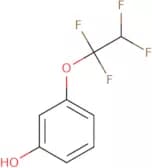
CAS:2-(Trifluoromethoxy)phenylboronic acid (2-TFB) is a boronic acid that is used in cross-coupling reactions. It has been shown to be an effective inhibitor of the Vismodegib pathway, which may offer therapeutic benefits for cancer patients. 2-TFB has also been shown to inhibit the activity of other pathways involved in cancer development, such as the benzamide and suzuki pathways. 2-TFB is metabolized through filtration, which can lead to significant pharmacokinetic properties. This compound can be recycled and reused in cross-coupling reactions, which reduces waste production and costs.Fórmula:C7H6BF3O3Pureza:Min. 95%Forma y color:PowderPeso molecular:205.93 g/mol3-(1,1,2,2-Tetrafluoroethoxy)phenol
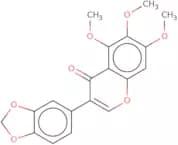
CAS:<p>3-(1,1,2,2-Tetrafluoroethoxy)phenol is a versatile building block that can be used in the synthesis of complex compounds. It is also a reagent and speciality chemical and has CAS No. 53997-99-2. 3-(1,1,2,2-Tetrafluoroethoxy)phenol is a useful building block for organic synthesis and has been used as a reaction component or scaffold.</p>Fórmula:C8H6F4O2Pureza:Min. 95%Peso molecular:210.13 g/mol5-Methoxydurmillone
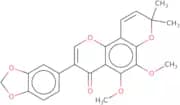
CAS:<p>5-Methoxydurmillone is a rotenoid that is found in many plants, including the seeds of the plant Ferruginea. 5-Methoxydurmillone has been shown to have anti-inflammatory properties and can be used to treat inflammatory diseases such as arthritis. It also inhibits the production of superoxide radicals and nitric oxide, which are important mediators of inflammation. 5-Methoxydurmillone has been shown to inhibit protein synthesis in bacteria, but not mammalian cells.</p>Fórmula:C23H20O7Pureza:Min. 95%Peso molecular:408.4 g/mol(2-Fluoro-3-methoxyphenyl)boronic acid
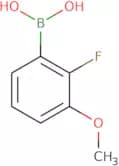
CAS:<p>2-Fluoro-3-methoxyphenylboronic acid is a boronic acid that has been shown to be orally activated. It is a potent inhibitor of the enzyme target, which is involved in the production of estradiol. 2-Fluoro-3-methoxyphenylboronic acid has been found to inhibit cellular growth and induce cancer cell death by targeting estrogen receptor β. This molecule also inhibits the growth factor, leading to inhibition of prostate cancer cells in vitro.</p>Fórmula:C7H8BFO3Pureza:Min. 95%Forma y color:White PowderPeso molecular:169.95 g/mol2,5-Difluoroanisole
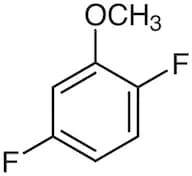
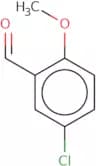
CAS:Fórmula:C7H6F2OPureza:>98.0%(GC)Forma y color:Colorless to Almost colorless clear liquidPeso molecular:144.125-Chloro-2-methoxybenzaldehyde
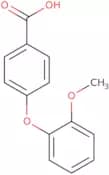
CAS:<p>5-Chloro-2-methoxybenzaldehyde is a potent inhibitor of the bacterial enzyme acetylcholinesterase. It has been shown to have an interaction with biomolecules, such as chalcones, and can be used in the manufacture of antibacterial agents. 5-Chloro-2-methoxybenzaldehyde has been found to have potent inhibitory activity against organocatalytic aldehydes and atypical aldehydes and can be used as an active ingredient in the synthesis of novel compounds with antibacterial activity.</p>Fórmula:C8H7ClO2Pureza:Min. 95%Forma y color:PowderPeso molecular:170.59 g/mol4-(2-Methoxyphenoxy)benzoic acid
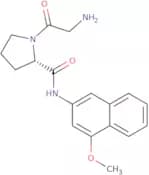
CAS:<p>4-(2-Methoxyphenoxy)benzoic acid is a white crystalline solid with a melting point of 50°C. It is soluble in water, ethanol, ether, and chloroform. 4-(2-Methoxyphenoxy)benzoic acid has been used as a starting material for the synthesis of pharmaceuticals such as carbamazepine (Tegretol). The compound has two methoxy groups on the phenyl ring that are susceptible to nucleophilic attack by strong bases. This reaction occurs at room temperature and can be reversed by heating the solution to 150°C. The compound also undergoes polycondensation reactions when heated in the presence of an oxidizing agent.</p>Fórmula:C14H12O4Pureza:Min. 95%Forma y color:White PowderPeso molecular:244.24 g/molGly-pro-4-methoxy-β-naphthylamide
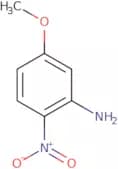
CAS:Gly-pro-4-methoxy-beta-naphthylamide is a synthetic substrate that is used to measure the activity of human plasma phosphatases. Gly-pro-4-methoxy-beta-naphthylamide is synthesized in an organic solvent and then reacted with diazonium salt to form a glycosylated aminophosphonic acid. The product is purified by chromatography and identified by mass spectrometry. Gly-pro-4-methoxy beta naphthylamide has been shown to inhibit the growth of cancer cells in vitro, as well as having antiinflammatory properties. This drug also has been shown to be effective in treating patients with severe hyperbilirubinemia who are undergoing hematopoietic stem cell transplantation.Fórmula:C18H21N3O3Pureza:Min. 95%Peso molecular:327.38 g/mol5-Methoxy-2-nitrophenylamine
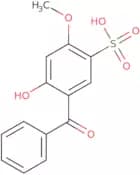
CAS:<p>5-Methoxy-2-nitrophenylamine (5MN) is a synthetic compound. It has been shown to produce an inhibitory effect on Alzheimer's disease and Leishmania infantum by inhibiting the formation of amyloid beta (Aβ) and leishmanicidal alpha-ketoglutarate, respectively. 5MN has also been observed to stabilize supramolecular structures in magnetic resonance spectroscopy experiments. This chemical is synthesized from 4-amino-3-nitrophenol and methylamine by reacting them in the presence of sodium hydroxide and sulfuric acid under refluxing conditions. The reaction products are analyzed using FTIR spectroscopy, as shown below:</p>Fórmula:C7H8N2O3Pureza:Min. 95%Forma y color:PowderPeso molecular:168.15 g/mol2-Hydroxy-4-methoxybenzophenone-5-sulfonic acid
CAS:2-Hydroxy-4-methoxybenzophenone-5-sulfonic acid is a diazonium salt that can be used as a reference standard to measure the microbial metabolism of aromatic compounds. It is stable in air and light, but can undergo photolysis in solution. The monosodium salt form of 2-hydroxy-4-methoxybenzophenone-5-sulfonic acid has been shown to have acute toxicities for fish, rats and rabbits. This compound also has photochemical properties that make it useful for surface methodology, such as determining the degree of hydrophobicity of various types of surfaces. Hydrochloric acid is needed for the preparation of this compound.Fórmula:C14H12O6SPureza:Min. 95%Forma y color:White To Yellow SolidPeso molecular:308.31 g/mol2,5-Dimethoxyterephthalaldehyde
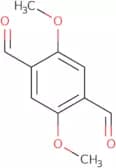
CAS:<p>2,5-Dimethoxyterephthalaldehyde (2,5DMP) is a protonated molecule that can be used in sample preparation for analytical methods. 2,5DMP has been used as a dispersive solid-phase extraction solvent and an adsorbent material. This compound has been shown to exhibit strong hydrophobic interactions with the carbonyl group of aromatic compounds and to have a high chemical stability. 2,5DMP also has an electrochemical impedance spectroscopy (EIS) property that can be used for monitoring the electrochemical behaviour of molecules and magnetic particles in the solution. The EIS property has been enhanced by hydrogen bonding between the protonated molecules and metal ions in the solution.</p>Fórmula:C10H10O4Pureza:Min. 95%Forma y color:PowderPeso molecular:194.18 g/mol2-Iodo-N-(4-methoxyphenyl)-N-methylbenzamide
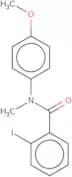
CAS:2-Iodo-N-(4-methoxyphenyl)-N-methylbenzamide is a versatile building block that can be used in research and as a reagent. It is a high quality chemical and useful as a building block or intermediate for the synthesis of more complex compounds. This chemical is also a useful scaffold for the synthesis of more complex molecules.Fórmula:C15H14INO2Pureza:Min. 95%Peso molecular:367.18 g/mol5,6-Dimethoxypyridin-3-amine
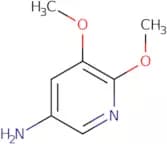
CAS:5,6-Dimethoxypyridin-3-amine is an organic compound with the formula CHN. It is a versatile building block in organic chemistry. 5,6-Dimethoxypyridin-3-amine can be used as a reagent in the synthesis of other compounds or as a reactant to form new compounds. 5,6-Dimethoxypyridin-3-amine is soluble in organic solvents and reacts with most common electrophiles to give substituted products. 5,6-Dimethoxypyridin-3-amine has been found to be useful as an intermediate in the synthesis of a variety of natural products and pharmaceuticals.Fórmula:C7H10N2O2Pureza:Min. 95%Forma y color:Purple PowderPeso molecular:154.17 g/molbeta-2'-Methoxynaphthoflavone
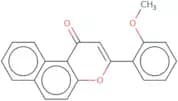
CAS:<p>beta-2'-Methoxynaphthoflavone is a fine chemical that is useful as a scaffold for complex compounds, as a building block for speciality chemicals, and as an intermediate in the synthesis of research chemicals. It can be used in pharmaceuticals, agrochemicals, and other industries. beta-2'-Methoxynaphthoflavone has been found to be a versatile building block with high quality that can be used to synthesize a variety of compounds. This compound also has the ability to react with other chemicals such as ammonia or amines.</p>Fórmula:C20H14O3Pureza:Min. 95%Peso molecular:302.32 g/mol

![2-Amino-4,5,7,8-tetrahydro-6-(N-carbethoxy)thiazolo[5,4-d]azepine](/_next/image/?url=https%3A%2Fstatic.cymitquimica.com%2Fproducts%2FTR%2Fthumb-webp%2FA629920.webp&w=3840&q=75)



![(2S)-2-[[(phenylmethoxy)carbonyl]amino]-4-Pentenoic acid](/_next/image/?url=https%3A%2Fstatic.cymitquimica.com%2Fproducts%2FTR%2Fthumb-webp%2FP228100.webp&w=3840&q=75)
![N-(Methoxymethyl)-N-[(trimethylsilyl)methyl]benzenemethanamine (>90%)](/_next/image/?url=https%3A%2Fstatic.cymitquimica.com%2Fproducts%2FTR%2Fthumb-webp%2FM264620.webp&w=3840&q=75)
![N-[(1,1-Dimethylethoxy)carbonyl]-L-homoserine 1,1-Dimethylethyl Ester Methanesulfonate](/_next/image/?url=https%3A%2Fstatic.cymitquimica.com%2Fproducts%2FTR%2Fthumb-webp%2FD679508.webp&w=3840&q=75)



![2-[2-[4-[Bis(4-fluorophenyl)methyl]piperazin-1-yl]ethoxy]acetic acid HCl](/_next/image/?url=https%3A%2Fstatic.cymitquimica.com%2Fproducts%2F3D%2Fthumb-webp%2FFB98570.webp&w=3840&q=75)










![2-[(Acetyloxy)methoxy]ethyl acetate](/_next/image/?url=https%3A%2Fstatic.cymitquimica.com%2Fproducts%2F3D%2Fthumb-webp%2FFA64791.webp&w=3840&q=75)