Éteres
Se han encontrado 40906 productos de "Éteres"
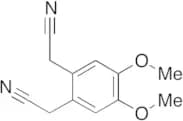
4,5-Dimethoxy-1,2-benzenediacetonitrile
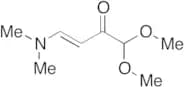
CAS:Producto controladoFórmula:C12H12N2O2Forma y color:NeatPeso molecular:216.244-Dimethylamino-1,1-dimethoxybut-3-en-2-one
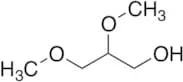
CAS:Producto controladoFórmula:C8H15NO3Forma y color:NeatPeso molecular:173.212,3-dimethoxypropan-1-ol
CAS:Producto controladoFórmula:C5H12O3Forma y color:NeatPeso molecular:120.147Bis[2-(2-chloroethoxy)ethyl] Ether
CAS:Producto controladoApplications Bis[2-(2-chloroethoxy)ethyl] Ether, is an impurity in the synthesis of 2-[2-[2-(2-Chloroethoxy)ethoxy]ethoxy]ethanol (C365875), which is a polyethylene glycol used in the synthesis of novel glycolipids that bind HIV-1 cell surface glycoprotein Gp120 with potential application to pharmaceutical HIV-1 drugs. Also used in the synthesis of PET imaging agents targeting brain β-amyloid.
Not a dangerous good if item is equal to or less than 1g/ml and there is less than 100g/ml in the package
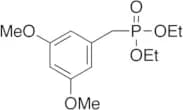
References LaBell, R. et al.: Bioconj. Chem., 13, 143 (2002); Zhang, W. et al.: Nucl. Med. Biol., 32, 799 (2005);Fórmula:C8H16Cl2O3Forma y color:NeatPeso molecular:231.12Diethyl 3,5-Dimethoxybenzylphosphonate
CAS:Producto controladoApplications Diethyl 3,5-Dimethoxybenzylphosphonate (cas# 108957-75-1) is a compound useful in organic synthesis.
Fórmula:C13H21O5PForma y color:NeatPeso molecular:288.282-[(Ethoxycarbonyl)oxy]-acetic Acid
CAS:Producto controladoFórmula:C5H8O5Forma y color:NeatPeso molecular:148.1143,5-Dimethoxyaniline
CAS:Producto controladoApplications 3,5-Dimethoxyaniline (cas# 10272-07-8) is a compound useful in organic synthesis.
Fórmula:C8H11NO2Forma y color:NeatPeso molecular:153.185-[2-(Trifluoromethoxy)phenyl]-2-furancarboxylic Acid
CAS:Producto controladoApplications 5-[2-(Trifluoromethoxy)phenyl]-2-furancarboxylic Acid is a reactant used in the preparation of (phenyl)-N-[(mercapto)(pyrrolyl)triazolyl]furancarboxamide and (phenoxy)-N-[(mercapto)(pyrrolyl)triazolyl]acetamide derivatives as herbicides.
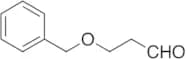
References Xue, S., Lu, C.: Youji Huaxue, 28, 1083 (2008)Fórmula:C12H7F3O4Forma y color:NeatPeso molecular:272.183-(Phenylmethoxy)propanal
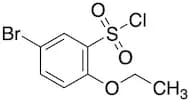
CAS:Producto controladoFórmula:C10H12O2Forma y color:NeatPeso molecular:164.2015-Bromo-2-ethoxy-benzenesulfonyl chloride
CAS:Producto controladoApplications 5-Bromo-2-ethoxy-benzenesulfonyl chloride
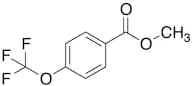
Fórmula:C8H8BrClO3SForma y color:NeatPeso molecular:299.57Methyl 4-(trifluoromethoxy)benzoate
CAS:Producto controladoApplications Methyl 4-(trifluoromethoxy)benzoate
Fórmula:C9H7F3O3Forma y color:NeatPeso molecular:220.15(3R,4S,5R)-5-[(1R)-1-Carboxy-1-phosphonoethoxy]-4-hydroxy-3-(phosphonooxy)-1-cyclohexene-1-carboxylic acid
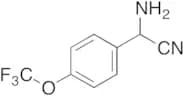
CAS:Producto controladoFórmula:C10H16O13P2Forma y color:NeatPeso molecular:406.174α-Amino-4-(trifluoromethoxy)benzeneacetonitrile Hydrochloride
CAS:Producto controladoFórmula:C9H7F3N2OForma y color:NeatPeso molecular:216.162-[(Oxolan-2-yl)methoxy]ethan-1-ol
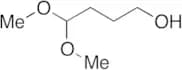
CAS:Producto controladoFórmula:C7H14O3Forma y color:NeatPeso molecular:146.184,4-Dimethoxybutan-1-ol
CAS:Producto controladoApplications 4,4-Dimethoxybutan-1-ol is a reactant used in the preparation of tetrahydropyranols and hydropyranooxepans.
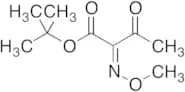
References Hoffmann, R.W., et. al.: New J. Chem., 25, 102 (2001)Fórmula:C6H14O3Forma y color:NeatPeso molecular:134.1742-(Methoxyimino)-3-oxo-butanoic Acid 1,1-Dimethylethyl Ester
CAS:Producto controladoApplications 2-(Methoxyimino)-3-oxo-butanoic Acid 1,1-Dimethylethyl Ester is an intermediate used in the synthesis of Cefotaxime Bromoacetyl Analogue (C242940), which is an impurity of Cefotaxime (C242950), a broad spectrum third generation cephalosporin antibiotic.
References Wise, R., et al.: Antimicrob. Agents Chemother., 14, 807 (1978), Muhtadi, F.J., et al.: Anal. Profiles Drug Subs., 11, 139 (1982),Fórmula:C9H15NO4Forma y color:NeatPeso molecular:201.22N-(3-Trimethoxysilylpropyl)-4-azido-2,3,5,6-tetrafluorobenzamide >90%
CAS:Stability Light and Temperature sensitive
Applications PFPA-silane is a functionalized perfluorophenyl azides for covalent immobilization of ultrathin polymer films.
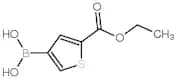
References Mosbach, K., et al.: Biotechnology, 14, 163 (1996), Keren, K., et al.: Science, 297, 72 (2002), Lidstrom, M., et al.: Nature Rev. Microbiol., 1, 158 (2003),Fórmula:C13H16F4N4O4SiPureza:>90%Forma y color:Off White SolidPeso molecular:396.375-(Ethoxycarbonyl)thiophene-3-boronic Acid
CAS:Producto controladoApplications 5-(Ethoxycarbonyl)thiophene-3-boronic Acid is a useful reagent for preparing hydroxyimino(phenyl)propanones as GPBAR1 agonists.
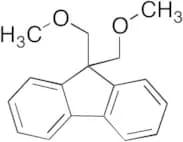
References Bissantz, C., et al.: U.S. Pat. Appl. Publ. (2012), US 20120010190 A1Fórmula:C7H9BO4SForma y color:NeatPeso molecular:200.029,9-Bis(methoxymethyl)-9H-fluorene
CAS:Producto controladoApplications 9,9-Bis(methoxymethyl)-9H-fluorene is a compound involved in the preparation of polypropylene by heterogeneous Ziegler-Natta catalyst.
References Luo, Z., et al.: Ind. Eng. Chem. Res., 54, 11247-11250 (2015)Fórmula:C17H18O2Forma y color:White SolidPeso molecular:254.32(alphaR,gammaR)-γ-[[(1,1-Dimethylethoxy)carbonyl]amino]-α-methyl-[1,1'-biphenyl]-4-pentanoic Acid
CAS:Producto controladoFórmula:C23H29NO4Forma y color:NeatPeso molecular:383.481[3-(Ethoxycarbonyl)propyl]triphenylphosphonium Bromide
CAS:Producto controladoStability Hygroscopic
Applications [3-(Ethoxycarbonyl)propyl]triphenylphosphonium Bromide is a reactant used in the preparation of maresin 1, a potent anti-inflammatory and pro-resolving lipid mediator.
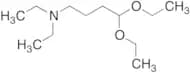
References Tungen, J.E., et. al.: Tetrahedron Lett., 56, 1843 (2015)Fórmula:C24H26BrO2PForma y color:NeatPeso molecular:457.344,4-Diethoxy-N,N-diethyl-1-butanamine
CAS:Producto controladoApplications 4,4-Diethoxy-N,N-diethyl-1-butanamine is a useful reagent for the synthesis of amino acetals.
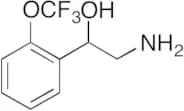
References Keglevic, D., et al.: Croat. Chem. Acta, 35, 175(1963)Fórmula:C12H27NO2Forma y color:NeatPeso molecular:217.35α-(Aminomethyl)-2-(trifluoromethoxy)benzenemethanol
CAS:Producto controladoApplications α-(Aminomethyl)-2-(trifluoromethoxy)benzenemethanol is an analog of α-(Aminomethyl)-3-(trifluoromethoxy)benzenemethanol (A630745); a compound that is used as a reagent in the synthesis of potent and selective ethanolamine inhibitors of bacterial phenylalanyl tRNA synthetase. It is also used as a reagent in the synthesis of 1-aryl-2-((6-aryl)pyrimidin-4-yl)amino)ethanols as competitive inhibitors of fatty acid amide hydrolase.
References Jarvest, R.L., et al.: Bioorg. Med. Chem. Lett., 15, 2305 (2005); Keith, J.M., et al.: Bioorg. Med. Chem. Lett., 24, 1280 (2014)Fórmula:C9H10F3NO2Forma y color:NeatPeso molecular:221.18(3-Aminopropyl)trimethoxysilane
CAS:Producto controladoApplications (3-Aminopropyl)trimethoxysilane is used in the synthesis of aspirin imprinted polymer on silica gel surface and appreciation on drug sustained release. Fluorine-doped; lectin functionalized ZnO nanoarrays as 3D nano-biointerface for bacterial detection.
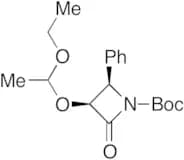
References Lu, P., et al.: Gaofenzi Cailiao Kexue Yu Gongcheng, 33, 130 (2017); Zheng, L., Talanta, 167, 600 (2017)Fórmula:C6H17NO3SiForma y color:NeatPeso molecular:179.29(3R,4S)-3-(1-Ethoxyethoxy)-2-oxo-4-phenyl-1-azetidinecarboxylic Acid 1,1-Dimethylethyl Ester
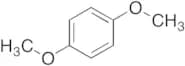
CAS:Producto controladoFórmula:C18H25NO5Forma y color:NeatPeso molecular:335.3951,4-Dimethoxybenzene
CAS:Producto controladoApplications 1,4-Dimethoxybenzene is a useful chemical in organic synthesis.
References Digwal, Chander S., et al.: Asian J. of Org. Chem., 7(5), 865-869 (2018);Cai, Zhi-Bin, et al.: RSC Advances, 6(52), 46853-46863 (2016);Lin, Qi, et al.: Soft Matter, 13(39), 7222-7226 (2017)Fórmula:C8H10O2Forma y color:Off-WhitePeso molecular:138.164(1R,2R)-1-[(3,4-dimethoxyphenyl)methyl]-1,2,3,4-tetrahydro-6,7-dimethoxy-2-(3-methoxy-3-oxopropyl)-2-methylisoquinolium Benzenesulfonate
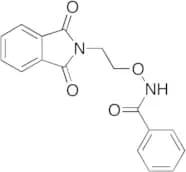
CAS:Producto controladoFórmula:C25H34NO6·C6H5O3SForma y color:NeatPeso molecular:601.708N-(2-(1,3-Dioxoisoindolin-2-yl)ethoxy)benzamide
CAS:Producto controladoApplications N-(2-(1,3-Dioxoisoindolin-2-yl)ethoxy)benzamide is an intermediate in the synthesis of Fluvoxamine Maleate (F603500), a selective serotonin reuptake inhibitor (SSRI) used as an anti-depressant. Antiobsessional.
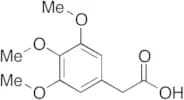
References Claassen, V., et al.: Br. J. Pharmacol., 60, 505 (1977); Koran, L.M., et al.: J. Clin. Psychopharmacol., 16, 121 (1996); Ware, M.R., et al.: J. Clin. Psychiatry, 58, Suppl. 5, 15 (1997); Inazu, M., et al.: Neurochem. Int., 39, 39 (2001)Fórmula:C17H14N2O4Forma y color:NeatPeso molecular:310.3043,4,5-Trimethoxyphenylacetic Acid
CAS:Producto controladoApplications 3,4,5-Trimethoxyphenylacetic Acid is a reagent in the preparation of 3-phenylcoumarins as antidepressant agents.
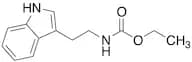
References Sashidhara, K.V., et al.: Bioorg. Med. Chem. Lett., 24, 4876 (2014);Fórmula:C11H14O5Forma y color:NeatPeso molecular:226.23N10-(Ethoxycarbonyl)tryptamine
CAS:Producto controladoApplications N10-(Ethoxycarbonyl)tryptamine is an intermediate in the synthesis of N-Methyltryptamine-d3 (M331922), which is a labeled N-Methyltryptamine, a N-monomethylated derivative of tryptamine. N-Methyltryptamine, unlike its unmethylated counterpart, does not produce any psychoactive effects. High levels of N-Methyltryptamine have been found in cisternal cerebrospinal fluid of patients with acute paranoid schizophrenia.
References Schmid, C. et al.: J. Neurosci., 30, 13513 (2010); Uebelhack, R. et al.: Biomed. Biochim. Acta, 42, 1343 (1983);Fórmula:C13H16N2O2Forma y color:NeatPeso molecular:232.278[4-(Difluoromethoxy)phenyl]hydrazine
CAS:Producto controladoApplications [4-(Difluoromethoxy)phenyl]hydrazine is used as a reagent in the synthesis of dihydropyrazolopyridinones as functionally selective benzodiazepine binding site ligands on the GABAA receptor.
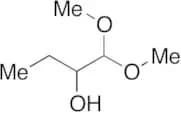
References Mitchinson, A., et al.: Bioorg. Med. Chem. Lett., 14, 3441 (2004)Fórmula:C7H8F2N2OForma y color:NeatPeso molecular:174.1481,1-Dimethoxy-2-butanol
CAS:Producto controladoFórmula:C6H14O3Forma y color:NeatPeso molecular:134.173-Ethoxyspiro[3.5]nonan-1-amine
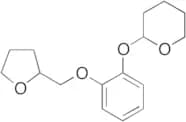
CAS:Producto controladoFórmula:C11H21NOForma y color:NeatPeso molecular:183.292-((Tetrahydrofuran-2-yl)methoxy)phenoxy)tetrahydro-2H-pyran
Producto controladoApplications 2-((Tetrahydrofuran-2-yl)methoxy)phenoxy)tetrahydro-2H-pyran is an intermediate used in the synthesis of Bufetolol (B689435), a β-adrenergic blocking agent and it inhibits the activation of adenyl cyclase.
References Ikegami, K., and Imamura, H.: Yakugaku Zasshi 96, 614 (1976); Yamaji, A., et al.: Yakugaku Zasshi 105, 1179 (1985)Fórmula:C16H22O4Forma y color:NeatPeso molecular:278.344Methoxy4-[[(1,1-dimethylethyl)dimethylsilyl]oxy]-3-benzenemethanol
CAS:Producto controladoApplications Methoxy4-[[(1,1-dimethylethyl)dimethylsilyl]oxy]-3-benzenemethanol, is prepared synthetically from vanillin (V097500) with an intermediate of methoxy-4-[[(1,1-dimethylethyl)dimethylsilyl]oxy]-3-benzaldehyde (M269710).
References Gowravarm, S. et al.: Adv. Synth. Catal., 343, 169 (2001)Fórmula:C14H24O3SiForma y color:NeatPeso molecular:268.432-[2-[2-(2-Propynyloxy)ethoxy]ethoxy]ethanol
CAS:Producto controladoFórmula:C9H16O4Forma y color:NeatPeso molecular:188.223,4-Dimethoxytoluene
CAS:Producto controladoApplications 3,4-Dimethoxytoluene is a volatile flavor compound found is many substances such as boiled buckwheat flour, wild rice grain and tar of hickory wood smoke.
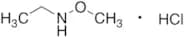
References Yajima, I., et. al.: Agr. Bio. Chem. 47, 729 (1983); Withycombe, D.A., et. al.: J. Agr. Food Chem., 26, 816 (1978); Hruza, D.E., et. al.: J. Agr. Food chem., 22, 123 (1974)Fórmula:C9H12O2Forma y color:NeatPeso molecular:152.19Ethyl(methoxy)amine Hydrochloride
CAS:Producto controladoStability Hygroscopic
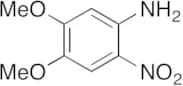
Fórmula:C3H9NO·HClForma y color:NeatPeso molecular:111.574,5-Dimethoxy-2-nitroaniline
CAS:Producto controladoApplications 4,5-Dimethoxy-2-nitroaniline (cas# 7595-31-5) is a compound useful in organic synthesis.
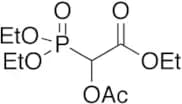
Not a dangerous good if item is equal to or less than 1g/ml and there is less than 100g/ml in the packageFórmula:C8H10N2O4Forma y color:OrangePeso molecular:198.18Ethyl 2-Acetoxy-2-(diethoxyphosphoryl)acetate
CAS:Producto controladoApplications A useful wittig reagent.
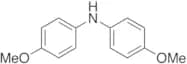
Fórmula:C10H19O7PForma y color:NeatPeso molecular:282.234,4'-Dimethoxydiphenylamine
CAS:Producto controladoApplications 4,4'-Dimethoxydiphenylamine is a diphenylamine derivative used as a chemical additive for cured rubber. 4,4'-Dimethoxydiphenylamine is highly toxic and may potentially induce chromosome abberation.
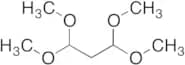
References Kel'man, G.Y. et al.: Kauch. Rez., 26, 28 (1967); Sofuni, T. et al.: Mutat. res. Gen. Toxicol. Test., 24, 175 (1990);Fórmula:C14H15NO2Forma y color:NeatPeso molecular:229.27Tetramethoxypropane
CAS:Producto controladoApplications Tetramethoxypropane is a useful synthetic intermediate. It can be used to synthesize various compounds such as diiodonoradamantane and Salicylates[e.g. Salsalate(S095700)].
Not a dangerous good if item is equal to or less than 1g/ml and there is less than 100g/ml in the package
References Ioannou, S., et al.: Tetrahedron Lett., 51, 2671 (2010); Sher, M., et al.: J. Org. Chem., 72, 6284 (2007)Fórmula:C7H16O4Forma y color:NeatPeso molecular:164.2Dimethoxybenzyl-FLT-precursor
CAS:Producto controladoFórmula:C46H45N3O13SForma y color:NeatPeso molecular:879.927Trimetazidine dihydrochloride
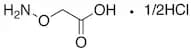
CAS:Producto controladoApplications Carboxymethoxyamine Hemihydrochloride (cas# 2921-14-4) is a compound useful in organic synthesis.
Fórmula:C2H5NO3·ClHForma y color:NeatPeso molecular:218.592,4,5-Trimethoxybenzoic Acid
CAS:Producto controladoApplications 2,4,5-TRIMETHOXYBENZOIC ACID (cas# 490-64-2) is a useful research chemical.
Fórmula:C10H12O5Forma y color:NeatPeso molecular:212.25,5-Diethoxypentanal
CAS:Producto controladoStability Store at -20°C under Argon. Air Sensitive.
Applications 5,5-Diethoxypentanal (cas# 79893-96-2) is a compound useful in organic synthesis.Fórmula:C9H18O3Forma y color:NeatPeso molecular:174.24Trimethylolpropane ethoxylate - average Mn ~170
CAS:Please enquire for more information about Trimethylolpropane ethoxylate - average Mn ~170 including the price, delivery time and more detailed product information at the technical inquiry form on this pageFórmula:(C2H4O)n•(C2H4O)n•(C2H4O)n•C6H14O3Pureza:Min. 95%4-Amino-4'-methoxydiphenylamine HCl
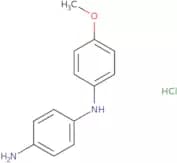
CAS:4-Amino-4'-methoxydiphenylamine HCl is a chemical compound that can be used as an analytical tool. It is prepared by the reaction of 4-aminophenol with 4-chloromethylphenol and formaldehyde in the presence of hydrochloric acid. This product has been found to have a potentiodynamic polarization curve that resembles that of a cationic surfactant. The detection methods for this product are electrochemical impedance spectroscopy, microscopy, and chemical reactions.Pureza:Min. 95%Peso molecular:250.72 g/mol4-Chloro-2-methoxy-5-methylaniline
CAS:4-Chloro-2-methoxy-5-methylaniline is a dye molecule that is used in the synthesis of other molecules, such as diketene. It is also used as a solvent, coupling agent, and a dye molecule. This compound can be synthetically prepared by reacting naphthylamine with pyrazolone. The reaction requires catalytic amounts of polyvalent metal salts, such as zinc chloride or iron(III) chloride. The halogenation of 4-chloro-2-methoxy-5-methylaniline to produce 2,4,5-trichlorophenol can be achieved by diazotising the molecule with sodium nitrite and potassium dichromate. 4-Chloro-2-methoxy-5 methylaniline's substituents are methyl groups on the phenyl ring (Cl) and chlorine atoms (C1). Derivatives of thisFórmula:C8H10ClNOPureza:Min. 95%Peso molecular:171.62 g/mol6-(Methoxycarbonyl)spiro[3.3]heptane-2-carboxylic acid
CAS:Please enquire for more information about 6-(Methoxycarbonyl)spiro[3.3]heptane-2-carboxylic acid including the price, delivery time and more detailed product information at the technical inquiry form on this pageFórmula:C10H14O4Pureza:Min. 95%Peso molecular:198.22 g/mol1-(3,5-Dimethoxyphenyl)piperazine
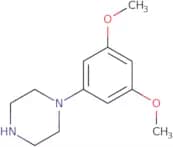
CAS:Producto controlado1-(3,5-Dimethoxyphenyl)piperazine (1DMPP) is a phenylpiperazine derivative that has shown anticancer activity in vitro against human cancer cells. It is orally bioavailable and has been found to inhibit the growth of cancer cells in vivo. 1DMPP is metabolized by the liver into a number of metabolites that are excreted via the kidneys. The pharmacokinetic properties of 1DMPP have been studied in rats and mice, which revealed that it is well absorbed when administered orally and has a short terminal half-life. In vitro studies have demonstrated that 1DMPP inhibits cell growth through inhibition of protein synthesis and DNA replication.Fórmula:C12H18N2O2Pureza:Min. 95%Peso molecular:222.28 g/mol2,6-Dimethoxybenzoyl Chloride
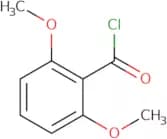
CAS:2,6-Dimethoxybenzoyl chloride is a halide that is used in the synthesis of other compounds. It can be synthesized by the reaction of methoxy groups with demethylation and regiospecific chlorination. This compound has been used to synthesize other substances, such as 2-chloro-2′,6′-diethoxybenzophenone. 2,6-Dimethoxybenzoyl chloride also has enzymatic activity that can be catalyzed by chromatographic science. The chloride ion is the most common anion found in living cells and it is involved in a variety of reactions. Dimethoxybenzamido and tribromide are two types of organic compounds that contain chlorine.
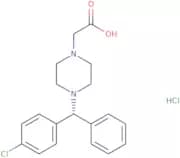
Fórmula:C9H9ClO3Pureza:Min. 95%Peso molecular:200.62 g/mol(R)-De(carboxymethoxy) cetirizine acetic acid hydrochloride
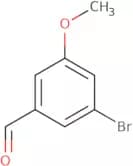
CAS:Please enquire for more information about (R)-De(carboxymethoxy) cetirizine acetic acid hydrochloride including the price, delivery time and more detailed product information at the technical inquiry form on this pageFórmula:C19H22Cl2N2O2Pureza:Min. 95%Peso molecular:381.3 g/mol5-Bromo-3-methoxybenzaldehyde
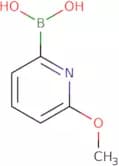
CAS:5-Bromo-3-methoxybenzaldehyde is a type of growth factor that is synthesized by cancer cells. It has been shown to have anticancer activity when used in conjunction with other drugs. 5-Bromo-3-methoxybenzaldehyde has been shown to inhibit tumor growth in mice, which may be due to its ability to prevent the activation of PD-L1. This compound interacts with a tetranuclear ligand and can be activated by light.Fórmula:C8H7BrO2Pureza:Min. 95%Forma y color:PowderPeso molecular:215.04 g/mol6-Methoxypyridine-2-boronic acid
CAS:6-Methoxypyridine-2-boronic acid is a boronate ligand that can be used to form coordination complexes with metals. It has been shown to interact with silver ions, which are the most effective ligands for enhancing the fluorescence of organic dyes. 6-Methoxypyridine-2-boronic acid is able to rigidify organic molecules by binding to their steric and electronic properties, making them more resistant to photodegradation. This property makes it an excellent candidate for the use in the development of fluorescent labels in analytical chemistry.Fórmula:C6H8BNO3Pureza:Min. 95%Peso molecular:152.94 g/mol[2-(4-methoxyphenyl)ethyl]methylamine
CAS:Producto controlado2-(4-methoxyphenyl)ethyl]methylamine is a pharmacological agent that inhibits protein synthesis. It has been shown to have an optimum concentration of 1 μM, with maximal inhibition at 10 μM. 2-(4-methoxyphenyl)ethyl]methylamine binds to the basic amino acid residues of proteins and inhibits the activity of eosinophil cationic protein, which is responsible for histamine release. 2-(4-Methoxyphenyl)ethyl]methylamine has also been shown to reduce the activity of epidermal growth factor, which is responsible for cell proliferation and differentiation. The drug has been demonstrated to be an effective inhibitor of activated eosinophils, but not normal cells. 2-(4-Methoxyphenyl)ethyl]methylamine may be used as a treatment for chronic asthma patients who suffer from eosinophilic inflammation in theirFórmula:C10H15NOPureza:Min. 95%Peso molecular:165.23 g/mol5-(2-Aminopropyl)-2-methoxybenzenesulphonamide
CAS:Producto controlado5-(2-Aminopropyl)-2-methoxybenzenesulphonamide is a trimethyl derivative of the aminopropyl group. It is used as a reagent to introduce hydroxymethyl groups into organic compounds. 5-(2-Aminopropyl)-2-methoxybenzenesulphonamide reacts with hydrochloric acid and an organic solvent in the preparation process. In the Friedel-Crafts reaction, 5-(2-Aminopropyl)-2-methoxybenzenesulphonamide reacts with d-alanine to form an optical isomer, which can be converted to its racemic form by ammonolysis. This compound is also used as a prostatic agent and an amide in the synthesis of benzene and phenoxymethyl alcohols.Fórmula:C10H16N2O3SPureza:Min. 95%Peso molecular:244.31 g/mol4-Benzyloxy-3-methoxy-N-methylphenethylamine hydrochloride
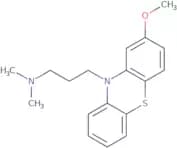
CAS:Producto controladoPlease enquire for more information about 4-Benzyloxy-3-methoxy-N-methylphenethylamine hydrochloride including the price, delivery time and more detailed product information at the technical inquiry form on this pageFórmula:C17H22ClNO2Pureza:Min. 95%Peso molecular:307.81 g/mol2-Methoxy promazine
CAS:Producto controlado2-Methoxy promazine is a phenothiazine antipsychotic drug which has been used to treat chronic schizophrenia. It binds to the D2 receptor, and it is one of the most potent antipsychotic drugs for this receptor. 2-Methoxy promazine also binds to dopamine receptors, with a binding constant of 0.1 nM. 2-Methoxy promazine may be useful in the treatment of bowel disease because it has been shown to decrease bowel motility and increase colonic tone. 2-Methoxy promazine is not metabolized by cytochrome P450 enzymes, but it does have photochemical properties that can cause skin damage when exposed to sunlight. It is also an analog of promethazine, which belongs to the class of phenothiazine drugs. Promethazine is synthesized from 2-methylaminophenol and methylamine through a series of transfer reactions and hydrogen bonding.
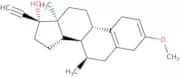
Fórmula:C18H22N2OSPureza:Min. 95%Forma y color:PowderPeso molecular:314.45 g/mol2-Dehydro-3-methoxy tibolone
CAS:Producto controladoPlease enquire for more information about 2-Dehydro-3-methoxy tibolone including the price, delivery time and more detailed product information at the technical inquiry form on this pageFórmula:C22H30O2Pureza:Min. 95%Peso molecular:326.47 g/mol(2-{2-[2-(2-Aminoethyl)-4,5-dimethoxybenzyl]-4,5-dimethoxyphenyl}ethyl)amine dihydrochloride
CAS:Producto controladoPlease enquire for more information about (2-{2-[2-(2-Aminoethyl)-4,5-dimethoxybenzyl]-4,5-dimethoxyphenyl}ethyl)amine dihydrochloride including the price, delivery time and more detailed product information at the technical inquiry form on this pageFórmula:C21H30N2O4Pureza:Min. 95%Peso molecular:374.47 g/mol10-Methoxy iminostilbene
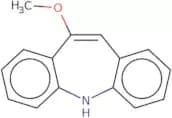
CAS:10-Methoxy iminostilbene is a photophysical that has been shown to be toxic to mouse erythrocytes and to inhibit the DNA polymerase activity of calf thymus. It has also been shown to inhibit the growth of bacteria in an industrial process. 10-Methoxy iminostilbene is insoluble in water and organic solvents, which makes it difficult to purify. 10-Methoxy iminostilbene also has high levels of impurities and is sensitive to hydrochloric acid, methylbenzene, and amines. The functional groups present on this molecule are carbonyl, nitro, hydroxyls, ethers, amides, esters, ketones.Fórmula:C15H13NOPureza:95%NmrForma y color:SolidPeso molecular:223.27 g/mol4-Amino-5-methoxy-2-methyl-N-methylbenzenesulfonamide
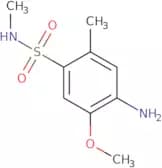
CAS:4-Amino-5-methoxy-2-methyl-N-methylbenzenesulfonamide is a surfactant that is used in the chemical industry to dissolve diazotized aromatic amines. It is also used in the preparation of coupling agents, such as naphthol, and hydrochloric acid. 4-Amino-5-methoxy-2-methylbenzenesulfonamide can be prepared by the diazotization of aniline followed by coupling with hydrochloric acid and sodium phosphate. The product can then be purified by recrystallization from a salt solution containing sodium acetate.Fórmula:C9H14N2O3SPureza:Min. 95%Peso molecular:230.29 g/mol1-(2-Ethoxybenzyl)piperazine
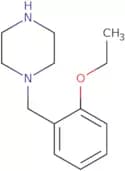
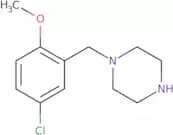
CAS:Producto controladoPlease enquire for more information about 1-(2-Ethoxybenzyl)piperazine including the price, delivery time and more detailed product information at the technical inquiry form on this pageFórmula:C13H20N2OPureza:Min. 95%Peso molecular:220.31 g/mol1-(5-Chloro-2-methoxybenzyl)piperazine
CAS:Producto controladoPlease enquire for more information about 1-(5-Chloro-2-methoxybenzyl)piperazine including the price, delivery time and more detailed product information at the technical inquiry form on this page
Fórmula:C12H17ClN2OPureza:Min. 95%Peso molecular:240.73 g/mol4-Chloro-2,5-dimethoxynitrobenzene
CAS:Producto controlado4-Chloro-2,5-dimethoxynitrobenzene (CDMNB) is a solvent and a synthetic intermediate. It is soluble in diethylene, solvents, and sodium formate. CDMNB can be reduced with catalytic reduction or amines to 2,5-dimethoxybenzoic acid. CDMNB has been shown to react with xylene under catalytic conditions to produce 4-chloro-3,5-dimethoxybenzoic acid. This reaction can be monitored by liquid phase chromatography or cyclic voltammetry.
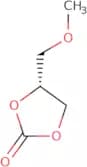
Fórmula:C8H8ClNO4Pureza:Min. 95%Peso molecular:217.61 g/mol(R)-(+)-4-(Methoxymethyl)-1,3-dioxolan-2-one
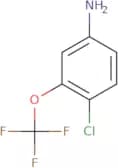
CAS:Please enquire for more information about (R)-(+)-4-(Methoxymethyl)-1,3-dioxolan-2-one including the price, delivery time and more detailed product information at the technical inquiry form on this pageFórmula:C5H8O4Pureza:Min. 95%Peso molecular:132.11 g/mol4-Chloro-3-(trifluoromethoxy)aniline
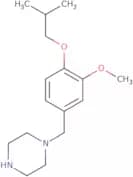
CAS:Please enquire for more information about 4-Chloro-3-(trifluoromethoxy)aniline including the price, delivery time and more detailed product information at the technical inquiry form on this pageFórmula:C7H5ClF3NOPureza:Min. 95%Forma y color:Clear LiquidPeso molecular:211.57 g/mol1-(4-Isobutoxy-3-methoxybenzyl)piperazine
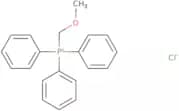
CAS:Producto controladoPlease enquire for more information about 1-(4-Isobutoxy-3-methoxybenzyl)piperazine including the price, delivery time and more detailed product information at the technical inquiry form on this pageFórmula:C16H26N2O2Pureza:Min. 95%Peso molecular:278.39 g/mol(Methoxymethyl) triphenylphosphonium chloride
CAS:Methoxymethyl triphenylphosphonium chloride (MMTPC) is a chemical compound that has been used in vitro as an inhibitor of microbial growth. MMTPC has been shown to be effective against a number of bacterial strains, including methicillin-resistant Staphylococcus aureus and Mycobacterium tuberculosis. This agent inhibits the synthesis of proteins and nucleic acids, which may lead to cell death by inhibiting protein synthesis or by preventing DNA synthesis. MMTPC has been shown to be effective for the treatment of congestive heart failure, coronary heart disease, and autoimmune diseases. It also binds to receptors on cells that are involved in the inflammatory response, such as cytokines and leukocytes.Fórmula:C20H20ClOPPureza:Min. 95%Forma y color:White PowderPeso molecular:342.8 g/mol1-(2-Methoxybenzyl)piperazine
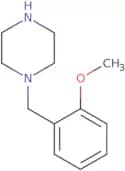
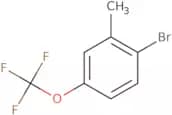
CAS:Producto controlado1-(2-Methoxybenzyl)piperazine (1-MBP) is a multitarget drug that has been shown to have medicinal properties. It inhibits the cholinergic system, which is involved in memory and cognition, as well as pathways such as the inflammatory response and amyloid production. 1-MBP has been shown to inhibit acetylcholinesterase, an enzyme that breaks down acetylcholine, thus increasing the amount of acetylcholine available for signaling. 1-MBP also inhibits cholinesterase, which increases the amount of acetylcholine in the brain. This drug may have synergistic effects with other drugs for Alzheimer's disease, such as donepezil and tacrine. 1-MBP has been used in optimization studies to find new potential treatments for Alzheimer's disease by targeting different aspects of its pathogenesis.Fórmula:C12H18N2OPureza:Min. 95%Forma y color:PowderPeso molecular:206.28 g/mol2-Methyl-4-(trifluoromethoxy)bromobenzene
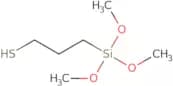
CAS:Please enquire for more information about 2-Methyl-4-(trifluoromethoxy)bromobenzene including the price, delivery time and more detailed product information at the technical inquiry form on this pageFórmula:C8H6BrF3OPureza:Min. 95%Forma y color:Clear LiquidPeso molecular:255.03 g/mol(3-Mercaptopropyl)trimethoxysilane
CAS:3-Mercaptopropyl)trimethoxysilane is a molecule made up of three parts: a trimethoxysilane group, a trimethylsilyl group, and a mercapto group. The trimethoxysilane group is hydrophilic in nature and has an electron withdrawing effect on the molecule. The trimethylsilyl group is hydrophobic in nature and has an electron donating effect on the molecule. The mercapto group is reactive in nature and has a high redox potential. 3-Mercaptopropyl)trimethoxysilane can be used as a chemical additive to increase the stability of hydrochloric acid in water vapor by reacting with the hydroxyl groups to form stable compounds. This compound also reacts with hydrogen gas to produce methane gas, which can be used as fuel or as an alternative energy source. 3-Mercaptopropyl)trimethoxysilane also has synergisticFórmula:C6H16O3SSiPureza:Min. 98 Area-%Forma y color:Colorless Clear LiquidPeso molecular:196.34 g/mol4-Methoxy phenethylamine
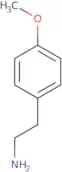
CAS:Producto controlado4-Methoxy phenethylamine (4MPEA) is a natural compound that has been found to have biological properties. It is a precursor of dopamine and norepinephrine, which are neurotransmitters in the brain. 4MPEA is an irreversible enzyme inhibitor with a hydroxyl group. The kinetic data for this compound has been determined by nitrogen atoms. Gamma-aminobutyric acid (GABA) is involved in the regulation of neuronal excitability and plays an important role in preventing seizures. 4MPEA may have potential as a drug for treating epilepsy or other neurological disorders.Fórmula:C9H13NOPureza:Min. 95%Peso molecular:151.21 g/mol4-Methoxyphenylacetylene
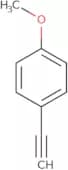
CAS:4-Methoxyphenylacetylene is a phosphane that has been extensively studied for its reactivity in cross-coupling reactions with electron-deficient olefins. 4-Methoxyphenylacetylene has been shown to react with chlorides and form an intermediate chloride, which reacts with an olefin to form an ether. X-ray crystal structures of the reaction mechanism have been determined. The transfer mechanism involves nucleophilic attack of chloride on the phosphorus atom followed by elimination of hydrogen chloride from the phosphorus. The reaction product is an ether.Fórmula:C9H8OPureza:Min. 95%Forma y color:White Clear LiquidPeso molecular:132.16 g/mol3-(4-Methoxyphenyl)pyrazole
CAS:3-(4-Methoxyphenyl)pyrazole is a fungicide that belongs to the group of nitrophenol derivatives. It inhibits the growth of plant pathogenic fungi by inhibiting the synthesis of proteins and nucleic acids. 3-(4-Methoxyphenyl)pyrazole has an inhibitory effect on seed germination and germination, as well as on hydroxymethylation reactions in fungal mycelia. 3-(4-Methoxyphenyl)pyrazole also has bactericidal properties and can be used for controlling bacteria in water systems.
Fórmula:C10H10N2OPureza:Min. 95%Peso molecular:174.2 g/mol5-Ethoxy-2-mercaptobenzimidazole
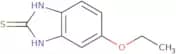
CAS:5-Ethoxy-2-mercaptobenzimidazole is a corrosion inhibitor that has been shown to inhibit the growth of cancer cells by causing them to undergo apoptotic cell death. It also has a protective effect on nerve cells, as evidenced by its ability to prevent the neurotoxic effects of hydrochloric acid. 5-Ethoxy-2-mercaptobenzimidazole is synthesized from 2-(2'-hydroxyethoxy)benzaldehyde and ethyl chloroformate in the presence of sodium chloride and hydrochloric acid. It is then converted into 5-ethoxy-2-mercaptobenzimidazole with sodium hydroxide.Fórmula:C9H10N2OSPureza:Min. 95%Forma y color:PowderPeso molecular:194.25 g/mol1-(4-Amino-6,7-dimethoxy-2-quinazolinyl)-4-[(tetrahydro-2-furanyl)carbonxyl]piperazine hydrochloride
CAS:Terazosin HCL dehydrate is an inhibitor of alpha-1 adrenergic receptors. This results in vasodilation followed by a reduction in urethral resistance, venous return to the heart and peripheral vascular resistance. In particular Terazosin HCL hydrate’s ability to recover urine flow and alleviate symptoms in patients with benign prostatic hyperplasia is of benefit to the therapeutic and clinical industries.Fórmula:C19H26ClN5O4Pureza:Min. 95%Peso molecular:423.89 g/mol2-Methoxy-5-methylsulfonylbenzoicacid
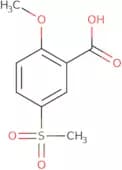
CAS:2-Methoxy-5-methylsulfonylbenzoic acid is an organic compound that can be used as a pharmaceutical intermediate. It has been used to synthesize diagnostic agents and drugs such as isradipine and sarpogrelate hydrochloride. 2-Methoxy-5-methylsulfonylbenzoic acid is also used as an intermediate in the synthesis of bortezomib, a drug that inhibits the proteasome. This product contains impurities that may interfere with its use as a pharmaceutical preparation. The flow rate of this product is sensitive to changes in temperature and pressure.Fórmula:C9H10O5SPureza:Min. 95%Peso molecular:230.24 g/molN-(tert-Butoxycarbonyl)glycine N'-methoxy-N'-methylamide
CAS:Please enquire for more information about N-(tert-Butoxycarbonyl)glycine N'-methoxy-N'-methylamide including the price, delivery time and more detailed product information at the technical inquiry form on this pageFórmula:C9H18N2O4Pureza:Min. 95%Peso molecular:218.25 g/mol(2S,3S)-5-[2-(Dimethylamino)ethyl]-3-hydroxy-2-(4-methoxyphenyl)-2,3-dihydro-1,5-benzothiazepin-4-one hydrochloride
CAS:(2S,3S)-5-[2-(Dimethylamino)ethyl]-3-hydroxy-2-(4-methoxyphenyl)-2,3-dihydro-1,5-benzothiazepin-4-one hydrochloride is a racemic mixture of two enantiomers. It is a prodrug that is hydrolyzed to its active form, diltiazem. The drug has been shown to be effective in the treatment of hypertension and angina pectoris. (2S,3S)-5-[2-(Dimethylamino)ethyl]-3-hydroxy-2-(4-methoxyphenyl)-2,3-dihydro-1,5-benzothiazepin-4-one hydrochloride has been shown to inhibit the activity of the enzyme phosphodiesterase which breaks down cyclic AMP. This inhibition results in an increase in levels ofFórmula:C20H24N2O3S·HClPureza:Min. 95%Peso molecular:408.94 g/mol4-Methoxy-N-methylbenzylamine
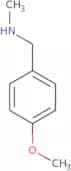
CAS:4-Methoxy-N-methylbenzylamine is a synthesized compound that is structurally similar to piperazine. It has been synthesized using the Chloramine T method and has been shown to be active as an amine receptor ligand. This molecule binds to the amine receptor site of the GABAA receptor with high affinity, inhibiting chloride ion flow. The functional groups on this molecule are likely responsible for its binding activity. 4-Methoxy-N-methylbenzylamine may be useful in the treatment of scopolamine-induced amnesia, due to its ability to bind to specific receptors in the brain.Fórmula:C9H13NOPureza:Min. 95%Forma y color:Clear LiquidPeso molecular:151.21 g/molDesmethoxy ranolazine
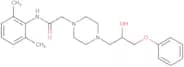
CAS:Please enquire for more information about Desmethoxy ranolazine including the price, delivery time and more detailed product information at the technical inquiry form on this pageFórmula:C23H31N3O3Pureza:Min. 95%Peso molecular:397.51 g/mol1-[2-(5-Methoxy-1H-indol-3-yl)ethyl]-5-oxopyrrolidine-3-carboxylic acid
CAS:Producto controladoPlease enquire for more information about 1-[2-(5-Methoxy-1H-indol-3-yl)ethyl]-5-oxopyrrolidine-3-carboxylic acid including the price, delivery time and more detailed product information at the technical inquiry form on this pageFórmula:C16H18N2O4Pureza:Min. 95%Peso molecular:302.33 g/mol7-[(4Methoxyphenyl)methyl]-5-methyl-2H-pyrazolo[3,4-d]pyrimidine-4,6(5H,7H)-dione
CAS:Producto controladoPlease enquire for more information about 7-[(4Methoxyphenyl)methyl]-5-methyl-2H-pyrazolo[3,4-d]pyrimidine-4,6(5H,7H)-dione including the price, delivery time and more detailed product information at the technical inquiry form on this pageFórmula:C14H14N4O3Pureza:Min. 95%Peso molecular:286.29 g/mol3-(Chloromethyl)-4-methoxybenzaldehyde
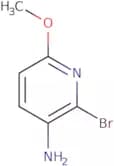
CAS:3-(Chloromethyl)-4-methoxybenzaldehyde is a natural product that can be extracted from the rhizomes of the plant. It has been shown to have antibacterial activity in laboratory experiments and has been used in traditional medicine for the treatment of fungus infections. 3-(Chloromethyl)-4-methoxybenzaldehyde is an imidazolylmethyl derivative with a hexane structure. It reacts with hydrochloric acid to form a molecule called chloromethylation, which is also known as an esterification reaction. Piperazine acts as a catalyst in this reaction, increasing its scalability and making it suitable for large-scale production. The compound exhibits radical scavenging activity, which may be due to its ability to donate electrons or hydrogen atoms to free radicals.Fórmula:C9H9CIO2Pureza:Min. 95%Peso molecular:288.08 g/mol2-Bromo-6-methoxypyridin-3-amine
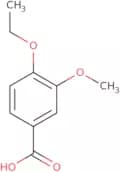
CAS:2-Bromo-6-methoxypyridin-3-amine is a perovskite that has been shown to have a high photoluminescence quantum yield and can be used in solar cells. This compound interacts with both the ligands and the acceptors, boosting the efficiency of these compounds. The 2-bromo-6 methoxypyridin-3 amine is a semiconductor with an electron affinity of 1.9 eV and a band gap of 1.6 eV. It has been shown to be efficient as a photoluminescent material in nanocrystals.Fórmula:C6H7BrN2OPureza:Min. 95%Peso molecular:203.04 g/mol4-Ethoxy-3-methoxybenzoic acid
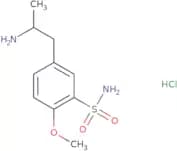
CAS:4-Ethoxy-3-methoxybenzoic acid is a white crystalline solid that belongs to the class of isomers. This compound has been used in biological studies to study the functional theory of bond cleavage, hydroxyl group, and cleavage products. 4-Ethoxy-3-methoxybenzoic acid has also been shown to be a substrate for radical chain reactions, which are initiated by electron transfer from an organic molecule and may produce hydroperoxides or peroxides. The fatty acids found in this chemical react with trichloroacetic acid to form esters and conjugates. These esters are more water soluble than the original fatty acids, making them useful as solvents for organic reactions. 4-Ethoxy-3-methoxybenzoic acid is a precursor for coriolus pigment, which provides coloration for coniferous trees such as pine and spruce.Fórmula:C10H12O4Pureza:Min. 95%Peso molecular:196.2 g/mol3-(4'-Methoxy-3'-sulfonamidophenyl)-2-propylamine, hydrochloride
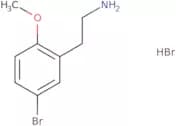
CAS:Producto controladoPlease enquire for more information about 3-(4'-Methoxy-3'-sulfonamidophenyl)-2-propylamine, hydrochloride including the price, delivery time and more detailed product information at the technical inquiry form on this pageFórmula:C10H16N2O3S•HClPureza:Min. 95%Forma y color:PowderPeso molecular:280.77 g/mol5-Bromo-2-methoxyphenethylamine hydrobromide
CAS:Producto controladoPlease enquire for more information about 5-Bromo-2-methoxyphenethylamine hydrobromide including the price, delivery time and more detailed product information at the technical inquiry form on this page
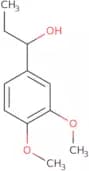
Fórmula:C9H13Br2NOPureza:Min. 95%Peso molecular:311.01 g/mol1-(3',4'-Dimethoxyphenyl)-1-propanol
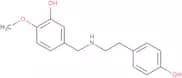
CAS:1-(3’,4’-Dimethoxyphenyl)-1-propanol is a naturally occurring chemical with the molecular formula C10H14O2. It has been found in the bark of Pinus pinaster and the rhizome of Piper auritum. This compound has been shown to have an antiinflammatory effect by inhibiting prostaglandin synthesis. It also inhibits nitrosation reactions and is being studied for its potential as a cancer chemopreventive agent. 1-(3’,4’-Dimethoxyphenyl)-1-propanol is an enantiomer of 2-(3',4'-dimethoxyphenyl)propane-1,3-diol.Fórmula:C11H16O3Pureza:Min. 95%Peso molecular:196.24 g/molN-(p-Hydroxyphenethyl)-N-(3-hydroxy-4-methoxy)benzylamine
CAS:Producto controladoNarciprimine is a natural product with cytotoxic activity and was first isolated from the Narcissus plant. It is a n-oxide that contains a hydroxyphenethyl group, which is substituted by an oxygen function. This compound has been shown to have biological properties and chemical diversity due to its n-oxide structure. Narciprimine has been shown to inhibit the biosynthesis of narciclasine and haemanthamine, which are alkaloids with cytotoxic activities. The protopine moiety has also been found in narciprimin, but is not present in other related compounds such as narciclasine or haemanthamine. Narciprimin belongs to the chemical class of n-oxides, which are derived from nitrosobenzene derivatives.
Fórmula:C16H19NO3Pureza:Min. 95%Forma y color:PowderPeso molecular:273.33 g/mol2,5-Dichloro-4-methoxybenzoic acid
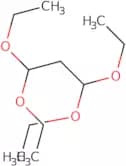
CAS:2,5-Dichloro-4-methoxybenzoic acid is a synthetic herbicide that inhibits the enzyme 5-enolpyruvylshikimate-3-phosphate synthase (EPSPS). This enzyme is necessary for the synthesis of aromatic amino acids. 2,5-Dichloro-4-methoxybenzoic acid is used as a selective herbicide in plants grown in vitro to eliminate weeds. It is also used to control populations of wild plants and grasses. 2,5-Dichloro-4-methoxybenzoic acid has been shown to inhibit the growth of glyphosate resistant weed species by inhibiting EPSPS activity.Pureza:Min. 95%1,1,3,3-Tetraethoxypropane
CAS:1,1,3,3-Tetraethoxypropane is a fatty acid that is produced by the metabolism of plant and animal lipids. It has been used as a food additive to bind water and improve texture in baked goods. It also has shown to have antioxidant properties. In addition, 1,1,3,3-Tetraethoxypropane has been shown to be reactive with human feces and inhibit enzyme activities in infectious diseases. This compound is also an autoimmune disease agent that inhibits physiological activities in humans. The bound form of 1,1,3,3-Tetraethoxypropane can be found in human serum and liver cells.Fórmula:C11H24O4Pureza:Min. 95%Forma y color:Clear LiquidPeso molecular:220.31 g/mol2(2-Ethoxyethoxy)ethanol
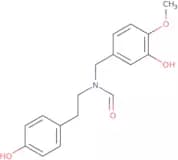
CAS:2(2-Ethoxyethoxy)ethanol is a glycol ether that is used as a substrate film in analytical methods, such as thin layer chromatography. It has been shown to be toxic to the liver and kidney, but not the heart. 2(2-Ethoxyethoxy)ethanol is also an experimental solubility data and can be used to measure the hydrophobic effect of organic compounds. This substance has high values for solubility, which may be due to its glycol ester type. 2(2-Ethoxyethoxy)ethanol does not show toxicity to the heart when administered orally or by inhalation, but does show toxicity to the liver and kidney at high doses.Fórmula:C6H14O3Pureza:Min. 98 Area-%Forma y color:PowderPeso molecular:134.17 g/molN-(p-Hydroxyphenethyl)-N-(3-hydroxy-4-methoxybenzyl)formamide
CAS:Producto controladoPlease enquire for more information about N-(p-Hydroxyphenethyl)-N-(3-hydroxy-4-methoxybenzyl)formamide including the price, delivery time and more detailed product information at the technical inquiry form on this page
Fórmula:C17H19NO4Pureza:Min. 95%Peso molecular:301.34 g/mol2,3,3-Trimethyl 5-methoxy indolenine
CAS:2,3,3-Trimethyl 5-methoxy indolenine (TMMI) is a fluorescent probe that has been used in photodynamic therapy. TMMI is chemically stable and has an unsymmetrical heterocycle with optical properties that allow it to be excited by green light at wavelengths of 540 nm. TMMI can be used to image hypoxic regions of the brain. This molecule has also been used as an enhancement agent for neovascularization and angiography. TMMI can be synthesized using mesoporous silica nanoparticles and halogens such as chlorine or bromine.Fórmula:C12H15NOPureza:Min. 95%Peso molecular:189.25 g/mol3-Methoxybenzyl bromide
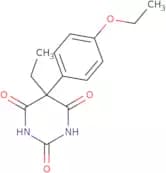
CAS:3-Methoxybenzyl bromide is a synthetic molecule that belongs to the group of amides. It is used as an intermediate in organic synthesis for the introduction of ether linkages and can be used to produce other molecules with inhibitory activities. 3-Methoxybenzyl bromide has been shown to be effective against Sarpogrelate hydrochloride, which is a drug used for the treatment of hypertension. This chemical inhibits the enzyme that produces superoxide radicals and has been shown to have therapeutic effects in patients with arterial hypertension. 3-Methoxybenzyl bromide also has a nucleophilic function and can react with halides such as chlorine or bromine to form 2,5-dimethoxybenzoic acid.Fórmula:C8H9BrOPureza:Min. 95%Forma y color:LiquidPeso molecular:201.06 g/mol5-(4-Ethoxyphenyl)-5-ethylbarbituric acid
CAS:Producto controladoPlease enquire for more information about 5-(4-Ethoxyphenyl)-5-ethylbarbituric acid including the price, delivery time and more detailed product information at the technical inquiry form on this pageFórmula:C14H16N2O4Pureza:Min. 95%Peso molecular:276.29 g/mol4-Methoxybenzyl chloride - stabilised with potassium carbonate
CAS:4-Methoxybenzyl chloride is a chemotherapeutic agent that inhibits the binding of inhibitor molecules to their target proteins. It has been shown to inhibit the binding of uridine and methanol solvent to their targets, which are enzymes in the synthesis of nucleic acids. The inhibition of these enzymes prevents DNA replication and protein synthesis, leading to cell death. 4-Methoxybenzyl chloride has been found to be effective in treating autoimmune diseases and solid tumours, as well as being an antimicrobial treatment for microbial infections. 4-Methoxybenzyl chloride is also used in chemical syntheses for its ability to undergo cationic polymerization and asymmetric synthesis.Fórmula:C8H9ClOPureza:Min. 95%Forma y color:Colorless Clear LiquidPeso molecular:156.61 g/mol

![Bis[2-(2-chloroethoxy)ethyl] Ether](/_next/image/?url=https%3A%2Fstatic.cymitquimica.com%2Fproducts%2FTR%2Fthumb-webp%2FB418530.webp&w=3840&q=75)
![2-[(Ethoxycarbonyl)oxy]-acetic Acid](/_next/image/?url=https%3A%2Fstatic.cymitquimica.com%2Fproducts%2FTR%2Fthumb-webp%2FE895095.webp&w=3840&q=75)

![5-[2-(Trifluoromethoxy)phenyl]-2-furancarboxylic Acid](/_next/image/?url=https%3A%2Fstatic.cymitquimica.com%2Fproducts%2FTR%2Fthumb-webp%2FT790925.webp&w=3840&q=75)
![(3R,4S,5R)-5-[(1R)-1-Carboxy-1-phosphonoethoxy]-4-hydroxy-3-(phosphonooxy)-1-cyclohexene-1-carboxy…](/_next/image/?url=https%3A%2Fstatic.cymitquimica.com%2Fproducts%2FTR%2Fthumb-webp%2FC176470.webp&w=3840&q=75)
![2-[(Oxolan-2-yl)methoxy]ethan-1-ol](/_next/image/?url=https%3A%2Fstatic.cymitquimica.com%2Fproducts%2FTR%2Fthumb-webp%2FO991245.webp&w=3840&q=75)

![(alphaR,gammaR)-γ-[[(1,1-Dimethylethoxy)carbonyl]amino]-α-methyl-[1,1'-biphenyl]-4-…](/_next/image/?url=https%3A%2Fstatic.cymitquimica.com%2Fproducts%2FTR%2Fthumb-webp%2FD473805.webp&w=3840&q=75)
![[3-(Ethoxycarbonyl)propyl]triphenylphosphonium Bromide](/_next/image/?url=https%3A%2Fstatic.cymitquimica.com%2Fproducts%2FTR%2Fthumb-webp%2FE700070.webp&w=3840&q=75)

![(1R,2R)-1-[(3,4-dimethoxyphenyl)methyl]-1,2,3,4-tetrahydro-6,7-dimethoxy-2-(3-me…](/_next/image/?url=https%3A%2Fstatic.cymitquimica.com%2Fproducts%2FTR%2Fthumb-webp%2FB535628.webp&w=3840&q=75)
![[4-(Difluoromethoxy)phenyl]hydrazine](/_next/image/?url=https%3A%2Fstatic.cymitquimica.com%2Fproducts%2FTR%2Fthumb-webp%2FD447280.webp&w=3840&q=75)
![3-Ethoxyspiro[3.5]nonan-1-amine](/_next/image/?url=https%3A%2Fstatic.cymitquimica.com%2Fproducts%2FTR%2Fthumb-webp%2FE676988.webp&w=3840&q=75)
![Methoxy4-[[(1,1-dimethylethyl)dimethylsilyl]oxy]-3-benzenemethanol](/_next/image/?url=https%3A%2Fstatic.cymitquimica.com%2Fproducts%2FTR%2Fthumb-webp%2FM269715.webp&w=3840&q=75)
![2-[2-[2-(2-Propynyloxy)ethoxy]ethoxy]ethanol](/_next/image/?url=https%3A%2Fstatic.cymitquimica.com%2Fproducts%2FTR%2Fthumb-webp%2FP838465.webp&w=3840&q=75)




![6-(Methoxycarbonyl)spiro[3.3]heptane-2-carboxylic acid](/_next/image/?url=https%3A%2Fstatic.cymitquimica.com%2Fproducts%2F3D%2Fthumb-webp%2FFM161396.webp&w=3840&q=75)
![[2-(4-methoxyphenyl)ethyl]methylamine](/_next/image/?url=https%3A%2Fstatic.cymitquimica.com%2Fproducts%2F3D%2Fthumb-webp%2FFM51362.webp&w=3840&q=75)


![(2-{2-[2-(2-Aminoethyl)-4,5-dimethoxybenzyl]-4,5-dimethoxyphenyl}ethyl)amine dihydrochloride](/_next/image/?url=https%3A%2Fstatic.cymitquimica.com%2Fproducts%2F3D%2Fthumb-webp%2FFA135464.webp&w=3840&q=75)


![1-(4-Amino-6,7-dimethoxy-2-quinazolinyl)-4-[(tetrahydro-2-furanyl)carbonxyl]piperazine hydrochlori…](/_next/image/?url=https%3A%2Fstatic.cymitquimica.com%2Fproducts%2F3D%2Fthumb-webp%2FFA28036.webp&w=3840&q=75)

![(2S,3S)-5-[2-(Dimethylamino)ethyl]-3-hydroxy-2-(4-methoxyphenyl)-2,3-dihydro-1,5-benzothiazepin-4-…](/_next/image/?url=https%3A%2Fstatic.cymitquimica.com%2Fproducts%2F3D%2Fthumb-webp%2FFD45531.webp&w=3840&q=75)
![1-[2-(5-Methoxy-1H-indol-3-yl)ethyl]-5-oxopyrrolidine-3-carboxylic acid](/_next/image/?url=https%3A%2Fstatic.cymitquimica.com%2Fproducts%2F3D%2Fthumb-webp%2FFM119445.webp&w=3840&q=75)
![7-[(4Methoxyphenyl)methyl]-5-methyl-2H-pyrazolo[3,4-d]pyrimidine-4,6(5H,7H)-dione](/_next/image/?url=https%3A%2Fstatic.cymitquimica.com%2Fproducts%2F3D%2Fthumb-webp%2FFM168534.webp&w=3840&q=75)