Éteres
Se han encontrado 40904 productos de "Éteres"
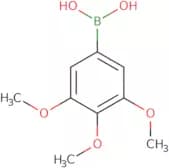
(3,4,5-Trimethoxyphenyl)boronic acid
CAS:(3,4,5-Trimethoxyphenyl)boronic acid is an active analogue of 3,4,5-trimethoxybenzoic acid. It has potent anti-inflammatory properties and inhibits cancer cell proliferation. (3,4,5-Trimethoxyphenyl)boronic acid has been shown to inhibit the growth of cancer cells in vitro by binding to the gyrase enzyme. This drug also has biological properties that may be useful for treating human liver diseases such as hepatic steatosis or nonalcoholic fatty liver disease (NAFLD).Fórmula:C9H13BO5Pureza:Min. 95 Area-%Forma y color:PowderPeso molecular:212.01 g/mol(3,5-Dimethoxyphenyl)acetone
CAS:(3,5-Dimethoxyphenyl)acetone is a plant phenolic compound that has been found in many plants. It is an intermediate in the biosynthesis of lignans and a wide range of other natural products. The production of (3,5-dimethoxyphenyl)acetone by plants is induced by the presence of nitrate, chloride and/or tyrosol. This compound also represses the expression of genes involved in dextrose metabolism and carbon fixation pathways. Furthermore, it can be quantified using isotopic labelling techniques and has been detected at low levels in human urine samples.
Fórmula:C11H14O3Pureza:Min. 95%Forma y color:Yellow Clear LiquidPeso molecular:194.23 g/mol4-Chloro-3-methoxybenzoic acid methyl ester
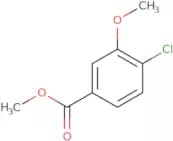
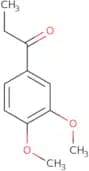
CAS:4-Chloro-3-methoxybenzoic acid methyl ester is a chemical compound that is used as a reagent in organic synthesis. It can be used to produce high quality research chemicals, speciality chemicals, and fine chemicals. This compound has a wide variety of uses because it is versatile and can be used as a reaction component or building block. Its CAS number is 116022-18-5.Fórmula:C9H9ClO3Pureza:Min. 95%Forma y color:SolidPeso molecular:200.62 g/mol3,4-Dimethoxypropiophenone
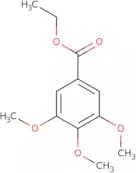
CAS:3,4-Dimethoxypropiophenone is a superacidic electrophile that is oxidized to produce oxidation products. It can be used in the manufacture of dyes and pharmaceuticals. The reaction mechanism for this compound starts with an electrophilic attack by one of the two carbonyl groups on a double bond in the propiophenone molecule. This produces an enol intermediate, which undergoes stepwise oxidation to form a carbonyl group, chloride ion, and acid catalyst. The acid catalyst can be recycled to reduce production costs. 3,4-Dimethoxypropiophenone also has stereoisomers that are chemically identical but have different three-dimensional shapes.Fórmula:C11H14O3Pureza:Min. 95%Forma y color:PowderPeso molecular:194.23 g/molEthyl 3,4,5-trimethoxybenzoate
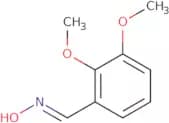
CAS:Ethyl 3,4,5-trimethoxybenzoate is a synthetic chemical that is used as a precursor in the synthesis of quinoxalines. Ethyl 3,4,5-trimethoxybenzoate has been shown to have antiviral properties against human immunodeficiency virus and leishmania. It also has potent inhibitory activity against heterocyclic amines and t. rubrum.Fórmula:C12H16O5Pureza:Min. 95%Forma y color:White To Grey SolidPeso molecular:240.25 g/mol2,3-Dimethoxybenzaldoxime
CAS:2,3-Dimethoxybenzaldoxime is an oxime that can be used as a chlorinating agent in organic synthesis. It has been shown to be a good catalyst for the Suzuki coupling of chlorides and boronic acids and for the Miyaura coupling of alkenes and halides. 2,3-Dimethoxybenzaldoxime also reacts with alkenes to form dimers. This reaction is catalyzed by a palladium complex, which may be due to its ability to activate the alkene by oxidative addition or reductive elimination.Fórmula:C9H11NO3Pureza:Min. 95%Forma y color:PowderPeso molecular:181.19 g/mol1,2-Bis(2-mercaptoethoxy)ethane
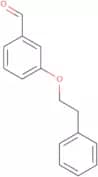
CAS:1,2-Bis(2-mercaptoethoxy)ethane is a functional chemical that belongs to the group of trifluoroacetic acid. It is a liquid that has a viscosity of 0.056 centipoise at 20 degrees Celsius and has primary amino groups in the molecule. The chemical can be used as a polymerization initiator in solid-phase synthesis or as an additive in cell culture media. 1,2-Bis(2-mercaptoethoxy)ethane reacts with 3-mercaptopropionic acid to form ring structures with two disulfide bonds. This reaction mechanism is shown below: The reactive chemical can also be used as a reagent for the formation of benzyl groups from benzal chloride and methylene blue, which are commonly used in the synthesis of carcinoma cell lines and maldi-tof mass spectrometry.Fórmula:C6H14O2S2Pureza:Min. 95%Forma y color:Colorless Clear LiquidPeso molecular:182.31 g/mol3-(2-Phenylethoxy)benzaldehyde
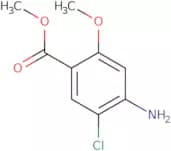
CAS:3-(2-Phenylethoxy)benzaldehyde is a benzaldehyde derivative with an ether group at the 3-position. It is used as a building block for the synthesis of organic compounds and as a reaction component in the preparation of research chemicals, speciality chemicals, and complex compounds. This compound has been shown to have high purity and to be a versatile building block for the synthesis of pharmaceuticals, agrochemicals, and other fine chemicals.Fórmula:C15H14O2Pureza:Min. 95%Forma y color:PowderPeso molecular:226.27 g/molMethyl 4-amino-5-chloro-2-methoxybenzoate
CAS:Methyl 4-amino-5-chloro-2-methoxybenzoate is an organic compound with the chemical formula CH3C6H4(OCH3)2Cl. It is a useful building block, reagent, and speciality chemical. This compound can be used as a versatile building block for the synthesis of complex compounds. Methyl 4-amino-5-chloro-2-methoxybenzoate can also be used as a reaction component or a useful intermediate.
Fórmula:C9H10ClNO3Pureza:Min. 95%Forma y color:PowderPeso molecular:215.63 g/mol4-Methoxy-2-(trifluoromethyl)aniline
CAS:4-Methoxy-2-(trifluoromethyl)aniline is a chemical compound that is used as a research chemical, reagent, and speciality chemical. It is a versatile building block that can be used in reactions to produce complex compounds. 4-Methoxy-2-(trifluoromethyl)aniline has been identified by the Chemical Abstracts Service (CAS) as having high quality and is useful for preparing fine chemicals. This substance also has uses in the field of medicinal chemistry and can be used as a scaffold for pharmaceutical products.Fórmula:C8H8F3NOPureza:Min. 95%Forma y color:Clear LiquidPeso molecular:191.15 g/mol2-(R)-[1-(R)-(3,5-Bis(trifluoromethyl)phenyl)ethoxy]-3-(S)-fluorophenylmorpholine
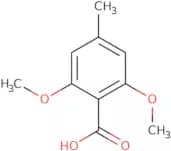
CAS:2-(R)-[1-(R)-(3,5-Bis(trifluoromethyl)phenyl)ethoxy]-3-(S)-fluorophenylmorpholine is a fine chemical with high quality. It has been used as a versatile building block in organic synthesis. 2-(R)-[1-(R)-(3,5-Bis(trifluoromethyl)phenyl)ethoxy]-3-(S)-fluorophenylmorpholine is a useful scaffold and can be used as a reaction component in the synthesis of other compounds. This compound is also an intermediate for the preparation of more complex compounds. CAS No. 171338-27-5Fórmula:C20H18F7NO2Pureza:Min. 95%Forma y color:Yellow PowderPeso molecular:437.35 g/mol2,6-Dimethoxy-4-methylbenzoic acid
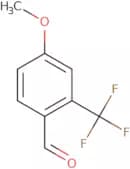
CAS:2,6-Dimethoxy-4-methylbenzoic acid is a carboxylic acid that is used as an intermediate in the production of lithium.Fórmula:C10H12O4Pureza:Min. 95%Forma y color:PowderPeso molecular:196.2 g/mol4-Methoxy-2-(trifluoromethyl)benzaldehyde
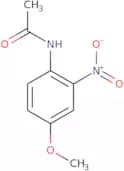
CAS:4-Methoxy-2-(trifluoromethyl)benzaldehyde is a chemical that has been used in the synthesis of a variety of compounds. It is an important intermediate for the production of pharmaceuticals, agrochemicals, and fine chemicals. This compound can be used as a building block to produce other organic compounds with high quality. 4-Methoxy-2-(trifluoromethyl)benzaldehyde can also be used as a reagent in organic chemistry reactions, such as the synthesis of indoles. The CAS number for this compound is 106312-36-1.Fórmula:C9H7F3O2Pureza:Min. 95%Forma y color:PowderPeso molecular:204.15 g/mol4-Methoxy-2-nitroacetanilide
CAS:4-Methoxy-2-nitroacetanilide is a byproduct of the manufacture of 4-methoxyacetanilide, which is used in the production of analgesics. It has been shown to be an environmental pollutant that is toxic to animals and plants. The toxicity of 4-methoxy-2-nitroacetanilide is due to its ability to react with amines and form nitrosamines. The rate of acetylation is determined by the kinetics of the reaction, while substituent effects on the molecule determine its reactivity as an electrophile.Fórmula:C9H10N2O4Pureza:Min. 95%Forma y color:PowderPeso molecular:210.19 g/molNelotanserin
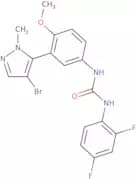
CAS:1-[3-(4-Bromo-1-methyl-1H-pyrazol-5-yl)-4-methoxyphenyl]-3-(2,4-difluorophenyl)urea is the active ingredient in a drug that is used to treat chronic schizophrenia. It has been shown to have both antipsychotic and antidepressant properties. The drug works by blocking the 5HT2A receptor, which inhibits the effects of serotonin on heterocyclic amines at the postsynaptic membrane. This causes hyperpolarization of the membrane, which blocks neurotransmitter release and prevents further transmission of signals. It also blocks the H1 receptor, which decreases histamine release and reduces inflammation in the brain.Fórmula:C18H15BrF2N4O2Pureza:Min. 95%Forma y color:PowderPeso molecular:437.24 g/mol5-Fluoro-4-hydroxy-2-methoxypyrimidine
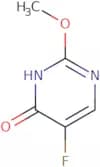
CAS:5-Fluoro-4-hydroxy-2-methoxypyrimidine (5FMMP) is a chemical intermediate that is used in the synthesis of various pharmaceuticals, including antibiotics. It can be obtained by reacting phosphorus oxychloride with activated 2-methoxybenzaldehyde. This chemical intermediate is highly reactive and has been shown to be virulent against some strains of bacteria, such as E. coli and Proteus mirabilis. 5FMMP binds to the bacterial cell wall using its primary amine group, which prevents the formation of an antibiotic-inhibitor complex with the enzyme cell wall synthesis that is required for cell wall biosynthesis, inhibiting protein synthesis and cell division. The chlorinating reaction between 5FMMP and sodium hypochlorite results in hydrochloric acid generation. This chemical intermediate can also be synthesized from recycled chemicals such as ethyl chloride or chloroform.Fórmula:C5H5FN2O2Pureza:Min. 95%Forma y color:PowderPeso molecular:144.1 g/molMethyl 2-hydroxy-5-methoxybenzoate
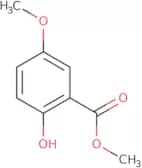
CAS:Methyl 2-hydroxy-5-methoxybenzoate is a carbonyl compound that has the chemical formula CH3OOC(OH)CH2COOH. It has fluorescence properties and can be used to make other compounds by intramolecular hydrogen transfer, photophysical, and preparative methods. Methyl 2-hydroxy-5-methoxybenzoate is used in the production of salicylic acid and its derivatives. This compound is also used as a precursor for other organic compounds. Methyl 2-hydroxy-5-methoxybenzoate can be prepared by the reaction of methanol with methyl chloroacetate in diethyl ether or oxygen gas. The yields are about 80%.Fórmula:C9H10O4Pureza:Min. 90%Forma y color:Clear LiquidPeso molecular:182.17 g/mol1-(3,4,5-Trimethoxyphenyl)-2-nitropropene
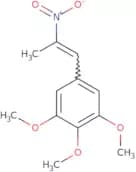
CAS:1-(3,4,5-Trimethoxyphenyl)-2-nitropropene is a high quality chemical that is a reagent and useful intermediate. It has been shown to be a useful scaffold for the synthesis of various compounds and as a building block for the synthesis of speciality chemicals. This compound can be used in research and as a versatile building block in organic chemistry.
Fórmula:C12H15NO5Pureza:Min. 97 Area-%Forma y color:PowderPeso molecular:253.25 g/mol2-Methoxyhydroquinone
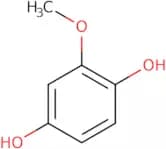
CAS:2-Methoxyhydroquinone is a reactive phenolic compound that is used as an antioxidant in nutrient solutions. The compound reacts with a hydroxyl group to form 2,2-bis(4-hydroxyphenyl)propane through the addition of hydrogen bonds. It is also used for wastewater treatment and in radiation-induced polymerization reactions. 2-Methoxyhydroquinone can react with alcohol residues on proteins to form p-hydroxybenzoic acid esters. In addition, this compound has been shown to be an excellent enzyme substrate, which may result from its ability to undergo hydrogen bonding interactions with the enzyme active site.
Fórmula:C7H8O3Forma y color:PowderPeso molecular:140.14 g/mol4-Fluoro-2-methoxybenzoic acid
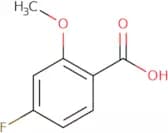
CAS:4-Fluoro-2-methoxybenzoic acid is a versatile building block that is used in the synthesis of many complex compounds. It is a reagent, which means it can be used as an intermediate in the synthesis of other compounds. 4-Fluoro-2-methoxybenzoic acid is also a useful scaffold for the preparation of new chemical entities with specific pharmaceutical properties. The CAS number for this compound is 395-82-4.Fórmula:C8H7FO3Pureza:Min. 95%Forma y color:PowderPeso molecular:170.14 g/mol2,3-Difluoro-4-methoxybenzonitrile
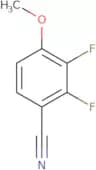
CAS:2,3-Difluoro-4-methoxybenzonitrile is a high quality chemical that can be used as a building block for the synthesis of more complex compounds. The compound has been shown to have useful intermediate properties and is often used in research. It is also a versatile scaffold that has been used to create many different types of chemical compounds. 2,3-Difluoro-4-methoxybenzonitrile can be used in the production of speciality chemicals and reaction components. It is not regulated by the Chemical Weapons Convention or other international treaties, making it an attractive reagent for those who are interested in purchasing this product.Fórmula:C8H5F2NOPureza:Min. 95%Forma y color:PowderPeso molecular:169.13 g/mol4-Methoxy-2,3,5-trifluorobenzoic acid
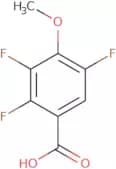
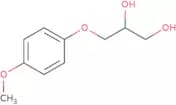
CAS:4-Methoxy-2,3,5-trifluorobenzoic acid is a versatile building block that can be used in the synthesis of complex compounds. It is a high quality chemical that can be used as a reagent or speciality chemical in research. This compound has been shown to have many uses including as an intermediate for the synthesis of other chemicals and as a reaction component. 4-Methoxy-2,3,5-trifluorobenzoic acid can also be used as an important scaffold in the design of new drugs.Fórmula:C8H5F3O3Pureza:Min. 95%Forma y color:White PowderPeso molecular:206.12 g/mol3-(4-Methoxyphenoxy)-1,2-propanediol
CAS:3-(4-Methoxyphenoxy)-1,2-propanediol is a chiral molecule that can be found in various products. It has been used in the synthesis of a variety of drugs and other organic compounds. 3-(4-Methoxyphenoxy)-1,2-propanediol is an intermediate for the synthesis of natural products such as benzofuran and benzothiophene. This compound is also used as a reagent in the asymmetric dihydroxylation of epoxides. The rate at which this reaction proceeds depends on the kinetic parameters, such as the concentration of reactant and transition state analogues, and on the reaction conditions, such as temperature and pH. The product of this reaction is an epoxide hydrolase inhibitor with a reactive anion that can be used to synthesize pharmaceuticals.
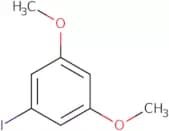
Fórmula:C10H14O4Pureza:Min. 95%Forma y color:White PowderPeso molecular:198.22 g/mol3,5-Dimethoxyiodobenzene
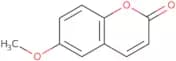
CAS:3,5-Dimethoxyiodobenzene is an organic molecule that is structurally similar to biphenyl. It has been shown to inhibit the growth of cancer cells by flipping the mcf-7 protein and cross-coupling with pterostilbene. 3,5-Dimethoxyiodobenzene can be used as a substitute for biphenyl in some reactions because it has a similar structure but does not have halogen groups. 3,5-Dimethoxyiodobenzene also inhibits the production of chloride ions in bacteria and causes accumulation of phosphane, which is an enzyme inhibitor. This compound has also been shown to act as a stereoselective inhibitor of enzymes that catalyze the synthesis of phytoalexins, which are plant secondary metabolites produced under biotic stress conditions (e.g., bacterial infection).Fórmula:C8H9IO2Pureza:Min. 95%Forma y color:Light Brown To Brown SolidPeso molecular:264.06 g/mol6-Methoxycoumarin
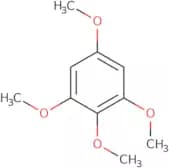
CAS:6-Methoxycoumarin is a potent inhibitor drug that inhibits the activity of monoamine oxidase (MAO). It has been shown to have anti-feedant properties in laboratory experiments and is used as an antifeedant. 6-Methoxycoumarin also fluoresces under ultraviolet light, which can be used to identify its presence in a solution. 6-Methoxycoumarin is a derivative of coumarin and has the same skeleton with two methoxy groups attached. The compound can be identified by its chemical structure and predictable fluorescence properties. 6-Methoxycoumarin has been shown to bind to amines, which are organic compounds containing nitrogen, on the chromatographic column, allowing for easy detection.Fórmula:C10H8O3Pureza:Min. 95%Forma y color:PowderPeso molecular:176.17 g/mol1,2,3,5-Tetramethoxybenzene
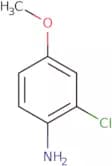
CAS:Producto controlado1,2,3,5-Tetramethoxybenzene is a tannin that belongs to the class of arenes. It can be synthesized by Friedel-Crafts acylation of benzene with an acyl chloride in the presence of aluminum chloride. This reaction produces 1,2,3,5-tetramethoxybenzene and triketone as byproducts. The synthetic pathway for this compound is based on techniques such as irradiation and thermally induced rearrangement. The oxidized form has a redox potential of -0.6 V vs NHE (normal hydrogen electrode). Methoxy groups on the aromatic ring increase the electron affinity and lower the redox potential.Fórmula:C10H14O4Pureza:Min. 95%Forma y color:White PowderPeso molecular:198.22 g/mol2-Chloro-4-methoxyaniline
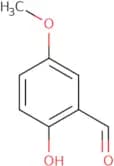
CAS:2-Chloro-4-methoxyaniline is a primary amine that has been used in the synthesis of polychlorinated and chlorinated amines. It is an important precursor for the manufacture of herbicides, insecticides, and pharmaceuticals. 2-Chloro-4-methoxyaniline reacts with hydrogen chloride to form chloroacetanilide, which can be hydrolysed to aniline. This reaction proceeds at room temperature and does not require catalysts. The reactivity of this compound is due to its nucleophilic substitutions in the presence of ketocarboxylic acids or vinyl ethers. 2-Chloro-4-methoxyaniline has also been used as a dehydrating reagent in organic synthesis reactions.br>br> 2-Chloro-4-methoxyaniline is highly reactive because it contains two primary amines (NH2) thatFórmula:C7H8ClNOPureza:Min. 95%Peso molecular:157.6 g/mol2-Hydroxy-5-methoxybenzaldehyde
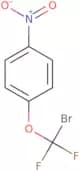
CAS:2-Hydroxy-5-methoxybenzaldehyde is a colorless, water-soluble liquid that has been used as a chemical intermediate in the synthesis of pharmaceuticals. It is also an antiinflammatory agent that inhibits acetylcholinesterase. 2-Hydroxy-5-methoxybenzaldehyde binds to copper ions by means of hydrogen bonding interactions and forms stable complexes with nitrogen atoms such as amides, nitriles, and hydrazones. 2HMB has been shown to have antiinflammatory activity in animal studies. This compound has a redox potential of -0.8 V, which indicates it can be oxidized by strong oxidizing agents or reduced by strong reducing agents.Fórmula:C8H8O3Pureza:Min. 95%Forma y color:Colorless Clear LiquidPeso molecular:152.15 g/mol4-(Bromodifluoromethoxy)nitrobenzene
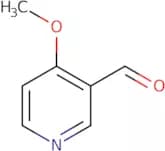
CAS:4-(Bromodifluoromethoxy)Nitrobenzene is a versatile building block that can be used to synthesize a wide variety of organic and inorganic compounds. It is a brominated derivative of nitrobenzene, which is useful for the synthesis of complex compounds and research chemicals. 4-(Bromodifluoromethoxy)Nitrobenzene is also an intermediate for the synthesis of pharmaceuticals and other valuable chemical compounds. This compound has been shown to provide high quality results in reactions with other molecules. 4-(Bromodifluoromethoxy)Nitrobenzene can be used as a scaffold for the construction of more complex molecules.Fórmula:C7H4BrF2NO3Pureza:Min. 95%Forma y color:LiquidPeso molecular:268.01 g/mol3-Formyl-4-methoxypyridine
CAS:3-Formyl-4-methoxypyridine is a synthetic compound that belongs to the group of pyrimidine ring compounds. It is synthesized by the reaction of triflic acid with 2,6-dichloropyridine and has been shown to have antiviral and antitumour properties. The compound has also been synthetized as a potential drug for the treatment of malaria. 3-Formyl-4-methoxypyridine is an analog of variolin, which is an alkaloid that can be found in marine organisms such as sponges and tunicates. 3-Formyl-4-methoxypyridine has been shown to inhibit protein synthesis by inhibiting the enzyme RNA polymerase II, which leads to cell death by apoptosis or necrosis.Fórmula:C7H7NO2Pureza:Min. 95%Forma y color:PowderPeso molecular:137.14 g/molMethyl 3,5-diiodo-4-methoxybenzoate
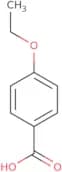
CAS:Please enquire for more information about Methyl 3,5-diiodo-4-methoxybenzoate including the price, delivery time and more detailed product information at the technical inquiry form on this pageFórmula:C9H8I2O3Pureza:Min. 95%Forma y color:PowderPeso molecular:417.97 g/mol4-Ethoxybenzoic acid
CAS:4-Ethoxybenzoic acid is a phenolic compound that has shown significant cytotoxicity. This molecule has been shown to inhibit the production of tyrosinase, an enzyme that catalyzes the oxidation of tyrosine to produce melanin. 4-Ethoxybenzoic acid also inhibits detoxification enzymes such as glutathione transferases and quinone reductase, which may be responsible for its cytotoxicity. 4-Ethoxybenzoic acid is soluble in organic solvents but insoluble in water. It reacts with other compounds to form insoluble polymers. 4-Ethoxybenzoic acid can react with piperonyl butoxide or caproic acid to form p-hydroxybenzoic acid or friedel-crafts reaction products respectively.Fórmula:C9H10O3Pureza:Min. 95%Forma y color:PowderPeso molecular:166.17 g/mol2,4,6-Trimethoxy-3-methylbenzaldehyde
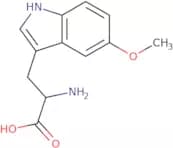
CAS:2,4,6-Trimethoxy-3-methylbenzaldehyde is a flavanone that is structurally related to the drug ciprofloxacin. The two molecules share a common molecular framework with the addition of a hydroxyl group on the 2 position of the benzene ring. In molecular docking studies, 2,4,6-Trimethoxy-3-methylbenzaldehyde has shown antitubercular activity against Mycobacterium tuberculosis and Mycobacterium avium complex. It is also an inhibitor of protein tyrosine phosphatase and has been shown to have antibacterial activity against various strains of bacteria.Fórmula:C11H14O4Pureza:Min. 95%Forma y color:PowderPeso molecular:210.23 g/mol5-Methoxy-DL-tryptophan
CAS:5-Methoxy-DL-tryptophan is a molecule that has been shown to inhibit the formation of osteoclasts by binding to tryptophan. This molecule has also been used in magnetic resonance spectroscopy and fluorescence experiments to study the binding of 5-methoxy-DL-tryptophan with various other molecules. It is an inhibitor of tryptophan decarboxylase, an enzyme that catalyzes the conversion of tryptophan into serotonin, which can be used as a neurotransmitter. The inhibition of this enzyme leads to decreased serotonin levels and reduced production of inflammatory cytokines. This molecule has been shown to have an inhibitory effect on the enzymatic reaction between proline and oxaloacetate, leading to the production of alpha ketoglutarate. This molecule has also been shown to have a binding affinity with lung fibroblasts in vitro and inhibits their growth, suggesting that it may be useful for treating lungFórmula:C12H14N2O3Forma y color:White To Light (Or Pale) Beige SolidPeso molecular:234.25 g/mol(2,4,5-Trimethoxyphenyl)acetone
CAS:Producto controlado(2,4,5-Trimethoxyphenyl)acetone is an organic compound that inhibits the replication of RNA. It was found to inhibit the activity of beta-asarone and inhibit the conversion of asarone to o-benzoquinones in cell cultures. This agent also has genotoxic effects on human liver cells. (2,4,5-Trimethoxyphenyl)acetone binds to 5-hydroxytryptamine receptors and inhibits their activities, which can lead to a decrease in serotonin concentrations. (2,4,5-Trimethoxyphenyl)acetone is a colorless liquid at room temperature with a molecular weight of 174.24 grams/mol.
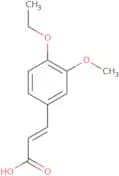
Fórmula:C12H16O4Pureza:Min. 95%Peso molecular:224.25 g/mol4-Ethoxy-3-methoxycinnamic acid
CAS:4-Ethoxy-3-methoxycinnamic acid (4EMC) is a metabolite of propionic acid. It is produced by the fungus Phanerochaete chrysosporium when it is grown on lignocellulose. 4EMC can be cleaved from its ester bond with benzyl alcohol and vanillyl alcohol to produce vanillyl, benzyl, and ethanol. These products are then further metabolized to produce other compounds such as acetaldehyde, acetic acid, and butanol. 4EMC also inhibits the enzyme catalysed that converts propanol to butanol in cultures of P. chrysosporium
Fórmula:C12H14O4Pureza:Min. 95%Forma y color:PowderPeso molecular:222.24 g/mol3-(tert-butyl)-4-((2-hydroxy-3-methoxyphenyl)methylene)-1-phenyl-2-pyrazolin-5-one
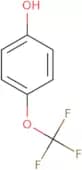
CAS:Please enquire for more information about 3-(tert-butyl)-4-((2-hydroxy-3-methoxyphenyl)methylene)-1-phenyl-2-pyrazolin-5-one including the price, delivery time and more detailed product information at the technical inquiry form on this pagePureza:Min. 95%4-(Trifluoromethoxy)phenol
CAS:4-(Trifluoromethoxy)phenol is an anti-tuberculosis drug. It is a diode that has been shown to have pharmacokinetic properties in rats and mice. 4-(Trifluoromethoxy)phenol has been shown to act as a prodrug, which is activated by conversion to the active form. This active form inhibits the growth of Mycobacterium tuberculosis by binding to the 50S ribosomal subunit and preventing bacterial transcription and replication. The molecular structure of 4-(trifluoromethoxy)phenol is similar to phenoxypropanoid compounds, such as biphenyl, which may be responsible for its anti-tuberculosis effects. 4-(Trifluoromethoxy)phenol also binds DNA at specific sites with high affinity and specificity, inhibiting gene expression and RNA synthesis.Fórmula:C7H5F3O2Pureza:Min. 95%Forma y color:Clear LiquidPeso molecular:178.11 g/mol3-Chloro-1,1-diethoxypropane - Stabilized with CaCO3
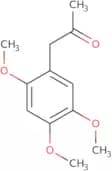
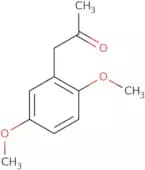
CAS:3-Chloro-1,1-diethoxypropane is a molecule that has been studied for its potential in cancer treatment. It has shown to be toxic to some human cell lines but not others. 3-Chloro-1,1-diethoxypropane has also been shown to be effective at reducing blood pressure and as an antiviral agent against HIV. The molecule is stable in the presence of calcium carbonate and can be administered orally or intravenously.Fórmula:C7H15ClO2Pureza:Min. 90 Area-%Forma y color:Clear LiquidPeso molecular:166.65 g/mol(2,5-Dimethoxyphenyl)acetone
CAS:2,5-Dimethoxyphenyl)acetone is an impure chemical compound that has been used in the synthesis of 4-methoxyamphetamine. 2,5-Dimethoxyphenyl)acetone is a colorless liquid with a sweet odor. It can be purified by passing through a column of activated charcoal and washing with water or alcohol. The purity can be determined by spectrometry or magnetic resonance spectroscopy. The compound's homologues are also available for purchase on our website.
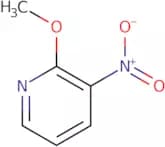
Fórmula:C11H14O3Pureza:Min. 95%Forma y color:Clear LiquidPeso molecular:194.23 g/mol2-Methoxy-3-nitropyridine
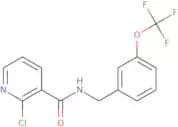
CAS:2-Methoxy-3-nitropyridine is a chemical compound with the molecular formula CHNO. It is classified as an amine and has a molecular weight of 140.24 g/mol. 2-Methoxy-3-nitropyridine is a colorless liquid that can be used to make other compounds, such as nitroarenes, boronic acids, and dyes. The molecule consists of a central carbon atom with four nitrogen atoms at the corners of a tetrahedron. The electron configuration for this molecule is 1s22s22p4. This means that the outer shell electrons are in orbitals with principal quantum numbers s=1 and p=2. These orbitals are located near the middle of the molecule rather than on the periphery as in ethane (CH3CH2). This orientation provides more space for other atoms to attach to the central carbon atom, which increases its affinity for nucleophilic attack. 2-MFórmula:C6H6N2O3Pureza:Min. 95%Forma y color:PowderPeso molecular:154.12 g/mol(2-chloro(3-pyridyl))-N-((3-(trifluoromethoxy)phenyl)methyl)formamide
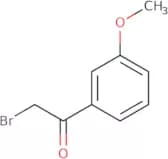
CAS:Please enquire for more information about (2-chloro(3-pyridyl))-N-((3-(trifluoromethoxy)phenyl)methyl)formamide including the price, delivery time and more detailed product information at the technical inquiry form on this pagePureza:Min. 95%2-Bromo-3'-methoxyacetophenone
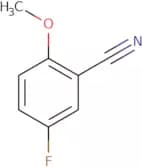
CAS:2-Bromo-3'-methoxyacetophenone is a reactive compound that has been used as an antiplatelet drug. It is a prodrug of vicagrel, which inhibits the platelet aggregation by blocking the conversion of ADP to ATP. It also has been shown to inhibit the growth of cryptococcus neoformans. This compound binds to matrix proteins and disrupts their structure, leading to a decrease in platelet adhesion. 2-Bromo-3'-methoxyacetophenone has been shown to be metabolized through a number of metabolic transformations, including hydrolysis by esterases or glucuronidases, oxidation by cytochrome P450 enzymes, reduction by glutathione reductase, or conjugation with glucuronic acid. The biological properties of this drug are complex and depend on its concentration and duration of exposure. Its effect on platelet aggregation is due to its ability to inhibit the activity of protein kinFórmula:C9H9BrO2Pureza:Min. 95%Peso molecular:229.07 g/mol5-Fluoro-2-methoxybenzonitrile
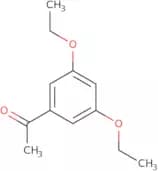
CAS:5-Fluoro-2-methoxybenzonitrile is a fine chemical that has a versatile building block and is used as a reaction component in the synthesis of complex compounds. It is also used as a reagent and research chemical. The compound can be useful for the preparation of high quality pharmaceuticals, pesticides, materials science, and other industries.Fórmula:C8H6FNOPureza:Min. 95%Peso molecular:151.14 g/mol3,5-Diethoxyacetophenone
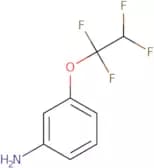
CAS:3,5-Diethoxyacetophenone is a high quality chemical that can be used as a reagent or a useful intermediate. It is also a fine chemical that can be used to produce speciality chemicals with various properties, such as research chemicals and versatile building blocks. 3,5-Diethoxyacetophenone has the CAS number 103604-53-1 and can react with other chemicals to form reaction components.Fórmula:C12H16O3Pureza:Min. 95%Forma y color:PowderPeso molecular:208.25 g/mol3-(1,1,2,2-Tetrafluoroethoxy)aniline
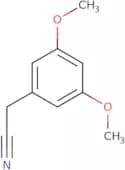
CAS:3-(1,1,2,2-Tetrafluoroethoxy)aniline is a reagent that belongs to the group of complex compounds. It has CAS No. 831-75-4 and is used as an intermediate in the synthesis of fine chemicals, useful scaffolds and building blocks. This versatile chemical can be used as a reaction component for the production of speciality chemicals and research chemicals. 3-(1,1,2,2-Tetrafluoroethoxy)aniline can be used as a starting material for the production of other reagents such as fluoroalkylating agents and fluorinating agents.Fórmula:C8H7F4NOPureza:Min. 95%Forma y color:Colorless Clear LiquidPeso molecular:209.14 g/mol(3,5-Dimethoxyphenyl)acetonitrile
CAS:3,5-Dimethoxyphenylacetonitrile is a synthetic compound that has been shown to be an inhibitor of the demethylation reaction. It is postulated to have anticancer activity and inhibits the biosynthesis of octaketides in vitro. This compound has also been shown to have antibacterial activity and is structurally related to cannabinoids. The mechanism by which 3,5-dimethoxyphenylacetonitrile inhibits cancer cells is not known. However, it may be due to its ability to bind cannabinoid receptors.
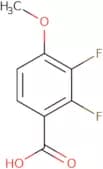
Fórmula:C10H11NO2Pureza:Min. 95%Forma y color:PowderPeso molecular:177.2 g/mol2,3-Difluoro-4-methoxybenzoic acid
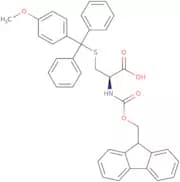
CAS:2,3-Difluoro-4-methoxybenzoic acid is a versatile building block that can be used to make complex compounds. This compound is a high quality, useful intermediate and reaction component that can be used in the synthesis of pharmaceuticals and other chemical products. 2,3-Difluoro-4-methoxybenzoic acid is a reagent that can be used for research purposes or as a speciality chemical. It has been shown to have many uses as a scaffold for making new compounds with different structures.Fórmula:C8H6F2O3Pureza:Min. 95%Forma y color:PowderPeso molecular:188.13 g/molFmoc-S-4-methoxytrityl-L-cysteine
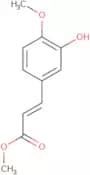
CAS:Fmoc-S-4-methoxytrityl-L-cysteine is a synthetic, amphipathic, amide, ester linkages, cyclic peptide. It has been shown to be a potent growth factor that inhibits the proliferation of human pancreatic cancer cells in tissue culture and induces apoptosis in these cells. Fmoc-S-4-methoxytrityl-L-cysteine also inhibits the growth of staphylococcus in tissue culture and reduces metastatic pancreatic cancer cell proliferation in rats.Fórmula:C38H33NO5SPureza:90%MinForma y color:White PowderPeso molecular:615.74 g/molMethyl 3-(3-hydroxy-4-methoxyphenyl)acrylate
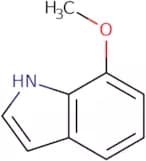
CAS:Methyl 3-(3-hydroxy-4-methoxyphenyl)acrylate is a compound that has been shown to be active against viruses. It is a derivative of salvianolic acid, which has been found to have anti-inflammatory and antiviral properties. Salvianolic acid and its derivatives are produced by the plant Salvia miltiorrhiza Bunge, and are known for their use in traditional Chinese medicine. The mechanism of action of methyl 3-(3-hydroxy-4-methoxyphenyl)acrylate is not yet fully understood, but it may inhibit the replication of influenza virus by binding to the RNA polymerase in the virus. This drug also has a hydrogen bond with cinnamic acid derivatives, which can inhibit HIV replication.Fórmula:C11H12O4Pureza:Min. 95%Peso molecular:208.21 g/mol7-Methoxy-1H-indole
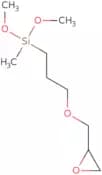
CAS:7-Methoxy-1H-indole (7MI) is a synthetic compound that exhibits anti-inflammatory activity. It is an analog of the amino acid methionine found in proteins and its synthesis involves the condensation of a chlorinated alkyl acetate with an esterified hydrazide to form the corresponding amide. 7MI has been shown to inhibit both bacterial and mammalian protein synthesis, as well as to inhibit tumor cell growth. 7MI binds reversibly to the N7 atom of the adenine base in DNA, thereby inhibiting DNA replication through inhibition of DNA polymerase.Fórmula:C9H9NOPureza:Min. 95%Forma y color:Clear LiquidPeso molecular:147.17 g/mol(3-glycidoxypropyl)methyldimethoxysilane
CAS:3-Glycidoxypropyl methyldimethoxysilane (3-GPMDMS) is a compound that belongs to the group of organosilicon compounds. It is an organic solvent that has been used for the activation energy of ring-opening reactions. 3-GPMDMS is also suitable for immobilizing polysaccharides, proteins, and enzymes on surfaces or in polymer matrices. 3-GPMDMS has been used to produce polymers with high molecular weight and a wide range of molecular weights by polymerization. 3-GPMDMS can be synthesized by reacting glycidoxypropyltrimethoxysilane with methanol in the presence of hydrochloric acid. The chemical structure includes methoxy groups connected to silicon atoms via methylphenyl groups. 3-GPMDMS has been shown to exhibit excellent magnetic resonance properties and be a potential candidate for use as nanomaterials. ItFórmula:C9H20O4SiPureza:Min. 95%Peso molecular:220.34 g/mol(3,4,5-Trimethoxyphenyl)methyl carbinol
CAS:(3,4,5-Trimethoxyphenyl)methyl carbinol is a neuroprotective compound that belongs to the class of benzyl alcohols. It has been shown to have neuroprotective effects against daldinia-induced oxidative stress and biotoxicity. This compound has high electron transfer rates and can be used as an electron donor in enzymatic reactions. (3,4,5-Trimethoxyphenyl)methyl carbinol exhibits a high reactivity with alcohols and can be used in the synthesis of other compounds by transferring its alcohol group onto other molecules. The addition of deuterium atoms to this molecule has been shown to increase its reactivity with oxidants.
Fórmula:C11H16O4Pureza:Min. 95%Forma y color:LiquidPeso molecular:212.24 g/molBis[3-(triethoxysilyl)propyl]tetrasulfide
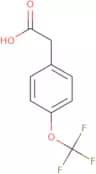
CAS:Bis[3-(triethoxysilyl)propyl]tetrasulfide is a cross-linking agent that can be used to create polymer films. It has been shown to form hydrated films in deionized water, which have been studied with atomic force microscopy. Kinetic data for the polymerization of bis[3-(triethoxysilyl)propyl]tetrasulfide has also been obtained by following the increase in viscosity of a solution containing a small amount of bis[3-(triethoxysilyl)propyl]tetrasulfide and an organic modifier. Bis[3-(triethoxysilyl)propyl]tetrasulfide is typically synthesized using solid-phase synthesis on carbon nanotubes or particles.Fórmula:C18H42Si2S4O6Pureza:Min. 80%Forma y color:Yellow Clear LiquidPeso molecular:538.96 g/mol4-(Trifluoromethoxy)phenylacetic acid
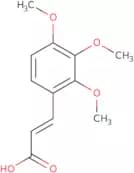
CAS:4-(Trifluoromethoxy)phenylacetic acid is a useful scaffold, versatile building block, and useful intermediate in organic synthesis. It is a speciality chemical that is used as a reaction component in the preparation of complex compounds. 4-(Trifluoromethoxy)phenylacetic acid is also a reagent for the synthesis of high-quality pharmaceuticals, such as antibiotics and antiviral agents. This compound has CAS No. 4315-07-5 and can be found at Chemicals Online.Fórmula:C9H7F3O3Pureza:Min. 95%Forma y color:PowderPeso molecular:220.15 g/moltrans-2,3,4-Trimethoxycinnamic acid
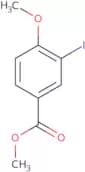
CAS:Trans-2,3,4-trimethoxycinnamic acid is a bioactive chemical that has been shown to have significant antioxidant activity. This compound is a hydrogen peroxide scavenger and can be used in devices to remove hydrogen peroxide from water. Trans-2,3,4-trimethoxycinnamic acid has also been shown to inhibit the production of campesterol and paromomycin in bacteria. Furfural is an inhibitor of trans-2,3,4-trimethoxycinnamic acid and its oxidation products. Trans-2,3,4-trimethoxycinnamic acid can be oxidised by furfural to produce glycerin and formic acid. It also inhibits the formation rate of amides from cinnamyl alcohol.Fórmula:C12H14O5Pureza:Min. 98 Area-%Forma y color:PowderPeso molecular:238.24 g/molMethyl 3-iodo-4-methoxybenzoate
CAS:Methyl 3-iodo-4-methoxybenzoate is a radioactive compound that has been shown to have pharmacological properties. It is used in the treatment of cancer and has demonstrated cytotoxic effects on tumor cells. Methyl 3-iodo-4-methoxybenzoate binds to the cell membrane and causes changes in membrane permeability, leading to cell death. This compound also demonstrates affinity for 4-ibp, a receptor found on cancer cells.Fórmula:C9H9IO3Pureza:Min. 95%Peso molecular:292.07 g/mol(2R,3S,4S,5S)-5-Hydroxy-2,3,4-tris(phenylmethoxy)-5-[(phenylmethoxy)methyl]-cyclohexanone
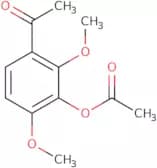
CAS:(2R,3S,4S,5S)-5-Hydroxy-2,3,4-tris(phenylmethoxy)-5-[(phenylmethoxy)methyl]-cyclohexanone is a fine chemical that is used as a versatile building block in the synthesis of complex compounds. It has been shown to be an intermediate in the synthesis of some useful chemicals and it is one of the most commonly used reagents for organic chemistry reactions. The compound has a CAS number of 115250-38-9 and is soluble in various organic solvents such as dichloromethane or chloroform.Fórmula:C35H36O6Pureza:Min. 95%Forma y color:PowderPeso molecular:552.66 g/mol3-Acetoxy-2,4-dimethoxyacetophenone
CAS:3-Acetoxy-2,4-dimethoxyacetophenone is a chemical building block that has been shown to be useful in the synthesis of complex compounds. This compound can be used as a reaction component and reagent in organic synthesis. 3-Acetoxy-2,4-dimethoxyacetophenone can be used as a versatile building block for the synthesis of high quality research chemicals and speciality chemicals. It is also a useful intermediate for the preparation of fine chemicals such as pharmaceuticals, agrochemicals, and dyestuffs. 3-Acetoxy-2,4-dimethoxyacetophenone has CAS number 63604-86-4.Fórmula:C12H14O5Pureza:Min. 95%Peso molecular:238.24 g/molAvanafil
CAS:Avanafil is a drug that can be used as a treatment for male erectile dysfunction. It works by inhibiting the production of PDE5, which is an enzyme that regulates the levels of cGMP in the penis. Avanafil has been shown to be effective when taken at a dose of 100 mg; this is because it takes about 30 minutes for avanafil to reach its peak level. Avanafil has a chemical stability that is greater than 12 hours, with an average lifespan of 24 hours. The drug also has no major drug interactions and does not inhibit any other drugs from working.Fórmula:C23H26ClN7O3Pureza:Min. 98 Area-%Forma y color:White PowderPeso molecular:483.95 g/mol6-(3-(Adamantan-1-yl)-4-methoxyphenyl)-2-naphthoic acid
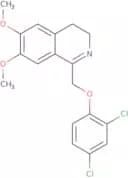
CAS:Producto controladoAgonist of retinoic acid receptors (RAR-? and RAR-?); pro-apoptoticFórmula:C28H28O3Pureza:Min. 95%Forma y color:PowderPeso molecular:412.52 g/mol1-((6,7-dimethoxy(3,4-dihydroisoquinolyl))methoxy)-2,4-dichlorobenzene
CAS:Please enquire for more information about 1-((6,7-dimethoxy(3,4-dihydroisoquinolyl))methoxy)-2,4-dichlorobenzene including the price, delivery time and more detailed product information at the technical inquiry form on this pagePureza:Min. 95%4-Hydroxy-3-methoxybenzoic acid ethyl ester
CAS:4-Hydroxy-3-methoxybenzoic acid ethyl ester is a synthetic compound that is converted to protocatechuic acid, an antioxidant found in wine. It has been shown to have antioxidative properties in inflammatory bowel disease by inhibiting the formation of reactive oxygen species. Protocatechuic acid also inhibits the growth of bacterial strains such as Listeria monocytogenes and Bacillus cereus, which are often resistant to antibiotics. The mechanism of action is not well understood, but it may be due to its ability to inhibit the production of p-hydroxybenzoic acid, a precursor for bacterial cell wall synthesis. Protocatechuic acid also has anti-inflammatory properties and can be used as a bioactive phenolic in topical preparations such as creams or ointments.
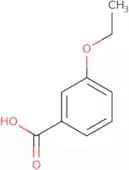
Fórmula:C10H12O4Pureza:Min. 95%Forma y color:PowderPeso molecular:196.2 g/mol3-Ethoxybenzoic acid
CAS:3-Ethoxybenzoic acid is an organic compound that is used as a ligand in biochemistry. It has been shown to be active in the monooxygenase activity of human cytochrome P450 enzymes, including CYP1A2 and CYP3A4. 3-Ethoxybenzoic acid binds to the ferredoxin molecule, which is a hydrogen-accepting cofactor found in many electron transfer reactions. The orientation of 3-ethoxybenzoic acid with respect to the ferredoxin molecule determines its catalytic activity. Crystallography studies have revealed that 3-ethoxybenzoic acid can bind to two water molecules and one hydroxide ion, stabilizing the ferredoxin molecule and increasing its catalytic activity.Fórmula:C9H10O3Pureza:Min. 95%Forma y color:PowderPeso molecular:166.17 g/mol4-Amino-5-chloro-2,3-dihydro-N-[1-(3-methoxypropyl)-4-piperidinyl]-7-benzofurancarboxamide
CAS:The drug 4-Amino-5-chloro-2,3-dihydro-N-[1-(3-methoxypropyl)-4-piperidinyl]-7-benzofurancarboxamide (BZP) is a histamine H2 receptor antagonist. It binds to the histamine H2 receptor in the stomach and duodenum, thereby blocking stomach acid production. BZP has been shown to be effective for treating symptoms of constipation or diarrhoea caused by inflammatory bowel disease or abdominal surgery. BZP also reduces the risk of relapse after surgery but does not affect long term efficacy. This drug is not available in the United States and has significant interactions with other drugs and symptoms including constipation, bowel disease, long term efficacy, and analytical method.Fórmula:C18H26ClN3O3Pureza:Min. 95%Forma y color:White PowderPeso molecular:367.87 g/mol2-Methoxy benzyl chloride
CAS:2-Methoxy benzyl chloride is an organometallic compound that has potent antagonist activity against a wide variety of organometallic and non-organometallic compounds. It is used in the treatment of inflammatory diseases, such as myocardial infarct, and also displays antimicrobial properties. 2-Methoxy benzyl chloride is a potent competitive inhibitor of many enzymes, including xanthine oxidase, hydroxylase, and tyrosinase. This molecule also has the ability to bind to cationic polymers and inhibit polymerization reactions by interfering with the formation of hydrogen bonds between monomers. The chlorine atom in this molecule can be replaced by a hydrogen atom for use as an antimicrobial agent. 2-Methoxy benzyl chloride binds to nitrogen atoms on amides and other nitrogen containing compounds, which may account for its antiinflammatory effects.
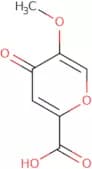
Fórmula:C8H9ClOPureza:Min. 95%Forma y color:PowderPeso molecular:156.61 g/mol5-Methoxy-4-oxo-4H-pyran-2-carboxylic acid
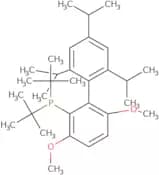
CAS:5-Methoxy-4-oxo-4H-pyran-2-carboxylic acid is a building block for organic synthesis. It is a versatile building block that can be used to synthesize complex compounds. 5-Methoxy-4-oxo-4H-pyran-2-carboxylic acid has been shown to be useful as a reagent in organic synthesis and as a reaction component. It is also used in pharmaceutical research and development. CAS No.: 1199-60-6Fórmula:C7H6O5Pureza:Min. 95%Forma y color:PowderPeso molecular:170.12 g/mol2-(Di-tert-butylphosphino)-2',4',6'- triisopropyl-3,6-dimethoxy-1,1'-biphenyl
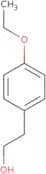
CAS:2-(Di-tert-butylphosphino)-2',4',6'-triisopropyl-3,6-dimethoxy-1,1'-biphenyl is a nucleophilic compound that can be used in amination reactions. It has been used to synthesize fluorinated compounds by reacting with various halides under palladium catalysis. This reaction is an efficient method for the synthesis of 5-membered heteroaryl compounds and pyrazole rings. 2-(Di-tert-butylphosphino)-2',4',6'-triisopropyl-3,6-dimethoxy-1,1'-biphenyl has also been shown to inhibit the growth of carcinoma cell lines and profiles in aminoimidazoles.Fórmula:C31H49O2PPureza:Min. 97 Area-%Forma y color:White Off-White PowderPeso molecular:484.69 g/mol4-Ethoxyphenylethyl alcohol
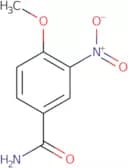
CAS:4-Ethoxyphenylethyl alcohol (4EPEA) is a non-invasive fluorescent probe that has been used in the study of nucleic acids. It is a small molecule that can be used to identify DNA and RNA sequences. 4EPEA terminates at a specific site on the DNA or RNA, where it forms a cavity with its hydroxyl group pointing outward. The cavity is then filled by the next base in the sequence, which reverses the orientation of 4EPEA and causes it to fluoresce. This process can be repeated to map the entire length of an RNA molecule or DNA strand. When 4EPEA is mixed with acetonitrile (ACN), it undergoes a transition from an amorphous state to a more crystalline state, which allows for better separation of 4EPEA from other compounds in ACN. The use of β-cyclodextrin as an additive further improves this separation as well as increasing the stability ofFórmula:C10H14O2Pureza:Min. 95%Forma y color:PowderPeso molecular:166.22 g/mol3-Nitro-4-methoxybenzamide
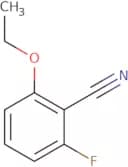
CAS:3-Nitro-4-methoxybenzamide is a versatile building block that belongs to the group of fine chemicals. It is a reagent that is used in the synthesis of complex compounds. 3-Nitro-4-methoxybenzamide has been shown to be an effective intermediate for the synthesis of pharmaceuticals, such as antibiotics and immunosuppressants. This compound also has high quality and can be used as a scaffold for other chemical syntheses.Fórmula:C8H8N2O4Pureza:Min. 95%Forma y color:PowderPeso molecular:196.16 g/mol2-Ethoxy-6-fluorobenzonitrile
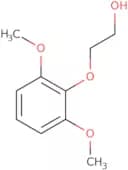
CAS:2-Ethoxy-6-fluorobenzonitrile is a versatile building block that can be used as a reagent, a speciality chemical, or an intermediate in research. It is also used as a high quality compound for the production of fine chemicals. It can be used to make many different compounds with its versatile functional groups. 2-Ethoxy-6-fluorobenzonitrile has been shown to undergo reactions with other compounds to produce useful scaffolds.Fórmula:C9H8FNOPureza:Min. 95%Forma y color:PowderPeso molecular:165.16 g/mol2-(2,6-Dimethoxyphenoxy)ethanol
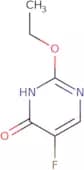
CAS:2-(2,6-Dimethoxyphenoxy)ethanol is a cleavage agent that can be used for the synthesis of lignin model compounds. It is a benzylic ether that is catalyzed by laccase to produce 2,6-dimethoxybenzaldehyde. The compound can be used as a substrate for versicolor or peroxy cleavage reactions. Versicolor cleavage is performed with 1-hydroxybenzotriazole, while peroxy cleavage is performed with hydrogen peroxide. 2-(2,6-Dimethoxyphenoxy)ethanol has been shown to have radical properties and reacts with molecular oxygen and ethanone in the presence of deuterium gas to form 2,6-dimethoxyacetophenone.Fórmula:C10H14O4Pureza:Min. 95%Forma y color:PowderPeso molecular:198.22 g/mol2-Ethoxy-5-fluoro-1H-pyrimidin-4-one
CAS:2-Ethoxy-5-fluoro-1H-pyrimidin-4-one is a chemical compound that can be synthesized in ethanol, ether, and ethyl formate. It is a white crystalline solid with a melting point of 164°C. The impurities are filtered out using filtration. This compound reacts with substance to produce crystallization. 2-Ethoxy-5-fluoro-1H-pyrimidin-4-one can also be synthesized by reacting trimethylamine and isourea.
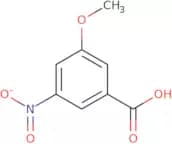
Fórmula:C6H7FN2O2Pureza:Min. 95%Forma y color:PowderPeso molecular:158.13 g/mol3-Methoxy-5-nitrobenzoic acid
CAS:3-Methoxy-5-nitrobenzoic acid is an organic compound that has mesomorphic and switchable properties. It is a chalcone derivative, with homologues such as 3-hydroxybenzoic acid. It is synthesized from the reaction of nitrous acid and 3-methoxybenzoic acid. The synthesis of this compound can be achieved by two different routes: peroxide oxidation or fluorine substitution. Both routes produce the same product, but offer different advantages. The first route involves the addition of hydrogen peroxide to 3-methoxybenzoic acid, which produces a mixture of products containing 3-methoxy-5-nitrobenzoic acid. This route is advantageous in that it can be conducted at room temperature with high yields, but the disadvantage is that this method produces a mixture of products which may contain undesired byproducts. The second route involves the use of sodium hypofluorite and potassium
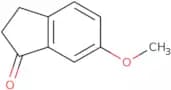
Fórmula:C8H7NO5Pureza:Min. 95%Forma y color:PowderPeso molecular:197.14 g/mol6-Methoxy-1-indanone
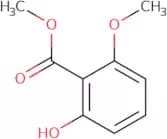
CAS:6-Methoxy-1-indanone is a chemical compound that can be found in the form of two structural isomers. They both have the same pharmacokinetic properties and are potent inhibitors of 5-HT1A receptors. 6-Methoxy-1-indanone also has potent inhibitory activity on the MT2 receptors, which are present in the central nervous system. This compound has been shown to be an active methylene group with neurodegenerative disease and has carbonyl groups.Fórmula:C10H10O2Pureza:Min. 98 Area-%Forma y color:PowderPeso molecular:162.19 g/mol2-Hydroxy-6-methoxybenzoic acid methyl ester
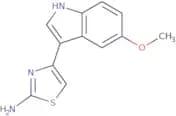
CAS:2-Hydroxy-6-methoxybenzoic acid methyl ester is a biologically active molecule that has been shown to have antibacterial activity. It is structurally similar to the natural compound 2,6-dimethoxyphenol and can be used as a substitute for this compound in bioassays. The antibacterial activity of 2-hydroxy-6-methoxybenzoic acid methyl ester is due to its ability to inhibit enzymes involved in DNA repair and cell division. This compound also inhibits the growth of cancer cells and weevils by interfering with their metabolism.Fórmula:C9H10O4Pureza:Min. 95%Forma y color:PowderPeso molecular:182.17 g/mol4-(5-Methoxy-1H-indol-3-yl)-1,3-thiazol-2-amine
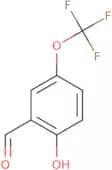
CAS:4-(5-Methoxy-1H-indol-3-yl)-1,3-thiazol-2-amine is a useful scaffold that can be used in the synthesis of drugs and other chemical compounds. 4-(5-Methoxy-1H-indol-3-yl)-1,3-thiazol-2-amine is a fine chemical with CAS no. 3624611454. It has been shown to react as a useful intermediate for the preparation of complex compounds. This compound has also been used in research as a reagent and reaction component.Fórmula:C12H11N3OSPureza:Min. 95%Forma y color:PowderPeso molecular:245.3 g/mol5-(Trifluoromethoxy)salicylaldehyde
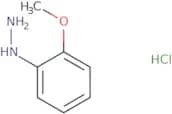
CAS:5-(Trifluoromethoxy)salicylaldehyde is a ligand that binds to the active site of the enzyme catalysis, thereby inhibiting its activity. It has been shown to be effective in colon cancer and other cancers due to its ability to inhibit protein synthesis. 5-(Trifluoromethoxy)salicylaldehyde also inhibits the production of prostaglandins, which may prevent inflammation. The compound is also used in supramolecular chemistry and biological studies as a tool for studying protein-ligand interactions. 5-(Trifluoromethoxy)salicylaldehyde has been shown to have dose-dependent effects on cell proliferation and protein synthesis.Fórmula:C8H5F3O3Pureza:Min. 95%Forma y color:PowderPeso molecular:206.12 g/mol2-Methoxyphenylhydrazine hydrochloride
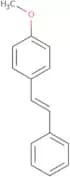
CAS:2-Methoxyphenylhydrazine hydrochloride is a chemical that is used as a research scaffold, building block, or intermediate. It can be used in the synthesis of complex compounds with high quality and purity. This product is soluble in water and alcohols. 2-Methoxyphenylhydrazine hydrochloride has CAS No. 6971-45-5 and a molecular weight of 183.2 g/mol.Fórmula:C7H10N2O·HClPureza:Min. 95%Forma y color:PowderPeso molecular:174.63 g/mol4-Methoxystilbene
CAS:4-Methoxystilbene is a nonpolar solvent that has a high boiling point and is used to extract quaternary ammonium salts in organic chemistry. It has been shown to react with chloride ions and form a complex, which can be used as a nucleophilic reagent. The metal ion Mg2+ can also form complexes with 4-methoxystilbene, which can be used to synthesize organic compounds. This molecule also reacts with dimethylamine to produce the compound methyl 4-methoxysilane, which is an important precursor for the manufacture of pharmaceuticals like cinnamates and quinine.Fórmula:C15H14OPureza:Min. 95%Forma y color:PowderPeso molecular:210.27 g/mol2,6-Dimethoxy-4-methylbenzyl alcohol
CAS:2,6-Dimethoxy-4-methylbenzyl alcohol is a high quality, versatile building block that is used as a reagent. The chemical has been shown to be a useful intermediate in the production of fine chemicals and speciality chemicals. 2,6-Dimethoxy-4-methylbenzyl alcohol can be used as a reaction component in the production of research chemicals and versatile building blocks. This compound can be found on CAS registry number 875664-51-0.Fórmula:C10H14O3Pureza:Min. 95%Forma y color:PowderPeso molecular:182.22 g/mol7-Amino-2-(4-methoxyphenyl)[1,2,4]triazolo[1,5-a]pyrimidin-5(4H)-one
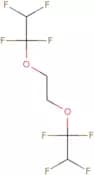
CAS:7-Amino-2-(4-methoxyphenyl)[1,2,4]triazolo[1,5-a]pyrimidin-5(4H)-one is a fine chemical that belongs to the category of versatile building blocks. It can be used as a reagent for research purposes and as a speciality chemical for the production of complex compounds. This compound is also an important building block for the synthesis of compounds with high quality and useful scaffolds.Fórmula:C12H11N5O2Pureza:Min. 95%Forma y color:PowderPeso molecular:257.25 g/mol1,2-Bis(1,1,2,2-tetrafluoroethoxy)ethane
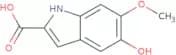
CAS:1,2-Bis(1,1,2,2-tetrafluoroethoxy)ethane is an electrolyte with a balanced composition of sulfur and fluorine. It is also a symmetric compound that can shuttle lithium ions between the two halves of the molecule. This process can be repeated many times without significant degradation. 1,2-Bis(1,1,2,2-tetrafluoroethoxy)ethane has been used as a negative electrode material in lithium ion batteries because it has high capacity and good cycling properties.Fórmula:C6H6F8O2Pureza:Min. 99 Area-%Peso molecular:262.10 g/mol5-Hydroxy-6-methoxyindole-carboxylic acid
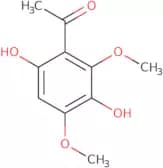
CAS:5-Hydroxy-6-methoxyindole-carboxylic acid (5-HMICA) is a molecule that is found in the pericardium and urine of patients with cancer. 5-HMICA has been shown to suppress tumor growth and activate cell mediated cytotoxicity in vitro. It also induces T helper type 1 (Th1) immune responses, which are associated with the production of cytokines such as interferon gamma and tumor necrosis factor alpha.Fórmula:C10H9NO4Forma y color:PowderPeso molecular:207.18 g/mol3,6-Dihydroxy-2,4-dimethoxyacetophenone
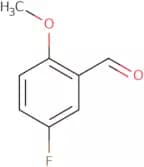
CAS:3,6-Dihydroxy-2,4-dimethoxyacetophenone is an aromatic compound that has a molecular structure with hydrogen-bonded groups. It also contains both acetoxy and intramolecular substituents. 3,6-Dihydroxy-2,4-dimethoxyacetophenone is used in research as a starting material for the synthesis of other compounds. It is also used to study the dihedral angles in molecules due to the presence of two asymmetric carbon atoms.Fórmula:C10H12O5Pureza:Min. 95%Forma y color:PowderPeso molecular:212.2 g/mol5-Fluoro-2-methoxybenzaldehyde
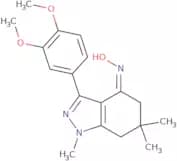
CAS:5-Fluoro-2-methoxybenzaldehyde is an inhibitor that blocks the enzyme acetylcholinesterase. It has been shown to be useful in the synthesis of a variety of drugs, including anticancer agents and antibiotics. 5-Fluoro-2-methoxybenzaldehyde is used in the industrial production of acetonitrile and can also be found in small quantities as a natural component of many fruits and vegetables. It is also used as a precursor for other chemicals, such as pharmaceuticals and pesticides. The compound is generally synthesized by condensation reactions involving benzaldehyde, acetamide, and formaldehyde. This chemical has been studied in medicinal chemistry because it can inhibit bacterial growth by binding to DNA gyrase.Fórmula:C8H7FO2Pureza:Min. 95%Forma y color:White PowderPeso molecular:154.14 g/mol3-(3,4-dimethoxyphenyl)-4-(hydroxyimino)-1,6,6-trimethyl-5,6,7-trihydro1H-indazole
CAS:Please enquire for more information about 3-(3,4-dimethoxyphenyl)-4-(hydroxyimino)-1,6,6-trimethyl-5,6,7-trihydro1H-indazole including the price, delivery time and more detailed product information at the technical inquiry form on this pagePureza:Min. 90%5-Amino-2-methoxybenzoic acid
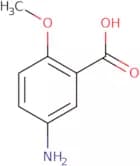
CAS:5-Amino-2-methoxybenzoic acid (5AMBA) is a hydrogen bond acceptor that binds to peptides and rna. It also has enzymatic activity, which can be used in the treatment of diseases such as Alzheimer's disease. 5AMBA is a small molecule that contains two methoxy groups and one hydrogen. It has been shown to bind to an intramolecular hydrogen bond within a peptide or rna sequence and inhibit enzymatic activity. This inhibition occurs by removing the nucleophile from the enzyme's active site or by sterically hindering access to the enzyme's active site. The luminescent properties of 5AMBA make it an ideal candidate for fluorescent labeling, with applications in biomolecular research.
Fórmula:C8H9NO3Pureza:Min. 95%Forma y color:PowderPeso molecular:167.16 g/mol5-Methoxy-2-methylindole
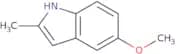
CAS:5-Methoxy-2-methylindole is an organic solvent that has been shown to have a wide range of bioactive properties. It is used in the production of acetylcholine, which is an important neurotransmitter. 5-Methoxy-2-methylindole also reacts with chloride ions, which may be an important factor when considering the life cycles and bioactive substances of this molecule. The reaction yield depends on the pH of the solution. 5-Methoxy-2-methylindole can undergo chlorination reactions to form polychlorinated derivatives, which are used as petrochemicals. This molecule also has retinoid properties and can act as a proton donor or acceptor depending on whether it is protonated or deprotonated.Fórmula:C10H11NOForma y color:PowderPeso molecular:161.2 g/mol(4-Formyl-2-methoxyphenoxy)acetic acid
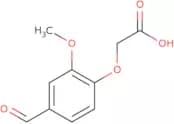
CAS:Phenoxyacetic acid is a phenoxy compound that exhibits antibacterial and anthelmintic activity. It has been shown to be highly active against helminthes, such as tapeworms and roundworms. Phenoxyacetic acid interacts with the helminth's cell membrane, which causes the release of cytochrome c from mitochondria and inhibits mitochondrial function. This leads to cell death by inhibiting protein synthesis and DNA replication. The hydrophobic nature of phenoxyacetic acid allows it to penetrate the anthelmint's cuticle and enter the worm's body cavity where it inhibits mitochondrial function. Phenoxyacetic acid has also been shown to inhibit tuberculosis in mice in vivo, but not in vitro. In addition, phenoxyacetic acid binds to nuclei of cancer cells and prevents the production of RNA and protein synthesis. This results in cell death by apoptosis or necrosis.Fórmula:C10H10O5Pureza:Min. 95%Forma y color:PowderPeso molecular:210.18 g/mol3-Iodo-4-methoxybenzoic acid
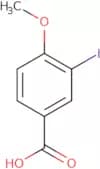
CAS:3-Iodo-4-methoxybenzoic acid is a biaryl compound that can be synthesized by the cross-coupling reaction of an aryl boronic acid and benzene. 3-Iodo-4-methoxybenzoic acid is a good substrate for Suzuki cross-coupling reactions. The optimisation of this reaction requires sterically unhindered substrates, high solvents, and refluxing conditions. 3-Iodo-4-methoxybenzoic acid is also suitable for the synthesis of esters by esterification with alcohols in the presence of a catalytic amount of acid.Fórmula:C8H7IO3Pureza:Min. 95%Peso molecular:278.04 g/mol1-Deoxy-1-(methylamino)-D-glucitol [3-[[(2R,3S)-2-[(1R)-1-[3,5-bis(trifluoromethyl)phenyl]ethoxy]-3-(4-fluorophenyl)-4-morpholinyl]m ethyl]-2,5-dihydro-5-oxo-1H-1,2,4-triazol-1-yl]phosphonate
CAS:Fosaprepitant is a drug that belongs to the class of drugs used for chemotherapy. It is a prodrug that is converted in vivo to aprepitant, its active form. Fosaprepitant acts as an antagonist of the neurokinin-1 receptor (NK-1R) and inhibits the binding of substance P, which leads to an anti-inflammatory effect. Fosaprepitant has been shown to inhibit the production of substance P in animal models, leading to a reduction in inflammation. In clinical trials, fosaprepitant has been shown to be safe and well tolerated when used with other drugs such as cisplatin and docetaxel in patients with cancer.Fórmula:C23H22F7N4O6P•(C7H17NO5)2Pureza:Min. 95%Forma y color:White To Off-White SolidPeso molecular:1,004.83 g/mol2-Methoxy-4-morpholinobenzenediazonium chloride zinc chloride double
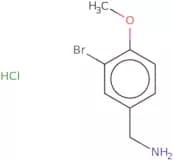
CAS:2-Methoxy-4-morpholinobenzenediazonium chloride zinc chloride double (2MBZD) is a chemical compound that has been analyzed by X-ray crystallography and nuclear magnetic resonance. This molecule consists of two parts: a diazonium salt and zinc chloride. The diazonium salt is a heterocyclic nitrogen ring with two nitrogens, which are bonded to the same carbon atom. The second part of the molecule is zinc chloride, which has one chlorine atom attached to it. The zinc chloride component stabilizes the compound, while the diazonium component provides the antibacterial activity. 2MBZD has shown activity against Staphylococcus aureus and Bacillus subtilis.Fórmula:C11H14N3O2•(ZnCl4)0Pureza:Min. 90 Area-%Forma y color:Yellow Green PowderPeso molecular:323.85 g/mol3-Bromo-4-methoxybenzylamine hydrochloride
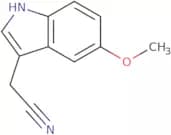
CAS:3-Bromo-4-methoxybenzylamine hydrochloride is a high quality reagent that is used as an intermediate in the synthesis of complex compounds. It has been shown to be a useful scaffold for the synthesis of new chemical entities and a versatile building block for organic synthesis. 3-Bromo-4-methoxybenzylamine hydrochloride can be used as a reaction component in various chemical reactions, including Friedel-Crafts acylation, nitration, chlorination and bromination.Fórmula:C8H11BrClNOPureza:Min. 95%Forma y color:PowderPeso molecular:252.54 g/mol5-Methoxyindole-3-acetonitrile
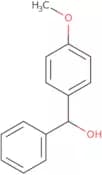
CAS:5-Methoxyindole-3-acetonitrile is a synthetic compound used as a reference for the synthesis of melatonin. It is produced by the addition of magnesium to 5-methoxyindole, followed by reaction with cyanide and nitrile. The synthesis of this compound was first published in 1938 and has since been used as a reference for many other studies. It has been shown that 5-methoxyindole-3-acetonitrile has high performance liquid chromatography properties, with a linear range from 0.5 to 50 mg/mL and an ultraviolet spectrum that falls within the region between 220 nm and 400 nm. A molecular modeling study was conducted on this compound, which showed that it conforms with 4-hydroxy indole ring systems found in natural products such as tryptophan and serotonin. This product also has fluorescent properties, which are caused by its electron withdrawing group (cyano).Fórmula:C11H10N2OPureza:Min. 95%Forma y color:PowderPeso molecular:186.21 g/mol4-Methoxybenzhydrol
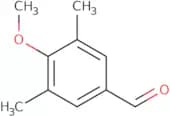
CAS:4-Methoxybenzhydrol is a chemical compound that has an activation energy of 69.3 kJ/mol. It has been shown to be acidic, with a pH of 2.5 in water, and can react with allyl alcohols to form 4-methoxybenzaldehyde. The addition of metal ions enhances the reaction rate. Kinetic studies have been carried out at room temperature, and the reaction mechanism is proposed to be via solvolysis of hypophosphorous acid followed by decarboxylation. Impurities may arise from side reactions such as the formation of peroxides or photocatalytic activity, which may lead to functional groups on the molecule.Fórmula:C14H14O2Pureza:Min. 95%Forma y color:PowderPeso molecular:214.26 g/mol3,5-Dimethyl-4-methoxybenzaldehyde
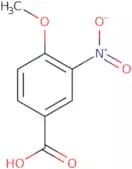
CAS:3,5-Dimethyl-4-methoxybenzaldehyde is a high quality, versatile chemical that can be used as an intermediate to synthesize other fine chemicals. The compound can be reacted with various reagents to produce complex compounds. 3,5-Dimethyl-4-methoxybenzaldehyde can also be used as a building block to synthesize other useful compounds. This chemical has been shown to be a useful scaffold for the production of new compounds and has been used as a reaction component in research and development.Fórmula:C10H12O2Pureza:Min. 95%Forma y color:PowderPeso molecular:164.2 g/mol4-Methoxy-3-nitrobenzoic acid
CAS:4-Methoxy-3-nitrobenzoic acid is a hydroxybenzoic acid, and belongs to the group of heterocyclic compounds. It is a preactivated hydroxybenzoate that can be used in the synthesis of griseoluteic acid with chloride as an electron donor. Griseoluteic acid has inhibitory activities on isolated yield. This compound also has potent antitumor activity, which may be due to its ability to inhibit DNA synthesis and protein synthesis by binding to DNA polymerase and ribosomes respectively. Preparative high performance liquid chromatography (HPLC) using this compound is possible with marine microorganisms as the stationary phase. The x-ray absorption spectrum shows that 4-methoxy-3-nitrobenzoic acid has potential for use as a contrast agent for x-rays in imaging tissues.
Fórmula:C8H7NO5Pureza:Min. 98 Area-%Forma y color:PowderPeso molecular:197.14 g/mol2,4'-Dimethoxyacetaphenone
CAS:2,4'-Dimethoxyacetaphenone is a chalcone that has been synthesized by the allylation of 2-hydroxy-5-methylacetophenone with 4-methoxybenzaldehyde. It has potent antibacterial activity and has been shown to inhibit HIV integrase. The chemical structure consists of two methoxy groups on the phenyl ring at positions 4 and 5, respectively. This heterocycle is also a synthetic compound.Fórmula:C10H12O3Pureza:Min. 95%Forma y color:Clear LiquidPeso molecular:180.2 g/mol6-Hydroxy-2,3,4-trimethoxyacetophenone
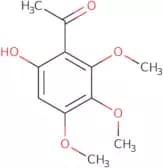
CAS:6-Hydroxy-2,3,4-trimethoxyacetophenone (6HTMA) is a natural product that has been shown to have potent inhibitory activities against PC12 cells. This compound also possesses neuroprotective and antioxidative properties. 6HTMA was able to inhibit acetylation of proteins, which may be responsible for its neuroprotective activity. Furthermore, 6HTMA has been shown to possess anti-oxidant and anti-tuberculous activities.Fórmula:C11H14O5Pureza:Min. 95%Forma y color:PowderPeso molecular:226.23 g/mol




![2-(R)-[1-(R)-(3,5-Bis(trifluoromethyl)phenyl)ethoxy]-3-(S)-fluorophenylmorpholine](/_next/image/?url=https%3A%2Fstatic.cymitquimica.com%2Fproducts%2F3D%2Fthumb-webp%2FFB18758.webp&w=3840&q=75)





![Bis[3-(triethoxysilyl)propyl]tetrasulfide](/_next/image/?url=https%3A%2Fstatic.cymitquimica.com%2Fproducts%2F3D%2Fthumb-webp%2FFB33713.webp&w=3840&q=75)
![(2R,3S,4S,5S)-5-Hydroxy-2,3,4-tris(phenylmethoxy)-5-[(phenylmethoxy)methyl]-cyclohexanone](/_next/image/?url=https%3A%2Fstatic.cymitquimica.com%2Fproducts%2F3D%2Fthumb-webp%2FFH148464.webp&w=3840&q=75)



![4-Amino-5-chloro-2,3-dihydro-N-[1-(3-methoxypropyl)-4-piperidinyl]-7-benzofurancarboxamide](/_next/image/?url=https%3A%2Fstatic.cymitquimica.com%2Fproducts%2F3D%2Fthumb-webp%2FFA27248.webp&w=3840&q=75)

![7-Amino-2-(4-methoxyphenyl)[1,2,4]triazolo[1,5-a]pyrimidin-5(4H)-one](/_next/image/?url=https%3A%2Fstatic.cymitquimica.com%2Fproducts%2F3D%2Fthumb-webp%2FFA134729.webp&w=3840&q=75)
![1-Deoxy-1-(methylamino)-D-glucitol [3-[[(2R,3S)-2-[(1R)-1-[3,5-bis(trifluoromethyl)phenyl]ethoxy]-…](/_next/image/?url=https%3A%2Fstatic.cymitquimica.com%2Fproducts%2F3D%2Fthumb-webp%2FFD46503.webp&w=3840&q=75)