Éteres
Los éteres son compuestos orgánicos que contienen un grupo funcional éter, caracterizado por un átomo de oxígeno unido a dos radicales hidrocarbonados. Estos compuestos son valiosos en la síntesis y sirven como disolventes en diversas reacciones químicas. En CymitQuimica, ofrecemos una selección de éteres de alta calidad para apoyar sus aplicaciones de investigación e industriales, asegurando resultados fiables y efectivos. Nuestra gama de éteres cumple con diversos requisitos de laboratorio, desde experimentos de rutina hasta investigaciones avanzadas.
Se han encontrado 40729 productos de "Éteres"
Ordenar por
Pureza (%)
0
100
|
0
|
50
|
90
|
95
|
100
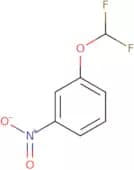
3-(Difluoromethoxy)nitrobenzene
CAS:<p>Please enquire for more information about 3-(Difluoromethoxy)nitrobenzene including the price, delivery time and more detailed product information at the technical inquiry form on this page</p>Fórmula:C7H5F2NO3Pureza:Min. 95%Peso molecular:189.12 g/mol(2-{Ethyl-[4-(4-nitro-phenylazo)-phenyl]-amino}-ethoxy)-acetic acid-4-nitro-phenyl ester
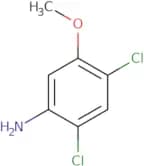
CAS:<p>Please enquire for more information about (2-{Ethyl-[4-(4-nitro-phenylazo)-phenyl]-amino}-ethoxy)-acetic acid-4-nitro-phenyl ester including the price, delivery time and more detailed product information at the technical inquiry form on this page</p>Fórmula:C24H23N5O7Pureza:Min. 95%Peso molecular:493.47 g/mol2,4-Dichloro-5-methoxyaniline
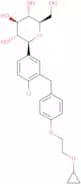
CAS:<p>2,4-Dichloro-5-methoxyaniline (2,4-DMA) is a trifluoroacetic acid derivative that inhibits the growth of cancer cells by interfering with cellular processes such as DNA replication and protein synthesis. It has been shown to have anticancer activity in vitro and in vivo. In addition, 2,4-DMA can inhibit the growth of cancer cells by preventing epidermal growth factor from binding to its receptor on the cell surface. A recent study showed that 2,4-DMA has anti-angiogenic properties and can prevent tumor growth by inhibiting bcr-abl kinase activity. 2,4-DMA also has an acidic property which may be due to its conversion of trifluoroacetic acid into hydrogen fluoride (HF) and hydrogen chloride (HCl).<br>2,4-Dichloro-5-methoxyaniline was approved for use in Japan</p>Fórmula:C7H7Cl2NOPureza:Min. 95%Forma y color:White To Pink SolidPeso molecular:192.04 g/molBexagliflozin
CAS:<p>Bexagliflozin is a drug that is used to treat type II diabetes in adults. It helps to control blood sugar levels by inhibiting the enzyme DPP-IV and increasing insulin release from the pancreas. Bexagliflozin has been shown to be effective in lowering blood sugar levels in patients with chronic kidney disease and cancer, as well as those with a body mass index (BMI) of 30 or higher. This drug is an oral hypoglycaemic agent that can be used for diagnostic purposes. It has also been shown to be clinically effective for the treatment of diabetic nephropathy and diabetic retinopathy. The enantiomers of bexagliflozin can be differentiated according to their pharmacological properties, which may allow for more targeted therapy.</p>Fórmula:C24H29ClO7Pureza:Min. 95%Peso molecular:464.94 g/molEthoxyiminoacetic acid ethyl ester
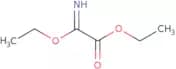
CAS:<p>Ethoxyiminoacetic acid ethyl ester is an annulated, lactam-containing compound that is synthesized via the condensation of ethyl thiooxamate and carboxylic acid. This drug has been shown to be efficient in inhibiting the growth of bacteria that are resistant to antibiotics such as polycyclic, triazoles, and condensates. It also inhibits protein synthesis by binding to bacterial DNA gyrase and topoisomerase IV. Ethoxyiminoacetic acid ethyl ester has shown significant antimicrobial activity against Gram-positive bacteria such as streptococci and staphylococci.</p>Fórmula:C6H11NO3Pureza:Min. 95%Peso molecular:145.16 g/mol1,2-Difluoro-4,5-dimethoxybenzene
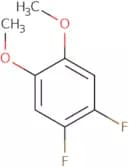
CAS:<p>Diffraction is a technique that is used to measure the angles of the reflections from a crystal or other material. Single-crystal x-ray diffraction (SCXRD) is one form of diffraction that uses a single crystal to generate an image. Diffraction was first observed in 1807 by English scientist William Hyde Wollaston and French physicist Joseph von Fraunhofer. Diffraction can be used to determine the structures of ionic, linear, or annulated frameworks, such as those found in 1,2-Difluoro-4,5-dimethoxybenzene. The molecular geometry and relative orientation of the atoms in these frameworks can be determined through diffraction. This technique is often used to characterize polymers with cyclic structures such as penicillin and cyclic voltammetry. <br>Diffraction studies have shown that 1,2-Difluoro-4,5-dimethoxybenzene has a hydroxylase</p>Fórmula:C8H8F2O2Pureza:Min. 97 Area-%Forma y color:PowderPeso molecular:174.14 g/mol3-(4-Methoxybenzoyl)acrylic acid
CAS:<p>Please enquire for more information about 3-(4-Methoxybenzoyl)acrylic acid including the price, delivery time and more detailed product information at the technical inquiry form on this page</p>Fórmula:C11H10O4Pureza:Min. 95%Forma y color:PowderPeso molecular:206.19 g/mol(2-(2-Methoxyethoxy)ethoxy)acetic acid
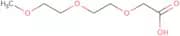
CAS:<p>2-(2-Methoxyethoxy)ethoxy)acetic acid (MEAA) is a cell stabilizer that can be used in the treatment of cancer, diabetes, and other diseases. MEAA has been shown to inhibit the growth of cells by binding to and stabilizing the cytoskeleton through inhibition of protein synthesis. It also prevents the activation of pro-inflammatory cytokines and reactive oxygen species. MEAA's magnetic resonance spectroscopy properties have been studied in detail and it has been shown to bind well with silver ions. MEAA has also been shown to have high cytotoxicity when combined with laser ablation therapy.</p>Fórmula:C7H14O5Pureza:90%Forma y color:Clear LiquidPeso molecular:178.18 g/mol2-Methoxy-5-[[(phenylmethyl)sulfonyl]methyl]benzenamine
CAS:3-Amino-4-methoxybenzyl sulphone is a high quality, versatile building block that is used in the synthesis of complex compounds. It is a reagent that can be used for reactions such as the coupling of amines and carboxylic acids. 3-Amino-4-methoxybenzyl sulphone is also useful in the synthesis of pharmaceuticals and speciality chemicals. The compound has been shown to react with other substances, such as thiols and alcohols, to form new materials with interesting properties.Fórmula:C15H17NO3SPureza:Min. 95%Forma y color:PowderPeso molecular:291.37 g/mol2-[2-Trifluoroethoxyphenoxy]ethyl methanesulfonate
CAS:<p>2-[2-Trifluoroethoxyphenoxy]ethyl methanesulfonate is a research chemical that is commonly used in the synthesis of enantioselective compounds. It has been clinically studied for its potential use in the treatment of prostatic hyperplasia, a condition characterized by an enlargement of the prostate gland. This compound has shown promising results in inhibiting the growth of prostatic cells and reducing symptoms associated with hyperplasia. Its enantioselective properties make it an ideal candidate for targeted therapy, allowing for more precise and effective treatment options. Researchers continue to explore the potential applications of 2-[2-Trifluoroethoxyphenoxy]ethyl methanesulfonate in various fields, including medicine and pharmaceuticals.</p>Fórmula:C11H13F3O5SPureza:Min. 95%Peso molecular:314.28 g/mol2'-Methoxy-α-naphthoflavone
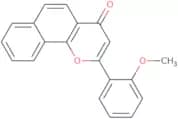
CAS:2'-Methoxy-alpha-naphthoflavone is a fine chemical that can be synthesized from naphthalene, benzaldehyde, and methoxyacetic acid. It is a versatile building block for research chemicals and has been shown to have high quality. 2'-Methoxy-alpha-naphthoflavone has been used as a reaction component in the synthesis of complex compounds with interesting biological activities.Fórmula:C20H14O3Pureza:Min. 95%Peso molecular:302.32 g/molN-(2-Aminoethyl)-3-(trimethoxysilyl)propylamine
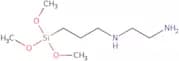
CAS:N-(2-Aminoethyl)-3-(trimethoxysilyl)propylamine (NAP) is a cationic surfactant that is used as a fluorescent probe to study the binding of proteins to cell surface integrin receptors. The adsorption mechanism is based on the interaction between the hydrophobic parts of the protein and the hydrophobic parts of NAP. This interaction leads to an increase in the concentration of NAP at the interface and thus an increase in fluorescence. NAP has been shown to bind human serum albumin, fatty acids, and monoclonal antibodies with high affinity. It also has been shown to bind to plasma proteins through hydrogen bonding. The optimum concentration for NAP adsorption is 1mM.Fórmula:C8H22N2O3SiPureza:Min. 95%Peso molecular:222.36 g/mol1,3-Bis(methoxycarbonyl)-2-methyl-2-thiopseudourea
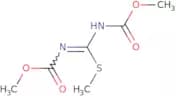
CAS:<p>1,3-Bis(methoxycarbonyl)-2-methyl-2-thiopseudourea (BMTC) is a novel anticancer agent that has been synthesized to be water soluble and also has significant cytotoxicity. BMTC is believed to exert its anticancer activity by binding to the colchicine binding site on tubulin which is involved in microtubule dynamics. The antitubulin effect of BMTC results in inhibition of cell division and growth. BMTC also inhibits cancer cell proliferation and migration. It has shown significant cytotoxicity against human prostate cancer cells and ovarian cancer cells, as well as inhibiting tumor xenografts in mice.</p>Fórmula:C6H10N2O4SPureza:Min. 95%Forma y color:White PowderPeso molecular:206.22 g/mol(5-Bromo-2-methoxyphenyl)acetic acid
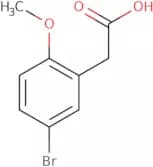
CAS:<p>5-Bromo-2-methoxyphenyl)acetic acid (BMPEA) is a hydroxylated derivative of aspartic acid. It has been shown to induce apoptotic cell death in various cell lines, including human lung cells and rat hippocampal cells. BMPEA is synthesized by the solid-phase method and is characterized by a constant structure. It can be used to treat degenerative diseases and other conditions where apoptosis is desirable, such as Alzheimer's disease, Parkinson's disease, amyotrophic lateral sclerosis, retinitis pigmentosa, and Duchenne muscular dystrophy.</p>Fórmula:C9H9BrO3Pureza:Min. 95%Forma y color:PowderPeso molecular:245.07 g/mol3-(3,5-Dimethoxyphenyl)propionic acid methyl ester
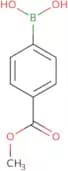
CAS:3-(3,5-Dimethoxyphenyl)propionic acid methyl ester is a reagent that is used as a reactant in organic synthesis. It is also useful as a scaffold for the synthesis of heterocycles and other complex compounds. 3-(3,5-Dimethoxyphenyl)propionic acid methyl ester is used in research chemical synthesis and as a versatile building block for the production of fine chemicals. This chemical can be used to create products such as pharmaceuticals, pesticides, and cosmetics.Fórmula:C12H16O4Pureza:Min. 95%Peso molecular:224.25 g/mol4-Methoxycarbonylphenylboronic acid
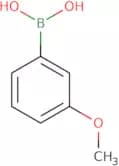
CAS:<p>4-Methoxycarbonylphenylboronic acid is an organic compound that can be synthesized from biphenyl. It is a diazonium salt with a bidentate ligand and a carbonyl group, which allows it to form an intermolecular hydrogen bond. The phenyl group of 4-methoxycarbonylphenylboronic acid can be oxidized to the corresponding carboxylic acid or reduced to the corresponding alcohol.<br>4-Methoxycarbonylphenylboronic acid is also soluble in halides, iodinations, and mercaptoacetic acid. This compound has been used as an acceptor in the oxidation of aluminium with diborane as a catalyst. 4-Methoxycarbonylphenylboronic acid has also been used to synthesize other compounds such as metronidazole (a drug) and erythromycin (an antibiotic).</p>Fórmula:C8H9BO4Pureza:Min. 95%Forma y color:White PowderPeso molecular:179.97 g/mol3-Methoxyphenylboronic acid
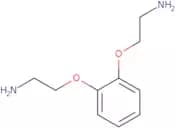
CAS:<p>3-Methoxyphenylboronic acid is a photophysical molecule that can be used as an analytical reagent in plant physiology and analytical chemistry. 3-Methoxyphenylboronic acid reacts reversibly with copper ions to form a complex. The binding constants of the copper complex depend on the pH of the solution, which can be altered by adding a phosphate derivative to the solution. This reaction was investigated using cross-coupling techniques and showed that the binding constants for this complex are dependent on the type of solvent used. 3-Methoxyphenylboronic acid has also been used to measure glucose levels in blood samples.</p>Fórmula:C7H9BO3Pureza:Min. 95%Forma y color:White PowderPeso molecular:151.96 g/molO-Bis(2-aminoethoxy)benzene
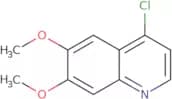
CAS:O-Bis(2-aminoethoxy)benzene is a cyclic compound that has a predominantly thionyl character. It has an amide group, which is formed by the condensation of two carboxylic acids. O-Bis(2-aminoethoxy)benzene can act as a ligand for metal ions in the form of an anion or chloride ion, and it also interacts with neutral ligands. This compound can be used to prepare ferrocenyl derivatives through alkylation. The interaction between O-Bis(2-aminoethoxy)benzene and ferrocene was studied using voltammetry.Fórmula:C10H16N2O2Pureza:Min. 95%Peso molecular:196.25 g/mol4-Chloro-6,7-dimethoxyquinoline
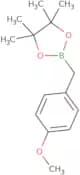
CAS:<p>4-Chloro-6,7-dimethoxyquinoline (4C6DMQ) is a potent inhibitor of the growth of prostate cancer cells. 4C6DMQ is an analog of chloropropyl chloride, which inhibits the growth of epidermal growth factor receptor (EGFR). The binding site for 4C6DMQ on EGFR is the same as that for chloropropyl chloride. 4C6DMQ inhibits EGFR by preventing the activation of downstream signaling cascades, leading to a decrease in cell proliferation and tumor size. The IC50 values for 4C6DMQ are approximately 10 times higher than those for chloropropyl chloride. This drug has been shown to be more potent than other inhibitors of EGFR such as erlotinib and gefitinib.</p>Fórmula:C11H10ClNO2Pureza:Min. 95%Forma y color:White PowderPeso molecular:223.66 g/mol4-Methoxybenzylboronic acid pinacolester
CAS:<p>Please enquire for more information about 4-Methoxybenzylboronic acid pinacolester including the price, delivery time and more detailed product information at the technical inquiry form on this page</p>Fórmula:C14H21BO3Pureza:Min. 95%Peso molecular:248.13 g/mol

![(2-{Ethyl-[4-(4-nitro-phenylazo)-phenyl]-amino}-ethoxy)-acetic acid-4-nitro-phenyl ester](/_next/image/?url=https%3A%2Fstatic.cymitquimica.com%2Fproducts%2F3D%2Fthumb-webp%2FFE111186.webp&w=3840&q=75)

![2-Methoxy-5-[[(phenylmethyl)sulfonyl]methyl]benzenamine](/_next/image/?url=https%3A%2Fstatic.cymitquimica.com%2Fproducts%2F3D%2Fthumb-webp%2FFA70820.webp&w=3840&q=75)
![2-[2-Trifluoroethoxyphenoxy]ethyl methanesulfonate](/_next/image/?url=https%3A%2Fstatic.cymitquimica.com%2Fproducts%2F3D%2Fthumb-webp%2FFT33048.webp&w=3840&q=75)