Éteres
Los éteres son compuestos orgánicos que contienen un grupo funcional éter, caracterizado por un átomo de oxígeno unido a dos radicales hidrocarbonados. Estos compuestos son valiosos en la síntesis y sirven como disolventes en diversas reacciones químicas. En CymitQuimica, ofrecemos una selección de éteres de alta calidad para apoyar sus aplicaciones de investigación e industriales, asegurando resultados fiables y efectivos. Nuestra gama de éteres cumple con diversos requisitos de laboratorio, desde experimentos de rutina hasta investigaciones avanzadas.
Se han encontrado 40902 productos de "Éteres"
Ordenar por
Pureza (%)
0
100
|
0
|
50
|
90
|
95
|
100
3-Amino-4-methoxybenzanilide
CAS:3-Amino-4-methoxybenzanilide is a white, crystalline solid that is soluble in organic solvents. It reacts with hydrochloric acid to form hydrogen chloride and 3-amino-4-methoxybenzoic acid. 3-Amino-4-methoxybenzanilide is used as an analytical reagent for determining the chloride content of various materials. The heat energy needed for the reaction to occur optimally is between 55 and 75 degrees Celsius. The optimal reaction system includes hydrochloric acid, an organic solvent, and diazonium salt activated by hydrogen chloride gas. The reaction time is 2 hours at room temperature and the analytical method used is titrimetric analysis using triticum aestivum as the particle.Fórmula:C14H14N2O2Pureza:Min. 95%Forma y color:PowderPeso molecular:242.27 g/mol4-Fluoro-3-methoxybenzoic acid
CAS:4-Fluoro-3-methoxybenzoic acid is a chiral, organic compound. It is an estrogen antagonist that binds to the estrogen receptor. 4-Fluoro-3-methoxybenzoic acid has been shown to inhibit tumor growth by blocking the interaction of estradiol with its receptor in the cancer cell line MCF-7. The metabolically active form of this compound is 4′-hydroxymethyl 4′,4″-difluorobenzoate and it can be converted into other metabolites such as 3′,4′,5′,6′-tetrahydroxybenzoic acid. This conversion may be mediated by cytochrome P450 enzymes or through hydrolysis by esterases or glucuronidases. The stereoisomers of 4-fluoro-3 methoxybenzoic acid are erythro and threo forms which have different affinities forFórmula:C8H7FO3Pureza:Min. 95%Forma y color:PowderPeso molecular:170.14 g/mol2-Fluoro-6-methoxybenzaldehyde
CAS:<p>2-Fluoro-6-methoxybenzaldehyde is a quinone that is used as an intermediate in the synthesis of other organic compounds. It has been shown to be a competitive inhibitor of malonate-induced fibrillation in heart muscle and also slows the reaction time. The pharmacokinetic properties of 2-fluoro-6-methoxybenzaldehyde have been evaluated in dogs, rats, and rabbits. In all three species, 2-fluoro-6-methoxybenzaldehyde showed no significant accumulation in any tissue after intravenous injection and was rapidly excreted unchanged in urine. 2-Fluoro-6-methoxybenzaldehyde may have some potential as an antihypertensive agent due to its ability to reduce blood pressure in rabbits.</p>Fórmula:C8H7FO2Pureza:Min. 95%Forma y color:PowderPeso molecular:154.14 g/mol3-Trifluoromethoxyphenylboronic acid
CAS:<p>3-Trifluoromethoxyphenylboronic acid is a lead compound that has the potential to be an efficient and water-soluble inhibitor of protein kinases. It has been shown to have a significant inhibitory effect on vismodegib transport. This compound may also have anticancer properties. 3-Trifluoromethoxyphenylboronic acid binds to the active site of protein kinases, blocking their catalytic activity and inhibiting cell proliferation by interfering with the signaling pathway that regulates cancer cells.</p>Fórmula:C7H6BF3O3Pureza:Min. 90%Forma y color:PowderPeso molecular:205.93 g/mol4-(5-Methoxy-1H-indol-3-yl)-1,3-thiazol-2-amine
CAS:<p>4-(5-Methoxy-1H-indol-3-yl)-1,3-thiazol-2-amine is a useful scaffold that can be used in the synthesis of drugs and other chemical compounds. 4-(5-Methoxy-1H-indol-3-yl)-1,3-thiazol-2-amine is a fine chemical with CAS no. 3624611454. It has been shown to react as a useful intermediate for the preparation of complex compounds. This compound has also been used in research as a reagent and reaction component.</p>Fórmula:C12H11N3OSPureza:Min. 95%Forma y color:PowderPeso molecular:245.3 g/mol4-Methoxyresorcinol
CAS:<p>4-Methoxyresorcinol is a chemical compound that has the molecular formula CHNO. It has a hydroxyl group in the 4-position and a methyl group on the 8-position. The intramolecular hydrogen of this molecule is denatured by heating to about 220°C. This process converts it into resorcinol, which is structurally similar but has different properties. 4-Methoxyresorcinol can be used as a polymerization initiator for polycarboxylic acid or quinoline derivatives, and its analytical methods are used in determining its structure.</p>Fórmula:C7H8O3Pureza:Min. 95%Forma y color:PowderPeso molecular:140.14 g/mol7-Methoxycoumarin-4-acetic acid N-succinimidyl ester
CAS:<p>7-Methoxycoumarin-4-acetic acid N-succinimidyl ester is a fluorescent probe for the detection of metalloproteinases. It has been used in assays to measure matrix metalloproteinase activity and to study the kinetics of these enzymes. This compound can be used as a fluorescence focus for the study of extracellular matrix regulation. 7-Methoxycoumarin-4-acetic acid N-succinimidyl ester inhibits matrix metalloproteinases by binding to their active site and blocking access to substrates, preventing the breakdown of extracellular matrix proteins.</p>Fórmula:C16H13NO7Pureza:Min. 97 Area-%Forma y color:Off-White PowderPeso molecular:331.28 g/mol6,7-Bis(2-methoxyethoxy)-3,4-dihydroquinazolin-4-one
CAS:<p>This compound is a synthetic molecule that has been shown to have growth factor activity and may be useful in cancer research. The molecule is a nucleophile and reacts with epidermal growth factor (EGF) to form the corresponding adduct. This adduct can then react with chloride to form the corresponding chloro-adduct. It also binds to cellular proteins, such as antigen and factor receptors. The piperazine ring of this molecule is responsible for its binding affinity for these receptors. <br>The compound was expressed from a plasmid under normoxic conditions, but was not expressed under hypoxic conditions.</p>Fórmula:C14H18N2O5Pureza:Min. 95%Forma y color:White PowderPeso molecular:294.3 g/mol2,4,6-Trimethoxycinnamic acid
CAS:<p>2,4,6-Trimethoxycinnamic acid is a cinnamoyl compound that can be isolated from the seeds of Garcinia gummi-guta. This compound has been synthesised and optimised for use as an antioxidant in food and cosmetic products. 2,4,6-Trimethoxycinnamic acid has a high product yield under isothermal conditions using β-cyclodextrin as a solvent. It also shows good stability in the presence of light. 2,4,6-Trimethoxycinnamic acid has been shown to be efficient in preventing oxidation reactions by acting as a scavenger of singlet oxygen and peroxyl radicals. The analytical data obtained from this study suggests that 2,4,6-Trimethoxycinnamic acid will not produce any moieties or photostability problems when used in these applications.</p>Fórmula:C12H14O5Pureza:Min. 95%Forma y color:PowderPeso molecular:238.24 g/mol4-Methoxystilbene
CAS:<p>4-Methoxystilbene is a nonpolar solvent that has a high boiling point and is used to extract quaternary ammonium salts in organic chemistry. It has been shown to react with chloride ions and form a complex, which can be used as a nucleophilic reagent. The metal ion Mg2+ can also form complexes with 4-methoxystilbene, which can be used to synthesize organic compounds. This molecule also reacts with dimethylamine to produce the compound methyl 4-methoxysilane, which is an important precursor for the manufacture of pharmaceuticals like cinnamates and quinine.</p>Fórmula:C15H14OPureza:Min. 95%Forma y color:PowderPeso molecular:210.27 g/mol1-Methoxy-4-(2-propenyl)benzene
CAS:<p>1-Methoxy-4-(2-propenyl)benzene is a natural compound that has been found to have insecticidal properties. It is used in the synthesis of eugenol and estragole, which are important components in the flavor industry. The optimum concentration of 1-methoxy-4-(2-propenyl)benzene for killing insects is around 0.1%. In toxicity studies, it has been shown to be carcinogenic in rats and mice. However, this chemical's effect on humans is not well understood at this time.</p>Fórmula:C10H12OPureza:Min. 95%Forma y color:Clear LiquidPeso molecular:148.2 g/mol2,3-Dimethoxy-1,4-benzoquinone
CAS:2,3-Dimethoxy-1,4-benzoquinone is a chemical compound that belongs to the class of quinones. It is one of the most potent inhibitors of bacterial growth and has been shown to be effective against Gram-positive bacteria such as Staphylococcus aureus and Mycobacterium tuberculosis. 2,3-Dimethoxy-1,4-benzoquinone inhibits bacterial growth by interfering with fatty acid synthesis. This inhibition is due to its ability to react with methoxy groups on membrane lipids and nucleophilic attack on the carbon atom in the fatty acid chain. The binding constants for this interaction are relatively weak, which may explain why 2,3-dimethoxy-1,4-benzoquinone does not inhibit other types of cells like eukaryotic cells.Fórmula:C8H8O4Pureza:Min. 95%Forma y color:Red PowderPeso molecular:168.15 g/mol3-Fluoro-4-methoxybenzonitrile
CAS:3-Fluoro-4-methoxybenzonitrile is a ferroelectric liquid crystal chiral molecule. It can be synthesized industrially by the reaction of 3-fluoro-4-methoxybenzoyl chloride with sodium methoxide. The synthesis is scalable and leads to high yields. 3-Fluoro-4-methoxybenzonitrile has been used in the synthesis of other ferroelectric liquid crystals, such as 4-(3′,5′-diiodophenyl)pentaerythritol triacrylate and 3,5′-(1H,1′H) -dibenzothiophene. This compound also displays nematic phase behavior at room temperature when in contact with a nematic director. Polarization data for this substance are available from experiments on thin films.Fórmula:C8H6FNOPureza:Min. 95%Forma y color:PowderPeso molecular:151.14 g/mol2-(3,4-Dimethoxyphenyl)acetaldehyde
CAS:<p>2-(3,4-Dimethoxyphenyl)acetaldehyde is a bioactive molecule that has shown anti-cancer properties in vitro and in vivo. It inhibits the activity of aldehyde dehydrogenase, an enzyme responsible for the oxidation of alcohols to aldehydes. This inhibition leads to accumulation of acetaldehyde in cells and induces apoptosis or cell death by caspase-independent mechanisms. 2-(3,4-Dimethoxyphenyl)acetaldehyde also has been shown to induce acidolysis reactions in the presence of acid. This reaction mechanism may be due to protonation of the phenolic hydroxyl group. The resulting 3,4-dimethoxyphenylacetic acid analog can inhibit cells' proliferation and induce apoptosis by blocking protein synthesis and cell division.</p>Fórmula:C10H12O3Pureza:Min. 95%Forma y color:Clear LiquidPeso molecular:180.2 g/mol7-Amino-2-(4-methoxyphenyl)[1,2,4]triazolo[1,5-a]pyrimidin-5(4H)-one
CAS:7-Amino-2-(4-methoxyphenyl)[1,2,4]triazolo[1,5-a]pyrimidin-5(4H)-one is a fine chemical that belongs to the category of versatile building blocks. It can be used as a reagent for research purposes and as a speciality chemical for the production of complex compounds. This compound is also an important building block for the synthesis of compounds with high quality and useful scaffolds.Fórmula:C12H11N5O2Pureza:Min. 95%Forma y color:PowderPeso molecular:257.25 g/molN-(4-Amino-2,5-diethoxyphenyl)-benzamide
CAS:<p>4-Amino-2,5-diethoxyphenyl)benzamide is a small molecule that inhibits the enzyme activity of polymerase chain reaction (PCR), DNA topoisomerase I, and DNA gyrase. It has been shown to inhibit the growth of human leukemia cells in culture. 4-Amino-2,5-diethoxyphenyl)benzamide also inhibits rat liver microsomes and can be used for the treatment of neurodegenerative diseases.</p>Fórmula:C17H20N2O3Pureza:Min. 95%Forma y color:PowderPeso molecular:300.35 g/mol3,4-Dimethoxy-5-hydroxybenzaldehyde
CAS:<p>3,4-Dimethoxy-5-hydroxybenzaldehyde is a phenolic compound that has been shown to be bactericidal against Listeria monocytogenes and Staphylococcus aureus. It has also been shown to have antioxidant properties in vivo. 3,4-Dimethoxy-5-hydroxybenzaldehyde may be used in the treatment of cardiovascular diseases such as atherosclerosis because it inhibits platelet aggregation and lipoprotein oxidation. The compound prevents the oxidation of prosthetic groups and the formation of adducts with DNA, which can lead to carcinogenesis. 3,4-Dimethoxy-5-hydroxybenzaldehyde is known to inhibit the growth of Pseudomonas aeruginosa, Salmonella typhimurium, Escherichia coli and Lactobacillus plantarum.</p>Fórmula:C9H10O4Pureza:Min. 95%Forma y color:PowderPeso molecular:182.17 g/mol3-Bromo-2,6-dimethoxy-5-nitrobenzoic acid
CAS:3-Bromo-2,6-dimethoxy-5-nitrobenzoic acid is a chemical component that can be used as a reagent or building block for the synthesis of other compounds. It is also an intermediate in the synthesis of pesticides and pharmaceuticals. 3-Bromo-2,6-dimethoxy-5-nitrobenzoic acid is a versatile compound with many applications in organic chemistry. This chemical has been shown to have high purity and can be used as a reaction component or reagent in research and development laboratories.Fórmula:C9H8BrNO6Pureza:Min. 95%Forma y color:PowderPeso molecular:306.07 g/mol1,3-Diacetoxy-2-(acetoxymethoxy)propane
CAS:<p>1,3-Diacetoxy-2-(acetoxymethoxy)propane is a guanine derivative that has been used in the synthesis of ganciclovir. It is prepared by condensation of acetone and acetic anhydride followed by filtration to yield a clear, colorless liquid. 1,3-Diacetoxy-2-(acetoxymethoxy)propane can be used as an intermediate in the preparation of other compounds. It was found that this compound contains a residue of p-toluenesulfonic acid. The catalyst for crystallization is decolorized activated carbon. The product obtained after recrystallization is white crystals with a melting point of 147 °C.</p>Fórmula:C10H16O7Pureza:Min. 95%Forma y color:Yellow Clear LiquidPeso molecular:248.23 g/mol2,4-Dimethoxy-3-methylbenzoic acid
CAS:<p>2,4-Dimethoxy-3-methylbenzoic acid is a fine chemical that is used as a versatile building block in the synthesis of other organic compounds. 2,4-Dimethoxy-3-methylbenzoic acid has been used in research to generate novel compounds with desired properties. It is also used as a reaction component and speciality chemical. The compound can be reacted with sodium methoxide in methanol to form 2,4-dimethoxybenzaldehyde, which is an intermediate for the synthesis of other chemicals. It also reacts with nitric acid to form 2,4-dimethylbenzoic acid and oleum. These reactions are useful for the production of certain drugs or for the synthesis of polymers.</p>Fórmula:C10H12O4Pureza:Min. 95%Peso molecular:196.2 g/mol1,2-Bis(1,1,2,2-tetrafluoroethoxy)ethane
CAS:1,2-Bis(1,1,2,2-tetrafluoroethoxy)ethane is an electrolyte with a balanced composition of sulfur and fluorine. It is also a symmetric compound that can shuttle lithium ions between the two halves of the molecule. This process can be repeated many times without significant degradation. 1,2-Bis(1,1,2,2-tetrafluoroethoxy)ethane has been used as a negative electrode material in lithium ion batteries because it has high capacity and good cycling properties.Fórmula:C6H6F8O2Pureza:Min. 99 Area-%Peso molecular:262.10 g/mol4-(5-Methoxy-1,2-dimethyl-1H-indol-3-yl)-1,3-thiazol-2-amine
CAS:<p>Please enquire for more information about 4-(5-Methoxy-1,2-dimethyl-1H-indol-3-yl)-1,3-thiazol-2-amine including the price, delivery time and more detailed product information at the technical inquiry form on this page</p>Fórmula:C14H15N3OSPureza:Min. 95%Forma y color:PowderPeso molecular:273.35 g/mol1-Chloro-3-[4-(2-methoxyethyl)phenoxy]-2-propanol
CAS:<p>1-Chloro-3-[4-(2-methoxyethyl)phenoxy]-2-propanol is a potent antihypertensive agent that is synthesized by the chemoenzymatic process. It differs from other antihypertensive drugs in that it incorporates an oxirane group, which makes it more hydrophobic than other drugs. 1-Chloro-3-[4-(2-methoxyethyl)phenoxy]-2-propanol is a crystalline solid with a melting point of 128°C and a density of 1.0 g/mL. The chemical name for this drug is 4-[(1E)-1-(chloromethoxy)propyl]phenol, which has potent antihypertensive activity and high enantioselectivity.</p>Fórmula:C12H17ClO3Pureza:Min. 95%Peso molecular:244.71 g/mol4,5,6-Trimethoxyindole
CAS:<p>4,5,6-Trimethoxyindole is a chemical compound that is found in the plant Chinensis. This compound has been shown to have potent anticancer properties and can be used as a treatment for inflammatory diseases. 4,5,6-Trimethoxyindole has been shown to modulate the activity of some bacteria and it has been hypothesized that this may be due to its interaction with formylation. The acidic nature of 4,5,6-Trimethoxyindole makes it soluble in ethanol. It can also be synthesised from butyric acid and other chemicals.</p>Fórmula:C11H13NO3Pureza:Min. 95%Forma y color:SolidPeso molecular:207.23 g/mol1,3-Dimethoxy-2-methylimidazoliumbis(trifluoromethylsulfonyl)imide
CAS:Please enquire for more information about 1,3-Dimethoxy-2-methylimidazoliumbis(trifluoromethylsulfonyl)imide including the price, delivery time and more detailed product information at the technical inquiry form on this pageFórmula:C8H11F6N3O6S2Pureza:Min. 95%Forma y color:PowderPeso molecular:423.31 g/mol(S)-2-((((9H-Fluoren-9-yl)methoxy)carbonyl)amino)-3-(1H-pyrrolo[2,3-b]pyridin-3-yl)propanoic acid
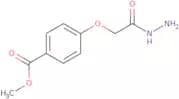
CAS:<p>Please enquire for more information about (S)-2-((((9H-Fluoren-9-yl)methoxy)carbonyl)amino)-3-(1H-pyrrolo[2,3-b]pyridin-3-yl)propanoic acid including the price, delivery time and more detailed product information at the technical inquiry form on this page</p>Fórmula:C25H21N3O4Pureza:Min. 95%Peso molecular:427.45 g/molMethyl 4(2-hydroxyethoxy)benzoate
CAS:<p>Methyl 4-(2-hydroxyethoxy)benzoate is an experimental monomer that can be used in the synthesis of polymers. It is a compound that has a spacer group on the 2 position of the benzene ring. It can be used to determine the molecular weight of polymers by comparing their average molecular weight with the theoretical molecular weight. The systematic name for methyl 4-(2-hydroxyethoxy)benzoate is methyl 4-[(2-hydroxyethoxy)methyl]benzoate. The chemical formula for this molecule is C 10 H 16 O 3 and its average molecular weight is 178. The theory behind this molecule is that it will have more than one polymer chain, which makes it polymeric.</p>Fórmula:C10H12O4Pureza:Min. 95%Peso molecular:196.2 g/molCandesartan cilexetil methoxy analogue
CAS:<p>Candesartan cilexetil methoxy analogue is a reaction component that is used in the synthesis of a variety of chemical compounds. It has been shown to be a useful scaffold for the production of high-quality, research chemicals with diverse applications. Candesartan cilexetil methoxy analogue is also a versatile building block and intermediate for the production of fine chemicals with complex structures. It can be used as a reagent for the synthesis of pharmaceuticals and other organic compounds, as well as an additive in plastics, polyurethane, and other products. The CAS number for this compound is 1026042-12-5.</p>Fórmula:C32H32N6O6Pureza:Min. 95 Area-%Forma y color:PowderPeso molecular:596.63 g/mol3,4-Dimethoxy-2-methylphenylpropionic acid
CAS:<p>3,4-Dimethoxy-2-methylphenylpropionic acid is a building block for organic synthesis. It has been used as a research chemical and as a reaction component in the synthesis of other chemicals. 3,4-Dimethoxy-2-methylphenylpropionic acid is also available at high purity levels and can be used as a reagent for analytical purposes.</p>Fórmula:C12H16O4Pureza:Min. 95%Forma y color:PowderPeso molecular:224.25 g/mol3,4,5-trimethoxybenzyl cyanide
CAS:<p>3,4,5-Trimethoxybenzyl cyanide is a natural product that has been shown to inhibit the polymerase of bacterial RNA and DNA. It binds to the active site of the enzyme and prevents its function. The mechanism of 3,4,5-trimethoxybenzyl cyanide is similar to that of other inhibitors of bacterial RNA polymerase such as quinacrine and actinomycin D. This compound has also been shown to prevent fibrillation in vitro. 3,4,5-Trimethoxybenzyl cyanide has antiarrhythmic properties. It blocks the mitochondrial membrane potential by inhibiting the synthesis of ATP. This inhibition leads to an increased permeability of the mitochondrial membrane for ions such as potassium and calcium. The increased permeability leads to a decrease in cellular excitability and a decrease in cardiac arrhythmias (irregular heartbeats).</p>Fórmula:C11H13NO3Pureza:Min. 97 Area-%Forma y color:PowderPeso molecular:207.23 g/mol2-Ethoxycinnamic acid
CAS:<p>2-Ethoxycinnamic acid is a metastable molecule that has been obtained by an asymmetric synthesis. It is unreactive, and its reaction products are polyvalent. 2-Ethoxycinnamic acid can be analyzed using analytical methods such as flow system, functional theory, and gas chromatography. 2-Ethoxycinnamic acid has been used in the preparation of cinnamates, which are used in perfumes and flavors. Polymorphs of this molecule have also been observed in crystalline form. There are two different forms of the molecule: α-form and β-form. The α-form is more stable than the β-form because it has a hydrogen bond with the methyl group on the left side of the molecule.</p>Fórmula:C11H12O3Pureza:Min. 95%Forma y color:PowderPeso molecular:192.21 g/mol4-Hydroxy-3,5-dimethoxybenzamide
CAS:<p>4-Hydroxy-3,5-dimethoxybenzamide is a phenolic compound that is soluble in organic solvents. It has been shown to bind to fatty acid sequences and neutral polypeptides in the presence of an acidic or basic environment. 4-Hydroxy-3,5-dimethoxybenzamide has also been shown to have catalytic activity, which may be due to its ability to form a polymeric matrix with other compounds.</p>Fórmula:C9H11NO4Pureza:Min. 95%Forma y color:PowderPeso molecular:197.19 g/mol3-Bromo-2-methoxybenzyl alcohol
CAS:3-Bromo-2-methoxybenzyl alcohol is a reaction component that is used in the synthesis of a number of chemical compounds. It has been shown to be a useful scaffold, with versatile building blocks and intermediates. 3-Bromo-2-methoxybenzyl alcohol is an intermediate for the synthesis of complex compounds such as antihypertensive drugs, anti-inflammatory agents, and immunosuppressant drugs. This compound also has a variety of uses in research including as a reagent for the determination of enzyme activity and as an analytical reference standard.Fórmula:C8H9BrO2Pureza:Min. 95%Forma y color:PowderPeso molecular:217.06 g/mol4-Methoxy-2-nitroacetanilide
CAS:<p>4-Methoxy-2-nitroacetanilide is a byproduct of the manufacture of 4-methoxyacetanilide, which is used in the production of analgesics. It has been shown to be an environmental pollutant that is toxic to animals and plants. The toxicity of 4-methoxy-2-nitroacetanilide is due to its ability to react with amines and form nitrosamines. The rate of acetylation is determined by the kinetics of the reaction, while substituent effects on the molecule determine its reactivity as an electrophile.</p>Fórmula:C9H10N2O4Pureza:Min. 95%Forma y color:PowderPeso molecular:210.19 g/mol[1-(3-Methoxyphenyl)-1-methylethyl]amine hydrochloride
CAS:<p>[1-(3-Methoxyphenyl)-1-methylethyl]amine hydrochloride is an organic compound that can be used as a reagent and a building block. It has been shown to be a useful intermediate in the synthesis of various other compounds, such as pharmaceuticals. This chemical is also used in research, as it is versatile and can react with other compounds easily. [1-(3-Methoxyphenyl)-1-methylethyl]amine hydrochloride can be purchased at our store if you are interested in purchasing this product.</p>Fórmula:C10H15NO·HClPureza:Min. 95%Forma y color:PowderPeso molecular:201.69 g/mol4'-Methoxyresveratrol
CAS:4'-Methoxyresveratrol is a polyphenol found in red wine and other plants. It has been shown to have anti-angiogenic effects, which may be due to its ability to inhibit vascular endothelial growth factor (VEGF) synthesis. 4'-Methoxyresveratrol has also been shown to have long-term efficacy against autoimmune diseases such as colitis, arthritis and asthma. This compound has not been studied in women or animals for toxicity or carcinogenicity. The most common side effects include gastrointestinal disturbances, headache, dizziness and skin rash.Fórmula:C15H14O3Pureza:Min. 95%Forma y color:White PowderPeso molecular:242.27 g/mol2,4,5-Trimethoxybenzoic acid
CAS:2,4,5-Trimethoxybenzoic acid is a polarizer that belongs to the group of phenols. It is used in the production of photographic film and as an intermediate in organic synthesis. The 2,4,5-trimethoxybenzoic acid has been shown to have a protective effect on Toll-like receptor 4 (TLR4) and TLR2 signaling pathways after thermal expansion. This compound may be helpful in reducing risk due to its involvement in the M2 phenotype and its lack of cytotoxic effects on macrophages. 2,4,5-Trimethoxybenzoic acid also has a hydroxyl group that can form hydrogen bonds with other compounds or water molecules. It also has fatty acids that can permeate through cell membranes and increase water permeability.Fórmula:C10H12O5Pureza:Min. 95%Forma y color:PowderPeso molecular:212.2 g/molN-(Ethoxy-Fluorophosphoryl)-N-Methylmethanamine
CAS:Producto controlado<p>Ethoxy-Fluorophosphoryl-N-Methylmethanamine is a chemical that belongs to the class of nerve agents. It can be used as an antidote for sarin poisoning. This compound reacts with the enzyme butyrylcholinesterase, which breaks down acetylcholine in the synapses. In this way, it blocks the transmission of nerve impulses and causes muscle paralysis. Ethoxy-Fluorophosphoryl-N-Methylmethanamine acts as an antagonist of acetylcholine receptors in both animals and humans. It also inhibits cholinesterase activity in blood pressure regulation, which leads to increased blood pressure levels. When administered at sublethal doses, this compound induces a long lasting sensitization of the central nervous system to other cholinergic drugs such as atropine or nerve gases such as sarin.</p>Fórmula:C4H11FNO2PPureza:Min. 95%Peso molecular:155.11 g/mol3-Carbethoxy-2-piperidone
CAS:<p>3-Carbethoxy-2-piperidone is a cycloaddition product of formaldehyde and an amine. This reaction proceeds through the formation of a dicarbonyl intermediate, which then reacts with chloride to form the final product. The absorption maximum of 3-carboxy-2-piperidone is at 270 nm, and its structure can be determined by using infrared spectroscopy. 3-Carbethoxy-2-piperidone has a dipole moment of 1.3 D and is electron deficient due to the absence of a hydrogen atom on the nitrogen atom. It also has an amido group (C=O) that is bonded to the carbonyl group (C=O).<br>3-Carbethoxy-2-piperidone is not soluble in water, but it does dissolve in polar organic solvents such as acetone or dimethylformamide (DMF). The chemical reactions</p>Fórmula:C8H13NO3Forma y color:White PowderPeso molecular:171.19 g/mol3,4,5-Trimethoxyaniline
CAS:<p>3,4,5-Trimethoxyaniline is a synthetic compound that is an intermediate in the synthesis of phenylacetic acid. It is a nonclassical nitrogen heterocycle with two amine groups and three oxygen atoms. 3,4,5-Trimethoxyaniline has been shown to have potent cytotoxic activity against human liver cancer cells (bel-7402) and human liver cells (human liver). Further studies into the mechanism of action revealed that 3,4,5-trimethoxyaniline inhibited nitrite ion reduction by tetronic acid and increased redox potentials. Computational molecular modeling also suggested that the nitrogen atoms in this molecule are involved in hydrogen bonding.</p>Fórmula:C9H13NO3Pureza:Min. 95%Forma y color:PowderPeso molecular:183.2 g/mol5-Hydroxy-6-methoxyindole-carboxylic acid
CAS:5-Hydroxy-6-methoxyindole-carboxylic acid (5-HMICA) is a molecule that is found in the pericardium and urine of patients with cancer. 5-HMICA has been shown to suppress tumor growth and activate cell mediated cytotoxicity in vitro. It also induces T helper type 1 (Th1) immune responses, which are associated with the production of cytokines such as interferon gamma and tumor necrosis factor alpha.Fórmula:C10H9NO4Forma y color:PowderPeso molecular:207.18 g/mol4-Methoxy-3-nitrobenzoic acid methyl ester
CAS:<p>4-Methoxy-3-nitrobenzoic acid methyl ester (4MNBM) is a potent antitumor agent that inhibits tumor cell proliferation by interfering with DNA replication. 4MNBM selectively binds to the nuclear magnetic resonance and has been shown to inhibit tumor growth in animal models. This drug also shows potent antitumor activity against solid tumor cells, which is due to its ability to induce conformational changes in the DNA of these cells. 4MNBM has been shown to be selective for tumor cells, which may be due to its lack of effect on the metabolism of normal tissue and its ability to bind to proteins in tumor cell nuclei.</p>Fórmula:C9H9NO5Pureza:Min. 95%Forma y color:Clear LiquidPeso molecular:211.17 g/mol4-Methoxy-2-nitroaniline
CAS:<p>4-Methoxy-2-nitroaniline is a molecule that has been shown to be able to form an intramolecular hydrogen bond with the 5' carbon of the sugar ring. This reaction leads to the formation of an alkoxy radical, which reacts with chloride ions in acidic conditions. The formation of this intermediate product is reversible, and can be used for analysis of hydrochloric acid. 4-Methoxy-2-nitroaniline has also been shown to react with diazonium salt in the presence of acid, forming a molecule that contains two amines. This reaction can be reversed by adding hydrogen chloride to the solution and analyzing the solution's acidity.</p>Fórmula:C7H8N2O3Pureza:Min. 98 Area-%Forma y color:PowderPeso molecular:168.15 g/mol2-Chloromethyl-3-methyl-4-(2,2,2-trifluoroethoxy)pyridine, hydrochloride
CAS:<p>Please enquire for more information about 2-Chloromethyl-3-methyl-4-(2,2,2-trifluoroethoxy)pyridine, hydrochloride including the price, delivery time and more detailed product information at the technical inquiry form on this page</p>Fórmula:C9H10Cl2F3NOPureza:Min. 95%Peso molecular:276.08 g/mol6-Methoxy-2-naphthoic acid
CAS:<p>6-Methoxy-2-naphthoic acid (MN) is a cavity amide that has been shown to have an inhibitory effect on the growth of cancer cells. MN has been found to be more effective in inhibiting β-amyrin than caffeine, which may be due to its increased lipophilicity. It also has a higher affinity for adriamycin and enhances its anticancer effects. MN has been shown to be beneficial in treating diabetic patients, as it can reduce blood glucose levels by stimulating insulin release. The pharmacokinetic properties of MN are similar to those of other cavity amides, with rapid absorption and distribution throughout the body. This compound is metabolized in the liver by CYP2C8, CYP2C9, CYP3A4 and CYP3A5 enzymes. Molecular docking analysis of MN with β-amyrin showed that there was a strong interaction between them due to their complementary shapes and charge distributions</p>Fórmula:C12H10O3Pureza:Min. 98 Area-%Forma y color:PowderPeso molecular:202.21 g/mol1-Fluoro-3-methoxy-2-nitrobenzene
CAS:<p>1-Fluoro-3-methoxy-2-nitrobenzene is a versatile building block that can be used as a scaffold for the synthesis of complex compounds. It is also used as a reaction component in research and development, especially in the production of pharmaceuticals, pesticides and other chemicals. 1-Fluoro-3-methoxy-2-nitrobenzene has many uses in the production of high quality reagents, such as pharmaceutical intermediates, dyes, and explosives.</p>Fórmula:C7H6FNO3Pureza:Min. 95%Peso molecular:171.13 g/mol7-Methoxy-2-tetralone
CAS:<p>7-Methoxy-2-tetralone is an organic compound that is synthesised from the chlorination of phenol. It inhibits cancer cells by binding to their receptors and inhibiting the growth of new blood vessels, which are necessary for tumour growth. 7-Methoxy-2-tetralone also inhibits the synthesis of DNA, RNA, and protein in a cell-free system. It binds to chloride ions in solution and has a potent inhibitory activity against dehydrogenase and hydrochloric acid. 7-Methoxy-2-tetralone is used as a reagent for water treatment studies because it can be broken down to produce harmless products, such as chloride ion and cyanogen.</p>Fórmula:C11H12O2Pureza:Min. 95%Peso molecular:176.21 g/mol3,6-Dihydroxy-2,4-dimethoxyacetophenone
CAS:<p>3,6-Dihydroxy-2,4-dimethoxyacetophenone is an aromatic compound that has a molecular structure with hydrogen-bonded groups. It also contains both acetoxy and intramolecular substituents. 3,6-Dihydroxy-2,4-dimethoxyacetophenone is used in research as a starting material for the synthesis of other compounds. It is also used to study the dihedral angles in molecules due to the presence of two asymmetric carbon atoms.</p>Fórmula:C10H12O5Pureza:Min. 95%Forma y color:PowderPeso molecular:212.2 g/mol2-Methoxy-1-[(4-methylphenyl)sulphinyl]benzene
CAS:<p>2-Methoxy-1-[(4-methylphenyl)sulphinyl]benzene is a reagent and useful intermediate that is used in the synthesis of complex compounds. This chemical has been shown to be a useful scaffold for the synthesis of natural products. It can also be used as a building block in the synthesis of speciality chemicals and research chemicals, as well as versatile building blocks in reactions.</p>Fórmula:C14H14O2SPureza:Min. 95%Peso molecular:246.33 g/mol3-(3,4-dimethoxyphenyl)-4-(hydroxyimino)-1,6,6-trimethyl-5,6,7-trihydro1H-indazole
CAS:Please enquire for more information about 3-(3,4-dimethoxyphenyl)-4-(hydroxyimino)-1,6,6-trimethyl-5,6,7-trihydro1H-indazole including the price, delivery time and more detailed product information at the technical inquiry form on this pagePureza:Min. 90%3,4-Dimethoxyphenyl ethanol
CAS:3,4-Dimethoxyphenyl ethanol is a product of the asymmetric synthesis of 3,4-dimethoxyphenylacetic acid. It has been shown to have high redox potentials and hydrochloric acid resistance. 3,4-Dimethoxyphenyl ethanol has been used in the delignification of cellulose fibers and has also been shown to have photophysical and photochemical properties. This compound binds with hydroxyl groups on proteins, which may be due to its ability to undergo acylation reactions. The binding of 3,4-dimethoxyphenyl ethanol with human liver microsomes was found to be rapid and reversible. Kinetic analysis showed that this binding can be explained by substrate binding or acylation reaction.Fórmula:C10H14O3Pureza:Min. 95%Forma y color:White PowderPeso molecular:182.22 g/mol(S)-2-((Methoxycarbonyl)amino)-3-methylbutanoic acid
CAS:<p>(S)-2-((Methoxycarbonyl)amino)-3-methylbutanoic acid is a synthetic molecule that has been studied for its antiviral activity against hepatitis C virus. The compound was found to inhibit the replication of the virus, with an IC50 of 0.5 mM in cell culture studies. It also inhibited the replicon and reaction yield of the virus in vitro. (S)-2-((Methoxycarbonyl)amino)-3-methylbutanoic acid is effective against genotype 1 and 2, but not against genotype 3. It is active against a broad range of HCV isolates, including those resistant to other drugs such as ribavirin or telaprevir. The drug has been shown to be well tolerated in animals and humans. END></p>Fórmula:C7H13NO4Pureza:Min. 95%Forma y color:White PowderPeso molecular:175.18 g/mol4-(4-Ethoxyphenyl)-2-(1-methylindol-3-yl)-4-oxobutanoic acid
CAS:Please enquire for more information about 4-(4-Ethoxyphenyl)-2-(1-methylindol-3-yl)-4-oxobutanoic acid including the price, delivery time and more detailed product information at the technical inquiry form on this pagePureza:Min. 95%β-(4-Hydroxy-3-methoxyphenyl)propionic acid methyl ester
CAS:β-(4-Hydroxy-3-methoxyphenyl)propionic acid methyl ester is a fine chemical used as a building block in the synthesis of pharmaceuticals, agrochemicals, and other chemicals. It is also used as a reagent for the detection of alkaloids and for the preparation of valuable speciality chemicals. β-(4-Hydroxy-3-methoxyphenyl)propionic acid methyl ester is an intermediate in organic reactions or can be used to synthesize complex compounds such as antibiotics. It is also an important scaffold that can be modified to produce new drugs with different properties.Fórmula:C11H14O4Pureza:Min. 95%Forma y color:Clear LiquidPeso molecular:210.23 g/mol5-Bromo-2,4-dimethoxy-β-methylnitrostyrene
CAS:5-Bromo-2,4-dimethoxy-beta-methylnitrostyrene is a fine chemical that is an important reagent and building block. It can be used as a reaction component or intermediate for the synthesis of more complex compounds. 5-Bromo-2,4-dimethoxy-beta-methylnitrostyrene can also be used as a versatile building block to produce high quality complex compounds. The compound has been shown to have a high level of purity and is suitable for use in research or speciality chemicals.Fórmula:C11H12BrNO4Pureza:Min. 95%Forma y color:PowderPeso molecular:302.12 g/mol2-Benzyloxy-6-methoxyacetophenone
CAS:<p>2-Benzyloxy-6-methoxyacetophenone is a high quality and versatile chemical that can be used as a reagent or building block in organic synthesis. It is an important intermediate in the synthesis of fine chemicals, pharmaceuticals, and other complex compounds. 2-Benzyloxy-6-methoxyacetophenone has been shown to be useful as a scaffold for the synthesis of novel complex molecules, such as speciality chemicals. The compound also has potential applications in research and development of new drugs.</p>Fórmula:C16H16O3Pureza:Min. 95%Forma y color:PowderPeso molecular:256.3 g/mol4,6-Dimethoxyindole
CAS:<p>4,6-Dimethoxyindole is a molecule that can be used as an amide or chloride. The molecular modeling study indicated that the 4,6-dimethoxyindole is hydrophobic and has a molecular weight of 164.4 g/mol. In the acetylation reaction, the 4,6-dimethoxyindole was synthesized with an acetyl group on one side of the molecule and an acetate group on the other side of the molecule. This molecule has shown to have anticholinesterase activity in vitro and can be used as an antibiotic. The synthesis of this molecule was confirmed by X-ray diffraction analysis, which showed that it had a crystal structure with two molecules in space group P2(1)2(1).</p>Fórmula:C10H11NO2Pureza:Min. 95%Peso molecular:177.2 g/mol4-Methoxy-tetrahydro-2h-pyran-4-carboxylic acid
CAS:<p>4-Methoxy-tetrahydro-2h-pyran-4-carboxylic acid is a fine chemical that belongs to the group of research chemicals. It is a versatile building block and useful intermediate in organic synthesis. 4-Methoxy-tetrahydro-2h-pyran-4-carboxylic acid has been used as a reagent for the preparation of the compound 5,5'-dithiobis(4,4'-dimethylvaleronitrile) (CAS No. 1010836-49). This compound has been shown to be an effective antiviral agent against HIV.</p>Fórmula:C7H12O4Pureza:Min. 95 Area-%Forma y color:PowderPeso molecular:160.17 g/mol3-Chloro-4-methoxybenzoic acid ethyl ester
CAS:<p>3-Chloro-4-methoxybenzoic acid ethyl ester is a chemical compound that is used as a reactant in organic synthesis. It has shown high quality and can be used for research. 3-Chloro-4-methoxybenzoic acid ethyl ester can be used as a scaffold to make fine chemicals, pharmaceuticals, and other products. It has been shown to be useful in the synthesis of many complex compounds and as an intermediate or building block for chemical reactions.</p>Fórmula:C10H11ClO3Pureza:Min. 95%Forma y color:PowderPeso molecular:214.65 g/mol2-[2-(2-t-Boc-aminoethoxy)ethoxy]ethanol
CAS:<p>2-[2-(2-t-Boc-aminoethoxy)ethoxy]ethanol is a versatile chemical building block that can be used to synthesize a variety of compounds. It has been shown to be useful as a reaction component in the synthesis of pharmaceuticals and agrochemicals. The compound is also used as an intermediate for the preparation of other compounds. 2-[2-(2-t-Boc-aminoethoxy)ethoxy]ethanol is soluble in organic solvents, such as chloroform, ethanol, or acetone. It has a CAS number of 139115-92-7 and is relatively easy to purify by recrystallization from methanol.</p>Fórmula:C11H23NO5Pureza:Min. 95%Forma y color:Clear LiquidPeso molecular:249.3 g/mol2,4,5,6-Tetramethoxyacetophenone
CAS:<p>2,4,5,6-Tetramethoxyacetophenone is a versatile building block that can be used as an intermediate in the production of complex compounds and speciality chemicals. This compound is a useful scaffold for research chemicals and reaction components. It has CAS No. 7508-05-6 and a high quality.</p>Fórmula:C12H16O5Pureza:Min. 95%Peso molecular:240.25 g/molDL-4-Hydroxy-3-methoxymandelic acid
CAS:<p>DL-4-Hydroxy-3-methoxymandelic acid is a metabolite of the catecholamines, norepinephrine and epinephrine. It is found in the blood, urine and cerebrospinal fluid of humans. DL-4-Hydroxy-3-methoxymandelic acid is derived from the amino acid tyrosine. When the body's production of catecholamines exceeds its ability to break them down, these molecules accumulate and are excreted in urine as DL-4-hydroxy-3-methoxymandelic acid or as other metabolites. The concentration of DL-4-hydroxy 3 methoxymandelic acid in urine may be used to diagnose pheochromocytoma or neuroblastoma.</p>Fórmula:C9H10O5Pureza:Min. 95%Forma y color:White PowderPeso molecular:198.17 g/mol6-amino-4-(2-methoxyphenyl)-3-methyl-4H-pyrano[3,2-d]pyrazole-5-carbonitrile
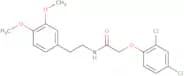
CAS:Please enquire for more information about 6-amino-4-(2-methoxyphenyl)-3-methyl-4H-pyrano[3,2-d]pyrazole-5-carbonitrile including the price, delivery time and more detailed product information at the technical inquiry form on this pageFórmula:C15H14N4O2Pureza:Min. 95%Forma y color:PowderPeso molecular:282.30 g/mol2-(2,4-dichlorophenoxy)-N-(6-methoxy(3-pyridyl))ethanamide
CAS:<p>Please enquire for more information about 2-(2,4-dichlorophenoxy)-N-(6-methoxy(3-pyridyl))ethanamide including the price, delivery time and more detailed product information at the technical inquiry form on this page</p>Pureza:Min. 95%Ethyl 2,4,6-trimethoxycinnamate
CAS:<p>Ethyl 2,4,6-trimethoxycinnamate is a fine chemical that is a useful scaffold for the synthesis of other compounds. It is used as a versatile building block in the synthesis of research chemicals and as an intermediate in the production of speciality chemicals. This compound has been shown to be highly reactive. Ethyl 2,4,6-trimethoxycinnamate can be used as an effective reagent or reaction component in organic chemistry.</p>Fórmula:C14H18O5Pureza:90%Forma y color:PowderPeso molecular:266.29 g/mol2,4-Dimethoxytoluene
CAS:<p>2,4-Dimethoxytoluene is a natural compound found in the leaves of the arecaceae plant. It is structurally similar to β-caryophyllene and has been shown to have insecticidal activity. The leaf structure of this plant can be analyzed using chromatographic methods, and its fatty acid content can be determined by a reaction mechanism. This compound also has ether linkages and hydroxyl groups that can be analyzed through structural analysis. 2,4-Dimethoxytoluene is extracted from the leaf of this plant using a supercritical fluid extraction method. This extraction process yields a higher concentration than an extraction process with water or ethanol as the solvent. 2,4-Dimethoxytoluene is composed of two methoxy groups that are responsible for its insecticidal activities against mosquitoes.</p>Fórmula:C9H12O2Pureza:Min. 95%Forma y color:Clear LiquidPeso molecular:152.19 g/mol4-(2-Hydroxyethoxy)-3-nitroacetanilide
CAS:<p>4-(2-Hydroxyethoxy)-3-nitroacetanilide is a versatile building block that can be used in the synthesis of complex compounds and research chemicals. This compound is also used as a reagent for organic synthesis, or as an intermediate for the production of other chemical substances. 4-(2-Hydroxyethoxy)-3-nitroacetanilide is high quality and has many uses in various reactions. It has been shown to be an effective scaffold for synthetic chemistry.</p>Fórmula:C10H12N2O5Pureza:90%Forma y color:PowderPeso molecular:240.21 g/mol2,6-Dimethoxy-4-methylphenol
CAS:<p>2,6-dimethoxy-4-methylphenol is a synthetic chemical with potential use as an insecticide. It is a cholinesterase inhibitor that inhibits the action of acetylcholinesterase, an enzyme that breaks down acetylcholine, which is a neurotransmitter important for cognitive function and muscle control. 2,6-dimethoxy-4-methylphenol has been shown to be toxic to insects in a sensitivity test and has also shown some toxicity to rats when administered orally at high doses. This chemical has been shown to inhibit the production of fatty acids in plants and can be used as a potential insecticide for human food crops.</p>Fórmula:C9H12O3Pureza:Min. 97.0%Forma y color:White Yellow PowderPeso molecular:168.19 g/mol2,2-Dimethoxy-2-phenylacetophenone
CAS:2,2-Dimethoxy-2-phenylacetophenone is a glycol ether substrate film that can be used to study the reaction mechanism of glycol ethers. It has been found that this substrate film reacts with oxygen in the air to form an organic peroxide and hydrogen peroxide. The product of the reaction is then identified by measuring the rate of thermal expansion. This method has been shown to be a useful tool for determining the kinetic constants of glycol ethers. The 2,2-dimethoxy-2-phenylacetophenone substrate film can also be used as a fluorescence probe for detecting radiation and wastewater treatment. The hydroxyl group on this substrate film is susceptible to degradation by acids, which may lead to its chemical instability.Fórmula:C16H16O3Pureza:Min. 95%Forma y color:White To Off-White SolidPeso molecular:256.3 g/mol(2,4,6-Trimethoxyphenyl)acetone
CAS:<p>(2,4,6-Trimethoxyphenyl)acetone is a chemical compound that has been detected in human breath. It is a metabolite of tetracycline and chloramphenicol. It is also seen in the urine of patients receiving these antibiotics. The drug can be detected in the blood or urine of individuals who have not taken any antibiotic drugs. (2,4,6-Trimethoxyphenyl)acetone has been used as an indicator for antibiotic use by researchers. This chemical compound may have low toxicity and is only found at low levels in humans.</p>Fórmula:C12H16O4Pureza:Min. 95%Forma y color:PowderPeso molecular:224.25 g/mol(2-Methoxyphenoxy)acetonitrile
CAS:<p>(2-Methoxyphenoxy)acetonitrile is a versatile building block that has been used in the synthesis of fine chemicals, complex compounds, research chemicals, reagents and speciality chemicals. It is a useful building block for high quality pharmaceuticals. (2-Methoxyphenoxy)acetonitrile can be used as a reaction component or scaffold to synthesize organic molecules with interesting biological activities.</p>Fórmula:C9H9NO2Pureza:Min. 95%Forma y color:Clear LiquidPeso molecular:163.17 g/mol2-Fluoro-3-methoxyaniline
CAS:<p>2-Fluoro-3-methoxyaniline is a high quality chemical that can be used as an intermediate in the synthesis of complex compounds. It is a reagent and useful building block, with a CAS number of 801282-00-8. 2-Fluoro-3-methoxyaniline can be used to make speciality chemicals and research chemicals, as well as versatile building blocks for reactions. This compound is also a reaction component for the synthesis of other compounds.</p>Fórmula:C7H8FNOPureza:Min. 95%Forma y color:Clear LiquidPeso molecular:141.14 g/mol7-hydroxy-5,6-di Methoxycoumarin(Umckalin)
CAS:<p>Umckalin is a bioactive phytochemical found in the dry weight of plants. It has been shown to have antiviral properties against influenza virus and other viruses. Umckalin also has anti-inflammatory, antioxidant, and anticancer activities and has been shown to inhibit the growth of human macrophages that are infected with protocatechuic acid. The clinical studies on this compound are promising and show that it has a role in controlling the spread of influenza virus. Umckalin can be extracted from plants by acetate extraction or other methods such as analytical method.</p>Fórmula:C11H10O5Pureza:Min. 95%Forma y color:PowderPeso molecular:222.19 g/mol4-Methoxybenzil
CAS:4-Methoxybenzil is an activated diketone with a processable temperature range. It is a precursor to imidazoles and can be used for the manufacture of 4-methoxybenzaldehyde by reacting with sodium carbonate, in which an aldehyde group is added. The 4-methoxybenzaldehyde can then be reacted with oxone to form 4-methoxybenzil. This compound may also be used as a stabilizer or inhibitor in polyolefin production.Fórmula:C15H12O3Pureza:Min. 95%Forma y color:PowderPeso molecular:240.25 g/mol6-Methoxy-2-naphthaleneacetic acid
CAS:6-Methoxy-2-naphthaleneacetic acid (6-MNA) is a nonsteroidal anti-inflammatory drug that is used to treat patients with chronic pain. 6-MNA has been shown to be an effective treatment for osteoarthritis, rheumatoid arthritis and other inflammatory conditions. It inhibits the production of prostaglandins and leukotrienes by inhibiting the enzyme cyclooxygenase, which is responsible for the conversion of arachidonic acid to these mediators. 6-MNA can also inhibit the activity of α1-acid glycoprotein and increase the activity of human serum albumin, which may contribute to its antiinflammatory effect. 6-MNA has several side effects including nausea, vomiting, diarrhea and abdominal pain. These adverse reactions are caused by inhibition of protein synthesis in the stomach lining, which leads to decreased production of mucus and bicarbonate ions.Fórmula:C13H12O3Pureza:Min. 95%Forma y color:PowderPeso molecular:216.23 g/mol4-Methoxy-2-(trifluoromethyl)aniline
CAS:<p>4-Methoxy-2-(trifluoromethyl)aniline is a chemical compound that is used as a research chemical, reagent, and speciality chemical. It is a versatile building block that can be used in reactions to produce complex compounds. 4-Methoxy-2-(trifluoromethyl)aniline has been identified by the Chemical Abstracts Service (CAS) as having high quality and is useful for preparing fine chemicals. This substance also has uses in the field of medicinal chemistry and can be used as a scaffold for pharmaceutical products.</p>Fórmula:C8H8F3NOPureza:Min. 95%Forma y color:Clear LiquidPeso molecular:191.15 g/mol2-(((2,5-dimethoxyphenyl)sulfonyl)amino)benzamide
CAS:<p>Please enquire for more information about 2-(((2,5-dimethoxyphenyl)sulfonyl)amino)benzamide including the price, delivery time and more detailed product information at the technical inquiry form on this page</p>Pureza:Min. 95%5-Amino-2-methoxybenzoic acid
CAS:<p>5-Amino-2-methoxybenzoic acid (5AMBA) is a hydrogen bond acceptor that binds to peptides and rna. It also has enzymatic activity, which can be used in the treatment of diseases such as Alzheimer's disease. 5AMBA is a small molecule that contains two methoxy groups and one hydrogen. It has been shown to bind to an intramolecular hydrogen bond within a peptide or rna sequence and inhibit enzymatic activity. This inhibition occurs by removing the nucleophile from the enzyme's active site or by sterically hindering access to the enzyme's active site. The luminescent properties of 5AMBA make it an ideal candidate for fluorescent labeling, with applications in biomolecular research.</p>Fórmula:C8H9NO3Pureza:Min. 95%Forma y color:PowderPeso molecular:167.16 g/mol6-Methoxyindole
CAS:<p>6-Methoxyindole is an acetate extract of the plant 5-methoxyindole. It has been shown to be a 5-HT1A receptor agonist in animals, and has been shown to have cardiac effects in rats. 6-Methoxyindole is also used as a precursor for the synthesis of diphenylacetylindoles. 6-Methoxyindole is one of the molecules that can be recombined to form a batcho-leimgruber indole (BLI).</p>Fórmula:C9H9NOPureza:Min. 99 Area-%Forma y color:PowderPeso molecular:147.17 g/mol5-Fluoro-2-methoxybenzaldehyde
CAS:<p>5-Fluoro-2-methoxybenzaldehyde is an inhibitor that blocks the enzyme acetylcholinesterase. It has been shown to be useful in the synthesis of a variety of drugs, including anticancer agents and antibiotics. 5-Fluoro-2-methoxybenzaldehyde is used in the industrial production of acetonitrile and can also be found in small quantities as a natural component of many fruits and vegetables. It is also used as a precursor for other chemicals, such as pharmaceuticals and pesticides. The compound is generally synthesized by condensation reactions involving benzaldehyde, acetamide, and formaldehyde. This chemical has been studied in medicinal chemistry because it can inhibit bacterial growth by binding to DNA gyrase.</p>Fórmula:C8H7FO2Pureza:Min. 95%Forma y color:White PowderPeso molecular:154.14 g/mol5-Methoxysalicylic acid sodium
CAS:<p>5-Methoxysalicylic acid sodium (MSAS) is a drug that is used to treat intestinal ulcers. It is also used to reduce the viscosity of blood and as an adjuvant in the treatment of rheumatoid arthritis. The bioavailability of MSAS is increased when it is administered with cefmetazole, which enhances the absorption of this drug in the small intestine. MSAS has a hypoglycemic effect and can be used to treat high blood sugar levels. This drug binds to muscle cells and prevents their contraction, which can lead to relief from muscle pain or spasms. MSAS may also have a pharmacological effect on ligation, which occurs when tissue is cut off from its blood supply.</p>Fórmula:C8H7O4·NaPureza:Min. 95%Forma y color:PowderPeso molecular:190.13 g/mol3-Methoxy-4-nitrobenzoic acid methyl ester
CAS:<p>3-Methoxy-4-nitrobenzoic acid methyl ester is a dianellidin, a type of natural product. It is an ionizing acid that catalyzes the reaction between carboxylic acids and hydroxyl compounds. This compound is used to produce some drugs, such as methyldopate, which is an antiarrhythmic drug that slows heart rate. The catalytic rate of 3-methoxy-4-nitrobenzoic acid methyl ester can be increased by buffers and solvents (e.g., methanol). These compounds increase the concentration of the reactants in solution and reduce the activation energy required for the reaction to take place. Uncatalyzed reactions are slow because there are no molecules to act as intermediates in the process.</p>Fórmula:C9H9NO5Pureza:95%NmrForma y color:PowderPeso molecular:211.17 g/mol5-Methoxy-2-methylindole
CAS:<p>5-Methoxy-2-methylindole is an organic solvent that has been shown to have a wide range of bioactive properties. It is used in the production of acetylcholine, which is an important neurotransmitter. 5-Methoxy-2-methylindole also reacts with chloride ions, which may be an important factor when considering the life cycles and bioactive substances of this molecule. The reaction yield depends on the pH of the solution. 5-Methoxy-2-methylindole can undergo chlorination reactions to form polychlorinated derivatives, which are used as petrochemicals. This molecule also has retinoid properties and can act as a proton donor or acceptor depending on whether it is protonated or deprotonated.</p>Fórmula:C10H11NOForma y color:PowderPeso molecular:161.2 g/mol3,4-Diethoxyphenylacetonitrile
CAS:<p>3,4-Diethoxyphenylacetonitrile is an intermediate that is used in the synthesis of drotaverine. It can also be used to synthesize catechol, which is a medicine used to treat depression and anxiety. 3,4-Diethoxyphenylacetonitrile can be chloromethylated with phosphorus pentachloride to produce 3,4-diethoxyphenylacetic acid. This product has been used in the synthesis of sodium cyanide and catechol hydrochloride.</p>Fórmula:C12H15NO2Pureza:Min. 95%Forma y color:PowderPeso molecular:205.25 g/mol2-Bromo-4,5-dimethoxycinnamic acid
CAS:2-Bromo-4,5-dimethoxycinnamic acid is a dicarboxylic acid that belongs to the group of polysaccharides. It is a furan derivative with two methoxy groups on the cinnamic acid moiety. This compound can be found in plants and animals as well as in pyrolysis products from wood and other natural materials. 2-Bromo-4,5-dimethoxycinnamic acid has been analyzed by spectroscopy and pyrolysis to determine its chemical composition. The chemical composition was determined to contain caffeine and amines, as well as esters of fatty acids and alcohols.Fórmula:C11H11BrO4Pureza:Min. 95%Forma y color:PowderPeso molecular:287.11 g/mol3-Fluoro-2-methoxybenzoic acid
CAS:<p>3-Fluoro-2-methoxybenzoic acid is a chemical compound that is used as a reaction component, reagent, and building block for fine chemicals. It is a versatile intermediate that is useful in the preparation of complex compounds. 3-Fluoro-2-methoxybenzoic acid has been used to synthesize pharmaceuticals, including antipsychotics and anticonvulsants, as well as dyes and pesticides. 3-Fluoro-2-methoxybenzoic acid belongs to the speciality chemical category and can be used in research labs or other specialized settings.<br>3-Fluoro-2-methoxybenzoic acid has CAS No. 106428-05-1.</p>Fórmula:C8H7FO3Pureza:Min. 95%Forma y color:PowderPeso molecular:170.14 g/mol3-Ethoxybenzylamine hydrochloride
CAS:<p>3-Ethoxybenzylamine hydrochloride is a chemical compound that belongs to the group of industrial chemicals. It is used as an intermediate for the production of vanillin and as a catalyst for hydrogenation reactions. 3-Ethoxybenzylamine hydrochloride can be used in large-scale, industrial reactions. The target product is a reaction solvent that can be used in reduction reactions and aminations. The catalytic activity of 3-ethoxybenzylamine hydrochloride has been shown to increase with increasing pH, temperature, and concentration. The use of this product as a catalyst in the hydrogenation process results in high yield products with low levels of byproducts.</p>Fórmula:C9H13NO·HClPureza:Min. 95%Forma y color:White PowderPeso molecular:187.67 g/mol(4-Formyl-2-methoxyphenoxy)acetic acid
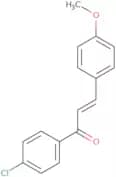
CAS:<p>Phenoxyacetic acid is a phenoxy compound that exhibits antibacterial and anthelmintic activity. It has been shown to be highly active against helminthes, such as tapeworms and roundworms. Phenoxyacetic acid interacts with the helminth's cell membrane, which causes the release of cytochrome c from mitochondria and inhibits mitochondrial function. This leads to cell death by inhibiting protein synthesis and DNA replication. The hydrophobic nature of phenoxyacetic acid allows it to penetrate the anthelmint's cuticle and enter the worm's body cavity where it inhibits mitochondrial function. Phenoxyacetic acid has also been shown to inhibit tuberculosis in mice in vivo, but not in vitro. In addition, phenoxyacetic acid binds to nuclei of cancer cells and prevents the production of RNA and protein synthesis. This results in cell death by apoptosis or necrosis.</p>Fórmula:C10H10O5Pureza:Min. 95%Forma y color:PowderPeso molecular:210.18 g/mol4-Chloro-3',4'-dimethoxychalcone
CAS:<p>Please enquire for more information about 4-Chloro-3',4'-dimethoxychalcone including the price, delivery time and more detailed product information at the technical inquiry form on this page</p>Pureza:Min. 95%3-(3-Ethoxyphenyl)propionic acid
CAS:<p>3-(3-Ethoxyphenyl)propionic acid is a useful building block in organic chemistry. It is used as a reagent in the synthesis of various pharmaceuticals, pesticides, and other chemicals. 3-(3-Ethoxyphenyl)propionic acid is also an intermediate in the production of 3-ethoxybenzoic acid and its derivatives.</p>Fórmula:C11H14O3Pureza:Min. 95%Forma y color:PowderPeso molecular:194.23 g/mol2-Bromo-4-methoxyaniline hydrochloride
CAS:2-Bromo-4-methoxyaniline hydrochloride is a high quality, reagent that is used as a useful intermediate in the production of fine chemicals. This compound has been shown to be a useful scaffold for the synthesis of speciality chemicals and research chemicals. It also functions as an excellent building block for versatile chemical reactions. 2-Bromo-4-methoxyaniline hydrochloride can be used as a reaction component in the preparation of compounds with diverse functional groups.Fórmula:C7H8BrNO·ClHPureza:Min. 95%Forma y color:White PowderPeso molecular:238.51 g/molMethyl (1S,2S,3S,5R)-3-[Bis(4-Fluorophenyl)Methoxy]-8-Methyl-8-Azabicyclo[3.2.1]Octane-2-Carboxylate
CAS:Producto controladoMethyl (1S,2S,3S,5R)-3-[Bis(4-fluorophenyl)methoxy]-8-methyl-8-azabicyclo[3.2.1]octane-2-carboxylate is a molecule that has been shown to bind with high affinity to the serotonin receptor and blocks dopamine uptake. This drug has also demonstrated dose-dependent locomotor activity in rats and m1 muscarinic receptor binding. Methyl (1S,2S,3S,5R)-3-[Bis(4-fluorophenyl)methoxy]-8-methyl-8-azabicyclo[3.2.1]octane-2-carboxylate is being developed for use as a diagnostic tool for detecting Parkinsonian symptoms or chemical reactions in the brain.Fórmula:C23H25F2NO3Pureza:Min. 95%Peso molecular:401.45 g/mol3-(2-(2-Aminoethoxy)ethoxy)-propanoic acid
CAS:<p>3-(2-(2-Aminoethoxy)ethoxy)-propanoic acid is a PEG compound with two different functional groups (also known as heterobifunctional). Unlike homobifunctional PEG compounds (same functional group on both ends), this type of compounds are more versatile as have two different anchor points. 3-(2-(2-Aminoethoxy)ethoxy)-propanoic acid is used as a linker and spacer to add a PEG moiety, via pegylation (a bioconjugation technique) to proteins, peptides, oligonucleotides, small molecules and nanoparticles.</p>Fórmula:C7H15NO4Pureza:Min. 95%Forma y color:White PowderPeso molecular:177.2 g/mol3-Iodo-4-methoxybenzoic acid
CAS:<p>3-Iodo-4-methoxybenzoic acid is a biaryl compound that can be synthesized by the cross-coupling reaction of an aryl boronic acid and benzene. 3-Iodo-4-methoxybenzoic acid is a good substrate for Suzuki cross-coupling reactions. The optimisation of this reaction requires sterically unhindered substrates, high solvents, and refluxing conditions. 3-Iodo-4-methoxybenzoic acid is also suitable for the synthesis of esters by esterification with alcohols in the presence of a catalytic amount of acid.</p>Fórmula:C8H7IO3Pureza:Min. 95%Peso molecular:278.04 g/mol5-(4-methoxyphenyl)-2H-1,2,3-triazole-4-carbonitrile
CAS:Please enquire for more information about 5-(4-methoxyphenyl)-2H-1,2,3-triazole-4-carbonitrile including the price, delivery time and more detailed product information at the technical inquiry form on this pagePureza:Min. 95%9-Fluoro-11β,17-Dihydroxy-16α-Methyl-3,20-Dioxopregna-1,4-Dien-21-Yl 2-[2-(2-Ethoxyethoxy)Ethoxy]Acetate
CAS:Producto controladoMethylprednisolone is a corticosteroid that has been used for the treatment of many conditions, including asthma and arthritis. It is used to reduce inflammation and suppress the immune system. Methylprednisolone can be administered orally or as an injection. It is also used in the diagnosis of tumours, especially those that are difficult to diagnose by other means. Methylprednisolone may be given together with another drug called dexamethasone, which has synergistic effects. These drugs have been shown to cause death in animals with certain types of tumours. In humans, they can cause cutaneous lesions, such as follicle cysts and tnf-α expression in skin cells. This drug also causes a microsporum infection (a type of fungus) on the skin to grow more rapidly when it is applied topically, resulting in a larger diameter section than untreated areas.Fórmula:C30H43FO9Pureza:Min. 95%Peso molecular:566.66 g/mol4-Methoxybenzyl alcohol
CAS:<p>4-Methoxybenzyl alcohol is an inhibitor that inhibits the enzyme hydroxylase, which catalyzes the conversion of 4-methylphenol to 4-hydroxymandelic acid. The inhibition of this enzyme leads to a decrease in the production of pro-inflammatory factors, such as leukotrienes and prostaglandins. The inhibition of this enzyme also prevents the release of lysosomal enzymes, which may be a therapeutic target for degenerative diseases. Kinetic data has been collected by measuring the rate at which 4-methoxybenzyl alcohol reacts with hydroxylase in vitro and in vivo. This reaction was found to be second order with respect to substrate concentration, with a half-life of 2.8 hours at 37 degrees Celsius and pH 7.4.</p>Fórmula:C8H10O2Pureza:Min. 98%Forma y color:Clear LiquidPeso molecular:138.16 g/mol2-Methoxy-4-morpholinobenzenediazonium chloride zinc chloride double
CAS:<p>2-Methoxy-4-morpholinobenzenediazonium chloride zinc chloride double (2MBZD) is a chemical compound that has been analyzed by X-ray crystallography and nuclear magnetic resonance. This molecule consists of two parts: a diazonium salt and zinc chloride. The diazonium salt is a heterocyclic nitrogen ring with two nitrogens, which are bonded to the same carbon atom. The second part of the molecule is zinc chloride, which has one chlorine atom attached to it. The zinc chloride component stabilizes the compound, while the diazonium component provides the antibacterial activity. 2MBZD has shown activity against Staphylococcus aureus and Bacillus subtilis.</p>Fórmula:C11H14N3O2•(ZnCl4)0Pureza:Min. 90 Area-%Forma y color:Yellow Green PowderPeso molecular:323.85 g/mol(4-Methoxyphenyl)acetic acid
CAS:<p>4-Methoxybenzoic acid is a chemical compound that belongs to the group of phenylacetic acids. It is an organic acid with a carboxylic acid group and a hydroxyl group. 4-Methoxybenzoic acid is used as an intermediate in the synthesis of other compounds, such as 3-methoxyphenylacetic acid and dihydroconiferyl alcohol. 4-Methoxybenzoic acid has been shown to inhibit the growth of breast cancer cells by inducing apoptosis. This effect was found to be increased when combined with tamoxifen (a drug used for the treatment of breast cancer). The mechanism of action is not clear but may involve hydrogen bond formation between 4-methoxybenzoic acid and tamoxifen, leading to increased uptake into cells.</p>Fórmula:C9H10O3Pureza:Min. 95%Forma y color:White PowderPeso molecular:166.17 g/mol4-Bromo-3,5-dimethoxybenzoic acid methyl ester
CAS:<p>4-Bromo-3,5-dimethoxybenzoic acid methyl ester is a crystalline solid that can be obtained from the reaction of 4-bromo-3,5-dimethoxybenzoic acid and methyl iodide. It has been shown to undergo an intramolecular cyclization when irradiated with ultraviolet light. This transformation is characterized by an increase in the length of the C=C bond and the appearance of a new C=O bond. The skeleton of 4-bromo-3,5-dimethoxybenzoic acid methyl ester consists of four five membered rings and two six membered rings. The molecule interacts with ligands such as styrene, mesitylene, vinylated benzyl halides, or halides.</p>Fórmula:C10H11BrO4Pureza:Min. 95%Forma y color:PowderPeso molecular:275.1 g/molent-(14S)-3-Methoxy-17-methylmorphinan
CAS:Producto controlado<p>Please enquire for more information about ent-(14S)-3-Methoxy-17-methylmorphinan including the price, delivery time and more detailed product information at the technical inquiry form on this page</p>Fórmula:C18H25NOPureza:Min. 95%Forma y color:Colorless Clear LiquidPeso molecular:271.4 g/mol4-Methoxycinnamic acid
CAS:4-Methoxycinnamic acid is a derivative that is activated by light exposure. It has been shown to have antimicrobial activity against Gram-positive bacteria and yeast, but not Gram-negative bacteria. 4-Methoxycinnamic acid is an analytical reagent that can be used to measure the dry weight of skin cancer cells, as well as to study the genotoxic effects of human liver cells. The chemical has also been shown to be genotoxic in mouse bone marrow cells and human lymphocytes. 4-Methoxycinnamic acid has been found to cause synchronous fluorescence when exposed to UV light, which may be due to its ability to react with molecular oxygen. This reaction produces a linear model with two products: 4-hydroxybenzoic acid and 2,5-dihydroxybenzoic acid.Fórmula:C10H10O3Pureza:Min. 95%Forma y color:PowderPeso molecular:178.18 g/mol(2,4-Dimethoxyphenyl)acetone
CAS:<p>2,4-dimethoxyphenylacetone is a high quality chemical intermediate that is used as a reagent in the synthesis of complex compounds. It is also useful in the synthesis of fine chemicals and speciality chemicals. This compound has been shown to be an excellent scaffold for the construction of other molecules and has been used as a building block in reactions with other functional groups. 2,4-dimethoxyphenylacetone can be used as a versatile building block with many different functional groups and has been shown to be reactive with nucleophiles such as amines, alcohols, and thiols.</p>Fórmula:C11H14O3Pureza:Min. 95%Forma y color:PowderPeso molecular:194.23 g/mol1-Deoxy-1-(methylamino)-D-glucitol [3-[[(2R,3S)-2-[(1R)-1-[3,5-bis(trifluoromethyl)phenyl]ethoxy]-3-(4-fluorophenyl)-4-morpholinyl]m ethyl]-2,5-dihydro-5-oxo-1H-1,2,4-triazol-1-yl]phosphonate
CAS:Fosaprepitant is a drug that belongs to the class of drugs used for chemotherapy. It is a prodrug that is converted in vivo to aprepitant, its active form. Fosaprepitant acts as an antagonist of the neurokinin-1 receptor (NK-1R) and inhibits the binding of substance P, which leads to an anti-inflammatory effect. Fosaprepitant has been shown to inhibit the production of substance P in animal models, leading to a reduction in inflammation. In clinical trials, fosaprepitant has been shown to be safe and well tolerated when used with other drugs such as cisplatin and docetaxel in patients with cancer.Fórmula:C23H22F7N4O6P•(C7H17NO5)2Pureza:Min. 95%Forma y color:White To Off-White SolidPeso molecular:1,004.83 g/mol2-(4-Methoxyphenoxy)acetohydrazide
CAS:<p>2-(4-Methoxyphenoxy)acetohydrazide is a coumarin derivative that has been synthesized for use in the detection of salicylaldehyde in air. The emissions are detected by means of luminescence and fluorescence spectroscopy, with the emission intensity measured by a dihedral angle detector. The compound also produces europium ions, which can be used to detect and quantify it. The elemental analysis gives the yields as 0.25 grams per mole, while the spectral data show 2-(4-methoxyphenoxy)acetohydrazide to have a fluorescence maximum at 489 nm and an excitation maximum at 320 nm.<br>2-(4-Methoxyphenoxy)acetohydrazide is fluorescent and luminescent, with a wavelength maximum of 489 nm and an excitation maximum of 320 nm. It reacts with benzene to produce nitro compounds, which can be detected using an electron spin resonance</p>Fórmula:C9H12N2O3Pureza:Min. 95%Peso molecular:196.2 g/molEthyl 4-methoxycinnamate
CAS:<p>Ethyl 4-methoxycinnamate is a white crystalline solid that is soluble in water. It is used as a food additive, and has been shown to have anti-bacterial, analgesic, and antioxidant properties. The compound interacts with the β-cyclodextrin molecule when it is dissolved in water. This interaction leads to a decrease in its solubility in water.</p>Fórmula:C12H14O3Pureza:Min. 95%Forma y color:PowderPeso molecular:206.24 g/mol2-(2,2-dimethylpropanoyl)-3-(4-hydroxy-3-methoxyphenyl)prop-2-enenitrile
CAS:Please enquire for more information about 2-(2,2-dimethylpropanoyl)-3-(4-hydroxy-3-methoxyphenyl)prop-2-enenitrile including the price, delivery time and more detailed product information at the technical inquiry form on this pagePureza:Min. 95%2-(2-formyl-6-methoxyphenoxy)acetonitrile
CAS:<p>Please enquire for more information about 2-(2-formyl-6-methoxyphenoxy)acetonitrile including the price, delivery time and more detailed product information at the technical inquiry form on this page</p>Fórmula:C10H9NO3Pureza:Min. 95%Forma y color:PowderPeso molecular:191.18 g/mol3-Methoxy-5-(trifluoromethyl)aniline
CAS:<p>3-Methoxy-5-(trifluoromethyl)aniline is a chemical building block that is used in the preparation of pharmaceuticals, agrochemicals, dyes, and other chemicals. 3-Methoxy-5-(trifluoromethyl)aniline is also a versatile intermediate that can be used to produce heterocyclic compounds. 3-Methoxy-5-(trifluoromethyl)aniline has been found to be high quality and useful for many reactions. It is an important compound for research use because it can be used as a reagent or scaffold for complex compounds.</p>Fórmula:C8H8F3NOPureza:Min. 95%Forma y color:PowderPeso molecular:191.15 g/mol2,3-Difluoro-4-methoxybenzoic acid
CAS:2,3-Difluoro-4-methoxybenzoic acid is a versatile building block that can be used to make complex compounds. This compound is a high quality, useful intermediate and reaction component that can be used in the synthesis of pharmaceuticals and other chemical products. 2,3-Difluoro-4-methoxybenzoic acid is a reagent that can be used for research purposes or as a speciality chemical. It has been shown to have many uses as a scaffold for making new compounds with different structures.Fórmula:C8H6F2O3Pureza:Min. 95%Forma y color:PowderPeso molecular:188.13 g/mol2',4',4-Trimethoxychalcone
CAS:2',4',4-Trimethoxychalcone is a natural product that inhibits the enzyme activity of phospholipase A2, lipoxygenase, and cyclo-oxygenase. It also has high resistance to hydrochloric acid, chloride, and blood pressure. 2',4',4-Trimethoxychalcone has shown protein inhibition effects in vitro, as well as potent transport inhibitor activity against particles. This compound is synthesized using solid-phase chemistry on an immobilized resin.Fórmula:C18H18O4Pureza:Min. 95%Forma y color:PowderPeso molecular:298.33 g/molTrimethylolpropane ethoxylate - average Mn ~450
CAS:<p>Please enquire for more information about Trimethylolpropane ethoxylate - average Mn ~450 including the price, delivery time and more detailed product information at the technical inquiry form on this page</p>Fórmula:(C2H4O)n•(C2H4O)n•(C2H4O)n•C6H14O3Pureza:Min. 95%2-(2,2-dimethylpropanoyl)-3-(4-methoxyphenyl)prop-2-enenitrile
CAS:Please enquire for more information about 2-(2,2-dimethylpropanoyl)-3-(4-methoxyphenyl)prop-2-enenitrile including the price, delivery time and more detailed product information at the technical inquiry form on this pagePureza:Min. 95%3,4-Dimethoxy-2-methylcinnamic acid
CAS:<p>3,4-Dimethoxy-2-methylcinnamic acid is a fine chemical that can be used as a building block to produce complex compounds. It is also an intermediate in the synthesis of chemicals such as cinnamyl alcohol, cinnamaldehyde, and 2-methyl-3-(4'-methoxyphenyl)propanoic acid. This compound is useful for research purposes as it has been shown to be an effective reaction component in organic reactions. 3,4-Dimethoxy-2-methylcinnamic acid is a high quality reagent with CAS No. 868562-26-9.</p>Fórmula:C12H14O4Pureza:Min. 95%Forma y color:PowderPeso molecular:222.24 g/molN-[4-(2-Hydrazino-2-oxoethoxy)phenyl]acetamide
CAS:<p>N-[4-(2-Hydrazino-2-oxoethoxy)phenyl]acetamide is a phenolic compound that has been shown to have an antimicrobial effect. It has been shown to have antitubercular activity against Mycobacterium tuberculosis and the ability to inhibit the growth of cancer cells in vitro. N-[4-(2-Hydrazino-2-oxoethoxy)phenyl]acetamide is also known as monastrol. The pharmacophore of this drug is based on the structure of paracetamol, which is a member of the class of drugs known as analgesics, antipyretics, and antiinflammatory agents. Paracetamol has been used for decades in humans and animals for relief from pain, fever, and inflammation. N-[4-(2-Hydrazino-2-oxoethoxy)phenyl]acetamide may be useful for treating diseases such as cancer or tuberculosis due to its antic</p>Fórmula:C10H13N3O3Pureza:Min. 95%Forma y color:PowderPeso molecular:223.23 g/mol2-(2,5-dimethoxyphenyl)acetic acid
CAS:2-(2,5-dimethoxyphenyl)acetic acid (DMPA) is a potent inhibitor of epidermal growth. It blocks the production of epidermal growth factor, which is a bioactive molecule that is involved in the biosynthesis of epidermal cells. DMPA also inhibits the formation of new blood vessels, which may be due to its ability to bind to silicon and alcaptonuria. DMPA has been shown to have an effect on platelet-derived growth factor and solid-phase synthesis. This drug also binds to factor receptor tyrosine kinase and has been shown to inhibit the growth of certain tumor cells.Fórmula:C10H12O4Pureza:Min. 95%Forma y color:White PowderPeso molecular:196.2 g/mol3,4-Methylenedioxy-5-methoxycinnamic acid
CAS:3,4-Methylenedioxy-5-methoxycinnamic acid is a fine chemical that can be used as a versatile building block in the synthesis of many organic compounds. It is a useful intermediate for research chemicals, reaction components, and specialty chemicals. This compound can be used as a reagent for the synthesis of complex compounds. It has high purity and quality.Fórmula:C11H10O5Pureza:Min. 95%Forma y color:PowderPeso molecular:222.19 g/mol3-(2,3,4-trimethoxyphenyl)propanoic acid
CAS:<p>3-(2,3,4-Trimethoxyphenyl)propanoic acid is a high quality chemical that is used as a reagent and as a useful intermediate in the production of fine chemicals. CAS No. 33130-04-0 is a versatile building block with many applications in the research and development of compounds for use as pharmaceuticals, agrochemicals, or other chemicals. 3-(2,3,4-Trimethoxyphenyl)propanoic acid can be used to synthesize new chemical substances with different properties than those of the starting material. This compound has been shown to have many uses in organic synthesis due to its versatility and reactivity.</p>Fórmula:C12H16O5Pureza:Min. 98 Area-%Forma y color:PowderPeso molecular:240.25 g/mol2-(2-Methoxyphenyl)thiazole-4-carbaldehyde
CAS:<p>Please enquire for more information about 2-(2-Methoxyphenyl)thiazole-4-carbaldehyde including the price, delivery time and more detailed product information at the technical inquiry form on this page</p>Fórmula:C11H9NO2SPureza:Min. 95%Forma y color:PowderPeso molecular:219.26 g/mol3-Bromo-4-methoxybenzylamine hydrochloride
CAS:<p>3-Bromo-4-methoxybenzylamine hydrochloride is a high quality reagent that is used as an intermediate in the synthesis of complex compounds. It has been shown to be a useful scaffold for the synthesis of new chemical entities and a versatile building block for organic synthesis. 3-Bromo-4-methoxybenzylamine hydrochloride can be used as a reaction component in various chemical reactions, including Friedel-Crafts acylation, nitration, chlorination and bromination.</p>Fórmula:C8H11BrClNOPureza:Min. 95%Forma y color:PowderPeso molecular:252.54 g/mol3-Ethoxybenzonitrile
CAS:<p>3-Ethoxybenzonitrile is an organic compound with the chemical formula C6H5COC6H4OCH3. It has a molecular weight of 122.14 g/mol and a density of 0.971 g cm-3 at 20 °C. The empirical formula for 3-ethoxybenzonitrile is C8H8O2, which corresponds to a molecular formula of C6H8O2.</p>Fórmula:C9H9NOPureza:Min. 95%Forma y color:PowderPeso molecular:147.17 g/mol2-Hydroxy-5-methoxybenzyl alcohol
CAS:2-Hydroxy-5-methoxybenzyl alcohol (2HMB) is a methide that is used as an inductor in the synthesis of Taxol. 2HMB has been shown to induce apoptosis in MCF-7 cells and to promote the hydration of oxacycles. It can also be used in cancer research as a kinetic probe for the hydration of oxacycles. 2HMB activates MCF-7 cells and induces apoptosis, which may be due to its nucleophilic properties.Fórmula:C8H10O3Pureza:Min. 95%Peso molecular:154.16 g/mol1-(4-Methoxyphenyl)piperazine hydrochloride
CAS:Producto controlado1-(4-Methoxyphenyl)piperazine hydrochloride is a high-potency inhibitor of the K+ channels. It has been shown to inhibit the activity of these channels in lead compound screening and optimization. The modification of potassium channels by 1-(4-Methoxyphenyl)piperazine hydrochloride has been evaluated using a patch clamp technique on rat erythrocytes. This inhibitory activity was found to be concentration dependent and voltage sensitive. 1-(4-Methoxyphenyl)piperazine hydrochloride was also shown to have pharmacological effects, such as analgesia, sedation and muscle relaxation.Fórmula:C11H16N2O•HClPureza:Min. 95%Peso molecular:228.72 g/mol4-Bromo-3,5-dimethoxybenzaldehyde
CAS:<p>4-Bromo-3,5-dimethoxybenzaldehyde is a compound that inhibits the replication of cells. It has been shown to induce apoptosis and inhibit tumor growth, including skin tumors and malignant melanoma cells. This chemical is synthesized by reacting an acrylonitrile with sodium hydroxide in a biphenyl amide. 4-Bromo-3,5-dimethoxybenzaldehyde has been used to inhibit bacterial growth, but it is not active against Mycobacterium tuberculosis or Mycobacterium avium complex.</p>Fórmula:C9H9BrO3Pureza:Min. 95%Forma y color:PowderPeso molecular:245.07 g/molN-[3,5-Bis(trifluoroMethyl)phenyl]-N'-[(9R)-6'-Methoxy-9-cinchonanyl]thiourea
CAS:<p>Please enquire for more information about N-[3,5-Bis(trifluoroMethyl)phenyl]-N'-[(9R)-6'-Methoxy-9-cinchonanyl]thiourea including the price, delivery time and more detailed product information at the technical inquiry form on this page</p>Fórmula:C29H28F6N4OSPureza:Min. 95%Forma y color:PowderPeso molecular:594.62 g/mol3-Ethoxysalicylaldehyde
CAS:3-Ethoxysalicylaldehyde (3ESA) is a colorless liquid that has been shown to be soluble in methanol. 3ESA has a molecular weight of 172.2 and an experimental solubility data of 1.01 g/mL at 25 °C. The compound has a coordination geometry of tetrahedral with one metal ion and three oxygen atoms. The compound also contains one hydroxyl group and two hydrogen bonds, which are intramolecular hydrogen bonds. 3ESA has shown high resistance to human serum, suggesting that it is stable in the presence of human proteins, and is able to bind copper ions to form copper complexes.Fórmula:C9H10O3Pureza:Min. 95%Forma y color:PowderPeso molecular:166.17 g/mol5-Methoxyindole-3-acetonitrile
CAS:5-Methoxyindole-3-acetonitrile is a synthetic compound used as a reference for the synthesis of melatonin. It is produced by the addition of magnesium to 5-methoxyindole, followed by reaction with cyanide and nitrile. The synthesis of this compound was first published in 1938 and has since been used as a reference for many other studies. It has been shown that 5-methoxyindole-3-acetonitrile has high performance liquid chromatography properties, with a linear range from 0.5 to 50 mg/mL and an ultraviolet spectrum that falls within the region between 220 nm and 400 nm. A molecular modeling study was conducted on this compound, which showed that it conforms with 4-hydroxy indole ring systems found in natural products such as tryptophan and serotonin. This product also has fluorescent properties, which are caused by its electron withdrawing group (cyano).Fórmula:C11H10N2OPureza:Min. 95%Forma y color:PowderPeso molecular:186.21 g/molMethyl 1-(2-chloro-4-fluorobenzyl)-3-formyl-6-methoxy-1H-indole-2-carboxylate
CAS:Producto controlado<p>Please enquire for more information about Methyl 1-(2-chloro-4-fluorobenzyl)-3-formyl-6-methoxy-1H-indole-2-carboxylate including the price, delivery time and more detailed product information at the technical inquiry form on this page</p>Fórmula:C19H15ClFNO4Pureza:Min. 95%Peso molecular:375.78 g/mol2-Ethoxybenzyl alcohol
CAS:<p>2-Ethoxybenzyl alcohol is a chemical that belongs to the group of ethyl esters. It is an ether that has been shown to have normalizing activities on frequencies in the range of 2.2-2.4 ppm. The stereochemical configuration at C1 and the carbonyl group are essential for these activities, which are due to the ability of this molecule to act as a hydrogen bond acceptor. 2-Ethoxybenzyl alcohol is commonly found as an impurity in other ethers, such as diethyl ether, and can be used as a marker for their presence in a sample by gas chromatography with chemical ionization detection (GC/CI). 2-Ethoxybenzyl alcohol can also be metabolized by sulfation or biotransformations into methoxy or acetate derivatives. This compound has been shown to be carcinogenic when administered orally to rats.</p>Fórmula:C9H12O2Pureza:Min. 95%Forma y color:Clear LiquidPeso molecular:152.19 g/mol3-Methoxy-4-methylbenzaldehyde
CAS:<p>3-Methoxy-4-methylbenzaldehyde is a chemical compound that belongs to the class of phenylpropanoids. It has been shown to have a variety of uses, including as a drug substance and in natural products. 3-Methoxy-4-methylbenzaldehyde can be used for labeling, mass spectrometric detection, physicochemical techniques, and chromatographic science. The compound can be detected using electron ionization, mass spectrometric detection, or chromatographic science. Isomers of this compound are often difficult to identify due to the presence of other similar compounds.</p>Fórmula:C9H10O2Pureza:Min. 95%Forma y color:PowderPeso molecular:150.17 g/mol1-Ethoxy-2-methoxybenzene
CAS:<p>1-Ethoxy-2-methoxybenzene is an organic compound that belongs to the class of phenols. It has been used as a solvent for pharmaceutical formulations, as an extractant for human serum, and as a demethylating agent in analytical chemistry. 1-Ethoxy-2-methoxybenzene is used in the presence of hydrochloric acid and morpholine to produce dibutyl ether from diethyl ether. This reaction is catalyzed by chloride ions, which are present at high concentrations in the solution. The linear response of this analytical method can be attributed to its acidic properties. The use of microwaves during this reaction allows for increased chemical yields and decreased time needed for the reaction to occur.</p>Fórmula:C9H12O2Pureza:Min. 95%Forma y color:Clear LiquidPeso molecular:152.19 g/mol1,2-Bis-(4-methoxyphenylcyclohexan-1,2-diol)
CAS:<p>1,2-Bis-(4-methoxyphenylcyclohexan-1,2-diol) is a high quality reagent that is an important intermediate for the synthesis of complex compounds. It is also a useful building block in the synthesis of fine chemicals and speciality chemicals. This compound can be used as a versatile building block in the synthesis of various organic compounds. 1,2-Bis-(4-methoxyphenylcyclohexan-1,2-diol) is also a reaction component that can be used to synthesize pharmaceuticals and other research chemicals.</p>Fórmula:C20H24O4Pureza:Min. 95%Peso molecular:328.4 g/molMethyl 2,3,4-trimethoxyphenyl acetate
CAS:<p>Methyl 2,3,4-trimethoxyphenyl acetate is a high quality reagent that can be used to synthesize complex compounds. This compound is also useful as an intermediate in the synthesis of fine chemicals and useful scaffolds for chemical research. CAS No. 22480-88-2 Methyl 2,3,4-trimethoxyphenyl acetate is a versatile building block that can be used to synthesize other compounds with a wide range of applications.</p>Fórmula:C12H16O5Pureza:Min. 95%Forma y color:PowderPeso molecular:240.25 g/mol3-Hydroxy-2,4-dimethoxyacetophenone
CAS:<p>3-Hydroxy-2,4-dimethoxyacetophenone is an alkoxide that reacts with a variety of substances. It has been used to synthesize polymers, and has been detected in the gas phase by electron spin resonance spectroscopy. 3-Hydroxy-2,4-dimethoxyacetophenone is also a microbial metabolite that can be quantified by coulometric analysis. It has been found in microorganisms such as Escherichia coli and Pseudomonas aeruginosa, which suggests it may have anti-microbial activity.</p>Fórmula:C10H12O4Pureza:Min. 95%Forma y color:PowderPeso molecular:196.2 g/molN-[2-(2,3-Dimethoxyphenyl)ethyl]-2-chlorobenzamide
CAS:Producto controlado<p>N-[2-(2,3-Dimethoxyphenyl)ethyl]-2-chlorobenzamide is a versatile building block that can be used as a reaction component and reagent. It is an intermediate in the synthesis of pharmaceuticals and fine chemicals and has been shown to be useful in the synthesis of complex compounds. This compound reacts with nucleophiles, such as amines and alcohols, by replacing the chloride group with a variety of functional groups. The product is then hydrolyzed to release the original reactant. N-[2-(2,3-Dimethoxyphenyl)ethyl]-2-chlorobenzamide has a CAS number of 320576-19-0 and can be found at ChemDiv.com.</p>Fórmula:C17H18ClNO3Pureza:Min. 95%Peso molecular:319.78 g/mol3-(4-ethoxyphenyl)-5-indol-3-yl-1H,4H,5H-1,2-diazin-6-one
CAS:<p>Please enquire for more information about 3-(4-ethoxyphenyl)-5-indol-3-yl-1H,4H,5H-1,2-diazin-6-one including the price, delivery time and more detailed product information at the technical inquiry form on this page</p>Pureza:Min. 95%3,5-Dimethoxycinnamic acid
CAS:<p>3,5-Dimethoxycinnamic acid is a compound that belongs to the class of cinnamic acid derivatives. It is a synthetic substance obtained by demethylation of 3,5-dimethoxybenzoic acid. This substance has been shown to have an antifungal activity in vitro against filamentous fungi and many other microorganisms. The antimicrobial effect can be explained by the presence of functional groups such as hydroxyl and methoxyl on the aromatic ring. Hydroxide solution can be used as an analytical reagent for determining the formation rate of this compound.</p>Fórmula:C11H12O4Pureza:Min. 95%Forma y color:PowderPeso molecular:208.21 g/mol2,3-Dimethoxybenzonitrile
CAS:2,3-Dimethoxybenzonitrile is a useful building block for the synthesis of complex compounds. It is used in the manufacture of pharmaceuticals and agrochemicals. 2,3-Dimethoxybenzonitrile can be used as a reactant or intermediate in organic synthesis. It is also known to have antioxidant properties.Fórmula:C9H9NO2Pureza:Min. 95%Peso molecular:163.17 g/mol3-(2-Ethoxyphenyl)propionic acid
CAS:<p>3-(2-Ethoxyphenyl)propionic acid is a versatile building block that can be used as a reagent, speciality chemical, or useful scaffold in the synthesis of complex compounds. 3-(2-Ethoxyphenyl)propionic acid has been shown to have high quality and is a useful intermediate in the synthesis of fine chemicals. This compound has been used as a reactant in organic reactions such as Michael addition and Diels-Alder reactions.</p>Fórmula:C11H14O3Pureza:Min. 95%Peso molecular:194.23 g/mol3,5-Dimethyl-4-methoxybenzaldehyde
CAS:<p>3,5-Dimethyl-4-methoxybenzaldehyde is a high quality, versatile chemical that can be used as an intermediate to synthesize other fine chemicals. The compound can be reacted with various reagents to produce complex compounds. 3,5-Dimethyl-4-methoxybenzaldehyde can also be used as a building block to synthesize other useful compounds. This chemical has been shown to be a useful scaffold for the production of new compounds and has been used as a reaction component in research and development.</p>Fórmula:C10H12O2Pureza:Min. 95%Forma y color:PowderPeso molecular:164.2 g/molN-((3,4-dimethoxyphenyl)methyl)(3-(2-chlorophenyl)-5-methylisoxazol-4-yl)formamide
CAS:Please enquire for more information about N-((3,4-dimethoxyphenyl)methyl)(3-(2-chlorophenyl)-5-methylisoxazol-4-yl)formamide including the price, delivery time and more detailed product information at the technical inquiry form on this pagePureza:Min. 95%2-Fluoro-4-methoxyphenylacetone
CAS:<p>2-Fluoro-4-methoxyphenylacetone is a high quality chemical that can be used as a reagent, complex compound, and useful intermediate. It is also a fine chemical and speciality chemical with CAS No. 16817-46-2. This product can be used as a reaction component for diverse synthetic reactions in research and development of various types of pharmaceuticals and fine chemicals. It is also versatile building block for the synthesis of valuable products.</p>Fórmula:C10H11FO2Pureza:Min. 95%Peso molecular:182.19 g/molN-[(2-Fluorophenyl)methyl]-4-iodo-2,5-dimethoxybenzeneethanamine
CAS:Producto controlado<p>N-[(2-Fluorophenyl)methyl]-4-iodo-2,5-dimethoxybenzeneethanamine (25I-NBOMe) is a synthetic drug that acts as a potent agonist of the serotonin receptor 5-HT2A. It has been used in bioassays to study the function of this receptor and has been shown to be able to inhibit human liver metabolism. 25I-NBOMe is also an analytical tool for the detection and identification of cannabinoid derivatives, which are often found in synthetic cannabinoids. This compound can be analyzed by liquid chromatography tandem mass spectrometry (LC/MS/MS) methods with modifications that allow for the detection of metabolites.</p>Fórmula:C17H19FINO2Pureza:Min. 95%Peso molecular:415.24 g/mol2-Methoxy-5-nitrophenol
CAS:<p>2-Methoxy-5-nitrophenol (2MNOP) is a compound that has been shown to inhibit the growth of bacteria in nutrient solutions by reducing the activity of glutamate pyruvate transaminase and pyridoxine hydrochloride. 2MNOP is a potent inhibitor of bacterial enzyme activities, such as neutral ph, hydrochloric acid, nitro, and toxicity studies. It is not active against eukaryotic cells or plants. The uptake of 2MNOP is enhanced by the presence of diamine tetraacetic acid and ethylene diamine. 2MNOP has also been shown to be effective against multi-walled carbon nanotubes.</p>Fórmula:C7H7NO4Pureza:Min. 95%Forma y color:PowderPeso molecular:169.13 g/mol1-Keto-6-methoxy-1,2,3,4-tetrahydro-β-carboline
CAS:<p>1-Keto-6-methoxy-1,2,3,4-tetrahydro-beta-carboline is a versatile building block that can be used in the synthesis of various compounds. It is an intermediate that can be used to synthesize other compounds such as 1-methylpiperazine and 1-(2,4-dichlorophenyl)piperazine. It has been shown to have high quality and is useful as a reagent for the synthesis of many different compounds. 1-Keto-6-methoxy-1,2,3,4-tetrahydro-beta carboline is also a useful scaffold for research chemicals and speciality chemicals. CAS No: 128487–09–2</p>Fórmula:C12H12N2O2Pureza:Min. 95%Peso molecular:216.24 g/mol2-(3-Methoxyphenoxy)-2-methylpropanoic acid
CAS:2-(3-Methoxyphenoxy)-2-methylpropanoic acid is a reagent, useful intermediate and speciality chemical. It is a versatile building block for the synthesis of complex compounds. This product has CAS No. 140239-94-7, which is a fine chemical with high quality. It is an essential reaction component for the preparation of many other valuable chemicals in the laboratory.Fórmula:C11H14O4Pureza:Min. 95%Forma y color:PowderPeso molecular:210.23 g/mol6,7-Dimethoxycarbostyril
CAS:<p>6,7-Dimethoxycarbostyril is a small molecule that has been shown to induce cell death in cancer cells by inhibiting the chaperone function of heat shock protein 90 (HSP90). HSP90 is a multifunctional molecular chaperone that affects many cellular processes including cell growth, apoptosis and tumorigenesis. 6,7-Dimethoxycarbostyril binds to the ATP binding site of HSP90, preventing it from performing its chaperone role. This leads to inhibition of cell growth and induction of apoptosis. 6,7-Dimethoxycarbostyril has also been shown to inhibit tumor growth in vivo in mouse models and has successfully completed phase I clinical trials at doses up to 2000 mg/day.</p>Fórmula:C11H11NO3Pureza:Min. 95%Forma y color:PowderPeso molecular:205.21 g/mol3-Hydroxy-4-methoxybenzoic acid
CAS:3-Hydroxy-4-methoxybenzoic acid is a phenolic acid with antiinflammatory activity. It can be found in the leaves of the plant "Anacardium occidentale" or as an intermediate in the synthesis of protocatechuic acid, which is formed by oxidation of 3-hydroxycinnamic acid. 3-Hydroxy-4-methoxybenzoic acid has been shown to inhibit bacterial growth and fungal infection in vitro. The compound also inhibits proinflammatory cytokine production by human monocytes and macrophages, which may be due to its hydroxyl group that can form hydrogen bonds with nucleophilic centers on proteins. 3-Hydroxy-4-methoxybenzoic acid can be prepared through extraction from acetate (1g) containing pyridine (2mL) and acetone (2mL). The extract is incubated at 50°C for 20 minutes before being cooled. TheFórmula:C8H8O4Pureza:Min. 95%Forma y color:PowderPeso molecular:168.15 g/mol4-Methoxybenzhydrol
CAS:<p>4-Methoxybenzhydrol is a chemical compound that has an activation energy of 69.3 kJ/mol. It has been shown to be acidic, with a pH of 2.5 in water, and can react with allyl alcohols to form 4-methoxybenzaldehyde. The addition of metal ions enhances the reaction rate. Kinetic studies have been carried out at room temperature, and the reaction mechanism is proposed to be via solvolysis of hypophosphorous acid followed by decarboxylation. Impurities may arise from side reactions such as the formation of peroxides or photocatalytic activity, which may lead to functional groups on the molecule.</p>Fórmula:C14H14O2Pureza:Min. 95%Forma y color:PowderPeso molecular:214.26 g/mol5-(Indol-3-ylmethyl)-4-(4-methoxyphenyl)-1,2,4-triazole-3-thiol
CAS:Please enquire for more information about 5-(Indol-3-ylmethyl)-4-(4-methoxyphenyl)-1,2,4-triazole-3-thiol including the price, delivery time and more detailed product information at the technical inquiry form on this pageFórmula:C18H16N4OSPureza:Min. 95%Forma y color:PowderPeso molecular:336.41 g/molCarboxymethoxyamine hemihydrochloride
CAS:Carboxymethoxyamine hemihydrochloride (CMAH) is a gamma-aminobutyric acid analogue that has inhibitory properties. It is used in the treatment of syncytial virus infections and has been shown to reduce the severity of symptoms, as well as shorten the course of the disease. CMAH binds to the receptors in cells that are sensitive to gamma-aminobutyric acid. This binding inhibits uptake of calcium ions into cells, thereby reducing intracellular Ca2+ levels and inhibiting synaptic transmission. CMAH also has an effect on aminotransferase activity, which may be due to its ability to inhibit protein synthesis or dephosphorylate proteins.Fórmula:C2H5NO3HClForma y color:White PowderPeso molecular:109.3 g/mol6-Fluoro-1,3,4 ,5-tetrahydro-3-[4-[3-methoxy-4-(4-methyl-1H-imidazol-1-yl)phenyl]-1H-1 ,2,3-triazol-1-yl]-1-(2-trifluoroethyl)-2H-1-benzazepin-2-one
CAS:<p>6-Fluoro-1,3,4,5-tetrahydro-3-[4-[3-methoxy-4-(4-methyl-1H-imidazol-1-yl)phenyl]-1H-- 1,2,3-triazol-1yl]-1-(2trifluoroethyl)-2H-1benzazepin-2one (6FTH) is an anticancer drug that belongs to the class of benzothiazole derivatives. It has been shown to have potent antiangiogenic and antiproliferative properties in preclinical studies. 6FTH has been shown to be effective against colon cancer and breast cancer cells in vitro. It also inhibits the growth of squamous cell carcinoma cells by downregulating the expression of proteins involved in tumorigenesis. The compound has been found to be safe when used as an adjuvant to a combination therapy containing cisplatin</p>Fórmula:C25H22F4N6O2Pureza:Min. 98 Area-%Forma y color:PowderPeso molecular:514.48 g/mol1-(2,5-Dimethoxyphenyl)-2-nitroethane
CAS:<p>1-(2,5-Dimethoxyphenyl)-2-nitroethane is a versatile building block that can be used as a reagent in organic synthesis or as an intermediate in the manufacturing of other chemicals. It is soluble in most common solvents and has a greenish yellow color. This chemical is also useful for the manufacture of pharmaceuticals, insecticides, and pesticides.</p>Fórmula:C10H13NO4Pureza:Min. 95%Peso molecular:211.21 g/mol2-(2,3-dimethylphenoxy)-N-(4-(trifluoromethoxy)phenyl)ethanamide
CAS:<p>Please enquire for more information about 2-(2,3-dimethylphenoxy)-N-(4-(trifluoromethoxy)phenyl)ethanamide including the price, delivery time and more detailed product information at the technical inquiry form on this page</p>Pureza:Min. 95%Methyl 4-methoxyacetoacetate
CAS:<p>Methyl 4-methoxyacetoacetate is a synthetic chemical compound that can be used in the synthesis of other substances. It has been shown to react with diacetates and produce hydroxy compounds during the reaction system. The reaction rate is dependent on the temperature and concentration of the reactants, as well as the presence of a catalyst such as hydrochloric acid. Methyl 4-methoxyacetoacetate has also been shown to form crystals when heated at constant temperature, which have been analyzed by X-ray diffraction. These crystals are composed of 2 molecules of methyl 4-methoxyacetoacetate that are held together through hydrogen bonding.</p>Fórmula:C6H10O4Pureza:Min. 95%Forma y color:Colorless Clear LiquidPeso molecular:146.14 g/mol2-[2-[2-(2-Hydroxyethoxy)ethoxy]ethoxy]-1-(p-toluenesulfonyl)-ethanol
CAS:2-[2-[2-(2-Hydroxyethoxy)ethoxy]ethoxy]-1-(p-toluenesulfonyl)-ethanol is a PEG polymer categorised as monofunctional (OH-PEG-X). Used as a linker, 2-[2-[2-(2-hydroxyethoxy)ethoxy]ethoxy]-1-(p-toluenesulfonyl)-ethanol is used to attached PEG to proteins, peptides, oligonucleotides, nanoparticles and small molecules via pegylation, a bioconjugation technique.Fórmula:C13H20O6SPureza:Min. 95%Forma y color:PowderPeso molecular:304.36 g/molDiethyl ethoxymethylidenemalonate
CAS:<p>Diethyl ethoxymethylidenemalonate is a matrix effect reagent used in analytical chemistry. It is often used as a substrate for the cycloaddition process, which produces malondialdehyde and hydrochloric acid. The UV-absorption of the malondialdehyde can be measured to determine the concentration of the sample. Diethyl ethoxymethylidenemalonate is also used as a dna template in binding constants, where it binds with amines to form complexes that are then analyzed by light emission. It has been shown to have an inhibitory effect on gyrase and trifluoroacetic acid, both enzymes involved in DNA replication.</p>Fórmula:C10H16O5Pureza:Min. 95%Forma y color:Colorless Clear LiquidPeso molecular:216.23 g/mol4-Methoxy-3-nitrobenzoic acid
CAS:<p>4-Methoxy-3-nitrobenzoic acid is a hydroxybenzoic acid, and belongs to the group of heterocyclic compounds. It is a preactivated hydroxybenzoate that can be used in the synthesis of griseoluteic acid with chloride as an electron donor. Griseoluteic acid has inhibitory activities on isolated yield. This compound also has potent antitumor activity, which may be due to its ability to inhibit DNA synthesis and protein synthesis by binding to DNA polymerase and ribosomes respectively. Preparative high performance liquid chromatography (HPLC) using this compound is possible with marine microorganisms as the stationary phase. The x-ray absorption spectrum shows that 4-methoxy-3-nitrobenzoic acid has potential for use as a contrast agent for x-rays in imaging tissues.</p>Fórmula:C8H7NO5Pureza:Min. 98 Area-%Forma y color:PowderPeso molecular:197.14 g/mol(2,4,6-Trimethoxyphenyl)methyl carbinol
CAS:Trimethoxyphenylmethylcarbinol (TMPC) is a high quality chemical that can be used in the production of research chemicals, pharmaceuticals and other speciality chemicals. It has been shown to be an effective building block for complex compounds such as heterocycles. TMPC has also been shown to have protective effects against oxidative stress and may be useful as a reagent in chemical synthesis.Fórmula:C11H16O4Pureza:Min. 95%Forma y color:PowderPeso molecular:212.24 g/mol2,3,4-Trimethoxy-6-methylphenol
CAS:2,3,4-Trimethoxy-6-methylphenol is a prenylated phenol with an acidic character. It is synthesised from 5-nitrovanillin and methoxyphenol in dioxane by reaction with hydrogen peroxide and hydrochloric acid. This acid catalyst initiates the reactions that produce 2,3,4-trimethoxy-6-methylphenol. The reaction time is 10 hours at pH 3 to 4. 2,3,4-Trimethoxy-6-methylphenol has been used for the synthesis of phosphotungstate, which is used as a reagent in analytical chemistry for the determination of metal ions. 2,3,4-Trimethoxy-6 methylphenol also provides a route to manufacture peracid and peroxide, which are oxidants with antimicrobial properties.Fórmula:C10H14O4Pureza:Min. 95%Forma y color:PowderPeso molecular:198.22 g/mol2,4-Dimethoxy-5-methylbenzoic acid
CAS:<p>2,4-Dimethoxy-5-methylbenzoic acid is a compound that belongs to the class of useful building blocks. It has a high quality and can be used as a reagent, complex compound, and useful intermediate in the synthesis of fine chemicals. 2,4-Dimethoxy-5-methylbenzoic acid is also a versatile building block that can be used for the production of speciality chemicals such as research chemicals.</p>Fórmula:C10H12O4Pureza:Min. 95%Peso molecular:196.2 g/mol5-Fluoro-2-methoxyphenol
CAS:5-Fluoro-2-methoxyphenol is a heterodimeric natural product that consists of anisoles and acetanilides. It has been shown to induce liver microsomes in rats, as well as hypervalent organometallic complexes with methoxy groups. 5-Fluoro-2-methoxyphenol also exhibits vinylic shift and product synthesis abilities. This compound is useful for the synthesis of acetanilides and other compounds with a methoxy group. Reagents such as phenyllithium, butyllithium, and lithium diisopropylamide are used in this synthesis.Fórmula:C7H7FO2Pureza:Min. 95%Forma y color:Clear LiquidPeso molecular:142.13 g/mol(2-methoxyethyl)((2-nitrophenyl)sulfonyl)amine
CAS:Please enquire for more information about (2-methoxyethyl)((2-nitrophenyl)sulfonyl)amine including the price, delivery time and more detailed product information at the technical inquiry form on this pagePureza:Min. 95%3-Methoxy-4-nitroacetophenone
CAS:<p>3-Methoxy-4-nitroacetophenone is an enamine that can be used in the synthesis of a variety of organic compounds. It is a good reducing agent and can be used to synthesize nitrophenols and nitrosamines. Catalytic hydrogenation, transfer hydrogenation, and reductive condensation reactions all use 3-methoxy-4-nitroacetophenone as a starting material. It has been shown to react with a range of alcohols to form acetals, which are stable compounds with a protective group on the alcohol. Cyclization reactions using 3-methoxy-4-nitroacetophenone have also been reported. This compound has been crystallized in pure form.</p>Fórmula:C9H9NO4Pureza:Min. 95%Forma y color:PowderPeso molecular:195.17 g/mol3-(4-Fluorobenzoyl)-6-Methoxy-2-Methyl-1H-Indole-1-Acetic Acid
CAS:Producto controlado3-(4-Fluorobenzoyl)-6-Methoxy-2-Methyl-1H-Indole-1-Acetic Acid is a prodrug that is metabolized to 6-fluoro-3,4 dioxo tamoxifen in the liver. It has been shown to have anticholinergic, cytosolic calcium and c1-4 alkyl properties. 3-(4-Fluorobenzoyl)-6-Methoxy-2-Methylindole Acetic Acid also has a basic group, cyclopentane ring, and pyridine ring.Fórmula:C19H16FNO4Pureza:Min. 95%Peso molecular:341.33 g/molDextromethorphan
CAS:Producto controlado<p>9-alpha,-14-alpha-3-Methoxy-17-methylmorphinan (914) is a drug that is used in the treatment of bowel disease. It has been shown to inhibit the activity of enzymes such as polymerase chain, which is responsible for DNA replication and repair. 914 also inhibits dextromethorphan, an opioid that is used in cough suppressant medications. The effects of 914 on dextromethorphan are seen in human subjects who have been given the drug intravenously or orally. 914 binds to receptors that are found on cells in the brain and spinal cord, which explains its analgesic properties. This drug can be dangerous when taken with nonsteroidal anti-inflammatory drugs because it can cause kidney damage or failure.</p>Fórmula:C18H25NOPureza:Min. 95%Forma y color:PowderPeso molecular:271.4 g/mol2,5-Dimethoxy-N-[(2-methoxyphenyl)methyl]-4-(trifluoromethyl)benzeneethanamine
CAS:Producto controlado2,5-Dimethoxy-N-[(2-methoxyphenyl)methyl]-4-(trifluoromethyl)benzeneethanamine is a synthetic drug that belongs to the group of psychotropic drugs. It has been shown to cause death in rats, which is likely due to its ability to inhibit serotonin uptake by neurons. 2,5-Dimethoxy-N-[(2-methoxyphenyl)methyl]-4-(trifluoromethyl)benzeneethanamine also inhibits the enzyme monoamine oxidase and prevents the breakdown of monoamines such as serotonin. This drug has been shown to have both stimulant and depressant properties. 2,5-Dimethoxy-N-[(2-methoxyphenyl)methyl]-4-(trifluoromethyl)benzeneethanamine can be quantified in human blood samples using liquid chromatography with aFórmula:C19H22F3NO3Pureza:Min. 95%Peso molecular:369.38 g/mol2,3,4-Trimethoxy-6-methylbenzaldehyde
CAS:2,3,4-Trimethoxy-6-methylbenzaldehyde is a synthetic coumarin with antibacterial activity. It is synthesized by the condensation of 3-hydroxyacetophenone and benzaldehyde. 2,3,4-Trimethoxy-6-methylbenzaldehyde has been shown to have antibacterial activity against both Gram-positive and Gram-negative bacteria. This molecule has also been shown to inhibit the growth of Gram negative bacteria in the presence of hydrogen peroxide. The crystal structure of this molecule was determined by XRD analysis and shows that it contains a dihedral angle of about 155°.Fórmula:C11H14O4Pureza:Min. 95%Peso molecular:210.23 g/mol4-Iodo-2-methoxybenzoic acid
CAS:<p>4-Iodo-2-methoxybenzoic acid is an organic compound that contains a carbonyl group and a copper chelate. It has been shown to be stable in the presence of mercapto, chloroform, and palladium. The chemical structures of 4-iodo-2-methoxybenzoic acid are different from those of other compounds because it contains a chelate ring. Experiments have shown that extracts containing 4-iodo-2-methoxybenzoic acid are more extractable than those without it. This is due to the chelate ring which can act as an ion exchange group, allowing for the extraction of charged ions from the solution.</p>Fórmula:C8H7IO3Pureza:Min. 95%Forma y color:PowderPeso molecular:278.04 g/mol1-Ethoxycyclopropanol
CAS:<p>1-Ethoxycyclopropanol is a dehydrogenase that is activated by an acceptor, such as propionate. Its activity can be titrated and it has an acidic pH optimum. It is also a filamentous enzyme with immunocytochemical subunits. 1-Ethoxycyclopropanol has been shown to catalyze the conversion of primary alcohols to their corresponding secondary alcohols. It also has been shown to have activities against P. aeruginosa, which are bacteria that can cause lung infections in humans. This product converts alkene into secondary alcohols and also plays a role in the synthesis of amino acids.</p>Fórmula:C5H10O2Pureza:Min. 95 Area-%Forma y color:Clear LiquidPeso molecular:102.13 g/molcis-3,4-Dihydroxy-2,5-dimethoxytetrahydrofuran
CAS:<p>cis-3,4-Dihydroxy-2,5-dimethoxytetrahydrofuran is a tetrahydrofuran derivative that has been shown to have neuroprotective effects. It has been shown to inhibit the formation of crosslinks in rat spinal cord neurons and to inhibit the release of reactive oxygen species (ROS) and nitric oxide (NO), which are known to be neurotoxic. In addition, cis-3,4-dihydroxy-2,5-dimethoxytetrahydrofuran has antibacterial activity against Staphylococcus aureus and Dasycarpus sp. This compound is also a precursor for limonoids and glyceraldehyde.</p>Fórmula:C6H12O5Pureza:Min. 95%Forma y color:PowderPeso molecular:164.16 g/mol2-(2-Methoxyphenoxy)ethylamine hydrochloride
CAS:<p>2-(2-Methoxyphenoxy)ethylamine hydrochloride is a fine chemical with the CAS No. of 64464-07-9. It is a versatile building block that can be used as an intermediate for research chemicals, reaction components and specialty chemicals. This compound has been shown to work as a reagent in high quality synthesis.</p>Fórmula:C9H14ClNO2Pureza:Min. 95%Forma y color:PowderPeso molecular:203.67 g/mol2-Amino-6-bromo-4-methoxyphenol
CAS:2-Amino-6-bromo-4-methoxyphenol (2ABMP) is a benzyl compound that can be used as a substitute for 2,4-diaminophenol. It has been shown to have estrogenic activity and may function as an estrogen receptor agonist. 2ABMP has also been shown to inhibit the growth of breast cancer cells in culture. The role of this drug in the treatment of breast cancer is not yet clear, but it may be useful in combination therapy with other drugs.Fórmula:C7H8BrNO2Pureza:Min. 95%Forma y color:PowderPeso molecular:218.05 g/mol2-Indol-3-yl-2-oxo-N-(3-(1,1,2,2-tetrafluoroethoxy)phenyl)ethanamide
CAS:Please enquire for more information about 2-Indol-3-yl-2-oxo-N-(3-(1,1,2,2-tetrafluoroethoxy)phenyl)ethanamide including the price, delivery time and more detailed product information at the technical inquiry form on this pageFórmula:C18H12F4N2O3Pureza:Min. 95%Forma y color:PowderPeso molecular:380.29 g/mol[(8S,9R,10S,11S,13S,14S,16S,17R)-9-Fluoro-11-Hydroxy-17-(2-Methoxyacetyl)-10,13,16-Trimethyl-3-Oxo-6,7,8,11,12,14,15,16-Octahydrocyc lopenta[a]Phenanthren-17-Yl] Propanoate
CAS:Producto controladoBetamethasone is a corticosteroid that is used to treat inflammation, ankylosing spondylitis, and rheumatoid arthritis. It has been shown to have efficacy in the treatment of pediatric patients with asthma, as well as animal models of cardiac arrest and stroke. Betamethasone has also been shown to be effective in the treatment of potassium ion-associated death due to cardiac arrhythmia or repolarization abnormalities. This drug can be administered orally or topically; it binds to the glucocorticoid receptor on cells and modulates gene transcription. The primary mechanism of action for betamethasone is not fully understood but may involve inhibition of protein synthesis and suppression of inflammatory cells.Fórmula:C26H35FO6Pureza:Min. 95%Peso molecular:462.55 g/mol2'-Ethoxy-4'-nitroacetanilide
CAS:2'-Ethoxy-4'-nitroacetanilide is a chemical compound that is used as a building block in the synthesis of other chemicals. It is a versatile building block and can be used to synthesize many different types of compounds, including drugs, pesticides, and dyes. 2'-Ethoxy-4'-nitroacetanilide has been classified as a speciality chemical and is not for human consumption.Fórmula:C10H12N2O4Pureza:Min. 95%Forma y color:PowderPeso molecular:224.21 g/mol2,5-Dimethoxy-1,4-benzoquinone
CAS:<p>2,5-Dimethoxy-1,4-benzoquinone is an oxidizing agent that can be used to treat infections caused by bacteria. 2,5-Dimethoxy-1,4-benzoquinone has been shown to have antibacterial activity against a number of bacteria in the extracellular environment. It is also capable of inhibiting bacterial growth by inducing oxidative stress and generating reactive oxygen species. The mechanism of action is thought to involve oxidation reactions with the bacterial cell membrane and DNA. 2,5-Dimethoxy-1,4-benzoquinone is a rechargeable agent that can be regenerated from its reduced form back to its oxidized form through enzymatic or chemical reduction. This compound has been shown to react reversibly with magnesium ions in the presence of water. The crystal structure of 2,5-dimethoxy-1,4-benzoquinone has been determined using x ray diffraction techniques. The magnetic resonance</p>Fórmula:C8H8O4Pureza:Min. 95%Forma y color:PowderPeso molecular:168.15 g/mol4-Methoxycoumarin
CAS:4-Methoxycoumarin is a type of coumarin derivative that contains a hydroxy group. It is synthesized by the reaction of methoxyphenol and acetoacetic acid in the presence of an acid catalyst. This compound has been used in the synthesis of other coumarin derivatives, such as benzocoumarins, which are used for their cytostatic effects against plant cells. 4-Methoxycoumarin is also found in plants and has been shown to be active against some viruses. 4-Methoxycoumarin can be converted into its monohydroxylated form, which reacts with hydrogen ions to produce a protonated cationic surfactant. The resulting flow system can be used for analytical purposes.Fórmula:C10H8O3Pureza:Min. 95%Peso molecular:176.17 g/mol4'-Methoxypropiophenone
CAS:<p>4'-Methoxypropiophenone is an alkanoid compound. It has been shown to have anticancer activity and the ability to produce light emission. 4'-Methoxypropiophenone is a phosphotungstic acid (PTA) light-sensitive dye that can be used for detection of acidic compounds. The PTA dye binds to the analyte and produces an intense blue or green light when irradiated with UV or visible light. This process is called photoluminescence. 4'-Methoxypropiophenone has also been shown to have insecticidal properties, which may be due to its arylation reaction with proteins in the insect cell membrane. 4'-Methoxypropiophenone is often used as a model system for studying Friedel-Crafts reactions, which are chemical reactions that involve the addition of multiple molecules of an alkene across a double bond to form substituted aromatic compounds. In this case, one molecule of 4</p>Fórmula:C10H12O2Pureza:Min. 98 Area-%Forma y color:Colorless Slightly Yellow Clear LiquidPeso molecular:164.2 g/mol3-(4-Ethoxyphenyl)propionic acid
CAS:<p>3-(4-Ethoxyphenyl)propionic acid is a speciality chemical that is used in the production of other complex chemicals. It has been shown to be a useful intermediate in the production of pharmaceuticals, fine chemicals, and agrochemicals. 3-(4-Ethoxyphenyl)propionic acid is also a versatile building block for use in organic synthesis. It has been shown to be a useful building block for the synthesis of natural products, such as antibiotics and natural products with antiviral properties. This compound can also be used as an effective reagent for research purposes. 3-(4-Ethoxyphenyl)propionic acid is a high quality chemical with CAS number 4919-34-0.</p>Fórmula:C11H14O3Pureza:Min. 95%Forma y color:PowderPeso molecular:194.23 g/mol3-Hydroxy-2-methoxybenzaldehyde
CAS:<p>3-Hydroxy-2-methoxybenzaldehyde is a synthetic compound that is used as an antiviral agent. It has been shown to inhibit the replication of Coxsackievirus A9 (CV-A9). In addition, 3-Hydroxy-2-methoxybenzaldehyde reacts with isoeugenol and isonicotinic acid under acidic conditions to form 4-allyl-2-methoxyphenol, which has antiviral activity against CV-A9. This reaction requires a catalyst, such as zinc chloride or nickel sulfate. The rate of this reaction can be increased by increasing the reaction time. 3-Hydroxy-2-methoxybenzaldehyde also inhibits the virus's ability to bind to cells and enter them, reducing its infectivity.</p>Fórmula:C8H8O3Forma y color:PowderPeso molecular:152.15 g/mol3-Methoxyanthranilic acid hydrochloride
CAS:<p>3-Methoxyanthranilic acid hydrochloride is a synthetic, monosubstituted, hydrochloric acid salt of 3-methoxyanthranilic acid and the hydrochloride. It is a colorless crystalline solid that melts at 166 degrees Celsius. 3-Methoxyanthranilic acid hydrochloride is used as an intermediate in the synthesis of caprolactam, which is then used to produce polyamide fibers. The melting point of 3-Methoxyanthranilic acid hydrochloride can be used to identify other compounds with similar structures. This compound has been shown to have antihistamine effects and may be useful for treating allergies or asthma.</p>Fórmula:C8H9NO3•HClPureza:Min. 95%Forma y color:PowderPeso molecular:203.62 g/mol5-Bromo-2-hydroxy-3-methoxybenzoic acid
CAS:<p>5-Bromo-2-hydroxy-3-methoxybenzoic acid (5BHB) is a phenolic compound that has been shown to have fungicidal properties. The uptake of 5BHB in the brain was studied using positron emission tomography and computerized tomography scans in monkeys. The affinity of 5BHB for the dopamine D2 receptor, and its ability to inhibit methylation reactions, were also investigated. The results show that 5BHB is able to cross the blood-brain barrier and bind with high affinity to the dopamine D2 receptor. These findings suggest that 5BHB may be used as a therapeutic agent for Parkinson's disease.</p>Fórmula:C8H7BrO4Pureza:Min. 95%Forma y color:PowderPeso molecular:247.04 g/mol1-(3,4-Dimethoxyphenyl)-2-nitroethene
CAS:<p>1-(3,4-Dimethoxyphenyl)-2-nitroethene is a trifluoroacetic acid derivative that can be synthesized using the reaction of 1-(3,4-dimethoxyphenyl)ethanone and 2-nitroethanol. It is an unsymmetrical molecule with two possible structures. The first structure is postulated to be the energetically favored conformation, while the second structure is postulated to be the result of elimination of HCl during synthesis. This compound has shown potential as a prodrug for amine-containing drugs such as resveratrol or hydrazines.</p>Fórmula:C10H11NO4Pureza:Min. 95%Forma y color:PowderPeso molecular:209.2 g/mol6-Hydroxy-2,3,4-trimethoxyacetophenone
CAS:<p>6-Hydroxy-2,3,4-trimethoxyacetophenone (6HTMA) is a natural product that has been shown to have potent inhibitory activities against PC12 cells. This compound also possesses neuroprotective and antioxidative properties. 6HTMA was able to inhibit acetylation of proteins, which may be responsible for its neuroprotective activity. Furthermore, 6HTMA has been shown to possess anti-oxidant and anti-tuberculous activities.</p>Fórmula:C11H14O5Pureza:Min. 95%Forma y color:PowderPeso molecular:226.23 g/mol3-Hydroxy-6,2',4',5'-tetramethoxychalcone
CAS:<p>3-Hydroxy-6,2',4',5'-tetramethoxychalcone (3HTMC) is a fine chemical that is used as a versatile building block in the synthesis of various organic compounds. 3HTMC is soluble in most organic solvents and can be used as an intermediate for the preparation of other organic compounds. This chemical has been shown to be effective in the formation of complex compounds with high quality. 3HTMC is available in bulk quantities at competitive prices.</p>Fórmula:C19H20O6Pureza:Min. 95%Peso molecular:344.36 g/mol{[2-(2-Methoxyphenyl)-1,3-thiazol-5-yl]methyl}amine
CAS:Please enquire for more information about {[2-(2-Methoxyphenyl)-1,3-thiazol-5-yl]methyl}amine including the price, delivery time and more detailed product information at the technical inquiry form on this pageFórmula:C11H12N2OSPureza:Min. 95%Forma y color:PowderPeso molecular:220.29 g/mol2,4-Dimethoxy-β-nitrostyrene
CAS:<p>2,4-Dimethoxy-beta-nitrostyrene is a high quality, versatile building block for synthesis of complex compounds. It is an intermediate for the production of pharmaceuticals and other fine chemicals. 2,4-Dimethoxy-beta-nitrostyrene is used as a reagent in organic chemistry to produce complex compounds, such as esters and amides. This chemical has also been shown to be useful in research into the synthesis of new drugs.</p>Fórmula:C10H11NO4Pureza:Min. 95%Peso molecular:209.2 g/mol5-Bromo-2-methoxycinnamic acid
CAS:<p>5-Bromo-2-methoxycinnamic acid is a fine chemical that is used as a scaffold, versatile building block, and useful intermediate. It has been shown to be a useful reaction component in the preparation of complex compounds. 5-Bromo-2-methoxycinnamic acid can also be used as a speciality chemical or reagent. This compound has high quality and is an important research chemical.</p>Fórmula:C10H9BrO3Pureza:Min. 95%Forma y color:PowderPeso molecular:257.08 g/mol3-[4-(trifluoromethoxy)phenyl]propanoicacid
CAS:3-[4-(trifluoromethoxy)phenyl]propanoic acid (TFPA) is a versatile building block that can be used as a reagent and research chemical. TFPA has the potential to be used as a useful intermediate in the synthesis of complex compounds and useful scaffolds. It also has been shown to have high quality, which makes it an excellent choice for use in reactions. This compound is also useful for creating speciality chemicals.Fórmula:C10H9F3O3Forma y color:PowderPeso molecular:234.17 g/molMethyl 4-((aminocarbamoyl)methoxy)benzoate
CAS:Please enquire for more information about Methyl 4-((aminocarbamoyl)methoxy)benzoate including the price, delivery time and more detailed product information at the technical inquiry form on this pageFórmula:C10H12N2O4Pureza:Min. 95%Forma y color:PowderPeso molecular:224.21 g/mol5-Chloro-2-methoxy-4-methylnitrobenzene
CAS:<p>5-Chloro-2-methoxy-4-methylnitrobenzene is a high quality chemical that can be used as a research chemical, reagent, or a useful scaffold. It is also an intermediate in the synthesis of organic compounds. 5-Chloro-2-methoxy-4-methylnitrobenzene is a versatile building block for the synthesis of other chemicals and has many uses in the pharmaceutical industry. The CAS number for this chemical is 101080-03-9.</p>Fórmula:C8H8ClNO3Pureza:Min. 95%Forma y color:PowderPeso molecular:201.61 g/mol6,9-Dichloro-2-methoxyacridine
CAS:<p>6,9-Dichloro-2-methoxyacridine (DCA) is a fluorescent probe that can be used to measure the cytosolic Ca2+ concentration in mammalian cells. DCA binds to chloride ions and emits a fluorescence signal proportional to the cytosolic Ca2+ concentration. The binding constants for DCA and chloride are low, which makes this probe an ideal candidate for measuring cytosolic Ca2+. DCA has been shown to inhibit cancer cell growth by decreasing mitochondrial membrane potential. This effect may be caused by the inhibition of mitochondrial ATP production or the disruption of ion transport across the mitochondrial membrane.</p>Fórmula:C14H9Cl2NOPureza:Min. 95%Forma y color:Slightly Yellow PowderPeso molecular:278.13 g/mol2-(2,4-dichlorophenoxy)-N-(2-(3,4-dimethoxyphenyl)ethyl)ethanamide
CAS:Please enquire for more information about 2-(2,4-dichlorophenoxy)-N-(2-(3,4-dimethoxyphenyl)ethyl)ethanamide including the price, delivery time and more detailed product information at the technical inquiry form on this pagePureza:Min. 95%2-(2-Hydroxy-4-methoxyphenyl)-5,5-dimethyl-4-thiazolidinecarboxylic acid
CAS:<p>Please enquire for more information about 2-(2-Hydroxy-4-methoxyphenyl)-5,5-dimethyl-4-thiazolidinecarboxylic acid including the price, delivery time and more detailed product information at the technical inquiry form on this page</p>Fórmula:C13H17NO4SPureza:Min. 95%Forma y color:PowderPeso molecular:283.34 g/mol(4-Hydroxy-3-methoxyphenyl)acetonitrile
CAS:Lobetyolin is a phenolic compound that has been found to be an inhibitor of monoamine oxidase. Lobetyolin is an acetylated derivative of 4-hydroxy-3-methoxyphenylacetonitrile. It has been shown to inhibit bacterial growth in vitro, with the exception of Mycobacterium tuberculosis and Mycobacterium avium complex. The optimal reaction time for lobetyolin is 3 hours at a pH between 7 and 8, with a yield of 66% at room temperature. Lobetyolin reacts rapidly with amines, alkylating them as it undergoes oxidation by hydrogen peroxide. Lobetyolin also reacts slowly with dopamine and aldehydes, but more readily with chlorides, yielding lobetyrine and chloroacetaldehyde respectively.Fórmula:C9H9NO2Pureza:Min. 95%Forma y color:PowderPeso molecular:163.17 g/mol1,2-Dihydroxy-3-methoxybenzene
CAS:<p>1,2-Dihydroxy-3-methoxybenzene is a catechol that is used as a sample preparation agent in the analysis of genotoxic activity. It is also used to evaluate the viral life cycle and for studies on the regiospecificity of hydroxylation reactions. 1,2-Dihydroxy-3-methoxybenzene has been shown to inhibit the activity of polymerase chain reaction (PCR) by interfering with hydrogen bonding interactions. This may be due to its ability to act as an inhibitor of DNA polymerase. The carcinogenic potential of 1,2-dihydroxy-3-methoxybenzene has not been determined.</p>Fórmula:C7H8O3Pureza:Min. 95%Forma y color:PowderPeso molecular:140.14 g/molN,N,N',N',N'',N''-Hexamethoxymethylmelamine
CAS:<p>Hexamethoxymethylmelamine (HMMM) is a polyvinyl-based polymer that can be synthesized by the cationic polymerization of hexamethoxymethylmelamine. HMMM has been shown to have a high water permeability, making it an excellent candidate for use in wastewater treatment. It also has biocompatible properties and can be chemically stable under harsh conditions, making it suitable for use in various applications.</p>Fórmula:C15H30N6O6Pureza:Min. 95%Forma y color:PowderPeso molecular:390.44 g/mol4'-Chloro-4-methoxychalcone
CAS:4'-Chloro-4-methoxychalcone is a dihedral molecule that has been studied by laser spectroscopy. The wavelength and efficiency of the laser have been shown to be dependent on the chalcone's dipole moment. Chalcones are also used in the synthesis of other compounds, such as benzene, which is an aromatic hydrocarbon. Chalcones are used as optical brighteners in detergents and soaps and can also be used to induce evaporation of organic solvents. 4'-Chloro-4-methoxychalcone is used as an intermediate in crystal x-ray diffraction studies.Fórmula:C16H13ClO2Pureza:Min. 95%Forma y color:PowderPeso molecular:272.73 g/mol3-Benzyloxy-4-methoxybenzoic acid
CAS:3-Benzyloxy-4-methoxybenzoic acid is a natural product that was isolated as a yellow crystalline powder from the needles of the tree Kirkia. It can be used as a radical and has been shown to have frameworks with galanthamine. 3-Benzyloxy-4-methoxybenzoic acid has been shown to be an inhibitor of protein synthesis in cells, which may be due to its ability to inhibit the activity of ribosomes and protein synthesis.Fórmula:C15H14O4Pureza:Min. 95%Peso molecular:258.27 g/mol
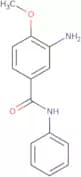

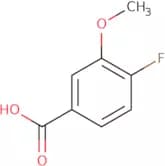
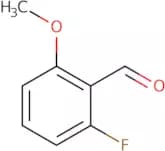
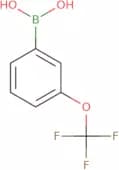
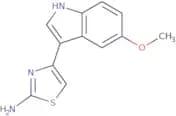
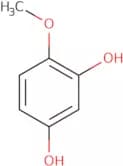
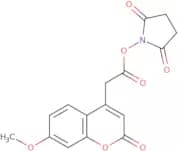
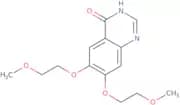
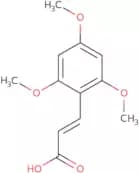
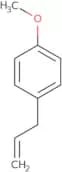
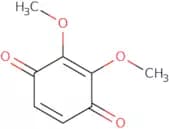
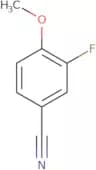
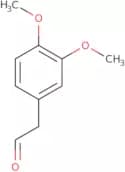
![7-Amino-2-(4-methoxyphenyl)[1,2,4]triazolo[1,5-a]pyrimidin-5(4H)-one](/_next/image/?url=https%3A%2Fstatic.cymitquimica.com%2Fproducts%2F3D%2Fthumb-webp%2FFA134729.webp&w=3840&q=75)
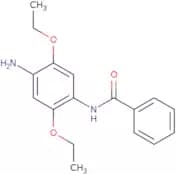
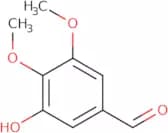
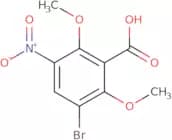
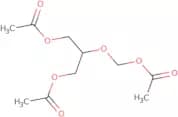
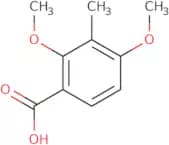
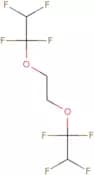
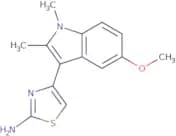
![1-Chloro-3-[4-(2-methoxyethyl)phenoxy]-2-propanol](/_next/image/?url=https%3A%2Fstatic.cymitquimica.com%2Fproducts%2F3D%2Fthumb-webp%2FFC27415.webp&w=3840&q=75)
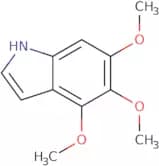
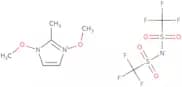
![(S)-2-((((9H-Fluoren-9-yl)methoxy)carbonyl)amino)-3-(1H-pyrrolo[2,3-b]pyridin-3-yl)propanoic acid](/_next/image/?url=https%3A%2Fstatic.cymitquimica.com%2Fproducts%2F3D%2Fthumb-webp%2FFF154979.webp&w=3840&q=75)
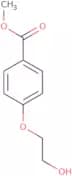
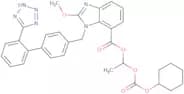
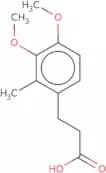
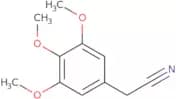
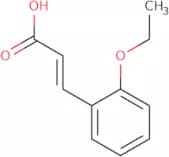
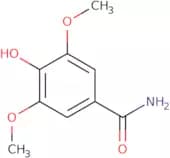
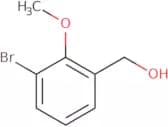
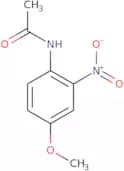
![[1-(3-Methoxyphenyl)-1-methylethyl]amine hydrochloride](/_next/image/?url=https%3A%2Fstatic.cymitquimica.com%2Fproducts%2F3D%2Fthumb-webp%2FFM136868.webp&w=3840&q=75)
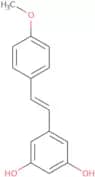

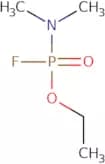

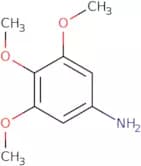
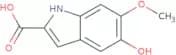
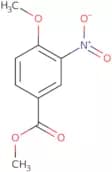
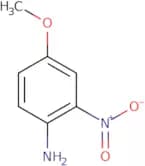
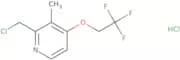
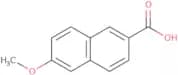

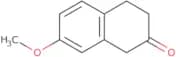
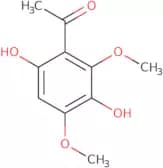
![2-Methoxy-1-[(4-methylphenyl)sulphinyl]benzene](/_next/image/?url=https%3A%2Fstatic.cymitquimica.com%2Fproducts%2F3D%2Fthumb-webp%2FFM66194.webp&w=3840&q=75)
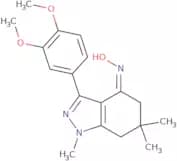
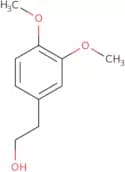
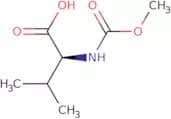
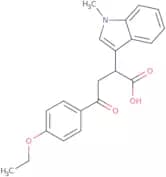
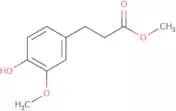
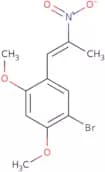
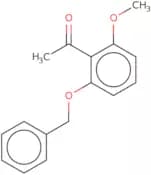
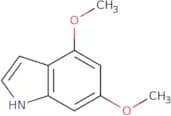
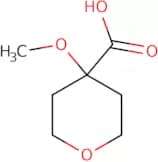
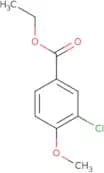
![2-[2-(2-t-Boc-aminoethoxy)ethoxy]ethanol](/_next/image/?url=https%3A%2Fstatic.cymitquimica.com%2Fproducts%2F3D%2Fthumb-webp%2FFB18924.webp&w=3840&q=75)
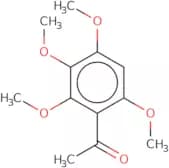
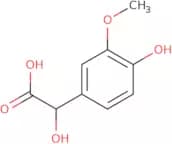
![6-amino-4-(2-methoxyphenyl)-3-methyl-4H-pyrano[3,2-d]pyrazole-5-carbonitrile](/_next/image/?url=https%3A%2Fstatic.cymitquimica.com%2Fproducts%2F3D%2Fthumb-webp%2FFA169804.webp&w=3840&q=75)
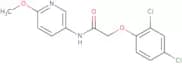
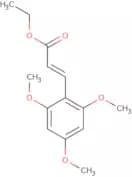
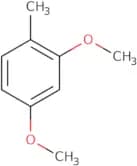
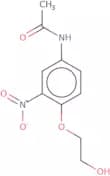
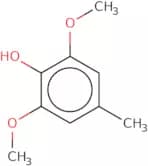
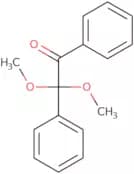
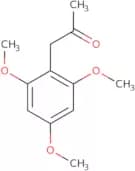
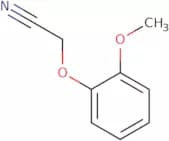
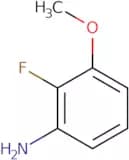
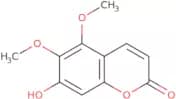
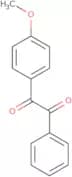
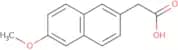

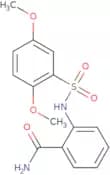
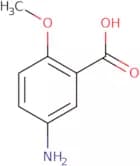
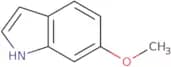
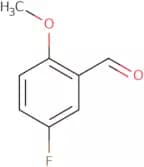
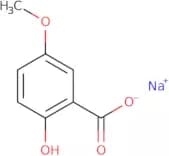
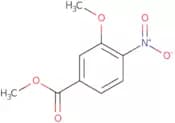
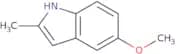
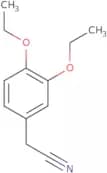
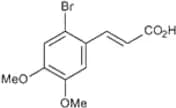
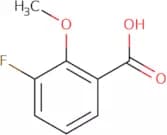
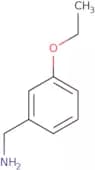
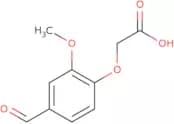
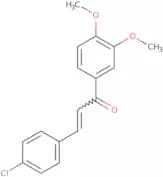
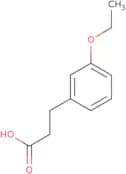
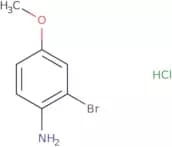
![Methyl (1S,2S,3S,5R)-3-[Bis(4-Fluorophenyl)Methoxy]-8-Methyl-8-Azabicyclo[3.2.1]Octane-2-Carboxyla…](/_next/image/?url=https%3A%2Fstatic.cymitquimica.com%2Fproducts%2F3D%2Fthumb-webp%2FFM102464.webp&w=3840&q=75)

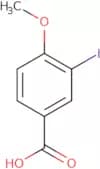
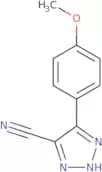
![9-Fluoro-11β,17-Dihydroxy-16α-Methyl-3,20-Dioxopregna-1,4-Dien-21-Yl 2-[2-(2-Ethoxyethoxy)Ethoxy]A…](/_next/image/?url=https%3A%2Fstatic.cymitquimica.com%2Fproducts%2F3D%2Fthumb-webp%2FFF103016.webp&w=3840&q=75)
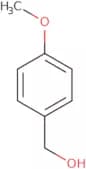

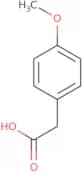
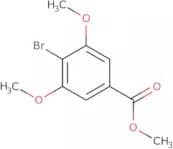
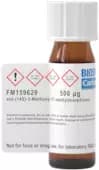
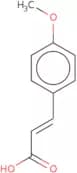

![1-Deoxy-1-(methylamino)-D-glucitol [3-[[(2R,3S)-2-[(1R)-1-[3,5-bis(trifluoromethyl)phenyl]ethoxy]-…](/_next/image/?url=https%3A%2Fstatic.cymitquimica.com%2Fproducts%2F3D%2Fthumb-webp%2FFD46503.webp&w=3840&q=75)
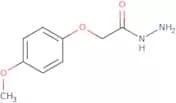
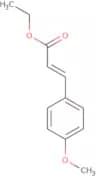
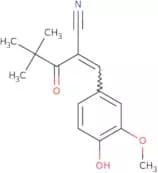
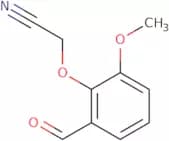
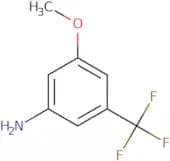
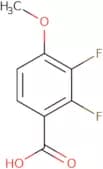
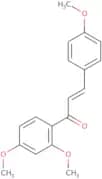
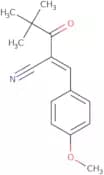

![N-[4-(2-Hydrazino-2-oxoethoxy)phenyl]acetamide](/_next/image/?url=https%3A%2Fstatic.cymitquimica.com%2Fproducts%2F3D%2Fthumb-webp%2FFH131261.webp&w=3840&q=75)
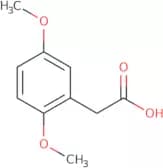

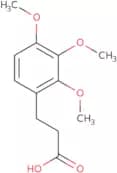
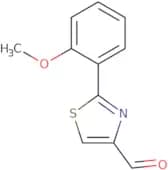
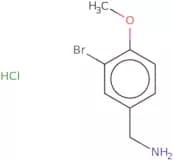


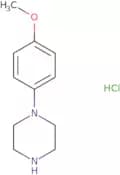
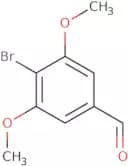
![N-[3,5-Bis(trifluoroMethyl)phenyl]-N'-[(9R)-6'-Methoxy-9-cinchonanyl]thiourea](/_next/image/?url=https%3A%2Fstatic.cymitquimica.com%2Fproducts%2F3D%2Fthumb-webp%2FFB100790.webp&w=3840&q=75)
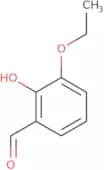
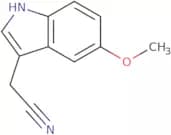
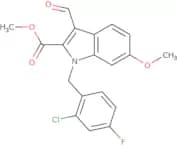
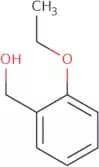
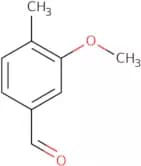
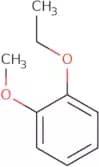
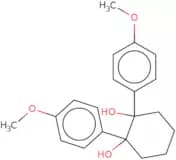
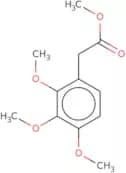
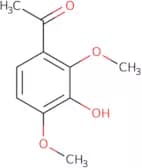
![N-[2-(2,3-Dimethoxyphenyl)ethyl]-2-chlorobenzamide](/_next/image/?url=https%3A%2Fstatic.cymitquimica.com%2Fproducts%2F3D%2Fthumb-webp%2FFD66108.webp&w=3840&q=75)
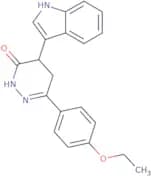
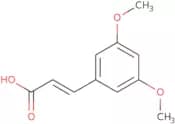
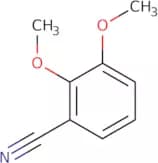
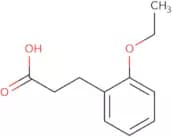
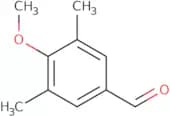
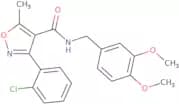
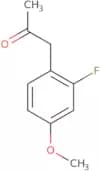
![N-[(2-Fluorophenyl)methyl]-4-iodo-2,5-dimethoxybenzeneethanamine](/_next/image/?url=https%3A%2Fstatic.cymitquimica.com%2Fproducts%2F3D%2Fthumb-webp%2FFF97685.webp&w=3840&q=75)
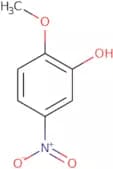
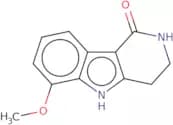
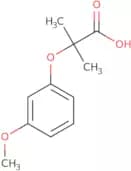
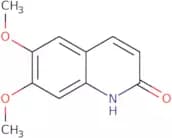
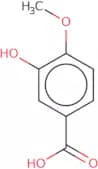
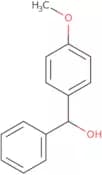
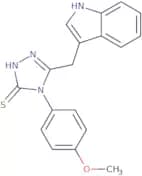
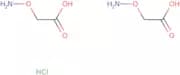
![6-Fluoro-1,3,4 ,5-tetrahydro-3-[4-[3-methoxy-4-(4-methyl-1H-imidazol-1-yl)phenyl]-1H-1 ,2,3-triazo…](/_next/image/?url=https%3A%2Fstatic.cymitquimica.com%2Fproducts%2F3D%2Fthumb-webp%2FFB151723.webp&w=3840&q=75)
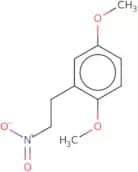
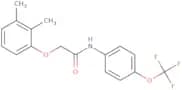
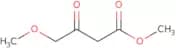
![2-[2-[2-(2-Hydroxyethoxy)ethoxy]ethoxy]-1-(p-toluenesulfonyl)-ethanol](/_next/image/?url=https%3A%2Fstatic.cymitquimica.com%2Fproducts%2F3D%2Fthumb-webp%2FFH07578.webp&w=3840&q=75)
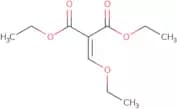
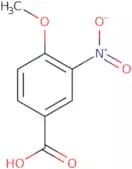
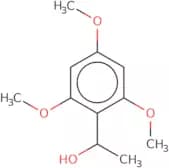
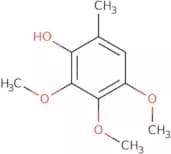
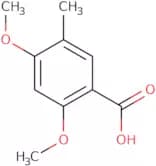
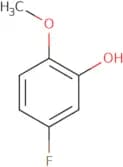
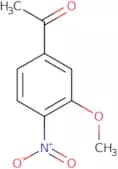
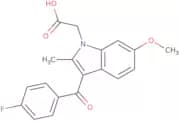
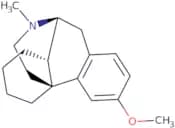
![2,5-Dimethoxy-N-[(2-methoxyphenyl)methyl]-4-(trifluoromethyl)benzeneethanamine](/_next/image/?url=https%3A%2Fstatic.cymitquimica.com%2Fproducts%2F3D%2Fthumb-webp%2FFD100429.webp&w=3840&q=75)
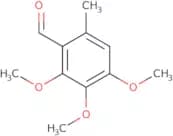
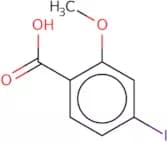
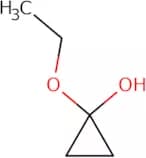

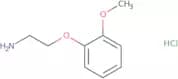
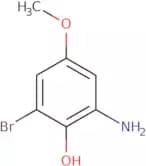
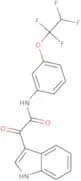
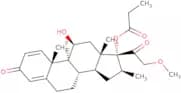
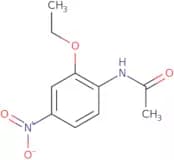
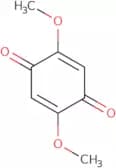
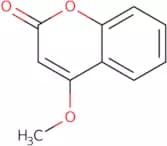
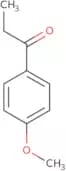
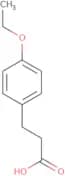
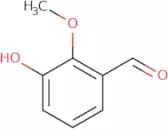
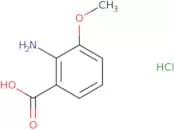
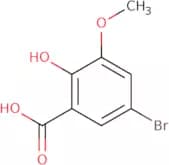
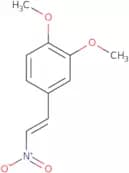
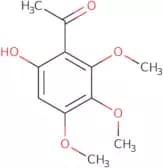
![{[2-(2-Methoxyphenyl)-1,3-thiazol-5-yl]methyl}amine](/_next/image/?url=https%3A%2Fstatic.cymitquimica.com%2Fproducts%2F3D%2Fthumb-webp%2FFM124085.webp&w=3840&q=75)
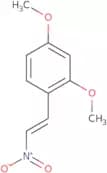

![3-[4-(trifluoromethoxy)phenyl]propanoicacid](/_next/image/?url=https%3A%2Fstatic.cymitquimica.com%2Fproducts%2F3D%2Fthumb-webp%2FFT154405.webp&w=3840&q=75)