Éteres
Se han encontrado 40904 productos de "Éteres"
1,3-Diacetoxy-2-(acetoxymethoxy)propane
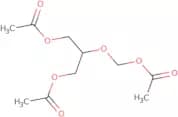
CAS:1,3-Diacetoxy-2-(acetoxymethoxy)propane is a guanine derivative that has been used in the synthesis of ganciclovir. It is prepared by condensation of acetone and acetic anhydride followed by filtration to yield a clear, colorless liquid. 1,3-Diacetoxy-2-(acetoxymethoxy)propane can be used as an intermediate in the preparation of other compounds. It was found that this compound contains a residue of p-toluenesulfonic acid. The catalyst for crystallization is decolorized activated carbon. The product obtained after recrystallization is white crystals with a melting point of 147 °C.Fórmula:C10H16O7Pureza:Min. 95%Forma y color:Yellow Clear LiquidPeso molecular:248.23 g/mol3-Methoxy-4-methylbenzaldehyde
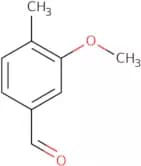
CAS:3-Methoxy-4-methylbenzaldehyde is a chemical compound that belongs to the class of phenylpropanoids. It has been shown to have a variety of uses, including as a drug substance and in natural products. 3-Methoxy-4-methylbenzaldehyde can be used for labeling, mass spectrometric detection, physicochemical techniques, and chromatographic science. The compound can be detected using electron ionization, mass spectrometric detection, or chromatographic science. Isomers of this compound are often difficult to identify due to the presence of other similar compounds.
Fórmula:C9H10O2Pureza:Min. 95%Forma y color:PowderPeso molecular:150.17 g/mol4-Methoxy-3-methylbenzyl alcohol
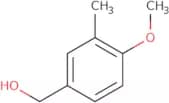
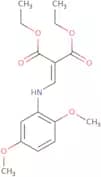
CAS:4-Methoxy-3-methylbenzyl alcohol is a high quality and versatile chemical reagent. It is a complex compound with the CAS number 114787-91-6. 4-Methoxy-3-methylbenzyl alcohol is useful as an intermediate in the synthesis of other fine chemicals, such as pesticides, dyes, and pharmaceuticals. It is also used as a speciality chemical for research purposes or as a building block for more complicated compounds. This compound can be used in reactions to produce new products, such as reaction components that are versatile building blocks.Fórmula:C9H12O2Pureza:Min. 95%Forma y color:Clear LiquidPeso molecular:152.19 g/moldiethyl 2-(((2,5-dimethoxyphenyl)amino)methylene)propane-1,3-dioate
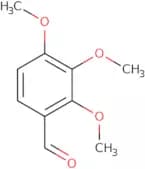
CAS:Please enquire for more information about diethyl 2-(((2,5-dimethoxyphenyl)amino)methylene)propane-1,3-dioate including the price, delivery time and more detailed product information at the technical inquiry form on this pagePureza:Min. 95%2,3,4-Trimethoxybenzaldehyde
CAS:2,3,4-Trimethoxybenzaldehyde is a hydroxylated aromatic compound that is used as a dietary supplement. It is found in the natural form of zirconium oxide and has been shown to have cancer-fighting properties. It has also been shown to be able to inhibit the growth of liver cancer cells in vitro and in vivo models. The mechanism of 2,3,4-trimethoxybenzaldehyde's ability to inhibit cancer growth is not fully understood but it may be due to its ability to react with reactive oxygen species and its ability to bind with methoxy groups and benzyl groups.
Fórmula:C10H12O4Pureza:Min. 95%Forma y color:PowderPeso molecular:196.2 g/mol3,5-Dimethoxybenzoic acid
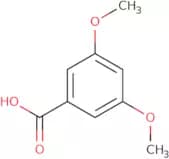
CAS:3,5-Dimethoxybenzoic acid is a chemical compound that belongs to the class of organic compounds known as phenols. This compound is used in the synthesis of 2,4-dichlorobenzoic acid from 2,4-dichloroaniline and sodium hydroxide solution. 3,5-Dimethoxybenzoic acid can also be used to synthesize 2,5-dimethoxybenzoic acid by reacting with sodium hydroxide solution. In addition to its use in organic synthesis, 3,5-dimethoxybenzoic acid has been shown to inhibit ventricular myocytes in a dose dependent manner. It is also used as a model system for studying phase equilibrium.Fórmula:C9H10O4Pureza:Min. 95%Forma y color:White PowderPeso molecular:182.17 g/mol3-(4-Ethoxyphenyl)propionic acid
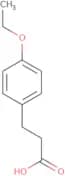
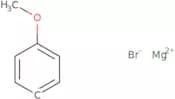
CAS:3-(4-Ethoxyphenyl)propionic acid is a speciality chemical that is used in the production of other complex chemicals. It has been shown to be a useful intermediate in the production of pharmaceuticals, fine chemicals, and agrochemicals. 3-(4-Ethoxyphenyl)propionic acid is also a versatile building block for use in organic synthesis. It has been shown to be a useful building block for the synthesis of natural products, such as antibiotics and natural products with antiviral properties. This compound can also be used as an effective reagent for research purposes. 3-(4-Ethoxyphenyl)propionic acid is a high quality chemical with CAS number 4919-34-0.Fórmula:C11H14O3Pureza:Min. 95%Forma y color:PowderPeso molecular:194.23 g/mol4-Methoxyphenylmagnesium bromide - 0.5M solution in THF
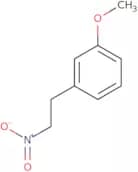
CAS:4-Methoxyphenylmagnesium bromide - 0.5M solution in THF is a cytotoxic agent that binds to the estrogen receptor, which is involved in breast cancer cell proliferation and differentiation. It is an azide that has been shown to react with hydrochloric acid to form an amide. This reaction may be stereoselective and involve dehydration of the amine group. The mechanism of this reaction involves the formation of a trifluoroacetic acid derivative, which undergoes unsaturated alkyl halogenation followed by chloride ion attack on the double bond. 4-Methoxyphenylmagnesium bromide - 0.5M solution in THF has been shown to inhibit the proliferation of human MCF-7 breast cancer cells, as well as other estrogen receptor modulators such as amines and trifluoroacetic acid.Fórmula:C7H7BrMgOPureza:Min. 95%Forma y color:PowderPeso molecular:211.34 g/mol1-(3-Methoxyphenyl)-2-nitroethane
CAS:1-(3-Methoxyphenyl)-2-nitroethane, also known as methyl isothiouronium chloride, is a chloride that can be used as an organocatalyst. It is able to catalyze the coupling of nitroalkanes with nitroalkenes in high yields and chemoselectivity, making it a valuable reagent for organic synthesis. 1-(3-Methoxyphenyl)-2-nitroethane can also be used for the preparation of conjugated dienes via the reaction of nitroalkenes with alkenes in the presence of base. This compound is easily recovered by distillation.
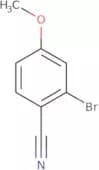
Fórmula:C9H11NO3Pureza:Min. 95%Forma y color:Clear LiquidPeso molecular:181.19 g/mol2-Bromo-4-methoxybenzonitrile
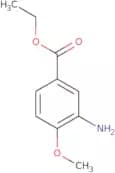
CAS:2-Bromo-4-methoxybenzonitrile is a high quality reagent that is used as a versatile building block in the synthesis of complex organic compounds. It is a useful intermediate and can be used to form 2,4-dimethoxybenzaldehyde. This compound has been used as a reaction component in the production of pharmaceuticals, pesticides, and other fine chemicals. The chemical formula for 2-bromo-4-methoxybenzonitrile is C6H5BrO2.Fórmula:C8H6BrNOPureza:Min. 95%Peso molecular:212.04 g/mol3-Amino-4-methoxybenzoic acid ethyl ester
CAS:3-Amino-4-methoxybenzoic acid ethyl ester is a chemical building block that can be used in the synthesis of various organic compounds. It is an important reaction component, and can also be used as a reagent or useful scaffold. 3-Amino-4-methoxybenzoic acid ethyl ester is soluble in organic solvents and has a high quality. This chemical has been shown to be useful for research purposes.Fórmula:C10H13NO3Pureza:Min. 95%Forma y color:PowderPeso molecular:195.22 g/mol2,3,4-Trimethoxybenzonitrile
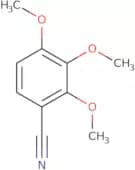
CAS:Please enquire for more information about 2,3,4-Trimethoxybenzonitrile including the price, delivery time and more detailed product information at the technical inquiry form on this pageFórmula:C10H11NO3Pureza:Min. 95%Peso molecular:193.2 g/mol7,8-Dimethoxy-9-oxo-9H-indeno[1,2-B]pyrazine-2,3-dicarbonitrile
CAS:7,8-Dimethoxy-9-oxo-9H-indeno[1,2-B]pyrazine-2,3-dicarbonitrile is a fine chemical that is useful for research and as a building block in the synthesis of more complex compounds. It can be used in the synthesis of a range of pharmaceuticals and other chemicals. 7,8-Dimethoxy-9-oxo-9H-indeno[1,2-B]pyrazine is also an excellent reagent for the preparation of other compounds. This compound has been shown to bind to DNA and RNA and its reaction with nucleophiles produces a variety of products.
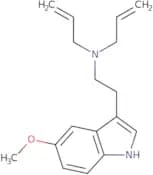
Fórmula:C15H8N4O3Pureza:Min. 95%Forma y color:Yellow To Red SolidPeso molecular:292.25 g/molN,N-Diallyl-5-methoxytryptamine
CAS:Producto controladoN,N-Diallyl-5-methoxytryptamine (DMAT) is a synthetic cannabinoid that has been shown to produce effects similar to those of tetrahydrocannabinol. It has been used in clinical studies to study the effects of cannabinoids on the central nervous system. DMAT binds with high affinity to 5-HT2A receptors and low affinity to histamine H1 receptors. DMAT also binds moderately with 5-HT1A receptors, which are serotonin receptors found in the cerebral cortex and hippocampus regions of the brain. DMAT is a potent monoamine neurotransmitter reuptake inhibitor, which means it prevents the reuptake of monoamines such as dopamine, norepinephrine, and serotonin by blocking their transporters. This results in an increase in extracellular concentrations of these monoamines. DMAT is structurally similar to other drugs that have been shown to cause seizures, such as meprobamate, benzodiazepines,Fórmula:C17H22N2OPureza:Min. 95%Peso molecular:270.37 g/mol2-Methoxybenzonitrile
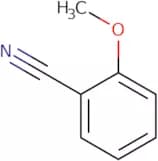
CAS:2-Methoxybenzonitrile is a reactive molecule that can undergo a variety of reactions. In simulations, 2-methoxybenzonitrile reacts with carbon tetrachloride to form chlorobenzene and hydrochloric acid. The reaction mechanism involves the metal surface, which is believed to act as a catalyst and transfer the molecule to the receptor binding site on the substrate molecule. 2-Methoxybenzonitrile has been shown to react with various functional groups on a substrate molecule, including ester, amide, nitrile, sulfide, sulfone, and phosphate groups. This reaction system also produces different reaction products depending on the type of functional group.
Fórmula:C8H7NOPureza:Min. 95%Forma y color:Clear LiquidPeso molecular:133.15 g/mol3,5-Dimethoxy-4-hydroxycinnamic acid ethyl ester
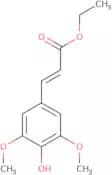
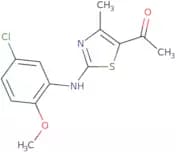
CAS:3,5-Dimethoxy-4-hydroxycinnamic acid ethyl ester is a redox potential with an acidic character. It can be synthesized from p-hydroxybenzoic acid and acetate extract of the plant Carthamus tinctorius. The synthesis starts with an asymmetric synthesis of protocatechuic acid and its derivatives. This compound is also found in the surface methodology of fatty acids and radiation that has been studied by nmr spectroscopic data. 3,5-Dimethoxy-4-hydroxycinnamic acid ethyl ester has bioactive phenolic properties and can be used for the treatment of various diseases such as cancer or diabetes.Fórmula:C13H16O5Pureza:Min. 95%Forma y color:PowderPeso molecular:252.26 g/mol1-(3-((5-Chloro-2-methoxyphenyl)amino)-5-methyl-2,4-thiazolyl)ethan-1-one
CAS:Please enquire for more information about 1-(3-((5-Chloro-2-methoxyphenyl)amino)-5-methyl-2,4-thiazolyl)ethan-1-one including the price, delivery time and more detailed product information at the technical inquiry form on this pageFórmula:C13H13ClN2O2SPureza:Min. 95%Peso molecular:296.77 g/mol2-(2-aza-1-(4-methoxyphenyl)-2-(amino)vinyl)indane-1,3-dione
CAS:Please enquire for more information about 2-(2-aza-1-(4-methoxyphenyl)-2-(amino)vinyl)indane-1,3-dione including the price, delivery time and more detailed product information at the technical inquiry form on this pageFórmula:C17H14N2O3Pureza:Min. 95%Forma y color:PowderPeso molecular:294.3 g/molBis[3-(triethoxysilyl)propyl]-disulfide
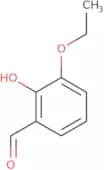
CAS:Bis[3-(triethoxysilyl)propyl]-disulfide is a polymer that has been shown to inhibit tumor growth in vivo and in vitro. It also inhibits the synthesis of fatty acids. Bis[3-(triethoxysilyl)propyl]-disulfide is synthesized by reacting triethoxysilane with sulfur dioxide, followed by hydrolysis of the resultant bis(hydroxysilyl)sulfide with water. The polymer is then purified by precipitation from an alcohol solution, followed by drying to form a powder. Bis[3-(triethoxysilyl)propyl]-disulfide has a viscosity of about 1 cP at room temperature and can be used as a polymer matrix for drug delivery.Fórmula:C18H42O6S2Si2Pureza:Min. 85.0 Area-%Forma y color:Clear LiquidPeso molecular:474.83 g/mol3-Ethoxysalicylaldehyde
CAS:3-Ethoxysalicylaldehyde (3ESA) is a colorless liquid that has been shown to be soluble in methanol. 3ESA has a molecular weight of 172.2 and an experimental solubility data of 1.01 g/mL at 25 °C. The compound has a coordination geometry of tetrahedral with one metal ion and three oxygen atoms. The compound also contains one hydroxyl group and two hydrogen bonds, which are intramolecular hydrogen bonds. 3ESA has shown high resistance to human serum, suggesting that it is stable in the presence of human proteins, and is able to bind copper ions to form copper complexes.Fórmula:C9H10O3Pureza:Min. 95%Forma y color:PowderPeso molecular:166.17 g/mol2-Ethoxybenzhydrazide
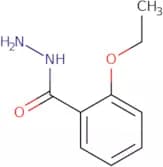
CAS:2-Ethoxybenzhydrazide is a monomer that can be used to prepare heterodimers. 2-Ethoxybenzhydrazide is irradiated with ultraviolet light or electron beam and the resulting photoinduced or thermal reaction yields a monomeric or dimeric hydrazone. The heterodimer can then be prepared by reacting the monomers in chloroform. Various techniques can be used to study the interactions of these molecules, including ultrasonic techniques, which are often used to study hydrazides and benzene derivatives. This drug has a number of uses as an intermediate in the synthesis of diimidazole and diimide, which are agents that inhibit fungal growth. It also has been used in the synthesis of some hydrazines and naphthalenes.
Fórmula:C9H12N2O2Pureza:Min. 95%Forma y color:PowderPeso molecular:180.2 g/mol4-Methoxy estrone
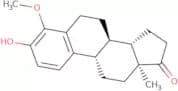
CAS:Producto controlado4-Methoxy estrone is a metabolite of estradiol that has been shown to induce cellular transformation in vitro and tumorigenesis in vivo. It can be found in the urine of women with breast cancer and is also produced during pregnancy. 4-Methoxy estrone has been shown to have a high affinity for catechol-O-methyltransferase (COMT) enzyme, which may contribute to its carcinogenic effects. Studies have also shown that 4-methoxy estrone can be metabolized by hydroxylation at the 4 position to form catechol estrogen metabolites, which are associated with preeclampsia. This compound has been identified as an endocrine disruptor that alters metabolic profiles when administered to animals.Fórmula:C19H24O3Pureza:Min. 95%Forma y color:PowderPeso molecular:300.39 g/mol2,6-Dimethoxynaphthalene
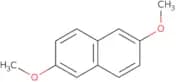
CAS:2,6-Dimethoxynaphthalene is a skeleton that belongs to the naphthalene class of compounds. It is a white crystalline solid that is soluble in organic solvents. This compound has been used as an intermediate for the synthesis of dyes and pharmaceuticals, but it is most commonly used as a precursor to reactive carboxylic acid derivatives. The sulfonation of 2,6-dimethoxynaphthalene with SO3 leads to the formation of ethyl diazoacetate and subsequent acylation reactions can be used to produce esters. The reaction mechanism for these reactions involves proton transport from the sulfur atom to the oxygen atom on ethyl diazoacetate. Supramolecular chemistry studies have shown that this reaction also takes place at low temperatures without the need for an acid catalyst.Fórmula:C12H12O2Pureza:Min. 98 Area-%Peso molecular:188.22 g/mol3,3'-Dimethoxybenzidine dihydrochloride
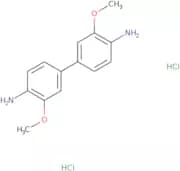
CAS:Producto controlado3,3'-Dimethoxybenzidine dihydrochloride is a fluorogenic probe that has been shown to have activity index in the range of 0.1-0.5, which makes it suitable for use as a fluorescent dye in biological samples such as human serum or cerebrospinal fluid. 3,3'-Dimethoxybenzidine dihydrochloride can be used in histological studies for the detection of cell lysis and cardiac disease activity. It has also been shown to cause liver lesions when administered orally to rats.
Fórmula:C14H16N2O2•(HCl)2Pureza:Min. 98 Area-%Forma y color:PowderPeso molecular:317.21 g/mol(4-Hydroxy-3-methoxyphenyl)acetonitrile
CAS:Lobetyolin is a phenolic compound that has been found to be an inhibitor of monoamine oxidase. Lobetyolin is an acetylated derivative of 4-hydroxy-3-methoxyphenylacetonitrile. It has been shown to inhibit bacterial growth in vitro, with the exception of Mycobacterium tuberculosis and Mycobacterium avium complex. The optimal reaction time for lobetyolin is 3 hours at a pH between 7 and 8, with a yield of 66% at room temperature. Lobetyolin reacts rapidly with amines, alkylating them as it undergoes oxidation by hydrogen peroxide. Lobetyolin also reacts slowly with dopamine and aldehydes, but more readily with chlorides, yielding lobetyrine and chloroacetaldehyde respectively.Fórmula:C9H9NO2Pureza:Min. 95%Forma y color:PowderPeso molecular:163.17 g/molFmoc-S-4-methoxytrityl-L-cysteine
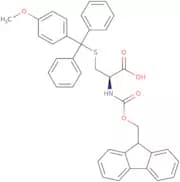
CAS:Fmoc-S-4-methoxytrityl-L-cysteine is a synthetic, amphipathic, amide, ester linkages, cyclic peptide. It has been shown to be a potent growth factor that inhibits the proliferation of human pancreatic cancer cells in tissue culture and induces apoptosis in these cells. Fmoc-S-4-methoxytrityl-L-cysteine also inhibits the growth of staphylococcus in tissue culture and reduces metastatic pancreatic cancer cell proliferation in rats.
Fórmula:C38H33NO5SPureza:90%MinForma y color:White PowderPeso molecular:615.74 g/molEthyl 3,4,5-trimethoxybenzoate
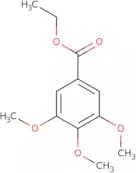
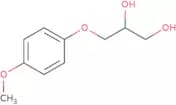
CAS:Ethyl 3,4,5-trimethoxybenzoate is a synthetic chemical that is used as a precursor in the synthesis of quinoxalines. Ethyl 3,4,5-trimethoxybenzoate has been shown to have antiviral properties against human immunodeficiency virus and leishmania. It also has potent inhibitory activity against heterocyclic amines and t. rubrum.Fórmula:C12H16O5Pureza:Min. 95%Forma y color:White To Grey SolidPeso molecular:240.25 g/mol3-(4-Methoxyphenoxy)-1,2-propanediol
CAS:3-(4-Methoxyphenoxy)-1,2-propanediol is a chiral molecule that can be found in various products. It has been used in the synthesis of a variety of drugs and other organic compounds. 3-(4-Methoxyphenoxy)-1,2-propanediol is an intermediate for the synthesis of natural products such as benzofuran and benzothiophene. This compound is also used as a reagent in the asymmetric dihydroxylation of epoxides. The rate at which this reaction proceeds depends on the kinetic parameters, such as the concentration of reactant and transition state analogues, and on the reaction conditions, such as temperature and pH. The product of this reaction is an epoxide hydrolase inhibitor with a reactive anion that can be used to synthesize pharmaceuticals.
Fórmula:C10H14O4Pureza:Min. 95%Forma y color:White PowderPeso molecular:198.22 g/mol3,4-Dimethoxy-2-hydroxymethylpyridine
CAS:Pantoprazole is a proton pump inhibitor (PPI) that blocks the production of stomach acid by inhibiting the H+/K+-ATPase enzyme in gastric parietal cells. The chemical compound 3,4-Dimethoxy-2-hydroxymethylpyridine is a sodium salt of pantoprazole. It is commercially available as the anhydrous form, which is a white crystalline powder. This chemical has been used to regulate the amount of water in industrial processes and to salify materials such as lead oxide. Pantoprazole sodium chloride can be prepared by evaporating and drying with anhydrous sodium chloride or by heating an aqueous solution of pantoprazole sulfate.
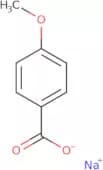
Fórmula:C8H11NO3Pureza:Min. 95%Forma y color:PowderPeso molecular:169.18 g/mol4-Methoxybenzoic acid sodium
CAS:4-Methoxybenzoic acid sodium is an amide that has been used as a preservative and antimicrobial agent in food products. It is also a second-order rate constant with a Ca2+ concentration of 0.1 mM for staphylococcus. The fatty acids of 4-methoxybenzoic acid sodium are hydrophobic and inhibit the growth of microorganisms by disrupting the cell membrane, which leads to leakage of cellular content. This compound also inhibits the activity of fatty acyl coenzyme A reductase and has been shown to have a microbicidal effect on gram-positive bacteria, such as Staphylococcus aureus. 4-Methoxybenzoic acid sodium has also been shown to be effective against Candida albicans, Streptococcus pyogenes, and Bacillus subtilis when combined with an antimicrobial peptide or cationic surfactant.Fórmula:C8H7NaO3Pureza:Min. 98 Area-%Forma y color:PowderPeso molecular:174.13 g/mol4-Amino-2-methoxypyridine
CAS:4-Amino-2-methoxypyridine is an antiviral agent that inhibits the activity of the NS5B polymerase, a key enzyme in the replication of the hepatitis C virus. It is a potent inhibitor with a wide range of activity and can be used for treatment and prevention of infection. 4-Amino-2-methoxypyridine has been shown to inhibit replication of hepatitis C virus in cell culture. This compound is stable in vivo and can be administered orally, making it an attractive candidate for oral prophylaxis against hepatitis C. 4-Amino-2-methoxypyridine also exhibits good pharmacokinetic properties, including a low clearance rate and high volume of distribution, which makes it suitable for chronic administration.
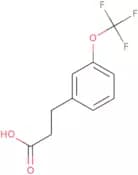
Fórmula:C6H8N2OPureza:Min. 95%Forma y color:White To Light (Or Pale) Orange SolidPeso molecular:124.14 g/mol3-(Trifluoromethoxy)hydrocinnamic acid
CAS:3-(Trifluoromethoxy)hydrocinnamic acid is a useful building block that is used in the synthesis of many organic compounds. It has been used as a reagent and as a speciality chemical, and is also a versatile building block for the synthesis of complex compounds. 3-(Trifluoromethoxy)hydrocinnamic acid can be synthesized from cinnamic acid, which is available commercially and can be obtained by reacting benzaldehyde with nitric acid. 3-(Trifluoromethoxy)hydrocinnamic acid has CAS No. 168833-77-0 and can be found under the name 2,4-dichloro-3-(trifluoromethoxy)benzene.
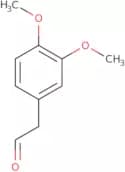
Fórmula:C10H9F3O3Pureza:Min. 98 Area-%Forma y color:Clear LiquidPeso molecular:234.17 g/mol2-(3,4-Dimethoxyphenyl)acetaldehyde
CAS:2-(3,4-Dimethoxyphenyl)acetaldehyde is a bioactive molecule that has shown anti-cancer properties in vitro and in vivo. It inhibits the activity of aldehyde dehydrogenase, an enzyme responsible for the oxidation of alcohols to aldehydes. This inhibition leads to accumulation of acetaldehyde in cells and induces apoptosis or cell death by caspase-independent mechanisms. 2-(3,4-Dimethoxyphenyl)acetaldehyde also has been shown to induce acidolysis reactions in the presence of acid. This reaction mechanism may be due to protonation of the phenolic hydroxyl group. The resulting 3,4-dimethoxyphenylacetic acid analog can inhibit cells' proliferation and induce apoptosis by blocking protein synthesis and cell division.
Fórmula:C10H12O3Pureza:Min. 95%Forma y color:Clear LiquidPeso molecular:180.2 g/mol8-Methoxy-2-methyl-2,3,4,5-tetrahydro-1H-pyrido[4,3-b]indole
CAS:8-Methoxy-2-methyl-2,3,4,5-tetrahydro-1H-pyrido[4,3-b]indole is a versatile building block that can be used as a reagent or speciality chemical. It has been used in research and development of pharmaceuticals and as a useful intermediate for the synthesis of other compounds. 8-Methoxy-2-methyl-2,3,4,5-tetrahydro-1H-pyrido[4,3-b]indole is an important reaction component for the synthesis of many types of compounds such as indoles, coumarins, and quinazolinones.Fórmula:C13H16N2OPureza:Min. 95%Forma y color:PowderPeso molecular:216.28 g/mol2,4-Dimethoxytoluene
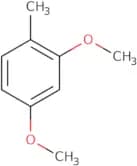
CAS:2,4-Dimethoxytoluene is a natural compound found in the leaves of the arecaceae plant. It is structurally similar to β-caryophyllene and has been shown to have insecticidal activity. The leaf structure of this plant can be analyzed using chromatographic methods, and its fatty acid content can be determined by a reaction mechanism. This compound also has ether linkages and hydroxyl groups that can be analyzed through structural analysis. 2,4-Dimethoxytoluene is extracted from the leaf of this plant using a supercritical fluid extraction method. This extraction process yields a higher concentration than an extraction process with water or ethanol as the solvent. 2,4-Dimethoxytoluene is composed of two methoxy groups that are responsible for its insecticidal activities against mosquitoes.Fórmula:C9H12O2Pureza:Min. 95%Forma y color:Clear LiquidPeso molecular:152.19 g/molEthoxysanguinarine
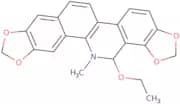
CAS:Ethoxysanguinarine is a copper complex that has been shown to be an autophagy inducer. It has been shown to activate the surface methodology and increase autophagy, which is a process that eliminates intracellular pathogens in cells. Ethoxysanguinarine also has clinical relevance, as it can be used as a prognosis marker for infectious diseases. The ability of ethoxysanguinarine to bind to DNA polymerase and inhibit its activity may be responsible for its antiviral properties. Ethoxysanguinarine binds to the phosphatase enzyme, which is important for cell signaling pathways and protein synthesis. This binding prevents phosphatases from dephosphorylating membrane-bound receptors that initiate the inflammatory response, leading to suppression of inflammation.Fórmula:C22H19NO5Pureza:Min. 98 Area-%Forma y color:White Off-White PowderPeso molecular:377.39 g/mol(Carbethoxymethylene)triphenylphosphorane
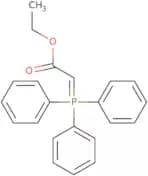
CAS:(Carbethoxymethylene)triphenylphosphorane is a pharmacological treatment that has a water-vapor reaction mechanism. It inhibits the replication of DNA by binding to the nitrogen atom in fatty acid, forming a heterocyclic compound with a hydroxyl group, which prevents the formation of ATP. This drug also binds to monoamine neurotransmitters and light emission. (Carbethoxymethylene)triphenylphosphorane is used to treat patients with Parkinson's disease, Alzheimer's disease, and other neurodegenerative diseases.Fórmula:C22H21O2PPureza:Min. 98 Area-%Forma y color:White PowderPeso molecular:348.37 g/mol2-Methoxy-4-morpholinobenzenediazonium chloride zinc chloride double
CAS:2-Methoxy-4-morpholinobenzenediazonium chloride zinc chloride double (2MBZD) is a chemical compound that has been analyzed by X-ray crystallography and nuclear magnetic resonance. This molecule consists of two parts: a diazonium salt and zinc chloride. The diazonium salt is a heterocyclic nitrogen ring with two nitrogens, which are bonded to the same carbon atom. The second part of the molecule is zinc chloride, which has one chlorine atom attached to it. The zinc chloride component stabilizes the compound, while the diazonium component provides the antibacterial activity. 2MBZD has shown activity against Staphylococcus aureus and Bacillus subtilis.Fórmula:C11H14N3O2•(ZnCl4)0Pureza:Min. 90 Area-%Forma y color:Yellow Green PowderPeso molecular:323.85 g/mol2-[(2-Amino-5-methoxyphenyl)dithio]-4-methoxyaniline
CAS:2-[(2-Amino-5-methoxyphenyl)dithio]-4-methoxyaniline is a high quality chemical reagent that can be used as a useful intermediate in the synthesis of a variety of complex compounds. This compound has been shown to have a wide range of uses, including as a building block in the synthesis of speciality chemicals and research chemicals. 2-[(2-Amino-5-methoxyphenyl)dithio]-4-methoxyaniline is an important reaction component that can be used in many organic reactions, such as coupling, condensation, substitution, elimination, nucleophilic addition and reduction.Fórmula:C14H16N2O2S2Pureza:Min. 95%Forma y color:PowderPeso molecular:308.42 g/mol3-Hydroxy-7,2',4',5'-tetramethoxychalcone
3-Hydroxy-7,2',4',5'-tetramethoxychalcone is a versatile building block that can be used as a reagent or in the synthesis of fine chemicals. It is an intermediate or reaction component that has been found to be useful in the synthesis of complex compounds. This compound is also of high quality and can be used as a scaffold in the synthesis of new molecules. 3-Hydroxy-7,2',4',5'-tetramethoxychalcone is a speciality chemical, with CAS No. 55006-57-3 and molecular weight of 245.
Pureza:Min. 95%3,4-Difluoro-2-methoxybenzoic acid
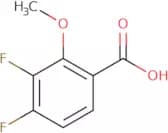
CAS:3,4-Difluoro-2-methoxybenzoic acid is a chemical compound that can be used as a reaction component or reagent. It is also a useful scaffold for organic synthesis of complex compounds and can be used as a building block to produce fine chemicals. 3,4-Difluoro-2-methoxybenzoic acid has the CAS number 875664-52-1 and is listed under the chemical name 3,4-difluoro-2-methoxybenzoic acid.
Fórmula:C8H6F2O3Pureza:Min. 95%Forma y color:PowderPeso molecular:188.13 g/mol2-Amino-3-methoxybenzoic acid hydrochloride
CAS:2-Amino-3-methoxybenzoic acid hydrochloride is a synthetic monosubstituted hydroxy analog of the natural alkaloids, which are substituted with an amino group. It is produced by the demethylation of 2-amino-3-hydroxypyridine and reacts with caprolactam to form 2,6-dihydroxybenzaldehyde. It has been used in the synthesis of methoxyanthranilic acid, which is a synthetic analogue of anthranilic acid. Hydrochloric acid can be added to 2-amino-3-methoxybenzoic acid hydrochloride to produce 2,6-dihydroxybenzoyl chloride. This compound also undergoes condensation reactions with methoxyanthranilic acid to form 2,6-dimethoxybenzaldehyde.
Fórmula:C8H9NO3•HClPureza:Min. 95%Forma y color:PowderPeso molecular:203.62 g/mol2-Methoxy-1-[(4-methylphenyl)sulphinyl]benzene
CAS:2-Methoxy-1-[(4-methylphenyl)sulphinyl]benzene is a reagent and useful intermediate that is used in the synthesis of complex compounds. This chemical has been shown to be a useful scaffold for the synthesis of natural products. It can also be used as a building block in the synthesis of speciality chemicals and research chemicals, as well as versatile building blocks in reactions.Fórmula:C14H14O2SPureza:Min. 95%Peso molecular:246.33 g/mol4-Methoxystyrene
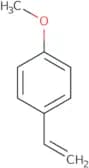
CAS:4-Methoxystyrene is a monomer that can be polymerized to form poly(4-methoxystyrene). It is an ionic monomer that has been used in cationic polymerization reactions. 4-Methoxystyrene can also be used as a fluorescence detector and as a base for the synthesis of polymers with desired properties. The kinetic, radical, and cationic polymerization reactions are all possible with 4-methoxystyrene. This compound has been shown to have intermolecular hydrogen bonding and oxygen nucleophiles, which are both required for the reaction mechanism of this compound. X-ray crystal structures have revealed the structure of this compound.Fórmula:C9H10OPureza:Min. 95%Forma y color:Colorless Clear LiquidPeso molecular:134.18 g/mol5-Methoxy-2-[[(4-methoxy-3,5-dimethyl-2-pyridinyl)methyl]thio]-1H-benzimidazole N-oxide
CAS:5-Methoxy-2-[[(4-methoxy-3,5-dimethyl-2-pyridinyl)methyl]thio]-1H-benzimidazole N-oxide is a sulfoxide that belongs to the family of medicines called proton pump inhibitors. It is a stereoselective proton pump inhibitor due to its cyclic nature and has been used as a pharmaceutical preparation for the treatment of gastroesophageal reflux disease. 5-Methoxy-2-[(4-methoxy-3,5-dimethylpyridinium) methylthio]-1H benzimidazole N oxide has been shown to be an enantiomerically pure salt form with magnesium chloride.Fórmula:C17H19N3O3SPureza:Min. 95%Forma y color:White to off-white solid.Peso molecular:345.42 g/molFmoc-β-(7-methoxy-coumarin-4-yl)-Ala-OH
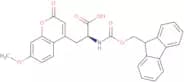
CAS:Fmoc-b-(7-methoxy-coumarin-4-yl)-Ala-OH is a reagent with the CAS No. 524698-40-6, which is used in organic synthesis. It is a versatile building block and useful intermediate that can be used to synthesize other organic compounds. Fmoc-b-(7-methoxy-coumarin-4-yl)-Ala-OH is also used as a reaction component in the synthesis of peptides and proteins, as well as in the preparation of polymers. It has been shown to be an effective building block for complex compounds.Fórmula:C28H23NO7Pureza:Min. 95%Forma y color:PowderPeso molecular:485.48 g/molSodium 2-(4-Methoxyphenoxy)propionate
CAS:Sodium 2-(4-methoxyphenoxy)propionate is a chemical compound that inhibits the activity of protein kinase A (PKA). This inhibition is due to the binding of Sodium 2-(4-methoxyphenoxy)propionate to the catalytic site of PKA, which blocks access by ATP. Sodium 2-(4-methoxyphenoxy)propionate has been shown to inhibit the production of inflammatory cytokines in vitro. It also has been shown to be a potent inducer of sweet taste receptors in vivo and in vitro. The inhibition of PKA may be useful for treating bowel diseases such as ulcerative colitis.Fórmula:C10H12O4•NaPureza:Min. 95%Forma y color:PowderPeso molecular:219.19 g/mol3,5-Dimethoxycinnamic acid
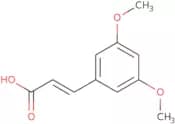
CAS:3,5-Dimethoxycinnamic acid is a compound that belongs to the class of cinnamic acid derivatives. It is a synthetic substance obtained by demethylation of 3,5-dimethoxybenzoic acid. This substance has been shown to have an antifungal activity in vitro against filamentous fungi and many other microorganisms. The antimicrobial effect can be explained by the presence of functional groups such as hydroxyl and methoxyl on the aromatic ring. Hydroxide solution can be used as an analytical reagent for determining the formation rate of this compound.Fórmula:C11H12O4Pureza:Min. 95%Forma y color:PowderPeso molecular:208.21 g/mol6-Fluoro-1,3,4 ,5-tetrahydro-3-[4-[3-methoxy-4-(4-methyl-1H-imidazol-1-yl)phenyl]-1H-1 ,2,3-triazol-1-yl]-1-(2-trifluoroethyl)-2H-1-benzazepin-2-one
CAS:6-Fluoro-1,3,4,5-tetrahydro-3-[4-[3-methoxy-4-(4-methyl-1H-imidazol-1-yl)phenyl]-1H-- 1,2,3-triazol-1yl]-1-(2trifluoroethyl)-2H-1benzazepin-2one (6FTH) is an anticancer drug that belongs to the class of benzothiazole derivatives. It has been shown to have potent antiangiogenic and antiproliferative properties in preclinical studies. 6FTH has been shown to be effective against colon cancer and breast cancer cells in vitro. It also inhibits the growth of squamous cell carcinoma cells by downregulating the expression of proteins involved in tumorigenesis. The compound has been found to be safe when used as an adjuvant to a combination therapy containing cisplatinFórmula:C25H22F4N6O2Pureza:Min. 98 Area-%Forma y color:PowderPeso molecular:514.48 g/mol4,5-Dimethoxyindole
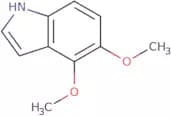
CAS:4,5-Dimethoxyindole is a chemical compound that has been shown to exhibit radical scavenging activity. It is an inhibitor of integrase, which are enzymes involved in the integration of viral DNA into host cell chromosomes. This compound has been synthesized and its optical properties have been studied. The synthesis of 4,5-dimethoxyindole derivatives has also been investigated using molecular modeling. Schrodinger software was used to predict the geometry of these synthesized derivatives. These studies suggest that 4,5-dimethoxyindole may be a potential anti-cancer agent due to its ability to inhibit cancer cell growth and induce apoptosis.
Fórmula:C10H11NO2Pureza:Min. 95%Forma y color:SolidPeso molecular:177.2 g/mol

![7,8-Dimethoxy-9-oxo-9H-indeno[1,2-B]pyrazine-2,3-dicarbonitrile](/_next/image/?url=https%3A%2Fstatic.cymitquimica.com%2Fproducts%2F3D%2Fthumb-webp%2FFD64927.webp&w=3840&q=75)

![Bis[3-(triethoxysilyl)propyl]-disulfide](/_next/image/?url=https%3A%2Fstatic.cymitquimica.com%2Fproducts%2F3D%2Fthumb-webp%2FFB40976.webp&w=3840&q=75)



![8-Methoxy-2-methyl-2,3,4,5-tetrahydro-1H-pyrido[4,3-b]indole](/_next/image/?url=https%3A%2Fstatic.cymitquimica.com%2Fproducts%2F3D%2Fthumb-webp%2FFM117858.webp&w=3840&q=75)

![2-[(2-Amino-5-methoxyphenyl)dithio]-4-methoxyaniline](/_next/image/?url=https%3A%2Fstatic.cymitquimica.com%2Fproducts%2F3D%2Fthumb-webp%2FFA117846.webp&w=3840&q=75)


![2-Methoxy-1-[(4-methylphenyl)sulphinyl]benzene](/_next/image/?url=https%3A%2Fstatic.cymitquimica.com%2Fproducts%2F3D%2Fthumb-webp%2FFM66194.webp&w=3840&q=75)
![5-Methoxy-2-[[(4-methoxy-3,5-dimethyl-2-pyridinyl)methyl]thio]-1H-benzimidazole N-oxide](/_next/image/?url=https%3A%2Fstatic.cymitquimica.com%2Fproducts%2F3D%2Fthumb-webp%2FFM63432.webp&w=3840&q=75)

![6-Fluoro-1,3,4 ,5-tetrahydro-3-[4-[3-methoxy-4-(4-methyl-1H-imidazol-1-yl)phenyl]-1H-1 ,2,3-triazo…](/_next/image/?url=https%3A%2Fstatic.cymitquimica.com%2Fproducts%2F3D%2Fthumb-webp%2FFB151723.webp&w=3840&q=75)