


Éteres
Se han encontrado 40904 productos de "Éteres"
2,3-Dihydroxy-4-methoxycinnamic acid ethyl ester
Please enquire for more information about 2,3-Dihydroxy-4-methoxycinnamic acid ethyl ester including the price, delivery time and more detailed product information at the technical inquiry form on this pagePureza:Min. 95%3-(3,4-dimethoxyphenyl)indeno[2,3-d]pyrazol-4-one
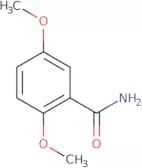
CAS:Please enquire for more information about 3-(3,4-dimethoxyphenyl)indeno[2,3-d]pyrazol-4-one including the price, delivery time and more detailed product information at the technical inquiry form on this pagePureza:Min. 95%2,5-Dimethoxybenzamide
CAS:2,5-Dimethoxybenzamide is a potent inhibitor of the enzyme DECATENASE. This enzyme plays an important role in the biosynthesis of the aromatic amino acids phenylalanine and tyrosine. 2,5-Dimethoxybenzamide has been shown to have anticancer activity in vitro and in vivo. Remoxipride is a synthetic drug that competitively inhibits the action of benzodiazepines on GABA receptors by binding to them with high affinity. It was developed as an antipsychotic agent but was never marketed for this indication due to its adverse effects on motor coordination. Remoxipride has also been shown to have estrogenic activity, which may be due to its ability to bind with high affinity and inhibit the enzyme aromatase, which converts testosterone into estradiol.
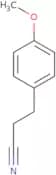
Fórmula:C9H11NO3Pureza:Min. 95%Forma y color:PowderPeso molecular:181.19 g/molβ-(p-Methoxyphenyl)propionitrile
CAS:The synthesis of beta-(p-methoxyphenyl)propionitrile is a sustainable process that can be carried out in the laboratory. The reaction requires no catalysts or solvents and can be completed within an hour, with yields of up to 99%. This compound can be used as a precursor for other organic compounds, such as pharmaceuticals.Fórmula:C10H11NOPureza:Min. 95%Forma y color:Clear LiquidPeso molecular:161.2 g/mol2-Bromo-4-methoxybenzyl alcohol
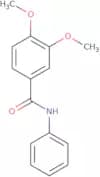
CAS:2-Bromo-4-methoxybenzyl alcohol is a fine chemical that can be used as a versatile building block, intermediate, or reaction component in research. It is also a useful building block for the synthesis of complex compounds. 2-Bromo-4-methoxybenzyl alcohol has been shown to be a reagent with high quality and can be used as a speciality chemical. This compound has been shown to react with ammonia to form an amide bond, which has led to the development of several new drugs.Fórmula:C8H9BrO2Pureza:Min. 95%Forma y color:PowderPeso molecular:217.06 g/mol3,4-Dimethoxybenzanilide
CAS:3,4-Dimethoxybenzanilide is a synthetic compound that can be synthesized from dimethyl ether and carboxylic acid. It is an amide of 3,4-dimethoxybenzoic acid and can be hydrogenolysed to yield the corresponding carboxylic acid. The lithiated derivative of 3,4-dimethoxybenzanilide has been used in the synthesis of a number of compounds including amides, lithiated derivatives, and dithiocarbamates. This chemical has also been used in the synthesis of a number of advances such as new carboxylic acids and aldehydes.
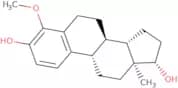
Fórmula:C15H15NO3Pureza:Min. 95%Peso molecular:257.28 g/mol4-Methoxy 17b-estradiol
CAS:Producto controlado4-Methoxy 17β-estradiol is a synthetic estrogen that is used as a pharmaceutical drug in the treatment of menopausal symptoms and to prevent osteoporosis. It can be taken orally or administered by injection. 4-Methoxy 17β-estradiol has been found to have interactive effects with other drugs, such as fatty acids and catechol-o-methyltransferase (COMT). It also has an effect on body mass index in vivo, which can lead to cancerous cell proliferation. The matrix effect of 4-methoxy 17β-estradiol on tissues depends on the hydrogen bonds it forms with amino acids in the protein matrix. The hydrogen bonds are different for each tissue type and this may contribute to the differences in carcinogenic potential between tissues. This drug is not active against MCF-7 human breast cancer cells, but does inhibit growth of MDA MB 231 human breast cancer cells.
Fórmula:C19H26O3Pureza:Min. 95%Forma y color:PowderPeso molecular:302.41 g/mol2,4,5-Trimethoxybenzyl alcohol
CAS:2,4,5-Trimethoxybenzyl alcohol is a metabolite that is produced by the p. pastoris strain. It has been shown to be active against the enzyme glyceraldehyde-3-phosphate dehydrogenase and has been expressed heterologously in yeast. 2,4,5-Trimethoxybenzyl alcohol also has been shown to inhibit peroxidases and may have biochemical applications in pharmaceuticals as an inhibitor of lipid peroxidation.
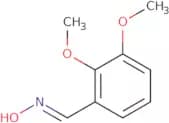
Fórmula:C10H14O4Pureza:Min. 95%Forma y color:White PowderPeso molecular:198.22 g/mol2,3-Dimethoxybenzaldoxime
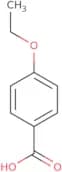
CAS:2,3-Dimethoxybenzaldoxime is an oxime that can be used as a chlorinating agent in organic synthesis. It has been shown to be a good catalyst for the Suzuki coupling of chlorides and boronic acids and for the Miyaura coupling of alkenes and halides. 2,3-Dimethoxybenzaldoxime also reacts with alkenes to form dimers. This reaction is catalyzed by a palladium complex, which may be due to its ability to activate the alkene by oxidative addition or reductive elimination.Fórmula:C9H11NO3Pureza:Min. 95%Forma y color:PowderPeso molecular:181.19 g/mol4-Ethoxybenzoic acid
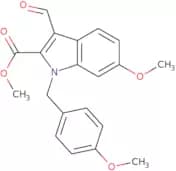
CAS:4-Ethoxybenzoic acid is a phenolic compound that has shown significant cytotoxicity. This molecule has been shown to inhibit the production of tyrosinase, an enzyme that catalyzes the oxidation of tyrosine to produce melanin. 4-Ethoxybenzoic acid also inhibits detoxification enzymes such as glutathione transferases and quinone reductase, which may be responsible for its cytotoxicity. 4-Ethoxybenzoic acid is soluble in organic solvents but insoluble in water. It reacts with other compounds to form insoluble polymers. 4-Ethoxybenzoic acid can react with piperonyl butoxide or caproic acid to form p-hydroxybenzoic acid or friedel-crafts reaction products respectively.Fórmula:C9H10O3Pureza:Min. 95%Forma y color:PowderPeso molecular:166.17 g/molMethyl 3-formyl-6-methoxy-1-(4-methoxybenzyl)-1H-indole-2-carboxylate
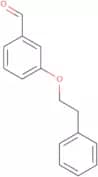
CAS:Producto controladoPlease enquire for more information about Methyl 3-formyl-6-methoxy-1-(4-methoxybenzyl)-1H-indole-2-carboxylate including the price, delivery time and more detailed product information at the technical inquiry form on this pageFórmula:C20H19NO5Pureza:Min. 95%Peso molecular:353.37 g/mol3-(2-Phenylethoxy)benzaldehyde
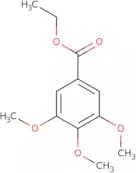
CAS:3-(2-Phenylethoxy)benzaldehyde is a benzaldehyde derivative with an ether group at the 3-position. It is used as a building block for the synthesis of organic compounds and as a reaction component in the preparation of research chemicals, speciality chemicals, and complex compounds. This compound has been shown to have high purity and to be a versatile building block for the synthesis of pharmaceuticals, agrochemicals, and other fine chemicals.Fórmula:C15H14O2Pureza:Min. 95%Forma y color:PowderPeso molecular:226.27 g/molEthyl 3,4,5-trimethoxybenzoate
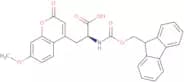
CAS:Ethyl 3,4,5-trimethoxybenzoate is a synthetic chemical that is used as a precursor in the synthesis of quinoxalines. Ethyl 3,4,5-trimethoxybenzoate has been shown to have antiviral properties against human immunodeficiency virus and leishmania. It also has potent inhibitory activity against heterocyclic amines and t. rubrum.Fórmula:C12H16O5Pureza:Min. 95%Forma y color:White To Grey SolidPeso molecular:240.25 g/molFmoc-β-(7-methoxy-coumarin-4-yl)-Ala-OH
CAS:Fmoc-b-(7-methoxy-coumarin-4-yl)-Ala-OH is a reagent with the CAS No. 524698-40-6, which is used in organic synthesis. It is a versatile building block and useful intermediate that can be used to synthesize other organic compounds. Fmoc-b-(7-methoxy-coumarin-4-yl)-Ala-OH is also used as a reaction component in the synthesis of peptides and proteins, as well as in the preparation of polymers. It has been shown to be an effective building block for complex compounds.Fórmula:C28H23NO7Pureza:Min. 95%Forma y color:PowderPeso molecular:485.48 g/mol2-Amino-3-methoxybenzoic acid hydrochloride
CAS:2-Amino-3-methoxybenzoic acid hydrochloride is a synthetic monosubstituted hydroxy analog of the natural alkaloids, which are substituted with an amino group. It is produced by the demethylation of 2-amino-3-hydroxypyridine and reacts with caprolactam to form 2,6-dihydroxybenzaldehyde. It has been used in the synthesis of methoxyanthranilic acid, which is a synthetic analogue of anthranilic acid. Hydrochloric acid can be added to 2-amino-3-methoxybenzoic acid hydrochloride to produce 2,6-dihydroxybenzoyl chloride. This compound also undergoes condensation reactions with methoxyanthranilic acid to form 2,6-dimethoxybenzaldehyde.
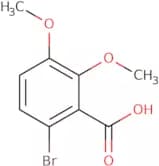
Fórmula:C8H9NO3•HClPureza:Min. 95%Forma y color:PowderPeso molecular:203.62 g/mol6-Bromo-2,3-dimethoxybenzoic acid
CAS:6-Bromo-2,3-dimethoxybenzoic acid is a synthetic chemical that has been shown to have antibacterial activity. It has been shown to inhibit the growth of bacteria by binding to the imine group in the bacterial cell wall and preventing its synthesis. 6-Bromo-2,3-dimethoxybenzoic acid has also been shown to be synthesised from 2,3-dimethoxybenzoic acid and bromine. This compound is a benzophenanthridine alkaloid that inhibits protein synthesis and cell division.Fórmula:C9H9BrO4Pureza:Min. 95%Forma y color:PowderPeso molecular:261.07 g/mol2,2-Difluoro-2-[1,1,2,2-tetrafluoro-2-(trifluoromethoxy)ethoxy]acetic acid
CAS:2,2-Difluoro-2-[1,1,2,2-tetrafluoro-2-(trifluoromethoxy)ethoxy]-acetic acid is a fluorinated compound that can be used as an adsorbent for organic compounds. It is a highly selective material and has high adsorption capacity. The adsorption equilibrium data for 2,2-difluoro-2-[1,1,2,2-tetrafluoro-2-(trifluoromethoxy)ethoxy]-acetic acid are given in the table below. Table: Adsorption Equilibrium Data Temperature (°C) Pressure (kPa) Vapor Pressure (Pa) Equilibrium Vapor Pressure (Pa) Adsorption Capacity (%) 0 0.001 0.0008 0.0012 100
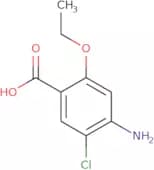
Fórmula:C5HF9O4Pureza:Min. 95%Forma y color:Clear LiquidPeso molecular:296.04 g/mol4-Amino-5-chloro-2-ethoxybenzoic acid
CAS:4-Amino-5-chloro-2-ethoxybenzoic acid is a phenoxy compound that is synthesized in the laboratory. The chemical structure of this compound has been studied using high performance liquid chromatography and it was found to have pharmacokinetic properties that are consistent with those of other drugs in its class. This drug is being developed as an anti-depressant, targeting the 5HT4 receptor. The bioactive metabolite of 4-amino-5-chloro-2-ethoxybenzoic acid is 4-(4′ hydroxybutyl)phenol, which has been shown to be a potent inhibitor of phosphodiesterase activity.
Fórmula:C9H10ClNO3Pureza:Min. 95%Forma y color:White Off-White PowderPeso molecular:215.63 g/molMethyl 3,5-diiodo-4-methoxybenzoate
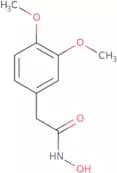
CAS:Please enquire for more information about Methyl 3,5-diiodo-4-methoxybenzoate including the price, delivery time and more detailed product information at the technical inquiry form on this pageFórmula:C9H8I2O3Pureza:Min. 95%Forma y color:PowderPeso molecular:417.97 g/mol2-(3,4-Dimethoxyphenyl)-N-hydroxyacetamide
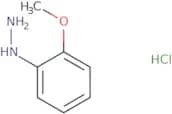
CAS:2-(3,4-Dimethoxyphenyl)-N-hydroxyacetamide is a versatile building block that can be used in the production of a wide range of research chemicals. It is also useful as a reagent or speciality chemical for the preparation of pharmaceuticals, agrochemicals and other industrial chemicals. 2-(3,4-Dimethoxyphenyl)-N-hydroxyacetamide is an intermediate that can be used to synthesize complex compounds such as benzodiazepines. This compound has been shown to have high quality and can be used as a reaction component in organic synthesis. 2-(3,4-Dimethoxyphenyl)-N-hydroxyacetamide has CAS number 33793-80-5 and its molecular weight is 237.27 g/mol.Fórmula:C10H13NO4Pureza:Min. 95%Forma y color:PowderPeso molecular:211.21 g/mol2-Methoxyphenylhydrazine hydrochloride
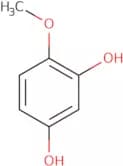
CAS:2-Methoxyphenylhydrazine hydrochloride is a chemical that is used as a research scaffold, building block, or intermediate. It can be used in the synthesis of complex compounds with high quality and purity. This product is soluble in water and alcohols. 2-Methoxyphenylhydrazine hydrochloride has CAS No. 6971-45-5 and a molecular weight of 183.2 g/mol.Fórmula:C7H10N2O·HClPureza:Min. 95%Forma y color:PowderPeso molecular:174.63 g/mol4-Methoxyresorcinol
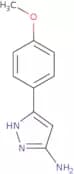
CAS:4-Methoxyresorcinol is a chemical compound that has the molecular formula CHNO. It has a hydroxyl group in the 4-position and a methyl group on the 8-position. The intramolecular hydrogen of this molecule is denatured by heating to about 220°C. This process converts it into resorcinol, which is structurally similar but has different properties. 4-Methoxyresorcinol can be used as a polymerization initiator for polycarboxylic acid or quinoline derivatives, and its analytical methods are used in determining its structure.Fórmula:C7H8O3Pureza:Min. 95%Forma y color:PowderPeso molecular:140.14 g/mol5-Amino-3-(4-methoxyphenyl)pyrazole
CAS:5-Amino-3-(4-methoxyphenyl)pyrazole (5AMPAP) is an anti-cancer agent that is effective against a number of different cancers, including breast, lung, and prostate. It selectively inhibits the growth of cancer cells by targeting enzymes in the mitochondria that are required for ATP production. 5AMPAP binds to the enzyme pyruvate dehydrogenase kinase, which has been shown to be involved in regulating cell proliferation and apoptosis. In addition, it has been demonstrated that this compound has anti-inflammatory properties. The regioselectivity of 5AMPAP was determined by x-ray crystallography and was found to form a pyrazolopyrimidine ring with two nitrogens on opposite sides of the ring. This regioselectivity is necessary for its anti-cancer activity.
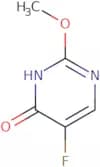
Fórmula:C10H11N3OPureza:Min. 95%Peso molecular:189.21 g/mol5-Fluoro-4-hydroxy-2-methoxypyrimidine
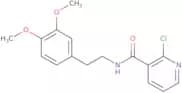
CAS:5-Fluoro-4-hydroxy-2-methoxypyrimidine (5FMMP) is a chemical intermediate that is used in the synthesis of various pharmaceuticals, including antibiotics. It can be obtained by reacting phosphorus oxychloride with activated 2-methoxybenzaldehyde. This chemical intermediate is highly reactive and has been shown to be virulent against some strains of bacteria, such as E. coli and Proteus mirabilis. 5FMMP binds to the bacterial cell wall using its primary amine group, which prevents the formation of an antibiotic-inhibitor complex with the enzyme cell wall synthesis that is required for cell wall biosynthesis, inhibiting protein synthesis and cell division. The chlorinating reaction between 5FMMP and sodium hypochlorite results in hydrochloric acid generation. This chemical intermediate can also be synthesized from recycled chemicals such as ethyl chloride or chloroform.Fórmula:C5H5FN2O2Pureza:Min. 95%Forma y color:PowderPeso molecular:144.1 g/molN-(2-(3,4-dimethoxyphenyl)ethyl)(2-chloro(3-pyridyl))formamide
CAS:Please enquire for more information about N-(2-(3,4-dimethoxyphenyl)ethyl)(2-chloro(3-pyridyl))formamide including the price, delivery time and more detailed product information at the technical inquiry form on this pagePureza:Min. 90%3-Methoxy-2-methylbenzoic acid
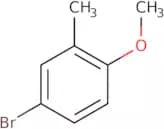
CAS:3-Methoxy-2-methylbenzoic acid is a diazotization agent that is used to produce bromoethane. It is also used as an initiator in the synthesis of dimethylformamide and tetrahydrofuran. 3-Methoxy-2-methylbenzoic acid can be recycled and is used to synthesize methylbenzene, chloroanisole, and grignard reaction products such as chlorobenzene and low yield. 3-Methoxy-2-methylbenzoic acid has been shown to have a high yield for these reactions in comparison to other diazotization agents.Fórmula:C9H10O3Pureza:Min. 95%Forma y color:White PowderPeso molecular:166.17 g/mol5-Bromo-2-methoxytoluene
CAS:5-Bromo-2-methoxytoluene is a bromoarene that reacts to form aziridines and phosphotungstic acid. It is used in the synthesis of polyaromatic compounds with steric interactions. 5-Bromo-2-methoxytoluene is also a functional group that can be used as an allosteric modulator. This compound also has stereoisomers that are chiral, meaning they have different structures despite being mirror images of each other. The carbonyl group on the 5-bromo compound is polar, which means it has a charge. The hydrogen bonds between this compound and other molecules are nonpolar, which means they do not have a charge and are more likely to form in a nonpolar solvent.
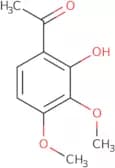
Fórmula:C8H9BrOPureza:Min. 95%Forma y color:PowderPeso molecular:201.06 g/mol3,4-Dimethoxy-2-hydroxyacetophenone
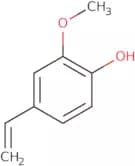
CAS:3,4-Dimethoxy-2-hydroxyacetophenone is a natural product that has been shown to have significant activity against epidermoid carcinoma. The mechanism of action of 3,4-dimethoxy-2-hydroxyacetophenone is not fully understood but it has been shown to inhibit the growth of cancer cells through an unknown mechanism. This compound can be synthesized from coumarin derivatives and its fluorescence and cellular uptake are due to its flavonoid structure. 3,4-Dimethoxy-2-hydroxyacetophenone has also been shown to increase cisplatin sensitivity in nerve cells and has been used as a fluorescent probe for microscopy and magnetic resonance imaging (MRI).Fórmula:C10H12O4Pureza:Min. 98 Area-%Forma y color:PowderPeso molecular:196.2 g/mol2-Methoxy-4-vinylphenol
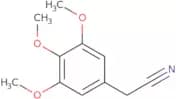
CAS:2-Methoxy-4-vinylphenol is a chlorogenic acid that has been shown to inhibit the growth of Candida glabrata. It binds to ferulic acid and caffeic acids, which are natural compounds found in plants. The optimum concentration at which 2-methoxy-4-vinylphenol inhibits the growth of C. glabrata is between 0.5 and 1 mM. This compound can be readily analyzed using an analytical method with high selectivity for chlorogenic acids, such as liquid chromatography coupled with mass spectrometry (LC/MS). The binding of 2-methoxy-4-vinylphenol to ferulic acid and caffeic acid may also have implications for its use as an anti-inflammatory agent.Fórmula:C9H10O2Pureza:Min. 98%Forma y color:Clear LiquidPeso molecular:150.17 g/mol3,4,5-trimethoxybenzyl cyanide
CAS:3,4,5-Trimethoxybenzyl cyanide is a natural product that has been shown to inhibit the polymerase of bacterial RNA and DNA. It binds to the active site of the enzyme and prevents its function. The mechanism of 3,4,5-trimethoxybenzyl cyanide is similar to that of other inhibitors of bacterial RNA polymerase such as quinacrine and actinomycin D. This compound has also been shown to prevent fibrillation in vitro. 3,4,5-Trimethoxybenzyl cyanide has antiarrhythmic properties. It blocks the mitochondrial membrane potential by inhibiting the synthesis of ATP. This inhibition leads to an increased permeability of the mitochondrial membrane for ions such as potassium and calcium. The increased permeability leads to a decrease in cellular excitability and a decrease in cardiac arrhythmias (irregular heartbeats).
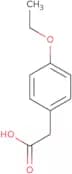
Fórmula:C11H13NO3Pureza:Min. 97 Area-%Forma y color:PowderPeso molecular:207.23 g/mol4-Ethoxyphenylacetic acid
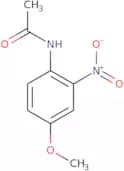
CAS:4-Ethoxyphenylacetic acid is an organic compound that belongs to the class of cannabinoids. It is a metabolite of tetrahydrocannabinol (THC) and can be used as a precursor to other cannabinoids, such as cannabidiol. This substance also has been shown to have canalization effects on plant physiology and root formation. 4-Ethoxyphenylacetic acid is synthesized in a solid-phase synthesis and purified by hydrogen chloride gas. The synthesis is efficient and can be done in gram quantities. Structural studies have shown that this molecule binds to cannabinoid receptors CB1 and CB2, which are found throughout the body, including the brain. 4-Ethoxyphenylacetic acid may act as a regulator for these receptors, with its effects depending on concentration.Fórmula:C10H12O3Pureza:Min. 95%Forma y color:PowderPeso molecular:180.2 g/mol4-Methoxy-2-nitroacetanilide
CAS:4-Methoxy-2-nitroacetanilide is a byproduct of the manufacture of 4-methoxyacetanilide, which is used in the production of analgesics. It has been shown to be an environmental pollutant that is toxic to animals and plants. The toxicity of 4-methoxy-2-nitroacetanilide is due to its ability to react with amines and form nitrosamines. The rate of acetylation is determined by the kinetics of the reaction, while substituent effects on the molecule determine its reactivity as an electrophile.Fórmula:C9H10N2O4Pureza:Min. 95%Forma y color:PowderPeso molecular:210.19 g/mol2,4,6-Trimethoxy-3-methylbenzaldehyde
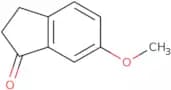
CAS:2,4,6-Trimethoxy-3-methylbenzaldehyde is a flavanone that is structurally related to the drug ciprofloxacin. The two molecules share a common molecular framework with the addition of a hydroxyl group on the 2 position of the benzene ring. In molecular docking studies, 2,4,6-Trimethoxy-3-methylbenzaldehyde has shown antitubercular activity against Mycobacterium tuberculosis and Mycobacterium avium complex. It is also an inhibitor of protein tyrosine phosphatase and has been shown to have antibacterial activity against various strains of bacteria.Fórmula:C11H14O4Pureza:Min. 95%Forma y color:PowderPeso molecular:210.23 g/mol6-Methoxy-1-indanone
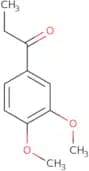
CAS:6-Methoxy-1-indanone is a chemical compound that can be found in the form of two structural isomers. They both have the same pharmacokinetic properties and are potent inhibitors of 5-HT1A receptors. 6-Methoxy-1-indanone also has potent inhibitory activity on the MT2 receptors, which are present in the central nervous system. This compound has been shown to be an active methylene group with neurodegenerative disease and has carbonyl groups.Fórmula:C10H10O2Pureza:Min. 98 Area-%Forma y color:PowderPeso molecular:162.19 g/mol3,4-Dimethoxypropiophenone
CAS:3,4-Dimethoxypropiophenone is a superacidic electrophile that is oxidized to produce oxidation products. It can be used in the manufacture of dyes and pharmaceuticals. The reaction mechanism for this compound starts with an electrophilic attack by one of the two carbonyl groups on a double bond in the propiophenone molecule. This produces an enol intermediate, which undergoes stepwise oxidation to form a carbonyl group, chloride ion, and acid catalyst. The acid catalyst can be recycled to reduce production costs. 3,4-Dimethoxypropiophenone also has stereoisomers that are chemically identical but have different three-dimensional shapes.Fórmula:C11H14O3Pureza:Min. 95%Forma y color:PowderPeso molecular:194.23 g/mol1-(3-Benzyloxy-4-methoxyphenyl)-2-nitroethene
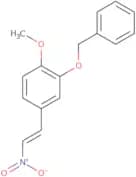
CAS:1-(3-Benzyloxy-4-methoxyphenyl)-2-nitroethene (1BMN) is an ethanamine that has a skeleton of five benzene and one methoxybenzene rings. It is an analogue of lamellarin, which has been shown to have efficient synthetic and biological properties. 1BMN is biologically active as a lamellarin analog and may be useful for the treatment of diseases such as cancer, malaria, hypertension, hyperglycemia, hypercholesterolemia, and ulcerative colitis. 1BMN is synthesized from 2-nitroethanol by reacting with 3-bromobenzaldehyde in the presence of sodium hydroxide. This reaction results in the formation of 1BMN in high yield with few side reactions.
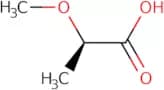
Fórmula:C16H15NO4Pureza:Min. 95%Forma y color:PowderPeso molecular:285.29 g/mol(R)-(+)-2-Methoxypropionic acid
CAS:(R)-(+)-2-Methoxypropionic acid is a derivatization agent that is used to label branched-chain amino acids. It has been shown to react with l-rhamnose, which is found in glycoproteins and polysaccharides.
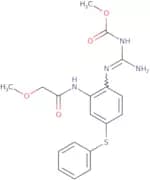
Fórmula:C4H8O3Pureza:Min. 95%Forma y color:Clear Colourless To Pale Yellow LiquidPeso molecular:104.1 g/molDes(methoxycarbonyl) febantel
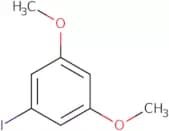
CAS:Please enquire for more information about Des(methoxycarbonyl) febantel including the price, delivery time and more detailed product information at the technical inquiry form on this pageFórmula:C18H20N4O4SPureza:Min. 95%Peso molecular:388.44 g/mol3,5-Dimethoxyiodobenzene
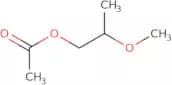
CAS:3,5-Dimethoxyiodobenzene is an organic molecule that is structurally similar to biphenyl. It has been shown to inhibit the growth of cancer cells by flipping the mcf-7 protein and cross-coupling with pterostilbene. 3,5-Dimethoxyiodobenzene can be used as a substitute for biphenyl in some reactions because it has a similar structure but does not have halogen groups. 3,5-Dimethoxyiodobenzene also inhibits the production of chloride ions in bacteria and causes accumulation of phosphane, which is an enzyme inhibitor. This compound has also been shown to act as a stereoselective inhibitor of enzymes that catalyze the synthesis of phytoalexins, which are plant secondary metabolites produced under biotic stress conditions (e.g., bacterial infection).Fórmula:C8H9IO2Pureza:Min. 95%Forma y color:Light Brown To Brown SolidPeso molecular:264.06 g/mol2-Methoxypropyl acetate
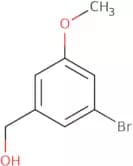
CAS:2-Methoxypropyl acetate is a cross-linking agent that is used in water treatment. It is used as an additive to deionized water and can be found in high concentrations in wastewater. 2-Methoxypropyl acetate reacts with xylene to produce light emission, which makes it suitable for use as a chemical marker. The optimum dose of 2-methoxypropyl acetate ranges from 0.025% to 0.2%. 2-Methoxypropyl acetate has been shown to be toxic when injected into rats at doses of 100 mg/kg body weight, but not at doses of 25 mg/kg body weight or less. This compound was also shown to cause protrusion and necrosis of the nasal septum in rats after administration at doses of 500 mg/kg body weight.Fórmula:C6H12O3Pureza:Min. 95%Forma y color:Colourless LiquidPeso molecular:132.16 g/mol5-Bromo-3-methoxybenzyl alcohol
CAS:5-Bromo-3-methoxybenzyl alcohol is a synthetic hydroxyphenyl compound that can be used as a coupling agent. It is prepared by the reaction of bromoacetaldehyde with 3-hydroxybenzyl alcohol in the presence of an amine base, such as pyridine. 5-Bromo-3-methoxybenzyl alcohol can also be used to synthesize pyridines and bromides.Fórmula:C8H9BrO2Pureza:Min. 95%Forma y color:PowderPeso molecular:217.06 g/mol2-Methoxy benzyl chloride
CAS:2-Methoxy benzyl chloride is an organometallic compound that has potent antagonist activity against a wide variety of organometallic and non-organometallic compounds. It is used in the treatment of inflammatory diseases, such as myocardial infarct, and also displays antimicrobial properties. 2-Methoxy benzyl chloride is a potent competitive inhibitor of many enzymes, including xanthine oxidase, hydroxylase, and tyrosinase. This molecule also has the ability to bind to cationic polymers and inhibit polymerization reactions by interfering with the formation of hydrogen bonds between monomers. The chlorine atom in this molecule can be replaced by a hydrogen atom for use as an antimicrobial agent. 2-Methoxy benzyl chloride binds to nitrogen atoms on amides and other nitrogen containing compounds, which may account for its antiinflammatory effects.
Fórmula:C8H9ClOPureza:Min. 95%Forma y color:PowderPeso molecular:156.61 g/mol3-Chloro-1,1-diethoxypropane - Stabilized with CaCO3
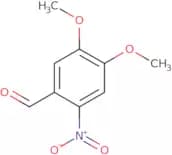
CAS:3-Chloro-1,1-diethoxypropane is a molecule that has been studied for its potential in cancer treatment. It has shown to be toxic to some human cell lines but not others. 3-Chloro-1,1-diethoxypropane has also been shown to be effective at reducing blood pressure and as an antiviral agent against HIV. The molecule is stable in the presence of calcium carbonate and can be administered orally or intravenously.Fórmula:C7H15ClO2Pureza:Min. 90 Area-%Forma y color:Clear LiquidPeso molecular:166.65 g/mol3,4-Dimethoxy-6-nitrobenzaldehyde
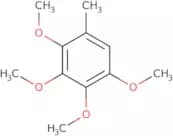
CAS:3,4-Dimethoxy-6-nitrobenzaldehyde is a chemical compound that has been synthesized by the reaction of 3,4-dimethoxybenzaldehyde and nitric acid. The asymmetric synthesis of 3,4-Dimethoxy-6-nitrobenzaldehyde starts with the preparation of the corresponding ester, which is then reacted with nitric acid to produce the desired product. The chemical structure of 3,4-Dimethoxy-6-nitrobenzaldehyde consists of three aromatic rings: a benzene ring fused to a phenyl ring and a pyridine ring. This chemical can be used as an intermediate in the synthesis of epidermal growth factor (EGF). It also has been shown to bind to toll like receptor 4 (TLR4), which activates NFκB signaling pathway and induces apoptosis in monocytes.Fórmula:C9H9NO5Pureza:Min. 95 Area-%Forma y color:White Yellow PowderPeso molecular:211.17 g/mol2,3,4,5-Tetramethoxytoluene
CAS:2,3,4,5-Tetramethoxytoluene is a chlorinated aromatic hydrocarbon that is produced by the chloromethylation of toluene. It can be used in the synthesis of isoquinoline compounds and grignard reagents. 2,3,4,5-Tetramethoxytoluene is also a precursor for the production of 2-chloro-1-(2-chlorophenyl)ethanol (CCPE), which is used as an intermediate for the production of various pesticides and herbicides. Tetramethoxytoluene has been shown to be toxic to fish in water at concentrations as low as 0.1 micrograms per liter. It also has a potential to cause environmental pollution because it reacts with peroxide and alkylates other organic compounds.
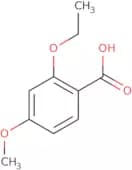
Fórmula:C11H16O4Pureza:Min. 95%Forma y color:Clear LiquidPeso molecular:212.24 g/mol2-Ethoxy-4-methoxybenzoic acid
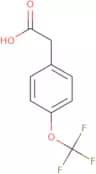
CAS:2-Ethoxy-4-methoxybenzoic acid is a versatile chemical compound that can be used as a building block in the synthesis of complex compounds. It has been used as an intermediate in the production of other chemicals and has been shown to be useful as a scaffold for drug design. 2-Ethoxy-4-methoxybenzoic acid is also used in research to study bacterial resistance to antibiotics and its ability to inhibit DNA replication. CAS No. 55085-15-9Fórmula:C10H12O4Pureza:Min. 95%Forma y color:PowderPeso molecular:196.2 g/mol4-(Trifluoromethoxy)phenylacetic acid
CAS:4-(Trifluoromethoxy)phenylacetic acid is a useful scaffold, versatile building block, and useful intermediate in organic synthesis. It is a speciality chemical that is used as a reaction component in the preparation of complex compounds. 4-(Trifluoromethoxy)phenylacetic acid is also a reagent for the synthesis of high-quality pharmaceuticals, such as antibiotics and antiviral agents. This compound has CAS No. 4315-07-5 and can be found at Chemicals Online.Fórmula:C9H7F3O3Pureza:Min. 95%Forma y color:PowderPeso molecular:220.15 g/mol3,4-Methylenedioxy-5-methoxycinnamic acid
CAS:3,4-Methylenedioxy-5-methoxycinnamic acid is a fine chemical that can be used as a versatile building block in the synthesis of many organic compounds. It is a useful intermediate for research chemicals, reaction components, and specialty chemicals. This compound can be used as a reagent for the synthesis of complex compounds. It has high purity and quality.Fórmula:C11H10O5Pureza:Min. 95%Forma y color:PowderPeso molecular:222.19 g/mol(2-Aminophenyl)-N-((((4-methoxyphenyl)amino)thioxomethyl)amino)formamide
CAS:Please enquire for more information about (2-Aminophenyl)-N-((((4-methoxyphenyl)amino)thioxomethyl)amino)formamide including the price, delivery time and more detailed product information at the technical inquiry form on this pageFórmula:C15H16N4O2SPureza:Min. 95%Forma y color:PowderPeso molecular:316.38 g/mol2-[(2-Amino-5-methoxyphenyl)dithio]-4-methoxyaniline
CAS:2-[(2-Amino-5-methoxyphenyl)dithio]-4-methoxyaniline is a high quality chemical reagent that can be used as a useful intermediate in the synthesis of a variety of complex compounds. This compound has been shown to have a wide range of uses, including as a building block in the synthesis of speciality chemicals and research chemicals. 2-[(2-Amino-5-methoxyphenyl)dithio]-4-methoxyaniline is an important reaction component that can be used in many organic reactions, such as coupling, condensation, substitution, elimination, nucleophilic addition and reduction.Fórmula:C14H16N2O2S2Pureza:Min. 95%Forma y color:PowderPeso molecular:308.42 g/mol

![3-(3,4-dimethoxyphenyl)indeno[2,3-d]pyrazol-4-one](/_next/image/?url=https%3A%2Fstatic.cymitquimica.com%2Fproducts%2F3D%2Fthumb-webp%2FFD169741.webp&w=3840&q=75)



![2,2-Difluoro-2-[1,1,2,2-tetrafluoro-2-(trifluoromethoxy)ethoxy]acetic acid](/_next/image/?url=https%3A%2Fstatic.cymitquimica.com%2Fproducts%2F3D%2Fthumb-webp%2FFD99821.webp&w=3840&q=75)






![2-[(2-Amino-5-methoxyphenyl)dithio]-4-methoxyaniline](/_next/image/?url=https%3A%2Fstatic.cymitquimica.com%2Fproducts%2F3D%2Fthumb-webp%2FFA117846.webp&w=3840&q=75)