Éteres
Se han encontrado 40904 productos de "Éteres"
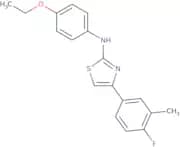
2-(4-Ethoxyphenylamino)-4-(3-methyl-4-fluorophenyl)thiazole
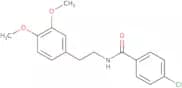
CAS:Please enquire for more information about 2-(4-Ethoxyphenylamino)-4-(3-methyl-4-fluorophenyl)thiazole including the price, delivery time and more detailed product information at the technical inquiry form on this pagePureza:Min. 95%N-(2-(3,4-dimethoxyphenyl)ethyl)(4-chlorophenyl)formamide
CAS:Producto controladoPlease enquire for more information about N-(2-(3,4-dimethoxyphenyl)ethyl)(4-chlorophenyl)formamide including the price, delivery time and more detailed product information at the technical inquiry form on this page
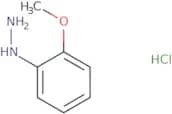
Pureza:Min. 95%2-Methoxyphenylhydrazine hydrochloride
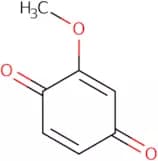
CAS:2-Methoxyphenylhydrazine hydrochloride is a chemical that is used as a research scaffold, building block, or intermediate. It can be used in the synthesis of complex compounds with high quality and purity. This product is soluble in water and alcohols. 2-Methoxyphenylhydrazine hydrochloride has CAS No. 6971-45-5 and a molecular weight of 183.2 g/mol.Fórmula:C7H10N2O·HClPureza:Min. 95%Forma y color:PowderPeso molecular:174.63 g/mol2-Methoxy-1,4-benzoquinone
CAS:2-Methoxy-1,4-benzoquinone is a chemical compound that is soluble in organic solvents. It is a redox catalyst that can be used to reduce the hydrogen peroxide (H2O2) concentration in nutrient solutions for plant growth. 2-Methoxy-1,4-benzoquinone has been shown to interact with soybean lipoxygenase and levopimaric acid, which are involved in the biosynthesis of fatty acids. 2-Methoxy-1,4-benzoquinone also interacts with other hydroxyl groups such as those found in fatty acid chains. In this way it can form soluble polymers and alter the redox potential of the cell membrane. The optimum pH for these reactions is around 5.5 and this compound has been shown to have growth factor like effects on cells and tissues.Fórmula:C7H6O3Pureza:Min. 95%Forma y color:PowderPeso molecular:138.12 g/mol3-(tert-butyl)-4-((2-hydroxy-3-methoxyphenyl)methylene)-1-phenyl-2-pyrazolin-5-one
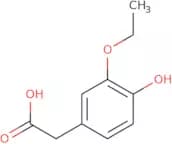
CAS:Please enquire for more information about 3-(tert-butyl)-4-((2-hydroxy-3-methoxyphenyl)methylene)-1-phenyl-2-pyrazolin-5-one including the price, delivery time and more detailed product information at the technical inquiry form on this pagePureza:Min. 95%3-Ethoxy-4-hydroxyphenylacetic acid
CAS:3-Ethoxy-4-hydroxyphenylacetic acid is a chemical compound that functions as an anaesthetic. It has been shown to produce sedation and anesthesia in animals, but not in humans. 3-Ethoxy-4-hydroxyphenylacetic acid is also a metabolite of the drug propofol, which is used as a general anesthetic.
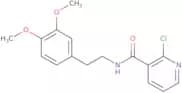
Fórmula:C10H12O4Pureza:Min. 95%Forma y color:PowderPeso molecular:196.2 g/molN-(2-(3,4-dimethoxyphenyl)ethyl)(2-chloro(3-pyridyl))formamide
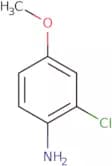
CAS:Please enquire for more information about N-(2-(3,4-dimethoxyphenyl)ethyl)(2-chloro(3-pyridyl))formamide including the price, delivery time and more detailed product information at the technical inquiry form on this pagePureza:Min. 90%2-Chloro-4-methoxyaniline
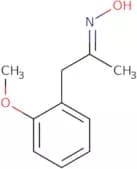
CAS:2-Chloro-4-methoxyaniline is a primary amine that has been used in the synthesis of polychlorinated and chlorinated amines. It is an important precursor for the manufacture of herbicides, insecticides, and pharmaceuticals. 2-Chloro-4-methoxyaniline reacts with hydrogen chloride to form chloroacetanilide, which can be hydrolysed to aniline. This reaction proceeds at room temperature and does not require catalysts. The reactivity of this compound is due to its nucleophilic substitutions in the presence of ketocarboxylic acids or vinyl ethers. 2-Chloro-4-methoxyaniline has also been used as a dehydrating reagent in organic synthesis reactions.br>br> 2-Chloro-4-methoxyaniline is highly reactive because it contains two primary amines (NH2) thatFórmula:C7H8ClNOPureza:Min. 95%Peso molecular:157.6 g/mol(2-Methoxyphenyl)acetone oxime
CAS:2-Methoxyphenyl)acetone oxime is a versatile building block that can be used in the synthesis of complex compounds. It is a colourless crystalline solid with a melting point of 138°C and a boiling point of 188°C. This compound has been assigned CAS No. 43021-97-2 and is soluble in water, ethanol, acetone, benzene, chloroform, ether and ethyl acetate. The chemical structure for this compound is shown below:
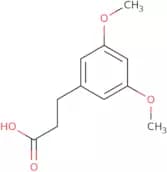
Fórmula:C10H13NO2Pureza:Min. 95%Forma y color:PowderPeso molecular:179.22 g/mol3-(3,5-Dimethoxyphenyl)propionic acid
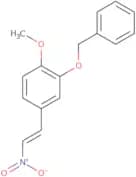
CAS:3-(3,5-Dimethoxyphenyl)propionic acid is a metabolite of the drug aminorex that has been found to be a potent cannabinoid receptor agonist. It is an oxygenated analogue of 3,5-dimethoxyamphetamine and is synthesised by demethylation of aminorex followed by alkylation of the resulting 3-(3,5-dimethoxyphenyl)propionyl chloride with methanol. The compound has been found in rat microflora and human intestinal contents.Fórmula:C11H14O4Pureza:Min. 95%Forma y color:PowderPeso molecular:210.23 g/mol1-(3-Benzyloxy-4-methoxyphenyl)-2-nitroethene
CAS:1-(3-Benzyloxy-4-methoxyphenyl)-2-nitroethene (1BMN) is an ethanamine that has a skeleton of five benzene and one methoxybenzene rings. It is an analogue of lamellarin, which has been shown to have efficient synthetic and biological properties. 1BMN is biologically active as a lamellarin analog and may be useful for the treatment of diseases such as cancer, malaria, hypertension, hyperglycemia, hypercholesterolemia, and ulcerative colitis. 1BMN is synthesized from 2-nitroethanol by reacting with 3-bromobenzaldehyde in the presence of sodium hydroxide. This reaction results in the formation of 1BMN in high yield with few side reactions.
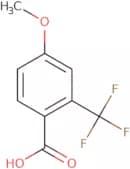
Fórmula:C16H15NO4Pureza:Min. 95%Forma y color:PowderPeso molecular:285.29 g/mol4-Methoxy-2-(trifluoromethyl)benzoic acid
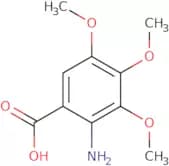
CAS:4-Methoxy-2-(trifluoromethyl)benzoic acid is a useful building block for the synthesis of various organic compounds. It is used in the preparation of pharmaceuticals, agrochemicals, and pesticides. 4-Methoxy-2-(trifluoromethyl)benzoic acid is also a reagent for many organic reactions, such as Friedel–Crafts reactions, Grignard reactions, and alkylation reactions. It is also an intermediate for the synthesis of other compounds.Fórmula:C9H7F3O3Pureza:Min. 95%Forma y color:PowderPeso molecular:220.15 g/mol2-Amino-3,4,5-trimethoxybenzoic acid
CAS:2-Amino-3,4,5-trimethoxybenzoic acid (2AMTB) is a potential anticancer agent that inhibits the growth of cancer cells by interfering with the epidermal growth factor receptor. It also blocks the binding of this receptor to its ligands, preventing the activation of downstream signaling pathways. 2AMTB has been shown to inhibit epidermal growth factor (EGF)-induced proliferation in vitro and in vivo. 2AMTB has also been shown to inhibit the production of reactive oxygen species and DNA damage caused by amines such as quinazolone, which are commonly found in chemotherapy drugs. These properties make it a potential anticancer drug candidate for use with other chemotherapeutic agents such as epirubicin.
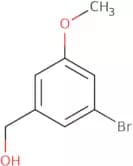
Fórmula:C10H13NO5Pureza:Min. 95%Forma y color:PowderPeso molecular:227.21 g/mol5-Bromo-3-methoxybenzyl alcohol
CAS:5-Bromo-3-methoxybenzyl alcohol is a synthetic hydroxyphenyl compound that can be used as a coupling agent. It is prepared by the reaction of bromoacetaldehyde with 3-hydroxybenzyl alcohol in the presence of an amine base, such as pyridine. 5-Bromo-3-methoxybenzyl alcohol can also be used to synthesize pyridines and bromides.Fórmula:C8H9BrO2Pureza:Min. 95%Forma y color:PowderPeso molecular:217.06 g/molEthoxyamine hydrochloride
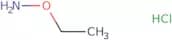
CAS:Ethoxyamine hydrochloride is an organic compound that contains a hydroxyl group and a chlorine atom. It is an amine with properties of an acid. Ethoxyamine hydrochloride can be used in the treatment of metabolic disorders, such as nitro, dehydrogenase deficiency and amino acid transport disorder. The compound also has been shown to have anti-inflammatory effects, which may be due to its ability to inhibit the production of prostaglandin synthesis. This drug has been found to have no significant toxicity in humans and animals, and it has been shown to be safe for use in humans.
Fórmula:C2H7NO·HClPureza:Min. 95%Forma y color:White PowderPeso molecular:97.54 g/mol2-(2-Methoxyphenethyl) alcohol
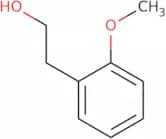
CAS:2-(2-Methoxyphenethyl) alcohol (2MPE) is a ligand that binds to the phenylpropanoid glycosides, which are responsible for the biosynthesis of plant pigments. It has been shown to inhibit tyrosinase and tyrosinase activity in vitro. 2MPE is used in radiopharmaceuticals as a radioactive label. It has also been shown to inhibit melanogenesis and the synthesis of volatile compounds in corncob at high temperatures. 2MPE is found in rhodiola and together with 2-hydroxyphenylacetic acid, it inhibits bacterial growth by inhibiting protein synthesis.Fórmula:C9H12O2Pureza:Min. 98%Forma y color:Clear LiquidPeso molecular:152.19 g/molEthyl 3-((4-bromo-2-methyl-5-oxo-1-phenyl-3-pyrazolin-3-yl)methoxy)benzoate
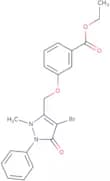
CAS:Please enquire for more information about Ethyl 3-((4-bromo-2-methyl-5-oxo-1-phenyl-3-pyrazolin-3-yl)methoxy)benzoate including the price, delivery time and more detailed product information at the technical inquiry form on this page
Pureza:Min. 95%3-(4-Methoxyphenyl)propionamide
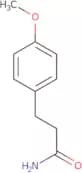
CAS:3-(4-Methoxyphenyl)propionamide is a compound that belongs to the group of benzene amides. It is synthesized by reacting an excess of 3-bromopropionaldehyde with an amine in the presence of sodium hydroxide. This reaction produces a mixture of products, which are separated by chromatography. The yields for this reaction are approximately 90%. 3-(4-Methoxyphenyl)propionamide has been used as a biomolecular building block, and its traceless nature makes it useful in organic synthesis.
3-(4-Methoxyphenyl)propionamide can be used to synthesize alkanesulfonamides and spirolactams, which are important intermediates in chemical synthesis. 3-(4-Methoxyphenyl)propionamide also reacts with phenanthridone to produce chloride derivatives and with arenes to produce linkers.Fórmula:C10H13NO2Pureza:Min. 95%Forma y color:PowderPeso molecular:179.22 g/mol4,4'-Dimethoxybenzhydrol
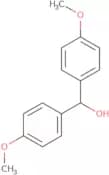
CAS:4,4'-Dimethoxybenzhydrol is a reaction system that has been used to control experiments in which the nucleophile is an iron catalyst. The reaction system was also used to determine the reactivity of various functional groups. The linear plot of the rate of reaction versus concentration of cyclopentenes, hydroxyl group, and dehydrated functionalities indicated that these factors had little effect on the rate of reaction. However, it was found that lactams and trifluorides were able to increase the rate of reaction. Anilines were also found to be effective as they reacted with hydrogen peroxide to form phenoxides.
Fórmula:C15H16O3Pureza:Min. 95%Forma y color:White PowderPeso molecular:244.29 g/molEthyl 2,6-dimethoxybenzoate
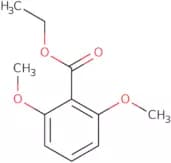
CAS:Ethyl 2,6-dimethoxybenzoate is a ferroelectric material. It is a colorless crystalline solid that can be obtained by the reaction of ethyl acetoacetate with benzoic acid. This compound has been used as a stabilizer for polyvinyl chloride and polyethylene terephthalate plastics. It has also been shown to have antihypertensive effects in rats. The hydroxymethyl group on the ethyl 2,6-dimethoxybenzoate molecule enables it to react with anions such as chloride ions, which in turn stabilize the crystal structure and increase the melting point. Ethyl 2,6-dimethoxybenzoate is also a congener of papaverine, which is used as a vasodilator and antiarrhythmic drug.Fórmula:C11H14O4Pureza:Min. 95%Forma y color:PowderPeso molecular:210.23 g/mol(-)-Bis(S)-1-(Ethoxycarbonyl)ethyl fumarate
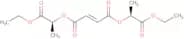
CAS:(-)-Bis(S)-1-(Ethoxycarbonyl)ethyl fumarate is a chemical compound that has been used for the synthesis of other compounds. This chemical has been shown to react with a wide range of nucleophiles and electrophiles, making it an important reagent in synthetic organic chemistry. (-)-Bis(S)-1-(Ethoxycarbonyl)ethyl fumarate is also useful as a scaffold for more complex molecules and as a building block for the synthesis of more complex structures.Fórmula:C14H20O8Pureza:Min. 95 Area-%Peso molecular:316.3 g/mol3,5,7,4'-Tetramethoxyflavone
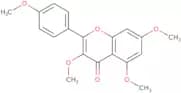
CAS:3,5,7,4'-Tetramethoxyflavone is a flavonoid that has been shown to have antidiabetic effects in animal studies. The mechanism of action of 3,5,7,4'-tetramethoxyflavone is not clear; however it is thought to involve the regulation of insulin sensitivity and energy metabolism. This compound has also been shown to inhibit the growth of Mycobacterium tuberculosis and other bacteria by interacting with their adenosine receptors. 3,5,7,4'-Tetramethoxyflavone binds to the basophilic leukemia cell line and inhibits its uptake of adenosine through the ccaat/enhancer-binding protein complex.
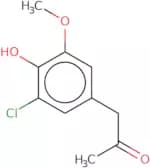
Fórmula:C19H18O6Pureza:Min. 95%Peso molecular:342.34 g/mol(5-Chloro-4-hydroxy-3-methoxyphenyl)acetone
CAS:(5-Chloro-4-hydroxy-3-methoxyphenyl)acetone is a high quality reagent that is useful as an intermediate in the synthesis of complex compounds. It can be used to synthesize a wide range of fine chemicals, such as pharmaceuticals, pesticides, and fragrances. (5-Chloro-4-hydroxy-3-methoxyphenyl)acetone is also a versatile building block for the synthesis of speciality chemicals. This compound has been shown to react with other compounds to form reaction components for research purposes.
Fórmula:C10H11ClO3Pureza:Min. 95%Peso molecular:214.65 g/mol(3,5-Dimethoxyphenyl)acetone
CAS:(3,5-Dimethoxyphenyl)acetone is a plant phenolic compound that has been found in many plants. It is an intermediate in the biosynthesis of lignans and a wide range of other natural products. The production of (3,5-dimethoxyphenyl)acetone by plants is induced by the presence of nitrate, chloride and/or tyrosol. This compound also represses the expression of genes involved in dextrose metabolism and carbon fixation pathways. Furthermore, it can be quantified using isotopic labelling techniques and has been detected at low levels in human urine samples.
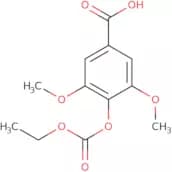
Fórmula:C11H14O3Pureza:Min. 95%Forma y color:Yellow Clear LiquidPeso molecular:194.23 g/molCarbethoxysyringic acid
CAS:Carbethoxysyringic acid is a reagent, complex compound, useful intermediate and fine chemical. It is also a useful scaffold for the synthesis of other organic compounds. Carbethoxysyringic acid is used in the production of speciality chemicals, research chemicals and versatile building blocks. Carbethoxysyringic acid has been shown to be an excellent reaction component in many reactions such as hydrogenation, nitro reduction, oxidation and hydrolysis.
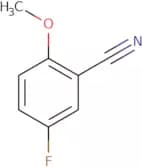
Fórmula:C12H14O7Pureza:Min. 95%Forma y color:PowderPeso molecular:270.24 g/mol5-Fluoro-2-methoxybenzonitrile
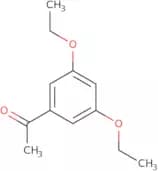
CAS:5-Fluoro-2-methoxybenzonitrile is a fine chemical that has a versatile building block and is used as a reaction component in the synthesis of complex compounds. It is also used as a reagent and research chemical. The compound can be useful for the preparation of high quality pharmaceuticals, pesticides, materials science, and other industries.Fórmula:C8H6FNOPureza:Min. 95%Peso molecular:151.14 g/mol3,5-Diethoxyacetophenone
CAS:3,5-Diethoxyacetophenone is a high quality chemical that can be used as a reagent or a useful intermediate. It is also a fine chemical that can be used to produce speciality chemicals with various properties, such as research chemicals and versatile building blocks. 3,5-Diethoxyacetophenone has the CAS number 103604-53-1 and can react with other chemicals to form reaction components.Fórmula:C12H16O3Pureza:Min. 95%Forma y color:PowderPeso molecular:208.25 g/mol4-Ethoxy-3-methoxybenzyl alcohol
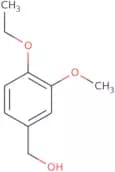
CAS:4-Ethoxy-3-methoxybenzyl alcohol is a metabolite of the drug benzocaine. It is formed by hydrolysis of the ester linkages in benzocaine and is then further metabolized to form 4-hydroxy-3-methoxybenzyl alcohol. 4-Ethoxy-3-methoxybenzyl alcohol has been shown to have antinociceptive effects in rats, which may be due to its ability to inhibit pain signals from the peripheral nerves.Fórmula:C10H14O3Pureza:Min. 95%Forma y color:PowderPeso molecular:182.22 g/mol2,6-Dimethoxy-4-methylbenzoic acid
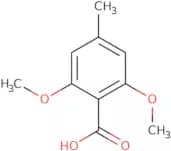
CAS:2,6-Dimethoxy-4-methylbenzoic acid is a carboxylic acid that is used as an intermediate in the production of lithium.Fórmula:C10H12O4Pureza:Min. 95%Forma y color:PowderPeso molecular:196.2 g/mol(2-chloro(3-pyridyl))-N-((3-(trifluoromethoxy)phenyl)methyl)formamide
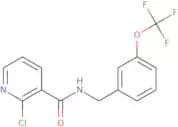
CAS:Please enquire for more information about (2-chloro(3-pyridyl))-N-((3-(trifluoromethoxy)phenyl)methyl)formamide including the price, delivery time and more detailed product information at the technical inquiry form on this pagePureza:Min. 95%3-Nitro-4-methoxybenzamide
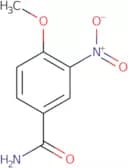
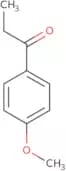
CAS:3-Nitro-4-methoxybenzamide is a versatile building block that belongs to the group of fine chemicals. It is a reagent that is used in the synthesis of complex compounds. 3-Nitro-4-methoxybenzamide has been shown to be an effective intermediate for the synthesis of pharmaceuticals, such as antibiotics and immunosuppressants. This compound also has high quality and can be used as a scaffold for other chemical syntheses.Fórmula:C8H8N2O4Pureza:Min. 95%Forma y color:PowderPeso molecular:196.16 g/mol4'-Methoxypropiophenone
CAS:4'-Methoxypropiophenone is an alkanoid compound. It has been shown to have anticancer activity and the ability to produce light emission. 4'-Methoxypropiophenone is a phosphotungstic acid (PTA) light-sensitive dye that can be used for detection of acidic compounds. The PTA dye binds to the analyte and produces an intense blue or green light when irradiated with UV or visible light. This process is called photoluminescence. 4'-Methoxypropiophenone has also been shown to have insecticidal properties, which may be due to its arylation reaction with proteins in the insect cell membrane. 4'-Methoxypropiophenone is often used as a model system for studying Friedel-Crafts reactions, which are chemical reactions that involve the addition of multiple molecules of an alkene across a double bond to form substituted aromatic compounds. In this case, one molecule of 4Fórmula:C10H12O2Pureza:Min. 98 Area-%Forma y color:Colorless Slightly Yellow Clear LiquidPeso molecular:164.2 g/mol(2-Aminophenyl)-N-((((4-methoxyphenyl)amino)thioxomethyl)amino)formamide
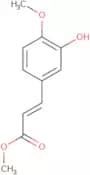
CAS:Please enquire for more information about (2-Aminophenyl)-N-((((4-methoxyphenyl)amino)thioxomethyl)amino)formamide including the price, delivery time and more detailed product information at the technical inquiry form on this pageFórmula:C15H16N4O2SPureza:Min. 95%Forma y color:PowderPeso molecular:316.38 g/molMethyl 3-(3-hydroxy-4-methoxyphenyl)acrylate
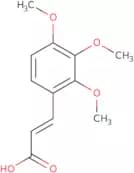
CAS:Methyl 3-(3-hydroxy-4-methoxyphenyl)acrylate is a compound that has been shown to be active against viruses. It is a derivative of salvianolic acid, which has been found to have anti-inflammatory and antiviral properties. Salvianolic acid and its derivatives are produced by the plant Salvia miltiorrhiza Bunge, and are known for their use in traditional Chinese medicine. The mechanism of action of methyl 3-(3-hydroxy-4-methoxyphenyl)acrylate is not yet fully understood, but it may inhibit the replication of influenza virus by binding to the RNA polymerase in the virus. This drug also has a hydrogen bond with cinnamic acid derivatives, which can inhibit HIV replication.Fórmula:C11H12O4Pureza:Min. 95%Peso molecular:208.21 g/moltrans-2,3,4-Trimethoxycinnamic acid
CAS:Trans-2,3,4-trimethoxycinnamic acid is a bioactive chemical that has been shown to have significant antioxidant activity. This compound is a hydrogen peroxide scavenger and can be used in devices to remove hydrogen peroxide from water. Trans-2,3,4-trimethoxycinnamic acid has also been shown to inhibit the production of campesterol and paromomycin in bacteria. Furfural is an inhibitor of trans-2,3,4-trimethoxycinnamic acid and its oxidation products. Trans-2,3,4-trimethoxycinnamic acid can be oxidised by furfural to produce glycerin and formic acid. It also inhibits the formation rate of amides from cinnamyl alcohol.Fórmula:C12H14O5Pureza:Min. 98 Area-%Forma y color:PowderPeso molecular:238.24 g/mol(2,4,5-Trimethoxyphenyl)acetone
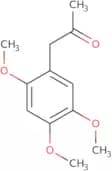
CAS:Producto controlado(2,4,5-Trimethoxyphenyl)acetone is an organic compound that inhibits the replication of RNA. It was found to inhibit the activity of beta-asarone and inhibit the conversion of asarone to o-benzoquinones in cell cultures. This agent also has genotoxic effects on human liver cells. (2,4,5-Trimethoxyphenyl)acetone binds to 5-hydroxytryptamine receptors and inhibits their activities, which can lead to a decrease in serotonin concentrations. (2,4,5-Trimethoxyphenyl)acetone is a colorless liquid at room temperature with a molecular weight of 174.24 grams/mol.
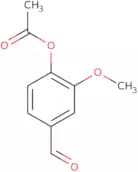
Fórmula:C12H16O4Pureza:Min. 95%Peso molecular:224.25 g/mol4-Acetoxy-3-methoxybenzaldehyde
CAS:4-Acetoxy-3-methoxybenzaldehyde is an antimicrobial agent that is used specifically for the treatment of lemongrass oil and eugenol. It has been shown to be effective against a wide range of microorganisms, such as Escherichia coli, Pseudomonas aeruginosa, Salmonella enterica, Staphylococcus aureus, and Streptococcus pneumoniae. 4-Acetoxy-3-methoxybenzaldehyde has been shown to inhibit the growth of bacteria by binding to the 50S ribosomal subunit. The molecule also has hydroxyl group which can react with potassium dichromate and sodium carbonate. This reaction results in the formation of 4-acetoxy-3-hydroxybenzaldehyde through an S N 2 substitution mechanism.
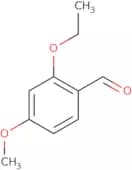
Fórmula:C10H10O4Pureza:Min. 95%Forma y color:PowderPeso molecular:194.18 g/mol2-Ethoxy-4-methoxybenzaldehyde
CAS:2-Ethoxy-4-methoxybenzaldehyde is a volatile compound that has been shown to have medicinal properties. It is used to analyze the presence of alcohols and aldehydes in various products. The sensitivity of this compound was optimized by using an analytical method that involved solid phase microextraction (SPME) followed by gas chromatography (GC). The carcinogenicity of this compound was determined by exposing it to rats in a 2 year study, which showed no evidence of carcinogenicity. This compound can also be used as a phenolic or microextraction reagent for the headspace analysis of volatile compounds.Fórmula:C10H12O3Pureza:Min. 95%Forma y color:PowderPeso molecular:180.2 g/mol(4-Methoxyphenyl)-(2,4,5-trimethoxybenzylidene)-amine
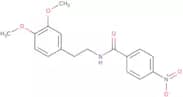
CAS:4-Methoxyphenyl-(2,4,5-trimethoxybenzylidene)-amine is a chemical compound that is used as a research chemical and a building block for the synthesis of other chemicals. It has been shown to be useful as an intermediate in the synthesis of complex compounds. The product is typically used as a reaction component in organic chemistry. It can also be used as a reagent or as an additive to other chemicals. 4-Methoxyphenyl-(2,4,5-trimethoxybenzylidene)-amine is high quality and has many uses in research and industry.Fórmula:C16H16BrNO3Pureza:Min. 95%Peso molecular:350.21 g/molN-(2-(3,4-dimethoxyphenyl)ethyl)(4-nitrophenyl)formamide
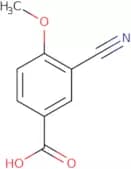
CAS:Producto controladoPlease enquire for more information about N-(2-(3,4-dimethoxyphenyl)ethyl)(4-nitrophenyl)formamide including the price, delivery time and more detailed product information at the technical inquiry form on this pagePureza:Min. 95%3-Cyano-4-methoxybenzoic acid
CAS:3-Cyano-4-methoxybenzoic acid is a white crystalline solid that is soluble in water. This compound is a useful intermediate for the synthesis of other organic compounds, as well as a useful scaffold for the synthesis of complex compounds. 3-Cyano-4-methoxybenzoic acid also has potential use as a research chemical, and can be used as an effective building block for the preparation of fine chemicals. 3-Cyano-4-methoxybenzoic acid may be used to produce speciality chemicals such as pharmaceuticals, dyes, pesticides, and perfumes. It can also be used to synthesize compounds with diverse functionalities.Fórmula:C9H7NO3Pureza:Min. 95%Forma y color:SolidPeso molecular:177.16 g/mol3-Methoxy-4-nitrobenzoic acid
CAS:3-Methoxy-4-nitrobenzoic acid is a potent and selective inhibitor of aromatase that can be used for the treatment of breast cancer. 3-Methoxy-4-nitrobenzoic acid inhibits the activity of serine proteases, which are enzymes important in protein degradation and cellular signaling. This drug has been shown to inhibit the activity of many other types of kinases, and this makes it a good candidate for use as an anti-cancer agent. 3-Methoxy-4-nitrobenzoic acid also has been shown to inhibit the formation and development of brain tumors when administered via whole body or brain uptake techniques. In addition to inhibiting tumor growth, this drug can prevent metastasis by preventing circulating tumor cells from entering new tissues. The inhibition of estrogen synthesis by 3methoxy-4 nitrobenzoic acid leads to breast cancer cell death in vitro and in vivo.
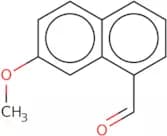
Fórmula:C8H7NO5Pureza:Min. 95%Forma y color:PowderPeso molecular:197.14 g/mol2-Methoxy-1-naphthaldehyde
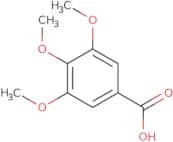
CAS:2-Methoxy-1-naphthaldehyde is a potential chemical intermediate for the synthesis of a variety of biologically active compounds. It has been shown to have anti-tumor activity in solid tumours and can be used as a precursor for the production of new drugs that inhibit the growth of cancer cells. 2-Methoxy-1-naphthaldehyde is synthesized via an intramolecular hydrogen addition reaction with salicylaldehyde, which generates resonance stabilization. It also has an intermolecular hydrogen bond with naphthalene to form the dimer or trimer. The vibrational spectra and analytical methods are used to identify the functional groups present in 2-Methoxy-1-naphthaldehyde, which includes a hydrogen bond between the two methoxy groups. Computational methods can be used to predict how different molecules bind to this chemical intermediate and its role in biological activity.Fórmula:C12H10O2Pureza:Min. 95%Forma y color:PowderPeso molecular:186.21 g/mol3,4,5-Trimethoxybenzoic acid
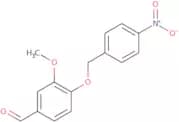
CAS:3,4,5-Trimethoxybenzoic acid is an experimental drug that has been shown to have significant cytotoxicity in a chronic oral model. It inhibits the activity of a number of enzymes including esterases, lipases, and proteases. This compound also showed significant cytotoxicity when tested in the water vapor chronic inhalation model. 3,4,5-Trimethoxybenzoic acid may be toxic to humans because it binds to calcium channels and inhibits the release of ryanodine from its storage sites on the sarcoplasmic reticulum. This inhibition may lead to muscle cramps and tetany as well as cardiac arrhythmias. The toxicity of 3,4,5-trimethoxybenzoic acid has been studied in rats using a number of methods including titration calorimetry and chlorogenic acids extraction from rat liver.Fórmula:C10H12O5Pureza:Min. 95%Forma y color:PowderPeso molecular:212.2 g/mol3-Methoxy-4-(4-nitrobenzyloxy)benzaldehyde
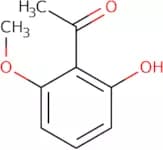
CAS:3-Methoxy-4-(4-nitrobenzyloxy)benzaldehyde is a chemical intermediate that is used in the synthesis of complex compounds. It has been shown to be an effective reagent for the synthesis of various organic compounds, such as pharmaceuticals and pesticides. 3-Methoxy-4-(4-nitrobenzyloxy)benzaldehyde is also used as a research chemical or as a speciality chemical in laboratories. This compound can be used as a building block in the synthesis of other compounds with interesting properties, such as 3-methoxy-4-(2,5-dichlorobenzyloxy)benzaldehyde.Fórmula:C15H13NO5Pureza:Min. 95%Forma y color:PowderPeso molecular:287.27 g/mol2-Hydroxy-6-methoxyacetophenone
CAS:2-Hydroxy-6-methoxyacetophenone is a chalcone that belongs to the group of flavonoids. It has been shown to have anticancer properties, inhibiting the growth of colorectal carcinoma cells in a dose-dependent manner. The mechanism of action for 2-hydroxy-6-methoxyacetophenone is not fully understood, but it may be due to its ability to inhibit the enzyme demethylase and induce apoptosis. This compound also has been shown to inhibit the growth of Escherichia coli and Salmonella typhimurium when used at high concentrations. 2-Hydroxy-6-methoxyacetophenone can be synthesized by reacting ethyl acetoacetate with two equivalents of methylamine in the presence of a base such as sodium methoxide or potassium hydroxide.
2-Hydroxy-6-methoxyacetophenone has also been shown to inhibitFórmula:C9H10O3Pureza:Min. 95%Forma y color:PowderPeso molecular:166.17 g/mol[3-(2-Methoxyethoxy)benzyl]amine
CAS:[3-(2-Methoxyethoxy)benzyl]amine is a high-quality chemical that can be used as an intermediate in the synthesis of complex compounds. It is also a useful scaffold for the synthesis of other chemicals, such as pharmaceuticals and pesticides. This compound also has many uses in research, such as being a versatile building block and reaction component.Fórmula:C10H15NO2Pureza:Min. 95%Forma y color:PowderPeso molecular:181.23 g/mol2'-Methoxypropiophenone
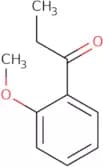
CAS:2'-Methoxypropiophenone is a carbonyl compound that is used as a starting material in the synthesis of other compounds. It can be synthesized by reacting sodium hydroxide with diazirinyl chloride, which reacts with benzyl alcohol to produce the desired product. This chemical has been shown to bind to the DNA of bacteria and show antibacterial activity. 2'-Methoxypropiophenone has also been used to label acetophenone and other carbonyl-containing molecules for their identification.
Fórmula:C10H12O2Pureza:Min. 95%Forma y color:Clear LiquidPeso molecular:164.2 g/mol4-Methoxyphenylmagnesium bromide - 0.5M solution in THF
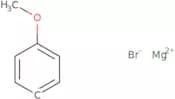
CAS:4-Methoxyphenylmagnesium bromide - 0.5M solution in THF is a cytotoxic agent that binds to the estrogen receptor, which is involved in breast cancer cell proliferation and differentiation. It is an azide that has been shown to react with hydrochloric acid to form an amide. This reaction may be stereoselective and involve dehydration of the amine group. The mechanism of this reaction involves the formation of a trifluoroacetic acid derivative, which undergoes unsaturated alkyl halogenation followed by chloride ion attack on the double bond. 4-Methoxyphenylmagnesium bromide - 0.5M solution in THF has been shown to inhibit the proliferation of human MCF-7 breast cancer cells, as well as other estrogen receptor modulators such as amines and trifluoroacetic acid.Fórmula:C7H7BrMgOPureza:Min. 95%Forma y color:PowderPeso molecular:211.34 g/mol3,4,5-Trimethoxybenzoic acid 8-(diethylamino)octyl ester, hydrochloride
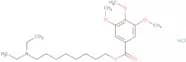
CAS:3,4,5-Trimethoxybenzoic acid 8-(diethylamino)octyl ester, hydrochloride is a chemical substance that binds to the intracellular calcium ion channels and causes an excitatory effect. It has been shown to cause cell lysis in wheat germ and influenza virus. 3,4,5-Trimethoxybenzoic acid 8-(diethylamino)octyl ester, hydrochloride also inhibits the production of TNF-α by activated tubule cells.Fórmula:C22H38ClNO5Pureza:Min. 95%Forma y color:PowderPeso molecular:431.99 g/mol






![[3-(2-Methoxyethoxy)benzyl]amine](/_next/image/?url=https%3A%2Fstatic.cymitquimica.com%2Fproducts%2F3D%2Fthumb-webp%2FFM134467.webp&w=3840&q=75)