Éteres
Se han encontrado 40904 productos de "Éteres"
1,1,2,2,3,3-Hexafluoro-1-(trifluoromethoxy)-3-[(1,2,2-trifluorovinyl)oxy]propane
CAS:Fórmula:C6F12O2Pureza:>97.0%(GC)Forma y color:Colorless to Almost colorless clear liquidPeso molecular:332.046-Methoxy-1-methyl-1H-indole-3-carbaldehyde
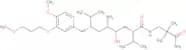
CAS:6-Methoxy-1-methyl-1H-indole-3-carbaldehyde is a high quality chemical that is used as a reagent, complex compound, useful intermediate, and speciality chemical. It is a fine chemical that has been shown to be useful as a building block in the synthesis of many other compounds. 6-Methoxy-1-methyl-1H-indole-3-carbaldehyde is also versatile and can be used in reactions involving nucleophilic substitution, reductive amination, and oxidative coupling.Fórmula:C11H11NO2Pureza:Min. 95%Forma y color:White PowderPeso molecular:189.21 g/mol5-Amino-N-(3-amino-2,2-dimethyl-3-oxopropyl)-4-hydroxy-2-isopropyl-7-[4-methoxy-3-(3-methoxypropoxy)benzyl]-8-methylnonanamide fumar ate
CAS:5-Amino-N-(3-amino-2,2-dimethyl-3-oxopropyl)-4-hydroxy-2-isopropyl-7-[4-methoxy-3-(3-methoxypropoxy)benzyl]-8-methylnonanamide fumar ate is a drug that inhibits the activity of angiotensin II, which is a hormone produced by the body. It is used as monotherapy for treatment of hypertension. 5AMINO has been shown to be effective in lowering blood pressure when administered alone and has been shown to be well tolerated. For this drug, the most frequently reported adverse reactions are nausea and dizziness. This drug should not be taken with other antihypertensive drugs or nonsteroidal antiinflammatory drugs such as ibuprofen (Motrin®). In addition, patients with diabetes should monitor their blood sugar levels carefully while taking this medication.Fórmula:C30H53N3O6Pureza:Min. 95%Forma y color:PowderPeso molecular:551.76 g/molOctadecyl Vinyl Ether
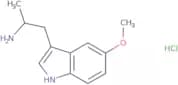
CAS:Fórmula:C20H40OPureza:>85.0%(GC)Forma y color:White to Almost white powder to lumpPeso molecular:296.545-Methoxy-3(2-aminopropyl)indole hydrochloride
CAS:Producto controlado5-Methoxy-3(2-aminopropyl)indole hydrochloride is a useful reagent for the synthesis of complex compounds and a versatile building block for the preparation of speciality chemicals. It is used in the production of fine chemicals, such as reagents and intermediates. This compound also has potential use as a research chemical or as a reaction component in organic syntheses.Fórmula:C12H16N2O·HClPureza:Min. 95%Peso molecular:240.73 g/mol5-Acetoxy-6-methoxyindole
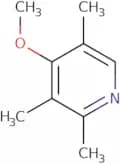
CAS:5-Acetoxy-6-methoxyindole is a fine chemical, useful building block, and research chemical with CAS No. 112919-69-4. It is a versatile building block and reaction component that can be used as a reagent or speciality chemical in the synthesis of other complex compounds. 5-Acetoxy-6-methoxyindole is also used as an intermediate in the synthesis of drugs and pharmaceuticals. This compound has high purity, making it a high quality product with many uses.Fórmula:C11H11NO3Pureza:Min. 95%Peso molecular:205.21 g/mol4-Methoxy-2,3,5-trimethylpyridine
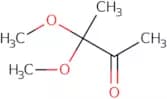
CAS:4-Methoxy-2,3,5-trimethylpyridine is an efficient hydrogenolysis catalyst that can be used for the synthesis of ethers from alcohols. It is a member of the methoxides family and can be produced by condensation of chloroform with acetaldehyde and formaldehyde. 4-Methoxy-2,3,5-trimethylpyridine inhibits palladium chloride from catalyzing hydrogenation reactions. The compound also has an inhibiting activity against acidic amines and n-Oxides. Its high yield makes it useful in organic synthesis as a precursor to diethyl malonate.Fórmula:C9H13NOPureza:Min. 95%Forma y color:Colourless To Yellow LiquidPeso molecular:151.21 g/mol3,3-Dimethoxy-2-butanone
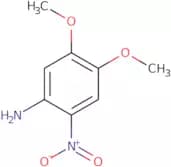
CAS:3,3-Dimethoxy-2-butanone is a synthetic compound that is used as a biodiesel. It can be synthesized by the following synthetic scheme:Fórmula:C6H12O3Pureza:Min. 95%Forma y color:Clear LiquidPeso molecular:132.16 g/mol4,5-Dimethoxy-2-nitroaniline
CAS:Producto controlado4,5-Dimethoxy-2-nitroaniline (DMNA) is a nucleophilic compound that reacts with glyoxylate to form formic acid. DMNA has been shown to be an effective anti-malarial agent, as it inhibits the growth of leishmania and related protozoans. The mechanism of action is not fully understood but may be due to its ability to produce reactive oxygen species. DMNA also inhibits bacterial growth in vitro by interfering with DNA synthesis and protein synthesis. DMNA has been shown to have a cytotoxic effect on mammalian cells, which may be due to the production of free radicals from its reaction with formic acid.
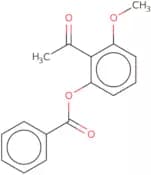
Fórmula:C8H10N2O4Forma y color:PowderPeso molecular:198.18 g/mol2'-Benzoyloxy-6'-methoxyacetophenone
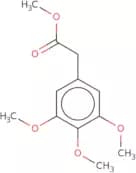
CAS:2'-Benzoyloxy-6'-methoxyacetophenone is a fine chemical that is a useful building block for the synthesis of other chemicals. It has been used as a reagent and in the preparation of speciality chemicals, such as pyrazoles, pyridones, and carbamates. 2'-Benzoyloxy-6'-methoxyacetophenone is also an intermediate for the synthesis of complex compounds or scaffolds for use in drug design.Fórmula:C16H14O4Pureza:Min. 95%Peso molecular:270.28 g/molMethyl 3,4,5-trimethoxyphenyl acetate
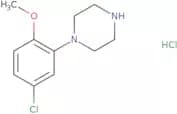
CAS:Methyl 3,4,5-trimethoxyphenyl acetate is an ester that is used as a building block and intermediate in the synthesis of pharmaceuticals. It can also be used as an intermediate in research and as a reagent for chemical analysis. Methyl 3,4,5-trimethoxyphenyl acetate has high purity and is available at competitive prices.Fórmula:C12H16O5Pureza:Min. 95%Peso molecular:240.25 g/mol1-(5-Chloro-2-methoxyphenyl)piperazine HCl
CAS:Producto controlado1-(5-Chloro-2-methoxyphenyl)piperazine HCl is a fine chemical that belongs to the group of research chemicals. It is used as a reagent, speciality chemical and intermediate in organic synthesis. 1-(5-Chloro-2-methoxyphenyl)piperazine HCl is an effective building block for complex compounds, which can be used in reactions involving acetals, amides, nitriles, sulfones, sulfonamides and imines. This compound also has versatile building blocks and is a useful scaffold in organic synthesis.Fórmula:C11H16Cl2N2OPureza:Min. 95%Forma y color:Off-White PowderPeso molecular:263.16 g/mol[3-Methyl-4-(2,2,2-trifluoro-ethoxy)-pyridin-2-yl]-methanol
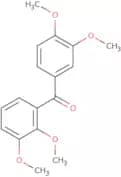
CAS:[3-Methyl-4-(2,2,2-trifluoro-ethoxy)-pyridin-2-yl]-methanol is a synthetic organic compound that is used in the synthesis of other organic compounds. It can be purified by filtration or gasification and recrystallization.Pureza:Min. 95%Forma y color:Powder2,3,3',4'-Tetramethoxybenzophenone
CAS:2,3,3',4'-Tetramethoxybenzophenone is a fine chemical that is used as a versatile building block in the synthesis of various organic compounds. It is used as an intermediate to synthesize other chemicals and research chemicals. 2,3,3',4'-Tetramethoxybenzophenone has a CAS number of 50625-53-1 and can be found in the following chemical names: 2,2-Dimethoxy-2-phenylacetophenone; 2-(2'-Methoxyphenyl)-2-(methoxymethyl) acetophenone; 2,2'-(Phenylenediisopropylidene)bis(p-methoxyphenol); 1-[(2'-Methoxyphenyl)methyl]-1,2-diphenylethane. The compound is soluble in organic solvents but insoluble in water. This fine chemicalFórmula:C17H18O5Pureza:Min. 95%Forma y color:PowderPeso molecular:302.32 g/molo-(Trifluoromethoxy)benzonitrile
CAS:o-(Trifluoromethoxy)benzonitrile is a fine chemical that is mainly used as a reagent in organic synthesis. It is also used as a building block in the synthesis of various other chemicals, such as pharmaceuticals, dyes, and pesticides. O-(Trifluoromethoxy)benzonitrile is a versatile intermediate that can be used to synthesize a variety of compounds with different functional groups. This compound has been shown to have high quality and can be used for research purposes or as an intermediate for industrial processes.Fórmula:C8H4F3NOPureza:Min. 95%Peso molecular:187.12 g/mol2-(2,2-Diethoxyethyl)-1,3-propanediol
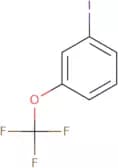
CAS:Fórmula:C9H20O4Pureza:>88.0%(GC)Forma y color:Colorless to Light yellow clear liquidPeso molecular:192.263-(Trifluoromethoxy)iodobenzene
CAS:3-(Trifluoromethoxy)iodobenzene is a reagent for organic synthesis that has a high quality and versatile reactivity. It can be used in the preparation of useful scaffolds, which are novel and useful building blocks. 3-(Trifluoromethoxy)iodobenzene is also a useful intermediate for the synthesis of complex compounds. 3-(Trifluoromethoxy)iodobenzene has been shown to have antioxidant properties and can be used as a fine chemical.Fórmula:C7H4F3IOPureza:Min. 95%Forma y color:Clear LiquidPeso molecular:288.01 g/mol3-Ethoxy-4-hydroxyphenylnitroethene
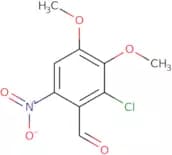
CAS:3-Ethoxy-4-hydroxyphenylnitroethene is a fine chemical with the CAS number 90922-85-3. It is a versatile building block that can be used for research, as a reagent, or as a speciality chemical. This compound has many applications in synthesis due to its high quality and complex nature. It is also an intermediate in the production of other compounds.Fórmula:C10H11NO4Pureza:Min. 95%Forma y color:PowderPeso molecular:209.2 g/mol2-Chloro-3,4-dimethoxy-6-nitrobenzaldehyde
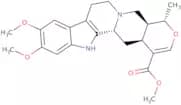
CAS:2-Chloro-3,4-dimethoxy-6-nitrobenzaldehyde is a fine chemical with a CAS number of 82330-54-9. It is a versatile building block that can be used as a reagent or intermediate for the production of other chemicals. This product has been shown to have many different reactions. It is useful in the synthesis of complex compounds and offers high quality and purity.Fórmula:C9H8ClNO5Pureza:Min. 95%Forma y color:PowderPeso molecular:245.62 g/molReserpiline
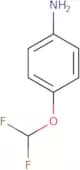
CAS:Methyl (3beta,19alpha,20alpha)-16,17-didehydro-10,11-dimethoxy-19-methyloxayohimban-16-carboxylate is a trifluoroacetate ester of apocynin. It is used to treat bowel disease by reducing inflammation and stimulating the growth of new cells in the epithelium. Apocynin has been shown to inhibit the release of inflammatory cytokines such as epidermal growth factor (EGF) in vitro. In vivo studies have shown that it reduces symptoms of bowel disease and prevents ulceration. Apocynin has been shown to be a potent analog for EGF and has been studied for its potential use in the treatment of cancer. However, it has also been found to cause psychosis when administered at high doses. The toxicity studies on apocynin show that it is not toxic at lower doses but becomes more toxic at higher doses dueFórmula:C23H28N2O5Pureza:Min. 95%Forma y color:PowderPeso molecular:412.48 g/mol4-Difluoromethoxyaniline
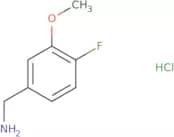
CAS:4-Difluoromethoxyaniline is an allosteric modulator for glutamate receptors. It is a chemical compound that can be used to modify glutamate receptors to act as either metabotropic or ionotropic. 4-Difluoromethoxyaniline is used in the treatment of Parkinson's disease and other movement disorders, such as dyskinesia. It has been shown that 4-difluoromethoxyaniline increases the activity of activated glutamate receptors, which leads to increased levels of the neurotransmitter dopamine in the brain. This drug may also inhibit nitric oxide production and corticotropin-releasing hormone (CRH) synthesis.Fórmula:C7H7F2NOPureza:Min. 95%Peso molecular:159.13 g/mol4-Fluoro-3-methoxybenzylamine hydrochloride
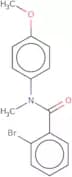
CAS:4-Fluoro-3-methoxybenzylamine hydrochloride is a fine chemical that can be used as a building block in research, as a reagent in the synthesis of complex compounds, and as a versatile scaffold for the synthesis of natural products. This compound is an intermediate for the production of other pharmaceuticals and has been shown to be useful in the production of various drugs. It is also used as a reactant in organic chemistry reactions due to its high quality. 4-Fluoro-3-methoxybenzylamine hydrochloride has CAS No. 869296-41-3 and can be found on the Chemical Abstract Service (CAS) database.Fórmula:C8H11ClFNOPureza:Min. 95%Peso molecular:191.63 g/mol2-Bromo-N-(4-methoxyphenyl)-N-methylbenzamide
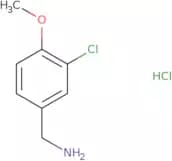
CAS:2-Bromo-N-(4-methoxyphenyl)-N-methylbenzamide is a fine chemical that is used in the synthesis of other chemicals. It is also a reagent and a speciality chemical, which can be used as a reaction component or as an intermediate in the synthesis of other compounds. 2-Bromo-N-(4-methoxyphenyl)-N-methylbenzamide can be used to make a wide variety of compounds, including polymers and pharmaceuticals. This compound has been shown to be useful for the synthesis of polycarbonates, polyurethanes, polyesters, polyamides, and polystyrenes.Fórmula:C15H14BrNO2Pureza:Min. 95%Peso molecular:320.18 g/mol3-Chloro-4-methoxybenzylamine hydrochloride
CAS:3-Chloro-4-methoxybenzylamine hydrochloride is a quinoline derivative that inhibits the activity of phosphodiesterase 5, an enzyme that breaks down cGMP in the brain. This drug has been shown to increase levels of cGMP and decrease levels of low energy (i.e., low ATP) in synaptosomes. 3-Chloro-4-methoxybenzylamine hydrochloride may be useful for the treatment of Alzheimer's disease, as it has been shown to improve cognitive function and memory in animal models. The mechanism of action is not fully understood but may involve inhibition of cholinergic neurotransmission or activation of nitric oxide synthase.Fórmula:C8H10ClNO•HClPureza:Min. 95%Forma y color:PowderPeso molecular:208.08 g/molTris(2-methoxyphenyl)bismuth dichloride
CAS:Tris(2-methoxyphenyl)bismuth dichloride is a coordination compound with the chemical formula BiCl(OMeCH). It crystallizes in the triclinic crystal system and its molecular structure is trigonal. Tris(2-methoxyphenyl)bismuth dichloride has been characterized by X-ray and infrared spectroscopy, as well as by analysis of the axial, apical, and trigonal coordinates. The compound has been shown to form perchlorate and diperchlorate salts. The presence of bismuth atoms in this molecule produces a bright yellow color.Fórmula:C21H21BiCl2O3Pureza:Min. 95%Forma y color:Off-White PowderPeso molecular:601.28 g/mol2-(1-Ethoxyethoxy)ethyl)benzene
CAS:2-(1-Ethoxyethoxy)ethyl)benzene is a versatile building block that is used in the synthesis of many organic compounds. It can be used as a reagent, speciality chemical, and research chemical for making new substances. 2-(1-Ethoxyethoxy)ethyl)benzene is also useful as an intermediate for other reactions or as a scaffold for complex molecules. It is soluble in most solvents and has a high purity level.
Fórmula:C12H18O2Pureza:Min. 95%Forma y color:Colorless PowderPeso molecular:194.27 g/mol5-Methoxydurmillone
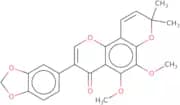
CAS:5-Methoxydurmillone is a rotenoid that is found in many plants, including the seeds of the plant Ferruginea. 5-Methoxydurmillone has been shown to have anti-inflammatory properties and can be used to treat inflammatory diseases such as arthritis. It also inhibits the production of superoxide radicals and nitric oxide, which are important mediators of inflammation. 5-Methoxydurmillone has been shown to inhibit protein synthesis in bacteria, but not mammalian cells.
Fórmula:C23H20O7Pureza:Min. 95%Peso molecular:408.4 g/molHexadecyltrimethoxysilane
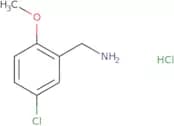
CAS:Hexadecyltrimethoxysilane is a volatile organic compound that has high values in the water vapor range. It is soluble in water and organic solvents, and can be used as a surface treatment agent for hydrophobic surfaces. Hexadecyltrimethoxysilane has been shown to have antimicrobial effects against bacteria such as Staphylococcus aureus and Escherichia coli by disrupting the cell membrane. Hexadecyltrimethoxysilane also inhibits the growth of microorganisms by preventing the synthesis of proteins essential for cellular processes. The transport rate of hexadecyltrimethoxysilane is relatively slow, with an optimum concentration of about 1%. This compound does not react with sodium citrate and has chemical stability.Fórmula:C19H42O3SiPureza:Min. 95%Forma y color:Clear LiquidPeso molecular:346.62 g/mol5-Chloro-2-methoxybenzylamine hydrochloride
CAS:5-Chloro-2-methoxybenzylamine hydrochloride is a chemical substance that is used as an intermediate in the synthesis of pharmaceuticals and other chemicals. It can be used as a building block to create complex compounds, or it can be used in reactions to produce speciality chemicals. 5-Chloro-2-methoxybenzylamine hydrochloride is a high quality reagent that can be used as a reaction component in research and development. A fine chemical, 5-Chloro-2-methoxybenzylamine hydrochloride has many uses as a versatile building block for organic synthesis. It is also useful for generating research chemicals and complex compounds for use in medicines and other products.Fórmula:C8H10ClNO·(HCl)Pureza:Min. 95%Forma y color:PowderPeso molecular:208.08 g/mol3,3-Diethoxypropionitrile
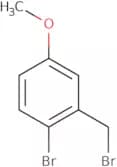
CAS:3,3-Diethoxypropionitrile (3,3-DEP) is a synthetic compound that has been shown to have high specificity for terminal alkynes. It is activated by hydrochloric acid and reacts with terminal alkynes in a reaction mechanism that starts with the formation of an acetaldehyde intermediate. The reaction system is catalyzed by an acidic catalyst, such as HCl or HBr. 3,3-DEP can be used in the synthesis of a number of pharmaceuticals, including bosutinib. This drug inhibits the growth of cells that are resistant to other treatments, such as c1-c3.Fórmula:C7H13NO2Pureza:Min. 97%Forma y color:Clear LiquidPeso molecular:143.18 g/mol2-Bromo-5-methoxybenzyl bromide
CAS:2-Bromo-5-methoxybenzyl bromide is a ligand in organic chemistry. It is used as a reaction partner for the synthesis of heterocycles, such as 2-pyridone, which are biologically relevant. This ligand can be prepared by refluxing anhydrous potassium carbonate with chloroform and phenol. Macrocyclic compounds can be synthesized from this product through the Witting reaction. The efficiency of this method makes it suitable for use in biological studies.
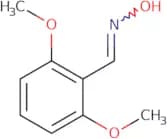
Fórmula:C8H8Br2OPureza:Min. 95%Forma y color:White PowderPeso molecular:279.96 g/mol2,6-Dimethoxybenzaldoxime
CAS:2,6-Dimethoxybenzaldoxime is a phenylhydrazone that can be used in the catalytic system for oxidation of carbonyl compounds. The reaction proceeds through the periodate-mediated oxidation of the hydrazone to form the corresponding hydroxamic acid. This compound has been shown to be efficient and selective for the oxidation of a wide range of carbonyl compounds, including porphyrins. 2,6-Dimethoxybenzaldoxime is also used as a precursor for other syntheses, such as tetraphenylporphyrin.Fórmula:C9H11NO3Pureza:Min. 95%Peso molecular:181.19 g/mol4-Methyl-5,7-dimethoxycoumarin
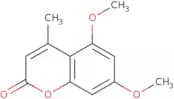
CAS:4-Methyl-5,7-dimethoxycoumarin is a coumarin derivative that has been synthesized from acetonitrile and aluminium. It is used as an antiplatelet drug in the treatment of cardiovascular diseases such as unstable angina, myocardial infarction, and transient ischemic attack. 4-Methyl-5,7-dimethoxycoumarin reversibly inhibits platelet aggregation by blocking the platelet receptor P2Y12 on the surface of platelets. This drug also has antioxidant effects and can be used to identify markers associated with cardiovascular disease.
Fórmula:C12H12O4Pureza:Min. 95%Peso molecular:220.22 g/mol2-[(4-Chlorophenyl)-2-pyridinylmethoxy]-N,N-dimethylethanamine maleate salt
CAS:Producto controlado2-[(4-Chlorophenyl)-2-pyridinylmethoxy]-N,N-dimethylethanamine maleate salt (DCLM) is a controlled-release preparation of an antihistamine that is used for the relief of allergic symptoms. It is a prodrug that is hydrolyzed to 2-[(4-chlorophenyl)-2-pyridinylmethoxy]ethanol (DCPEM) in vivo. DCLM has been shown to be effective against viruses and has been found to have receptor activity in human serum. The drug can be administered either orally or by injection. DCLM has also been shown to suppress allergic symptoms in vitro with LC-MS/MS analysis.
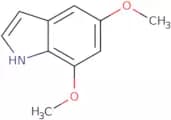
Fórmula:C20H23ClN2O5Pureza:Min. 95%Forma y color:White To Off-White SolidPeso molecular:406.86 g/mol5,7-Dimethoxyindole
CAS:5,7-Dimethoxyindole is a potent inhibitor of the enzyme oxidase. 5,7-Dimethoxyindole has been shown to inhibit the growth of a number of fungi, including Phytophthora infestans and Cryptococcus neoformans. The molecular modeling studies have shown that this molecule can form an H-bond with the acceptor in the active site of the enzyme and prevent access by substrate. This inhibition has been shown to be competitive with respect to ferrous ions and noncompetitive with respect to other cofactors. 5,7-Dimethoxyindole also inhibits integrase enzymes, which are involved in DNA integration during viral replication. 5,7-Dimethoxyindole was found to bind to a pharmacophore model for integrase inhibitors and formylation reactions. This compound is also magnetic due to its high electron density at the methoxy group.
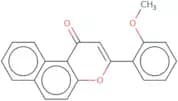
Fórmula:C10H11NO2Pureza:Min. 95%Forma y color:PowderPeso molecular:177.2 g/molbeta-2'-Methoxynaphthoflavone
CAS:beta-2'-Methoxynaphthoflavone is a fine chemical that is useful as a scaffold for complex compounds, as a building block for speciality chemicals, and as an intermediate in the synthesis of research chemicals. It can be used in pharmaceuticals, agrochemicals, and other industries. beta-2'-Methoxynaphthoflavone has been found to be a versatile building block with high quality that can be used to synthesize a variety of compounds. This compound also has the ability to react with other chemicals such as ammonia or amines.
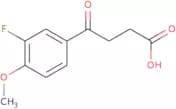
Fórmula:C20H14O3Pureza:Min. 95%Peso molecular:302.32 g/mol3-(3-Fluoro-4-methoxybenzoyl)propionic acid
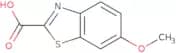
CAS:3-(3-Fluoro-4-methoxybenzoyl)propionic acid is a versatile building block that is used in the synthesis of many organic compounds. 3-(3-Fluoro-4-methoxybenzoyl)propionic acid has been used as a reagent in the synthesis of pharmaceuticals and other chemicals. 3-(3-Fluoro-4-methoxybenzoyl)propionic acid can be used to produce high quality research chemicals, speciality chemicals, and fine chemicals. This compound is also used to produce complex compounds and useful intermediates. 3-(3-Fluoro-4-methoxybenzoyl)propionic acid is available through chemical suppliers such as Sigma Aldrich or Acros Organics.Fórmula:C11H11FO4Pureza:Min. 95%Peso molecular:226.2 g/mol6-Methoxybenzothiazole-2-carboxylic acid
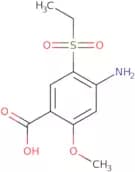
CAS:6-Methoxybenzothiazole-2-carboxylic acid is a synthetic sulfur compound that is used in the synthesis of benzothiazines. It is also an intermediate in the biosynthesis of thiocyanate, a natural product that has been shown to have anti-inflammatory properties. 6-Methoxybenzothiazole-2-carboxylic acid has been shown to be highly efficient as a luciferin, and can be used in the production of bioluminescence. 6-Methoxybenzothiazole-2-carboxylic acid belongs to the family of benzothiazines, which are benzoquinones with two fused rings. Benzothiazines are found in marine natural products such as luciferins and some other nature products.Fórmula:C9H7NO3SPureza:Min. 95%Forma y color:PowderPeso molecular:209.22 g/mol2-Methoxy-4-amino-5-ethylsulfonyl benzoic acid
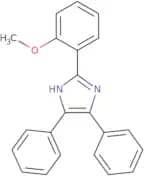
CAS:2-Methoxy-4-amino-5-ethylsulfonyl benzoic acid is a synthetic chemical that is used in wastewater treatment. It is also used as a precursor for the production of other chemicals, such as thiocyanates, peroxides, and bromoethanes. 2-Methoxy-4-amino-5-ethylsulfonyl benzoic acid can be produced by the reaction of hydrochloric acid with thionyl chloride. It reacts with aluminium to produce an acylation reaction that produces 2,2'-dithiodiethanol (DTE). The DTE can be reacted with an organic compound to produce a variety of products, including salicylic acid or bromoethanes.Fórmula:C10H13NO5SPureza:Min. 95%Forma y color:PowderPeso molecular:259.28 g/mol2-(2-Methoxyphenyl)-4,5-diphenylimidazole
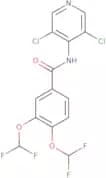
CAS:2-(2-Methoxyphenyl)-4,5-diphenylimidazole is a molecule with a dihedral angle of -115.1° and an asymmetric synthesis. It has antimicrobial activity against Escherichia coli, Staphylococcus aureus, and Bacillus subtilis. This compound also inhibits the synthesis of thromboxane A2 by blocking the 5-azaindole binding site on platelets and prolongs bleeding time in rats. 2-(2-Methoxyphenyl)-4,5-diphenylimidazole has been shown to be an antiplatelet drug that blocks the binding site of rilmenidine and imidazoline on platelets and reduces platelet aggregation. It also binds to the pyrazole ring of tautomers as well as hydrogen bonds to carbonyl groups on phenyl groups.Fórmula:C22H18N2OPureza:Min. 95%Forma y color:PowderPeso molecular:326.39 g/mol3,4-Bis(difluoromethoxy) Roflumilast
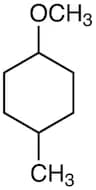
CAS:3,4-Bis(difluoromethoxy) roflumilast is a reagent that is used to synthesize fine chemicals. It is an intermediate for the synthesis of 3,4-bis(difluoromethoxy) roflumilast-1-carboxylic acid and can also be used as a building block for other research chemicals. 3,4-Bis(difluoromethoxy) roflumilast has been shown to be useful in reactions that require versatile building blocks.Fórmula:C14H8Cl2F4N2O3Pureza:Min. 95%Forma y color:PowderPeso molecular:399.12 g/mol1-Methoxy-4-methylcyclohexane (cis- and trans- mixture)
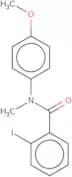
CAS:Fórmula:C8H16OPureza:>98.0%(GC)Forma y color:Colorless to Almost colorless clear liquidPeso molecular:128.222-Iodo-N-(4-methoxyphenyl)-N-methylbenzamide
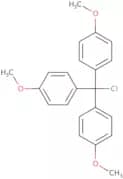
CAS:2-Iodo-N-(4-methoxyphenyl)-N-methylbenzamide is a versatile building block that can be used in research and as a reagent. It is a high quality chemical and useful as a building block or intermediate for the synthesis of more complex compounds. This chemical is also a useful scaffold for the synthesis of more complex molecules.Fórmula:C15H14INO2Pureza:Min. 95%Peso molecular:367.18 g/mol4,4',4''-Trimethoxytrityl chloride
CAS:4,4',4''-Trimethoxytrityl chloride is a carbonyl compound that reacts with alkenyloxy groups to form alkaloids. It also reacts with halogen atoms to form halogenated products. 4,4',4''-Trimethoxytrityl chloride is used in the synthesis of ecteinascidins and acyl group compounds. This chemical can be used in the synthesis of alkaloids and alkenyloxy compounds. It has a reactive carbon atom that can be substituted by other organic groups.Fórmula:C22H21ClO3Pureza:Min. 95%Forma y color:Off-White PowderPeso molecular:368.85 g/molPoly[2-methoxy-5-(2-ethylhexyloxy)-1,4-phenylenevinylene] - M.W. average 10,000-100,000
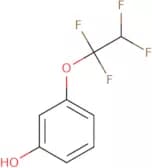
CAS:Poly[2-methoxy-5-(2-ethylhexyloxy)-1,4-phenylenevinylene] (MEH-PPV) is a polymer that has been extensively studied in the past. It has an average molecular weight of 10,000 to 100,000 and exhibits semiconducting properties. MEH-PPV can be synthesized by chemical sulfonation of MEH-PPV with sulfuric acid followed by addition of potassium hydroxide. This process yields a polymer that is soluble in organic solvents. The degree of sulfonation can be controlled by adjusting the ratio of sulfuric acid to MEH-PPV. MEH-PPV can also be synthesized from vinyl alcohol and vinylene monomers by free radical polymerization or copolymerization reactions. In this process, vinyl alcohol and vinylene are copolymerized to form polymers with alternating ethylene glycol and phenylethynyl moieties.Fórmula:(C17H24O2)nPureza:Min. 95%Forma y color:Red Powder3-(1,1,2,2-Tetrafluoroethoxy)phenol
CAS:3-(1,1,2,2-Tetrafluoroethoxy)phenol is a versatile building block that can be used in the synthesis of complex compounds. It is also a reagent and speciality chemical and has CAS No. 53997-99-2. 3-(1,1,2,2-Tetrafluoroethoxy)phenol is a useful building block for organic synthesis and has been used as a reaction component or scaffold.
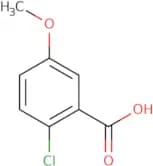
Fórmula:C8H6F4O2Pureza:Min. 95%Peso molecular:210.13 g/mol2-Chloro-5-methoxybenzoic acid
CAS:2-Chloro-5-methoxybenzoic acid (2CMB) is a copper chelator that has been shown to have antagonistic properties against microglia cells. 2CMB is synthesized from 2,5-dichlorobenzoic acid and methoxylamine. It has been shown to inhibit the synthesis of inflammatory mediators in rat spinal cord microglia cells by inhibiting the activity of polyphosphoric acid, anions and additives. 2CMB also has a high affinity for chloride ions and can be used as a tracer to measure chloride profiles. 2CMB reacts with copper ions at a slow rate and can be used as an indicator for the presence of microglia cells.
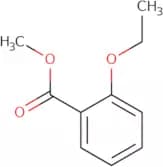
Fórmula:C8H7ClO3Pureza:Min. 95%Peso molecular:186.59 g/molMethyl 2-ethoxybenzoate
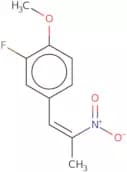
CAS:Methyl 2-ethoxybenzoate is a zwitterion that can be used as a chromatographic technique for the separation of mixtures. It has been shown to have an important role in signal pathways and mass spectrometric techniques. Methyl 2-ethoxybenzoate also has the ability to form imines, which are compounds formed from the reaction between a primary amine and an aldehyde or ketone. These compounds are found in plants, such as cryptochlorogenic acid and phenetole, which are known to have anti-inflammatory properties. The isomeric forms of methyl 2-ethoxybenzoate include aziridine and biphenyl, which have been shown to have anti-inflammatory activities.Fórmula:C10H12O3Pureza:Min. 95%Forma y color:Clear LiquidPeso molecular:180.2 g/mol1-(3-Fluoro-4-methoxyphenyl)-2-nitropropene
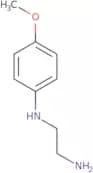
CAS:1-(3-Fluoro-4-methoxyphenyl)-2-nitropropene is a chemical compound with the molecular formula CHNO. It is a high quality reagent that is useful for preparing complex compounds, scaffolds and building blocks for use in research and development. 1-(3-Fluoro-4-methoxyphenyl)-2-nitropropene is a fine chemical that can be used as a versatile building block in reactions.Fórmula:C10H10FNO3Pureza:Min. 95%Peso molecular:211.19 g/molN-(4-Methoxyphenyl)ethane-1,2-diamine
CAS:N-(4-Methoxyphenyl)ethane-1,2-diamine is a synthetic compound that has been shown to inhibit the activity of cathepsins. It can be used in the treatment of diseases caused by these enzymes, such as osteoarthritis and Alzheimer's disease. N-(4-Methoxyphenyl)ethane-1,2-diamine has a pharmacokinetic profile that is favorable for oral administration. The drug is absorbed from the gastrointestinal tract readily and undergoes extensive metabolism in the liver. This process leads to the formation of active metabolites which are excreted in urine or bile. N-(4-Methoxyphenyl)ethane-1,2-diamine also inhibits nitroalkanes with activated aromatic rings, such as 4-nitrobenzaldehyde and 2,4,6-trinitrobenzene.Fórmula:C9H14N2OPureza:Min. 95%Forma y color:Slightly Yellow PowderPeso molecular:166.22 g/mol
![1,1,2,2,3,3-Hexafluoro-1-(trifluoromethoxy)-3-[(1,2,2-trifluorovinyl)oxy]propane](/_next/image/?url=https%3A%2Fstatic.cymitquimica.com%2Fproducts%2F3B%2Fthumb-webp%2FH1610.webp&w=3840&q=75)




![[3-Methyl-4-(2,2,2-trifluoro-ethoxy)-pyridin-2-yl]-methanol](/_next/image/?url=https%3A%2Fstatic.cymitquimica.com%2Fproducts%2F3D%2Fthumb-webp%2FFM38829.webp&w=3840&q=75)






![2-[(4-Chlorophenyl)-2-pyridinylmethoxy]-N,N-dimethylethanamine maleate salt](/_next/image/?url=https%3A%2Fstatic.cymitquimica.com%2Fproducts%2F3D%2Fthumb-webp%2FFC19699.webp&w=3840&q=75)
![Poly[2-methoxy-5-(2-ethylhexyloxy)-1,4-phenylenevinylene] - M.W. average 10,000-100,000](/_next/image/?url=https%3A%2Fstatic.cymitquimica.com%2Fproducts%2F3D%2Fthumb-webp%2FFP165854.webp&w=3840&q=75)