Nitro
Los compuestos nitro son moléculas orgánicas que contienen uno o más grupos nitro (NO2). Estos compuestos se utilizan ampliamente en la síntesis de explosivos, productos farmacéuticos y colorantes. En CymitQuimica, ofrecemos una amplia gama de compuestos nitro de alta calidad para apoyar sus aplicaciones de investigación e industriales, asegurando resultados seguros y efectivos. Nuestra selección incluye una variedad de compuestos nitro adecuados para diferentes síntesis químicas y aplicaciones.
Se han encontrado 2516 productos de "Nitro"
Ordenar por
Pureza (%)
0
100
|
0
|
50
|
90
|
95
|
100
2-[(Ethylamino)methyl]-4-nitrophenol
CAS:<p>Please enquire for more information about 2-[(Ethylamino)methyl]-4-nitrophenol including the price, delivery time and more detailed product information at the technical inquiry form on this page</p>Fórmula:C9H12N2O3Pureza:Min. 95%Forma y color:PowderPeso molecular:196.2 g/mol5-Fluoro-2-nitrobenzonitrile
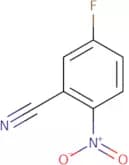
CAS:<p>5-Fluoro-2-nitrobenzonitrile is a synthetic compound that has been shown to inhibit the growth of tumor cells. It binds to nucleic acids and causes DNA damage, which leads to cell death. 5-Fluoro-2-nitrobenzonitrile inhibits the synthesis of proteins in cancer cells and also induces their apoptosis. The molecular modeling data indicates that this molecule has a hydrophobic pocket that can be used for targeting tumour cells. X-ray crystallography studies have confirmed that 5-fluoro-2-nitrobenzonitrile binds selectively to the minor groove of dna, suggesting its inhibitory potency against tumour cells.</p>Fórmula:C7H3FN2O2Pureza:Min. 95%Forma y color:Off-White PowderPeso molecular:166.11 g/molMethyl 4-amino-3-nitrobenzoate
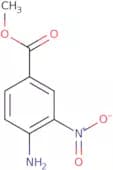
CAS:<p>Methyl 4-amino-3-nitrobenzoate is a synthetic compound that has been found to have a variety of uses. It has been used to prepare intramolecular hydrogen bonds in anilines, and it can be used as an intermediate to synthesize amides and anilines. This molecule also forms resonance structures with the nitro group, which allows for increased stability. The proton magnetic resonance spectra of Methyl 4-amino-3-nitrobenzoate show that the molecule has a high degree of symmetry, which is due to the presence of intramolecular hydrogen bonding.</p>Fórmula:C8H8N2O4Pureza:Min. 95%Peso molecular:196.16 g/mol1,8-Dihydroxy-4,5-dinitroanthraquinone
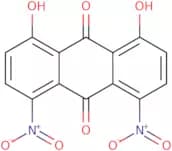
CAS:<p>1,8-Dihydroxy-4,5-dinitroanthraquinone (1,8DDNA) is a chemical inhibitor that inhibits the protease activity of ns3 protease. 1,8DDNA has been shown to inhibit the replication of wild-type virus in cell culture. This molecule also inhibits methyl transferase and structural analysis. The second-order rate constant for this compound was found to be 0.64 M-1s-1 at pH 7.5 in the presence of 10 mM NaCl and 5 mM Tris buffer at pH 8.0. 1,8DDNA's solubility data indicates that it is soluble in water with a solubility limit of 9 g/L at 25°C; however, its solubility decreases as the temperature increases.</p>Fórmula:C14H6N2O8Pureza:Min. 95%Peso molecular:330.21 g/molMethyl 3-hydroxy-4-nitrobenzoate
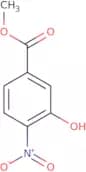
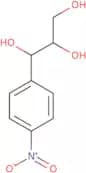
CAS:<p>Methyl 3-hydroxy-4-nitrobenzoate is a surfactant that has been shown to interact with toxins in the environment, such as polycyclic aromatic hydrocarbons. Methyl 3-hydroxy-4-nitrobenzoate interacts with these toxins by forming heterodimers and stabilizing them in solution. This interaction is achieved through hydrophobic interactions between the carboxylate group of methyl 3-hydroxy-4-nitrobenzoate and the other molecule's hydrophobic regions. The thermodynamic parameters for this interaction are determined by titration calorimetry.</p>Fórmula:C8H7NO5Pureza:Min. 95%Forma y color:PowderPeso molecular:197.14 g/mol1-(4-Nitrophenyl)glycerol
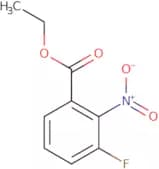
CAS:<p>1-(4-Nitrophenyl)glycerol has been shown to inhibit the growth of Gram-positive bacteria, including Streptococcus faecalis, and Gram-negative bacteria, including Pseudomonas aeruginosa. It is also used as a sample preparation for antimicrobial resistance testing.</p>Fórmula:C9H11NO5Pureza:Min. 97 Area-%Forma y color:Off-White PowderPeso molecular:213.19 g/mol3-Fluoro-2-nitrobenzoic acid ethyl ester
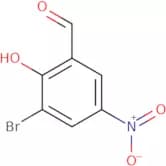
CAS:<p>3-Fluoro-2-nitrobenzoic acid ethyl ester is a fine chemical that is useful as a versatile building block in the synthesis of complex compounds. It can be used as an intermediate in the preparation of research chemicals and has been shown to react with amines to form nitrosoamines, which are useful reaction components. 3-Fluoro-2-nitrobenzoic acid ethyl ester has CAS number 163077-89-2 and is available at high quality.</p>Fórmula:C9H8FNO4Pureza:Min. 95%Forma y color:PowderPeso molecular:213.16 g/mol3-Bromo-2-hydroxy-5-nitrobenzaldehyde
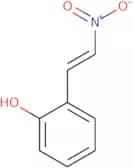
CAS:<p>3-Bromo-2-hydroxy-5-nitrobenzaldehyde is a hydroxy group with a formyl group, an imine and an isomeric structure. It can be used as a fluorescence probe in biological studies. The compound has been shown to have antioxidant activity, which may be due to its ability to donate hydrogen bonds or its ability to act as a phenylhydrazone. 3-Bromo-2-hydroxy-5-nitrobenzaldehyde also has the ability to react with ammonium nitrate and produce nitrogen gas (NH3) when heated. This reaction is exothermic and produces an orange color.</p>Fórmula:C7H4BrNO4Pureza:Min. 95%Forma y color:PowderPeso molecular:246.02 g/mol1-(2-Hydroxyphenyl)-2-nitroethene
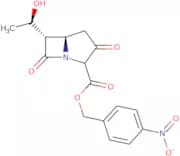
CAS:<p>1-(2-Hydroxyphenyl)-2-nitroethene is an organocatalytic biomolecule that has been synthesized in an asymmetric fashion. The synthesis of the molecule relies on a squaramide and the use of intramolecular hydrogen transfer reactions to create a nitro group. The molecule was used to generate antiestrogenic activity in MDA-MB-231 breast cancer cells and MCF-7 breast cancer cells by inhibiting estrogen receptor alpha (ERα) transcriptional activity. This molecule has also been shown to be bifunctional, as it inhibits both protein kinase C (PKC) and mitogen-activated protein kinase (MAPK) signaling pathways when applied to these cell lines. X-ray crystal structures of the molecule have been obtained with orientations that exhibit different degrees of hydrophobicity, which may be due to interactions with water molecules.</p>Fórmula:C8H7NO3Pureza:Min. 95%Peso molecular:165.15 g/molp-Nitrobenzyl 6-(1'-hydroxyethyl)-azabicyclo(3.2.0)heptane-3,7-dione-2-carboxylate
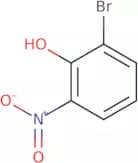
CAS:<p>p-Nitrobenzyl 6-(1'-hydroxyethyl)-azabicyclo(3.2.0)heptane-3,7-dione-2-carboxylate is a drug substance that is used in the manufacture of carbapenem antibiotics. It can be detected by a chloride ion chromatographic method, and the detection limit is 0.5 mg/L in the presence of zinc powder as a modifier. This material is used to prepare carbapenems using an analytical method that includes reaction monitoring by optical rotation, diastereomer chromatography, and transfer.</p>Fórmula:C16H16N2O7Pureza:Min. 95%Forma y color:PowderPeso molecular:348.31 g/mol2-Bromo-6-nitrophenol
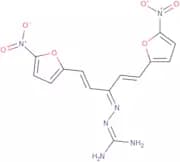
CAS:<p>2-Bromo-6-nitrophenol is a synthetic chemical that is used as an intermediate in the synthesis of other chemicals. It can be prepared by reacting ammonium formate with hydroxyl group of 2-bromo-6-nitropyridine. The reaction yield can be improved by activating the hydroxyl group and removing impurities through a dehydration reaction. The time required for the reaction to occur can be shortened by using acetonitrile as a solvent instead of water. This chemical is also synthesized by coupling metal salts with nitro groups or amines, which are called Suzuki coupling reactions.</p>Fórmula:C6H4BrNO3Forma y color:PowderPeso molecular:218 g/molNitrovin
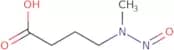
CAS:<p>Nitrovin (difurazone) is widely used as an antibacterial growth promotor in livestock. Nitrovin was shown to inhibit Salmonella growth both in vitro and in vivo (in chickens). It induces ROS-mediated non-apoptotic and apoptotic-like cell death by targeting TrxR1.</p>Fórmula:C14H12N6O6Pureza:Min. 95%Forma y color:PowderPeso molecular:360.28 g/molN-Nitroso-N-methyl-4-aminobutyric acid
CAS:<p>N-Nitroso-N-methyl-4-aminobutyric acid (NMBA) is a solid with a low melting point which has been identified as a potentially carcinogenic component of both tobacco and tobacco smoke. NMBA is also one of a number of nitrosamine impurities which have been found to be present in angiotensin II receptor blocker (ARB) drugs used to treat high blood pressure.</p>Fórmula:C5H10N2O3Pureza:Min. 98 Area-%Forma y color:Slightly Yellow PowderPeso molecular:146.14 g/mol3-Hydroxy-5-nitrobenzoic acid
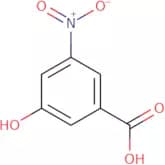
CAS:<p>3-Hydroxy-5-nitrobenzoic acid is a reactive mesomorphic compound. It is often used as an analytical reagent and has been shown to be useful in spectrometric analysis of amino acid sequences. 3-Hydroxy-5-nitrobenzoic acid can be quantified by gas chromatography and mass spectrometry to determine its chemical composition. 3-Hydroxybenzoic acid and 2,5-dihydroxybenzoic acid are the two main products that are formed when this compound reacts with hydroxyl radical under certain conditions.</p>Fórmula:C7H5NO5Pureza:Min. 98%Forma y color:PowderPeso molecular:183.12 g/mol4-Bromo-2-fluoro-5-nitrotoluene
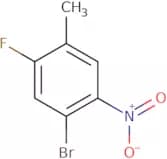
CAS:<p>4-Bromo-2-fluoro-5-nitrotoluene is a chemical building block that is used as a research and speciality chemical. It has been shown to be useful in the synthesis of complex compounds, including pharmaceuticals and dyes. 4-Bromo-2-fluoro-5-nitrotoluene is also used as a reagent for the reaction with other chemicals, such as thiourea, to form 2,4,6-trichlorophenylacetonitrile. This compound is classified as hazardous by the American Chemical Society (ACS) because it can cause irritation to the skin and eyes.</p>Fórmula:C7H5BrFNO2Pureza:Min. 95%Forma y color:PowderPeso molecular:234.02 g/mol3-Nitrophthalodinitrile
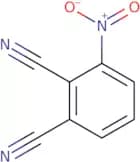
CAS:<p>3-Nitrophthalodinitrile is a chemical compound that can be used to treat wastewater. It has been shown to have photophysical properties, fluorescence properties, and structural formula. 3-Nitrophthalodinitrile has been shown to be a good fluorescent probe for the detection of multi-walled carbon nanotubes in the environment. 3-Nitrophthalodinitrile has also been found to have fluorescence lifetimes and nmr spectra that are different depending on whether it is in its ground state or excited state. 3-Nitrophthalodinitrile has been shown to react with nucleophiles such as water, alcohols, and amines. Furthermore, it has been found to be able to undergo transfer reactions with other chemical species such as formaldehyde and nitrite ions. 3-Nitrophthalodinitrile is capable of undergoing dehydration without any side products being formed. This makes it an excellent candidate for use in optical applications</p>Fórmula:C8H3N3O2Pureza:Min. 95%Forma y color:Slightly Yellow PowderPeso molecular:173.13 g/molMethyl 3,5-dinitrosalicylate
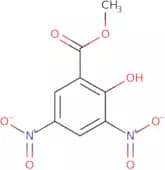
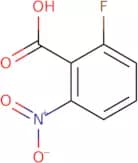
CAS:<p>Methyl 3,5-dinitrosalicylate is an efficient method for glycosylation of oligosaccharides. It is a stereoselective reaction that occurs in the presence of carbon disulphide as a solvent and topoisomerase as a catalyst. The reaction proceeds by nucleophilic attack of the glycosyl donor on the electrophilic nitro group of methyl 3,5-dinitrosalicylate to form a glycosyl-enzyme intermediate. This intermediate is then hydrolyzed to release an enzyme-bound sugar product. The reaction proceeds efficiently at room temperature and can be used in solid phase synthesis.</p>Fórmula:C8H6N2O7Pureza:Min. 95%Forma y color:PowderPeso molecular:242.14 g/mol2-Fluoro-6-nitrobenzoic acid
CAS:<p>Intermediate in the synthesis of idelalisib</p>Fórmula:C7H4FNO4Pureza:Min. 95%Forma y color:PowderPeso molecular:185.11 g/mol2,5-Dimethoxy-3-nitrobenzoic acid
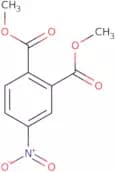
CAS:<p>2,5-Dimethoxy-3-nitrobenzoic acid is a versatile building block that can be used to synthesize many different compounds. It is often used in the synthesis of complex organic molecules and can be used as a reagent or intermediate. The CAS number for this compound is 17894-26-7.</p>Fórmula:C9H9NO6Pureza:Min. 95%Forma y color:PowderPeso molecular:227.17 g/molDimethyl 4-nitrophthalate
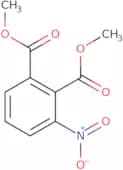
CAS:<p>Dimethyl 4-nitrophthalate is a bioactive molecule that has been found to be effective in inhibiting the growth of bacteria, including methicillin-resistant Staphylococcus aureus and Mycobacterium tuberculosis. Dimethyl 4-nitrophthalate binds to calcium ions in the bacterial cell wall, leading to inhibition of cell division. The biological activity of dimethyl 4-nitrophthalate can be measured by measuring the redox potential and calculating the constant, which is between -0.5 and -1.5 volts. This molecule also has strong anti-inflammatory properties due to its ability to reduce nitric oxide levels in macrophages.</p>Fórmula:C10H9NO6Pureza:Min. 95%Forma y color:PowderPeso molecular:239.18 g/molDimethyl 3-nitrophthalate
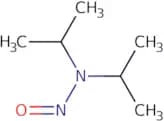
CAS:<p>Dimethyl 3-nitrophthalate is a synthetic compound that can be used in catalytic reactions. It has been shown to catalyze the conversion of acetaldehyde and hydrochloric acid to 3-hydroxypropionaldehyde with dehydrogenation as the main reaction mechanism. This reaction is followed by the addition of persulfate to give dimethyl 3-nitrophthalate sulfoxide, which can then be converted into dimethyl 3-nitrophthalate with boron trifluoride etherate and ammonium persulfate. The anticancer potential of this compound has been demonstrated in vitro using tyrosine kinase as a model enzyme. Dimethyl 3-nitrophthalate also binds to specific receptors such as those found on neutrophils, macrophages, and T cells.</p>Fórmula:C10H9NO6Pureza:Min. 95%Forma y color:White PowderPeso molecular:239.18 g/molN-Nitrosodiisopropylamine
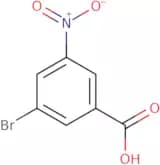
CAS:<p>N-Nitrosodiisopropylamine is an alkylating agent that binds to DNA and inhibits the synthesis of proteins, leading to cell death. It has been shown to be carcinogenic in animal studies, where it caused bladder cancer in Sprague-Dawley rats. N-Nitrosodiisopropylamine is also a reactive chemical compound that reacts with other chemicals in the body. It is often found as a contaminant in urine samples of smokers who are exposed to nitrites and other nitrogen oxides and can be detected using gas chromatography mass spectrometry (GC-MS/MS) methods. The most common method for sample preparation is liquid–liquid extraction followed by hydrolysis with hydroxide solution.</p>Fórmula:C6H14N2OPureza:Min. 95 Area-%Forma y color:Off-White PowderPeso molecular:130.19 g/mol3-Bromo-5-nitrobenzoic acid
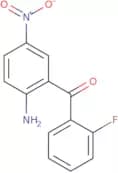
CAS:<p>3-Bromo-5-nitrobenzoic acid is a cancer drug that inhibits the proliferation of cancer cells by binding to amines, which are protonated at physiological pH. This binding leads to an electronic interaction between the bromine atom and the electron cloud of the amine group. The bromine atom is then more attracted to the nucleus, causing it to emit a photon of light. This process is called fluorescence and can be used for imaging cancer cells. 3-Bromo-5-nitrobenzoic acid also has potent antiproliferative activity against cancer cells, which may be due to its ability to bind ligands on target proteins in the cell membrane. It can also lead to apoptosis by interfering with the formation of supramolecular complexes or inhibiting protein synthesis.</p>Fórmula:C7H4BrNO4Pureza:Min. 95%Forma y color:PowderPeso molecular:246.02 g/mol2-Amino-5-nitro-2'-fluorobenzophenone
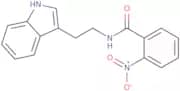
CAS:<p>2-Amino-5-nitro-2'-fluorobenzophenone is a prodrug that is activated by thiourea, a chemical agent that is used to break down the drug. It is an anti-inflammatory drug that acts as a selective COX inhibitor and has been shown to be effective in vivo against primary tumors. 2-Amino-5-nitro-2'-fluorobenzophenone has also been shown to have antiangiogenic properties and has been used to treat inflammatory diseases such as arthritis and psoriasis. This drug can be radiolabeled with carbon, fluorine, or iodine isotopes for use in positron emission tomography (PET) imaging of primary tumors. The drug binds to response elements on cells through electrostatic interactions between the molecular orbitals of the 2 amino groups and the nucleophilic centers of these molecules.</p>Fórmula:C13H9FN2O3Pureza:Min. 95%Forma y color:PowderPeso molecular:260.22 g/molN-(2-Indol-3-ylethyl)(2-nitrophenyl)formamide
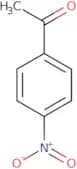
CAS:<p>Please enquire for more information about N-(2-Indol-3-ylethyl)(2-nitrophenyl)formamide including the price, delivery time and more detailed product information at the technical inquiry form on this page</p>Fórmula:C17H15N3O3Pureza:Min. 95%Forma y color:PowderPeso molecular:309.32 g/mol4-Nitroacetophenone
CAS:<p>4-Nitroacetophenone is an organic compound that has been synthesized in an asymmetric synthesis. It is a nitro compound and a radiosensitizer. The chemical structure of 4-Nitroacetophenone is similar to the structure of phenol, with one nitro group and two hydroxyl groups at opposite ends of the molecule. 4-Nitroacetophenone reacts with radiation to produce free radicals that can damage DNA, RNA, and proteins. The reaction mechanism involves the formation of nitrosating agent (R−NO) which interacts with DNA to form a covalent bond between the DNA base and the nitrosating agent. This covalent bond inhibits DNA replication, leading to cell death. 4-Nitroacetophenone has been shown to be effective in inhibiting cell growth in culture by triggering apoptosis in cells treated with high doses of this drug.</p>Fórmula:C8H7NO3Pureza:Min. 95%Forma y color:Yellow PowderPeso molecular:165.15 g/mol3,5-Dinitroanisole
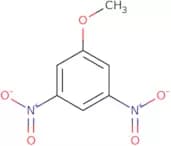
CAS:<p>3,5-Dinitroanisole is a molecule that has been shown to inhibit cancer cell growth in vitro and in vivo. It is a nitro compound that undergoes reduction with hydrogen peroxide and an electron donor to form 3,5-dinitrobenzoic acid. This substance has been shown to have anticancer activity against human cancer cells by inhibiting the production of nucleic acids. 3,5-Dinitroanisole also inhibits protein synthesis by binding to ribosomes and blocking the formation of proteins. 3,5-Dinitroanisole is also able to bind to DNA and cause strand breaks at sites that are sensitive to alkylations. The mechanism of this process is thought to be due to the ability of 3,5-dinitroanisole molecules to react with hydroxyl groups on DNA bases and release nitric oxide radicals.</p>Fórmula:C7H6N2O5Pureza:Min. 95%Forma y color:SolidPeso molecular:198.13 g/molBis(4-Nitrophenyl)phosphoric acid sodium
CAS:<p>Bis(4-nitrophenyl)phosphoric acid sodium is a synthetic compound that has been used as an antibiotic. It is a nitro group donor and may be oxidized to p-nitrophenol phosphate. Bis(4-nitrophenyl)phosphoric acid sodium inhibits bacterial growth by binding to the 30S ribosomal subunit, which prevents protein synthesis and cell division. The rate constant of this reaction has been determined using x-ray diffraction data obtained on crystals of the product with signal peptide. Bis(4-nitrophenyl)phosphoric acid sodium also has biochemical properties, such as pyrazinoic acid formation and polymerase chain reactions, which have been reported in recombinant cytochrome P450s from rat liver microsomes. The disulfide bond coordination geometry and mechanism of the reaction are still unknown but it is thought that the reaction proceeds through a single electron transfer mechanism.</p>Fórmula:C12H9N2O8P·NaPureza:Min. 95%Forma y color:White PowderPeso molecular:363.17 g/mol2-Methoxy-4-nitrobenzoic acid
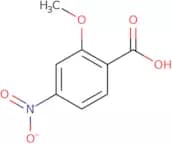
CAS:<p>Please enquire for more information about 2-Methoxy-4-nitrobenzoic acid including the price, delivery time and more detailed product information at the technical inquiry form on this page</p>Fórmula:C8H7NO5Pureza:Min. 95%Peso molecular:197.14 g/mol4-Chloro-3-nitrobenzhydrazide
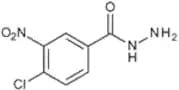
CAS:<p>4-Chloro-3-nitrobenzhydrazide is a chemical compound that is used as a building block in the synthesis of other compounds. It is a versatile and useful intermediate that can be used in many chemical reactions. This product is also known to be an effective reagent for the production of pharmaceuticals, agrochemicals, and other chemicals. 4-Chloro-3-nitrobenzhydrazide has been shown to have high quality as it reacts well with other compounds and can be easily purified.</p>Fórmula:C7H6ClN3O3Pureza:Min. 95%Forma y color:PowderPeso molecular:215.59 g/mol3-Nitrobenzylamine hydrochloride
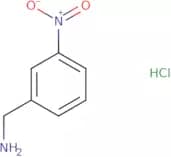
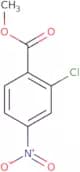
CAS:<p>3-Nitrobenzylamine HCl is an intermediate in the synthesis of peptides. This compound is used to produce polypeptides and can be immobilized on a solid support for high yield production. 3-Nitrobenzylamine HCl can be covalently linked to a solid support by reacting with an activated carboxyl group and can undergo conformational changes upon irradiation with ultraviolet light or azobenzene derivatives. 3-Nitrobenzylamine HCl has been used in solid phase peptide synthesis, a technique that produces polypeptides at high yields. It is also used as a substrate for NMR techniques, which are useful for determining the nature of the molecule and its potentials.</p>Fórmula:C7H8N2O2•HClPureza:Min. 95%Peso molecular:188.61 g/molMethyl 2-chloro-4-nitrobenzoate
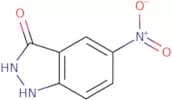
CAS:<p>Methyl 2-chloro-4-nitrobenzoate (MCNB) is a structural analog of the benzimidazole drug, trypanocidal activity. It has been shown to be effective against mouse macrophages in vitro studies, and is more potent than biphenyl. MCNB has also been shown to inhibit the enzyme epimerase, which converts N-methylpyridinium to N-methylpiperidinium. This inhibition may lead to increased cytotoxic effect of MCNB on T. brucei epimastigotes.</p>Fórmula:C8H6ClNO4Pureza:Min. 95%Forma y color:PowderPeso molecular:215.59 g/mol5-Nitro-3-indazolinone
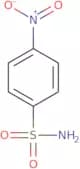
CAS:<p>5-Nitro-3-indazolinone is a reagent that is used in the synthesis of complex compounds and fine chemicals. It is also a useful intermediate in the synthesis of speciality chemicals, research chemicals, and versatile building blocks. This compound can be converted to other chemical compounds through reactions with alcohols and amines. 5-Nitro-3-indazolinone may be used for the synthesis of pharmaceuticals or agricultural products. The CAS number for this compound is 61346-19-8.</p>Fórmula:C7H5N3O3Pureza:Min. 95%Forma y color:PowderPeso molecular:179.13 g/mol4-Nitrobenzenesulfonamide
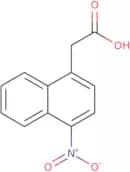
CAS:<p>4-Nitrobenzenesulfonamide is an organic compound that consists of a nitro group, a sulfonamide group, and an amine. It is the active analog of 4-dimethylaminobenzoic acid, which is used as an inhibitor of histamine release in the treatment of allergic reactions. The molecule has been shown to bind to copper ions and triflic acid and has been used as a catalyst for aziridination.</p>Fórmula:C6H6N2O4SPureza:Min. 96 Area-%Forma y color:White PowderPeso molecular:202.19 g/mol4-Nitro-1-naphthaleneacetic acid
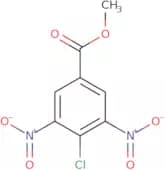
CAS:<p>4-Nitro-1-naphthaleneacetic acid (4NNA) is a chemical that belongs to the group of naphthalene acetic acids. It is a useful building block for the synthesis of 1,2,3,4-tetrahydronaphthoquinones, 1,2,3,4-oxonaphthoquinones and other related compounds. 4NNA is mainly used as an intermediate in organic reactions and as a reagent for the analytical detection of metals. This compound has been shown to be useful as a scaffold in drug design due to its complex structure.</p>Fórmula:C12H9NO4Pureza:Min. 95%Peso molecular:231.2 g/molMethyl 4-chloro-3,5-dinitrobenzoate
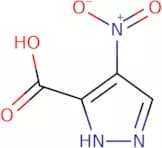
CAS:<p>Methyl 4-chloro-3,5-dinitrobenzoate is a photoinduced electron acceptor that can be used to detect the presence of hydroxide ions. It reacts with chlorine and hydroxide ions to produce carbonyl chloride and hydrogen chloride, which react with methylene blue in an exothermic reaction to generate fluorescence. Methyl 4-chloro-3,5-dinitrobenzoate has been shown to react with nucleophiles such as amines, sulfides and phosphines. This reaction provides kinetic data for the kinetics of transfer reactions.</p>Fórmula:C8H5ClN2O6Pureza:Min. 95%Forma y color:PowderPeso molecular:260.59 g/mol4-Nitro-1H-pyrazole-3-carboxylic acid
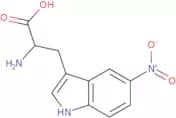
CAS:<p>4-Nitro-1H-pyrazole-3-carboxylic acid is a potent inhibitor of tyrosine kinases. It has been shown to bind to the ATP binding site of the enzyme, thereby blocking the catalytic action and inhibiting cell proliferation. 4-Nitro-1H-pyrazole-3-carboxylic acid can be used as a tool for studying receptor tyrosine kinase signaling pathways and drug target validation. This compound also has an immobilized form that can be used in microscopy studies to study human cell lines. The immobilized form is prepared by attaching colloidal particles of this compound onto a surface using silane coupling chemistry, which allows for its use as an alternative to radioactive isotopic labels. The immobilized form has been shown to enhance the Raman signal from proteins bound on the surface due to increased light scattering from the protein molecules in contact with this compound.</p>Fórmula:C4H3N3O4Pureza:Min. 95%Forma y color:SolidPeso molecular:157.08 g/mol5-Nitro-DL-tryptophan
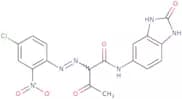
CAS:<p>5-Nitro-DL-tryptophan is a synthetic amino acid that has been shown to inactivate tryptophan synthase, an enzyme involved in the biosynthesis of tryptophan. It binds to the active site of the enzyme and prevents it from carrying out its function. The affinity for 5-nitro-DL-tryptophan is very high and it has been shown that it is effective in inhibiting the enzyme at concentrations as low as 1 mM. This compound is also homodimeric, which means that it can bind two molecules of tryptophan synthase at once, leading to a quicker inhibition of this enzyme. 5-Nitro-DL-tryptophan also reacts with reactive oxygen species, such as superoxide radicals or hydrogen peroxide, and can be used to study reactions between these compounds and proteins.<br>5-Nitro-DL-tryptophan can be used to inhibit brain protein kinetics by blocking</p>Fórmula:C11H11N3O4Pureza:Min. 95%Forma y color:Off-White To Yellow To Orange SolidPeso molecular:249.23 g/molPigment Orange 36
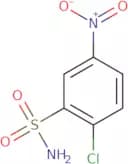
CAS:<p>Pigment Orange 36 is an organic pigment with a light-emitting property. It is soluble in organic solvents, such as benzene and chloroform, but insoluble in water. Pigment Orange 36 has a polycyclic aromatic hydrocarbon structure with ester linkages between the aliphatic hydrocarbon and aromatic hydrocarbon moieties. The molecule consists of two sections: one section is soluble in organic solvents and the other section is soluble in water. The particle size of Pigment Orange 36 ranges from 0.1 to 1 micron in diameter, and it emits light when excited by UV radiation or visible light.</p>Fórmula:C17H13ClN6O5Pureza:Min. 95%Peso molecular:416.8 g/mol2-Chloro-5-nitrobenzene sulfonamide
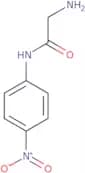
CAS:<p>2-Chloro-5-nitrobenzene sulfonamide (2CNS) is a glycol ether that has been shown to inhibit the activity of carbonic anhydrase. It has been shown to be a competitive inhibitor of the enzyme, and can be used as a lead compound for developing new drugs. 2CNS has been shown to inhibit an anhydrase that is found in bacteria, such as Streptococcus pneumoniae, Haemophilus influenzae, and Staphylococcus aureus. This inhibition causes increased levels of hydrogen ions in the bacterial environment, which leads to the acidification of their surroundings. 2CNS also inhibits chloride ion uptake in these bacteria.<br>2CNS's pharmacophore includes two aromatic hydrocarbon rings with at least one hydrogen bond acceptor group on each ring. This pharmacophore is responsible for its inhibition of carbonic anhydrase and chloride ion binding site.</p>Fórmula:C6H5ClN2O4SPureza:Min. 97 Area-%Forma y color:White Off-White PowderPeso molecular:236.63 g/molGlycine 4-nitroanilide
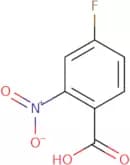
CAS:<p>Glycine 4-nitroanilide, also known as Gly-Pro-pNA, is a compound used in various scientific applications. It is a colorimetric substrate for prolyl endopeptidase, and its enzymatic cleavage releases p-nitroanilide (pNA), which can be quantified. This compound is commonly used in aminopeptidase assays and in the functional characterization and activity determination of post-proline cleaving enzymes (PPCEs).<br>Additionally, it is mentioned as a substrate for studying soil nitrogen depolymerization, specifically in aminopeptidase assays using nitroanilide substrates.<br>The compound is also used in studying the catalytic activity of enzymes such as gamma-glutamyltransferase (GGT).</p>Fórmula:C8H9N3O3Pureza:Min. 97 Area-%Forma y color:Off-White PowderPeso molecular:195.18 g/mol4-Fluoro-2-nitrobenzoic acid
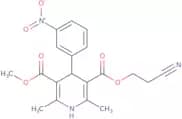
CAS:<p>4-Fluoro-2-nitrobenzoic acid is a dianion that is used to synthesize organic compounds. It can be prepared in two steps from nitrobenzene and hydrochloric acid. 4-Fluoro-2-nitrobenzoic acid has been shown to have excellent yields in the synthesis of various carboxylic acids, such as thiabendazole, and it also enhances the transfer of proton. The electron configuration for 4-fluoro-2-nitrobenzoic acid is [Ne]3s23p4, which is an important factor in its reactivity. This chemical compound has been shown to have acidic properties that are catalyzed by protonation.</p>Fórmula:C7H4FNO4Pureza:Min. 95%Forma y color:White PowderPeso molecular:185.11 g/mol1,4-Dihydro-2,6-dimethyl-4-(3-nitrophenyl)-3,5-pyridinedicarboxylic acid 3-(2-cyanoethyl) 5-methyl ester
CAS:<p>1,4-Dihydro-2,6-dimethyl-4-(3-nitrophenyl)-3,5-pyridinedicarboxylic acid 3-(2-cyanoethyl) 5-methyl ester is a chemical compound that has the CAS number 75130-24-4. It is a white powder with a melting point of 144°C. This chemical is soluble in acetone, ether and chloroform. It can be used as a building block for organic synthesis due to its versatility and useful scaffold.</p>Fórmula:C19H19N3O6Pureza:Min. 95%Forma y color:White to yellow solid.Peso molecular:385.37 g/mol5-Nitrobenzimidizole
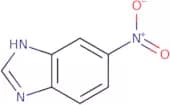
CAS:<p>5-Nitrobenzimidizole is a nitro benzimidazole compound. The coordination geometry of the nitro group in 5-nitrobenzimidazole is octahedral, with a bond angle of 120°. This molecule has acidic properties and hydrochloric acid can be used to produce it. Structural analysis of 5-nitrobenzimidizole was done at different dose groups, which showed that the skeleton structure of this molecule was unchanged. The Langmuir adsorption isotherm for 5-nitrobenzimidizole displays a linear relationship between the concentration and surface area. Molecular docking analysis revealed that ethylene diamine could potentially act as a reactant for 5-nitrobenzimidizole, forming an adduct with it. Analytical chemistry was used to determine the dietary concentrations of 5-nitrobenzimidizole in human serum samples from China and Japan.</p>Fórmula:C7H5N3O2Pureza:Min. 95%Forma y color:Off-White PowderPeso molecular:163.13 g/mol4-Methoxy-3-nitrobenzotrifluoride
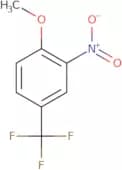
CAS:<p>4-Methoxy-3-nitrobenzotrifluoride is a chemical that belongs to the group of reactants. It is used as a reagent, building block, or intermediate in organic synthesis. 4-Methoxy-3-nitrobenzotrifluoride has been shown to be an effective scaffold for the preparation of complex compounds with versatile building blocks and useful intermediates. It can also be used as a fine chemical with speciality chemical properties.</p>Fórmula:C8H6F3NO3Pureza:Min. 95%Forma y color:PowderPeso molecular:221.13 g/mol2-Amino-3-nitrophenol
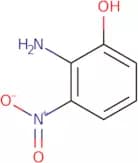
CAS:<p>2-Amino-3-nitrophenol is an inhibitor of matrix metalloproteinases that is active against a broad spectrum of pro-inflammatory and destructive enzymes. It has been used to inhibit the activity of matrix metalloproteinases in vitro and in vivo, with a wide range of applications in the fields of biochemistry, cell biology, and medicine. This compound has been shown to be effective against type strain C. albicans and C. glabrata strains, as well as other fungi such as Aspergillus niger, A. fumigatus, A. terreus, and A. flavus. 2-Amino-3-nitrophenol may have antifungal activity due to its ability to inhibit the synthesis of hyaluronic acid by these fungi.</p>Fórmula:C6H6N2O3Pureza:Min. 95%Forma y color:PowderPeso molecular:154.12 g/molPentachloronitrobenzene
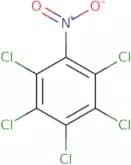
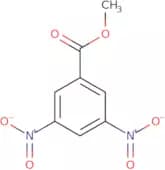
CAS:<p>Pentachloronitrobenzene is a chemical that belongs to the group of nitrobenzenes. It is used as a biochemical reagent in enzyme assays, including methyl transferase, matrix effect, and chinese herb. Pentachloronitrobenzene can be used to detect single nucleotide polymorphisms (SNPs) in genes. The compound is also used as an analytical method for measuring acute toxicities and enzyme activities. In addition, pentachloronitrobenzene has been shown to have antibacterial properties against a wild-type strain of Escherichia coli with fluorescence probe.</p>Fórmula:C6Cl5NO2Pureza:Min. 95%Forma y color:PowderPeso molecular:295.33 g/molMethyl 3,5-dinitrobenzoate
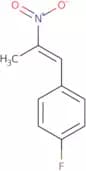
CAS:<p>Methyl 3,5-dinitrobenzoate is a compound that is used in clinical chemistry. It has a linear calibration curve and can be used to measure the concentrations of chloride ions in solution. Methyl 3,5-dinitrobenzoate reacts with water molecules to form compounds called reaction products. In this chemical reaction, the nucleophilic attack of the methyl group on the chloride ion leads to the formation of an intermediate known as chlorinated methoxybenzene. The chlorinated methoxybenzene then reacts with another water molecule to form a second intermediate called chloroform, which is known as the reaction product. This process continues until all of the chloride ions have been consumed. The final product is methyl 3-chlorophenyl ether, which is not a very stable molecule and quickly decomposes into water and carbon dioxide. Methyl 3,5-dinitrobenzoate can also react with fluoride ions to produce fluorophore and hydrogen bond</p>Fórmula:C8H6N2O6Pureza:Min. 95%Forma y color:PowderPeso molecular:226.14 g/mol1-(4-Fluorophenyl)-2-nitropropene
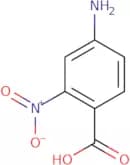
CAS:<p>1-(4-Fluorophenyl)-2-nitropropene is a versatile building block that is used in the synthesis of a wide range of complex chemical compounds. This compound is also found to be useful as a key component in the synthesis of pharmaceuticals, research chemicals, and other fine chemicals. 1-(4-Fluorophenyl)-2-nitropropene can be used as a reagent for organic reactions, and it has been shown to react with amines to form nitrosoamines. This compound is an intermediate in the synthesis of 4-fluoroaniline, which has various industrial applications. The chemical formula for 1-(4-Fluorophenyl)-2-nitropropene is C8H6FO3N3O2.</p>Fórmula:C9H8FNO2Pureza:Min. 95%Forma y color:PowderPeso molecular:181.16 g/mol4-Amino-2-nitrobenzoic acid
CAS:<p>4-Amino-2-nitrobenzoic acid is a chemical compound that can be found in human urine. It belongs to the group of amides and is an acidic substance. The pH optimum for 4-Amino-2-nitrobenzoic acid is between 1 and 2. This compound can be hydrolyzed by acidic conditions, forming an amide derivative. The uptake of 4-Amino-2-nitrobenzoic acid in humans and animals depends on the glomerular filtration rate, which influences how much of the compound will be excreted by the kidneys. The uptake also depends on the acetylation status of the compound, which is determined by its metabolism with phosphatase enzymes. Organic acids are also present in human urine, which may result in the formation of 4-Amino-2-nitrobenzoic acid as well as other compounds with similar structures.</p>Fórmula:C7H6N2O4Pureza:Min. 95%Forma y color:SolidPeso molecular:182.13 g/mol
![2-[(Ethylamino)methyl]-4-nitrophenol](/_next/image/?url=https%3A%2Fstatic.cymitquimica.com%2Fproducts%2F3D%2Fthumb-webp%2FFE23132.webp&w=3840&q=75)