Amidas
Las amidas son una amplia gama de compuestos químicos que contienen al menos un anillo heterocíclico, el cual posee átomos de al menos dos elementos diferentes en la estructura del anillo, y al menos un grupo amida (-CONH2). Estos compuestos son cruciales en la síntesis de productos farmacéuticos, polímeros y agroquímicos. Las amidas exhiben propiedades y reactividad únicas, lo que las hace valiosos intermediarios en la síntesis orgánica. En CymitQuimica, ofrecemos una selección integral de amidas de alta calidad para apoyar sus necesidades de investigación e industriales.
Se han encontrado 16485 productos de "Amidas"
Ordenar por
Pureza (%)
0
100
|
0
|
50
|
90
|
95
|
100
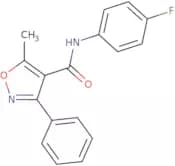
N-(4-Fluorophenyl)(5-methyl-3-phenylisoxazol-4-yl)formamide
CAS:<p>Please enquire for more information about N-(4-Fluorophenyl)(5-methyl-3-phenylisoxazol-4-yl)formamide including the price, delivery time and more detailed product information at the technical inquiry form on this page</p>Fórmula:C17H13FN2O2Pureza:Min. 95%Forma y color:PowderPeso molecular:296.3 g/mol2-Hydroxy-N,N,N-trimethylethanaminium salt with 1,1,1-trifluoro-N-[(trifluoromethyl)sulfonyl]methanesulfonamide
CAS:<p>2-Hydroxy-N,N,N-trimethylethanaminium salt with 1,1,1-trifluoro-N-[(trifluoromethyl)sulfonyl]methanesulfonamide is a hydroxyl group containing ionic liquid that has been used as an extractant. It is activated by a proton to form an oxyanion, which can be protonated again by the extractant to regenerate the ionic liquid. The thermodynamic properties of this ionic liquid are dependent on the concentration of solute and solvent. This ionic solute has been shown to inhibit bacterial growth and is toxic for animals.</p>Fórmula:C5H14NO•C2F6NO4S2Pureza:Min. 95%Forma y color:White PowderPeso molecular:384.32 g/molThioctamide
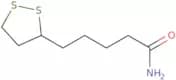
CAS:<p>Thioctamide is a drug that belongs to the class of drugs called sulfonylureas. It is an anti-diabetic drug that has been used for the treatment of insulin-resistant type II diabetes. Thioctamide binds to mitochondrial dehydrogenases and lipoamidases, inhibiting mitochondrial functions and energy metabolism. This leads to a decrease in cellular ATP levels, which can be measured by electrochemical impedance spectroscopy (EIS). The effects of thioctamide on cells can also be determined by examining the response of cells to different concentrations of thioctamide using a cell viability assay. This drug has been shown to inhibit the growth of HL60 cells, with IC50 values ranging from 2.6 µM to 6.4 µM depending on concentration. Thioctamide inhibits the expression of toll-like receptor 4 (TLR4) and integrin receptor β1 in HL60 cells, which may be due to its ability to act</p>Fórmula:C8H15NOS2Pureza:Min. 95 Area-%Forma y color:Slightly Yellow PowderPeso molecular:205.34 g/molMalonamide
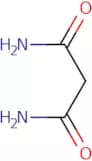
CAS:<p>Malonamide is a natural product with biological properties that include anti-inflammatory activity. It is a receptor antagonist that binds to the nicotinic acetylcholine receptors and blocks the binding of acetylcholine, thereby inhibiting muscle contraction. Malonamide has been shown to have good chemical stability and phosphorus pentoxide tolerance. This compound also has high steric interactions with halogens, which allows it to act as an effective antiseptic agent for wounds or skin infections caused by bacteria such as Staphylococcus aureus or Pseudomonas aeruginosa. Malonamide has been shown to be active against both Gram-positive and Gram-negative bacteria, including methicillin resistant strains. Malonamide binds to copper ions and forms an intramolecular hydrogen bond with the nitrogen atoms in the molecule. This interaction stabilizes its conformation and leads to increased chemical stability in comparison with other nitrogen containing drugs.</p>Fórmula:C3H6N2O2Pureza:Min. 95%Forma y color:PowderPeso molecular:102.09 g/molN-(3-Aminopropylmethacrylamide HCl
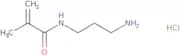
CAS:<p>N-(3-Aminopropylmethacrylamide HCl is a water-soluble optical sensor that has been used in the field of bioanalysis. This compound has been shown to react with propranolol hydrochloride and produce a fluorescent product. The fluorescence intensity depends on the concentration of propranolol hydrochloride, which can be measured using an optical detector. N-(3-Aminopropylmethacrylamide HCl is synthesized from trifluoroacetic acid and 3-aminopropylamine using a solid-phase synthesis technique. This compound has also been used as a ligand for affinity chromatography and as a template molecule in nonsteroidal anti-inflammatory drug research.</p>Fórmula:C7H14N2O·HClPureza:Min. 95%Forma y color:Brown White Yellow PowderPeso molecular:178.66 g/molC26-Ceramide
CAS:<p>Marker for Farber disease diagnosis</p>Fórmula:C44H87NO3Pureza:Min. 95%Forma y color:White PowderPeso molecular:678.17 g/mol1H-Imidazole-4,5-dicarboxamide
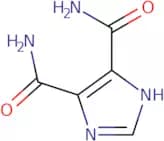
CAS:<p>1H-Imidazole-4,5-dicarboxamide is a detergent composition that contains antimicrobial agents. It has been shown to inhibit the growth of resistant mutants in vitro and is active against a broad spectrum of bacteria. Hydrogen bonding interactions between 1H-imidazole-4,5-dicarboxamide and the amide group on the cell membrane surface are thought to be responsible for its activity. This compound also inhibits nuclear DNA synthesis by binding to the enzyme topoisomerase II, which is necessary for DNA replication. The molecular weight of 1H-imidazole-4,5-dicarboxamide makes it useful as an analytical reagent in gas chromatography.</p>Fórmula:C5H6N4O2Pureza:Min. 95%Forma y color:PowderPeso molecular:154.13 g/molDL-alanine-beta-naphthylamide hydrochloride
CAS:<p>DL-Alanine-beta-naphthylamide hydrochloride is a fine chemical that is used as a building block for other compounds. It can be used in the synthesis of complex compounds and as a reagent to synthesize speciality chemicals and research chemicals. DL-Alanine-beta-naphthylamide hydrochloride is also a versatile building block that can be used as an intermediate in organic reactions or as a reaction component. This compound has CAS No. 74144-49-3 and is soluble in water.</p>Fórmula:C13H15ClN2OPureza:Min. 95%Forma y color:PowderPeso molecular:250.72 g/mol2-Chloro-5-(2,3-dihydro-1-hydroxy-3-oxo-1H-isoindol-1-yl)-benzenesulfonamide
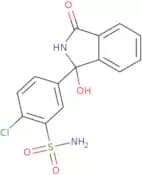
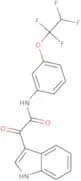
CAS:Producto controlado<p>2-Chloro-5-(2,3-dihydro-1-hydroxy-3-oxo-1H-isoindol-1-yl)-benzenesulfonamide is a drug that belongs to the class of sulfonamides which is used in pharmaceutical formulations. It has been shown to have potent antihypertensive effects, and it also lowers blood pressure by inhibiting an enzyme called carbonic anhydrase. 2CCHIB binds to the chloride channel in kidney tubule cells and prevents the reabsorption of chloride ions in these cells. This leads to more water being excreted from the body, which reduces blood volume and pressure. The low density lipoprotein (LDL) cholesterol levels are also reduced when this drug is taken orally. 2CCHIB increases high sensitivity C reactive protein (hsCRP), a marker for inflammation, but it can also have antioxidant effects.</p>Fórmula:C14H11ClN2O4SPureza:Min. 95%Forma y color:PowderPeso molecular:338.77 g/mol2-Indol-3-yl-2-oxo-N-(3-(1,1,2,2-tetrafluoroethoxy)phenyl)ethanamide
CAS:<p>Please enquire for more information about 2-Indol-3-yl-2-oxo-N-(3-(1,1,2,2-tetrafluoroethoxy)phenyl)ethanamide including the price, delivery time and more detailed product information at the technical inquiry form on this page</p>Fórmula:C18H12F4N2O3Pureza:Min. 95%Forma y color:PowderPeso molecular:380.29 g/mol2,2,2-Trifluoroacetamide
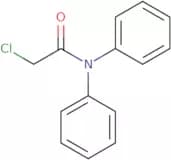
CAS:<p>2,2,2-Trifluoroacetamide is a chemical compound that is stable under normal conditions and can be stored for long periods of time. The compound has been shown to react with trifluoroacetic acid and in the presence of an electrochemical probe to give a redox reaction. This reaction mechanism has been studied by using pharmacokinetic properties of 2,2,2-trifluoroacetamide and its metabolites. The compound is not active against infectious diseases but may be used as a reagent in analytical methods. 2,2,2-Trifluoroacetamide has also been investigated for its ability to bind hydrogen atoms and form intramolecular hydrogen bonds with tryptophan residues in proteins.</p>Fórmula:C2H2F3NOPureza:Min. 95%Forma y color:PowderPeso molecular:113.04 g/mol2-Chloro-N,N-diphenylacetamide
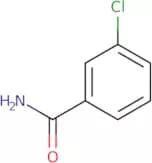
CAS:<p>2-Chloro-N,N-diphenylacetamide is a functional theory that has been shown to have antimicrobial activity against mammalian cells. It is an acetamide derivative with a formyl group and two chloro substituents. 2-Chloro-N,N-diphenylacetamide inhibits the growth of Mycobacterium tuberculosis by binding to the ribosomal protein P0, which inhibits the production of proteins vital for cell division. This drug also has antifungal properties, inhibiting the synthesis of ergosterol in filamentous fungi such as Candida albicans.<br>2-Chloro-N,N-diphenylacetamide is also known to inhibit the growth of other bacteria by binding to their ribosomes and interfering with protein synthesis. This drug may also be active against viruses due to its ability to bind chloride ions.</p>Fórmula:C14H12ClNOPureza:Min. 95%Peso molecular:245.7 g/mol3-Chlorobenzamide
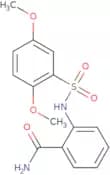
CAS:<p>3-Chlorobenzamide is an analytical reagent that is used for the separation and purification of organic compounds. It has been shown to be a catalyst for the reaction system in the dehydration of amides, amido, and halides. 3-Chlorobenzamide has also been suggested as a possible environmental pollutant due to its catalytic properties and ability to react with monoxide. The correlations between 3-chlorobenzamide concentrations in air and soil have also been studied extensively.</p>Fórmula:C7H6ClNOPureza:Min. 95%Forma y color:PowderPeso molecular:155.58 g/mol2-(((2,5-dimethoxyphenyl)sulfonyl)amino)benzamide
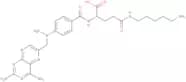
CAS:<p>Please enquire for more information about 2-(((2,5-dimethoxyphenyl)sulfonyl)amino)benzamide including the price, delivery time and more detailed product information at the technical inquiry form on this page</p>Pureza:Min. 95%N-(5-Aminopentyl) methotrexate amide
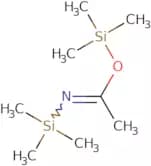
CAS:<p>N-(5-Aminopentyl) methotrexate amide is a fluorescent probe that is used to study the transport of drugs across cell membranes. It binds to the plasma membrane of cells and can be visualized with a fluorescence microscope. N-(5-Aminopentyl) methotrexate amide has been shown to bind to leukemia cells in murine leukemia models. It has a high affinity for drug-resistant cells, which makes it useful for studying drug resistance mechanisms. This probe can be used at nanomolar concentrations for imaging studies, as well as for measuring the uptake of drugs into cancer cells by flow cytometry.</p>Fórmula:C25H34N10O4Pureza:Min. 95%Forma y color:Yellow PowderPeso molecular:538.6 g/molN,O-Bis(trimethylsilyl) acetamide
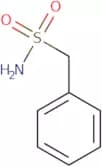
CAS:<p>N,O-Bis(trimethylsilyl) acetamide is a protein that is used as a reagent for the detection of integrin receptors. It can be used to identify human immunoglobulin and human serum proteins. This compound has been shown to be pluripotent in cells, which means that it can differentiate into any type of cell. N,O-Bis(trimethylsilyl) acetamide has been shown to have surfactant properties and can be used as an alternative in toxicity studies. This compound has been shown to be toxic to bowel disease cells when tested with a dose of 3mg/mL. The disulfide bond within this molecule may be important for its biological activity. Synchronous fluorescence spectroscopy and plasma mass spectrometry are two methods that have been used to study the structure of this molecule. Electrochemical impedance spectroscopy is another method that has been used in the structural analysis of this molecule.</p>Fórmula:C8H21NOSi2Pureza:Min. 95 Area-%Forma y color:Colorless Yellow Clear LiquidPeso molecular:203.43 g/molPhenylmethanesulfonamide
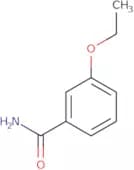
CAS:<p>Phenylmethanesulfonamide is a chemical compound that has been shown to inhibit the proliferation of cancer cells in vitro. This drug has also been shown to be effective in reducing inflammatory diseases, such as arthritis and asthma, which may be due to its ability to inhibit prostaglandin synthesis. Phenylmethanesulfonamide has shown anti-inflammatory properties, which may be due to its inhibition of prostaglandin synthesis.</p>Fórmula:C7H9NO2SPureza:Min. 95%Forma y color:PowderPeso molecular:171.22 g/mol3-Ethoxybenzamide
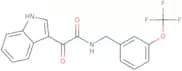
CAS:<p>3-Ethoxybenzamide is a crystalline compound that can form complexes with metal ions. It has been shown to inhibit bacterial growth by binding to the enzyme thiourea, which is essential for the biosynthesis of thiamine. 3-Ethoxybenzamide also inhibits the production of hydrogen sulfide, which is produced by bacteria and a cause of foul odors. 3-Ethoxybenzamide has been shown to have antibacterial activity against Gram-positive bacteria such as Staphylococcus aureus and Streptococcus pyogenes. 3-Ethoxybenzamide also inhibits the growth of Gram-negative bacteria such as Escherichia coli and Salmonella typhimurium. This compound has also been shown to have anti-inflammatory activities through its ability to inhibit prostaglandin synthesis in mice.</p>Fórmula:C9H11NO2Pureza:Min. 95%Forma y color:PowderPeso molecular:165.19 g/mol2-Indol-3-yl-2-oxo-N-((3-(trifluoromethoxy)phenyl)methyl)ethanamide
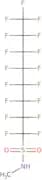
CAS:<p>Please enquire for more information about 2-Indol-3-yl-2-oxo-N-((3-(trifluoromethoxy)phenyl)methyl)ethanamide including the price, delivery time and more detailed product information at the technical inquiry form on this page</p>Fórmula:C18H13F3N2O3Pureza:Min. 95%Forma y color:PowderPeso molecular:362.3 g/mol1,1,2,2,3,3,4,4,5,5,6,6,7,7,8,8,8-Heptadecafluoro-N-methyloctane-1-sulfonamide
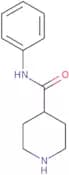
CAS:Producto controlado<p>1,1,2,2,3,3,4,4,5,5,6,6,7,7,8,8-heptadecafluoro-N-methyloctane-1-sulfonamide is a perfluorinated sulfonate that is used as a surfactant in wastewater treatment and to package food. This compound is not water soluble and requires an organic solvent to dissolve it. It has been shown that the use of 1HFAFMS can reduce the amount of phosphates in packaging materials by up to 50%. 1HFAFMS also has been found to be safe for humans and does not accumulate in the environment. It does not bioaccumulate and is rapidly excreted through urine.</p>Fórmula:C9H4F17NO2SPureza:Min. 95%Forma y color:PowderPeso molecular:513.17 g/molN-Phenylpiperidine-4-carboxamide
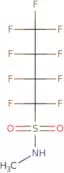
CAS:<p>N-Phenylpiperidine-4-carboxamide is a drug that inhibits the production of thromboxane A2 and other substances that promote clotting. It is used to treat patients with high blood pressure, as well as for the prevention of strokes and heart attacks. N-Phenylpiperidine-4-carboxamide is an analog of biphenyl and has been shown to have antiplatelet activity in humans. This drug also inhibits soluble guanylate cyclase, which prevents platelets from sticking together and forming clots. N-Phenylpiperidine-4-carboxamide is rapidly metabolized by esterases in the human body and excreted primarily in urine. The pharmacokinetic properties of this drug are not well understood but it can be synthesized using a number of different methods involving amide bonds.</p>Fórmula:C12H16N2OPureza:Min. 95%Forma y color:White PowderPeso molecular:204.27 g/molN-(Methyl)nonafluorobutanesulfonamide
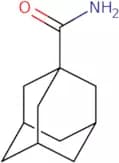
CAS:Nonafluorobutanesulfonamide (NFBS) is a volatile organic solvent that is used in the manufacture of coatings and other organic chemicals. It has been shown to have a high vapor pressure, which makes it useful for drying solvents. NFBS is also used as an intermediate in the production of fluorinated acrylates and methacrylates. NFBS reacts with styrene monomers to form ionic forms, and can be converted to its neutral form by reaction with acrylonitrile or acrylates. Nonafluorobutanesulfonamide has been shown to cause liver cancer in rats, but this effect has not been observed in humans.Fórmula:C5H4F9NO2SPureza:Min. 95%Forma y color:PowderPeso molecular:313.14 g/mol1-Adamantane carboxamide
CAS:<p>1-Adamantane carboxamide is a potent inhibitor of amines and its activity has been tested with a reaction solution. The chemical structure of 1-adamantane carboxamide is shown in Figure 1. This molecule also has inhibitory effects on insulin resistance and nervous system diseases. It was found to have an inhibitory effect on the enzyme DOPA decarboxylase, which is involved in the synthesis of dopamine, norepinephrine and epinephrine. The inhibition of this enzyme leads to increased levels of dopamine in the brain, which can lead to improved cognition, mood and motor skills. 1-Adamantane carboxamide also has a hydroxyl group that mimics the polarizer in biomimetic molecules.</p>Fórmula:C11H17NOPureza:Min. 95%Forma y color:PowderPeso molecular:179.26 g/molPhthalimidoyl-N-(methyltosyl)hexanamide
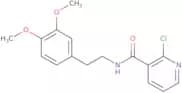
<p>Phthalimidoyl-N-(methyltosyl)hexanamide is a fine chemical that can be used as a versatile building block and reaction component. It is an intermediate in the production of a variety of products, including pharmaceuticals and pesticides. Phthalimidoyl-N-(methyltosyl)hexanamide is also used as a reagent for the preparation of other compounds. This compound has high purity and quality, making it suitable for research purposes. The CAS number for this compound is 183828-04-7.</p>Fórmula:C21H22N2O5SPeso molecular:414.48 g/molN-(2-(3,4-dimethoxyphenyl)ethyl)(2-chloro(3-pyridyl))formamide
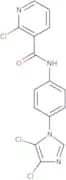
CAS:<p>Please enquire for more information about N-(2-(3,4-dimethoxyphenyl)ethyl)(2-chloro(3-pyridyl))formamide including the price, delivery time and more detailed product information at the technical inquiry form on this page</p>Pureza:Min. 90%N-(4-(4,5-dichloroimidazolyl)phenyl)(2-chloro(3-pyridyl))formamide
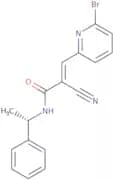
CAS:Please enquire for more information about N-(4-(4,5-dichloroimidazolyl)phenyl)(2-chloro(3-pyridyl))formamide including the price, delivery time and more detailed product information at the technical inquiry form on this pagePureza:Min. 95%(S,E)-3-(6-Bromopyridin-2-yl)-2-cyano-N-(1-phenylethyl)acrylamide
CAS:<p>(S,E)-3-(6-Bromopyridin-2-yl)-2-cyano-N-(1-phenylethyl)acrylamide (MBI-23) is a potential antineoplastic agent that has been shown to induce regression of bladder cancer in mice. MBI-23 induces apoptosis by inhibiting the proliferation of cancer cells and inducing differentiation of cancer stem cells. It is also shown to inhibit tumor growth and progression in glioma and prostate cancer models. MBI-23 binds to the KDR receptor subtype, which is activated by organic acids and inhibited by inorganic compounds. This binding leads to constitutive activation of the KDR receptor, thereby inducing apoptosis. The tautomers and stereoisomers of MBI-23 have not been fully elucidated yet.</p>Fórmula:C17H14ON3BrPureza:Min. 98 Area-%Forma y color:White PowderPeso molecular:356.22 g/molCecropin A (1-7)-Melittin A (2-9) amide trifluoroacetate salt
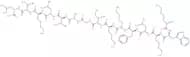
CAS:<p>Cecropin A (1-7)-Melittin A (2-9) amide trifluoroacetate salt is a cecropin-melittin hybrid peptide that has been immobilized on cellulose nanofibers for use as an antimicrobial. It has been shown to have strong antimicrobial activity against bacillus subtilis, and the immobilization process ensures that the peptide is not released from the surface of the material. The process of coating with nanopaper and then applying the peptides provides a stable surface with high antimicrobial activity. The synthetic peptides are synthesized by solid phase synthesis using Fmoc chemistry and purified by preparative HPLC.</p>Fórmula:C89H152N22O15Pureza:Min. 95%Forma y color:PowderPeso molecular:1,770.3 g/mol2-Phthalimidoyl-N-(methylsulfonyl)propanamide
<p>2-Phthalimidoyl-N-(methylsulfonyl)propanamide is a fine chemical that is used as a building block for research chemicals. It is a versatile intermediate that can be used as a reaction component. 2-Phthalimidoyl-N-(methylsulfonyl)propanamide has been shown to have high quality and can be used as a reagent in the synthesis of complex compounds.</p>Fórmula:C12H12N2O5SPeso molecular:296.30 g/molTolbutamide
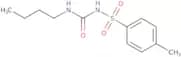
CAS:<p>Tolbutamide is a drug that is used to treat diabetes mellitus type 2. It is an inhibitor of the enzyme glucokinase and thus blocks the phosphorylation of glucose, which prevents its utilization by cells. This results in a decrease of blood glucose levels, which can be useful in the treatment of diabetes mellitus type 2. Tolbutamide has shown potent apoptosis-inducing effects on human breast cancer cells and endothelial cells. These effects are thought to be due to inhibition of protein kinase C (PKC) activity by tolbutamide. Additionally, this drug inhibits insulin secretion from pancreatic beta cells and induces cytochrome P450 enzymes, which may lead to increased metabolism of other drugs.</p>Fórmula:C12H18N2O3SPureza:Min. 95%Peso molecular:270.35 g/molN-Methylbis(trifluoroacetamide)
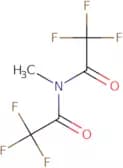
CAS:<p>N-Methylbis(trifluoroacetamide) is a molecule that is used in the preparation of an analytical method. This molecule reacts with human serum and urine to produce a reaction solution. The matrix effect can be seen in metabolic disorders, such as the case of creatine kinase which is not affected by the derivatization. N-Methylbis(trifluoroacetamide) is also used to prepare samples for solid phase microextraction with basic structures that are amines.</p>Fórmula:C5H3F6NO2Pureza:Min. 95%Forma y color:Clear LiquidPeso molecular:223.07 g/mol4-Nitrobenzamide
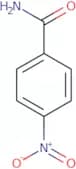
CAS:<p>4-Nitrobenzamide is a chemical substance that belongs to the class of nitrobenzamides. It is used as an intermediate in the synthesis of other substances, such as pharmaceuticals, herbicides, and pesticides. 4-Nitrobenzamide was first synthesized in 1894 by hydrogenating nitrobenzoic acid with hydrogen chloride in the presence of phosphorus pentachloride. The reaction vessel for this process should be made of glass or porcelain due to the corrosive nature of hydrogen chloride gas. The kinetics for this reaction were studied using concentration-response curves on rats and mice at different concentrations. Acute toxicities observed include respiratory distress and death in rats and convulsions and death in mice.<br>4-Nitrobenzamide is also toxic to bacteria, which can be seen by its effect on Staphylococcus aureus (strain ATCC 25923). This strain had a 50% survival rate after exposure</p>Fórmula:C7H6N2O3Pureza:Min 98%Forma y color:Yellow PowderPeso molecular:166.13 g/mol13,4-diaza-5-(tert-butyl)-2-hydroxy-7-oxotricyclo[6.4.0.0<2,6>]dodeca-1(8),4,9,11-tetraene-3-carboxamide
CAS:<p>Please enquire for more information about 13,4-diaza-5-(tert-butyl)-2-hydroxy-7-oxotricyclo[6.4.0.0<2,6>]dodeca-1(8),4,9,11-tetraene-3-carboxamide including the price, delivery time and more detailed product information at the technical inquiry form on this page</p>Pureza:Min. 95%N-Cyclohexyl-2-benzothiazolylsulfenamide
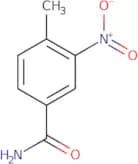
CAS:<p>N-Cyclohexyl-2-benzothiazolylsulfenamide is a cross-linking agent that is used in the production of polymeric matrices. It is a multi-walled carbon molecule with an aromatic hydrocarbon cross-linker. N-Cyclohexyl-2-benzothiazolylsulfenamide reacts with fatty acids to form cationic surfactants, which can be used as antimicrobial agents. The reaction mechanism for this type of chemical reaction has been studied under constant pressure conditions and it was found that sulfur transfer occurs in the first step, followed by activation energies for the second and third steps. The diameter of the product depends on the degree of polymerization (DP).</p>Fórmula:C13H16N2S2Pureza:Min. 95%Forma y color:PowderPeso molecular:264.41 g/mol4-Methyl-3-nitrobenzamide
CAS:<p>4-Methyl-3-nitrobenzamide is a nitrile that can be synthesized by the reaction of potassium hydroxide and 3-nitrobenzamide. It has been shown to react with dichloroethane to form 4-methyl-3-nitrobenzoic acid. The optimum temperature for this reaction is 120°C, which leads to a high yield of 4-methyl-3-nitrobenzamide. This product is also available in an isotopic form at high purity.</p>Fórmula:C8H8N2O3Pureza:Min. 95%Forma y color:PowderPeso molecular:180.16 g/mol1-Adamantylcyanamide
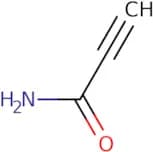
CAS:<p>1-Adamantylcyanamide is a trimethyl triazine that has been shown to be a blocker of glutamate receptors. It has been studied in animal models of schizophrenia and depression, where it showed potential as an antipsychotic and antidepressant. 1-Adamantylcyanamide blocks the NMDA receptor in the brain by binding to the glycine site. This prevents the passage of chloride ion into the cell and causes hyperpolarization of the membrane, which may lead to inhibition of neuronal activity. It also inhibits the acid catalyst introduced into tuberculosis cells, which can prevent their growth. 1-Adamantylcyanamide can also be used to form trimers with other molecules, such as cyanuric acid or 3-indoxyl-beta-D-galactopyranoside, respectively.</p>Fórmula:C11H16N2Pureza:Min. 95%Peso molecular:176.26 g/molPropiolamide
CAS:<p>Propiolamide is a sulfoxide-substituted diphenyl compound that inhibits the growth of cancer cells. It is an irreversible inhibitor of the enzyme, protein kinase C, which has been shown to be involved in the regulation of cell proliferation and differentiation. Propiolamide also inhibits the production of estrone sulfate by inhibiting mitochondrial superoxide production. The hydrochloric acid-catalyzed reaction solution can be prepared using anhydrous sodium as a reducing agent and chemical stability can be achieved by using palladium as a catalyst.</p>Fórmula:C3H3NOPureza:Min. 96 Area-%Forma y color:PowderPeso molecular:69.06 g/molN-[3-(3-Dimethylamino-1-oxo-2-propenyl)phenyl]-N-ethylacetamide
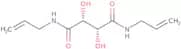
CAS:<p>N-[3-(3-Dimethylamino-1-oxo-2-propenyl)phenyl]-N-ethylacetamide is a high quality, complex compound that is useful as a reagent, intermediate, and building block. The CAS number for this product is 96605-66-2. This product has shown to have use in the synthesis of fine chemicals and research chemicals. It is a versatile building block that can be used as a reaction component.</p>Fórmula:C15H20N2O2Pureza:Min. 95%Forma y color:PowderPeso molecular:260.33 g/molN,N'-Diallyl-L-tartardiamide
CAS:<p>N,N'-Diallyl-L-tartardiamide is a heparin-like molecule with the ability to bind calcium. It has been shown to be an effective inhibitor of antibody response in mice and can also inhibit periodate treatment of primary amino groups. N,N'-Diallyl-L-tartardiamide has a high degree of solubility in water and is soluble in organic solvents as well. It can be crosslinked to form polymeric matrices that are suitable for use in size-exclusion chromatography. N,N'-Diallyl-L-tartardiamide can also be used as a cross linking agent for agarose gels and gel matrices.</p>Fórmula:C10H16N2O4Pureza:Min. 95%Forma y color:White PowderPeso molecular:228.25 g/molN-(4-Acetylphenyl)-2-chloropropanamide
CAS:<p>Please enquire for more information about N-(4-Acetylphenyl)-2-chloropropanamide including the price, delivery time and more detailed product information at the technical inquiry form on this page</p>Fórmula:C11H12ClNO2Pureza:Min. 95%Peso molecular:225.67 g/molN-Benzyl Hexadecanamide
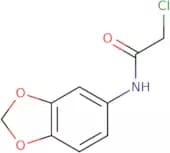
CAS:<p>N-Benzyl Hexadecanamide is a long-chain amide that is used in analytical chemistry as a sample preparation agent and to extract fatty acids from biological samples. It has been shown to have neuroprotective properties by reducing the uptake of glutamate and preventing neuronal cell death. N-Benzyl Hexadecanamide has also been found to prevent tumor growth and induce apoptosis in human cancer cells, which may be due to its ability to inhibit creatine kinase activity. This compound has also been shown to have anti-inflammatory effects, which are mediated through the inhibition of the activation of nuclear factor kappa B (NF-κB).</p>Fórmula:C23H39NOPureza:Min. 98 Area-%Forma y color:PowderPeso molecular:345.56 g/molN-1,3-Benzodioxol-5-yl-2-chloroacetamide
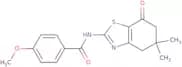
CAS:Please enquire for more information about N-1,3-Benzodioxol-5-yl-2-chloroacetamide including the price, delivery time and more detailed product information at the technical inquiry form on this pageFórmula:C9H8ClNO3Pureza:Min. 95%Peso molecular:213.62 g/molN-(5,5-dimethyl-7-oxo(4,5,6-trihydrobenzothiazol-2-yl))(4-methoxyphenyl)formamide
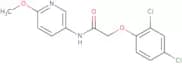
CAS:<p>Please enquire for more information about N-(5,5-dimethyl-7-oxo(4,5,6-trihydrobenzothiazol-2-yl))(4-methoxyphenyl)formamide including the price, delivery time and more detailed product information at the technical inquiry form on this page</p>Pureza:Min. 95%2-(2,4-dichlorophenoxy)-N-(6-methoxy(3-pyridyl))ethanamide
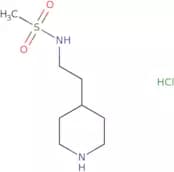
CAS:<p>Please enquire for more information about 2-(2,4-dichlorophenoxy)-N-(6-methoxy(3-pyridyl))ethanamide including the price, delivery time and more detailed product information at the technical inquiry form on this page</p>Pureza:Min. 95%N-(2-Piperidin-4-ylethyl)methanesulfonamide hydrochloride
CAS:<p>N-(2-Piperidin-4-ylethyl)methanesulfonamide hydrochloride (MSM) is a fine chemical that belongs to the group of useful scaffolds. It is used as a versatile building block in research and can be used as a reaction component for speciality chemicals. The compound has high quality and can be used as a reagent, which is an important tool for organic synthesis.</p>Fórmula:C8H18N2O2S·HClPureza:Min. 95%Forma y color:SolidPeso molecular:242.77 g/mol4-Amino-5-chloro-2,3-dihydro-N-[1-(3-methoxypropyl)-4-piperidinyl]-7-benzofurancarboxamide
CAS:<p>The drug 4-Amino-5-chloro-2,3-dihydro-N-[1-(3-methoxypropyl)-4-piperidinyl]-7-benzofurancarboxamide (BZP) is a histamine H2 receptor antagonist. It binds to the histamine H2 receptor in the stomach and duodenum, thereby blocking stomach acid production. BZP has been shown to be effective for treating symptoms of constipation or diarrhoea caused by inflammatory bowel disease or abdominal surgery. BZP also reduces the risk of relapse after surgery but does not affect long term efficacy. This drug is not available in the United States and has significant interactions with other drugs and symptoms including constipation, bowel disease, long term efficacy, and analytical method.</p>Fórmula:C18H26ClN3O3Pureza:Min. 95%Forma y color:White PowderPeso molecular:367.87 g/molNilutamide
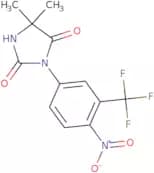
CAS:<p>Nonsteroidal androgen receptor antagonist</p>Fórmula:C12H10F3N3O4Pureza:Min. 95%Forma y color:PowderPeso molecular:317.22 g/molN-[2-Iodoethyl]trifluoroacetamide
CAS:<p>N-[2-Iodoethyl]trifluoroacetamide is a reactive alkylating agent that is used in the synthesis of biologically active molecules. It reacts with lysines, tryptic and other amino acids to form covalent bonds, which can be cleaved by hydrolysis. The compound also reacts with sulfhydryl groups to produce sulfonium ions, which react with the thiol group at position C6 on the sarcoplasmic reticulum Ca2+ -ATPase to inhibit muscle contraction. N-[2-Iodoethyl]trifluoroacetamide has been shown to cause allergic reactions in rats, mice, and guinea pigs. This drug has also been observed to have an effect on the central nervous system when administered at high doses.</p>Fórmula:C4H5NOIF3Pureza:Min. 95%Forma y color:PowderPeso molecular:266.99 g/mol2-Chloro-N-(2-nitrophenyl)acetamide
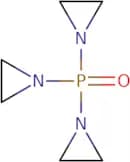
CAS:<p>2-Chloro-N-(2-nitrophenyl)acetamide is an antimicrobial agent that is a ligand for thionyl chloride. It has efficient methods of production and can be used as a bioactive molecule in the synthesis of aminosulfonyl chlorides, amide chlorides, or transfer chlorides. This compound reacts with gram-negative bacteria by hydrolyzing chloride ions to produce nitrosyl chloride and releasing hydrogen gas. The reaction time and functional groups are determined by the parameters chosen for the reaction. 2-Chloro-N-(2-nitrophenyl)acetamide has luminescence properties that can be exploited to detect the presence of chloride ions at low concentrations.</p>Fórmula:C8H7ClN2O3Pureza:Min. 95%Peso molecular:214.61 g/molTriethylenephosphoramide
CAS:<p>Triethylenephosphoramide (TEP) is a model system for studying the reaction mechanism of the enzyme phosphotriesterase. TEP has been used in reactions with water vapor, which causes the release of hydrogen chloride. The reaction solution is analyzed by mass spectrometry to determine the reaction products. TEP has also been shown to inhibit nitrite ion-dependent enzymes such as nitrate reductase and aminopeptidase N. TEP reacts with fluorescence probes that have been modified with response elements to detect the binding of these probes to DNA and RNA. This helps researchers identify the location of TEP in proteins and nucleic acids.</p>Fórmula:C6H12N3OPPureza:Min. 95%Forma y color:PowderPeso molecular:173.15 g/mol2-(Cyclobutanecarboxamido)-2-methylpropanoic acid
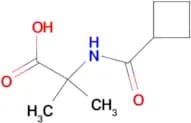
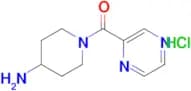
CAS:Fórmula:C9H15NO3Pureza:97%Peso molecular:185.223(4-Aminopiperidin-1-yl)(pyrazin-2-yl)methanone hydrochloride
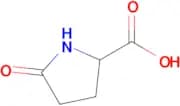
CAS:Pureza:98%Peso molecular:242.71000675-Oxopyrrolidine-2-carboxylic acid
CAS:Fórmula:C5H7NO3Pureza:98%Forma y color:SolidPeso molecular:129.1156-CHLORO-2-METHYL-2H-BENZO[B][1,4]OXAZIN-3(4H)-ONE
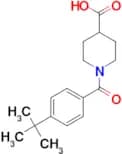
CAS:Fórmula:C9H8ClNO2Pureza:97%Peso molecular:197.621-(4-tert-butylbenzoyl)piperidine-4-carboxylic acid
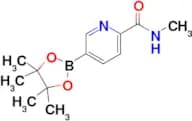
CAS:Fórmula:C17H23NO3Pureza:95%Peso molecular:289.375N-Methyl-5-(4,4,5,5-tetramethyl-1,3,2-dioxaborolan-2-yl)picolinamide
CAS:Fórmula:C13H19BN2O3Pureza:95%Forma y color:SolidPeso molecular:262.125-Amino-2-methylisoindolin-1-one
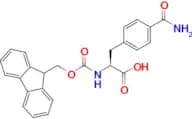
CAS:Fórmula:C9H10N2OPureza:97%Forma y color:SolidPeso molecular:162.192(S)-2-((((9H-Fluoren-9-yl)methoxy)carbonyl)amino)-3-(4-carbamoylphenyl)propanoic acid
CAS:Pureza:97%Peso molecular:430.45999156,7-DIHYDROPYRAZOLO[1,5-A]PYRAZIN-4(5H)-ONE
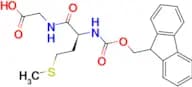
CAS:Fórmula:C6H7N3OPureza:98%Forma y color:SolidPeso molecular:137.142Glycine, N-[N-[(9H-fluoren-9-ylmethoxy)carbonyl]-L-valyl]-
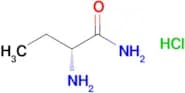
CAS:Pureza:98%Forma y color:SolidPeso molecular:396.4429932(R)-2-Aminobutanamide hydrochloride
CAS:Fórmula:C4H11ClN2OPureza:95%Forma y color:SolidPeso molecular:138.6N-(5-Amino-2-methylphenyl)acetamide
CAS:Fórmula:C9H12N2OPureza:98%Forma y color:SolidPeso molecular:164.2082-methyltetrahydro-2H-pyrazino[1,2-a]pyrazine-1,4(3H,6H)-dione
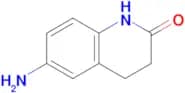
CAS:Fórmula:C8H13N3O2Pureza:97%Peso molecular:183.2116-Amino-3,4-dihydroquinolin-2(1H)-one
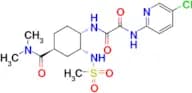
CAS:Fórmula:C9H10N2OPureza:95%Forma y color:SolidPeso molecular:162.192N1-(5-Chloropyridin-2-yl)-N2-((1S,2R,4S)-4-(dimethylcarbamoyl)-2-(methylsulfonamido)cyclohexyl)oxalamide (Edoxaban Impurity)
Pureza:98%Peso molecular:445.92

![2-Hydroxy-N,N,N-trimethylethanaminium salt with 1,1,1-trifluoro-N-[(trifluoromethyl)sulfonyl]metha…](/_next/image/?url=https%3A%2Fstatic.cymitquimica.com%2Fproducts%2F3D%2Fthumb-webp%2FFH103048.webp&w=3840&q=75)





![13,4-diaza-5-(tert-butyl)-2-hydroxy-7-oxotricyclo[6.4.0.0<2,6>]dodeca-1(8),4,9,11-tetraene-3-carbo…](/_next/image/?url=https%3A%2Fstatic.cymitquimica.com%2Fproducts%2F3D%2Fthumb-webp%2FFD169872.webp&w=3840&q=75)


![N-[3-(3-Dimethylamino-1-oxo-2-propenyl)phenyl]-N-ethylacetamide](/_next/image/?url=https%3A%2Fstatic.cymitquimica.com%2Fproducts%2F3D%2Fthumb-webp%2FFD70834.webp&w=3840&q=75)


![4-Amino-5-chloro-2,3-dihydro-N-[1-(3-methoxypropyl)-4-piperidinyl]-7-benzofurancarboxamide](/_next/image/?url=https%3A%2Fstatic.cymitquimica.com%2Fproducts%2F3D%2Fthumb-webp%2FFA27248.webp&w=3840&q=75)
![N-[2-Iodoethyl]trifluoroacetamide](/_next/image/?url=https%3A%2Fstatic.cymitquimica.com%2Fproducts%2F3D%2Fthumb-webp%2FFI52744.webp&w=3840&q=75)


![6-CHLORO-2-METHYL-2H-BENZO[B][1,4]OXAZIN-3(4H)-ONE](/_next/image/?url=https%3A%2Fstatic.cymitquimica.com%2Fproducts%2F10%2Fthumb-webp%2FF471335.webp&w=3840&q=75)




![6,7-DIHYDROPYRAZOLO[1,5-A]PYRAZIN-4(5H)-ONE](/_next/image/?url=https%3A%2Fstatic.cymitquimica.com%2Fproducts%2F10%2Fthumb-webp%2FF513741.webp&w=3840&q=75)
![Glycine, N-[N-[(9H-fluoren-9-ylmethoxy)carbonyl]-L-valyl]-](/_next/image/?url=https%3A%2Fstatic.cymitquimica.com%2Fproducts%2F10%2Fthumb-webp%2FF863140.webp&w=3840&q=75)

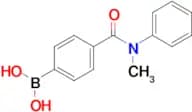
![6-Bromo-5-methyl-2H-benzo[b][1,4]oxazin-3(4H)-one](/_next/image/?url=https%3A%2Fstatic.cymitquimica.com%2Fproducts%2F10%2Fthumb-webp%2FF626805.webp&w=3840&q=75)
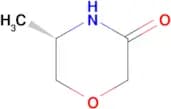
![2-methyltetrahydro-2H-pyrazino[1,2-a]pyrazine-1,4(3H,6H)-dione](/_next/image/?url=https%3A%2Fstatic.cymitquimica.com%2Fproducts%2F10%2Fthumb-webp%2FF312335.webp&w=3840&q=75)