


Amidas
Se han encontrado 16483 productos de "Amidas"
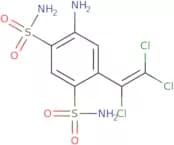
Clorsulon
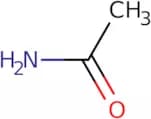
CAS:Clorsulon is an anthelmintic drug that belongs to the group of benzimidazoles. It is used in veterinary medicine to treat nematode and cestode infections, as well as tapeworm infections. Clorsulon is a dispersive solid-phase extraction (DSPE) extractant that can be used for the separation of drugs and their metabolites from biological fluids. The chemical stability of clorsulon was assessed by exposing it to various solvents and pHs. Clorsulon was found to be stable in acetate, benzene, chloroform, ethyl acetate, ethanol, methanol, and water at pH 1-14 and a variety of temperatures ranging from -20 ˚C to 50 ˚C. No significant loss or degradation occurred after exposure to these conditions for up to 24 hours.Fórmula:C8H8Cl3N3O4S2Pureza:(Hplc) Min. 98.0%Forma y color:PowderPeso molecular:380.66 g/molAcetamide
CAS:Acetamide is an acyclic nucleoside phosphonate with a basic structure. Acetamide is metabolized to the corresponding ester hydrochloride, which has been shown to inhibit the polymerase chain reaction. This inhibition may be due to the effector proteins that are inactivated by acetamide, or it could be due to radiation-induced changes in the amide bond of the enzyme. Acetamide and its ester hydrochloride have been shown to inhibit skin cancer cells and carcinoma cell lines.Fórmula:C2H5NOForma y color:Colorless Clear LiquidPeso molecular:59.07 g/mol3-[(Aminocarbonyl)amino]-5-[4-(morpholin-4-ylmethyl)phenyl]thiophene-2-carboxamide
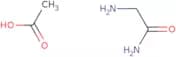
CAS:3-[(Aminocarbonyl)amino]-5-[4-(morpholin-4-ylmethyl)phenyl]thiophene-2-carboxamide is a chemical inhibitor that inhibits the activity of kinases. It has been shown to be cytotoxic against cancer cells and to induce apoptosis through a number of different mechanisms. 3-[(Aminocarbonyl)amino]-5-[4-(morpholin-4-ylmethyl)phenyl]thiophene-2-carboxamide binds to DNA and induces DNA repair, which can lead to cell death. This drug also has an anti-inflammatory effect, which may be due to its ability to inhibit pro-inflammatory cytokines such as TNFα and IL1β.Fórmula:C17H20N4O3SPureza:Min. 95%Forma y color:PowderPeso molecular:360.43 g/molGlycine amide acetate
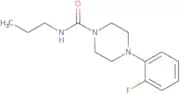
CAS:Producto controladoGlycine amide acetate is a product that contains an imine group. It has been shown to have staining properties when applied to human keratin and is used in the cosmetic industry as a depigmenting agent. Glycine amide acetate has been shown to be effective in the treatment of depression, although it is not yet approved for this use. The molecule also contains an iridoid compound, which may be responsible for its effects on mood.Fórmula:C2H6N2O•C2H4O2Pureza:Min. 95%Forma y color:PowderPeso molecular:134.13 g/mol(4-(2-Fluorophenyl)piperazinyl)-N-propylformamide
CAS:Producto controladoPlease enquire for more information about (4-(2-Fluorophenyl)piperazinyl)-N-propylformamide including the price, delivery time and more detailed product information at the technical inquiry form on this page
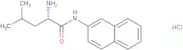
Fórmula:C14H20FN3OPureza:Min. 95%Forma y color:PowderPeso molecular:265.33 g/molL-Leucine b-naphthylamide hydrochloride
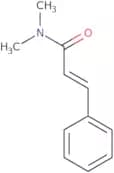
CAS:Please enquire for more information about L-Leucine b-naphthylamide hydrochloride including the price, delivery time and more detailed product information at the technical inquiry form on this pageFórmula:C16H20N2O·HClPureza:Min. 95%Forma y color:PowderPeso molecular:292.8 g/mol(2E)-N,N-Dimethyl-3-phenylprop-2-enamide
CAS:2,2-diphenyl-N,N-dimethylpropeneamide (DPPA) is a disulfide compound that has photolytic, thermolytic and modelling properties. DPPA can be used to produce alkylcobalt complexes with various substituents at the α position of the phenyl ring. The lactam structure of DPPA has been shown to undergo thermolysis at temperatures of 250°C in a vacuum. Cinnamic acids have been shown to form lactams with DPPA as well as cinnamic acid derivatives. Molecular modelling studies have been conducted on 2,2-diphenyl-N,N-dimethylpropeneamide and its molecular interactions with styrene and amido groups.Fórmula:C11H13NOPureza:Min. 95%Forma y color:PowderPeso molecular:175.23 g/molPicotamide
CAS:Picotamide is a drug that belongs to the class of drugs that inhibit platelet aggregation. This drug is used in the treatment of coronary artery disease and other cardiovascular diseases. Picotamide has been shown to have pharmacological effects on the heart, such as lowering blood pressure and reducing heart rate. It also has a covalent linkage with proteins, which may be due to its ability to activate receptors for biological properties like cell proliferation or differentiation. Picotamide has been shown to prevent infectious diseases, such as septicemia, by inhibiting bacterial growth. The chemical stability of picotamide makes it an attractive candidate for use in gene therapy because it can be stored at room temperature without losing its activity.Fórmula:C21H20N4O3Pureza:Min. 95%Forma y color:PowderPeso molecular:376.41 g/mol(+/-)-tert-Butylsulphonamide
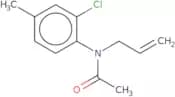
CAS:(+/-)-tert-Butylsulphonamide is a synthetic molecule that is a functional group with two aryl halides. It has been shown to inhibit the mitochondrial protein synthesis by preventing the nitrosylation of tyrosine residues in proteins. This inhibition prevents the production of growth factors and other bioactive molecules, leading to an increase in the cell's sensitivity to genotoxic agents. (+/-)-tert-Butylsulphonamide has also been shown to inhibit viral replication and infectivity by targeting viral RNA polymerase, which is responsible for viral transcription. The chloride anion present in (+/-)-tert-butylsulphonamide may have an inhibitory effect on viruses with a low pH environment, such as naphthalene or carbonic acid; however, it does not affect viruses with a neutral pH.END>Fórmula:C4H11NO2SPureza:Min. 95%Forma y color:White PowderPeso molecular:137.2 g/molN-Allyl-n-(4-cyano-2-chlorophenyl)acetamide
CAS:N-Allyl-N-(4-cyano-2-chlorophenyl)acetamide is a high quality reagent that has been used as an intermediate in the synthesis of fine chemicals, useful scaffolds and building blocks. It is also a versatile building block that can be used to synthesize high quality compounds with a wide range of functionalities. N-Allyl-N-(4-cyano-2-chlorophenyl)acetamide is a speciality chemical that can be used for research purposes. This compound has been shown to produce reactions with other compounds, such as nitrobenzene, to generate useful products.
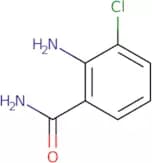
Fórmula:C12H11ClN2OPureza:Min. 95%Peso molecular:234.68 g/mol2-Amino-3-chlorobenzamide
CAS:This compound is a benzamide derivative that is oxidized by nature. It has been shown to undergo ring-opening in the presence of reducing agents, such as sodium borohydride, and yields 2-amino-4-chlorobenzaldehyde. This reaction system uses an efficient catalyst such as manganese dioxide to help speed up the rate of this reaction. The product of this reaction is then converted into a variety of isatins depending on the conditions used.Fórmula:C7H7ClN2OPureza:Min. 95%Forma y color:Off-White PowderPeso molecular:170.6 g/mol2-(Methylthio)acetamide
CAS:Methylthioacetic acid is a weak organic acid that is used as an ophthalmic drug. When methylthioacetic acid is activated, intramolecular hydrogen bonds form between the methylthiosulfonate ion and the nitrate ion. This process requires spin resonance to take place, which can be explained by the functional theory of kinetics. The reaction of methylthioacetic acid with nitrate ions to form methylthiosulfonate ions has been shown to be rapid and reversible in both dry weight and wet weight experiments. The alkylation of methylthioacetic acid with ethyl bromoacetate has been shown to produce thermochemically stable imine and phosphate ions.Fórmula:C3H7NOSPureza:Min. 95%Forma y color:PowderPeso molecular:105.16 g/molNilutamide
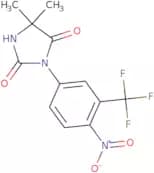
CAS:Nonsteroidal androgen receptor antagonist
Fórmula:C12H10F3N3O4Pureza:Min. 95%Forma y color:PowderPeso molecular:317.22 g/molN,N'-Dimethyl benzamide
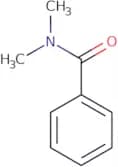
CAS:N,N'-Dimethyl benzamide (DMAB) is an aryl halide that reacts with hydrogen to form the corresponding carbonyl group. The reaction solution of DMAB and hydrogen gas produces a chemical structure that resembles a hydrogen bond. DMAB has been shown to have anti-inflammatory effects in animals with inflammatory diseases. It has also been studied for its ability to inhibit the formation of amyloid plaque, which is associated with Alzheimer's disease. In addition, DMAB has been shown to have therapeutic effects against boron nitride and amides. The crystal structure of DMAB can be found in both crystalline polymorphs: monoclinic and triclinic. The triclinic form is stable at room temperature and pressure, while the monoclinic form is only stable at higher temperatures. The monoclinic form is more soluble than the triclinic form, as it contains fewer hydrogen bonds betweenFórmula:C9H11NOPureza:Min. 95%Forma y color:White PowderPeso molecular:149.19 g/mol2-Amino-N-[2-(5-methoxy-1H-indol-3-yl)ethyl]acetamide hydrochloride
CAS:2-Amino-N-[2-(5-methoxy-1H-indol-3-yl)ethyl]acetamide hydrochloride is a magnetic compound that has been shown to be an effective cancer antigen. It is a derivative of the amino acid sequence of α,β-unsaturated fatty acids and can be used as a dietary supplement. 2-Amino-N-[2-(5-methoxy-1H-indol-3-yl)ethyl]acetamide hydrochloride has been shown to bind to fatty acid receptors on the surface of antigen presenting cells (APCs). It also activates the immune system by activating APCs, which leads to the production of cytokines and chemokines. This compound has also been shown to stimulate T cells in culture, leading to activation and proliferation of tumor cells.Fórmula:C13H17N3O2·HClPureza:Min. 95%Forma y color:PowderPeso molecular:283.75 g/molHydroxy flutamide
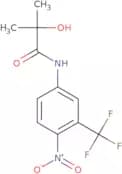
CAS:Hydroxyflutamide is an anti-androgen drug that belongs to the group of nonsteroidal anti-androgens. It has been shown to bind to the androgen receptor with high affinity and inhibit the growth of cancer cells in vitro. Hydroxyflutamide also has a strong antitumor response in vivo, which is due to its ability to inhibit cellular proliferation by binding to DNA polymerase during replication. The drug may also have some activity as an antineoplastic agent because it inhibits the growth of prostate cancer cells. However, hydroxyflutamide has never been tested on humans or animals, so its effects are unknown.
Fórmula:C11H11F3N2O4Pureza:Min. 98 Area-%Forma y color:Yellow PowderPeso molecular:292.21 g/molDL-Leucine amide hydrochloride
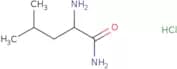
CAS:DL-Leucine amide hydrochloride is a fine chemical that can be used as a building block for research chemicals, as a reagent for the preparation of other compounds, and as a speciality chemical. DL-Leucine amide hydrochloride has been shown to be effective in the synthesis of complex compounds. The compound is also versatile and can be used as an intermediate or scaffold in the synthesis of other compounds. DL-Leucine amide hydrochloride is useful in reactions such as condensation, substitution, elimination, and Grignard reactions. It is also used in peptide synthesis and polymerization reactions.Fórmula:C6H14N2O·HClPureza:Min. 95%Peso molecular:166.65 g/molBenzoyl-L-tyrosine amide
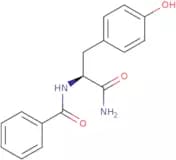
CAS:Benzoyl-L-tyrosine amide is a reaction intermediate that is a competitive inhibitor of serine proteases. It binds to the active site of the enzyme and inhibits the breakdown of proteins by blocking the access of other reactants. Benzoyl-L-tyrosine amide has been shown to inhibit proteolytic activity in subtilis, an enzyme isolated from Bacillus licheniformis. The amino acid composition and binding properties are similar to those found in natural substrates. Benzoyl-L-tyrosine amide has been synthesized and its binding affinity towards histidine residues has been determined by titration calorimetry and fluorophosphate assay.Fórmula:C16H16N2O3Pureza:Min. 95%Forma y color:PowderPeso molecular:284.31 g/mol(3-(2,6-dichlorophenyl)-5-methylisoxazol-4-yl)-N-benzylformamide
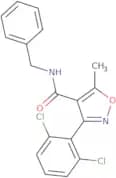
CAS:Please enquire for more information about (3-(2,6-dichlorophenyl)-5-methylisoxazol-4-yl)-N-benzylformamide including the price, delivery time and more detailed product information at the technical inquiry form on this pagePureza:Min. 95%2-Bromo-N-[2-[7-Chloro-5-(2-Fluorophenyl)-2-Oxo-3H-1,4-Benzodiazepin-1-Yl]Ethyl]Acetamide
CAS:Producto controlado2-Bromo-N-[2-[7-Chloro-5-(2-fluorophenyl)-2-oxo-3H-1,4-benzodiazepin-1-yl]ethyl]acetamide is a benzodiazepine derivative that binds to the benzodiazepine receptor and is also a calcium antagonist. It has been used in clinical studies as a chronic treatment for cancer and as an anticonvulsant. 2BBA acts on benzodiazepine receptors to inhibit the release of gamma aminobutyric acid (GABA) by binding to GABA A receptors. This prevents the binding of GABA with these receptors and leads to sedation and muscle relaxation. Flunitrazepam, which is chemically similar to 2BBA, is also used as a sedative and hypnotic drug. 2BBA has affinity constants that are between 50 nM and 100 μM for benzodiazepine binding sites, while itsFórmula:C19H16BrClFN3O2Pureza:Min. 95%Peso molecular:452.7 g/mol

![3-[(Aminocarbonyl)amino]-5-[4-(morpholin-4-ylmethyl)phenyl]thiophene-2-carboxamide](/_next/image/?url=https%3A%2Fstatic.cymitquimica.com%2Fproducts%2F3D%2Fthumb-webp%2FFA18119.webp&w=3840&q=75)



![2-Amino-N-[2-(5-methoxy-1H-indol-3-yl)ethyl]acetamide hydrochloride](/_next/image/?url=https%3A%2Fstatic.cymitquimica.com%2Fproducts%2F3D%2Fthumb-webp%2FFA116384.webp&w=3840&q=75)
![2-Bromo-N-[2-[7-Chloro-5-(2-Fluorophenyl)-2-Oxo-3H-1,4-Benzodiazepin-1-Yl]Ethyl]Acetamide](/_next/image/?url=https%3A%2Fstatic.cymitquimica.com%2Fproducts%2F3D%2Fthumb-webp%2FFB101616.webp&w=3840&q=75)