Amidas
Las amidas son una amplia gama de compuestos químicos que contienen al menos un anillo heterocíclico, el cual posee átomos de al menos dos elementos diferentes en la estructura del anillo, y al menos un grupo amida (-CONH2). Estos compuestos son cruciales en la síntesis de productos farmacéuticos, polímeros y agroquímicos. Las amidas exhiben propiedades y reactividad únicas, lo que las hace valiosos intermediarios en la síntesis orgánica. En CymitQuimica, ofrecemos una selección integral de amidas de alta calidad para apoyar sus necesidades de investigación e industriales.
Se han encontrado 16393 productos de "Amidas"
Ordenar por
Pureza (%)
0
100
|
0
|
50
|
90
|
95
|
100
4-Aminothiobenzamide
CAS:<p>4-Aminothiobenzamide (4ATB) is a chemical compound that is used as an anticancer agent and an antimicrobial agent. It has been shown to have antitumor activity against human liver cancer cells and anticancer activity against human adrenergic receptor-positive lung cancer cells. 4ATB binds to the chloride ion present in the cell membrane, which prevents the influx of chloride ions into the cell. This leads to an increase in intracellular pH and disruption of cellular functions. 4ATB has also been shown to inhibit methicillin-resistant Staphylococcus aureus (MRSA) infections by inhibiting bacterial growth and reducing the production of proteins vital for cell division.</p>Fórmula:C7H8N2SPureza:Min. 95%Forma y color:PowderPeso molecular:152.22 g/mol(3-(2,6-dichlorophenyl)-5-methylisoxazol-4-yl)-N-(2-indol-3-ylethyl)formamide
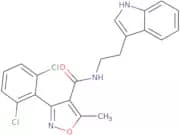
CAS:<p>Please enquire for more information about (3-(2,6-dichlorophenyl)-5-methylisoxazol-4-yl)-N-(2-indol-3-ylethyl)formamide including the price, delivery time and more detailed product information at the technical inquiry form on this page</p>Pureza:Min. 95%Nipecotamide
CAS:<p>Nipecotamide is a water-soluble drug that inhibits the activity of α1-acid glycoprotein, which is a blood protein that regulates the concentration of hydrogen ions in the body. It has been shown to inhibit the growth of amyloid protein and decrease camp levels in erythrocytes. Nipecotamide is used as an inhibitor for infectious diseases, such as leprosy, tuberculosis, and malaria. The chemical structure of nipecotamide contains nitrogen atoms and an amide bond with carbonyl oxygens. It is also an inhibitor binding to hydrochloric acid and hydrogen bonds with amide groups.</p>Fórmula:C6H12N2OPureza:Min. 95%Forma y color:PowderPeso molecular:128.17 g/mol2-Phenyl-2-(2-piperidyl)acetamide
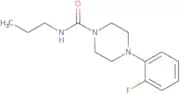
CAS:<p>2-Phenyl-2-(2-piperidyl)acetamide is an enantiomeric amide that can be used as a chiral building block for the synthesis of other organic compounds. It is synthesized by reacting phenylacetic acid with piperidine. 2-Phenyl-2-(2-piperidyl)acetamide is a primary amide and has been shown to have analgesic properties.</p>Fórmula:C13H18N2OPureza:Min. 97 Area-%Forma y color:PowderPeso molecular:218.29 g/mol(4-(2-Fluorophenyl)piperazinyl)-N-propylformamide
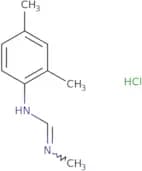
CAS:Producto controlado<p>Please enquire for more information about (4-(2-Fluorophenyl)piperazinyl)-N-propylformamide including the price, delivery time and more detailed product information at the technical inquiry form on this page</p>Fórmula:C14H20FN3OPureza:Min. 95%Forma y color:PowderPeso molecular:265.33 g/molN'-(2,4-Dimethylphenyl)-N-methylformamide hydrochloride
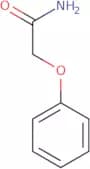
CAS:<p>Bifenthrin is a broad-spectrum, synthetic pyrethroid insecticide that has been used to control pests in the agricultural and residential sectors. It is applied as a spray or dust on plants and animals. Bifenthrin is highly toxic to mammals, with an oral LD50 of less than 10 milligrams per kilogram of body weight in rats and mice. The acute toxicity can be attributed to its ability to inhibit protein synthesis by binding to the cholinesterases, which are found in high concentrations in mammalian tissues.</p>Fórmula:C10H14N2·HClPureza:Min. 95%Forma y color:PowderPeso molecular:198.69 g/mol2-Phenoxyacetamide
CAS:<p>2-Phenoxyacetamide is an acylating agent that reacts with a hydroxyl group by substitution to form an ester or amide. It is used in clinical studies to combat insulin resistance and metabolic disorders, such as cancer, inflammatory bowel disease, and diabetes. 2-Phenoxyacetamide has been shown to be effective against a number of bacterial species, including Pseudomonas aeruginosa and Cryptococcus neoformans. The drug also inhibits the production of monoamine neurotransmitters in the brain and has been shown to have anti-inflammatory properties.</p>Fórmula:C8H9NO2Pureza:Min. 95%Forma y color:PowderPeso molecular:151.16 g/mol2-Amino-N-[2-(5-methoxy-1H-indol-3-yl)ethyl]acetamide hydrochloride
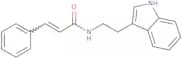
CAS:<p>2-Amino-N-[2-(5-methoxy-1H-indol-3-yl)ethyl]acetamide hydrochloride is a magnetic compound that has been shown to be an effective cancer antigen. It is a derivative of the amino acid sequence of α,β-unsaturated fatty acids and can be used as a dietary supplement. 2-Amino-N-[2-(5-methoxy-1H-indol-3-yl)ethyl]acetamide hydrochloride has been shown to bind to fatty acid receptors on the surface of antigen presenting cells (APCs). It also activates the immune system by activating APCs, which leads to the production of cytokines and chemokines. This compound has also been shown to stimulate T cells in culture, leading to activation and proliferation of tumor cells.</p>Fórmula:C13H17N3O2·HClPureza:Min. 95%Forma y color:PowderPeso molecular:283.75 g/molN-(2-Indol-3-ylethyl)-3-phenylprop-2-enamide
CAS:<p>N-(2-indol-3-ylethyl)-3-phenylprop-2-enamide is a serotonin analog that has been shown to inhibit the production of tryptophan decarboxylase in organisms. This compound has also been shown to be an inhibitor of the biosynthesis of p-coumaric acid, which is involved in the synthesis of lignin, phytoalexins, and other phenolic compounds. N-(2-indol-3-ylethyl)-3-phenylprop-2-enamide may be useful as a fungicide against pyricularia or as an antimicrobial against microbial infections.</p>Fórmula:C19H18N2OPureza:Min. 95%Forma y color:PowderPeso molecular:290.36 g/mol4-Nitrobenzenesulfonamide
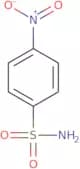
CAS:<p>4-Nitrobenzenesulfonamide is an organic compound that consists of a nitro group, a sulfonamide group, and an amine. It is the active analog of 4-dimethylaminobenzoic acid, which is used as an inhibitor of histamine release in the treatment of allergic reactions. The molecule has been shown to bind to copper ions and triflic acid and has been used as a catalyst for aziridination.</p>Fórmula:C6H6N2O4SPureza:Min. 96 Area-%Forma y color:White PowderPeso molecular:202.19 g/molAcetamide
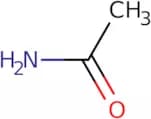
CAS:<p>Acetamide is an acyclic nucleoside phosphonate with a basic structure. Acetamide is metabolized to the corresponding ester hydrochloride, which has been shown to inhibit the polymerase chain reaction. This inhibition may be due to the effector proteins that are inactivated by acetamide, or it could be due to radiation-induced changes in the amide bond of the enzyme. Acetamide and its ester hydrochloride have been shown to inhibit skin cancer cells and carcinoma cell lines.</p>Fórmula:C2H5NOForma y color:Colorless Clear LiquidPeso molecular:59.07 g/mol2-Chloro-N-(3-chloro-4-methylphenyl)propanamide
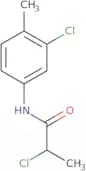
CAS:<p>Please enquire for more information about 2-Chloro-N-(3-chloro-4-methylphenyl)propanamide including the price, delivery time and more detailed product information at the technical inquiry form on this page</p>Fórmula:C10H11Cl2NOPureza:Min. 95%Peso molecular:232.11 g/molN-(2-Indol-3-ylethyl)(4-(trifluoromethoxy)phenyl)formamide
CAS:<p>Please enquire for more information about N-(2-Indol-3-ylethyl)(4-(trifluoromethoxy)phenyl)formamide including the price, delivery time and more detailed product information at the technical inquiry form on this page</p>Fórmula:C18H15F3N2O2Pureza:Min. 95%Forma y color:PowderPeso molecular:348.32 g/molN-(2-(3,4-dimethoxyphenyl)ethyl)(4-(tert-butyl)phenyl)formamide
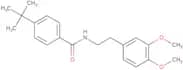
CAS:Producto controlado<p>Please enquire for more information about N-(2-(3,4-dimethoxyphenyl)ethyl)(4-(tert-butyl)phenyl)formamide including the price, delivery time and more detailed product information at the technical inquiry form on this page</p>Pureza:Min. 95%N-(5-Aminopentyl) methotrexate amide
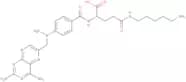
CAS:<p>N-(5-Aminopentyl) methotrexate amide is a fluorescent probe that is used to study the transport of drugs across cell membranes. It binds to the plasma membrane of cells and can be visualized with a fluorescence microscope. N-(5-Aminopentyl) methotrexate amide has been shown to bind to leukemia cells in murine leukemia models. It has a high affinity for drug-resistant cells, which makes it useful for studying drug resistance mechanisms. This probe can be used at nanomolar concentrations for imaging studies, as well as for measuring the uptake of drugs into cancer cells by flow cytometry.</p>Fórmula:C25H34N10O4Pureza:Min. 95%Forma y color:Yellow PowderPeso molecular:538.6 g/mol3-Cyanobenzamide
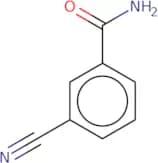
CAS:<p>3-Cyanobenzamide is an organic compound with the formula CHC(N)NH. It is a white crystalline solid that can be obtained by reacting benzamide with cyanoacetylene. There are three possible isomers of 3-cyanobenzamide: 3-cyano-1-(substituted phenyl)benzamide, 3-cyano-2-(substituted phenyl)benzamide, and 3-cyano-3-(substituted phenyl)benzamide. The optimal reaction conditions for the synthesis of 3-cyanobenzamide are in the presence of hydrogen bonding, such as n-hexane, amide, and phase equilibrium. Studies have determined that 3-cyanobenzamide has the potential to cause cancer or liver toxicity in humans. In addition, this chemical has been shown to be an effective inhibitor of alpha glucosidase enzymes in vitro and in vivo.</p>Fórmula:C8H6N2OPureza:Min. 90%Peso molecular:146.15 g/mol4-Amino-N-((2R,3S)-3-amino-2-hydroxy-4-phenylbutyl)-N-ispobutylbenzenesulfonamide
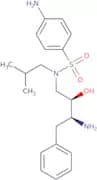
CAS:<p>4-Amino-N-((2R,3S)-3-amino-2-hydroxy-4-phenylbutyl)-N-isobutylbenzenesulfonamide is an amide that is used to treat HIV infections. It has been shown to have potent anti-viral activity against HIV infected cells in the laboratory and can inhibit the replication of HIV by interfering with the virus's ability to use the reverse transcriptase enzyme. 4ABAB has been shown to bind to the enzyme ribonuclease H (crth2), which is responsible for breaking down viral RNA. This binding prevents crth2 from cleaving viral RNA, thus inhibiting DNA synthesis and preventing cell death. 4ABAB also interferes with a hydrogen bond between ethyl group and the hydroxyl group on crth2, leading to a decrease in activity.</p>Fórmula:C20H29N3O3SPureza:Min. 95%Forma y color:White PowderPeso molecular:391.53 g/mol2-Phenyl-N-(phenylsulfonyl)acetamide
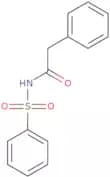
CAS:<p>2-Phenyl-N-(phenylsulfonyl)acetamide is a fine chemical, useful intermediate and research chemicals. It has a CAS number of 92200-24-3. This compound can be used as a versatile building block in the synthesis of complex compounds with high quality and purity. 2-Phenyl-N-(phenylsulfonyl)acetamide can also be used as a reaction component in the synthesis of speciality chemicals or as a reagent.</p>Fórmula:C14H13NO3SPeso molecular:275.33 g/mol2-Chloro-N-(2-nitrophenyl)acetamide
CAS:<p>2-Chloro-N-(2-nitrophenyl)acetamide is an antimicrobial agent that is a ligand for thionyl chloride. It has efficient methods of production and can be used as a bioactive molecule in the synthesis of aminosulfonyl chlorides, amide chlorides, or transfer chlorides. This compound reacts with gram-negative bacteria by hydrolyzing chloride ions to produce nitrosyl chloride and releasing hydrogen gas. The reaction time and functional groups are determined by the parameters chosen for the reaction. 2-Chloro-N-(2-nitrophenyl)acetamide has luminescence properties that can be exploited to detect the presence of chloride ions at low concentrations.</p>Fórmula:C8H7ClN2O3Pureza:Min. 95%Peso molecular:214.61 g/molNilutamide
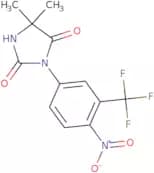
CAS:<p>Nonsteroidal androgen receptor antagonist</p>Fórmula:C12H10F3N3O4Pureza:Min. 95%Forma y color:PowderPeso molecular:317.22 g/mol2-Chloro-N-(3,5-dichlorophenyl)acetamide
CAS:<p>2-Chloro-N-(3,5-dichlorophenyl)acetamide is a stabilized, crystalline compound. It has a planar structure with an amide bond and hydrogen bonds. The 2-chloro group is bonded to the nitrogen atom of the acetamide group. The 3,5-dichlorophenyl group is bonded to the carbon atom of the acetamide group. The chlorine atoms are in a planar configuration with adjacent chlorine atoms forming a skeletal arrangement. This chemical is used as an intermediate for other compounds.</p>Fórmula:C8H6Cl3NOPureza:Min. 95%Peso molecular:238.5 g/mol2-Chloro-5-nitrobenzene sulfonamide
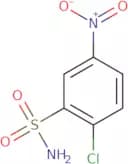
CAS:<p>2-Chloro-5-nitrobenzene sulfonamide (2CNS) is a glycol ether that has been shown to inhibit the activity of carbonic anhydrase. It has been shown to be a competitive inhibitor of the enzyme, and can be used as a lead compound for developing new drugs. 2CNS has been shown to inhibit an anhydrase that is found in bacteria, such as Streptococcus pneumoniae, Haemophilus influenzae, and Staphylococcus aureus. This inhibition causes increased levels of hydrogen ions in the bacterial environment, which leads to the acidification of their surroundings. 2CNS also inhibits chloride ion uptake in these bacteria.<br>2CNS's pharmacophore includes two aromatic hydrocarbon rings with at least one hydrogen bond acceptor group on each ring. This pharmacophore is responsible for its inhibition of carbonic anhydrase and chloride ion binding site.</p>Fórmula:C6H5ClN2O4SPureza:Min. 97 Area-%Forma y color:White Off-White PowderPeso molecular:236.63 g/molN-Benzylbenzamide
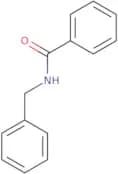
CAS:<p>N-Benzylbenzamide is a molecule that contains an amide group, which is considered to be a hydrogen bond acceptor. The amine group of this compound can also act as a hydrogen bond donor. It has been shown to inhibit the activity of tyrosinase, which is an enzyme responsible for the production of melanin in melanocytes. N-Benzylbenzamide has been shown to have a molecular mechanism similar to that of hydroquinone and other phenolic compounds. In addition, it has been found to decrease microvessel density and inhibit the growth of cancer cells in vitro. This compound is not yet approved for use as a drug but may be used in future research studies as an alternative treatment for cancer.</p>Fórmula:C14H13NOPureza:Min. 95%Forma y color:White PowderPeso molecular:211.26 g/molN-(2-(3,4-dimethoxyphenyl)ethyl)-2-chloropropanamide
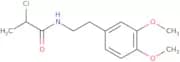
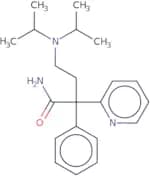
CAS:<p>Please enquire for more information about N-(2-(3,4-dimethoxyphenyl)ethyl)-2-chloropropanamide including the price, delivery time and more detailed product information at the technical inquiry form on this page</p>Pureza:Min. 95%Disopyramid
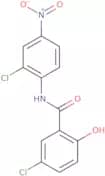
CAS:Producto controlado<p>a-[2-(Diisopropylamino)ethyl]-a-phenyl-2-pyridineacetamide is a hydrogen bond donor. It has been shown to have cytotoxicity in vitro, with parameters that can be used for accurate prediction of descriptors. These descriptors are informative and insightful, which can be used for regression analyses and linear regression methods. The pharmacokinetic properties of a-[2-(Diisopropylamino)ethyl]-a-phenyl-2-pyridineacetamide have been studied in humans and have shown linearity between dose and plasma concentration.</p>Fórmula:C21H29N3OForma y color:White PowderPeso molecular:339.47 g/molNiclosamide
CAS:<p>Chemically a chlorinated salicylanilide, niclosamide is clinically used as an anthelmintic agent. The action of niclosamide has been proven to proceed by inhibiting the STAT3 signaling pathway. Recently, niclosamide, has been considered as an antiproliferative agent in cancer treatment, e.g. melanoma and colorectal cancer. In 2021, niclosamide has been tested for the treatment of COVID-19 patients.</p>Fórmula:C13H8Cl2N2O4Pureza:Min. 98 Area-%Forma y color:Off-White PowderPeso molecular:327.12 g/mol2,2'-(Diazene-1,2-diyl)bis(2-methylpropanimidamide) dihydrochloride
CAS:<p>2,2'-(Diazene-1,2-diyl)bis(2-methylpropanimidamide) dihydrochloride (BPDC) is a synthetic compound that is used as an analytical reagent and a model system for oxidative injury. It has significant cytotoxicity on human cells in cell culture. BPDC induces oxidative damage to proteins and DNA by increasing the production of reactive oxygen species such as hydrogen peroxide, superoxide, and hydroxyl radicals. The mechanism of action is not well understood but may be due to Toll-like receptor signalling pathways. This compound has been shown to inhibit the activity of antioxidant enzymes such as glutathione peroxidase and catalase. It also inhibits the activity of proinflammatory cytokines such as IL-6 and IL-8. BPDC is being investigated for its potential use in bowel disease treatment.</p>Fórmula:C8H20Cl2N6Pureza:Min. 95%Forma y color:PowderPeso molecular:271.19 g/mol3-[(Aminocarbonyl)amino]-5-[4-(morpholin-4-ylmethyl)phenyl]thiophene-2-carboxamide
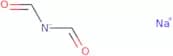
CAS:<p>3-[(Aminocarbonyl)amino]-5-[4-(morpholin-4-ylmethyl)phenyl]thiophene-2-carboxamide is a chemical inhibitor that inhibits the activity of kinases. It has been shown to be cytotoxic against cancer cells and to induce apoptosis through a number of different mechanisms. 3-[(Aminocarbonyl)amino]-5-[4-(morpholin-4-ylmethyl)phenyl]thiophene-2-carboxamide binds to DNA and induces DNA repair, which can lead to cell death. This drug also has an anti-inflammatory effect, which may be due to its ability to inhibit pro-inflammatory cytokines such as TNFα and IL1β.</p>Fórmula:C17H20N4O3SPureza:Min. 95%Forma y color:PowderPeso molecular:360.43 g/molSodium diformylamide
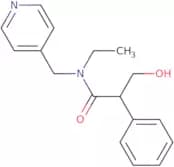
CAS:<p>Sodium diformylamide is a chemical compound that belongs to the class of amides. It has been shown to inhibit the activity of a number of enzymes including alkanoic acid, inorganic acid, and amide. It has also shown promising results in the prevention and treatment of metabolic disorders such as hepatitis. The asymmetric synthesis of this compound is achieved through the use of trifluoroacetic acid and nitrogen atoms. The biological properties of sodium diformylamide have not yet been fully researched but it has been found to have integrin receptor-binding properties.</p>Fórmula:C2H3NO2•NaPureza:Min. 95%Peso molecular:96.04 g/molTropicamide
CAS:<p>Tropicamide is a cholinergic agent that is used as a short-term mydriatic, or eye dilator, for diagnostic purposes. It belongs to the group of nonsteroidal anti-inflammatory drugs and has been shown to have a stable complex with benzalkonium chloride. Tropicamide has been shown to affect the signal pathways in cells, leading to an increase in IL-2 receptor expression. This drug also affects locomotor activity and has been studied as a potential treatment for murine sarcoma virus. Tropicamide is administered intravenously and can cause side effects such as blurred vision, nausea, vomiting and convulsions. Tropicamide may be given together with phenylephrine in order to reduce these side effects.</p>Fórmula:C17H20N2O2Pureza:Min. 95%Forma y color:PowderPeso molecular:284.35 g/molPigment Yellow 127
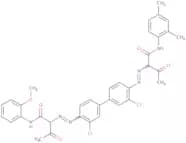
CAS:<p>Please enquire for more information about Pigment Yellow 127 including the price, delivery time and more detailed product information at the technical inquiry form on this page</p>Pureza:Min. 95%2,5-Dichlorobenzamide
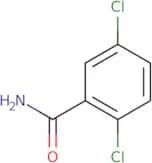
CAS:<p>2,5-Dichlorobenzamide is a halogenated compound that inhibits topoisomerase and proteasome activity. It has been shown to be cytotoxic against cancer cells in vitro. 2,5-Dichlorobenzamide can also inhibit the growth of tuberculosis bacteria and may be used as an operational agent for weed control. The safety profile of this drug has not yet been fully determined. 2,5-Dichlorobenzamide is available in two crystalline forms, both of which are active with different degrees of potency.<br>2,5-Dichlorobenzamide is a hybridization inhibitor that inhibits the enzyme DNA gyrase and proteasome activity. It binds to bacterial 16S ribosomal RNA and inhibits protein synthesis, leading to cell death by inhibiting the production of proteins vital for cell division.</p>Fórmula:C7H5Cl2NOPureza:Min. 95%Forma y color:PowderPeso molecular:190.03 g/molN,3-Diphenylacrylamide
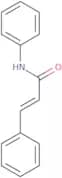
CAS:<p>N,3-Diphenylacrylamide is an amide that has been shown to exhibit carcinoid syndrome in humans. It also inhibits the growth of some human pathogens, including viruses and bacteria, as well as some fungi. The compound is metabolized by a number of enzymes and can be found circulating in the blood. Magnetic resonance spectroscopy has been used to study the structure of this molecule, which is composed of a carbonyl group and hydrogen bond. The effective dose for N,3-Diphenylacrylamide is not known.</p>Fórmula:C15H13NOPureza:Min. 95%Forma y color:PowderPeso molecular:223.27 g/mol4-Iodobenzenesulphonamide
CAS:<p>4-Iodobenzenesulphonamide is a drug with antifungal and anticancer activity. The compound has been shown to inhibit the growth of cancer cells in vitro. It also has an antifungal effect in vitro, which is most likely due to its ability to inhibit the synthesis of ergosterol, a component of the cell membrane. 4-Iodobenzenesulphonamide may be used for the treatment of cervical cancer and vulvovaginal candidiasis. This drug does not show any serious side effects, but it has been shown to have some adverse effects on liver function tests and red blood cells.</p>Fórmula:C6H6INO2SPureza:Min. 95%Forma y color:PowderPeso molecular:283.09 g/mol4-Nitrobenzamide
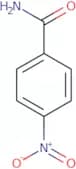
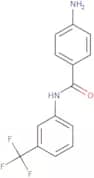
CAS:<p>4-Nitrobenzamide is a chemical substance that belongs to the class of nitrobenzamides. It is used as an intermediate in the synthesis of other substances, such as pharmaceuticals, herbicides, and pesticides. 4-Nitrobenzamide was first synthesized in 1894 by hydrogenating nitrobenzoic acid with hydrogen chloride in the presence of phosphorus pentachloride. The reaction vessel for this process should be made of glass or porcelain due to the corrosive nature of hydrogen chloride gas. The kinetics for this reaction were studied using concentration-response curves on rats and mice at different concentrations. Acute toxicities observed include respiratory distress and death in rats and convulsions and death in mice.<br>4-Nitrobenzamide is also toxic to bacteria, which can be seen by its effect on Staphylococcus aureus (strain ATCC 25923). This strain had a 50% survival rate after exposure</p>Fórmula:C7H6N2O3Pureza:Min 98%Forma y color:Yellow PowderPeso molecular:166.13 g/mol(4-Aminophenyl)-N-(3-(trifluoromethyl)phenyl)formamide
CAS:<p>Please enquire for more information about (4-Aminophenyl)-N-(3-(trifluoromethyl)phenyl)formamide including the price, delivery time and more detailed product information at the technical inquiry form on this page</p>Fórmula:C14H11F3N2OPureza:Min. 95%Forma y color:PowderPeso molecular:280.25 g/molLL-37 amide trifluoroacetate
CAS:<p>Please enquire for more information about LL-37 amide trifluoroacetate including the price, delivery time and more detailed product information at the technical inquiry form on this page</p>Fórmula:C205H341N61O52•(C2HF3O2)xPureza:Min. 95%Forma y color:PowderPeso molecular:4,492.28 g/mol(2-Aminophenyl)-N-((3,4-dimethoxyphenyl)methyl)formamide
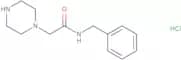
CAS:<p>Please enquire for more information about (2-Aminophenyl)-N-((3,4-dimethoxyphenyl)methyl)formamide including the price, delivery time and more detailed product information at the technical inquiry form on this page</p>Fórmula:C16H18N2O3Pureza:Min. 95%Forma y color:PowderPeso molecular:286.33 g/molPiperazinophenylacetic acid benzylamide hydrochloride
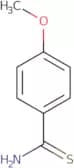
CAS:<p>Piperazinophenylacetic acid benzylamide hydrochloride is a versatile building block that can be used in the synthesis of complex compounds for research and development. It is a reagent for the preparation of speciality chemicals and also a useful intermediate for the synthesis of reaction components. Piperazinophenylacetic acid benzylamide hydrochloride is a high quality, commercially available chemical that can be used as a scaffold for the preparation of new chemical compounds.</p>Fórmula:C13H19N3O•HClPureza:Min. 95%Forma y color:PowderPeso molecular:269.77 g/mol4-Methoxybenzenecarbothioamide
CAS:<p>4-Methoxybenzenecarbothioamide is a urea nitrogen analogue that inhibits the synthesis of urea and other nitrogenous compounds. It is an inhibitor of the enzyme pyruvic transaminase, which converts pyruvate to alanine. The drug is also an inhibitor of the enzyme lactam synthetase, which catalyzes the formation of lactams from amino acids. This activity results in decreased production of cancer cells and renal toxicity. 4-Methoxybenzenecarbothioamide has been shown to have anticancer activity in vitro against a number of human cancer cell lines, including A549 lung carcinoma cells and MCF-7 breast cancer cells.</p>Fórmula:C8H9NOSPureza:Min. 98 Area-%Forma y color:Off-White Yellow PowderPeso molecular:167.23 g/mol2-Methylbenzamide
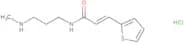
CAS:<p>2-Methylbenzamide is an amide with a carbonyl group and an intramolecular hydrogen. It has been shown to have synergic effects when combined with piperonyl butoxide in the treatment of autoimmune diseases. This synergistic effect is due to the inhibition of inflammatory mediator release, which can be achieved by blocking the enzyme cyclooxygenase-2. 2-Methylbenzamide has also been shown to inhibit deuterium isotope effect in cd-1 mice, which could make it beneficial for patients who are unable to tolerate other drugs.</p>Fórmula:C8H9NOPureza:Min. 95%Forma y color:White PowderPeso molecular:135.16 g/mol(E)-N-(3-Methylaminopropyl)-2-thiopheneacrylamide hydrochloride
CAS:<p>(E)-N-(3-Methylaminopropyl)-2-thiopheneacrylamide hydrochloride is a high quality, reagent, complex compound, useful intermediate, fine chemical. It has CAS No. 1449108-90-0 and is used as a research chemical and building block in the synthesis of other compounds. (E)-N-(3-Methylaminopropyl)-2-thiopheneacrylamide hydrochloride can be used as a versatile building block in organic synthesis reactions and is an important reaction component for the preparation of speciality chemicals.</p>Fórmula:C11H17N2OSClPureza:Min. 95%Forma y color:White PowderPeso molecular:260.78 g/mol2,6-Dihydroxybenzamide
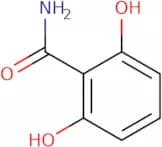
CAS:<p>2,6-Dihydroxybenzamide is a compound that belongs to the class of antibiotics. It is used in the production of supplements and has been found to be biodegradable. This antibiotic has been shown to have a viscosity of 2cP at 25°C and a pH range of 3-9. The functional groups present in this compound are carboxylic acids, amines, and flavonoid derivatives. In addition, 2,6-dihydroxybenzamide has been shown to inhibit the growth of bacteria by inhibiting amine synthesis and by reacting with chloride ions. This antibiotic also shows inhibitory effects against heterocyclic amines that are generated from cooking meat at high temperatures. 2,6-Dihydroxybenzamide is metabolized through oxidation or reduction and can be excreted unchanged in urine or as glucuronide conjugates in the bile.</p>Fórmula:C7H7NO3Pureza:Min. 95%Forma y color:PowderPeso molecular:153.14 g/mol3-Chlorobenzamide
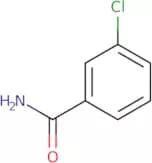
CAS:<p>3-Chlorobenzamide is an analytical reagent that is used for the separation and purification of organic compounds. It has been shown to be a catalyst for the reaction system in the dehydration of amides, amido, and halides. 3-Chlorobenzamide has also been suggested as a possible environmental pollutant due to its catalytic properties and ability to react with monoxide. The correlations between 3-chlorobenzamide concentrations in air and soil have also been studied extensively.</p>Fórmula:C7H6ClNOPureza:Min. 95%Forma y color:PowderPeso molecular:155.58 g/molCecropin A (1-7)-Melittin A (2-9) amide trifluoroacetate salt
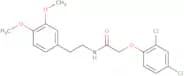
CAS:<p>Cecropin A (1-7)-Melittin A (2-9) amide trifluoroacetate salt is a cecropin-melittin hybrid peptide that has been immobilized on cellulose nanofibers for use as an antimicrobial. It has been shown to have strong antimicrobial activity against bacillus subtilis, and the immobilization process ensures that the peptide is not released from the surface of the material. The process of coating with nanopaper and then applying the peptides provides a stable surface with high antimicrobial activity. The synthetic peptides are synthesized by solid phase synthesis using Fmoc chemistry and purified by preparative HPLC.</p>Fórmula:C89H152N22O15Pureza:Min. 95%Forma y color:PowderPeso molecular:1,770.3 g/mol2-(2,4-dichlorophenoxy)-N-(2-(3,4-dimethoxyphenyl)ethyl)ethanamide
CAS:<p>Please enquire for more information about 2-(2,4-dichlorophenoxy)-N-(2-(3,4-dimethoxyphenyl)ethyl)ethanamide including the price, delivery time and more detailed product information at the technical inquiry form on this page</p>Pureza:Min. 95%N-[1-[2-(4-Ethyl-5-Oxotetrazol-1-Yl)Ethyl]-4-Phenylpiperidin-4-Yl]-N-(2-Fluorophenyl)Propanamide
CAS:Producto controlado<p>N-[1-[2-(4-Ethyl-5-Oxotetrazol-1-Yl)Ethyl]-4-Phenylpiperidin-4-Yl]-N-(2-Fluorophenyl)Propanamide is a drug that is used clinically for the treatment of depression. It is an analog of amitriptyline, an antidepressant and a tricyclic compound. N-[1-[2-(4-Ethyl-5-Oxotetrazol-1-Yl)Ethyl]-4-Phenylpiperidin-4-Yl]-N-(2-Fluorophenyl)Propanamide has been shown to increase the concentration of plasma drug levels by increasing transporter gene expression in muscle tissue. This drug also has clinical pharmacology and thermal expansion properties.</p>Fórmula:C25H31FN6O2Pureza:Min. 95%Peso molecular:466.55 g/mol1-Boc-4-(Methoxy-methyl-carbamoyl)-piperidine
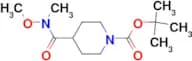
CAS:Fórmula:C13H24N2O4Pureza:97%Forma y color:OilPeso molecular:272.345




![2-Amino-N-[2-(5-methoxy-1H-indol-3-yl)ethyl]acetamide hydrochloride](/_next/image/?url=https%3A%2Fstatic.cymitquimica.com%2Fproducts%2F3D%2Fthumb-webp%2FFA116384.webp&w=3840&q=75)




![3-[(Aminocarbonyl)amino]-5-[4-(morpholin-4-ylmethyl)phenyl]thiophene-2-carboxamide](/_next/image/?url=https%3A%2Fstatic.cymitquimica.com%2Fproducts%2F3D%2Fthumb-webp%2FFA18119.webp&w=3840&q=75)



![N-[1-[2-(4-Ethyl-5-Oxotetrazol-1-Yl)Ethyl]-4-Phenylpiperidin-4-Yl]-N-(2-Fluorophenyl)Propanamide](/_next/image/?url=https%3A%2Fstatic.cymitquimica.com%2Fproducts%2F3D%2Fthumb-webp%2FFE102162.webp&w=3840&q=75)