Ácidos carboxílicos
Se han encontrado 12457 productos de "Ácidos carboxílicos"
10-Aminodecanoic acid
CAS:10-Aminodecanoic acid is an organic compound that belongs to the group of fatty acids. It is a monomeric molecule with two carboxylic acid groups and one hydroxyl group. 10-Aminodecanoic acid has been shown to induce tumor regression in xenograft models for human prostate, breast, and colon cancer cells. The mechanism of action is currently unclear but may be due to specific interactions with amino acids on glycoproteins or amides on proteins. 10-Aminodecanoic acid also stabilizes membranes by forming hydrogen bonds with phospholipids.
Fórmula:C10H21NO2Pureza:Min. 95%Forma y color:White PowderPeso molecular:187.28 g/molRef: 3D-FA146431
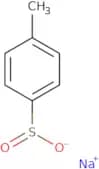
Producto descatalogado4-Toluene-sulfinic acid sodium salt, anhydrous
CAS:4-Toluene-sulfinic acid sodium salt is a sulfamic acid that is used as a cross-linking agent in the synthesis of organic polymers. It is commonly used in the synthesis of poly(methyl methacrylate) and other alkyd resins. 4-Toluene-sulfinic acid sodium salt can be used to detect hydrogen chloride gas by the reaction with sulfur dioxide to form 4-toluene sulfonic acid. This method provides a sensitive detection system, which is useful for detecting small quantities of hydrogen chloride gas. The optimal reaction conditions are between pH 5 and 7 and at room temperature. 4-Toluene-sulfinic acid sodium salt also has been shown to form an efficient method for synthesizing diphenyl ethers with unsymmetrical substitutions.Fórmula:C7H7NaO2SPureza:Min. 95%Forma y color:PowderPeso molecular:178.19 g/molRef: 3D-FT00626
Producto descatalogado[Nitrilotris(methylene)]tris-phosphonic acid pentasodiumsalt - 38.0 to 42.0%, in water
CAS:Nitrilotris(methylene)tris-phosphonic acid pentasodiumsalt is a compound that has antimicrobial properties. The product is used as a corrosion inhibitor, wetting agent, and pH control agent in water treatment. It is also used as an antimicrobial additive to paints and coatings. Nitrilotris(methylene)tris-phosphonic acid pentasodiumsalt inhibits the activity of matrix metalloproteinases and has been shown to be effective against bacterial strains such as Staphylococcus aureus, Streptococcus pneumoniae, Escherichia coli, Enterobacter cloacae, Pseudomonas aeruginosa, and Candida albicans.
br>
Nitrilotris(methylene)tris-phosphonic acid pentasodiumsalt is also an acidic chemical with a pH of 2 to 3. It is also mainly composed of an aliphaticFórmula:C3H7NNa5O9P3Forma y color:Clear LiquidPeso molecular:408.96 g/molRef: 3D-FN153153
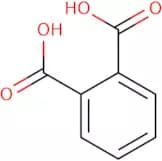
Producto descatalogadoPhthalic acid
CAS:Phthalic acid is a chemical compound that is used in wastewater treatment. It is also used as an intermediate for the production of other chemicals. Phthalic acid has been shown to inhibit the activity of the ryanodine receptor, which is a protein found on the surface of muscle cells that regulates calcium uptake and release. This inhibition leads to an increase in free intracellular calcium levels, which can cause toxicity by disrupting cellular function and leading to cell death. The effects of phthalate on mitochondrial membrane potential are also being studied. Phthalic acid has been shown to cause acute toxicities in wild-type strains, but not mutant strains of yeast. The analytical method for phthalate includes gas chromatography with mass spectrometry detection (GC-MS). Toxicity studies have been conducted using various methods, including acute toxicity studies, subchronic toxicity studies, and chronic toxicity studies.
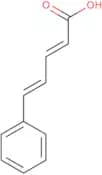
Fórmula:C8H6O4Pureza:Min. 98 Area-%Forma y color:White PowderPeso molecular:166.13 g/mol5-Phenylpenta-2,4-dienoic acid
CAS:5-Phenylpenta-2,4-dienoic acid is a high-potency inhibitor of tyrosine kinases. It has been shown to have an inhibitory effect on cancer cells in both squamous and non-squamous cell lines. This compound has been shown to inhibit the proliferation of cancer cells by arresting cell cycle progression at the G1 phase, which leads to the inhibition of DNA synthesis. 5-Phenylpenta-2,4-dienoic acid is also able to block the activation of transcription factors that are involved in tumorigenesis. In addition, this compound inhibits the proliferation of cancer cells by arresting cell cycle progression at the G1 phase, leading to inhibition of DNA synthesis. The molecular modeling study suggests that this compound may be able to bind with tyrosine kinase receptors on the surface of tumor cells and block their activity. The chemical structure of 5-phenylpenta-2,4-dien
Fórmula:C11H10O2Pureza:Min. 95%Forma y color:PowderPeso molecular:174.2 g/molRef: 3D-FP70999
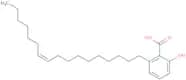
Producto descatalogadoGinkgolic acid (C17:1)
CAS:Ginkgolic acid is a monomer of the ginkgolides, which are antimicrobial agents. It is an analytical method for detecting the concentration of ginkgolic acid in a sample. Ginkgolic acid has been shown to cause genotoxic potential in vitro and its use as a medicine should be limited. Ginkgolic acid may also inhibit organic anion transporters as well as organic acids such as chlorogenic acids and 1,3-dicaffeoylquinic acid. Ginkgo extract contains high concentrations of ginkgolic acid, which can be reduced by removing alcohol residues from the extract through distillation or boiling.
Fórmula:C24H38O3Pureza:Min. 95 Area-%Forma y color:White PowderPeso molecular:374.56 g/molRef: 3D-FG42763
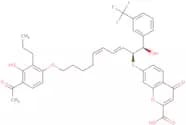
Producto descatalogadoIralukast
CAS:Iralukast is a leukotriene receptor antagonist that blocks the bronchoconstrictor response. It is used in the treatment of bronchial asthma, chronic obstructive pulmonary disease, and bowel diseases such as ulcerative colitis. Iralukast is not absorbed into the bloodstream and therefore does not inhibit the production of the inflammatory mediators that are responsible for these diseases. Iralukast binds to receptors on cells lining the airways, preventing activation of cells by leukotrienes, which are released by mast cells in response to an allergen or irritant. This binding prevents the release of inflammatory mediators from mast cells and reduces bronchial reactivity. Iralukast also has been shown to inhibit the enzyme activity of phospholipase A2 (PLA2), which has been implicated in inflammatory bowel disease.
Fórmula:C38H37F3O8SPureza:Min. 95%Peso molecular:710.21612Terephthalic acid
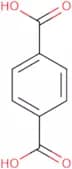
CAS:Terephthalic acid is a dicarboxylic acid that is used as a monomer in the production of polyesters. It is produced by the oxidation of p-hydroxybenzoic acid with aqueous sodium hydroxide. The reaction solution of terephthalic acid and glycol ethers contains water vapor and glycol esters, which are formed during the reaction. This product has been shown to inhibit drugs such as acetylcholinesterase and butyrylcholinesterase, which are important for the treatment of Alzheimer's disease and other neurological disorders. Terephthalic acid can be used as a fluorescence probe for determination of redox potential in analytical methods such as cyclic voltammetry, or to determine human serum levels in clinical analysis. Structural analyses have revealed intramolecular hydrogen bonds between the carboxyl groups and phenolic hydroxyl groups in terephthalic acid.
Fórmula:C8H6O4Pureza:Min. 95%Forma y color:White PowderPeso molecular:166.13 g/molRef: 3D-FT28042
Producto descatalogadop-Coumaric acid 4-O-sulfate disodium
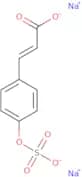
CAS:p-Coumaric acid 4-O-sulfate disodium salt is a high quality, reagent, complex compound. It is an intermediate in the synthesis of pyridoxal 5′-phosphate and may be used as a building block for the synthesis of other compounds. It is also a speciality chemical that may be used as a reaction component in organic synthesis.Fórmula:C9H8O6S•Na2Pureza:95%MinForma y color:PowderPeso molecular:290.2 g/mol3-Chloro-4-hydroxyphenylacetic acid.
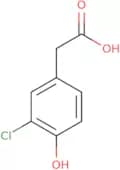
CAS:3-Chloro-4-hydroxyphenylacetic acid is an organic compound that has a chemical structure that includes a phenyl group substituted with a chlorine atom. 3-Chloro-4-hydroxyphenylacetic acid is an intermediate in the synthesis of many drugs, and it is used to make the monosodium salt, which is a common form of this drug. 3-Chloro-4-hydroxyphenylacetic acid is one of the chemicals that has been shown to have physiological effects on humans and other animals. The most notable effect for humans is that it can be converted into cancerous cells by radiation. In addition, 3-chloro-4-hydroxyphenylacetic acid has been shown to have chemotherapeutic properties against prostate cancer cells and infectious diseases such as HIV and herpes simplex virus type 1 (HSV1). This chemical also exhibits immunomodulatory properties when administered system
Fórmula:C8H7ClO3Pureza:Min. 98%Forma y color:PowderPeso molecular:186.59 g/molRef: 3D-FC34776
Producto descatalogadoFlugestone 17-acetate
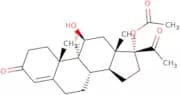
CAS:Producto controladoFlugestone 17-acetate is a synthetic hormone that is used in the treatment of inflammatory bowel disease, as well as other inflammatory diseases. Flugestone 17-acetate is a prodrug of estradiol benzoate, which binds to the estrogen receptors in target tissues. It has been shown to be effective in treating infertility and metabolic disorders. Flugestone 17-acetate is also used to treat ovarian activity, such as estrus and fertility, and can be used for the prevention of autoimmune diseases such as chorionic or follicular growth.
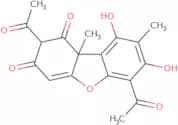
Fórmula:C23H31FO5Pureza:Min. 95%Forma y color:White Yellow PowderPeso molecular:406.49 g/molUsnic acid
CAS:Usnic acid is a natural compound with significant cytotoxicity. It has been shown to have matrix effects in the environment and oxidative injury on cells. Usnic acid is a component of the herb goldenseal, and has been shown to have pharmacological activities against infectious diseases, such as pandemic influenza. The optical sensor of usnic acid is used as an indicator for environmental pollution and microbial growth.
Fórmula:C18H16O7Pureza:Min. 95%Forma y color:White PowderPeso molecular:344.32 g/molRef: 3D-FU32857
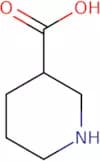
Producto descatalogadoNipecotic acid
CAS:Nipecotic acid is a competitive inhibitor of glutamate. It binds to the extracellular site of the glutamate-gated chloride channel and blocks the influx of chloride ions into the cell, resulting in an increase in intracellular chloride ion concentrations. Nipecotic acid has been shown to have a variety of effects on behaviour, including increased rotarod performance and improved motor learning in rats. This drug also inhibits uptake of hydrogen tartrate into cells, which is essential for catabolism of glucose by glycolysis. The effect on locomotor activity was not observed when nipecotic acid was administered orally or intraperitoneally. Nipecotic acid has a high resistance to hydrolysis by p-hydroxybenzoic acid and is used as an analytical standard for this compound.
Fórmula:C6H11NO2Forma y color:PowderPeso molecular:129.15 g/molRef: 3D-FN02349
Producto descatalogado2,4,6-Trifluorophenylacetic acid
CAS:2,4,6-Trifluorophenylacetic acid is a fluorinated phenylacetic acid that has been shown to inhibit the growth of the fungus Botrytis cinerea. It does this by disrupting the conformation of microtubules and inhibiting cell division. This compound has been synthesized in analogy with other known phenylacetic acids and its structure was confirmed through single-crystal x-ray diffraction studies. The heteroaryl groups on 2,4,6-Trifluorophenylacetic acid disrupt the microtubule polymerization process by binding to tubulin subunits. The fluorine atom also binds to the pyridine ring in this molecule to form an electron-deficient heterocycle.
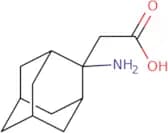
Fórmula:C8H5F3O2Pureza:Min. 95%Forma y color:White PowderPeso molecular:190.12 g/mol(2-Amino-2-adamantyl)acetic acid
CAS:2-Amino-2-adamantylacetic acid is a fine chemical that is used as a building block in the synthesis of many other compounds. It is also used as a research reagent and speciality chemical, and has been shown to be a versatile building block for complex molecules. This compound can be reacted with other chemicals to form useful intermediates that are used in the synthesis of pharmaceuticals and agrochemicals. 2-Amino-2-adamantylacetic acid is listed on the Chemical Abstracts Service (CAS) registry as 1573548-14-7.
Fórmula:C12H19NO2Pureza:Min. 95%Forma y color:White PowderPeso molecular:209.28 g/mol2,4-Dioxo-4-phenylbutanoic acid
CAS:2,4-Dioxo-4-phenylbutanoic acid is an inhibitor of the influenza virus that binds to its surface proteins and inhibits the replication of the virus. 2,4-Dioxo-4-phenylbutanoic acid is a stable complex that has been shown to be active against HIV. This compound has been shown to inhibit viral life by binding to the subunits of influenza A and B viruses. 2,4-Dioxo-4-phenylbutanoic acid has been synthesized as an active analogue of zanamivir and it is believed that this compound binds to the same site on the influenza A virus as zanamivir. The molecule is also tautomerizable, which means it can exist in two forms: ketone (the more stable form) or enol (less stable).
Fórmula:C10H8O4Pureza:Min. 95%Forma y color:PowderPeso molecular:192.17 g/molRef: 3D-FD133357
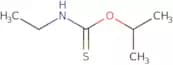
Producto descatalogadoO-Isopropyl ethylthiocarbamate
CAS:O-Isopropyl ethylthiocarbamate (IPET) is a reactive oxygen species that is used as a substrate film in electrophotographic printing. IPET is also used to inhibit the growth of cancer cells, which may be due to its ability to inhibit the activity of lp-pla2. The target cell for IPET is the receptor subtype P2X7 and it has been shown to be synergistic with sodium sulfide and polarizers. IPET binds to divalent hydrocarbons that are found in pyrite, which can cause an increase in oxidative stress and apoptosis by activating p38 mitogen-activated protein kinase. This chemical has been shown to have anti-inflammatory effects.
Fórmula:C6H13NOSPureza:Min. 95%Forma y color:Yellow To Dark Brown LiquidPeso molecular:147.24 g/molRef: 3D-FI166199
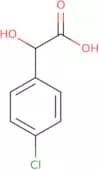
Producto descatalogado4-Chloromandelic acid
CAS:4-Chloromandelic acid is an organic compound that is an important intermediate in the synthesis of pharmaceuticals and other organic compounds. It can be used as a ligand to form complexes with transition metals, such as Mo(VI), which are used to catalyze hydrogenation reactions. 4-Chloromandelic acid binds to the substrate binding site on the enzyme through hydrogen bonding interactions. This binding causes a conformational change in the enzyme that inhibits its activity. The kinetic data for 4-chloromandelic acid was determined using trifluoroacetic acid as the solvent and supercritical carbon dioxide as the antisolvent. The enantiomer of 4-chloromandelic acid was identified by analytical methods, including gas chromatography and mass spectroscopy.
Fórmula:C8H7ClO3Pureza:Min. 95%Forma y color:PowderPeso molecular:186.59 g/molRef: 3D-FC36579
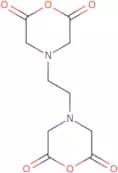
Producto descatalogadoEthylenediaminetetraacetic Dianhydride
CAS:Ethylenediaminetetraacetic dianhydride (EDTA) is a dianhydride that is used in wastewater treatment. It is a strong chelating agent and reacts with metal ions to form complexes, which are then removed as sludge. EDTA also has amide groups that can react with water under acidic conditions, which increases its adsorption capacity. This compound is thermally stable and has a high chemical stability in the presence of human serum and basic fibroblasts. EDTA binds to DNA by electrostatic interactions, forming hydrogen bonds between the amine group of the EDTA molecule and the phosphate groups of DNA. This prevents cross-linking of DNA chains and results in an increased rate of DNA synthesis.
Fórmula:C10H12N2O6Pureza:Min. 95%Forma y color:PowderPeso molecular:256.21 g/molSaxalin acetate
CAS:Saxalin acetate is a noreugenin compound that has been isolated from the roots of Saxifraga sarmentosa. It has a chemical composition of C29H42O2 and a molecular weight of 412. It is an active component in the plant which can be used to investigate its pharmacological effects on human cells. Saxalin acetate has been shown to have potential as an anti-inflammatory drug and antioxidant, as it inhibits the production of prostaglandins and nitric oxide in leukocytes. This may be due to its ability to inhibit cyclooxygenase-2 and lipoxygenase activity, respectively.
Pureza:Min. 95%


![[Nitrilotris(methylene)]tris-phosphonic acid pentasodiumsalt - 38.0 to 42.0%, in water](/_next/image/?url=https%3A%2Fstatic.cymitquimica.com%2Fproducts%2F3D%2Fthumb-webp%2FFN153153.webp&w=3840&q=75)