Aldehídos
Los aldehídos son compuestos orgánicos que contienen un grupo carbonilo (C=O) unido al menos a un átomo de hidrógeno. Estos compuestos versátiles son fundamentales en diversas reacciones químicas, incluyendo oxidación, reducción y adición nucleofílica. Los aldehídos son building blocks esenciales en la síntesis de productos farmacéuticos, fragancias y polímeros. En CymitQuimica, ofrecemos una amplia selección de aldehídos de alta calidad para apoyar sus aplicaciones de investigación e industriales.
Se han encontrado 8573 productos de "Aldehídos"
Ordenar por
Pureza (%)
0
100
|
0
|
50
|
90
|
95
|
100
Enalapril maleate
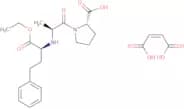
CAS:<p>Angiotensin-converting enzyme inhibitor; anti-hypertensive</p>Fórmula:C20H28N2O5•C4H4O4Pureza:Min. 95%Forma y color:PowderPeso molecular:492.52 g/molAc-Asp-Glu-Val-Asp-aldehyde (pseudo acid)
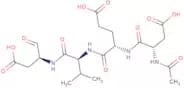
CAS:<p>Ac-Asp-Glu-Val-Asp-aldehyde (pseudo acid) is a pro-apoptotic protein that belongs to the group of pseudo acids. It is able to induce apoptosis. Ac-Asp-Glu-Val-Asp-aldehyde (pseudo acid) can induce neuronal death by activating caspases and apoptosis pathway, which are involved in the process of programmed cell death. This protein also has anti-inflammatory properties, which may be due to its ability to inhibit cyclase activity. Ac-Asp-Glu-Val-Asp (pseudo acid) has been shown to be present at physiological levels in the brain and heart, where it may play an important role in maintaining cell viability.</p>Fórmula:C20H30N4O11Pureza:Min. 95%Peso molecular:502.47 g/mol2-Amino-4-fluorobenzaldehyde
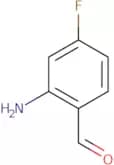
CAS:<p>2-Amino-4-fluorobenzaldehyde is a plant growth regulator that has been shown to be effective at increasing the yield of flowers and fruit crops. It is used as an intermediate in the synthesis of agrochemicals, such as 2-aminobenzaldehyde and anthranilic acid. The biosynthesis of 2-amino-4-fluorobenzaldehyde starts from methanol and intermediates such as anthranilic acid, aminoaldehydes, or alcohols. It can also be produced by oxidative coupling of 2-aminobenzaldehyde with phenylacetone in the presence of sodium hydroxide. 2-Amino-4-fluorobenzaldehyde has been shown to be more efficient than other plant growth regulators such as robinia or aminocyclopentane carboxylic acid (ACC).</p>Fórmula:C7H6FNOPureza:Min. 95%Forma y color:SolidPeso molecular:139.13 g/mol2-(Dimethylamino)acetaldehyde sulfite
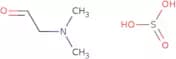
CAS:<p>2-(Dimethylamino)acetaldehyde sulfite is a white crystalline solid with a melting point of around 100°C. It is soluble in water and slightly soluble in organic solvents. 2-(Dimethylamino)acetaldehyde sulfite can be used as a reagent to prepare alkali solutions and acid hydrochlorides. It can also be used as an intermediate for the synthesis of methacrylic acid, methyl acetate, and other organic compounds. 2-(Dimethylamino)acetaldehyde sulfite can be synthesized using a high-yield synthetic method involving lithium, acidification, and an organic solvent.</p>Pureza:Min. 95%Z-Pro-Pro-aldehyde-dimethyl acetal
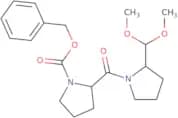
CAS:<p>Z-Pro-Pro-aldehyde-dimethyl acetal is a neurotoxin that can be used to label lysosomal enzymes in cells. The labeling is stable and does not interfere with the enzymatic activity of the enzyme. It has been shown to exacerbate neurological disease in mice, including Alzheimer's disease, Parkinson's disease, and amyotrophic lateral sclerosis. Z-Pro-pro-aldehyde-dimethyl acetal binds to microglia cells and induces reactive oxygen species production, which may contribute to cell damage. This toxin also diffracts light at a wavelength of 630 nm when exposed to X-rays, making it useful for labeling lysosomal enzymes in tissue sections or cell supernatants.</p>Fórmula:C20H28N2O5Pureza:Min. 95%Peso molecular:376.45 g/mol4-Bromo-2-pyrrolecarboxaldehyde
CAS:<p>4-Bromo-2-pyrrolecarboxaldehyde is a synthetic chemical that is used as an antifungal agent. It inhibits the growth of filamentous fungi by binding to their pyrrole rings and inhibiting the synthesis of proteins. 4-Bromo-2-pyrrolecarboxaldehyde has shown in vitro antifungal activity against isolates of Candida albicans, Aspergillus niger, and Fusarium oxysporum. This compound also has substitutions at positions 1 and 2 of the pyrrole ring, which are thought to be responsible for its inhibitory properties. 4-Bromo-2-pyrrolecarboxaldehyde is soluble in organic solvents such as acetone and chloroform.</p>Fórmula:C5H4BrNOPureza:Min. 95%Forma y color:PowderPeso molecular:174 g/mol2,4-Dichlorobenzaldehyde
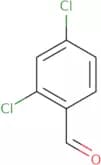
CAS:<p>2,4-Dichlorobenzaldehyde is a compound that is a member of the class of phenylpropanoids. It has been shown to react with curcumin analogues to form 1,3-dichloro-2,4-bis(chloromethyl)benzene and 1,3-dichloro-2,4-(1′,2′-dichloroethoxy)benzene. These products have been found to have high values for fluorescence analysis. This molecule also has physiological effects as a growth regulator and antimicrobial agent. 2,4-Dichlorobenzaldehyde has been used in analytical methods such as dihedral angle determination and synthetic processes like the synthesis of benzaldehydes.</p>Fórmula:C7H4Cl2OPureza:Min. 95%Forma y color:PowderPeso molecular:175.01 g/molCell-permeable Caspase-1 Inhibitor I trifluoroacetate salt
CAS:<p>Please enquire for more information about Cell-permeable Caspase-1 Inhibitor I trifluoroacetate salt including the price, delivery time and more detailed product information at the technical inquiry form on this page</p>Fórmula:C97H160N20O24Pureza:Min. 95%Peso molecular:1,990.43 g/mol5-Bromo-2-(trifluoromethoxy)benzaldehyde
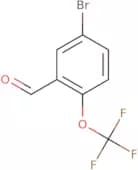
CAS:5-Bromo-2-(trifluoromethoxy)benzaldehyde is a chemical that is used as a reactant in organic chemistry. It can be used as a building block for the synthesis of complex compounds, or as an intermediate in the preparation of fine chemicals. 5-Bromo-2-(trifluoromethoxy)benzaldehyde is also useful in research and development. It has been used to synthesize pharmaceuticals, pesticides, and other organic compounds.Fórmula:C8H4BrF3O2Pureza:Min. 95%Forma y color:PowderPeso molecular:269.02 g/molBoc-Asn-Phe-Pro-aldehyde
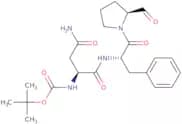
CAS:<p>Boc-Asn-Phe-Pro-aldehyde is a cytosolic proteolytic target enzyme that hydrolyzes peptides with an aliphatic amino acid residue at the carboxy terminus. It is localized in the cytoplasm, where it is activated by serine proteases. Boc-Asn-Phe-Pro-aldehyde has been shown to be effective in cell culture and supernatant. This enzyme can also be used to demonstrate the presence of a particular peptide by releasing a reactive chloride, which can be detected using tetrazolium chloride. This protease has been shown to exacerbate inflammation when administered in vivo.</p>Fórmula:C23H32N4O6Pureza:Min. 95%Peso molecular:460.52 g/molZ-Ile-Glu(OtBu)-Ala-Leu-aldehyde
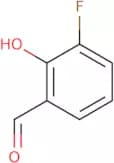
CAS:<p>Z-Ile-Glu(OtBu)-Ala-Leu-aldehyde, also known as ZILEAL, is a potent immunosuppressant that binds to the Toll-like receptor (TLR) and inhibits NF-κB binding activity. It has been shown to reduce the activation of macrophages by inhibiting the production of proinflammatory cytokines such as tumor necrosis factor alpha (TNFα), IL-1β, and IL-6. This drug has been shown to inhibit HIV replication in vitro and was also found to have an antiviral effect against herpes simplex virus type 1 in vivo. ZILEAL also inhibits dsDNA binding activity, which may have potential applications in cancer treatment.</p>Fórmula:C32H50N4O8Pureza:Min. 95%Peso molecular:618.76 g/mol3-Fluoro-2-hydroxybenzaldehyde
CAS:<p>3-Fluoro-2-hydroxybenzaldehyde is a colorless liquid with a sweet, aromatic odor. It has been shown to be an antibacterial agent against Gram positive bacteria and may have potential as a drug for the treatment of MRSA. 3-Fluoro-2-hydroxybenzaldehyde is used in the production of cellulose acetate and sodium sulfide. It is also used in the chemical reactions that form amines, hydroxyl groups, and chloride ions. It has been shown to inhibit mitochondrial respiration by chelating ring complexes in the respiratory chain. It also inhibits biological processes such as DNA synthesis, protein synthesis, and hydrogen bond formation.</p>Fórmula:C7H5FO2Pureza:Min. 95%Forma y color:PowderPeso molecular:140.11 g/molAc-Ala-Ala-Val-Ala-Leu-Leu-Pro-Ala-Val-Leu-Leu-Ala-Leu-Leu-Ala-Pro-Ile-Glu-Thr-Asp-aldehyde trifluoroacetate salt
CAS:Please enquire for more information about Ac-Ala-Ala-Val-Ala-Leu-Leu-Pro-Ala-Val-Leu-Leu-Ala-Leu-Leu-Ala-Pro-Ile-Glu-Thr-Asp-aldehyde trifluoroacetate salt including the price, delivery time and more detailed product information at the technical inquiry form on this pageFórmula:C95H162N20O26Pureza:Min. 95%Peso molecular:2,000.42 g/mol4-Bromobenzaldehyde
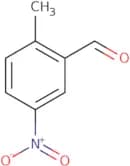
CAS:<p>4-Bromobenzaldehyde is a chemical compound that belongs to the group of aromatic compounds. It has been shown to have a potent stimulatory effect on locomotor activity in mice, which may be due to its ability to increase levels of epidermal growth factor and gamma-aminobutyric acid in the brain. 4-Bromobenzaldehyde can be synthesized from 2,4-dibromophenol and anhydrous copper chloride in the presence of sodium hydroxide. The reaction mechanism for this synthesis is believed to involve an intermediate enamine form of 4-bromobenzaldehyde, which can then undergo hydrolysis into 2,4-dibromophenol and benzaldehyde. This product is used as a reagent in organic synthesis because it can be used to form esters with trifluoroacetic acid or hydrochloric acid in high yield.</p>Fórmula:C7H5BrOPureza:Min. 90 Area-%Forma y color:White PowderPeso molecular:185.02 g/mol2-Methyl-5-nitrobenzaldehyde
CAS:<p>2-Methyl-5-nitrobenzaldehyde is a nitro compound that is used in the synthesis of dobutamine. It has been shown to undergo rearrangements, with the formation of 2-methyl-5-nitrophenol. Kinetic studies have shown that chlorine can be substituted for hydrogen at the 2 position, and this substitution leads to an increase in reactivity. 2-methyl-5-nitrobenzaldehyde also reacts with dopamine to form a ketone. The hydroxy group on this molecule is nucleophilic and can attack electrophiles, making it useful as an active site for synthetic reactions. This compound is also pyrophoric, which means it will spontaneously ignite in air and burn until all its fuel is consumed.</p>Fórmula:C8H7NO3Pureza:Min. 95%Forma y color:Off-White PowderPeso molecular:165.15 g/mol3-Thien-2-yl-1H-pyrazole-4-carbaldehyde
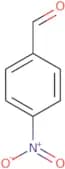
CAS:3-Thien-2-yl-1H-pyrazole-4-carbaldehyde is a ligand that can be used to inhibit the activity of nicotine in the human liver. It has been shown to reduce chemical inhibitor activity globally and systematically, and it may have therapeutic potential for preventing death from tobacco use. 3-Thien-2-yl-1H-pyrazole-4-carbaldehyde binds to nicotine receptors by forming hydrogen bonds with the receptor's nicotinic acetylcholine binding sites. This prevents nicotine from binding to those sites, resulting in a reduction of the addictive properties of tobacco. 3TPCA is being developed as a drug candidate for treating tobacco use disorders.Fórmula:C8H6N2OSPureza:Min. 95%Forma y color:PowderPeso molecular:178.21 g/mol4-Nitrobenzaldehyde
CAS:<p>4-Nitrobenzaldehyde is a reactive compound that has been shown to have antimicrobial activity. It is used in the synthesis of antibiotics and other pharmaceuticals. 4-Nitrobenzaldehyde binds to the mitochondrial membrane potential, which leads to the disruption of aerobic respiration. This compound has also been shown to bind to human serum proteins, such as albumin. The mechanism of this binding is through hydrogen bonding interactions with the amine groups on the protein surface. The reaction of 4-nitrobenzaldehyde with sodium carbonate results in an equilibrium between nitrobenzene and 4-nitrophenol. The equilibrium constant for this reaction can be determined experimentally by measuring the solubility of these compounds at different concentrations. <br>4-Nitrobenzaldehyde can be used as a model system for studying electron transfer reactions in electrochemistry through its interaction with methyl ethyl ketone (MEK) and pyridine (PYR). MEK</p>Fórmula:C7H5NO3Pureza:Min. 92%Forma y color:Slightly Yellow PowderPeso molecular:151.12 g/molN-Ethylcarbazole-3-carboxaldehyde
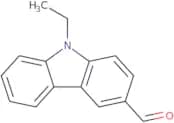
CAS:<p>N-Ethylcarbazole-3-carboxaldehyde is an organic compound that has been shown to have anti-cancer properties. It activates the enzyme dioxygenase, which in turn generates reactive oxygen species (ROS) that induce DNA damage and apoptosis in mammalian cells. The photophysical and fluorescence spectrometry of N-ethylcarbazole-3-carboxaldehyde were studied as a function of pH and found to be sensitive to acidic environments. N-Ethylcarbazole-3-carboxaldehyde is also able to form covalent bonds with DNA bases, leading to irreversible oxidation.</p>Fórmula:C15H13NOPureza:Min. 95%Peso molecular:223.27 g/mol1-H-Pyrazole-3-carboxaldehyde
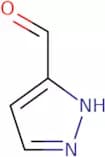
CAS:<p>1-H-Pyrazole-3-carboxaldehyde (1HP) is a β-unsaturated ketone that has been shown to inhibit the growth of chronic pulmonary fungal infections, such as histoplasmosis, coccidioidomycosis, and blastomycosis. It has also been shown to have anticancer activity in vitro and in vivo. 1HP inhibits cellular proliferation by inducing cell cycle arrest at the G(2)/M checkpoint. The molecular mechanism of this inhibition is due to an increase in the expression of p21 protein and p27 protein, which are tumor suppressor proteins that regulate progression through the cell cycle. 1HP also inhibits HIV infection by inhibiting reverse transcriptase and proteases, which are enzymes involved in viral replication. This compound binds to active methylene groups on the enzyme's surface, blocking its ability to perform chemical reactions with other molecules. 1HP also has strong inhibitory effects on cancer cells because it causes structural</p>Fórmula:C4H4N2OPureza:Min. 95%Peso molecular:96.09 g/mol3,5-Dimethylbenzaldehyde
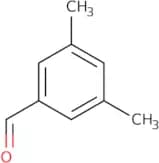
CAS:<p>3,5-Dimethylbenzaldehyde is an organic compound that is a colorless liquid. It has a chemical formula of C9H12O2 and is classified as an aldehyde. 3,5-Dimethylbenzaldehyde can be synthesized by the reaction of isopropyl palmitate with xylene in the presence of carbon as a source. The reaction time required for this synthesis is approximately one day. The major products of this reaction are 3,5-dimethylbenzaldehyde and 2-methylbutanal. This reaction mechanism can also be used to determine the concentration of urinary metabolites in human urine samples. Analysis of these samples requires an organic solvent such as hexane or dichloromethane. Kinetic data was collected from the rate at which zinc powder reacts with 3,5-dimethylbenzaldehyde over time at different concentrations. A kinetic experiment was conducted using c–h bond activation to produce 3,5-dimethoxy</p>Fórmula:C9H10OPureza:Min. 95%Forma y color:Colorless Clear LiquidPeso molecular:134.18 g/mol