Aldehídos
Los aldehídos son compuestos orgánicos que contienen un grupo carbonilo (C=O) unido al menos a un átomo de hidrógeno. Estos compuestos versátiles son fundamentales en diversas reacciones químicas, incluyendo oxidación, reducción y adición nucleofílica. Los aldehídos son building blocks esenciales en la síntesis de productos farmacéuticos, fragancias y polímeros. En CymitQuimica, ofrecemos una amplia selección de aldehídos de alta calidad para apoyar sus aplicaciones de investigación e industriales.
Se han encontrado 8573 productos de "Aldehídos"
Ordenar por
Pureza (%)
0
100
|
0
|
50
|
90
|
95
|
100
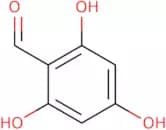
2,4,6-Trihydroxybenzaldehyde
CAS:<p>2,4,6-Trihydroxybenzaldehyde is a polymerase chain inhibitor that blocks the synthesis of DNA and RNA. It has been shown to have significant cytotoxicity in vitro and has been used as an antimicrobial agent to inhibit the growth of bacteria. 2,4,6-Trihydroxybenzaldehyde also inhibits tetracycline resistance in Mycobacterium tuberculosis (Mtb) by inhibiting the production of proteins vital for bacterial cell division. This compound is structurally related to naturally occurring compounds such as anthocyanins and it has been shown to have inhibitory properties on mitochondrial membrane potential, which may be due to its ability to inhibit protein synthesis and induce apoptosis. The analytical methods used for this compound are thin layer chromatography and high performance liquid chromatography.</p>Fórmula:C7H6O4Pureza:Min. 98 Area-%Forma y color:PowderPeso molecular:154.12 g/mol2-Methoxy-1-naphthaldehyde
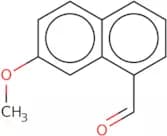
CAS:<p>2-Methoxy-1-naphthaldehyde is a potential chemical intermediate for the synthesis of a variety of biologically active compounds. It has been shown to have anti-tumor activity in solid tumours and can be used as a precursor for the production of new drugs that inhibit the growth of cancer cells. 2-Methoxy-1-naphthaldehyde is synthesized via an intramolecular hydrogen addition reaction with salicylaldehyde, which generates resonance stabilization. It also has an intermolecular hydrogen bond with naphthalene to form the dimer or trimer. The vibrational spectra and analytical methods are used to identify the functional groups present in 2-Methoxy-1-naphthaldehyde, which includes a hydrogen bond between the two methoxy groups. Computational methods can be used to predict how different molecules bind to this chemical intermediate and its role in biological activity.</p>Fórmula:C12H10O2Pureza:Min. 95%Forma y color:PowderPeso molecular:186.21 g/mol2,4-Dimethylbenzaldehyde oxime
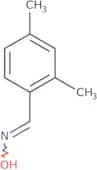
CAS:<p>2,4-Dimethylbenzaldehyde oxime is a useful chemical for the synthesis of complex organic compounds. It is used as a research chemical and as a speciality chemical in the production of fine chemicals. 2,4-Dimethylbenzaldehyde oxime can be used as a versatile building block to form new compounds with different substituents. The compound has been shown to have high reactivity and good quality.</p>Fórmula:C9H11NOPureza:Min. 95%Peso molecular:149.19 g/mol2,5-Dimethylbenzaldehyde
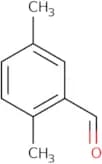
CAS:<p>2,5-Dimethylbenzaldehyde is a chemical that is used in the synthesis of various compounds. It has been shown to have anticancer and energy metabolism properties. 2,5-Dimethylbenzaldehyde can be used as an energy source in the mitochondria. This compound also prevents the formation of fatty acids by inhibiting the conversion of acetyl-CoA into malonyl-CoA. The phase transition temperature for 2,5-dimethylbenzaldehyde is approximately −20 °C. The reaction mechanism for this compound is not well understood, but it has been shown to react with piperonal to form 3,4-dimethylbenzyl alcohol and methyl ethyl ether, which are both carcinogenic compounds. Chemical ionization mass spectrometry experiments have shown that protonated 2,5-dimethylbenzaldehyde reacts with methane gas to form methyl ethane and hydrogen gas. Thermodynamic data suggest that 2,5-dimethyl</p>Fórmula:C9H10OPureza:Min. 98.0 Area-%Forma y color:Slightly Yellow Clear LiquidPeso molecular:134.18 g/mol2,4,5-Trihydroxybenzaldehyde
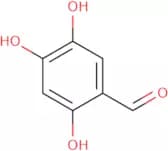
CAS:<p>2,4,5-Trihydroxybenzaldehyde is a natural compound that has been shown to have significant cytotoxicity. It induces apoptosis by activating the caspase-mediated apoptotic pathway. 2,4,5-Trihydroxybenzaldehyde also modulates the cellular redox balance by increasing mitochondrial membrane potential and decreasing intracellular ATP levels. This compound has been shown to be effective against human leukemia HL-60 cells and colon cancer Caco-2 cells. 2,4,5-Trihydroxybenzaldehyde can be found in dietary sources such as ganoderma lucidum and may act as a chelate ligand for some growth factors.</p>Fórmula:C7H6O4Pureza:80%Forma y color:Yellow PowderPeso molecular:154.12 g/molChloroacetaldehyde (40% aq.)
CAS:<p>Chloroacetaldehyde is a reactive compound that is found in wastewater. It can be used to remove other pollutants from the water. Chloroacetaldehyde has been shown to be toxic and may cause cancer, but it also has been used as a model system for studying energy metabolism. This substance is toxic because it reacts with cellular components such as proteins and DNA by cross-linking them. The cytosolic Ca2+ concentration increases when chloroacetaldehyde binds to cellular proteins, which affects cell physiology and the production of MMP-9.</p>Fórmula:ClCH2CHOPureza:Min. 95%Forma y color:Clear LiquidPeso molecular:78.5 g/molCyclooctanecarbaldehyde
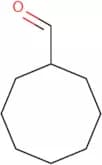
CAS:Cyclooctanecarbaldehyde is a reactive chemical that contains a hydroxyl group and hydroxy group. It is used for the production of polymers such as cyclooctyne-1,4-diol. Cyclooctanecarbaldehyde is also used to synthesize acyl halides. The compound has been shown to be cytotoxic in cancer cells. It can inhibit the production of nucleic acids, proteins and lipids in cancer cells, leading to cell death. Cyclooctanecarbaldehyde also has depression and cardiac arrhythmia effects due to its κ-opioid receptor agonist properties.Fórmula:C9H16OPureza:Min. 95%Forma y color:Clear LiquidPeso molecular:140.22 g/mol2,4-Difluoro-3-methylbenzaldehyde
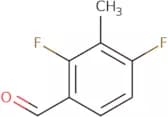
CAS:2,4-Difluoro-3-methylbenzaldehyde is a chemical compound that is used as a building block for the synthesis of other chemicals. It can be used as a research chemical or intermediate due to its versatility. 2,4-Difluoro-3-methylbenzaldehyde has a CAS number of 847502-88-9 and is classified as a speciality chemical with high quality. This compound may be useful in the synthesis of polymers and pharmaceuticals due to its ability to form covalent bonds with other molecules.Fórmula:C8H6F2OPureza:Min. 95%Forma y color:Clear LiquidPeso molecular:156.13 g/mol4-(Dimethylamino)benzaldehyde
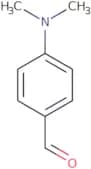
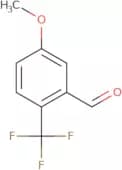
CAS:4-(Dimethylamino)benzaldehyde (4DMAB) is an analytical reagent used to identify sulfa drugs. It has been shown to react with sulfonamides by the formation of a complex ion, which can be detected by analytical methods such as electrochemical impedance spectroscopy or ultraviolet spectroscopy. 4DMAB has also been studied for its anticarcinoid properties. The carcinoid syndrome is characterized by a tumor that releases serotonin and other substances into the bloodstream, causing severe diarrhea, flushing, and bronchial spasms. Studies have shown that 4DMAB inhibits the release of serotonin in this condition. As a result, it may be effective against carcinoid syndrome.Fórmula:C9H11NOPureza:Min. 95%Forma y color:White Slightly Yellow PowderPeso molecular:149.19 g/mol5-Methoxy-2-(trifluoromethyl)benzaldehyde
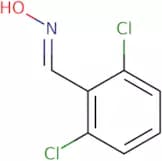
CAS:<p>5-Methoxy-2-(trifluoromethyl)benzaldehyde (5MFBA) is a potential anticancer compound that has been shown to inhibit the growth of pancreatic cancer cells. 5MFBA is formed by the reaction of methoxybenzene and trifluoromethyl bromide in the presence of copper chloride, which acts as a dehydrogenase. This compound also has prognostic and clinicopathological implications in patients with pancreatic cancer, as well as staining properties in tissues. 5MFBA modulates biological function via reactive oxygen species (ROS) production, which induces cell apoptosis. Research on this compound has been done on cancer tissues from various organs, including breast and prostate cancers.</p>Fórmula:C9H7F3O2Pureza:Min. 95%Forma y color:PowderPeso molecular:204.15 g/mol2,6-Dichlorobenzaldehyde oxime
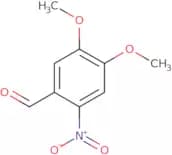
CAS:<p>2,6-Dichlorobenzaldehyde oxime is a synthetic molecule that is prepared by the reaction of triphenylphosphine oxide and halides. It is also known as aldoxime and has been used in a number of chemical reactions. 2,6-Dichlorobenzaldehyde oxime has been used in the synthesis of a variety of organic compounds, including toxicants and preservatives.</p>Fórmula:C7H5Cl2NOPureza:Min. 95 Area-%Forma y color:White PowderPeso molecular:190.03 g/mol3,4-Dimethoxy-6-nitrobenzaldehyde
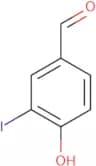
CAS:<p>3,4-Dimethoxy-6-nitrobenzaldehyde is a chemical compound that has been synthesized by the reaction of 3,4-dimethoxybenzaldehyde and nitric acid. The asymmetric synthesis of 3,4-Dimethoxy-6-nitrobenzaldehyde starts with the preparation of the corresponding ester, which is then reacted with nitric acid to produce the desired product. The chemical structure of 3,4-Dimethoxy-6-nitrobenzaldehyde consists of three aromatic rings: a benzene ring fused to a phenyl ring and a pyridine ring. This chemical can be used as an intermediate in the synthesis of epidermal growth factor (EGF). It also has been shown to bind to toll like receptor 4 (TLR4), which activates NFκB signaling pathway and induces apoptosis in monocytes.</p>Fórmula:C9H9NO5Pureza:Min. 95 Area-%Forma y color:White Yellow PowderPeso molecular:211.17 g/mol3-Iodo-4-hydroxybenzaldehyde
CAS:<p>3-Iodo-4-hydroxybenzaldehyde (3IB) is an amide that is found in plant tissue. It has been shown to have a number of biological activities, including hypoiodous acid production, chromatographic activity, and ether extract activity. 3IB can be synthesized from benzofuran derivatives or by treating the corresponding nitrobenzene with hydrochloric acid. Bioassays using thyroid enzyme have shown that 3IB may inhibit the synthesis of daunorubicin, a potent antitumour drug. Molecular modelling studies suggest that 3IB binds to ATP synthase by forming hydrogen bonds with the amino acids Gly and His in the active site.</p>Fórmula:C7H5IO2Pureza:90%Forma y color:PowderPeso molecular:248.02 g/mol2-Benzyloxybenzaldehyde
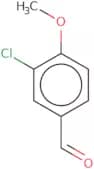
CAS:2-Benzyloxybenzaldehyde is an analog of benzaldehyde and can be used as a precursor for the synthesis of other molecules. It has been shown to inhibit the growth of HL-60 cells and xenograft tumor in mice. This compound also inhibits the production of cyclase, which is required to produce prostaglandin E2, a key regulator of inflammation in the body. This inhibition leads to an increase in mitochondrial membrane potential, leading to cell death by apoptosis. 2-Benzyloxybenzaldehyde also inhibits DNA binding activity and has been shown to induce fetal bovine serum levels and colony stimulating factor (CSF) levels in leukemic mice.Fórmula:C14H12O2Pureza:Min. 95%Forma y color:PowderPeso molecular:212.24 g/mol3-Chloro-4-methoxybenzaldehyde
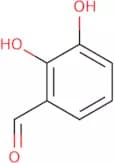
CAS:<p>3-Chloro-4-methoxybenzaldehyde is a chemical compound that belongs to the class of aromatic compounds. It is synthesized by reacting 3-chlorobenzaldehyde with methoxyacetone in a hydroxylation reaction. The asymmetric synthesis of 3-chloro-4-methoxybenzaldehyde was achieved by using a chiral auxiliary, which is an organic molecule that can be used to control the stereochemistry of other reactions. This product has high cytotoxicity and is able to cause melanogenesis (production of melanin) when applied to rat striatal membranes.</p>Fórmula:C8H7ClO2Pureza:Min. 95%Forma y color:PowderPeso molecular:170.59 g/mol2,3-Dihydroxybenzaldehyde
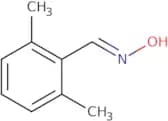
CAS:<p>2,3-Dihydroxybenzaldehyde is a chemical compound that has been shown to have antimicrobial properties. It inhibits bacterial growth by binding to the ribosome and preventing mRNA synthesis. 2,3-Dihydroxybenzaldehyde binds to the 50S ribosomal subunit and prevents protein synthesis by inhibiting the transfer mechanism of tRNA from the A site to the P site on the ribosome. The drug also inhibits mitochondrial superoxide production in V79 cells and human serum.<br>2,3-Dihydroxybenzaldehyde has been shown to be effective against methicillin resistant S. aureus (MRSA) strains but not against Group P2 Staphylococcus aureus (GPA). It is also active against Gram-positive bacteria such as Bacillus subtilis but not against Gram-negative bacteria like Escherichia coli or Pseudomonas aeruginosa.</p>Fórmula:C7H6O3Pureza:Min. 96 Area-%Forma y color:Slightly Yellow PowderPeso molecular:138.12 g/mol2,6-Dimethylbenzaldehyde oxime
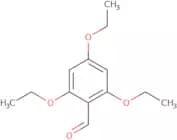
CAS:<p>2,6-Dimethylbenzaldehyde oxime is a reagent and useful intermediate for the synthesis of complex compounds. It is also a building block for speciality chemicals. 2,6-Dimethylbenzaldehyde oxime has been used in research and as a reaction component for various organic syntheses. This compound has a CAS number of 55882-62-7.</p>Fórmula:C9H11NOPureza:Min. 95%Peso molecular:149.19 g/molPhloroglucinol aldehyde triethyl ether
CAS:Phloroglucinol aldehyde triethyl ether is a high quality, research chemical, speciality chemical and versatile building block. It is used in the synthesis of complex compounds that are useful as intermediates or fine chemicals. The CAS No. for this compound is 59652-88-9.Fórmula:C13H18O4Pureza:Min. 95%Peso molecular:238.28 g/mol2,6-Dimethoxy-4-methylbenzaldehyde
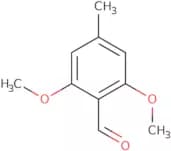
CAS:<p>2,6-Dimethoxy-4-methylbenzaldehyde (DMMB) is a useful chemical that is used as a building block in the synthesis of complex compounds. It has been shown to be an effective chemical intermediate and can be used in the synthesis of various products, such as pharmaceuticals and pesticides. DMMB can also be used to produce high quality research chemicals.</p>Fórmula:C10H12O3Pureza:Min. 95%Forma y color:PowderPeso molecular:180.2 g/mol3-Chlorobenzaldehyde
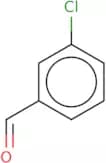
CAS:3-Chlorobenzaldehyde is a chemical that is used as a diagnostic agent for mitochondrial diseases. 3-Chlorobenzaldehyde can be used to detect mutations in the mtDNA and diagnose deficiencies of enzymes involved in energy metabolism. It has been shown to inhibit the activity of dehydrogenase enzymes and the synthesis of acyl-coa from zirconium oxide, which is an important component in polymerase chain reactions. This chemical also inhibits mitochondrial functions and enzyme activities, making it useful for screening for drugs that affect these processes. 3-Chlorobenzaldehyde has also been shown to inhibit hydrogen fluoride, which is often found in industrial environments.Fórmula:C7H5ClOForma y color:Colorless Clear LiquidPeso molecular:140.57 g/mol