Aldehídos
Los aldehídos son compuestos orgánicos que contienen un grupo carbonilo (C=O) unido al menos a un átomo de hidrógeno. Estos compuestos versátiles son fundamentales en diversas reacciones químicas, incluyendo oxidación, reducción y adición nucleofílica. Los aldehídos son building blocks esenciales en la síntesis de productos farmacéuticos, fragancias y polímeros. En CymitQuimica, ofrecemos una amplia selección de aldehídos de alta calidad para apoyar sus aplicaciones de investigación e industriales.
Se han encontrado 8573 productos de "Aldehídos"
Ordenar por
Pureza (%)
0
100
|
0
|
50
|
90
|
95
|
100
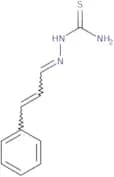
Cinnamaldehyde thiosemicarbazone
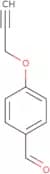
CAS:Cinnamaldehyde thiosemicarbazone is a nitrogen-containing molecule that has been shown to have neuroprotective properties. It is also an antioxidant and potent inhibitor of tyrosinase, which is an enzyme involved in the production of melanin. Cinnamaldehyde thiosemicarbazone has been shown to be effective at nanomolar concentrations in the inhibition of tyrosinase. This compound has been shown to be effective in both basic structure and magnetic resonance spectroscopy studies.Fórmula:C10H11N3SPureza:Min. 95%Forma y color:PowderPeso molecular:205.28 g/mol4-(2-propynyloxy)benzenecarboxaldehyde
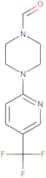
CAS:<p>4-(2-Propynyloxy)benzenecarboxaldehyde is an organic chemical compound that is classified as a copper complex. This molecule has been shown to have antibacterial properties against P. aeruginosa and other bacteria. It also possesses a constant antibacterial activity in both acidic and neutral pH conditions, which makes it an efficient method of treatment for bacterial infections. 4-(2-Propynyloxy)benzenecarboxaldehyde has been shown to inhibit the growth of P. aeruginosa by binding to the DNA gyrase enzyme and stopping its function, thus inhibiting bacterial replication. 4-(2-Propynyloxy)benzenecarboxaldehyde also inhibits the synthesis of proteins in neuronal cells, which may be due to its ability to react with carbonyl groups in proteins.</p>Pureza:Min. 95%4-(5-(Trifluoromethyl)-2-pyridyl)piperazinecarbaldehyde
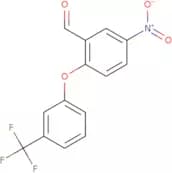
CAS:<p>Please enquire for more information about 4-(5-(Trifluoromethyl)-2-pyridyl)piperazinecarbaldehyde including the price, delivery time and more detailed product information at the technical inquiry form on this page</p>Fórmula:C11H12F3N3OPureza:Min. 95%Forma y color:PowderPeso molecular:259.23 g/mol2-(3-Trifluoromethylphenoxy)-5-nitrobenzaldehyde
CAS:<p>Please enquire for more information about 2-(3-Trifluoromethylphenoxy)-5-nitrobenzaldehyde including the price, delivery time and more detailed product information at the technical inquiry form on this page</p>Fórmula:C14H8F3NO4Pureza:Min. 95%Forma y color:PowderPeso molecular:311.21 g/mol4-((4-methylphenyl)carbonyl)piperazinecarbaldehyde
CAS:Please enquire for more information about 4-((4-methylphenyl)carbonyl)piperazinecarbaldehyde including the price, delivery time and more detailed product information at the technical inquiry form on this pagePureza:Min. 95%3-(2,4-Dihydroxyphenyl)-2-propenal
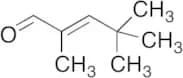
CAS:Producto controladoFórmula:C9H8O3Forma y color:NeatPeso molecular:164.162,4,4-Trimethyl-2-pentenal
CAS:Producto controladoFórmula:C8H14OForma y color:NeatPeso molecular:126.2cis-4-Decenal (>90%)
CAS:Producto controlado<p>Applications CIS-4-DECENAL (cas# 21662-09-9) is a useful research chemical.<br></p>Fórmula:C10H18OForma y color:NeatPeso molecular:154.24(E,E)-5-[4-(Diethylamino)phenyl]penta-2,4-dienal
CAS:Producto controlado<p>Stability Light Sensitive<br>Applications (E,E)-5-[4-(Diethylamino)phenyl]penta-2,4-dienal is used in polymerization process.<br>References Innocenzi, P., et al.: J. Mater Chem., 15, 3821 (2005), Cai, Y., et al.: Polymer, 2006, 47, 6560 (2006),<br></p>Fórmula:C15H19NOForma y color:NeatPeso molecular:229.32N,N,N-Tributyl-1-butanaminium Salt with (E)-3-Hydroxy-2-propenal
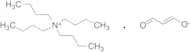
CAS:Producto controlado<p>Applications N,N,N-Tributyl-1-butanaminium Salt with (E)-3-Hydroxy-2-propenal is a useful reagent for preparation of crystalline (±)-fecapentaene.<br> Not a dangerous good if item is equal to or less than 1g/ml and there is less than 100g/ml in the package<br>References Pfaendler, H., et al.: J. Am. Chem. Soc., 108, 1338 (1986);<br></p>Fórmula:C16H36N•CH3O2Forma y color:Off-WhitePeso molecular:242.46 + 71.062,4-Octadienal, predominantly trans,trans (Technical Grade)
CAS:Producto controlado<p>Applications 2,4-Octadienal, predominantly trans,trans >=95%, FG is a useful research chemical for organic synthesis and other chemical processes.<br>References Feng, J., et al.: J. Org. Chem., 82, 1412 (2017); Sun, S., et al.: J. Appl. Phycol., 24, 1003 (2012)<br></p>Fórmula:C8H12OForma y color:NeatPeso molecular:124.18(2E,4E,6E)-2,4,6-Nonatrienal
CAS:Producto controlado<p>Stability Light Sensitive, Temperature Sensitive<br>Applications (2E,4E,6E)-2,4,6-Nonatrienal is an unsaturated aldehyde that is a natural volatile constituent of aggregation pheromones produced by male flea beetles. (2E,4E,6E)-2,4,6-Nonatrienal is also found in licorice root, one of the widely used herbs for its<br>References Zilkowski, B., et al.: J. Agr. Food Chem., 56, 4982 (2008)<br></p>Fórmula:C9H12OPureza:>90%Forma y color:NeatPeso molecular:136.19Oct-7-enal
CAS:Producto controlado<p>Stability Air Sensitive<br>Applications Oct-7-enal is a useful research chemical, an aliphatic aldehyde isolated from the roots of Cirsium Cipsacolepis.<br>References Takano, S., et al.: Phytochemistry, 26, 435 (1987); Halle, M. B., et al.: RSC Adv., 4, 63342 (2014)<br></p>Fórmula:C8H14OForma y color:NeatPeso molecular:126.22-Propyl-2-heptenal (Technical Grade)
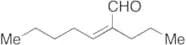
CAS:Producto controlado<p>Applications 2-Propyl-2-heptenal is an alkene shown as an metabolic by-product of unsaturated fatty acids metabolism to oxylipins.<br>References Montanari, C., et al.: J. App. Microbiol., 115, 1388 (2013);<br></p>Fórmula:C10H18OForma y color:Clear ColourlessPeso molecular:154.255-Ethyl-2-furaldehyde
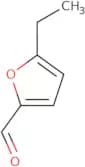
CAS:<p>Furfural is a five-carbon aldehyde produced by the hydrolysis of pentoses. It has been used as an industrial solvent, plasticizer, and fuel. Furfural is also used to produce butanol and biofuels. Furfural can be oxidized in the redox cycle to produce active oxygen species that are reactive with other biological molecules. Furfural is also used as an inhibitor of acetaldehyde formation in beer production. This molecule has two forms: the cis form (C3H4O) and the trans form (C3H3O). The cis form has a chemical structure of CH2=CH-CH2OH, whereas the trans form is CH=CH-CH2OH.</p>Fórmula:C7H8O2Pureza:Min. 95%Peso molecular:124.14 g/molBenalaxyl
CAS:<p>Benalaxyl is an insecticide that belongs to the group of organochlorine compounds. It is a chiral compound that has been used in analytical methods for wastewater treatment and as an anti-fouling agent. Benalaxyl has been shown to possess acute toxicity, based on the results of redox cycle experiments, cell nuclei studies, enzyme activities, and rat liver microsomes. Toxicological studies have also shown that benalaxyl can cause high levels of resistance in nutrient solutions, energy metabolism, and synthesis methods.</p>Fórmula:C20H23NO3Pureza:Min. 95%Peso molecular:325.4 g/mol1-Allyl-1H-benzimidazole-2-carbaldehyde
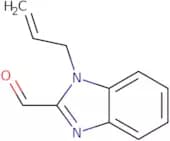
CAS:1-Allyl-1H-benzimidazole-2-carbaldehyde is a dipolar compound that can be synthesized from the reaction of 1,3-diphenylazomethine and allyl bromide. It is an orange solid that has been shown to form cycloadducts with alkenes. The selectivity of this reaction depends on the substituents on both reactants, with electron withdrawing groups increasing the rate of substitution. Dipolar cycloaddition theory predicts that 1-allyl-1H-benzimidazole-2-carbaldehyde undergoes intramolecular cycloaddition to form a six membered ring in which one carbon atom is shared between two adjacent atoms.Fórmula:C11H10N2OPureza:Min. 95%Forma y color:SolidPeso molecular:186.21 g/mol3-(Chloromethyl)-4-methoxybenzaldehyde
CAS:<p>3-(Chloromethyl)-4-methoxybenzaldehyde is a natural product that can be extracted from the rhizomes of the plant. It has been shown to have antibacterial activity in laboratory experiments and has been used in traditional medicine for the treatment of fungus infections. 3-(Chloromethyl)-4-methoxybenzaldehyde is an imidazolylmethyl derivative with a hexane structure. It reacts with hydrochloric acid to form a molecule called chloromethylation, which is also known as an esterification reaction. Piperazine acts as a catalyst in this reaction, increasing its scalability and making it suitable for large-scale production. The compound exhibits radical scavenging activity, which may be due to its ability to donate electrons or hydrogen atoms to free radicals.</p>Fórmula:C9H9CIO2Pureza:Min. 95%Peso molecular:288.08 g/mol1-Naphthalenylsulfonyl-Ile-Trp-aldehyde
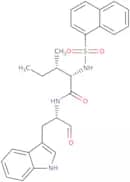
CAS:<p>1-Naphthalenylsulfonyl-Ile-Trp-aldehyde is a recombinant protein that has protease activity. It is a serine protease that cleaves proteins at the amino acid sequence Ser-Xaa-Gly or Ser-Xaa. The recombinant protein has been shown to have proteolytic activity and can be used in assays to measure the amount of β-catenin, collagen, and growth factor in cells. 1-Naphthalenylsulfonyl-Ile-Trp-aldehyde also binds to monoclonal antibodies and can be used as a neutralizing agent for these proteins. This recombinant protein also has been shown to inhibit the growth of lung fibroblasts.</p>Fórmula:C27H29N3O4SPureza:Min. 95%Forma y color:PowderPeso molecular:491.6 g/molHeptaldehyde
CAS:<p>Heptaldehyde is a colorless liquid with a pleasant, sweet odor. It is used in the production of polyvinyl chloride and other chemicals. In addition, it can be an important biomarker in environmental studies. Heptaldehyde is produced by the reaction of ethyl decanoate with water vapor or methyl ethyl ketone. It is also an inhibitor of acetylcholinesterase, which may be due to its hydroxyl group and acetyl group. Furthermore, heptaldehyde has been shown to react with p-nitrophenyl phosphate to form p-nitrophenol. The following table outlines the chemical properties of heptaldehyde: Molecular formula: C7H8O Molecular weight: 112.14 g/mol Boiling point (°C): 212 °C Melting point (°C): -78 °C Density (g/cm3): 1.096</p>Fórmula:C7H14OPureza:Min. 95%Forma y color:Clear LiquidPeso molecular:114.19 g/mol4-(Dimethylamino)-2-hydroxybenzaldehyde
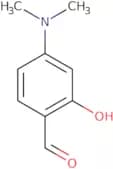
CAS:<p>4-(Dimethylamino)-2-hydroxybenzaldehyde (DMAA) is an anticancer agent that has been shown to enhance the antitumor effect of sodium succinate. DMAA binds to the tetradentate site of the DNA and prevents it from binding with a transcription factor, which may lead to cancer cell death. DMAA has low detection in urine and blood, making it difficult to detect its presence in patients. DMAA also has no known complexation partners, making it difficult for the body to excrete this drug. DMAA is not carcinogenic or mutagenic. It is used as a fluorescent probe for detecting hydroxy groups in organic compounds and as an environmental pollutant when mixed with other chemicals such as benzene and methylene chloride.</p>Pureza:Min. 95%1-Benzyl-5-ethoxy-1H-indole-3-carbaldehyde
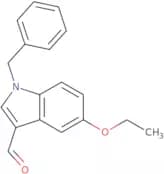
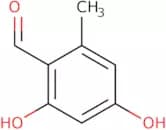
CAS:Producto controlado<p>Please enquire for more information about 1-Benzyl-5-ethoxy-1H-indole-3-carbaldehyde including the price, delivery time and more detailed product information at the technical inquiry form on this page</p>Fórmula:C18H17NO2Pureza:Min. 95%Peso molecular:279.33 g/mol2,4-Dihydroxy-6-methylbenzaldehyde
CAS:<p>2,4-Dihydroxy-6-methylbenzaldehyde is a chemical that is found naturally in a variety of plants. It has been shown to have immunomodulatory and anti-inflammatory effects in vitro and in vivo. 2,4-Dihydroxy-6-methylbenzaldehyde has been shown to reduce the production of inflammatory molecules such as tumor necrosis factor alpha (TNFα) and interleukin 12 (IL-12) by inhibiting the activation of microglia cells. This compound also inhibits LPS induced inflammatory response in human carcinoma cells. 2,4-Dihydroxy-6 methylbenzaldehyde is currently undergoing clinical trials for its potential use in regenerative medicine.</p>Fórmula:C8H8O3Pureza:Min. 95%Peso molecular:152.15 g/mol2-Methylvaleraldehyde
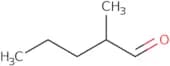
CAS:2-Methylvaleraldehyde is a colorless liquid with a pleasant odor. It is soluble in water and has an acidity of about 8.2%. The chemical formula for 2-methylvaleraldehyde is C6H12O2, and it has a molecular weight of 108.18 g/mol. 2-Methylvaleraldehyde can be obtained by the oxidation of cinnamic acid or by reduction of acetone with sodium borohydride or lithium aluminum hydride. 2-Methylvaleraldehyde can react with sodium carbonate or calcium carbonate to form sodium methoxyethoxide or calcium methoxyethoxide, respectively. The reaction intermediates are methyl ethyl ketone (MEK) and dimethyl ether (DME). These compounds are used in the synthesis of various other chemicals, including pentane, butadiene, and chloroprene. Pentane is a colorless liquid that has an odor threshold at 1Fórmula:C6H12OPureza:Min. 95%Peso molecular:100.16 g/molTerephthaloyl chloride
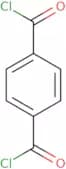
CAS:<p>Terephthalaldehyde chloride is a water-insoluble, white solid that is soluble in organic solvents. It forms a protective layer on metal surfaces and plastics, preventing corrosion and microbial growth. Terephthalaldehyde chloride has been shown to be effective against Escherichia coli, Klebsiella pneumoniae, Bacillus subtilis, Pseudomonas aeruginosa, Staphylococcus aureus, and Salmonella enterica. Terephthalaldehyde chloride's antimicrobial activity is attributed to its acid complex with phosphorus pentoxide and electrochemical impedance spectroscopy data indicate that it reacts with the anionic sites of bacterial cell walls. Terephthalaldehyde chloride does not react with human serum proteins or ester linkages; however, it has toxic effects on mice at high doses.</p>Fórmula:C8H4Cl2O2Pureza:Min. 95%Forma y color:PowderPeso molecular:203.02 g/mol4,4-difluorocyclohexane-1-carbaldehyde
CAS:<p>Please enquire for more information about 4,4-difluorocyclohexane-1-carbaldehyde including the price, delivery time and more detailed product information at the technical inquiry form on this page</p>Fórmula:C7H10F2OPureza:Min. 95%Forma y color:Colorless PowderPeso molecular:148.15 g/mol2-Furaldehyde diethylacetal
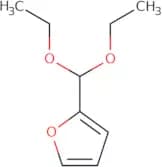
CAS:<p>2-Furaldehyde diethylacetal is a synthetic compound that has been used in the synthesis of calcium carbonate. It is also a potent inhibitor of p. aeruginosa and other bacteria, as well as organic acids and halogen compounds. It reacts with hydroxy groups to form aldehydes, which are then oxidized to form carboxylic acid derivatives. The reaction mechanism for this compound is not well understood, but it is thought that the activation energy for the reaction may be low due to the presence of a furfural functional group.</p>Fórmula:C9H14O3Pureza:Min. 95%Peso molecular:170.21 g/molButyraldehyde
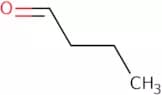
CAS:Butyraldehyde is a colorless to yellowish liquid with a strong, pungent odor. It is soluble in water and has an acidic pH of 2.6-3.0. Butyraldehyde is used as a chemical intermediate for the production of polyvinyl acetate and can be made by reacting acetic acid with butanol or butyl acetate. This chemical reacts with human serum albumin at low concentrations and may have biological properties such as catalyzing the conversion of picolinic acid to nicotinic acid, which aids in the prevention against infectious diseases. Butyraldehyde also has synergistic effects when used with picolinic acid, increasing its effectiveness in combating infection.Fórmula:C4H8OPureza:Min. 95%Forma y color:Clear LiquidPeso molecular:72.11 g/molN-Methyl-N-hydroxyethyl-4-aminobenzaldehyde
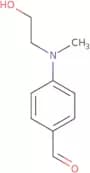
CAS:<p>N-Methyl-N-hydroxyethyl-4-aminobenzaldehyde (NHABA) is a bathochromic molecule that absorbs light at wavelengths of 400 to 500 nm. It is reactive and reacts with metal cations to form chromophores. NHABA has been shown to be a fluorescent probe for the detection of tyrosinase and autophagy in human serum. It also has inhibitory properties against tyrosinase, which may be due to its ability to inhibit the formation of melanin. NHABA is used as an analytical chemistry reagent for the determination of ammonia, nitrite, and nitrate ions in water samples. This molecule can also be used as a chemosensor for the detection of phenolic compounds in water samples.</p>Fórmula:C10H13NO2Pureza:Min. 95%Peso molecular:179.22 g/mol2-Fluoro-4-hydroxybenzaldehyde
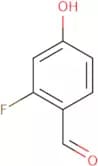
CAS:<p>2-Fluoro-4-hydroxybenzaldehyde is an oxidative compound that is a model compound of phenolic compounds. It can be used to synthesize 2,6-dichloroquinone and 2,5,7,8-tetrachlorodibenzo[p]fluoranthene. The metabolic pathway for this compound starts with the oxidative decarboxylation of L-tyrosine to form 4-hydroxyphenylpyruvic acid. This compound is then oxidized by cytochrome P450 enzymes to form 4-(2'-oxo)phenol. The 4-(2'-oxo)phenol can be methylated by S-adenosylmethionine in order to form 2-fluoro-4-hydroxybenzaldehyde.</p>Fórmula:C7H5FO2Pureza:Min. 95%Peso molecular:140.11 g/mol(R)-Perillaldehyde
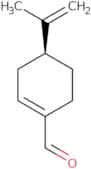
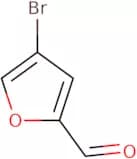
CAS:<p>(R)-Perillaldehyde is an activated cardenolide that binds to flavoproteins and inhibits the oxygenation of 4-hydroxycoumarin. It is a stereoselective, substrate binding, and oxygenated flavoenzyme inhibitor. The orientation of perillaldehyde with respect to the flavin may be important for its activity in the enzyme's active site.</p>Fórmula:C10H14OPureza:Min. 95%Peso molecular:150.22 g/mol4-Bromofuran-2-carbaldehyde
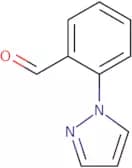
CAS:<p>4-Bromofuran-2-carbaldehyde is a synthetic compound that has been shown to have antioxidant properties. It contains an electron-donating carbonyl group and an electron-withdrawing bromine atom. 4-Bromofuran-2-carbaldehyde is useful in the treatment of endophytic fungi infections, as it inhibits the synthesis of ergosterol, which is an important component of the fungal cell membrane. The molecule's conformational properties are also important for its biological activity, as they enable it to act as a chiral ligand by binding to proteins in a way that will inhibit their function. In addition, 4-bromofuran-2-carbaldehyde has been shown to be effective against cancer cells in vitro, particularly against MMCF7 cells. This may be due to its ability to bind to DNA and prevent transcription or replication of DNA strands.</p>Fórmula:C5H3BrO2Pureza:Min. 95%Peso molecular:174.98 g/mol2-(1H-Pyrazol-1-yl)benzaldehyde
CAS:<p>2-(1H-Pyrazol-1-yl)benzaldehyde is a synthetic chemical compound that is used in the preparation of coupling reactions. It has been shown to be an efficient reagent for the synthesis of 2-bromobenzaldehyde and pyrazole. The molecule has a hydrazone attack, which can be coupled with 2-bromobenzaldehyde, with or without the use of an additional base such as sodium methoxide. This reaction can be carried out at room temperature and does not require any harsh conditions. 2-(1H-Pyrazol-1-yl)benzaldehyde also belongs to the family of aldehydes, which are molecules containing a carbon group that is connected to two hydrogen groups (i.e., RCH=O). Hydrogenation of this type of molecule gives rise to alcohols (RCHOH).</p>Fórmula:C10H8N2OPureza:Min. 95%Peso molecular:172.18 g/mol2-Hydroxy-1-naphthaldehyde
CAS:<p>2-Hydroxy-1-naphthaldehyde is a redox potential chemical that has been shown to have anticancer activity in vitro and in vivo. It inhibits the growth of cells by binding to iron, which is important for many biological processes including DNA synthesis. 2-Hydroxy-1-naphthaldehyde has also been shown to have metal carbonyl reactivity and fluorescence properties that may be useful as a fluorescent probe. 2-Hydroxy-1-naphthaldehyde binds to iron ions through hydrogen bonding interactions, forming an octahedral complex with six ligands. The compound also has coordination geometry that can be described as either trigonal bipyramidal or square planar, depending on the solvent used. This data was obtained by x-ray diffraction studies of crystalline solids. The compound's Langmuir adsorption isotherm was found to be linear at low concentrations and shifted to nonlinear behavior at higher concentrations. The</p>Fórmula:C11H8O2Pureza:Min. 95%Forma y color:SolidPeso molecular:172.18 g/molTacrolimus methyl acryl aldehyde
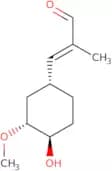
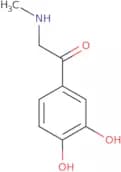
CAS:Please enquire for more information about Tacrolimus methyl acryl aldehyde including the price, delivery time and more detailed product information at the technical inquiry form on this pageFórmula:C11H18O3Pureza:Min. 95%Peso molecular:198.26 g/molAdrenalone hydrochloride
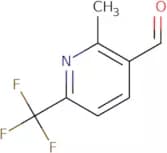
CAS:Producto controlado<p>Adrenalone hydrochloride is a synthetic form of epinephrine, which is an endogenous catecholamine. Adrenalone hydrochloride has been used to treat autoimmune diseases and bowel disease. Adrenalone hydrochloride binds to the alpha and beta receptors on the surface of cells, which stimulates the production of other hormones and neurotransmitters. It has also been shown to have antimicrobial properties against bacteria, fungi, and viruses. Adrenalone hydrochloride has a chemical stability that is greater than that of dopamine or adrenaline.</p>Fórmula:C9H11NO3·HClPureza:Min. 95%Peso molecular:217.65 g/mol2-Methyl-6-(trifluoromethyl)nicotinaldehyde
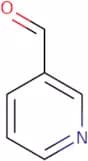
CAS:<p>Please enquire for more information about 2-Methyl-6-(trifluoromethyl)nicotinaldehyde including the price, delivery time and more detailed product information at the technical inquiry form on this page</p>Fórmula:C8H6F3NOPureza:Min. 95%Peso molecular:189.13 g/molPyridine-3-carboxaldehyde
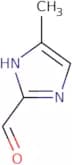
CAS:<p>Pyridine-3-carboxaldehyde is a heterocyclic compound that is structurally related to nicotinic acid and picolinic acid. It has been shown to have anti-tumor activity, with hl-60 cells as the model system. Pyridine-3-carboxaldehyde has also been shown to be toxic to bacteria in biological studies. The chemical stability of this compound was studied by Langmuir adsorption isotherm and electrochemical impedance spectroscopy. It was found that pyridine-3-carboxaldehyde is stable at a pH range of 7 to 8 and at temperatures up to 60 degrees Celsius.</p>Fórmula:C6H5NOPureza:Min. 95%Forma y color:Clear LiquidPeso molecular:107.11 g/mol4(5)-Methyl-1H-imidazole-2-carbaldehyde
CAS:<p>Please enquire for more information about 4(5)-Methyl-1H-imidazole-2-carbaldehyde including the price, delivery time and more detailed product information at the technical inquiry form on this page</p>Fórmula:C5H6N2OPureza:95%NmrPeso molecular:110.11 g/mol4-Bromo-2-hydroxybenzaldehyde
CAS:<p>4-Bromo-2-hydroxybenzaldehyde is a versatile building block that can be used as a reaction component to synthesize other compounds. 4-Bromo-2-hydroxybenzaldehyde is a useful intermediate in the manufacture of pharmaceuticals, pesticides, and herbicides. This chemical also has various applications in research and industry. It is an important reagent for the production of polymers and resins, as well as being an essential raw material for the synthesis of pharmaceuticals and agrochemicals.</p>Fórmula:C7H5BrO2Peso molecular:201.02 g/molRef: 3D-W-201939
25gA consultar50gA consultar100gA consultar250gA consultar500gA consultar-Unit-ggA consultarSuccinicsemialdehyde
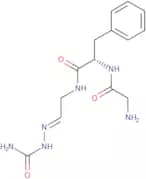
CAS:<p>Succinicsemialdehyde is a semialdehyde that is formed by the oxidative degradation of succinic acid. Succinicsemialdehyde has been shown to have high affinity for 5-HT3 receptors, which are found in the gastrointestinal tract and are involved in intestinal motility and bowel disease. The 5-HT3 receptor has been shown to be an important target for the treatment of irritable bowel syndrome. This semialdehyde also inhibits polymerase chain reaction (PCR) activity, which may be due to its ability to inhibit DNA synthesis. Succinicsemialdehyde has been shown to inhibit enzymes involved in energy metabolism, such as glutamate dehydrogenase and pyruvate formate lyase. The structural analysis of this molecule shows a keto group at C2, which indicates that it is a keto acid.</p>Fórmula:C4H6O3Pureza:Min. 95%Forma y color:PowderPeso molecular:102.09 g/molH-Gly-Phe-Gly-aldehyde semicarbazone acetate salt
CAS:<p>Please enquire for more information about H-Gly-Phe-Gly-aldehyde semicarbazone acetate salt including the price, delivery time and more detailed product information at the technical inquiry form on this page</p>Fórmula:C14H20N6O3Pureza:Min. 95%Peso molecular:320.35 g/mol3-(Difluoromethoxy)benzaldehyde
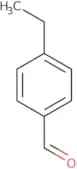
CAS:<p>Please enquire for more information about 3-(Difluoromethoxy)benzaldehyde including the price, delivery time and more detailed product information at the technical inquiry form on this page</p>Fórmula:C8H6F2O2Pureza:Min. 95%Peso molecular:172.13 g/mol4-Ethylbenzaldehyde
CAS:<p>4-Ethylbenzaldehyde is a chemical compound that belongs to the group of fatty acids. It has been shown to have biological properties, such as antiviral potency and genotoxic effects. This chemical compound also has a gas sensor property and is used as an exothermic reactant in organic synthesis reactions. 4-Ethylbenzaldehyde has been shown to inhibit the growth of bacteria, fungi, and viruses by blocking the synthesis of viral nucleic acid or inhibiting viral protein synthesis. The magnetic resonance spectroscopy (NMR) spectral data for 4-ethylbenzaldehyde show that this chemical compound contains two methyl groups, one on each side of the benzene ring, with a hydroxyl group on one end. The carbon atoms are bonded together in an alternating pattern of single and double bonds. The molecular formula for 4-ethylbenzaldehyde is C9H10O2.</p>Fórmula:C9H10OPureza:Min. 96.0%Forma y color:PowderPeso molecular:134.18 g/mol4-Bromobenzaldehyde
CAS:<p>Please enquire for more information about 4-Bromobenzaldehyde including the price, delivery time and more detailed product information at the technical inquiry form on this page</p>Fórmula:C7H5BrOPeso molecular:185.03 g/molAdrenalone
CAS:Producto controlado<p>Adrenalone is a caffeic acid derivative that contains a hydroxyl group. It is used in the treatment of infectious diseases, bowel disease, and autoimmune diseases. Adrenalone inhibits bacterial growth by interfering with cell wall synthesis, which prevents the formation of new cell walls and leads to bacterial death. It also inhibits the production of dopamine by acting on an amine oxidase enzyme. This drug has been shown to be effective in treating inflammatory bowel disease (IBD) in both mice and humans due to its ability to inhibit pro-inflammatory cytokines such as TNF-α, IL-1β, and IL-6.</p>Fórmula:C9H11NO3Pureza:Min. 95%Forma y color:Colourless To Pale Yellow SolidPeso molecular:181.19 g/mol5-Bromo-3-methoxybenzaldehyde
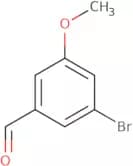
CAS:5-Bromo-3-methoxybenzaldehyde is a type of growth factor that is synthesized by cancer cells. It has been shown to have anticancer activity when used in conjunction with other drugs. 5-Bromo-3-methoxybenzaldehyde has been shown to inhibit tumor growth in mice, which may be due to its ability to prevent the activation of PD-L1. This compound interacts with a tetranuclear ligand and can be activated by light.Fórmula:C8H7BrO2Pureza:Min. 95%Forma y color:PowderPeso molecular:215.04 g/molTrans-2-nonenal
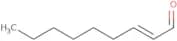
CAS:<p>Trans-2-nonenal is a monoclonal antibody that recognizes the physiological function of cardiac and rat liver microsomes. It has been shown to inhibit enzyme activities in both cell lines. Trans-2-nonenal has also been shown to protect against ischemia/reperfusion injury in rats by reducing the release of intracellular Ca2+ and ATP levels. Trans-2-nonenal is genotoxic and induces oxidative injury, which may be due to its ability to react with caproic acid to form reactive oxygen species.</p>Fórmula:C9H16OPureza:Min. 95%Peso molecular:140.22 g/mol1-Phenyl-1H-pyrazole-4-carbaldehyde
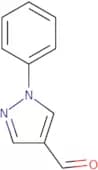
CAS:<p>1-Phenyl-1H-pyrazole-4-carbaldehyde is an antibacterial agent that has been shown to have bactericidal activity against bacteria. It inhibits the growth of bacteria by binding to the pyrazole ring in the bacterial cell wall and blocking the formation of a hydrogen bond. 1-Phenyl-1H-pyrazole-4-carbaldehyde has been shown to be effective against methicillin resistant Staphylococcus aureus (MRSA) and Ciprofloxacin resistant Pseudomonas aeruginosa isolates, but not against Mycobacterium tuberculosis or Mycobacterium avium complex.</p>Fórmula:C10H8N2OPureza:Min. 95%Peso molecular:172.18 g/mol




![(E,E)-5-[4-(Diethylamino)phenyl]penta-2,4-dienal](/_next/image/?url=https%3A%2Fstatic.cymitquimica.com%2Fproducts%2FTR%2Fthumb-webp%2FD443665.webp&w=3840&q=75)