Lactonas
Se han encontrado 491 productos de "Lactonas"
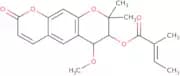
Selinidin
CAS:Selinidin is a phytochemical compound, which is derived from the natural source of the Brunsvigia bosmaniae plant. As a bioactive constituent of this plant, it is characterized by its unique structure and chemical properties, enabling it to interact with a variety of cellular targets, primarily through modulation of inflammatory pathways. The mode of action of Selinidin involves the inhibition of pro-inflammatory cytokines and mediators, thereby reducing inflammation and oxidative stress at the cellular level.Fórmula:C19H20O5Pureza:Min. 95%Peso molecular:328.36 g/molSuberosin epoxide
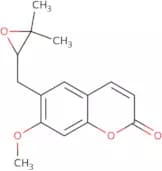
CAS:Suberosin epoxide is a naturally occurring compound, classified as a type of sesquiterpene lactone, which is extracted from certain plant species, particularly those belonging to the Rutaceae family. This compound is of significant interest due to its biologically active properties. Its mode of action typically involves the modulation of enzymatic pathways within biological systems, often interacting with cellular proteins and potentially affecting signal transduction processes.Pureza:Min. 95%Oxypeucedanin methanolate
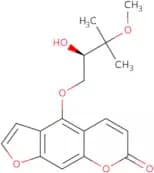
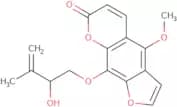
CAS:Oxypeucedanin methanolate is a naturally occurring furanocoumarin, which is a type of organic compound found predominantly in several citrus plants. This compound is derived from the peels and essential oils of these plants, highlighting its botanical source that is rich in phytochemicals.Fórmula:C17H18O6Pureza:Min. 95%Peso molecular:318.32 g/molOxypeucedanin hydrate
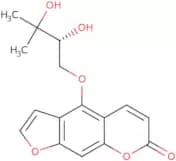
CAS:Oxypeucedanin hydrate is a natural furanocoumarin compound, which is derived from various plant sources, such as citrus fruits and members of the Apiaceae family. As a secondary metabolite, it plays a role in plant defense mechanisms against herbivores and pathogens.Pureza:Min. 95%3-Acetyl-5-hydroxymethyl-7-hydroxycoumarin
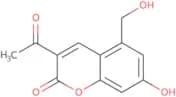
CAS:3-Acetyl-5-hydroxymethyl-7-hydroxycoumarin is a synthetic coumarin derivative, which is a class of organic compounds often found in natural products. These compounds are derived from plant sources and are known for their significant biochemical effects and aromatic properties. The mode of action of 3-Acetyl-5-hydroxymethyl-7-hydroxycoumarin involves interactions at the molecular level, where it can exhibit various biological activities, such as antioxidant and antimicrobial effects. Due to the hydroxyl and acetyl functional groups present, it can participate in redox reactions and binding interactions, affecting biochemical pathways.Fórmula:C12H10O5Pureza:Min. 95%Forma y color:Light (Or Pale) Yellow To Orange Yellow SolidPeso molecular:234.2 g/molXanthoxyletin
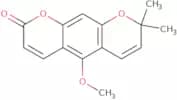
CAS:Xanthoxyletin is a coumarin, which is a type of natural organic compound commonly found in plants, particularly in the Rutaceae family. It is sourced from various plant species, including Zanthoxylum, known for their ethnobotanical uses. Xanthoxyletin functions primarily through its biochemical activity, including the inhibition of certain enzymes and modulation of cellular pathways that influence its pharmacological effects.Fórmula:C15H14O4Pureza:Min. 95%Forma y color:PowderPeso molecular:258.27 g/molPeuarin
CAS:Please enquire for more information about Peuarin including the price, delivery time and more detailed product information at the technical inquiry form on this pageFórmula:C20H22O6Pureza:Min. 95%Peso molecular:358.39 g/mol7-Geranyloxycoumarin
CAS:7-Geranyloxycoumarin is a naturally occurring coumarin derivative, which is primarily sourced from plant species in the Rutaceae family. It is a bioactive compound known for its presence in various essential oils and its contribution to the properties of these plant extracts. The mode of action of 7-Geranyloxycoumarin involves interactions at the cellular level, including enzyme inhibition and modulation of signal transduction pathways, which can lead to diverse pharmacological effects.Fórmula:C19H22O3Pureza:Min. 95%Forma y color:PowderPeso molecular:298.38 g/molPrenyletin methyl ether
CAS:Prenyletin methyl ether is a flavonoid compound, which is a naturally occurring polyphenolic molecule sourced primarily from specific plant species. This compound exerts its effects through a variety of biochemical interactions, notably influencing cellular signaling pathways, including antioxidative and anti-inflammatory processes.
Fórmula:C15H16O4Pureza:Min. 95%Peso molecular:260.29 g/molVaginidiol
CAS:Vaginidiol is a coumarin derivative that inhibits the biosynthesis of estrogen, which is essential for normal development of female reproductive tissues. The structure of vaginidiol was elucidated by NMR and mass spectroscopy, and it was found to be a bergapten-coumarin derivative. Vaginidiol has been shown to have an inhibitory effect on the growth of plants. This compound can be synthesized in two steps from etoac extract by an asymmetric synthesis using potassium hydroxide as the catalyst.
Fórmula:C14H14O5Pureza:Min. 95%Peso molecular:262.26 g/molNeobyakangelicol
CAS:Neobyakangelicol is a phytochemical compound, which is a natural product derived from various plant species. Its source is predominantly the roots of certain medicinal plants that are known for their array of bioactive constituents. The mode of action of Neobyakangelicol primarily involves interacting with specific biochemical pathways, potentially including modulation of enzyme activity or receptor binding, which could result in diverse pharmacological effects.Fórmula:C17H16O6Pureza:Min. 95%Peso molecular:316.31 g/mol7-Prenyloxyumbelliferone
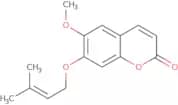
7-Prenyloxyumbelliferone is a natural coumarin derivative, which is primarily sourced from plants belonging to the Rutaceae and Apiaceae families. This compound exhibits a range of biological activities, including anti-inflammatory, antioxidant, and antimicrobial properties. The mode of action of 7-Prenyloxyumbelliferone involves the modulation of specific enzymes and signaling pathways, such as the inhibition of cyclooxygenase and lipoxygenase, and the scavenging of free radicals, which collectively contribute to its pharmacological effects.Pureza:Min. 95%trans-Khellactone
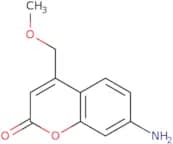
CAS:Trans-Khellactone is a naturally occurring lactone derivative, which is isolated from plants of the Apiaceae family. This compound exhibits a variety of biological functions due to its unique chemical structure, which includes a dihydropyran ring. Trans-Khellactone's mode of action involves interacting with various cellular pathways, potentially modulating enzyme activity, receptor binding, and influencing signal transduction processes.Fórmula:C14H14O5Pureza:Min. 95%Peso molecular:262.26 g/mol7-Amino-4-(methoxymethyl)coumarin
CAS:7-Amino-4-(methoxymethyl)coumarin is a fluorogenic compound, which is synthesized chemically for bioanalytical applications. This compound serves as a substrate in enzyme assays and is particularly valuable in studying enzymatic activity due to its fluorescent properties.Fórmula:C11H11NO3Pureza:Min. 95%Peso molecular:205.21 g/molScopoletin-2',3'-epoxy-3'-methylbutyl ether
Scopoletin-2',3'-epoxy-3'-methylbutyl ether is a synthetic derivative of scopoletin, which is a coumarin compound. This ether derivative is primarily obtained from chemical synthesis processes designed to modify the parent compound, scopoletin, which is naturally found in various plants, such as those in the Asteraceae and Rubiaceae families. The mode of action typically involves the modulation of biochemical pathways, primarily through interacting with enzymes or receptors that regulate oxidative stress or inflammation.Pureza:Min. 95%Arnottinin
CAS:Arnottinin is a bioactive compound, which is derived from natural plant sources. It functions primarily through modulation of specific cellular pathways, targeting key receptors that regulate physiological responses. This compound exhibits its mode of action by influencing signal transduction pathways, effectively altering cellular activities at the molecular level.
Fórmula:C14H14O4Pureza:Min. 95%Peso molecular:246.26 g/molIsobergapten
CAS:Isobergapten is a naturally occurring furanocoumarin, which is primarily derived from plants in the Apiaceae family, such as celery and parsley. The compound is structurally characterized by its fused furan and coumarin rings. It exerts its effects through its ability to interact with cellular enzymes and DNA, often influencing photodynamic processes. This interaction can result in modifications to DNA replication and transcription, making it a compound of interest in photochemotherapy and photobiology.Fórmula:C12H8O4Pureza:Min. 95%Forma y color:PowderPeso molecular:216.19 g/molCalipteryxin
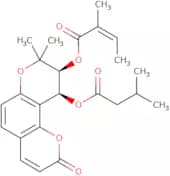
CAS:Please enquire for more information about Calipteryxin including the price, delivery time and more detailed product information at the technical inquiry form on this pageFórmula:C24H26O7Pureza:Min. 95%Peso molecular:426.46 g/molPraeruptorin E
CAS:Praeruptorin E is a natural furanocoumarin, which is derived from the roots of Peucedanum praeruptorum, a plant commonly used in traditional Chinese medicine. As a bioactive compound, Praeruptorin E exhibits significant pharmacological activities, particularly in cardiovascular, anti-inflammatory, and cytoprotective domains.Pureza:Min. 95%7-methoxy-8-hydroxy-4-phenylcoumarin
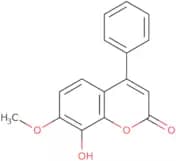
CAS:7-Methoxy-8-hydroxy-4-phenylcoumarin is a coumarin derivative, a type of organic compound characterized by a benzopyrone structure. This compound is typically derived from natural plant sources or synthesized in laboratory settings. Its structural features, such as the methoxy and hydroxy groups, are integral to its potential biological activity.Fórmula:C16H12O4Pureza:Min. 95%Peso molecular:268.26 g/mol